Semantic Network

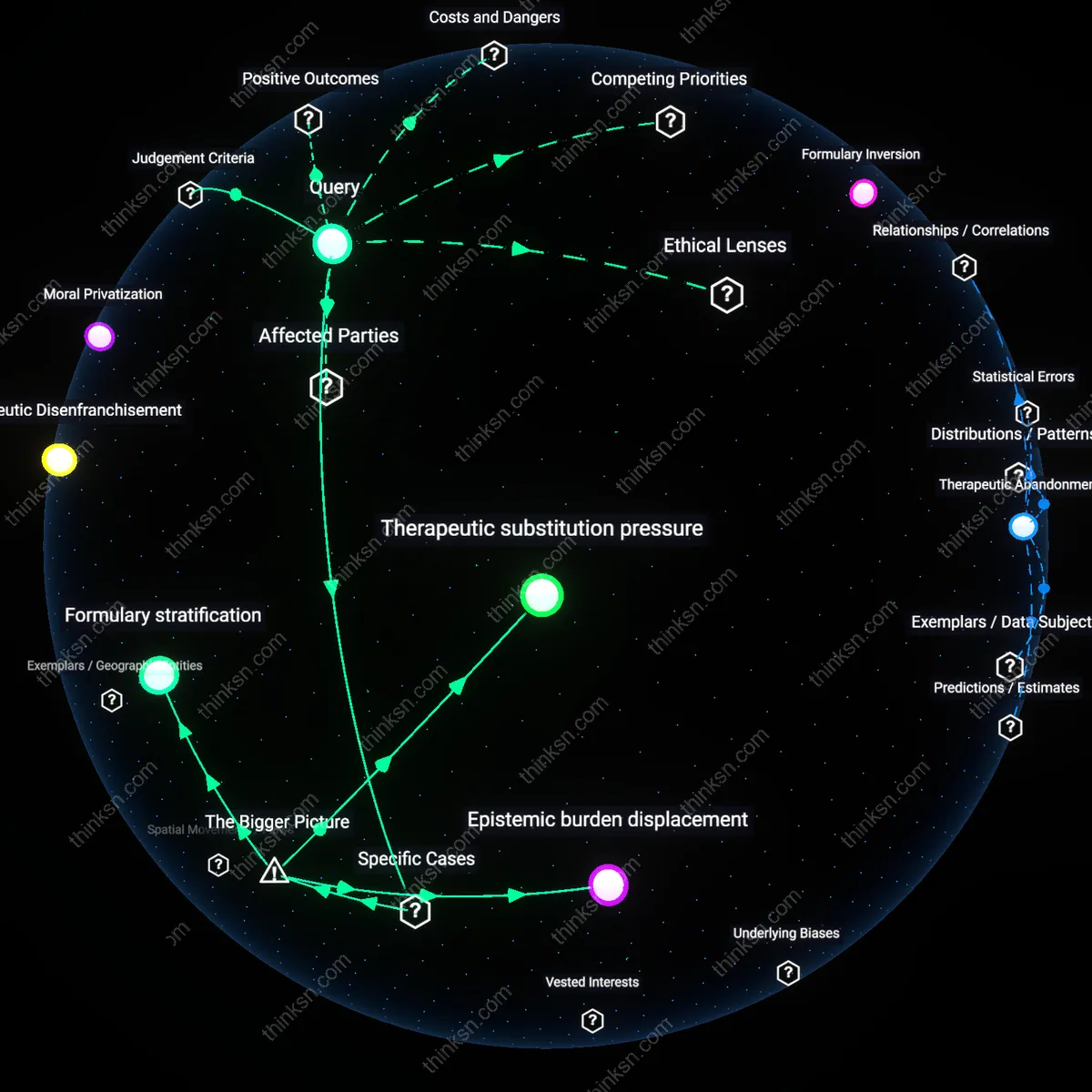
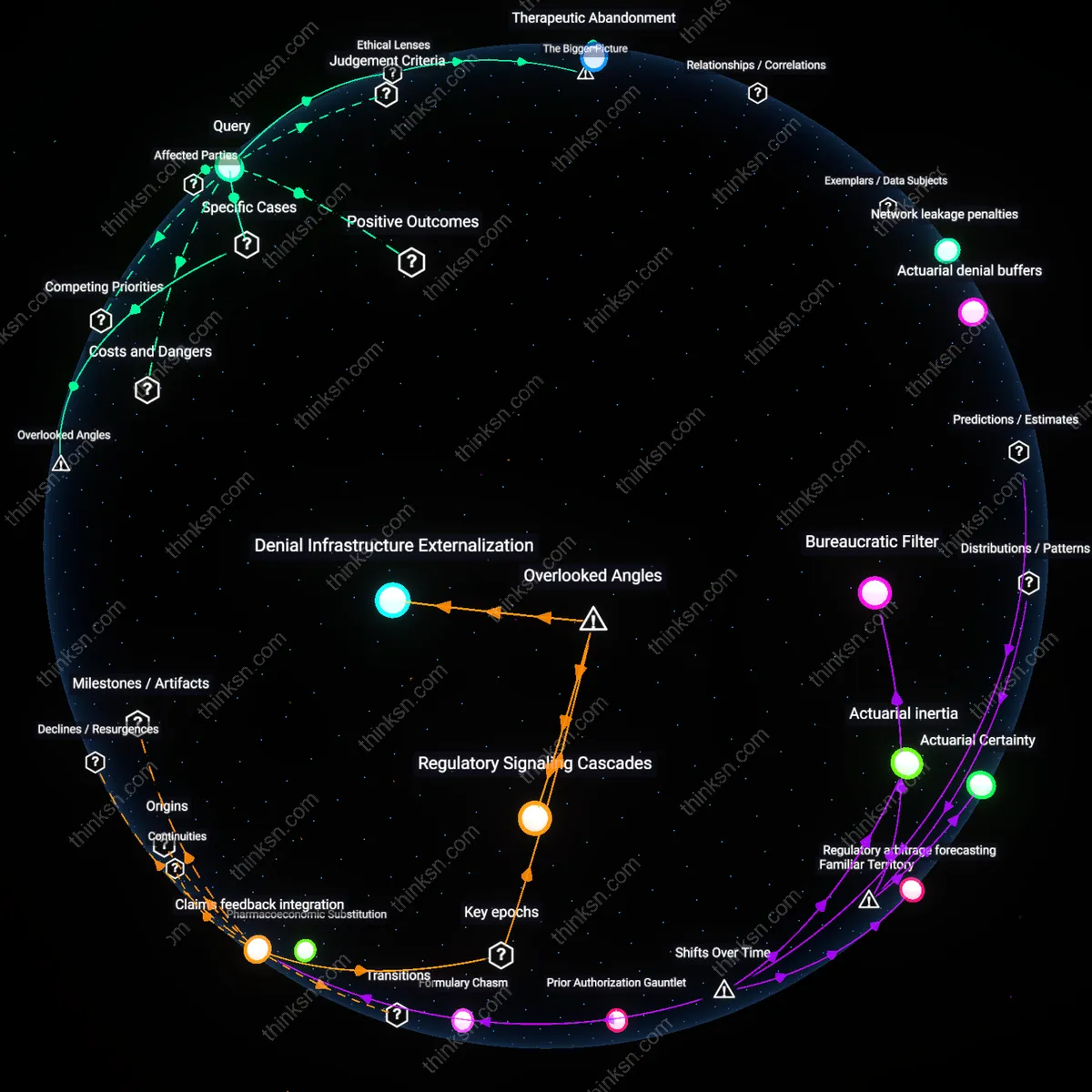
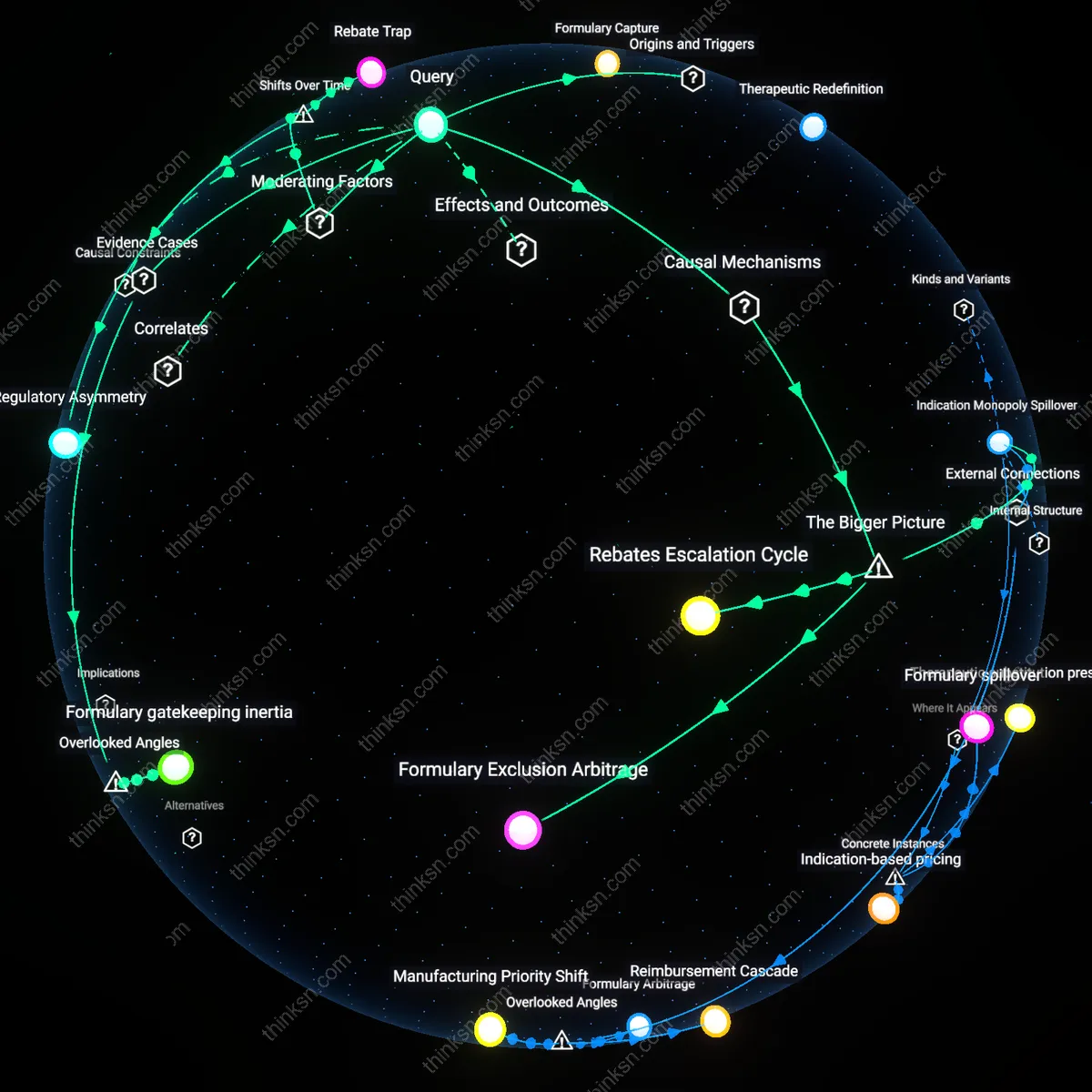
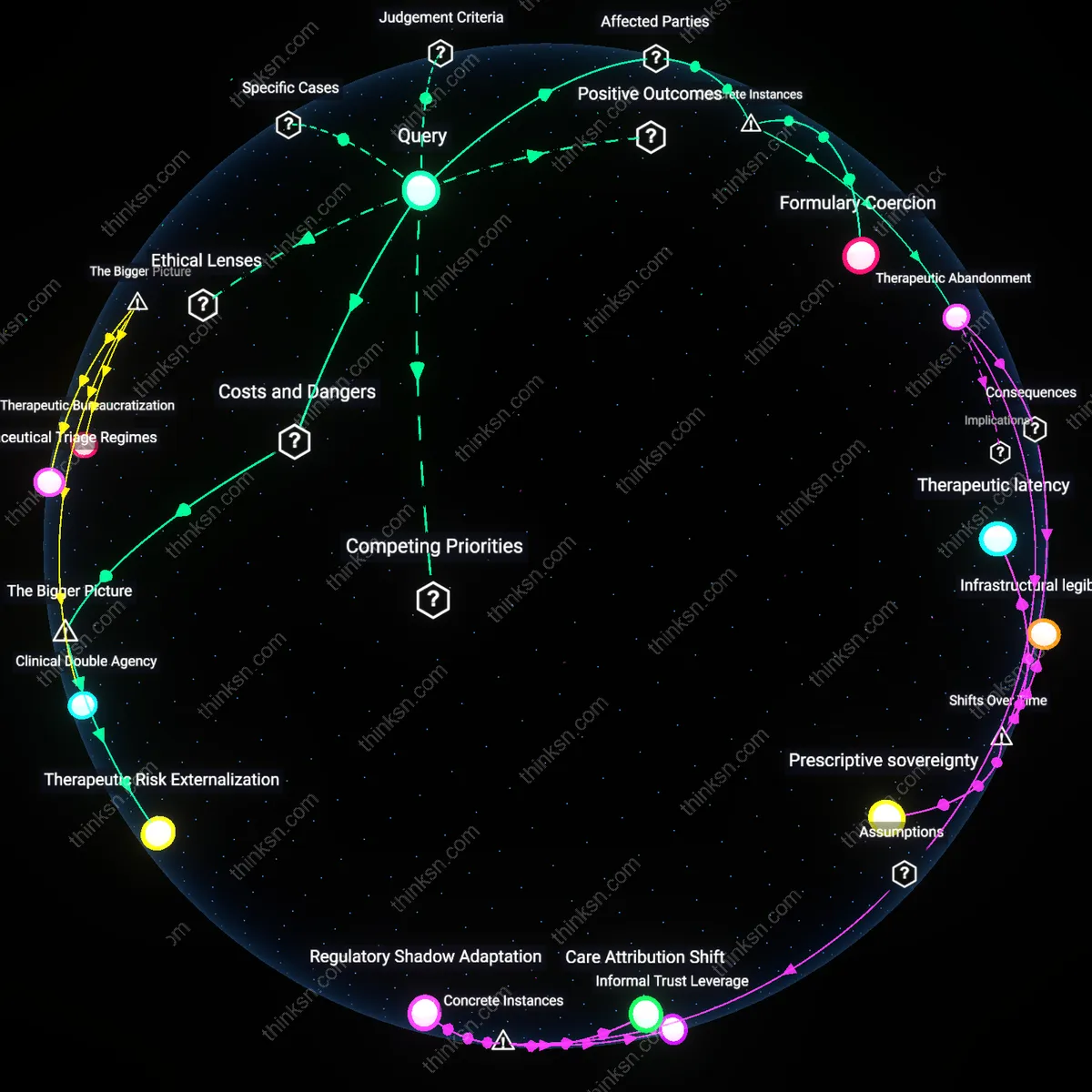
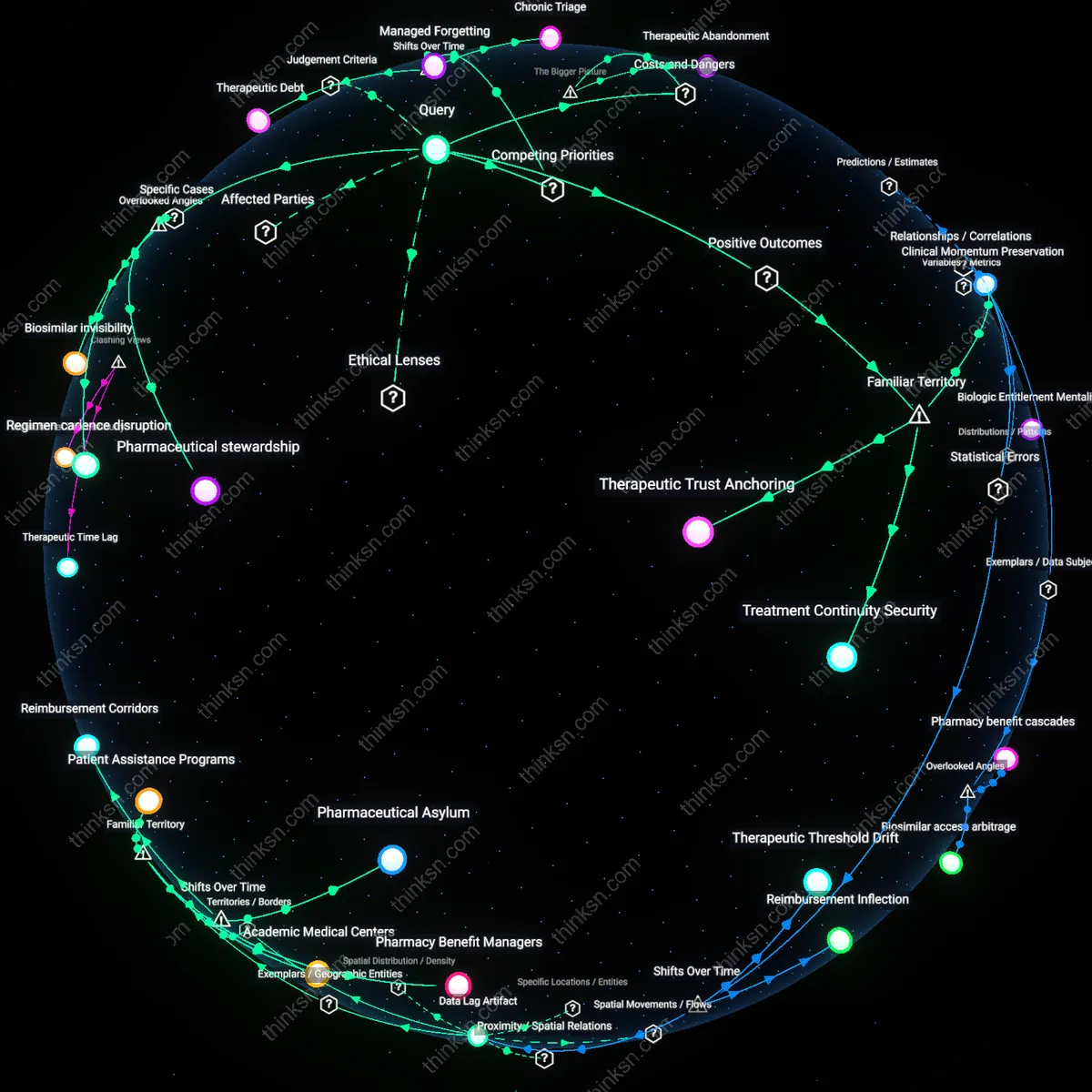
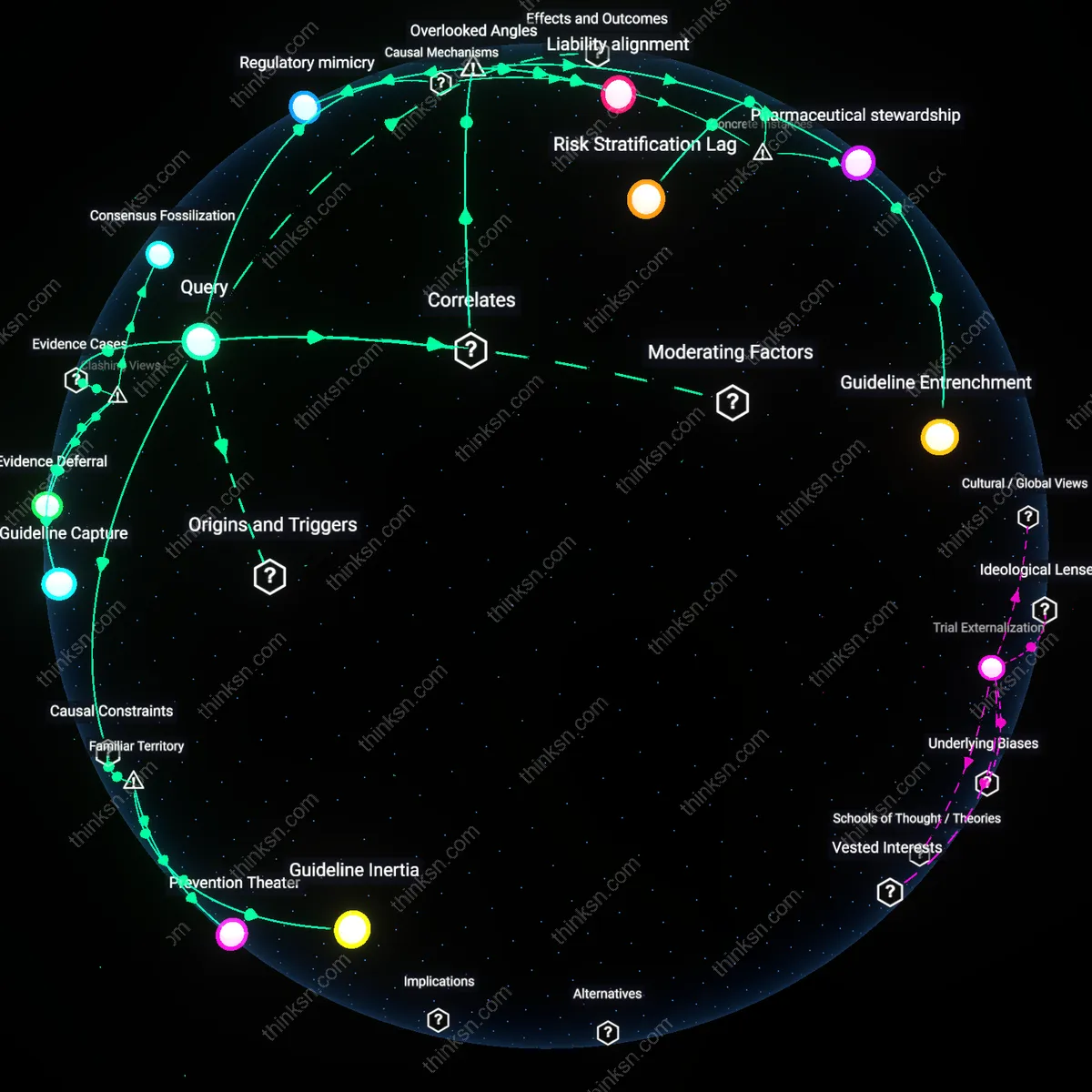
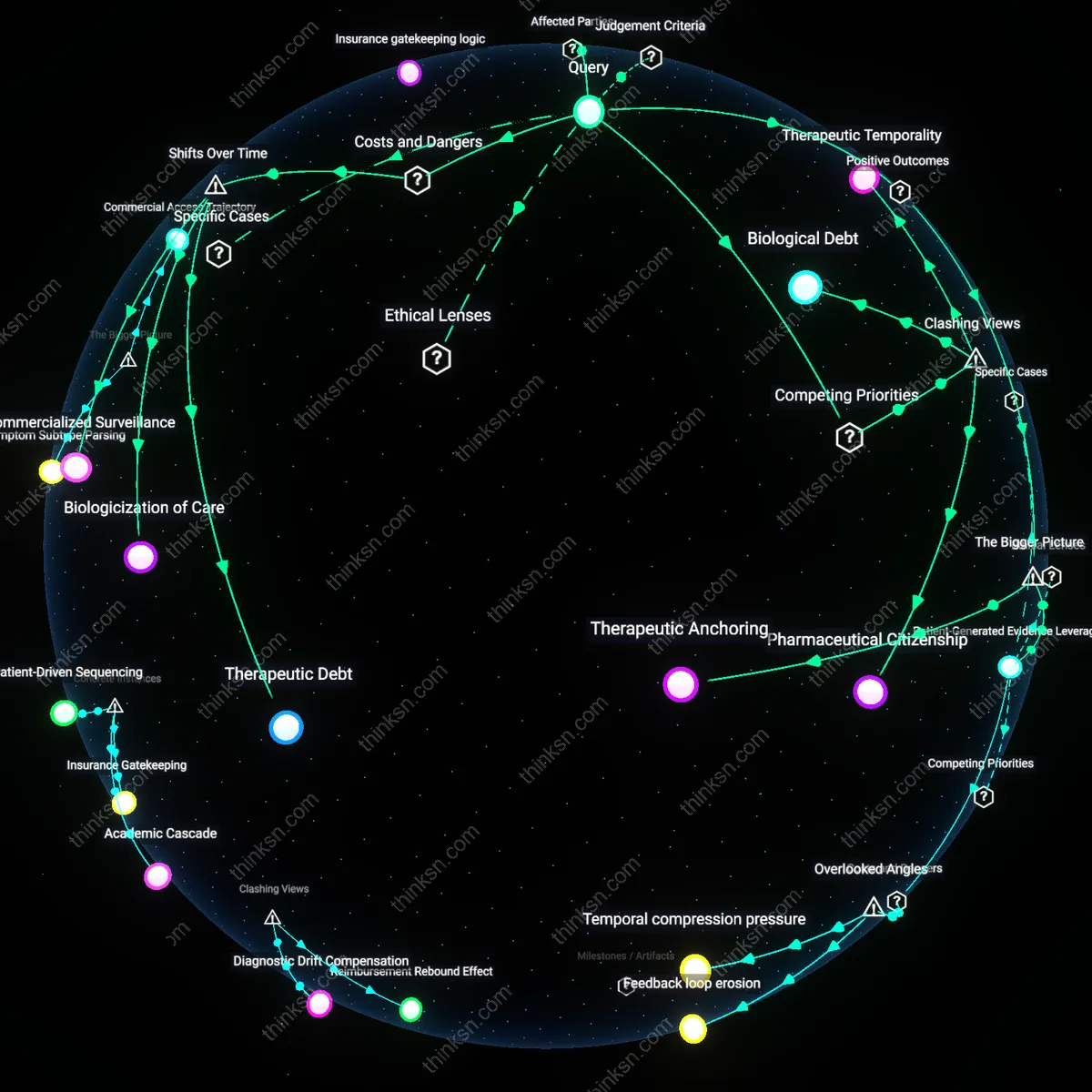
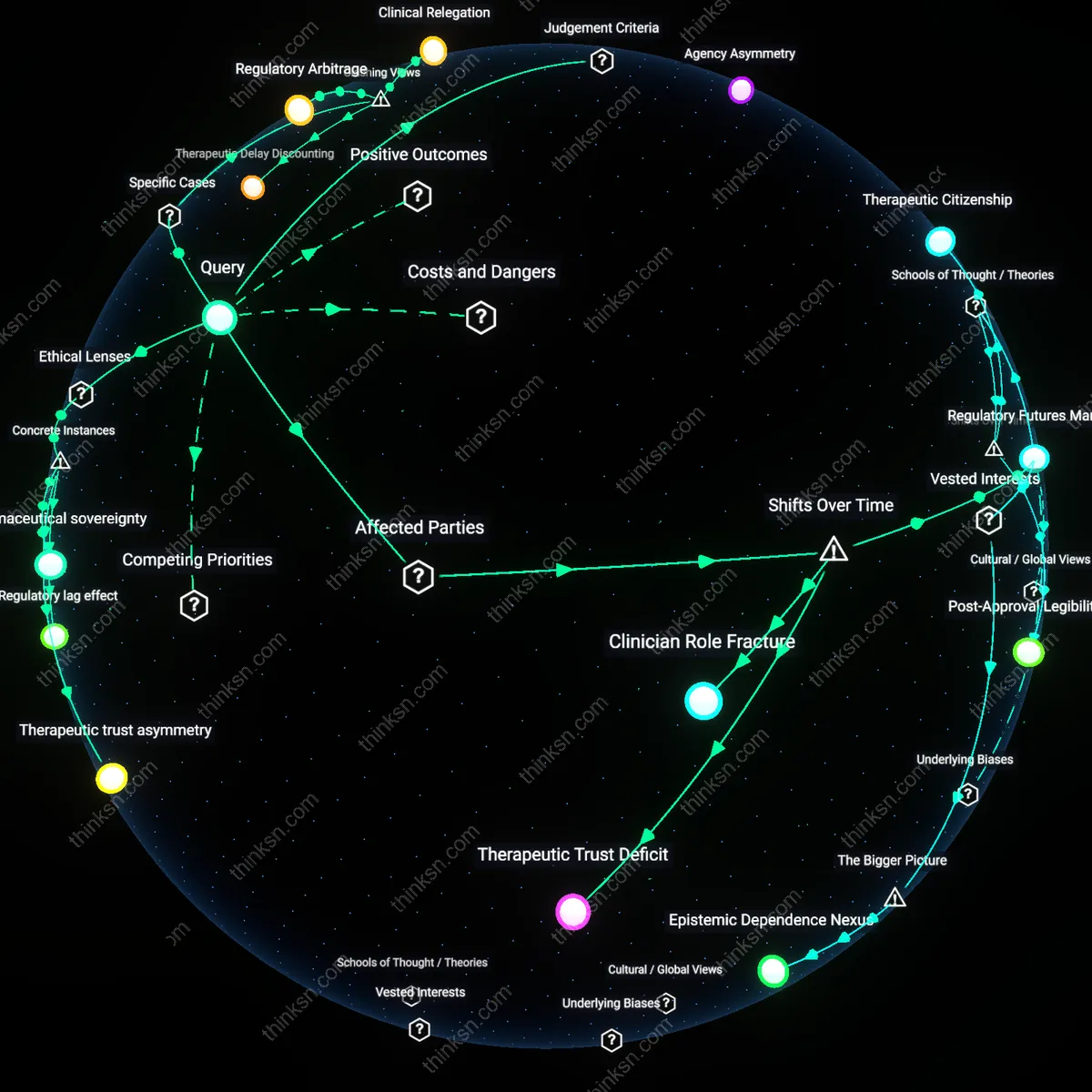
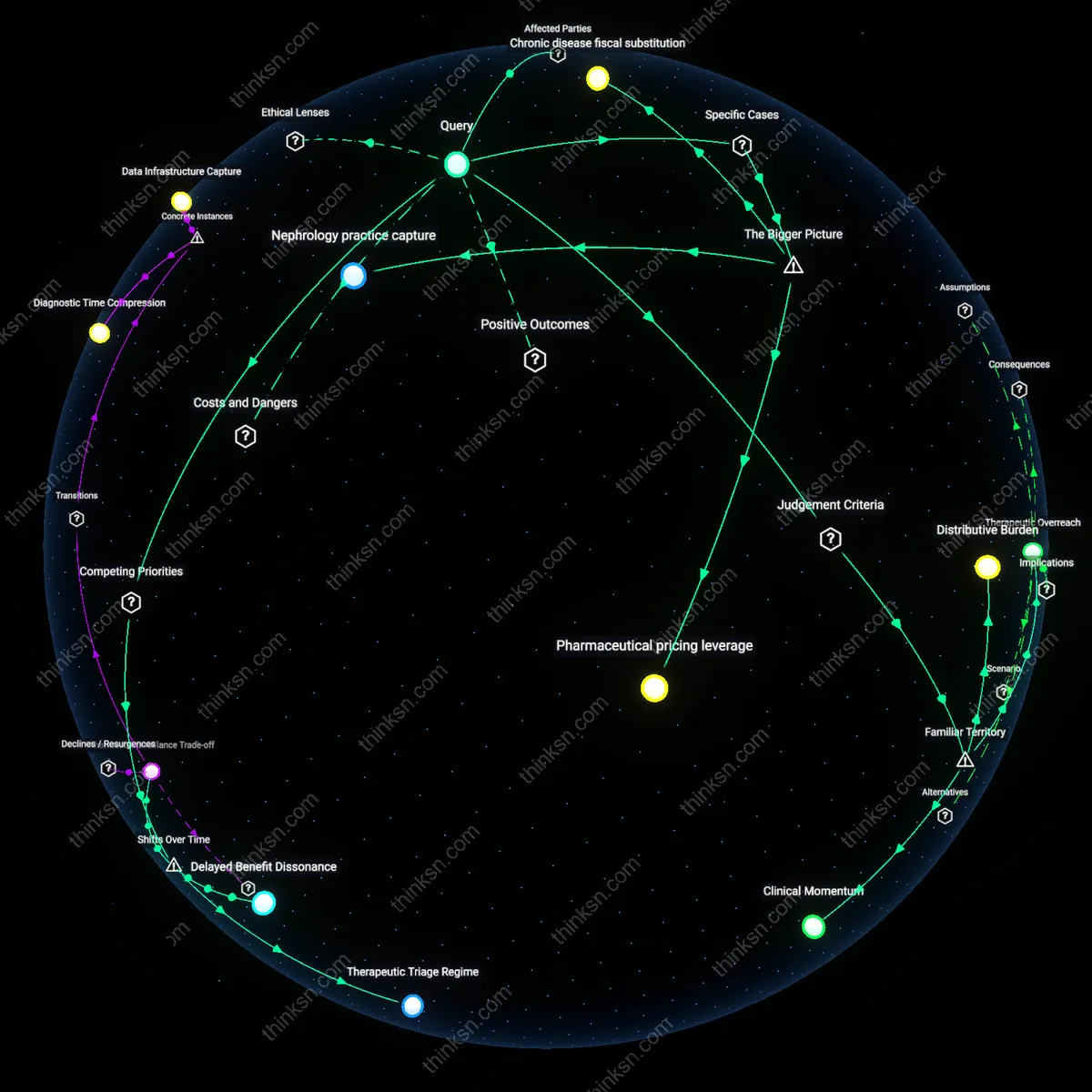
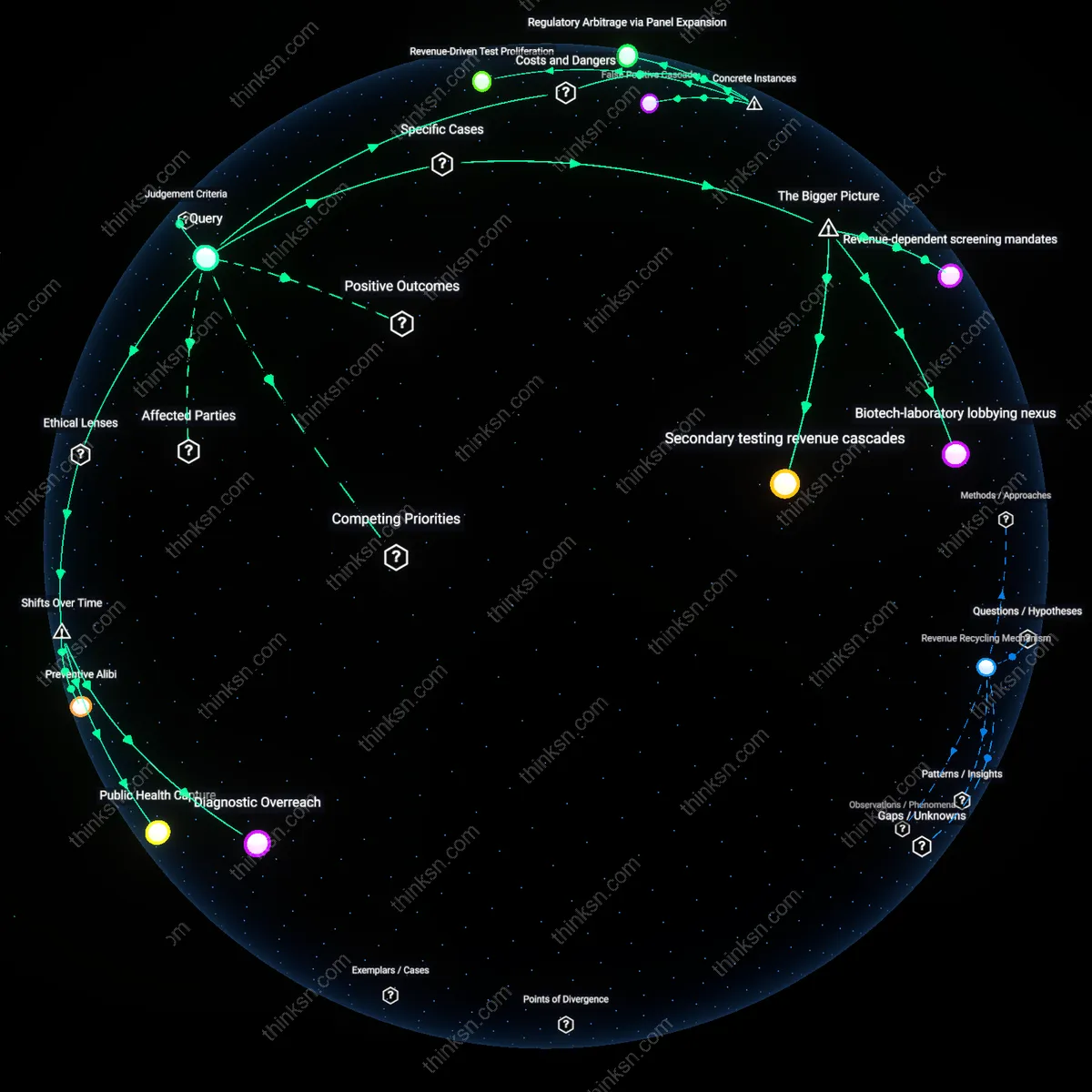
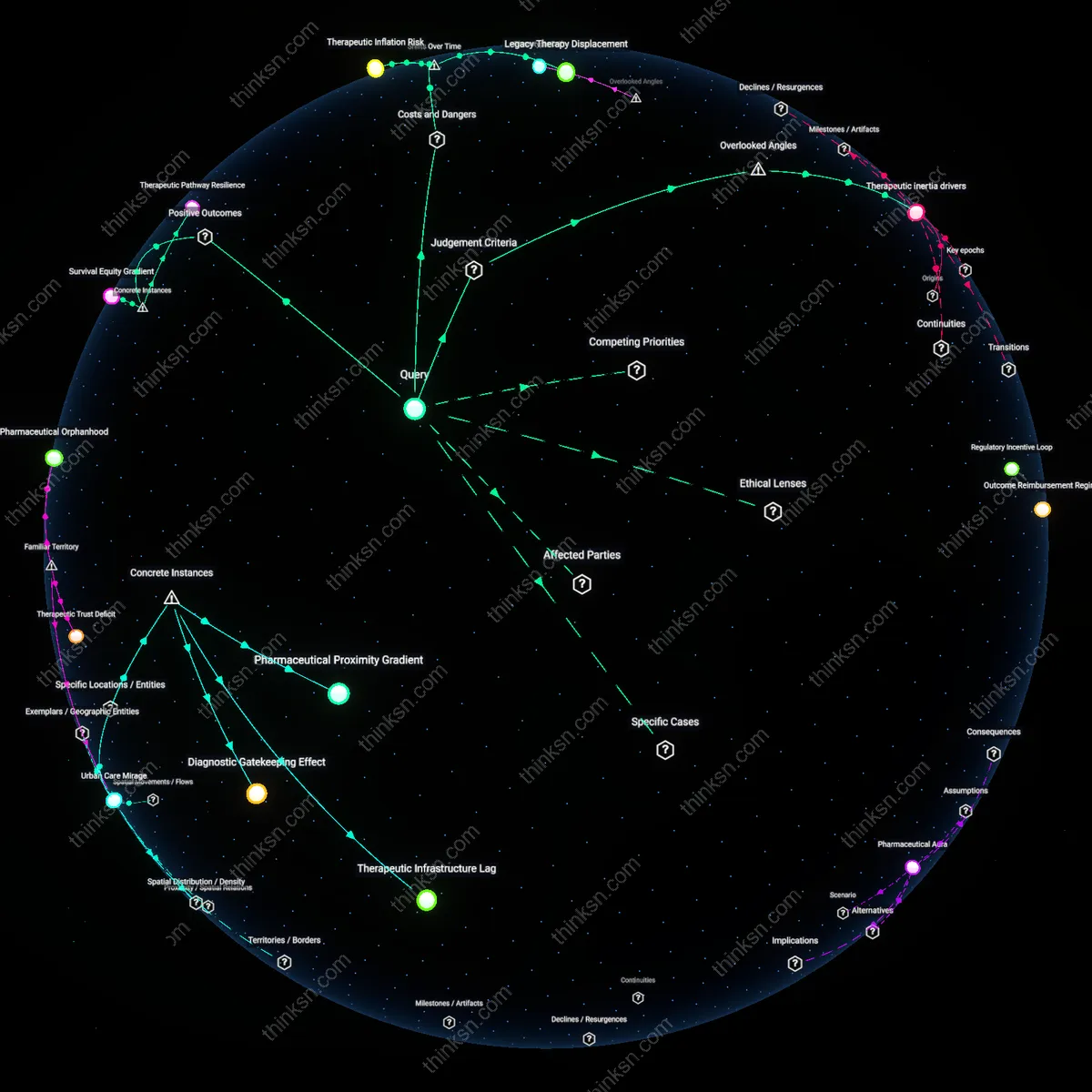
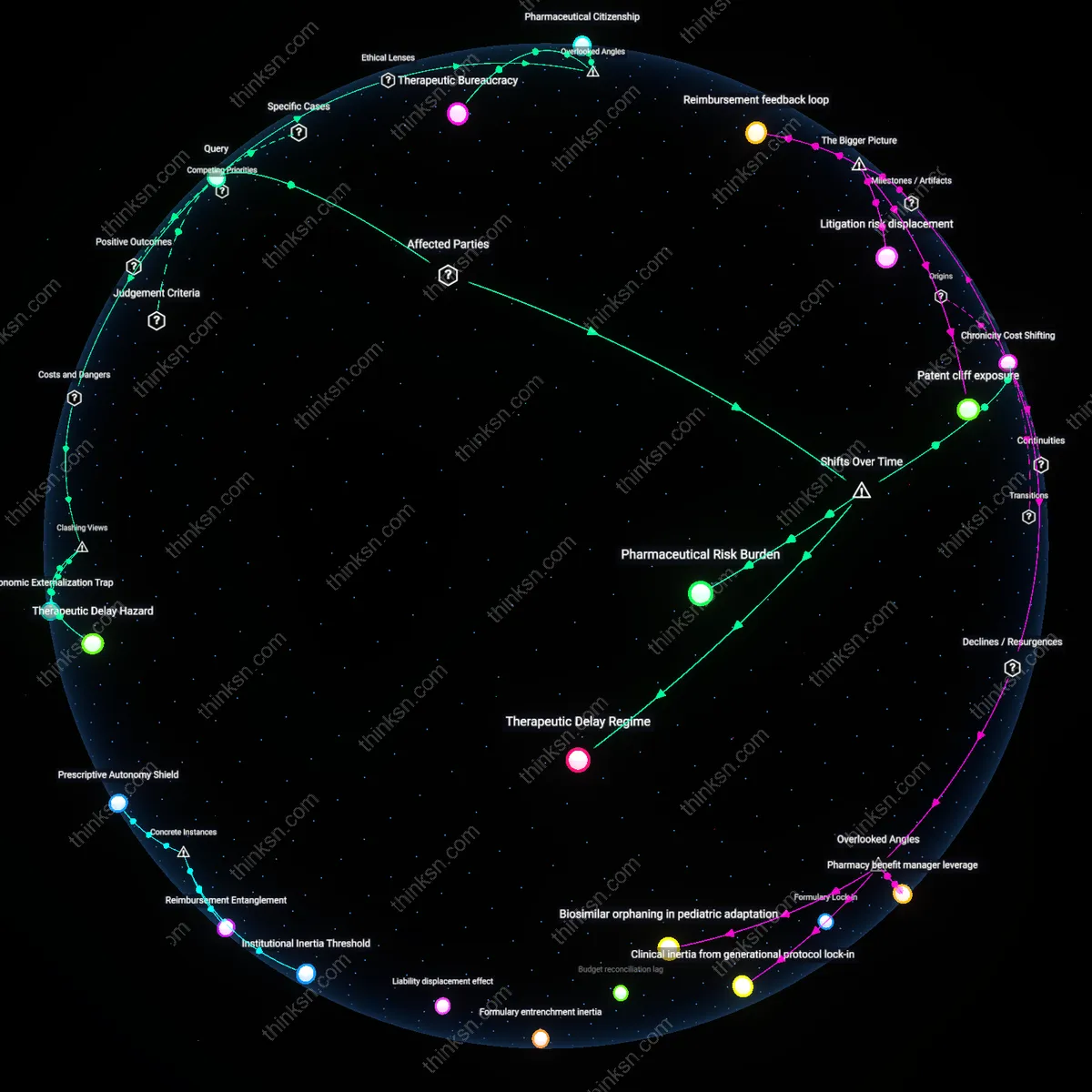
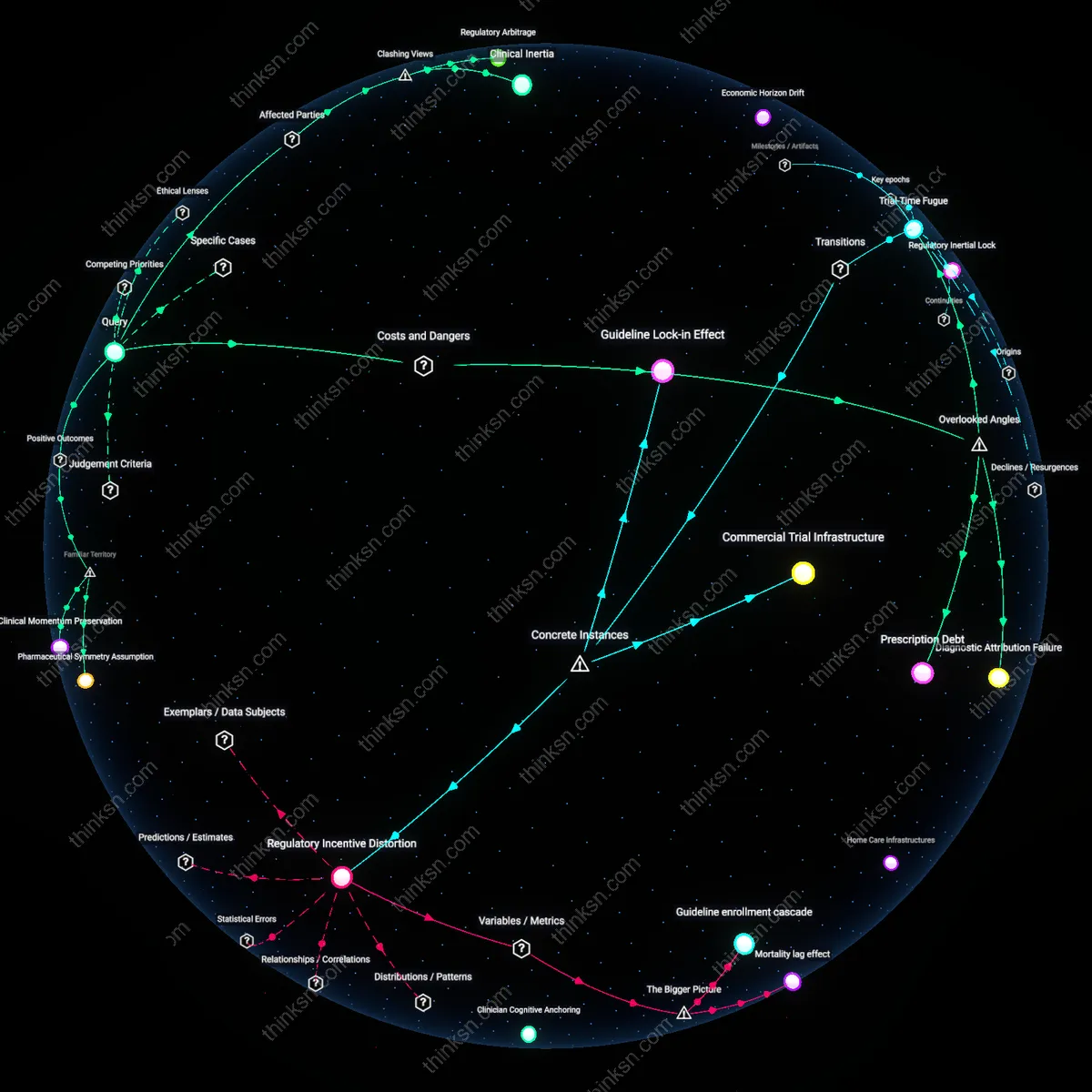
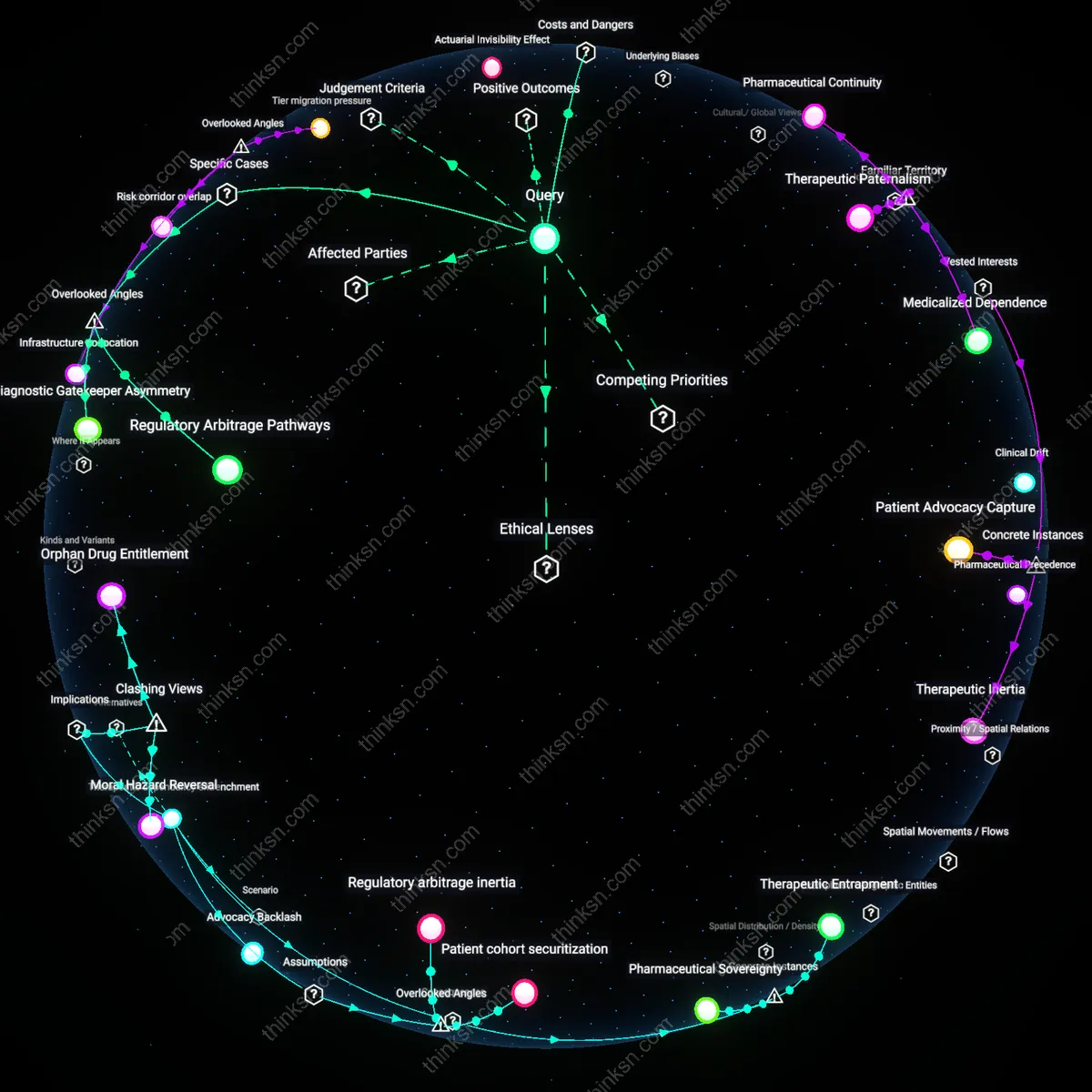
Interactive semantic network: When pharmaceutical companies launch “orphan drugs” for rare diseases, how does the pricing strategy interact with insurance coverage decisions and patient equity?
Copy the full link to view this semantic network. The 11‑character hashtag can also be entered directly into the query bar to recover the network.

Q&A Report

Do Orphan Drugs Price Out Insurance and Equity?

Analysis reveals 6 key thematic connections.

Key Findings

Regulatory Arbitrage Regime

Orphan drug pricing surged after the 1983 U.S. Orphan Drug Act, not because of innovation costs but because the law's incentives—seven-year market exclusivity and R&D subsidies—were decoupled from pricing controls, enabling manufacturers to set initial prices an order of magnitude above therapeutic alternatives by exploiting regulatory safety valves meant to encourage development. Drug sponsors leveraged the Act’s exclusivity as a pricing escalator, knowing insurers had no leverage during the exclusivity window, institutionalizing a cycle in which high prices became the precondition for rare disease R&D investment rather than a consequence of it—masking how a policy designed to reduce risk for patients instead transferred financial risk wholesale to payers and underserved populations.

Actuarial Invisibility Effect

In the 1990s, as private insurers adopted prospective payment models, orphan drug coverage became increasingly precarious because actuarial risk pools—designed for predictable, high-volume claims—could not absorb the volatility of ultra-high-cost therapies for unpredictable, low-prevalence conditions, leading to retroactive denials and benefit design exclusion. This shift rendered rare disease patients actuarially 'invisible' within risk-adjusted insurance architectures, not because their diseases were medically overlooked but because the economic models underwriting coverage assumed population-level predictability, exposing a structural misalignment between incentive-based drug development and pooled risk insurance that turned access into a function of timing, diagnosis coding, and administrative discretion rather than medical necessity.

Chronicization Profit Turn

Following the 2010s expansion of biologics and gene therapies, firms began repositioning one-time or acute orphan therapies as chronic maintenance regimens—such as extending treatment duration for spinal muscular atrophy drugs—thereby converting regulatory scarcity into perpetual revenue streams, a shift that reframed patient equity not as a barrier to overcome but as a monetizable condition when sustained over time. This turn exploited the misalignment between insurers’ short-term cost containment and long-term societal benefit, leveraging incremental clinical endpoints to justify sustained reimbursement while normalizing lifelong dependency on seven-figure treatment trajectories, revealing how the temporal extension of therapy duration became a profit-maximizing strategy masked as clinical progress.

Regulatory Arbitrage Pathways

Orphan drug developers exploit discrepancies between pediatric and rare disease approval frameworks to extend market exclusivity, thereby inflating prices without additional clinical innovation. In cases like BioMarin’s Brineura, the firm leveraged a minor pediatric indication alongside its rare disease designation to stack exclusivity periods, deterring generics and maintaining prices above $600,000 annually—this mechanism bypasses traditional cost-effectiveness scrutiny by anchoring pricing power in regulatory timing rather than therapeutic value. This reflects an overlooked exploitation of administrative loopholes, not market scarcity, as the primary enabler of sustained unaffordability, shifting the focus from patient need to procedural gaming.

Formulary Shadow Pricing

Private insurers use orphan drug list prices as benchmark anchors to set co-pay tiers for genetically related but more common conditions, thereby spreading high-cost assumptions across broader populations. For example, when Spark Therapeutics’ Luxturna was priced at $850,000 per treatment, some commercial plans adjusted tier-5 (highest cost) thresholds for all gene therapies—including non-orphan products—amplifying patient cost-sharing even for diseases with competitive treatments. This hidden feedback loop elevates systemic patient financial burden by allowing the pricing outliers of rare disease markets to distort cost-sharing norms in more routine care, an effect rarely visible in drug pricing equity analyses focused solely on access to the index therapy.

Diagnostic Gatekeeper Asymmetry

The scarcity of certified diagnostic laboratories for ultra-rare conditions creates a bottleneck that determines effective access to insurer-covered treatments, regardless of drug approval or list price. In spinal muscular atrophy type 1, only three U.S. labs were initially accredited to confirm diagnoses required by insurers for Zolgensma reimbursement, causing delays that rendered infants ineligible due to age-based treatment windows. This infrastructural chokepoint—controlled not by pharma or payers but by lab certification networks—acts as a concealed determinant of patient equity, exposing how pre-therapeutic technical capacity, not post-approval pricing or coverage policy, can be the true constraining variable in real-world access.
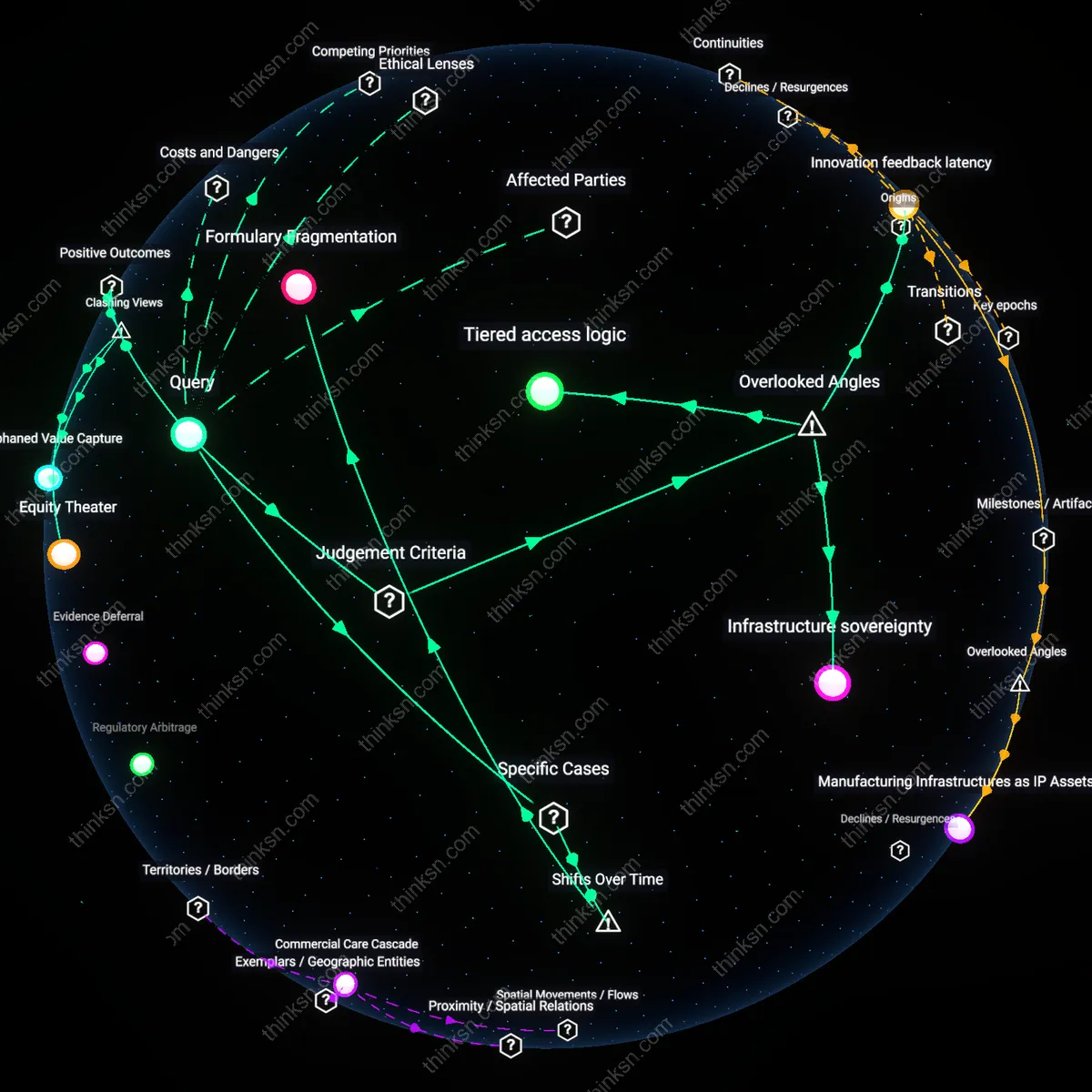
Relationship Highlight

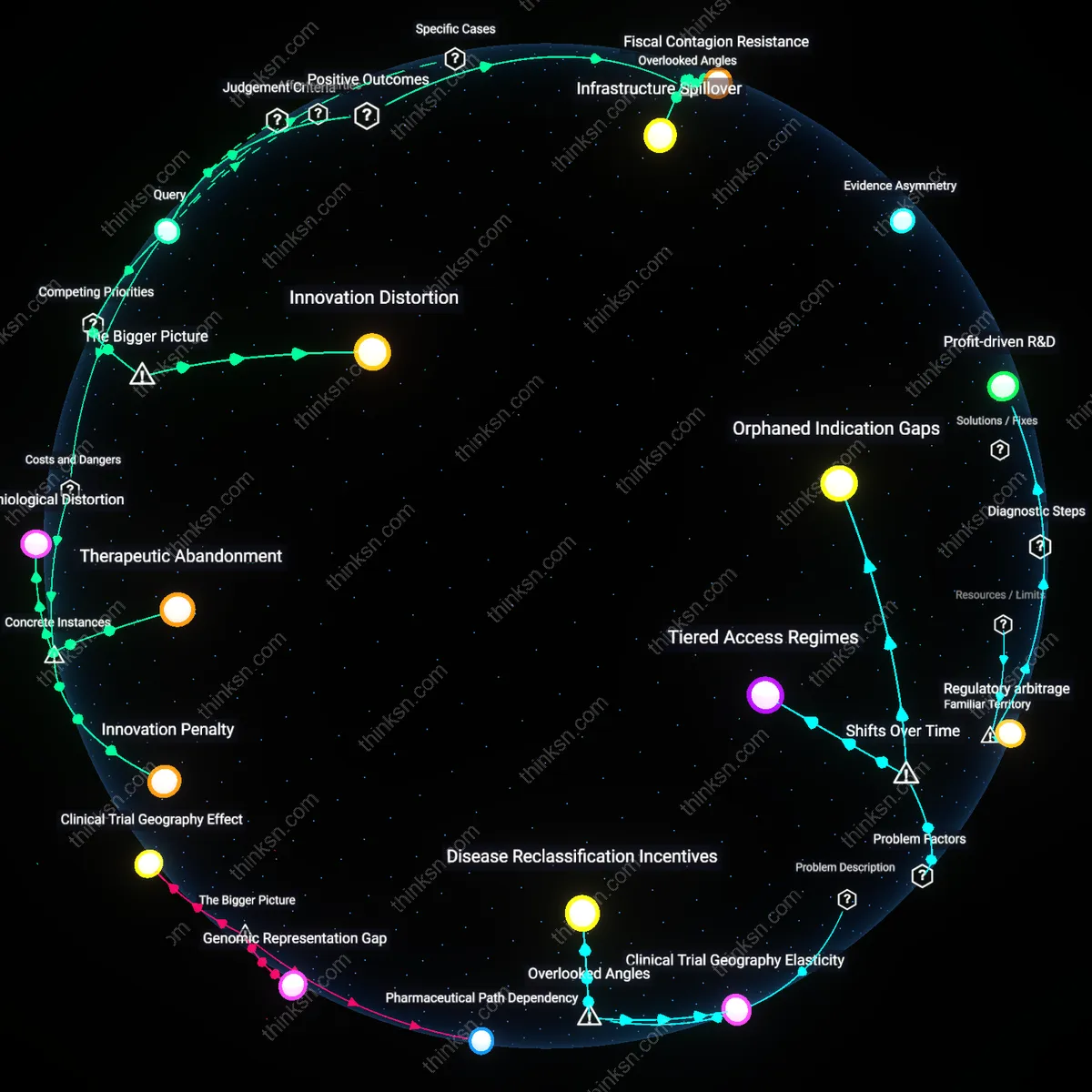
Therapeutic Entrapmentvia Concrete Instances

“Insurers withdrawing orphan drug coverage mid-treatment would trap patients in irreversible biological dependency, as seen when Harvard Pilgrim Health Care abruptly cut coverage for nusinersen (Spinraza) in SMA patients in 2019, triggering clinical deterioration due to the drug’s time-locked mechanism of action; this reveals a systemic vulnerability where discontinuation creates iatrogenic harm not by omission but by induced dependency, a dynamic overlooked in standard cost-benefit models of formulary design.”

Similar Concepts in Other Domains

Analysis: Explore the ethical dimensions of accepting subpar medications to avoid legal battles — trace reasoning chains, unpack hidden assumptions interactively.
Is Accepting Subpar Meds to Avoid Legal Battles Ethical?
Explore the ethical dimensions of accepting subpar medications to avoid legal battles — trace reasoning chains, unpack hidden assumptions interactively.
Analysis: Explore the causal links and hidden factors behind soaring medication costs after insurance changes — unpack the complex reasoning chains interactively.
Why Does Medication Cost Soar After Insurance Change?
Explore the causal links and hidden factors behind soaring medication costs after insurance changes — unpack the complex reasoning chains interactively.
Analysis: Explore how partial drug coverage deals impact patients and insurers — unpack hidden benefits and drawbacks through interactive 3D reasoning maps.
Do Partial Drug Coverage Deals Benefit Patients or Insurers?
Explore how partial drug coverage deals impact patients and insurers — unpack hidden benefits and drawbacks through interactive 3D reasoning maps.
Analysis: Explore the pros and cons of Asthma Biologics vs cheaper options — unpack hidden costs, efficacy trade-offs, and trace reasoning chains interactively.
Asthma Biologics: Worth Sticking With or Switching to Cheaper Options?
Explore the pros and cons of Asthma Biologics vs cheaper options — unpack hidden costs, efficacy trade-offs, and trace reasoning chains interactively.
Analysis: Explore the evidence behind American Heart Associations aspirin advice — trace trials, unpack assumptions, and map reasoning chains interactively.
Is American Heart Associations Aspirin Advice Backed by Trials?
Explore the evidence behind American Heart Associations aspirin advice — trace trials, unpack assumptions, and map reasoning chains interactively.
Analysis: Explore the reasoning behind chronic migraine patients weighing CGRP antibody risks — unpack the factors, trace the consequences interactively.
How Do Chronic Migraine Patients Weigh CGRP Antibody Risks?
Explore the reasoning behind chronic migraine patients weighing CGRP antibody risks — unpack the factors, trace the consequences interactively.
Analysis: Explore the causal links between microbiome therapies and immunosuppressants for ulcerative colitis — unpack the reasoning chains interactively.
Microbiome Therapies or Immunosuppressants for Ulcerative Colitis?
Explore the causal links between microbiome therapies and immunosuppressants for ulcerative colitis — unpack the reasoning chains interactively.
Analysis: Explore the necessity of routine cholesterol screening for young adults — unpack assumptions, trace causal links, and map reasoning chains interactively.
Is Routine Cholesterol Screening for Young Adults Really Necessary?
Explore the necessity of routine cholesterol screening for young adults — unpack assumptions, trace causal links, and map reasoning chains interactively.
Analysis: Explore the complex web of interests and impacts behind cholesterol supplements — unpack how they might alter Big Pharma’s preventive role interactively.
Are Cholesterol Supplements Undermining Big Pharmas Prevention Role?
Explore the complex web of interests and impacts behind cholesterol supplements — unpack how they might alter Big Pharma’s preventive role interactively.
Analysis: Unpack flaws in insurers clinical reviews by tracing rejected antidepressants — explore causal links and hidden assumptions interactively.
Do Rejected Antidepressants Reveal Flaws in Insurers Clinical Reviews?
Unpack flaws in insurers clinical reviews by tracing rejected antidepressants — explore causal links and hidden assumptions interactively.
Analysis: Explore the causal links and hidden assumptions behind SGLT2 inhibitors role in early kidney disease — unpack the benefits and costs interactively.
SGLT2 Inhibitors: Cure or Cost for Early Kidney Disease?
Explore the causal links and hidden assumptions behind SGLT2 inhibitors role in early kidney disease — unpack the benefits and costs interactively.
Analysis: Explore the causal links and hidden assumptions behind lab profits from expanded newborn screening — unpack the complex reasoning chains interactively.
Are Labs Profiting from Expanded Newborn Screening?
Explore the causal links and hidden assumptions behind lab profits from expanded newborn screening — unpack the complex reasoning chains interactively.
Analysis: Explore the causal links and hidden assumptions around heart meds with unclear lifesaving benefits — unpack the cost-risk tradeoffs interactively.
Is Cheaper Heart Med Worth Risk If Life-Saving Unclear?
Explore the causal links and hidden assumptions around heart meds with unclear lifesaving benefits — unpack the cost-risk tradeoffs interactively.
Analysis: Explore the reasoning behind cheaper Mesalamine for stable Crohn’s when biologics are costly — trace causal links and unpack assumptions interactively.
Is Cheaper Mesalamine Better for Stable Crohn’s When Biologics Are Expensive?
Explore the reasoning behind cheaper Mesalamine for stable Crohn’s when biologics are costly — trace causal links and unpack assumptions interactively.
Analysis: Explore the causal links and hidden assumptions in weighing side effects against reduced heart-failure risks — map your reasoning interactively.
Should Side Effects Outweigh Reduced Heart-Failure Risks?
Explore the causal links and hidden assumptions in weighing side effects against reduced heart-failure risks — map your reasoning interactively.
Analysis: Explore the causal links and hidden assumptions behind early MS treatment effectiveness and persisting fears — unpack the complex reasoning interactively.
Why Early MS Treatment Proves Effective Yet Fears Persist?
Explore the causal links and hidden assumptions behind early MS treatment effectiveness and persisting fears — unpack the complex reasoning interactively.
Analysis: Explore the causal links and hidden assumptions behind GLP-1 agonists costs for diabetic heart health — unpack the analysis interactively.
GLP-1 Agonists: Worth the Cost for Diabetics Heart Health?
Explore the causal links and hidden assumptions behind GLP-1 agonists costs for diabetic heart health — unpack the analysis interactively.