Is Routine Cholesterol Screening for Young Adults Really Necessary?
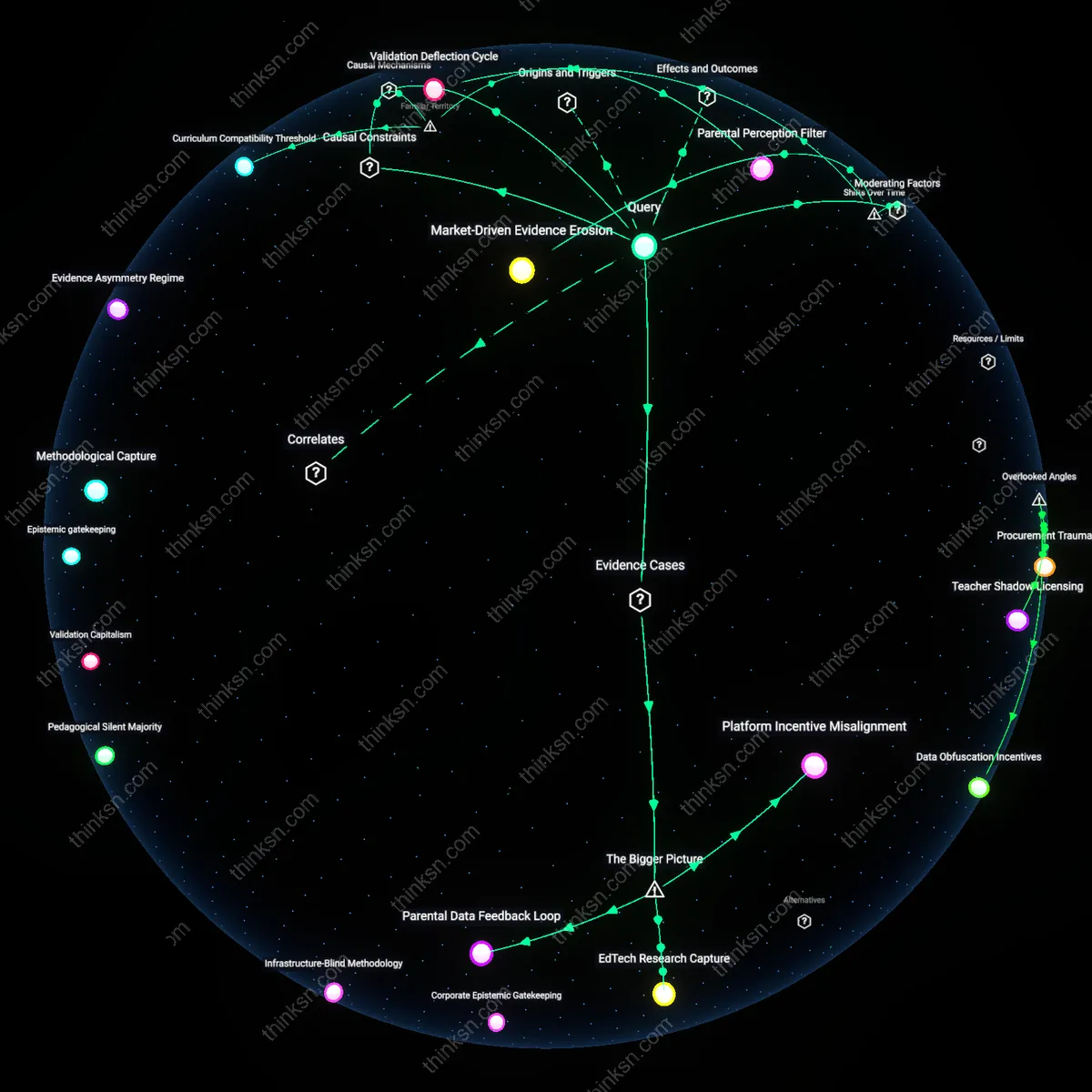
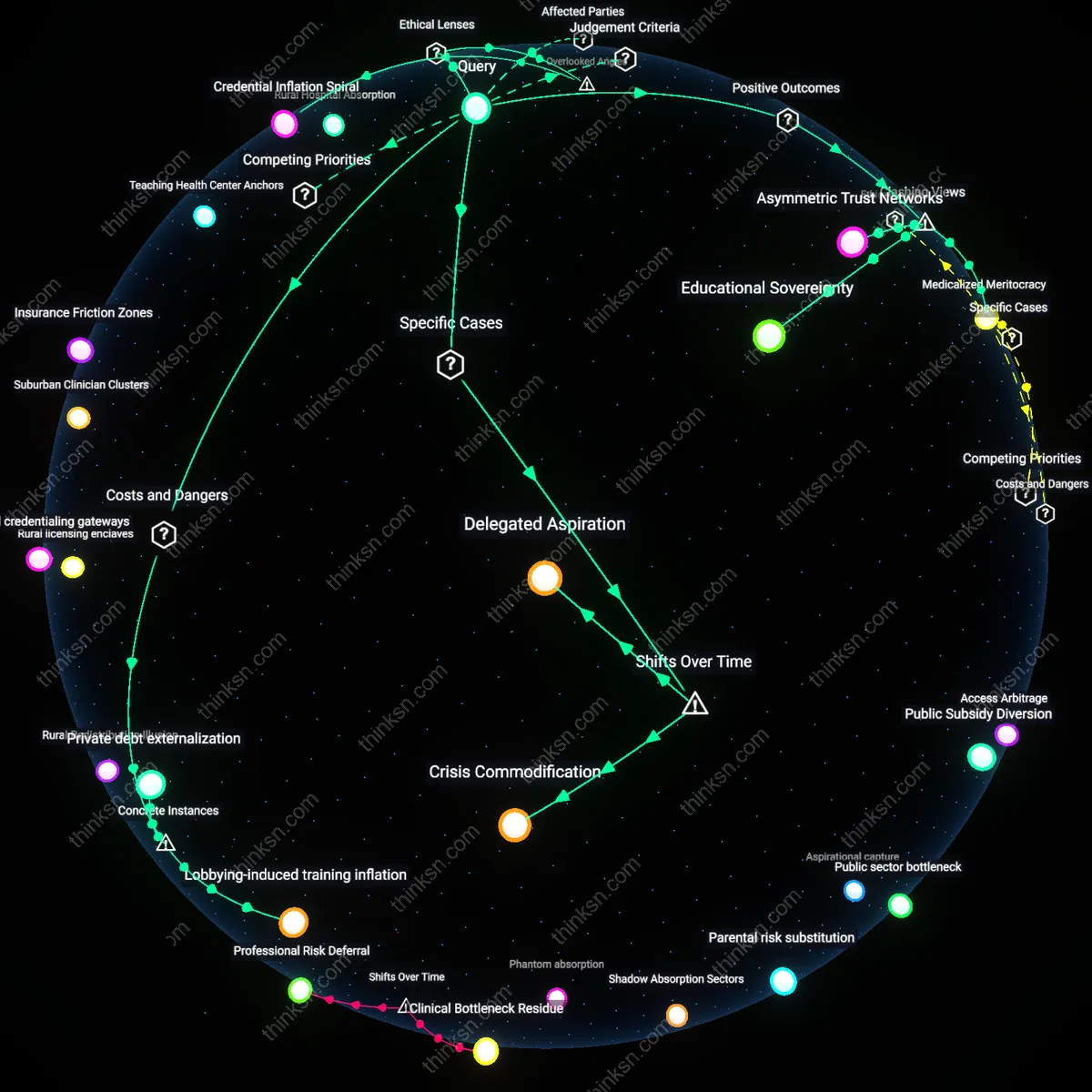
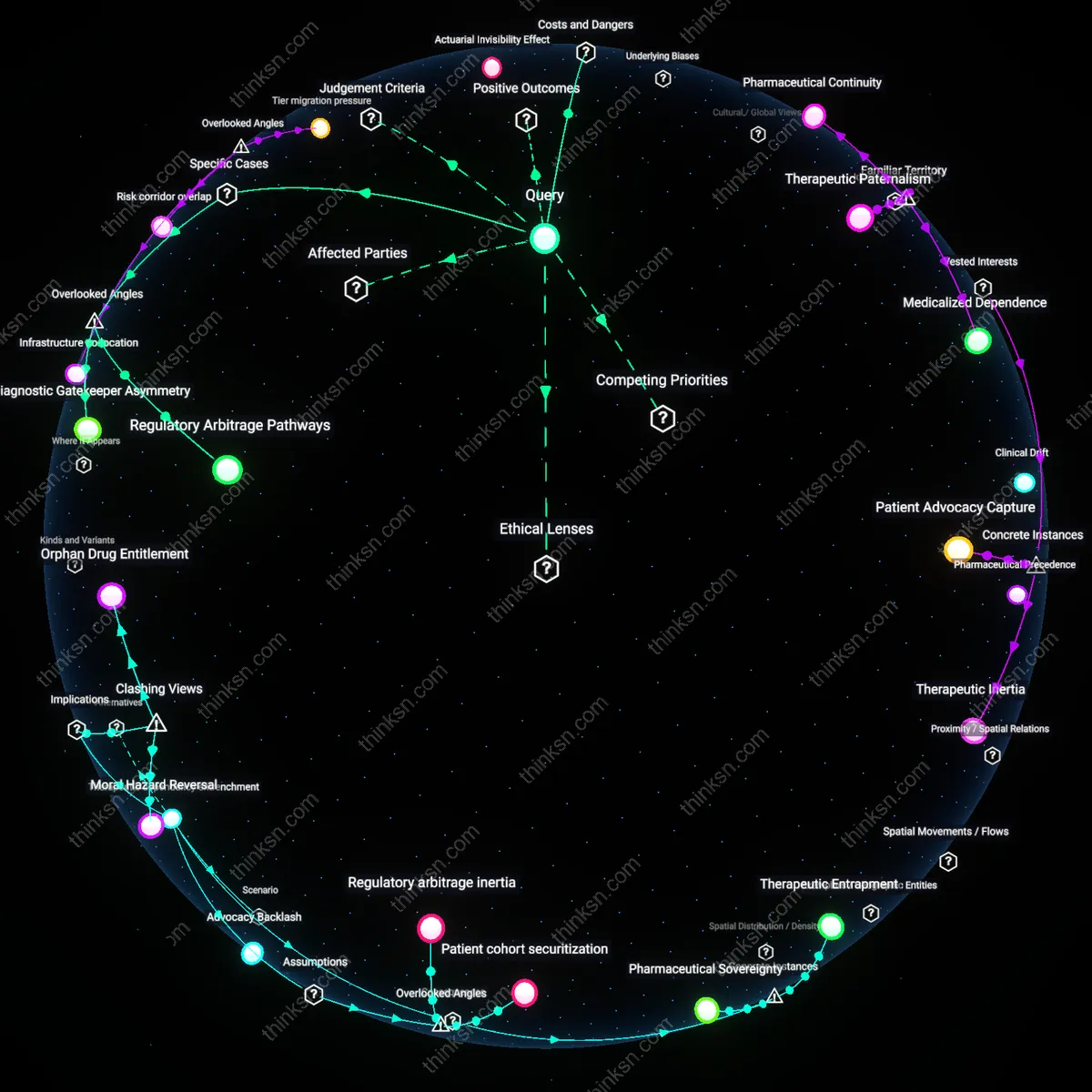
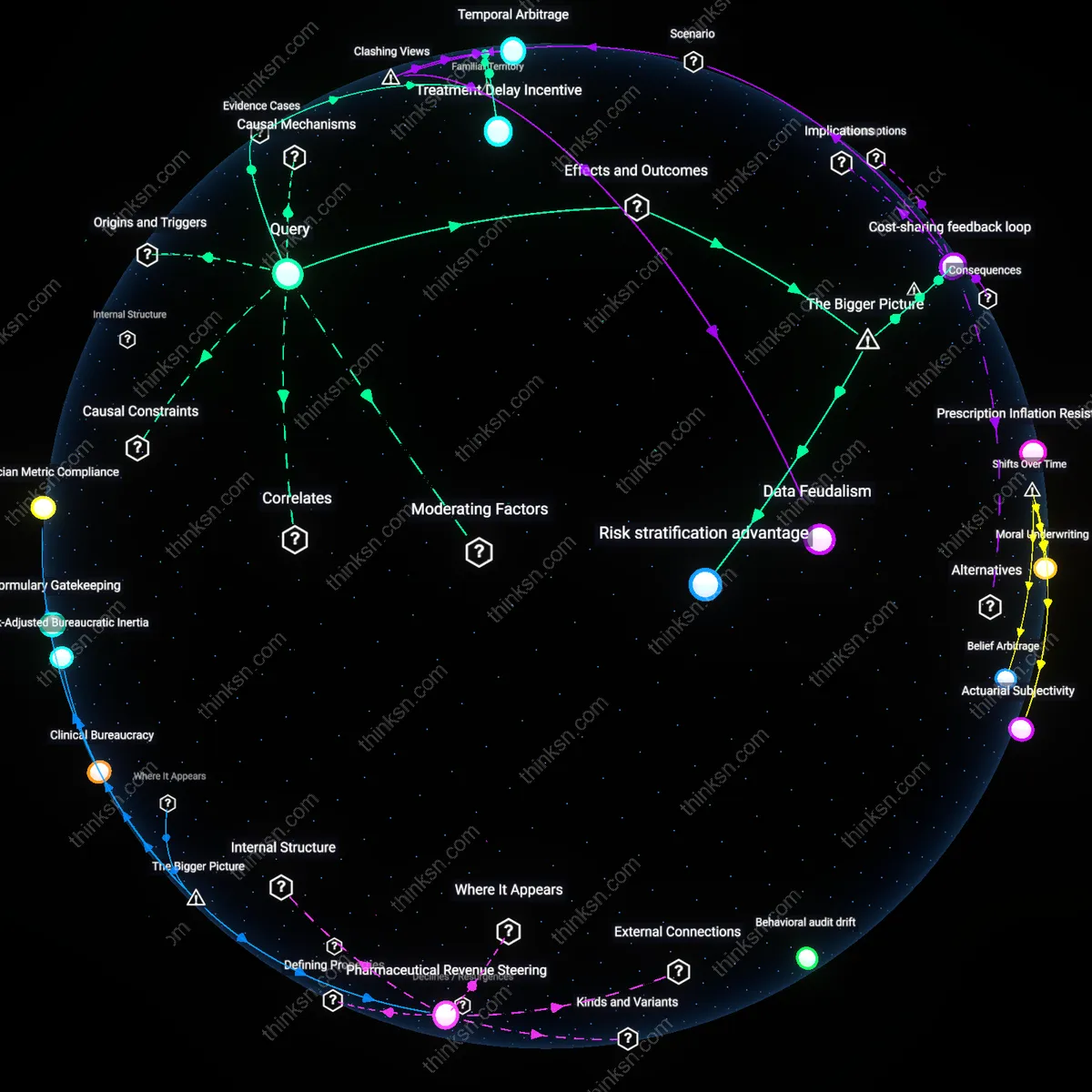
Analysis reveals 12 key thematic connections.
Key Findings
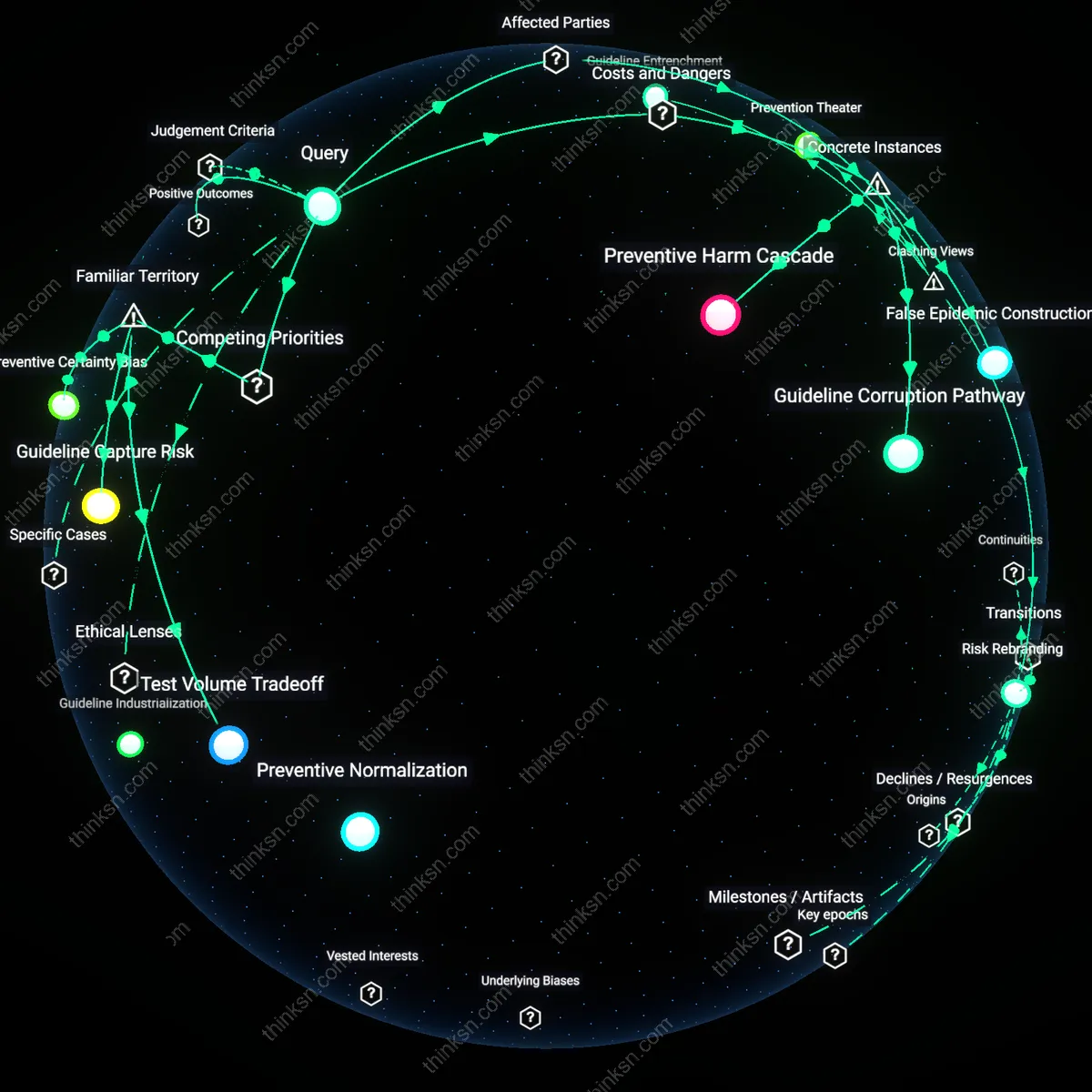
Guideline Entrenchment
Routine cholesterol screening for adults under forty without risk factors persists primarily because professional cardiology societies face institutional pressure to appear proactive, which in turn shapes clinical guidelines through consensus panels dominated by specialists with financial ties to lipid-lowering drug manufacturers; this dynamic entrenches early intervention norms despite weak outcome evidence, making non-screening seem like negligence even when population data show minimal benefit. The non-obvious reality is that inertia in guideline writing—fueled by perceived liability avoidance and expert identity—masks a lack of mortality or morbidity improvement in low-risk young adults, revealing how medical conservatism can function as a proxy for industrial advocacy.
Prevention Theater
Pharmaceutical and diagnostic industries benefit from expanding the definition of 'at-risk' populations, turning routine cholesterol checks into a gateway intervention that legitimizes lifelong statin use, even though trials show negligible cardiovascular event reduction in asymptomatic under-forties; the deployment of screening in this group functions less as medicine and more as ritualized reassurance, sustained by patient demand shaped by disease-awareness campaigns funded by statin producers. This reveals that apparent public health prudence often operates as performative medicine, normalizing drug pathways under the guise of vigilance while obscuring the actual risk-benefit imbalance for individuals.
Risk Rebranding
Primary care providers, incentivized by quality metrics tied to preventive screenings, propagate cholesterol testing in young adults without risk factors because electronic health record systems and pay-for-performance frameworks treat such checks as process achievements—regardless of clinical utility—creating a systemic bias toward intervention that aligns with pharmaceutical commercial timelines rather than individual patient needs; this redefines biological risk as administrative compliance. The friction lies in exposing how clinical discretion is subtly eroded not by overt coercion but by embedded bureaucratic structures that map medical value onto measurable, billable actions, thereby making industry interests indistinguishable from standard care.
Preventive Normalization
Routine cholesterol screening in low-risk adults under forty expanded after the 2013 ACC/AHA guidelines redefined prevention as lifelong risk modulation, shifting from event-driven intervention to preemptive metabolic surveillance. This transition, institutionalized through electronic health record prompts and quality metrics like those from CMS, embedded early lipid testing into wellness visits despite limited evidence of mortality benefit—revealing how preventive care norms are constructed through clinical infrastructure rather than trial outcomes. The non-obvious mechanism is not medical consensus but the alignment of clinical workflows, pay-for-performance systems, and drug development timelines that made early statin eligibility a structural imperative.
Risk Reclassification Regime
The inclusion of young, asymptomatic adults in cholesterol screening since the late 2000s emerged from recalibrating cardiovascular risk downward, driven by the Framingham Risk Score’s adoption and subsequent genetic epidemiology linking LDL to cumulative plaque formation. This shift reframed single lipid values as trajectory markers rather than diagnostic thresholds, enabling industry-scaled risk prediction tools—such as those developed by Roche and Quest Diagnostics—to reclassify healthy individuals as 'pre-patients' with commercial viability. The underappreciated consequence is that diagnostic expansion was less a response to disease burden than to the feasibility of long-term pharmaceutical adherence models anchored in early biomarker detection.
Guideline Industrialization
Pharmaceutical and diagnostic firms influenced cholesterol screening diffusion after 2001 by funding consensus panels and outcomes modeling that prioritized intermediate endpoints like LDL reduction over hard cardiovascular events in young cohorts. As industry-supported meta-analyses reshaped USPSTF and NCEP ATP III deliberations, the boundary between clinical guidance and market development blurred—exemplified by Merck’s sponsorship of CVD risk calculators integrated into primary care platforms. This convergence reveals how guideline formation evolved from expert opinion into a co-produced regulatory instrument, where scientific authority legitimizes commercial entry points into lifelong patient management.
False Epidemic Construction
Routine cholesterol screening in low-risk adults under forty falsely medicalizes normal variation, as seen in the 2013 ACC/AHA guideline expansion that reclassified millions of healthy individuals as candidates for statin therapy based on risk calculators overestimating cardiovascular risk by 75% in some cohorts; this mechanism, driven by panel members with financial ties to statin manufacturers, transforms statistical noise into clinical urgency, thereby generating a phantom epidemic that justifies lifelong drug regimens for asymptomatic people. The system leverages probabilistic models with unvalidated assumptions to inflate risk, embedding economic incentive within scientific authority—a dynamic rarely visible to clinicians or patients. This reveals how screening thresholds can be weaponized not through fraud, but through calibrated misapplication of population-level data to individual care.
Guideline Corruption Pathway
In 2004, the National Cholesterol Education Program (NCEP) panel secretly revised cholesterol treatment thresholds after a closed-door meeting sponsored by Pfizer, maker of Lipitor, the then-top-selling statin; eight of nine panel members had financial ties to pharmaceutical companies, and the new guidelines abruptly lowered the threshold for 'high risk' in patients with multiple risk factors, directly expanding the eligible market for statins. This shift was not prompted by new trial evidence but by industry-accessed experts rewriting standards within supposedly independent bodies, illustrating how formal guideline processes can be hijacked via personnel pipelines rather than overt bribery. The non-obvious mechanism is not corruption in the legal sense, but the routine placement of industry-aligned experts into standard-setting roles, normalizing biased recommendations under the guise of consensus.
Preventive Harm Cascade
Following the implementation of broad cholesterol screening in Sweden’s Västerbotten Initiative, population-wide testing began at age 40 and led to widespread statin use—even though the program’s own data showed no mortality reduction in young cohorts and an increase in reported muscle pain and diabetes diagnoses tied to statin exposure; the initiative, celebrated internationally as a model of preventive health, continues to promote early screening despite lacking evidence for benefit in low-risk individuals, thereby institutionalizing a harm cascade where screening triggers drug treatment that induces new morbidity. The unrecognized cost is not just wasted spending, but the iatrogenic production of chronic symptoms misattributed to aging, which then feed further medicalization. This case demonstrates how well-intentioned public health programs can become self-sustaining engines of diagnostic overreach.
Test Volume Tradeoff
Routine cholesterol screening for adults under forty without risk factors is driven by clinical inertia that prioritizes system-wide detection capacity over individual necessity, because healthcare systems reward high-volume diagnostic throughput and specialists defer to preventive metrics that justify early intervention pipelines. This dynamic elevates population-level surveillance efficiency but erodes the justification for watchful waiting in asymptomatic individuals, making overtreatment a structurally incentivized outcome rather than a rare accident. The non-obvious consequence under Familiar Territory is that public trust in 'early detection' blinds acceptance of screening expansion even when marginal individual benefit nears zero.
Guideline Capture Risk
Industry influence manifests most effectively in cholesterol screening guidelines through the normalization of expert panels that rely on research funding and data infrastructure controlled by pharmaceutical and diagnostic firms, because these panels define 'risk thresholds' using evidence filtered through trial designs favorable to drug development pipelines. As lipid-lowering therapies require lifetime adherence, setting lower screening age thresholds directly expands market eligibility, turning clinical consensus into a de facto growth mechanism. The underappreciated reality, despite widespread suspicion of pharma influence, is that methodological standards themselves—not just biased results—are calibrated within industry-shaped epistemic communities.
Preventive Certainty Bias
Public and clinician demand for cholesterol screening under forty persists because prevention is culturally equated with responsibility, turning the act of testing into a symbolic gesture of health vigilance regardless of evidence, since doing 'something' feels morally and cognitively superior to risk stratification or deferred action. This social contract between patient and provider—where screening substitutes for deeper lifestyle or structural interventions—allows commercial labs and device manufacturers to embed their services within trusted care rituals. The unexamined cost, visible only when examined systemically, is the displacement of preventive resources from high-impact public health strategies to low-yield individualized diagnostics.