When Should You Decode Your EOB to Spot Coverage Loopholes?
Analysis reveals 5 key thematic connections.
Key Findings
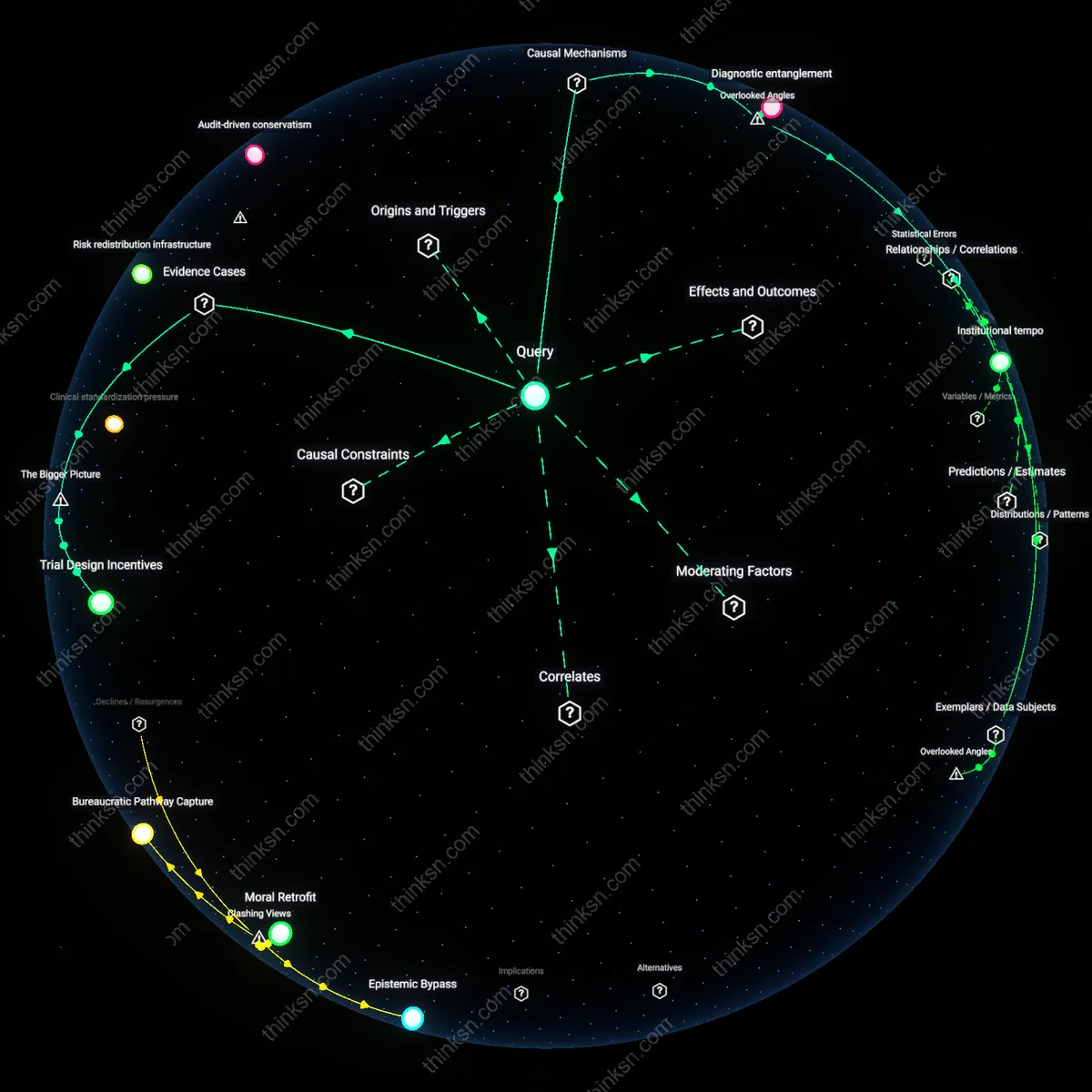
Pre-claim audit threshold
A policyholder should request an explanation of benefits when they cross a utilization pattern that triggers insurer audit protocols, such as approaching annual coverage maximums. Insurers deploy automated surveillance systems that flag patients for pre-claim review once their service frequency or cost nears historical loss thresholds, particularly in high-variance fields like physical therapy or imaging. This creates a reinforcing loop where rising utilization attracts earlier administrative scrutiny, making proactive EOB requests essential to anticipate coverage denial before submission. The non-obvious insight is that the trigger isn't clinical need but systemic risk profiling embedded in payer algorithms — positioning the policyholder as a node in a cost-containment feedback system.
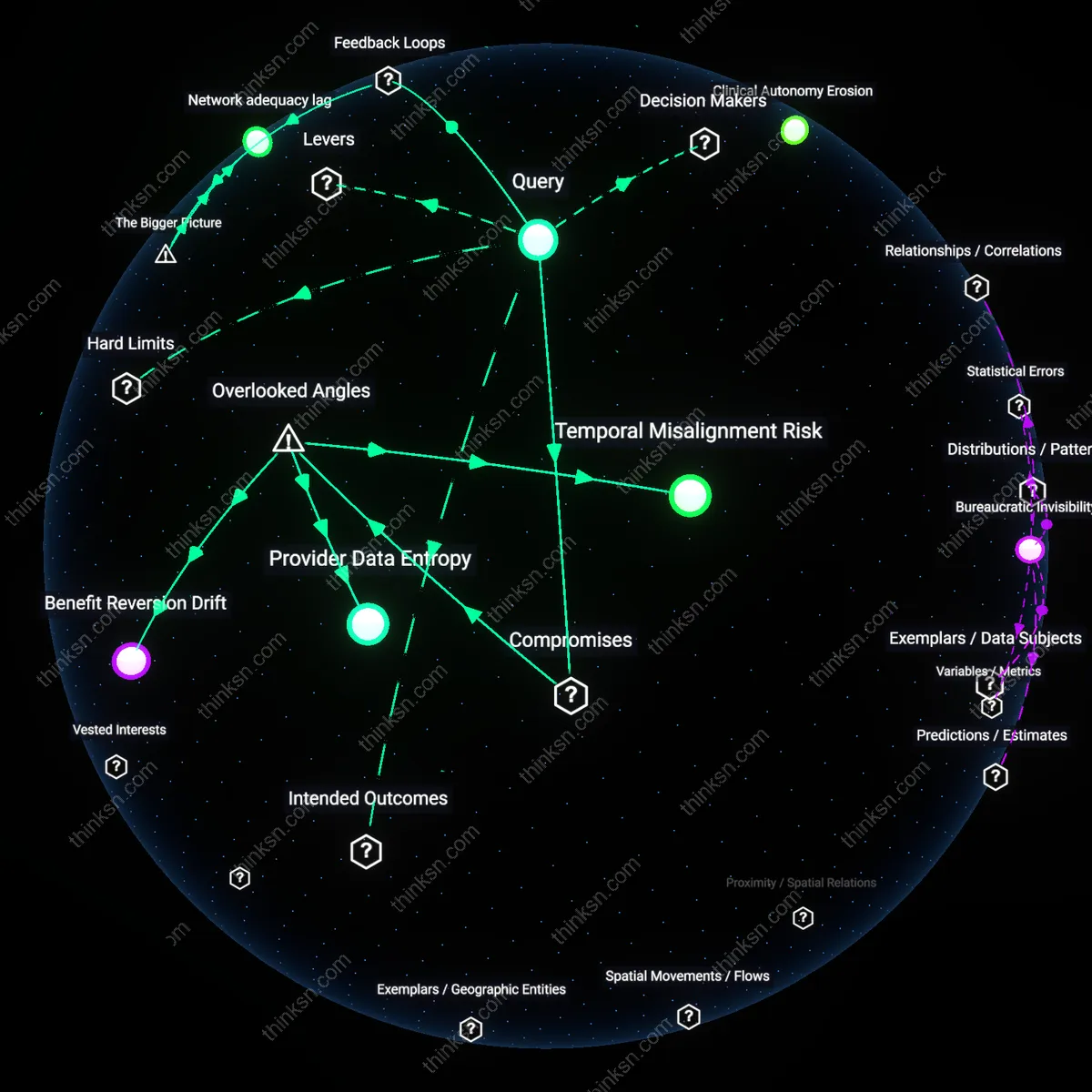
Network adequacy lag
A policyholder should request an explanation of benefits when relocating to a new service area where provider directories have not been reconciled with actual participation, such as post-merger health systems in rural states. Insurer networks expand or contract through acquisitions, but digital directories update months behind legal transitions, generating a reinforcing loop of misdirected care and retroactive claim denials. This lag persists because third-party credentialing vendors are paid on cycle completion, not data fidelity, and patients unknowingly absorb the verification burden. The critical insight is that geographic mobility exposes artificial coverage gaps produced by administrative latency — turning EOB requests into preemptive tools against structural discoordination.
Temporal Misalignment Risk
A policyholder should request an explanation of benefits immediately after premium payments are processed to detect lag-driven coverage mismatches. Insurance systems often operate on asynchronous cycles—billing, enrollment, and claims eligibility—where a paid premium does not instantly activate updated coverage terms in the claims adjudication layer, creating a hidden window where the policy appears active but lacks functional alignment; this temporal misalignment is rarely disclosed and can invalidate claims despite apparent compliance, an issue invisible to audits focused on documentation rather than system timing. The overlooked dimension is the infrastructural latency between financial and operational states in insurer back-ends, which creates a false sense of coverage continuity.
Provider Data Entropy
A policyholder should request an explanation of benefits whenever their healthcare provider updates internal billing software or switches clearinghouses. These technical changes introduce data entropy into claim formatting—subtle shifts in procedure code modifiers, timestamp precision, or taxonomy tags—that may fall outside the narrow parsing rules of the insurer’s legacy claims engine, causing silent rejections even for covered services; because the policyholder is not part of the provider’s IT workflow, they remain unaware of these upstream digital perturbations. This creates a covert dependency where coverage integrity relies not on the policy itself but on interoperability between two independent, uncoordinated technical systems.
Benefit Reversion Drift
A policyholder should request an explanation of benefits after every open enrollment cycle, even if they did not change plans, because insurers routinely apply default benefit templates that silently revert custom carve-outs or prior authorization allowances established during the previous term. These reversion rules are embedded in contract management systems designed for bulk renewal efficiency and override individualized adjustments unless manually reaffirmed—a process optimized for administrative speed at the cost of policy continuity. The drift occurs not from error but from systemic preference for uniformity, a hidden trade-off where scalability erodes personalized coverage fidelity over time.