Is Inaccessible Policy Language a Procedural Barrier in Denials?
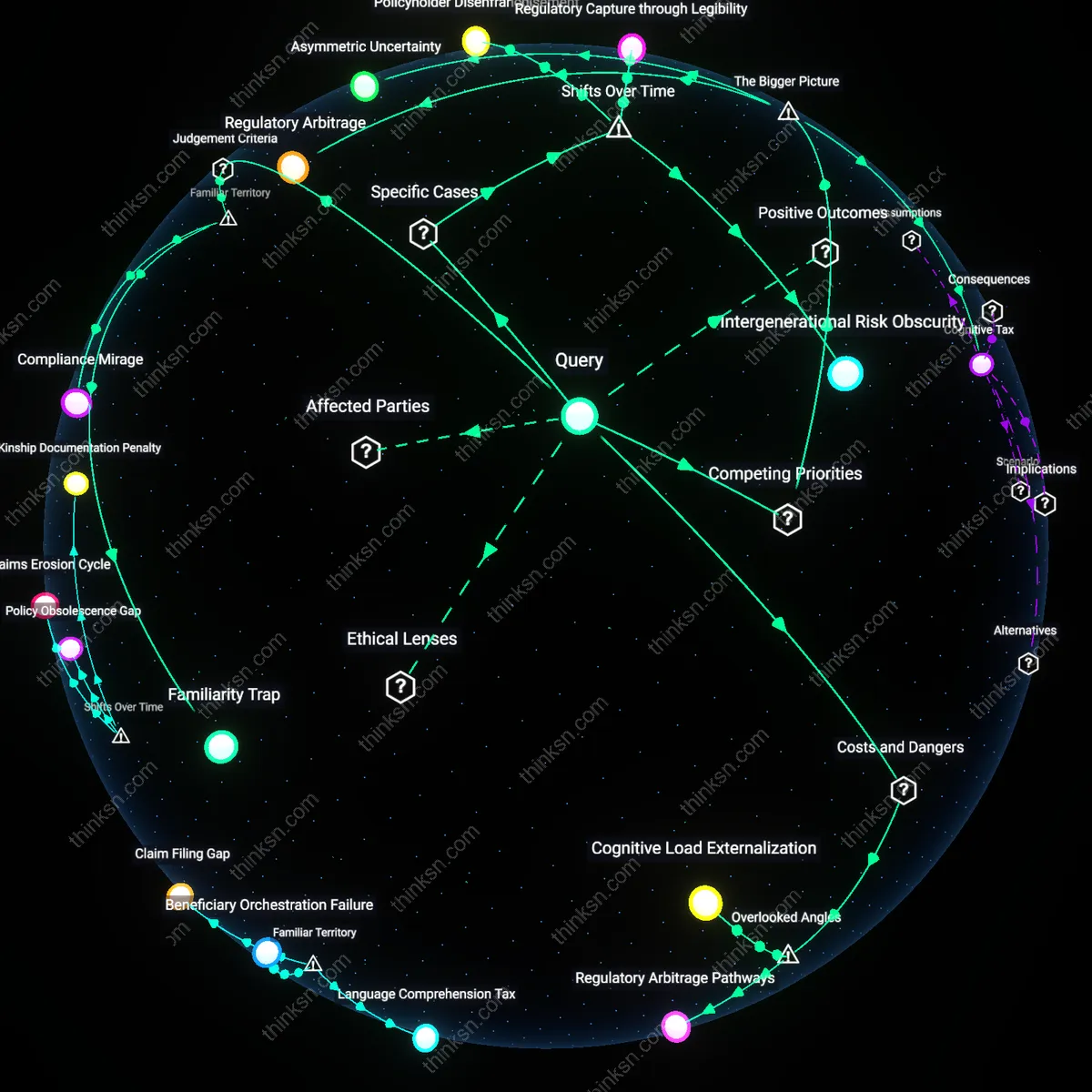
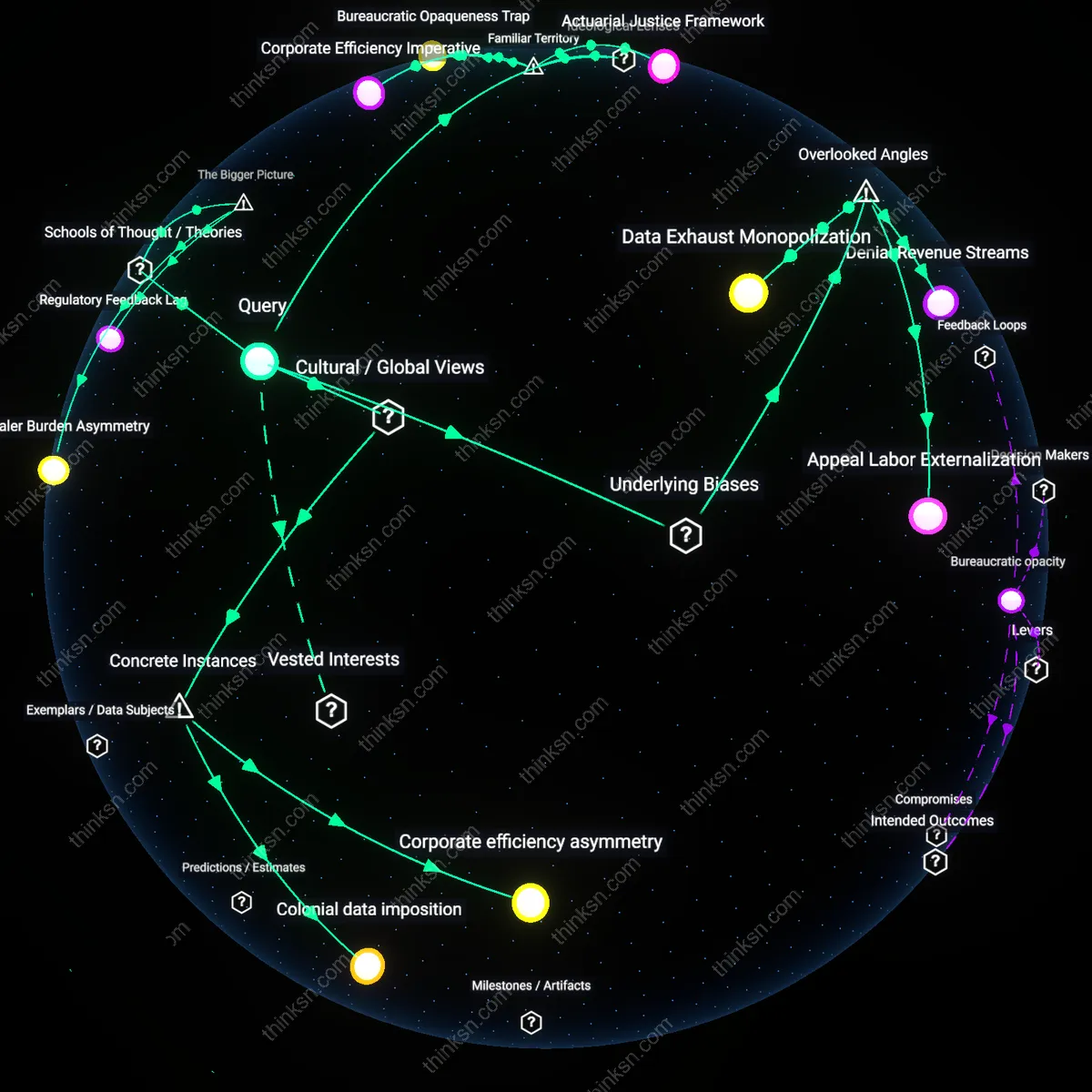
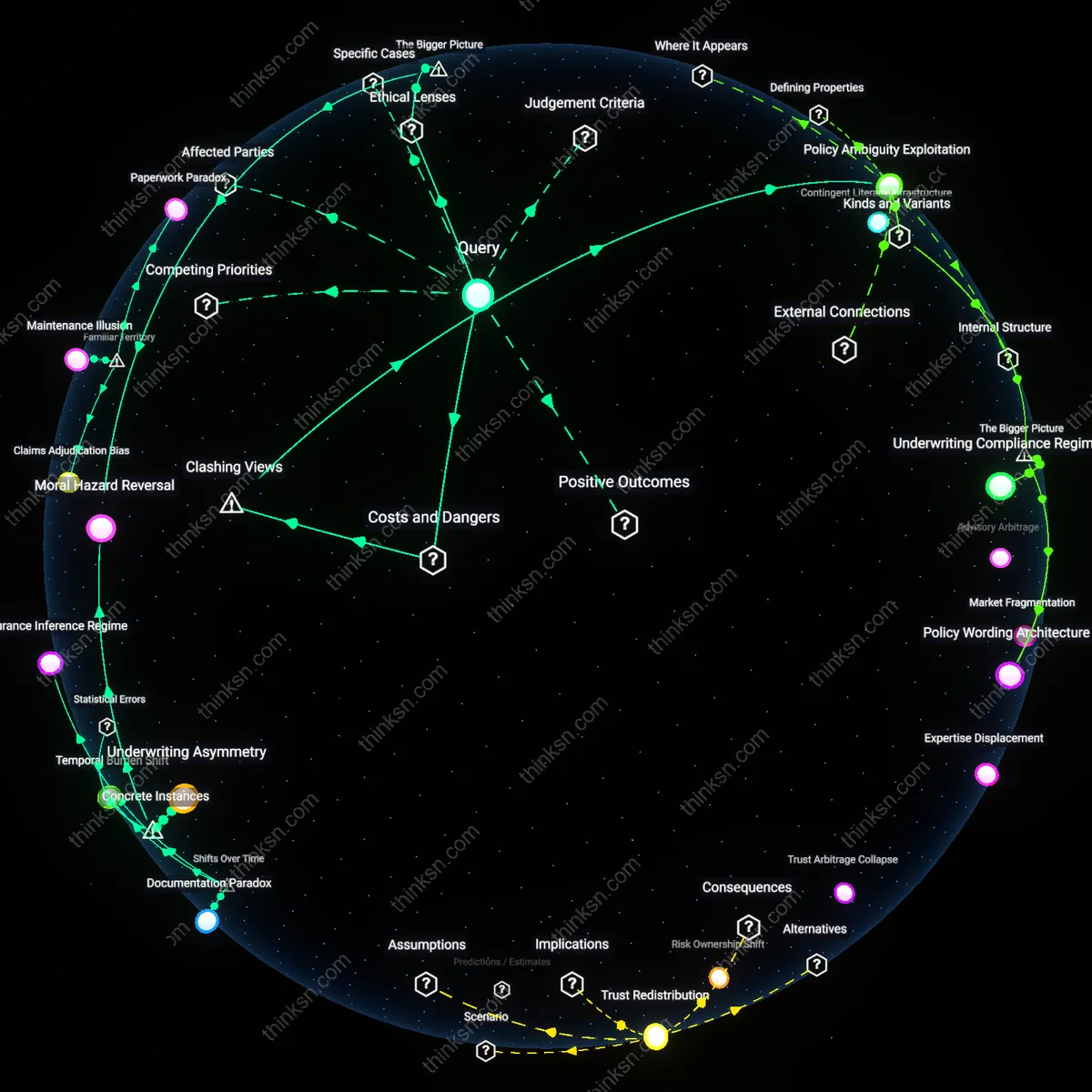
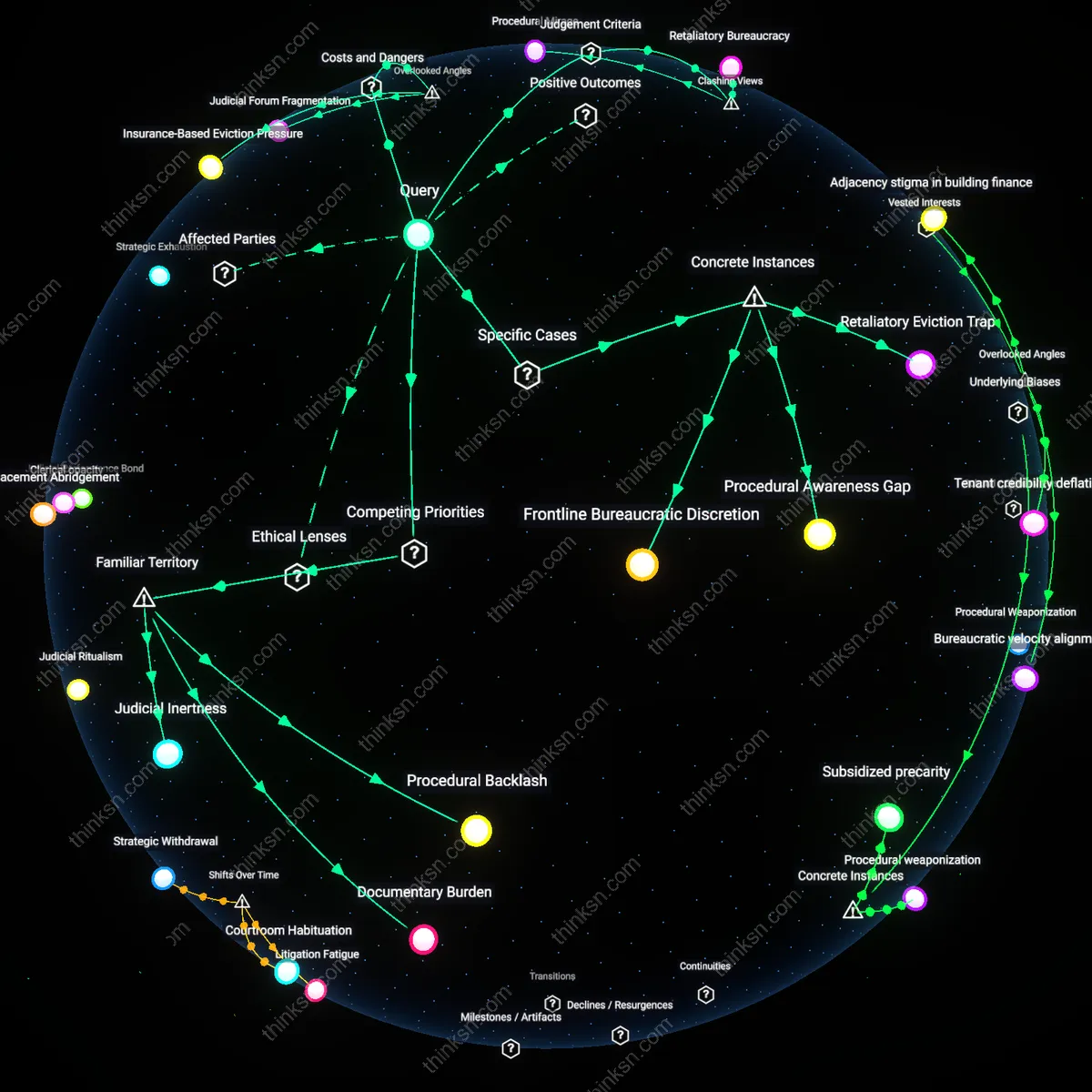
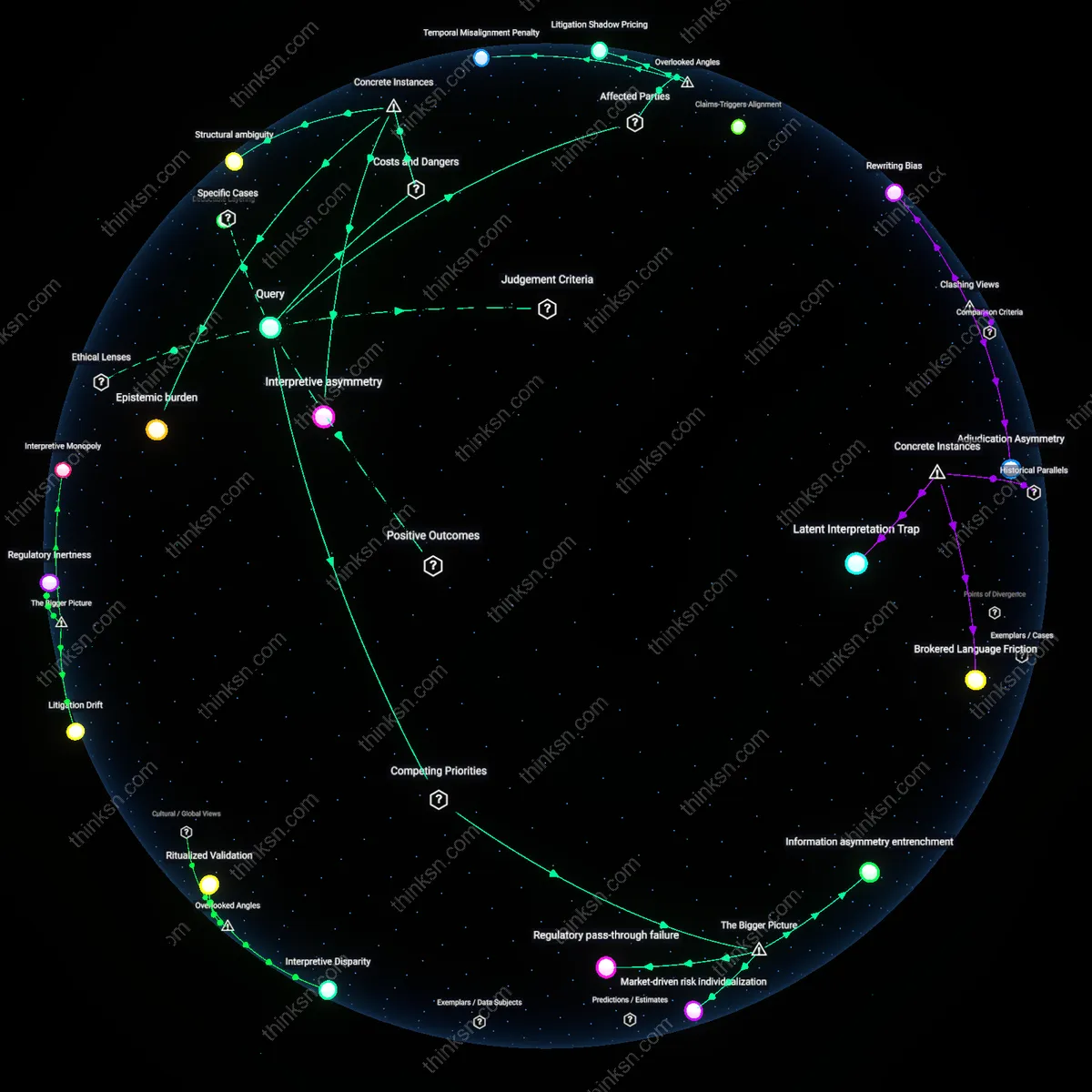
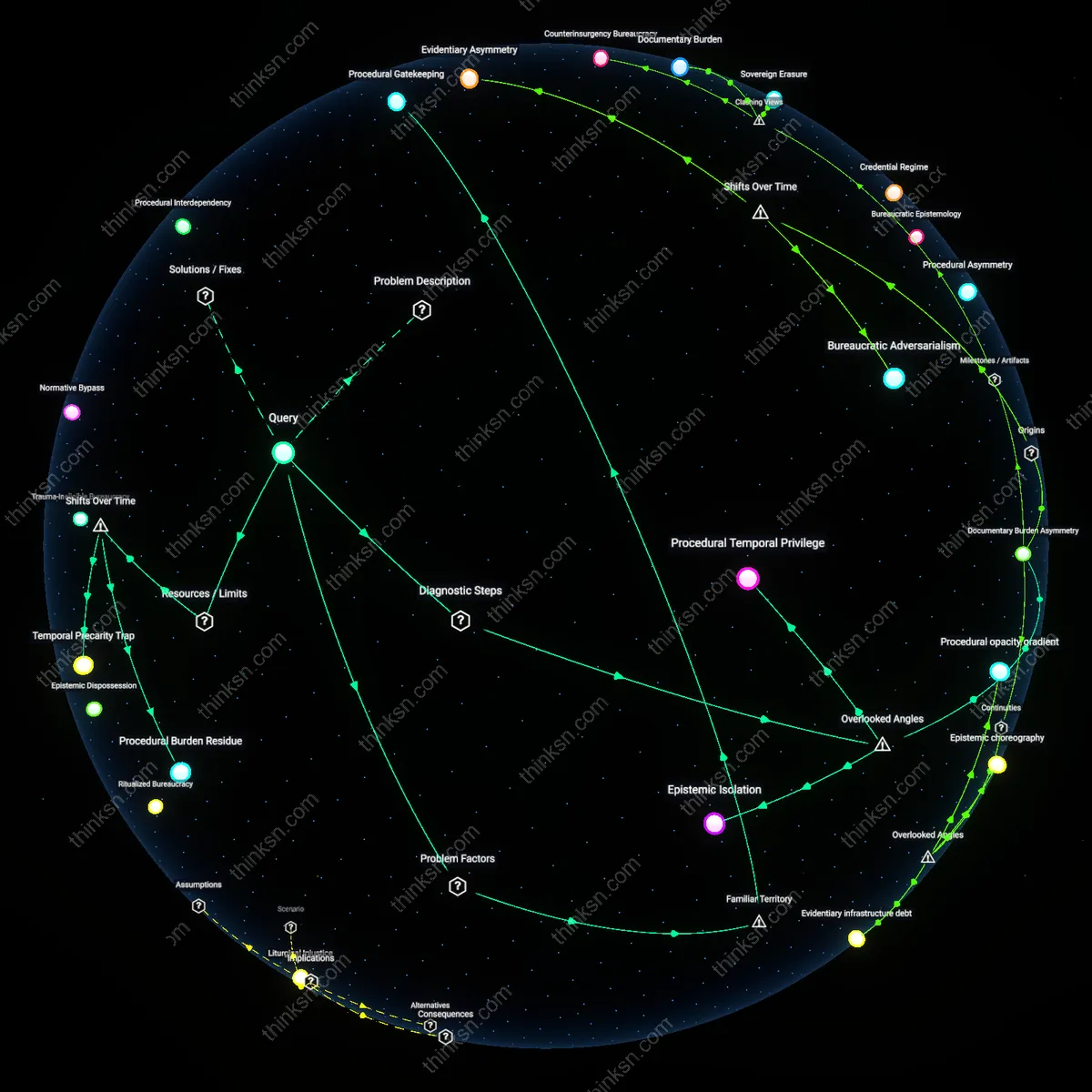
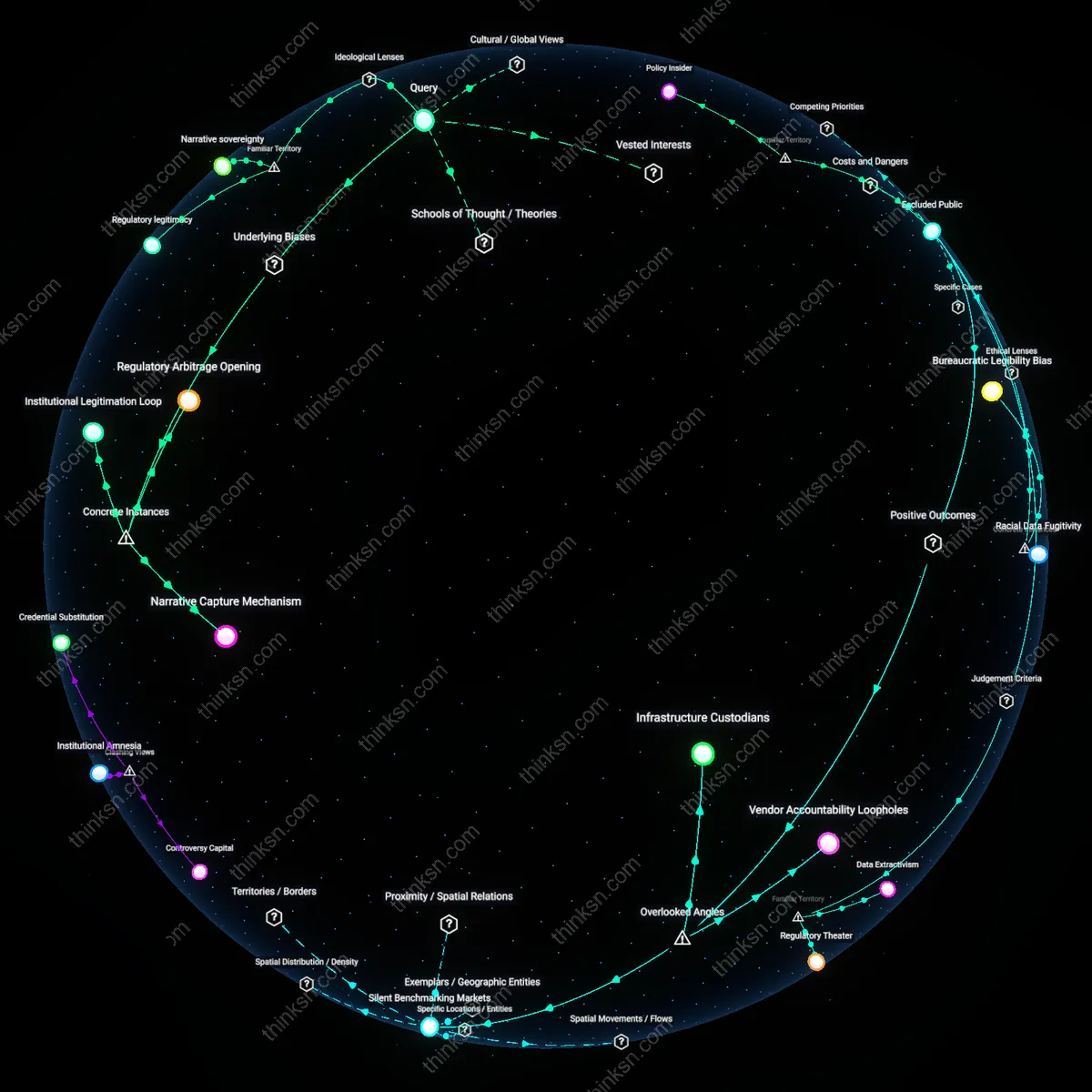
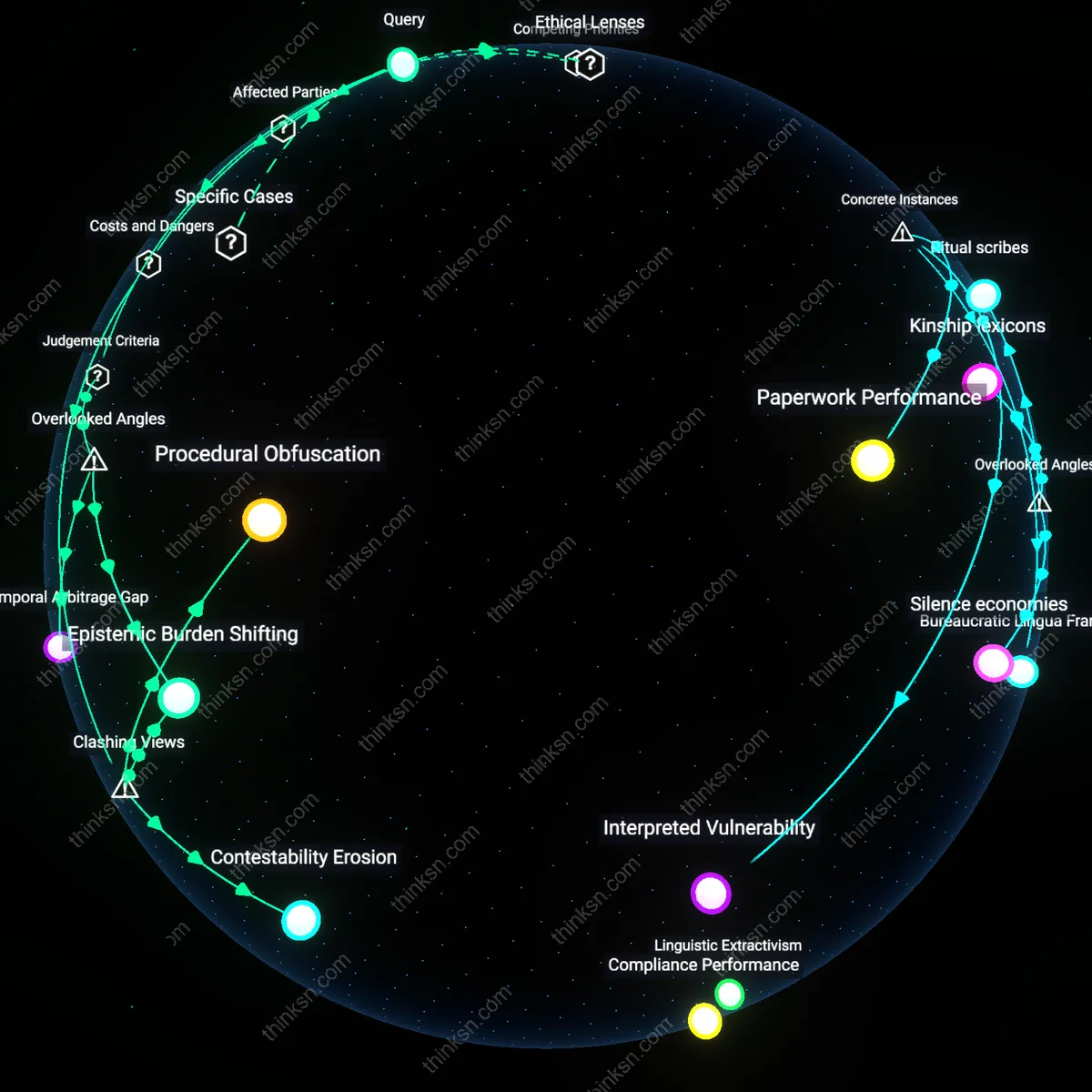
Analysis reveals 6 key thematic connections.
Key Findings
Paperwork Burden
Yes, citing inaccessible policy language in insurance denial letters creates a procedural barrier that violates due process by imposing excessive paperwork demands on patients. Individuals without legal or medical training must decode complex contractual jargon, appeal through labyrinthine administrative channels, and meet strict deadlines, often without timely access to interpreters or advocates—conditions especially burdensome for elderly, low-income, or non-native English-speaking claimants. This procedural complexity functions not as an accidental friction but as a systemic filter that discourages successful appeals, privileging institutional efficiency over equitable access. The non-obvious insight is that the burden isn't merely linguistic—it's procedural weight disguised as neutrality, normalizing rejection through incomprehensibility.
Linguistic Opacity Tax
Citing inaccessible policy language in insurance denial letters creates a procedural barrier that violates due process because it imposes a hidden cost of comprehension that falls disproportionately on low-literacy and non-native English speakers, effectively taxing individuals for lacking specialized linguistic competence. This mechanism operates through standardized denial templates drafted by legal departments optimized for defensibility, not clarity, which insurance adjusters deploy without modification—turning due process into a function of decoding skill rather than factual or legal merit. The overlooked dimension is not mere complexity, but the systematic misalignment between the language of adjudication and the cognitive accessibility required for meaningful appeal, revealing that procedural fairness is implicitly priced in linguistic capital.
Temporal Arbitrage Gap
Citing inaccessible policy language in insurance denial letters creates a procedural barrier that violates due process by artificially compressing the effective time available for a meaningful response, as beneficiaries must first decode the language before initiating appeal—a delay that advantages insurers through calendar-based forfeiture. This dynamic functions through strict administrative deadlines (e.g., 180-day appeal windows under ERISA) that start ticking upon receipt of the letter, even though comprehension lags behind delivery due to dense jargon, creating a temporal mismatch that erodes practical access to review. The hidden dependency is the uncoupling of notification from intelligibility, where the law treats delivery as fulfillment even when understanding is deferred, thus privileging institutional timing over equitable process.
Epistemic Burden Shifting
Citing inaccessible policy language in insurance denial letters creates a procedural barrier that violates due process by transferring the burden of interpretive labor from the insurer—a party with exclusive control over policy drafting—to the claimant, who lacks access to internal actuarial logic or underwriting conventions embedded in the terminology. This shift operates through the normalization of self-contained denials that reference clauses without explanation, forcing beneficiaries to reverse-engineer the rationale using external resources or attorneys, despite having no duty to anticipate how insurers operationalize ambiguous terms. What is overlooked is that due process assumes mutual intelligibility in administrative communication, but the practice systematically delegates meaning-making to the weakest party, converting policy opacity into procedural default.
Procedural Obfuscation
Citing inaccessible policy language in insurance denial letters does not violate due process because the legal threshold for procedural fairness does not require comprehension, only notice—courts consistently accept that as long as the cited language exists in the contract, even if impenetrable to non-lawyers, due process is satisfied through formal inclusion. This mechanism operates through administrative law doctrines that prioritize textual presence over functional understanding, privileging insurer compliance with disclosure rules over claimants’ capacity to contest decisions, thereby embedding a systemic asymmetry where procedural rights are fulfilled in form but not in function. The non-obvious reality is that due process, as interpreted in insurance adjudication, protects the appearance of fairness more than its actual exercise, rendering opacity a compliant feature rather than a flaw.
Contestability Erosion
The use of inaccessible language in denial letters does not breach due process because the system is designed to minimize effective contestation, not to facilitate it—regulatory frameworks tacitly accept that complexity reduces the rate of appeals, lowering operational costs for insurers and relieving oversight bodies of caseload pressure. This functions through a feedback loop where dense language deters challenges, which in turn validates the continuation of opaque practices under the guise of contractual legitimacy, all within a cost-containment logic that values systemic efficiency over individual remedy. The underappreciated reality is that due process is not accidentally undermined but adaptively weakened to sustain an equilibrium where large-scale denial becomes silently scalable.