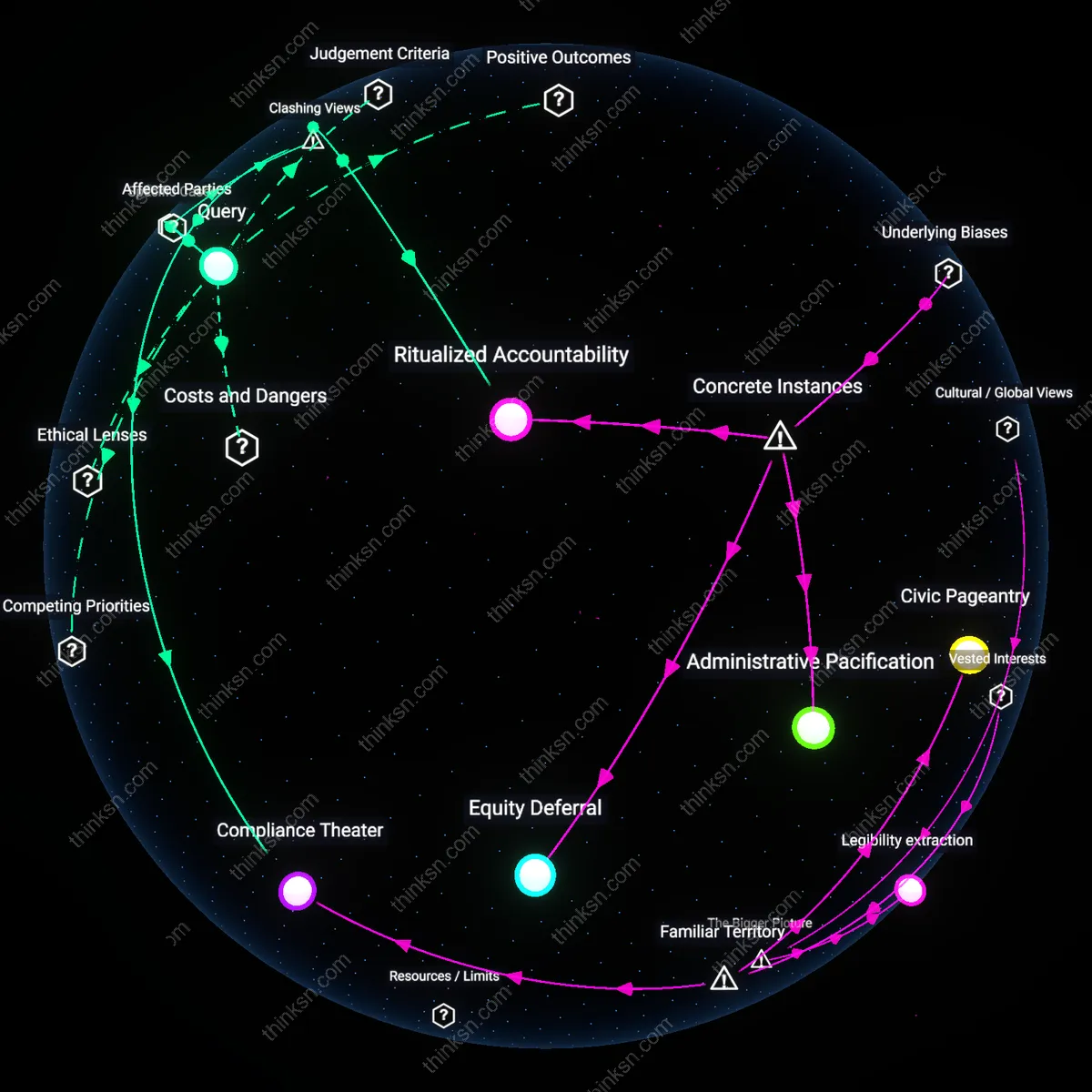
Advisory Friction
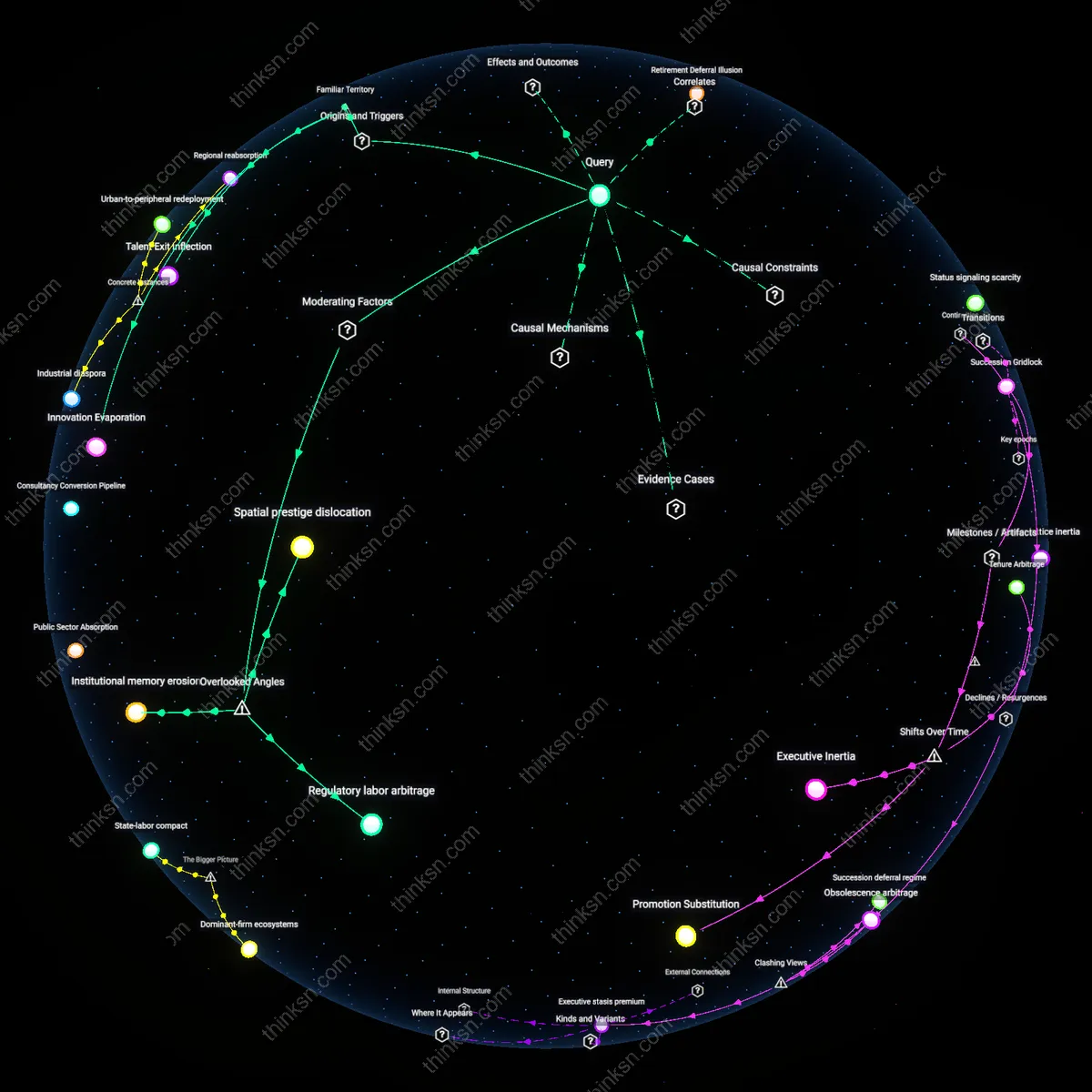
Experts exit advisory systems not to protect personal credibility but because procedural homogenization erodes their functional influence, as seen in EU scientific committees where standardized impact assessments downsize domain-specific input, privileging policy coherence over technical accuracy—a shift that disempowers specialists even when their reputations remain intact, revealing that institutional design, not reputational risk, governs expert retention.
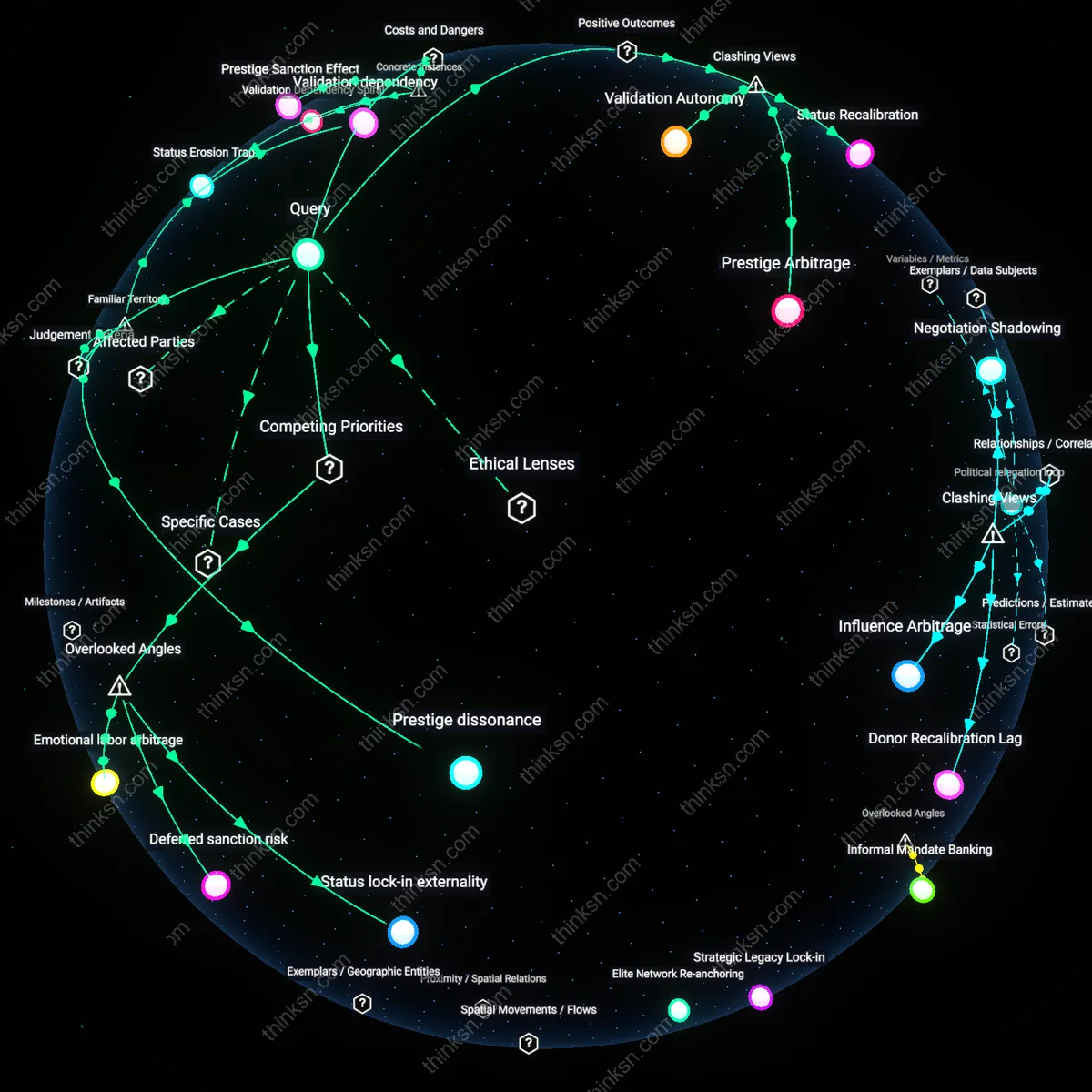
Status Arbitrage
Experts depart advisory bodies not when credibility is threatened but when procedural changes recalibrate prestige hierarchies, such as in U.S. climate advisory panels where the shift to interagency coordination elevated generalist diplomats over field scientists, prompting exits driven by devaluation of epistemic identity rather than public legitimacy, exposing how expert mobility responds to hidden economies of status rather than reputational exposure.
Procedural Exclusion
Exit behavior among experts follows not credibility threats but quiet procedural barriers that delimit actionable knowledge, exemplified by Canada’s environmental assessment reforms that institutionalized Indigenous consultation while marginalizing technical risk modeling, leading hydrologists to disengage despite unchallenged reputations, demonstrating how epistemic displacement—rather than personal risk—triggers expert withdrawal.
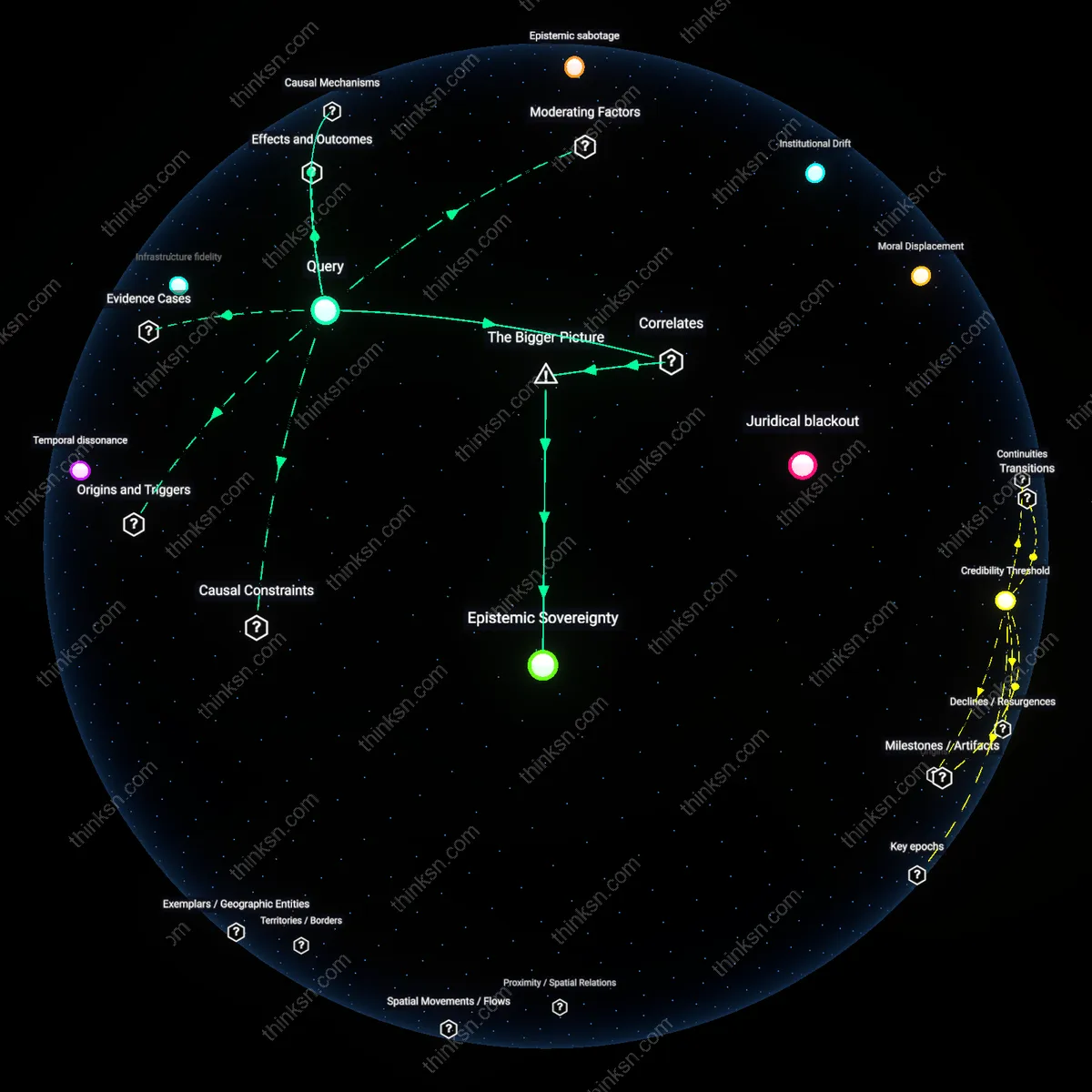
Credibility Threshold
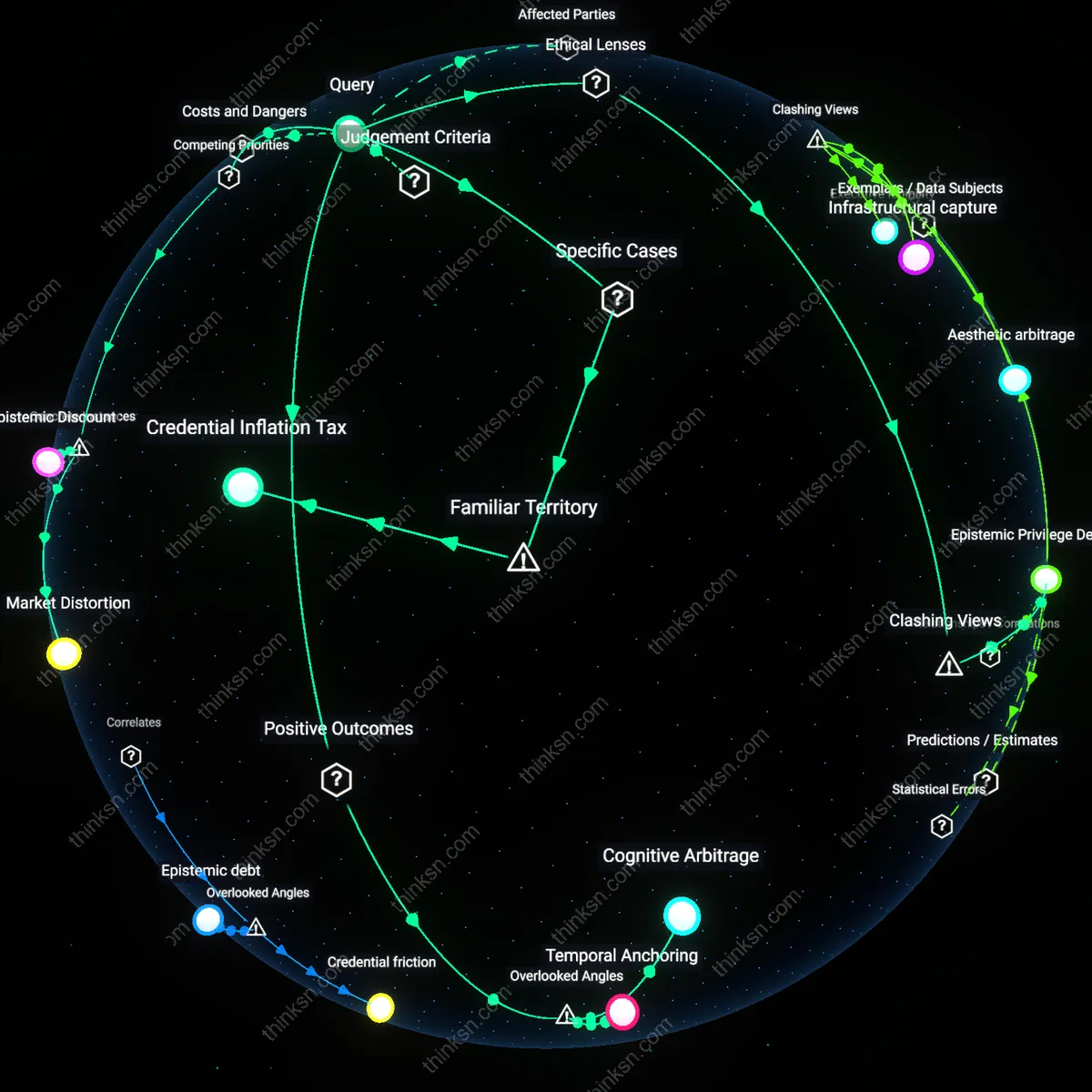
Experts leave advisory systems when procedural changes threaten their public reputational standing, because professional legitimacy in policy circles depends on perceived independence and accuracy. When institutions alter processes in ways that compromise transparency or scientific integrity—such as suppressing reports or fast-tracking unvetted recommendations—experts associated with those systems risk being seen as complicit. This dynamic is especially potent in high-visibility domains like public health or climate science, where trust mediates influence. The underappreciated reality is that many experts stay as long as their personal credibility remains insulated, even amid systemic dysfunction, treating institutional decay as background noise until it reflects directly on them.
Institutional Drift
Experts exit advisory systems not due to sudden discredit but because gradual procedural changes erode the system’s functional coherence and expert agency over time. When processes shift from evidence-based deliberation to political signaling—such as appointing non-specialists to key review panels or shortening feedback cycles—insiders lose meaningful influence, turning advisory roles into figurehead positions. In environments like central bank councils or national science boards, this slow marginalization is often rationalized as bureaucratic reform, masking a loss of technical control. Most public discussion focuses on dramatic resignations over scandal, but the deeper pattern is attrition through disenfranchisement, obscured by the appearance of continuity.
Moral Displacement
Advisory experts depart when procedural changes force them into ethically compromising roles, such as certifying policies they know to be flawed under new, weakened review standards. In systems like environmental impact assessment or pharmaceutical approval, alterations that lower evidentiary thresholds coerce experts into lending their authority to outcomes they cannot substantively endorse. While the public tends to associate exit with personal reputation risk, the stronger motivator for many is an internal ethical boundary—when participation itself becomes a form of complicity. This dimension is rarely visible in media narratives, which emphasize credibility over conscience, yet it drives quiet resignations that preserve dignity without public spectacle.
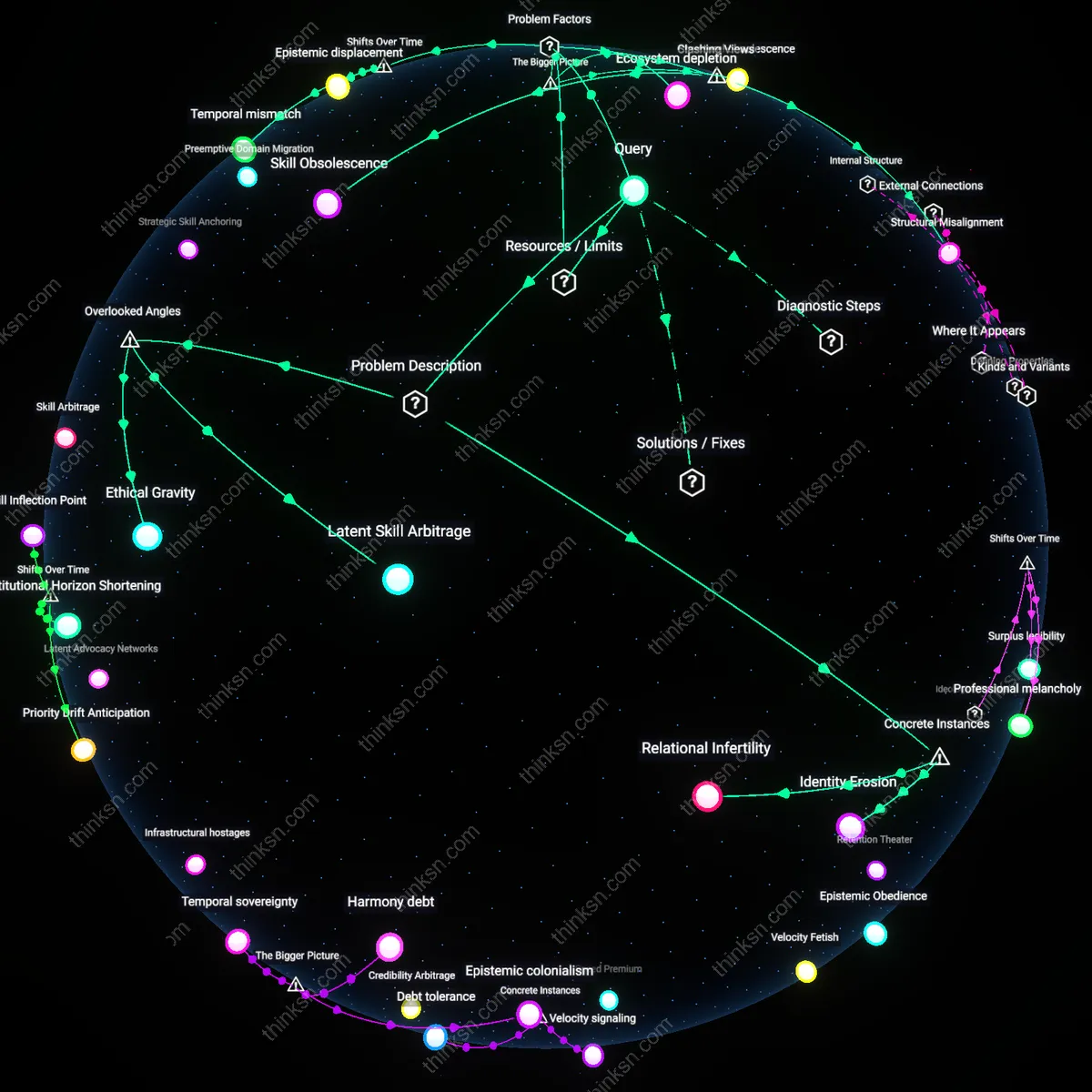
Credibility Arbitrage
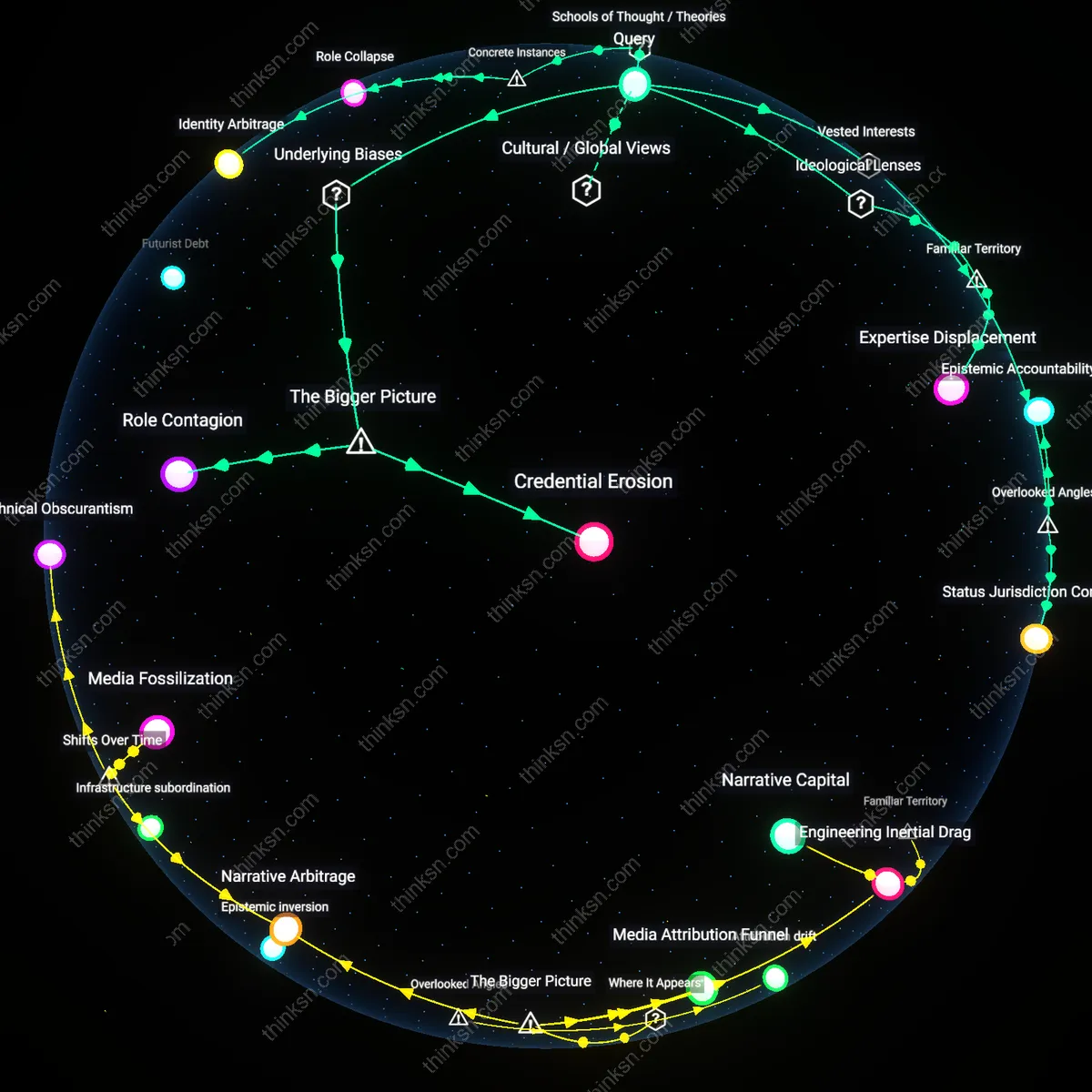
Experts exit advisory systems not when credibility is at risk, but when their reputational capital can be converted into influence or income elsewhere following deregulation of media access in the 1980s. As broadcast licensing loosened and cable news expanded, experts gained direct public platforms, transforming credibility from a public good into a private asset; this shift enabled a new pathway where withdrawal from formal advisory roles became a strategic move to monetize status, particularly visible in economics and defense policy. The non-obvious element is that departure is less about avoiding discredit than timing market extraction of accumulated trust, a behavior that only emerged after institutional gates to publicity eroded.
Advisory Obsolescence
Experts leave when procedural changes render their knowledge form irrelevant, a shift accelerated by the rise of algorithmic governance in the 2010s. As institutions replaced judgment-based forecasting with machine learning models in areas like central banking and climate policy, domain specialists found their experiential expertise systematically excluded, not discredited—exiting not under reputational threat but because decision logic shifted from interpretive debate to data-driven automation. The overlooked dynamic is that credibility remains intact in public discourse, yet becomes functionally inert within the advisory apparatus, marking a rupture between esteem and efficacy.
Loyalty Fracture
Experts depart advisory systems when procedural centralization breaks longstanding norms of collegial governance, a transformation crystallized during the rapid executive consolidation of science advisory boards in the early 2000s post-9/11. As authority shifted from distributed networks of peer-vetted experts to politically aligned singular appointees, the expectation of reciprocal influence eroded, prompting withdrawals not over factual disputes but broken institutional reciprocity—seen in resignations from the U.S. President’s Council of Advisors on Science and Technology under ideological redirection. The unnoticed shift is that exit reflects a withdrawal of loyalty from the state-technocrat compact, not a response to public discredit.
Epistemic friction
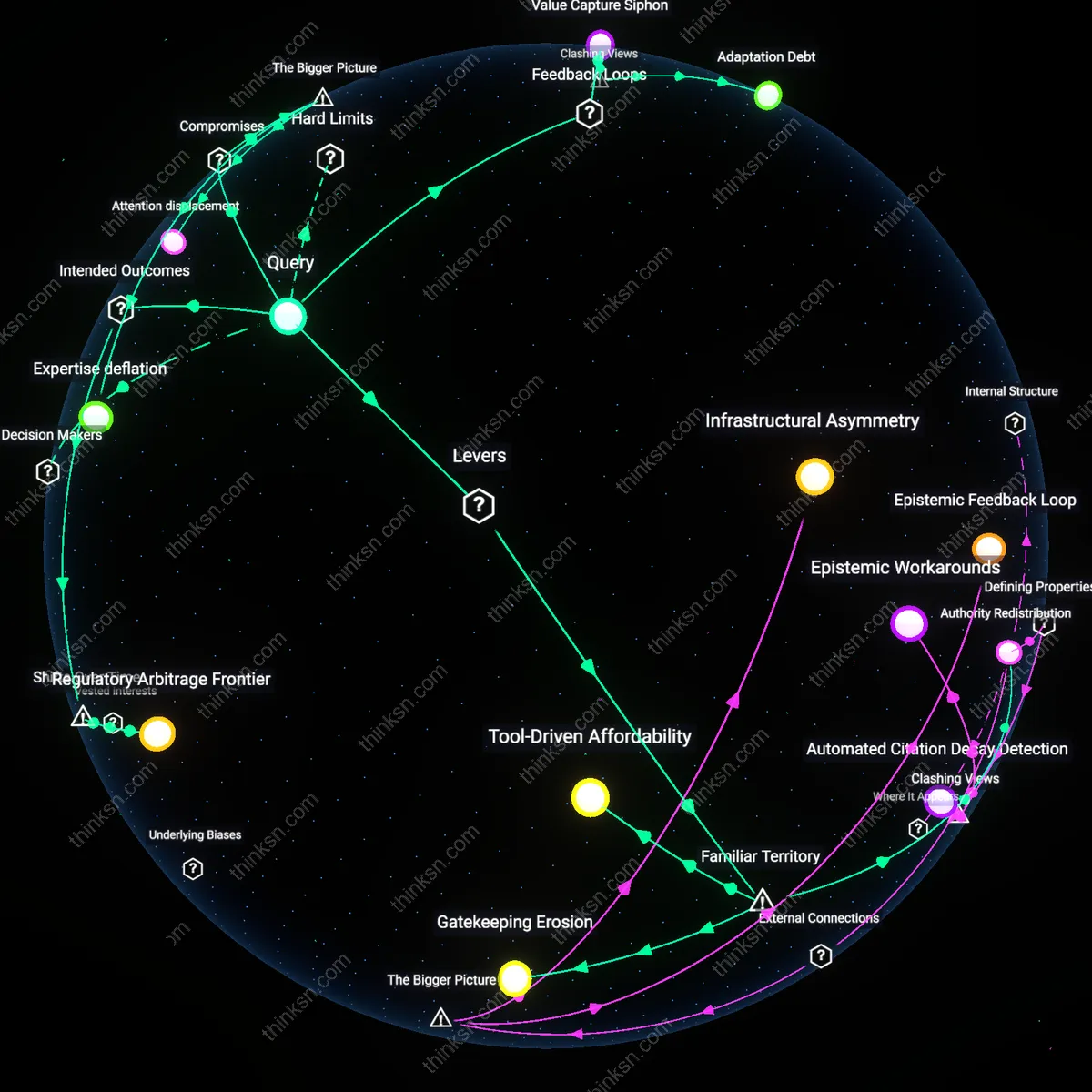
Implement structured dissent channels in advisory councils to retain experts who depart due to the erosion of procedural integrity, not personal credibility. When advisory systems adopt consensus-driven templates from corporate governance—like synchronized review cycles or closed deliberation logs—minority scientific positions get procedurally smoothed out, creating epistemic friction that alienates methodologically rigorous experts even before public trust erodes. This dynamic is rarely captured in retention models, which assume experts leave only when social legitimacy is damaged, but in practice, scholars exit when their analytical work can no longer produce measurable traction within the process—regardless of public visibility. The overlooked mechanism is the loss of cognitive purchase within closed feedback loops, where dissent becomes administratively inert rather than publicly risky.
Temporal dissonance
Align expert tenure timelines with research lifecycle phases to prevent early attrition triggered by procedural synchronization with political calendars. When advisory bodies shift to fixed-term, election-aligned reporting cycles—such as those seen in climate or public health panels—researchers whose work operates on longitudinal or emergent data streams experience temporal dissonance, feeling increasingly out of phase with their own evidence. This mismatch pushes them out not because credibility is threatened but because their contributions are perpetually misaligned with decision-relevant time horizons. Most analyses overlook how procedural rhythm, not just transparency or influence, determines expert engagement, reducing advisory roles to symbolic participation rather than iterative input.
Infrastructure fidelity
Standardize data pipeline access across advisory systems to prevent expert defection caused by breakdowns in technical trust rather than public standing. In instances like pandemic forecasting or environmental modeling, experts increasingly resign when procedural changes restrict access to real-time datasets or alter analytical workflows without version control, undermining what is termed infrastructure fidelity—the shared assurance that all parties are working from the same underlying technical foundation. This erosion occurs beneath the surface of public discourse, meaning departures appear motiveless when, in fact, experts are responding to the silent collapse of backend interoperability that makes coordinated judgment impossible. The overlooked dimension is that credibility is often secondary to operational coherence in sustaining expert participation.
Credibility arbitrage
Experts leave advisory systems when procedural shifts reveal divergences between institutional narratives and expert consensus, because continued association risks their reputation as independent validators—this becomes critical when public-facing platforms amplify discrepancies, and experts recalibrate their participation to preserve influence across multiple epistemic communities; the non-obvious trigger is not personal ethics but strategic positioning within a competitive credibility market where trust is a finite resource.
Resource capture
Experts exit when procedural changes in advisory systems redirect analytical labor toward politically expedient rather than evidence-based outcomes, because constrained budgets and truncated timelines make rigorous analysis untenable—this dynamic is enforced by executive offices that prioritize speed and message alignment, effectively repurposing advisory bodies as justification engines rather than sense-making forums; the underappreciated consequence is that methodological degradation precedes resignation, marking departure as a lagging indicator of systemic subversion.