Is Your Industry Fading When Promotions Stall?
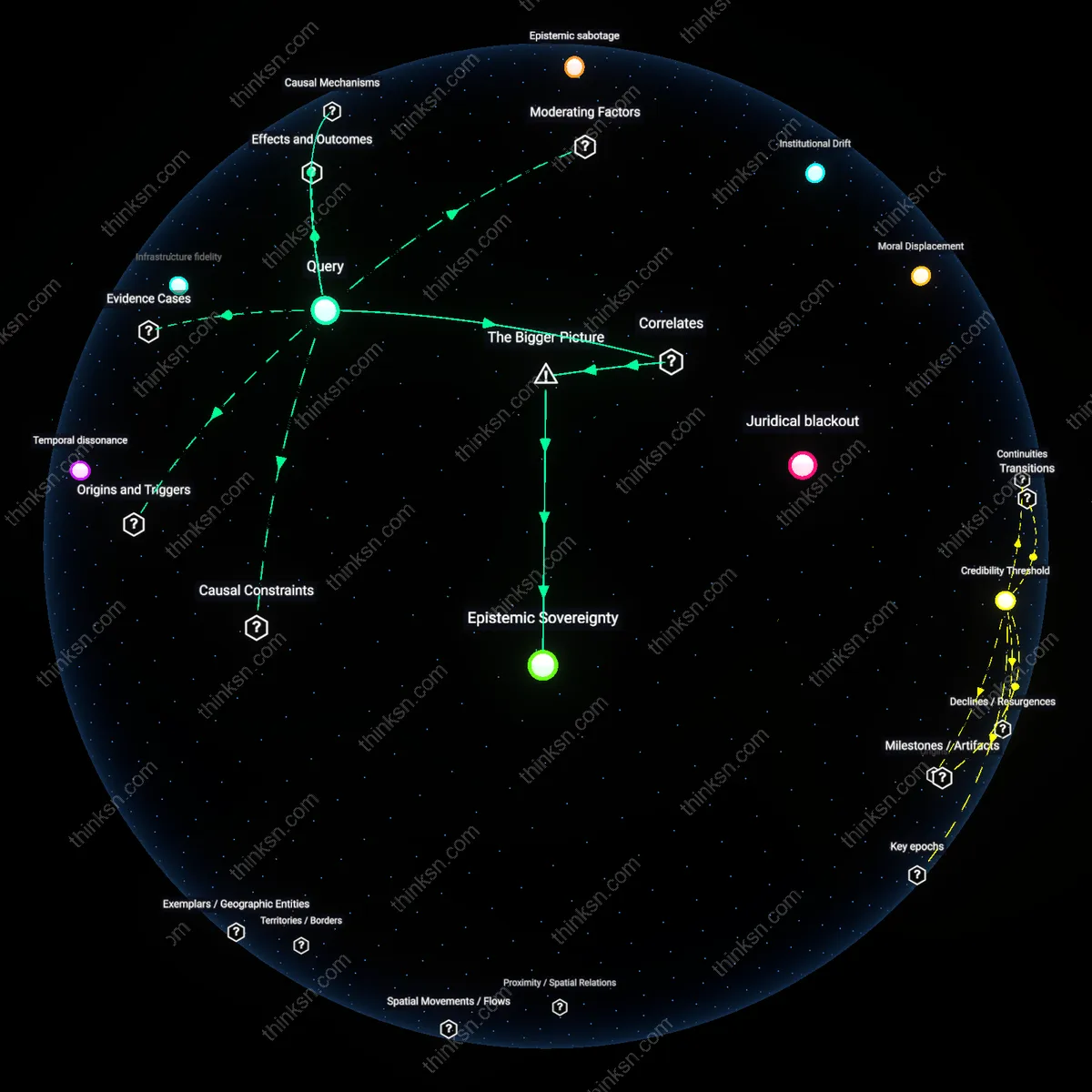
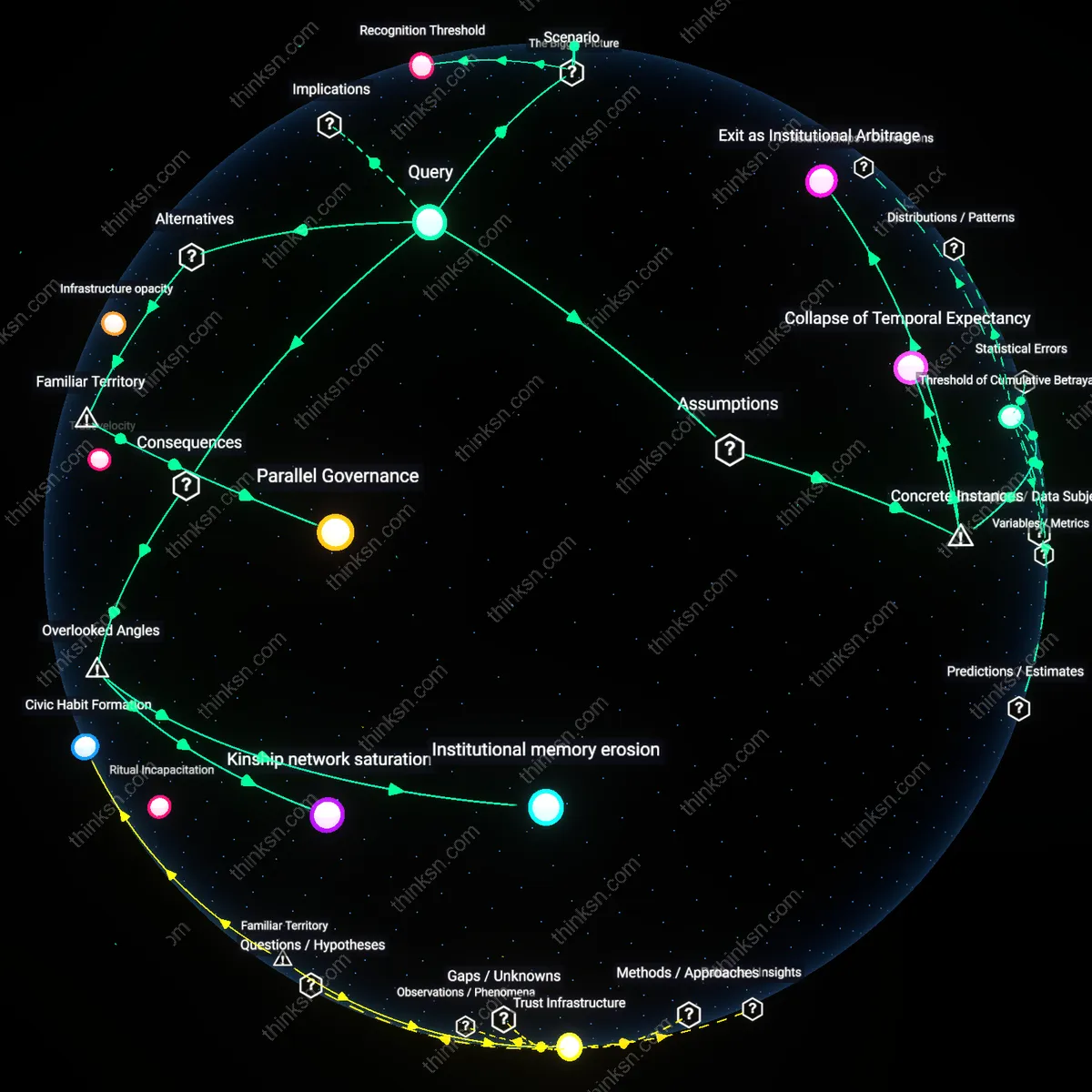
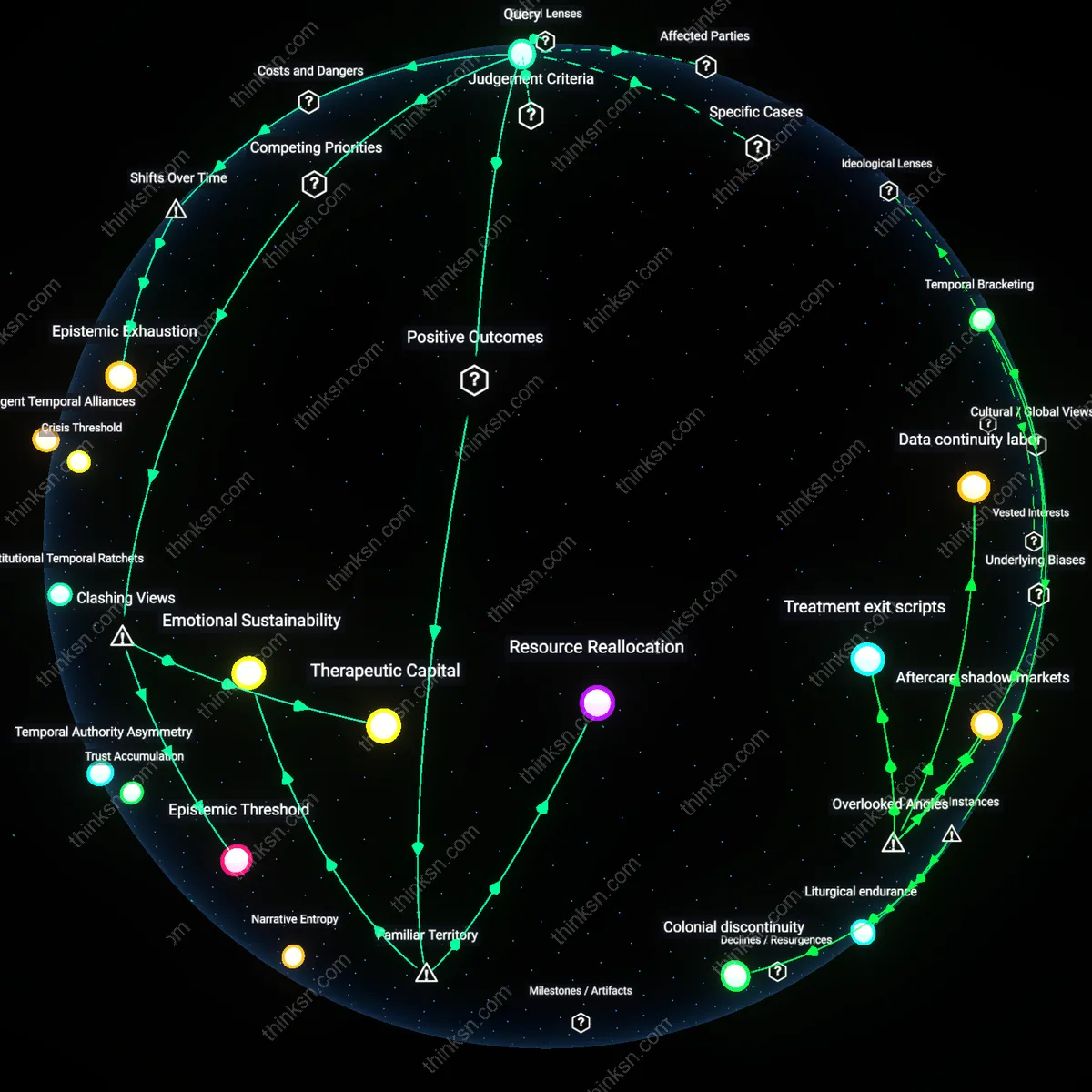
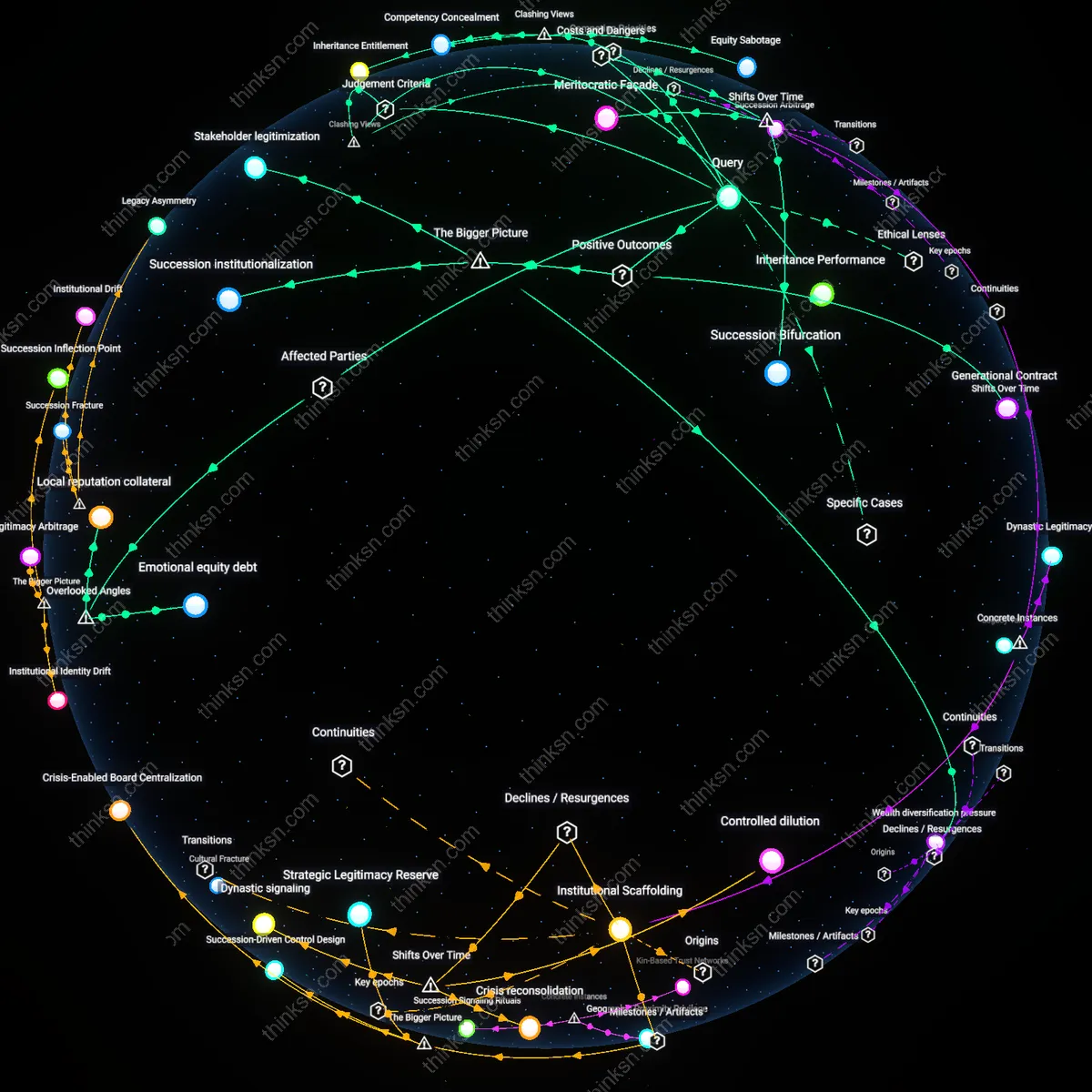
Analysis reveals 6 key thematic connections.
Key Findings
Promotional Stagnation Signal
A perceived lack of promotion opportunities indicates industry decline when senior roles remain occupied due to extended workforce tenures driven by pension erosion and delayed retirements, particularly in legacy sectors like manufacturing and public administration in aging economies such as Japan and Germany. This structural blockage—where middle-tier professionals cannot advance because top positions are frozen—reflects not firm-specific underperformance but macro-level demographic and financial shifts weakening intergenerational mobility. The non-obvious insight within this familiar narrative of 'dead-end jobs' is that stagnation often originates outside individual companies, rooted in national savings crises and underfunded retirement systems that trap executives past normal exit points.
Innovation Evaporation
Industry decline is signaled by vanishing promotion paths when organizational expansion slows due to technological displacement, as seen in traditional media companies where digital platforms have captured advertising revenue, freezing growth and eliminating mid-level editorial and managerial ladders. In these cases, the absence of upward movement reflects not overstaffing but the hollowing out of core revenue engines, making promotions contingent on transformation rather than merit—a shift most visible in U.S. newspaper chains post-2010. What is underappreciated within the common perception of 'career plateaus' is that promotional droughts often precede formal shrinkage, serving as early indicators of value migration rather than internal mismanagement.
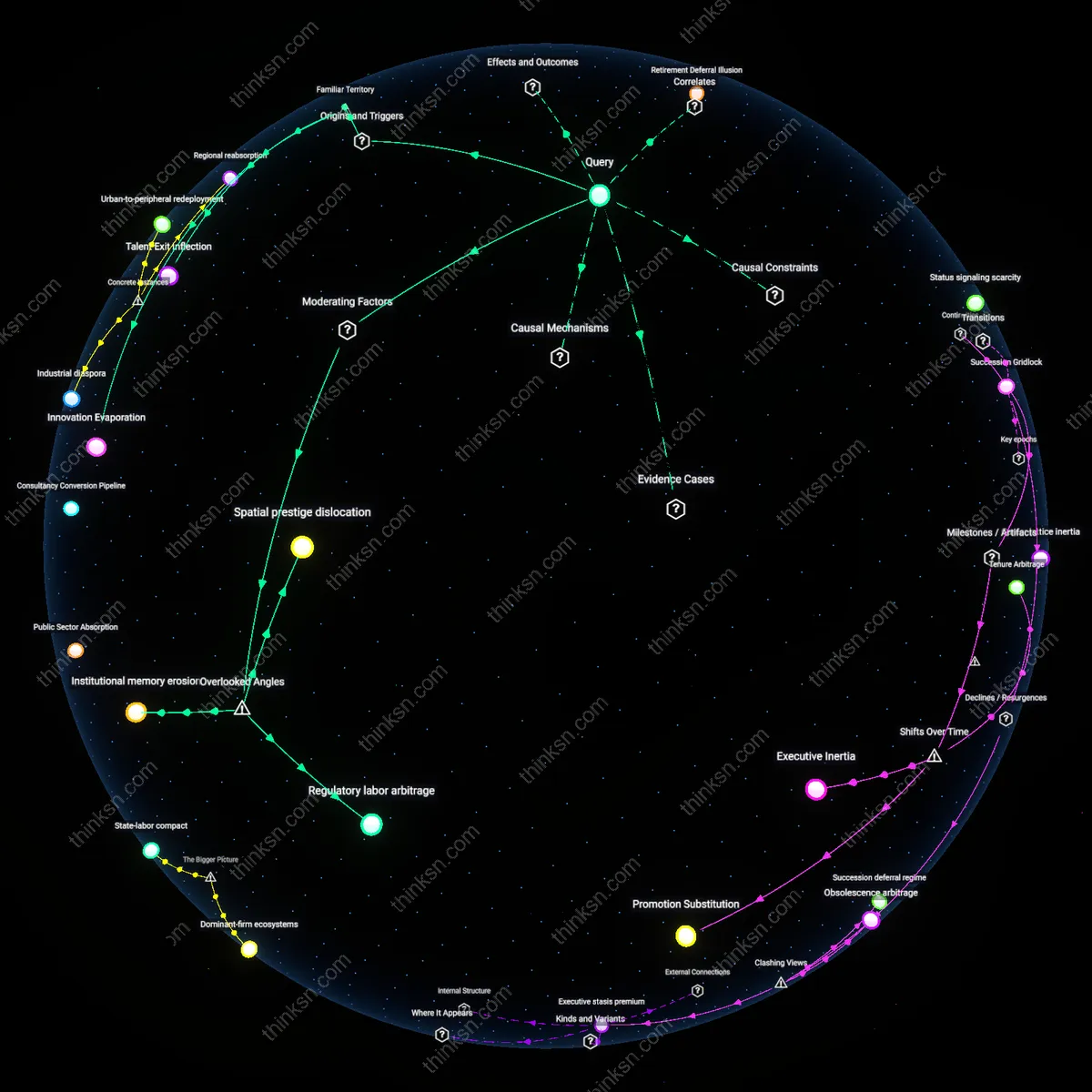
Talent Exit Inflection
A lack of promotional opportunity becomes a reliable indicator of industry decline when high-skill workers begin disproportionately exiting for adjacent or emerging sectors, as occurred with petroleum engineers shifting to renewable energy project management roles between 2015–2022 amid sustained oil price volatility and ESG investment shifts. This exodus destabilizes internal talent pipelines, halting promotions not due to oversupply but to the collapse of succession networks, particularly in Calgary, Aberdeen, and Houston energy hubs. The overlooked dynamic in the widespread belief that 'no promotions mean no future' is that departures are not just reactions—they actively accelerate decline by removing the very individuals needed to reconfigure organizational adaptability.
Institutional memory erosion
When frontline specialists lose influence over advancement criteria, promotion stagnation becomes less about industry health and more about internal knowledge capture. In sectors like legacy publishing or industrial manufacturing, veteran technical editors or process engineers increasingly report that promotion gates now prioritize external-looking competencies—such as digital transformation fluency or ESG reporting—over domain-specific mastery, not because the industry is contracting, but because leadership development has been outsourced to consultants using generic competency models. This shift obscures whether stagnation stems from actual decline or from a decoupling of advancement from operational expertise—a dynamic rarely flagged in career advice, which tends to assume promotions correlate with industry vitality. The overlooked mechanism is the quiet displacement of in-house career logic by standardized, market-conformist HR architectures.
Spatial prestige dislocation
A lack of promotional pathways in regional hubs of otherwise growing industries can falsely signal decline when the real issue is the geographic centralization of advancement. For instance, in the expanding U.S. renewable energy sector, engineers in Midwestern project offices may perceive stagnation not because of industry contraction but because leadership roles are systematically co-located in coastal innovation clusters—Austin, Boston, San Francisco—where strategy, funding, and visibility converge. Career decisions based on presumed sector-wide decline overlook this spatial bias in opportunity allocation, which disproportionately penalizes non-mobile professionals and reinforces a hidden center-periphery hierarchy. Most career analytics assume promotion access is sector-proximate, not geography-contingent, missing how location-dependent prestige circuits distort perceptions of mobility.
Regulatory labor arbitrage
Industries with stable or growing demand but increasing promotion scarcity—such as environmental remediation or clinical research—may actually be experiencing regulatory labor arbitrage, where compliance frameworks are exploited to downgrade mid-level roles. For example, post-Dodd-Frank financial compliance or EU MDR medical device oversight has led companies to hire specialized, temporary regulatory staff instead of promoting existing personnel, freezing advancement to avoid embedding seniority-based authority in roles that face unpredictable audit cycles. This creates the illusion of decline despite revenue growth, but the real force is a strategic substitution of hierarchical progression with modular, just-in-time expertise. The erosion of promotion as a retention tool is thus not symptomatic of market failure but of governance-induced organizational flattening, a dependency rarely acknowledged in workforce planning.