Is Switching to a Less Prestigious Role Really Worth the Fear?
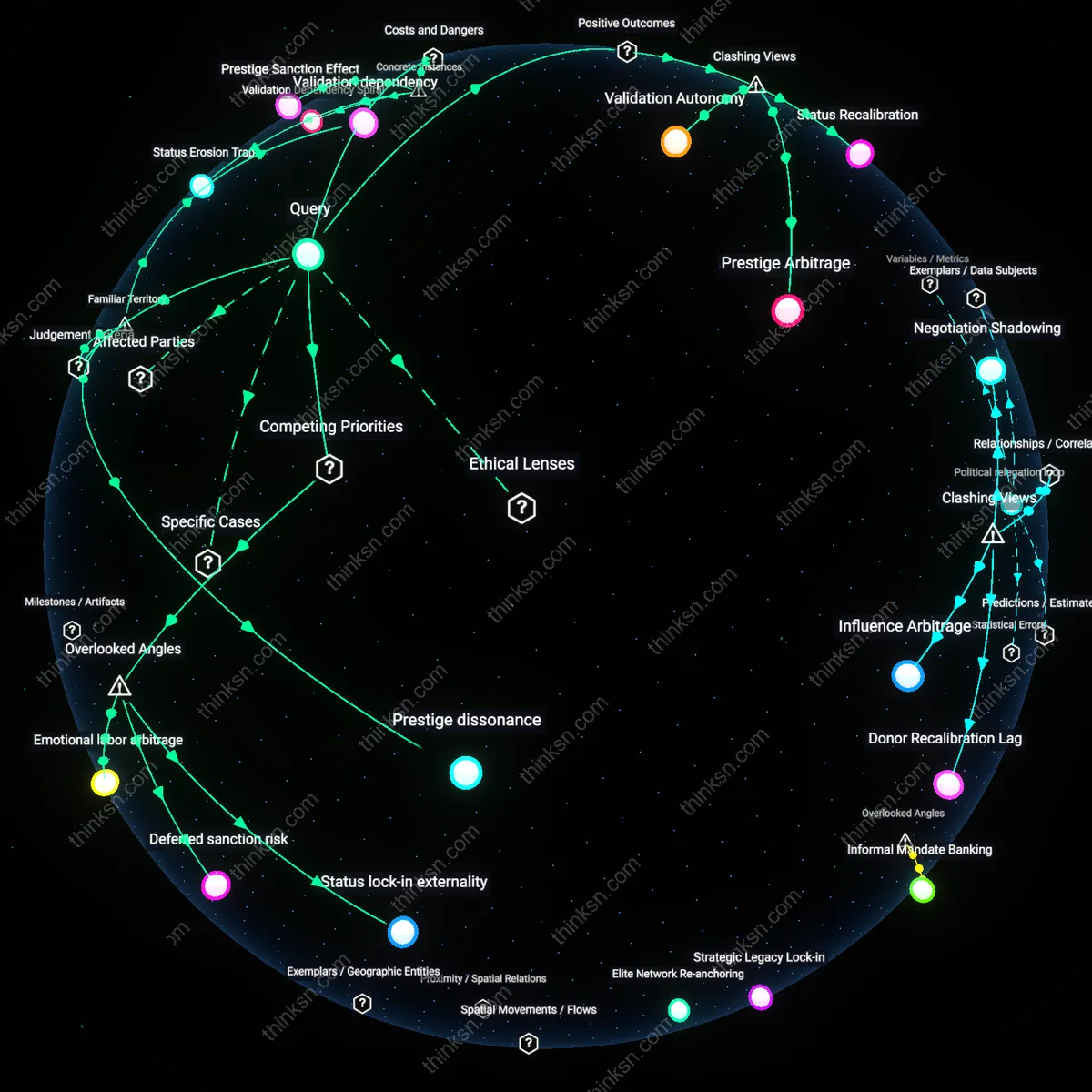
Analysis reveals 12 key thematic connections.
Key Findings
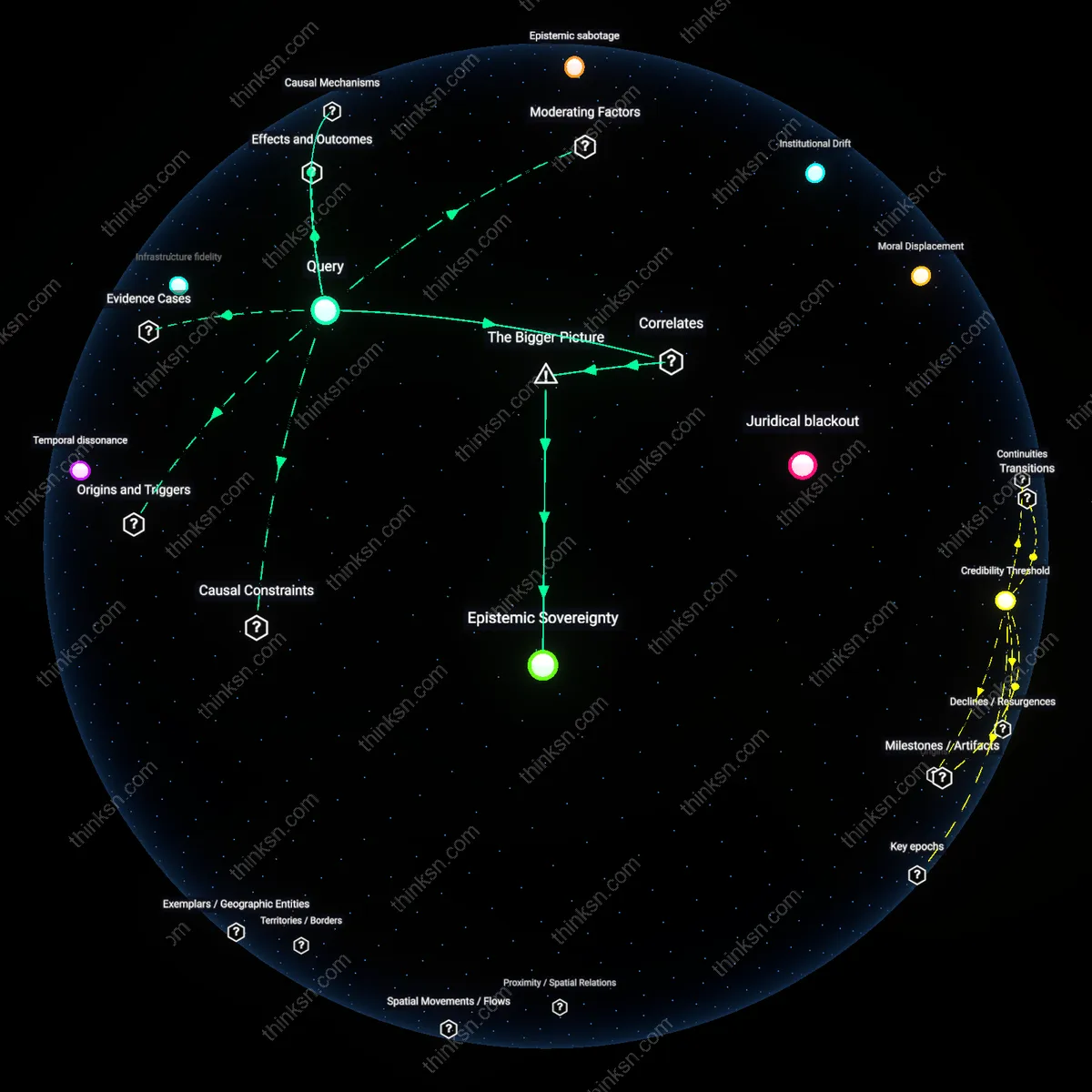
Status penalty
Fearing a loss of professional status when moving to a less prestigious role is a justified concern because it reflects measurable economic and institutional consequences, such as reduced access to decision-making networks, lower compensation trajectories, and diminished alumni signaling value in competitive labor markets like finance or law. This mechanism operates through organizational sorting systems that tie influence, autonomy, and sponsorship to hierarchical rank, making lateral or downward moves objectively costly regardless of personal fulfillment. The non-obvious insight within the familiar discourse of 'prestige' is that status here functions not as vanity but as a convertible social currency, codified in promotion eligibility, referral power, and project selection rights.
Validation dependency
Fearing a loss of professional status when moving to a less prestigious role is primarily an overreliance on external validation because the emotional weight of the decision is amplified by culturally reinforced identity scripts—such as the 'achiever' archetype in meritocratic societies—that equate occupational rank with personal worth. This dynamic is sustained through social feedback loops in peer communities, family expectations, and media narratives that award recognition selectively based on institutional brand affiliation, such as Ivy League placements or Fortune 500 titles. The underappreciated aspect within this familiar moral framing is how deeply public esteem becomes fused with self-concept, making status demotion feel existentially threatening even when material or ethical conditions improve.
Prestige dissonance
Fearing a loss of professional status when moving to a less prestigious role constitutes a rational response to asymmetrical institutional memory, where past employers and credentials continue to shape professional evaluations long after an individual’s values or capabilities have evolved, as seen in industries like management consulting or academia where path dependency determines perceived competence. This creates a credibility differential that newer, lower-status roles cannot immediately offset, even if they involve equivalent intellectual rigor or impact. The overlooked reality within the common narrative of career flexibility is that organizational ecosystems operate on reputation inertia, where downgrade in title or institutional rank triggers unwarranted skepticism about current capacity, irrespective of intention or performance.
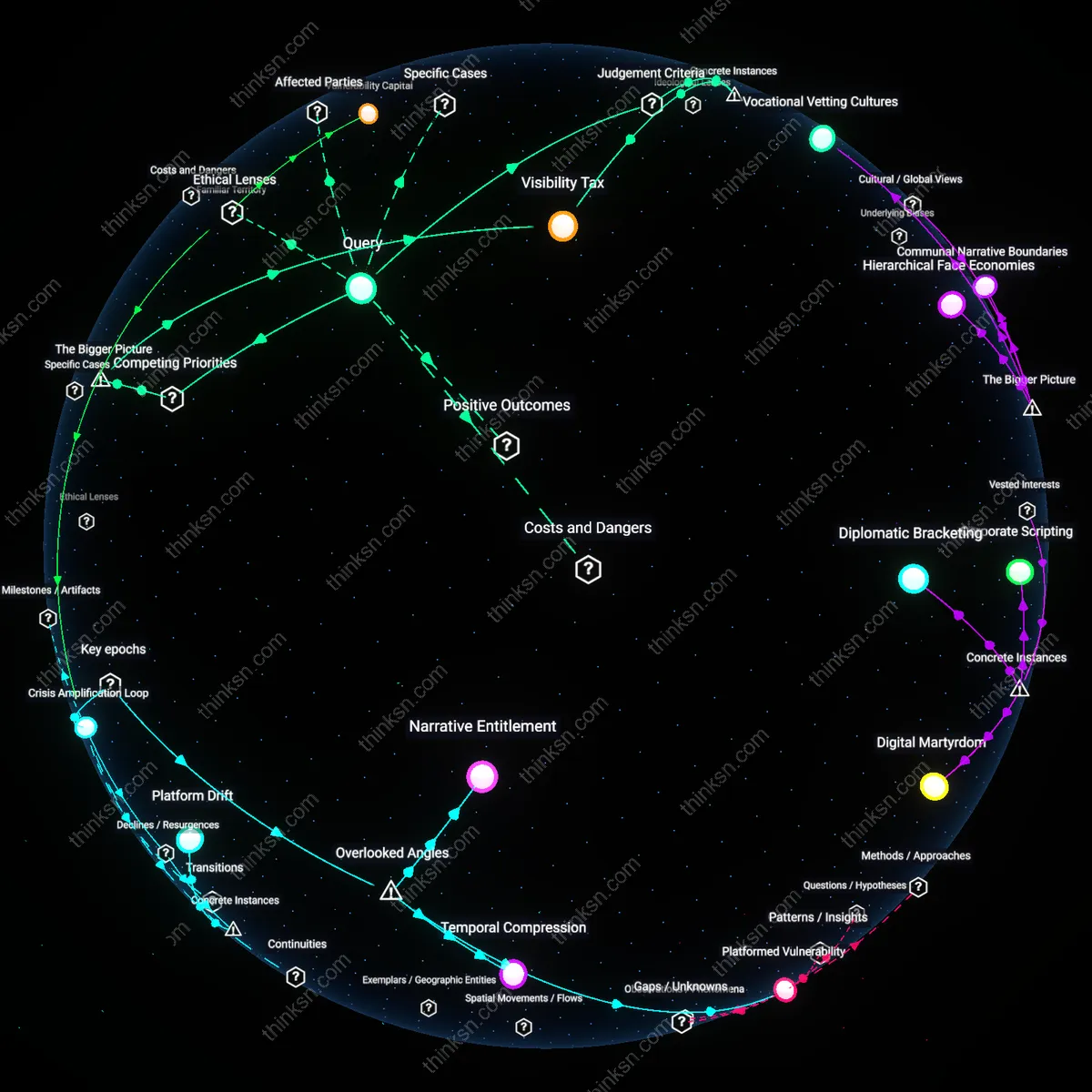
Status Recalibration
Fearing loss of professional status when moving to a less prestigious role is a justified concern because such transitions expose individuals to real economic and institutional penalties, particularly in fields like academia or law where title and affiliation directly influence research funding, client acquisition, and policy influence. This concern enables professionals to negotiate bridging mechanisms—such as partial appointments or collaborative affiliations—that preserve access to networks and resources, ultimately fostering mobility without total disinvestment. The non-obvious outcome, viewed through Clashing Views, is that status anxiety can generate institutional innovation rather than mere personal insecurity, revealing how individual risk perception feeds systemic adaptation.
Prestige Arbitrage
Choosing a less prestigious role is often a strategic downshift that leverages lower-status environments as sites for disproportionate influence, where established professionals can dominate local discourse, reshape hiring norms, or pilot interventions without bureaucratic resistance. This reveals that perceived status loss can be a tactical entry point for reformers, consultants, or late-career experts seeking outsized impact per unit of visibility, disrupting the assumption that prestige equals efficacy. The dissonance lies in recognizing that status surrender, when instrumentally deployed, becomes a tool for covert leadership—a dynamic widely exploited in educational reform and public health deployments across under-resourced regions.
Validation Autonomy
Fearing diminished professional status is not primarily about external validation but about the rupture in professional epistemology—how one knows their work matters—because prestige-linked roles often serve as the primary conduit for feedback loops from peers, journals, and funders. When individuals move to less visible roles, they are not craving applause but recalibrating how competence is measured and confirmed, which can spur the creation of alternative evaluation systems used by NGOs, municipal think tanks, and technical agencies. The underappreciated reality is that this fear catalyzes epistemic independence, where professionals build new metrics of success that eventually inform broader sectoral standards, challenging the notion that prestige monopolizes legitimacy.
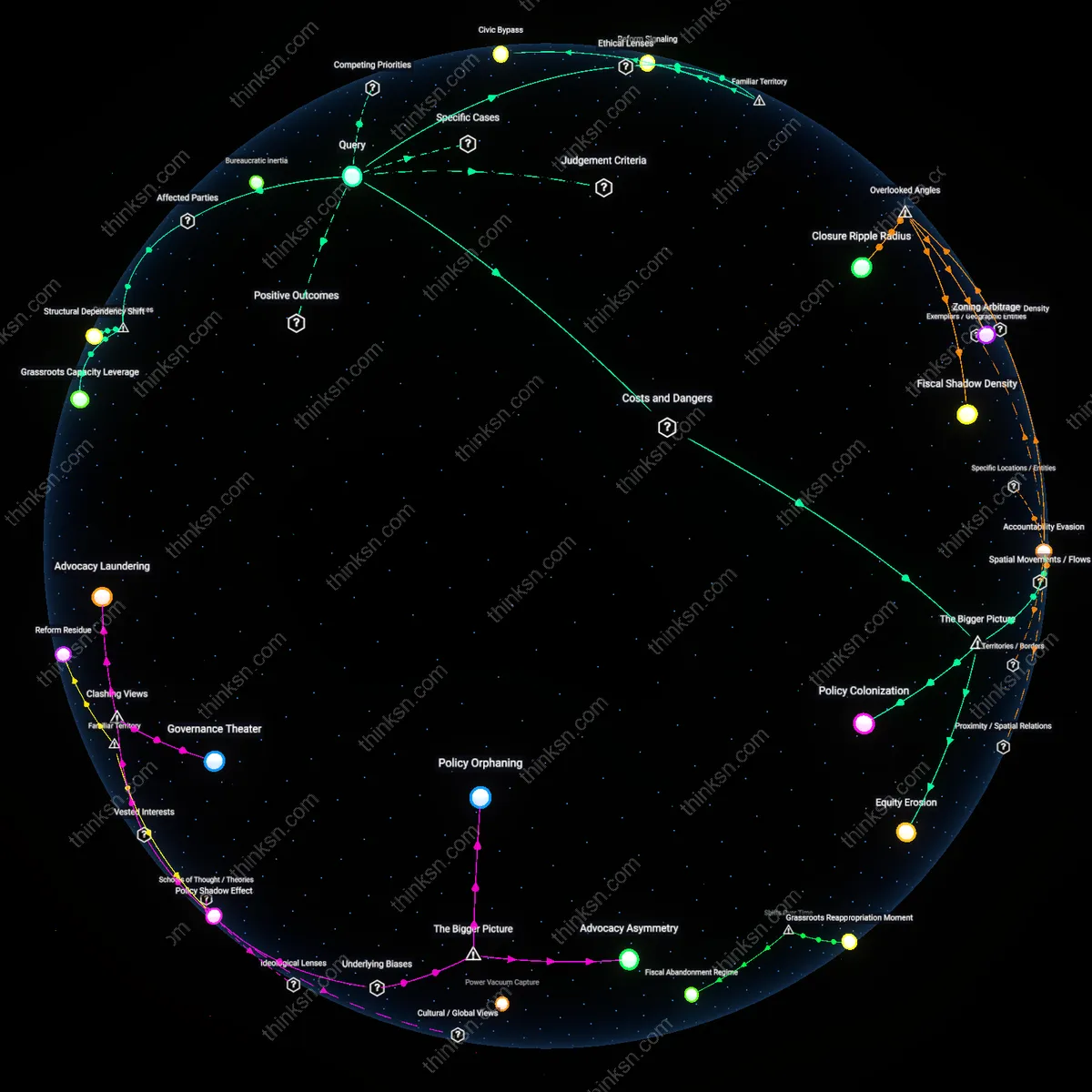
Status Erosion Trap
Fear of professional status loss when moving to a less prestigious role is a justified concern because high-ranking Soviet officials during the late Brezhnev era resisted demotion or lateral moves into technocratic positions, which led to systemic stagnation as aging leaders clung to power; the Politburo’s lack of succession mechanisms allowed status anxiety to override functional governance, revealing how institutional prestige hierarchies can trap talent in unproductive roles to avoid symbolic devaluation, a risk often ignored in theories of bureaucratic mobility.
Validation Dependency Spiral
The decline of senior Wall Street traders after the 2008 financial crisis illustrates that fearing a drop in professional status reflects a rational dependence on external validation, as many former top performers at Lehman Brothers and Merrill Lynch failed to transition into advisory or mid-tier roles despite retaining skill sets, due to identity fusion with elite status markers like bonus size and floor access; the psychological and social exclusion mechanisms activated by peer networks and client expectations created a feedback loop where self-worth and market credibility became indistinguishable, exposing how financial capitalism institutionalizes validation dependency beyond mere personal insecurity.
Prestige Sanction Effect
When senior academics from Ivy League institutions accept positions at regional universities, they often experience a measurable decline in research collaboration invites and journal editorial influence—not due to diminished capacity, but demonstrated in cases like the University of Missouri’s tenure track changes post-2010, where transplanted scientists from top-10 programs reported being excluded from elite networks despite continued output; this reveals that prestige functions as a formal but unacknowledged credentialing system in academia, where status loss triggers actual professional sanctions, making such fears materially grounded rather than psychologically inflated.
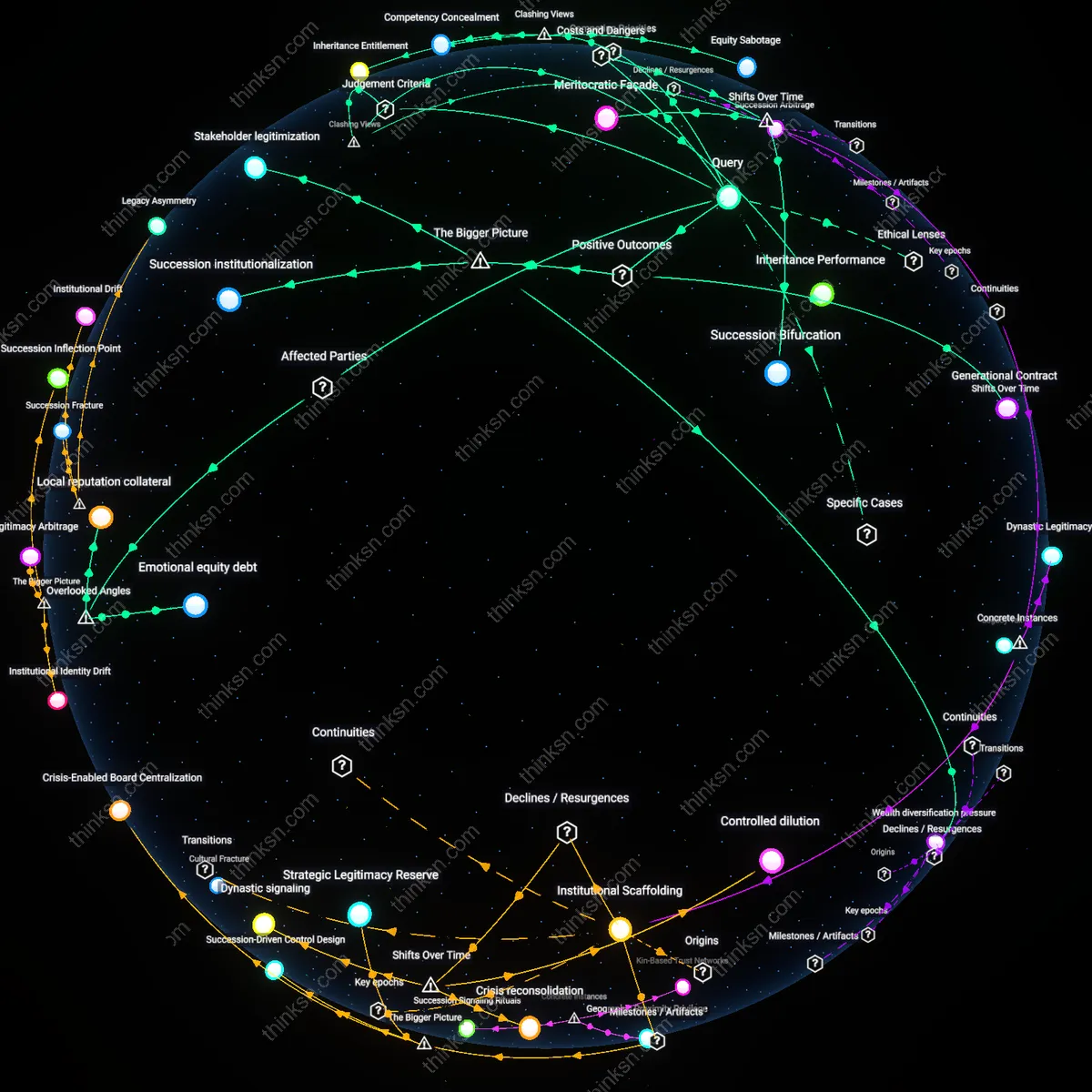
Status lock-in externality
Fearing loss of professional status when moving to a less prestigious role is a justified concern because it reflects a structural dependency in labor markets where peer-network access—critical for future opportunities—is gatekept through formal rank, meaning that downgrading severs informal advisory flows that are not publicly documented but shape career viability. This dynamic operates through opaque referral channels in industries like management consulting and law, where former peers become gatekeepers to high-impact projects, and withdrawing from elite tiers forfeits access to these coordination networks even if competence remains unchanged. The overlooked mechanism is that prestige functions not merely as personal validation but as a covert credential for trust-mediated professional infrastructures, altering the understanding that such fears are purely psychological rather than rooted in actual networked exclusion.
Deferred sanction risk
The fear of diminished status in descending roles is justified not because of immediate consequences but because organizations internally track 'career loyalty trajectories,' and individuals who leave high-prestige pipelines are later penalized during rehiring or internal promotions even years afterward, regardless of performance. This occurs through undocumented HR shadow evaluations in sectors like investment banking and academia, where lateral movement outside the 'up-or-out' path triggers retrospective downgrading of ambition and reliability, affecting future eligibility for leadership roles. The underappreciated reality is that status loss fear responds to a delayed disciplinary system where temporary deviations are remembered disproportionately, transforming momentary choices into long-term liability.
Emotional labor arbitrage
Fearing status loss when stepping down reflects a rational response to the hidden redistribution of emotional labor required to maintain credibility in lower-prestige roles, especially when the individual retains networks or expertise from prior positions. In fields like journalism or public policy, someone moving from a marquee outlet to a regional institution faces unspoken demands to perform humility while simultaneously justifying their presence, absorbing skepticism from both audiences and peers, which drains affective capacity without formal compensation. This overlooked burden reveals that prestige operates as a form of social insulation against performative subordination, and losing it forces continuous emotional negotiation that most career analyses ignore when assessing trade-offs.