Do TikTok Wellness Ads Spread More Harm Than Good?
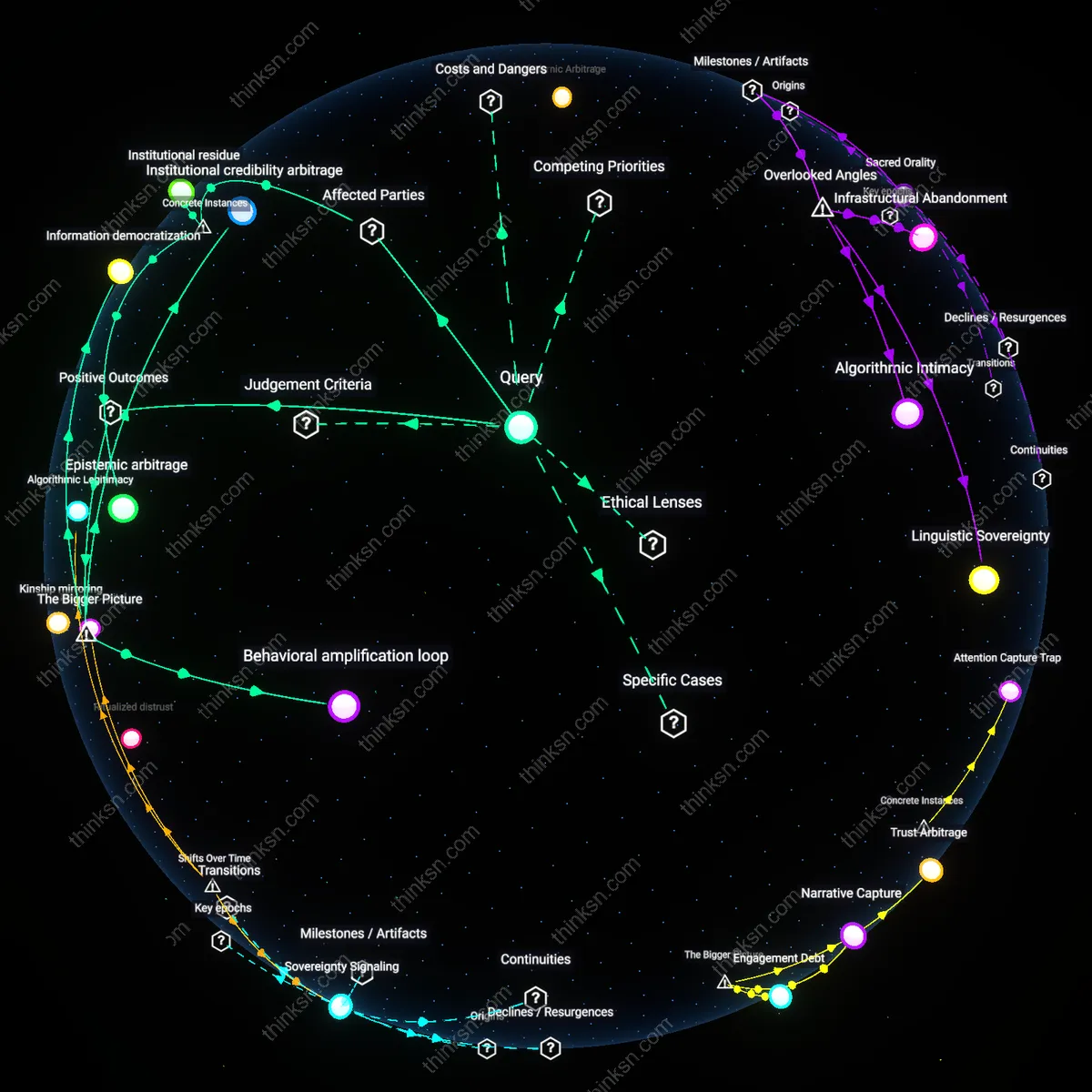
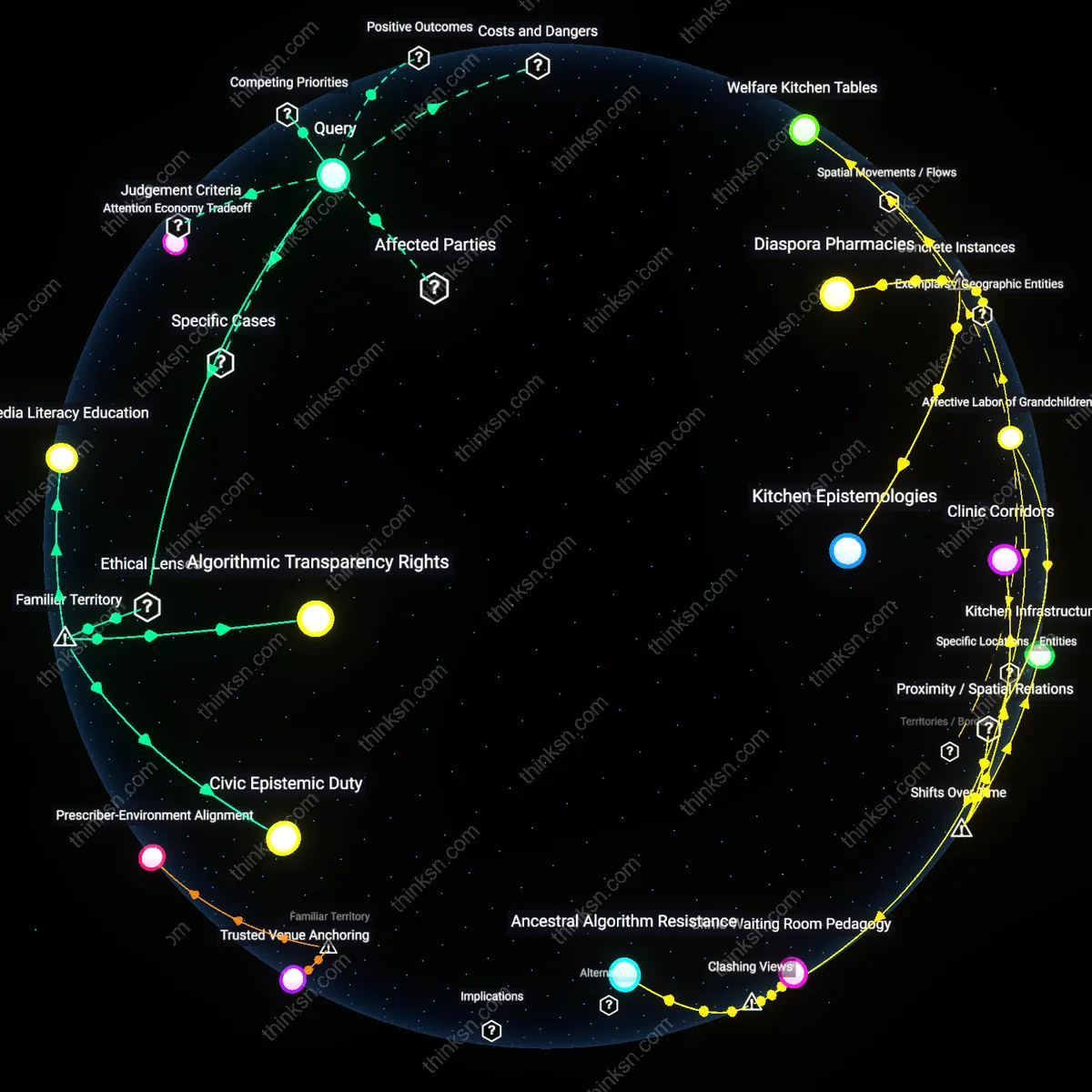
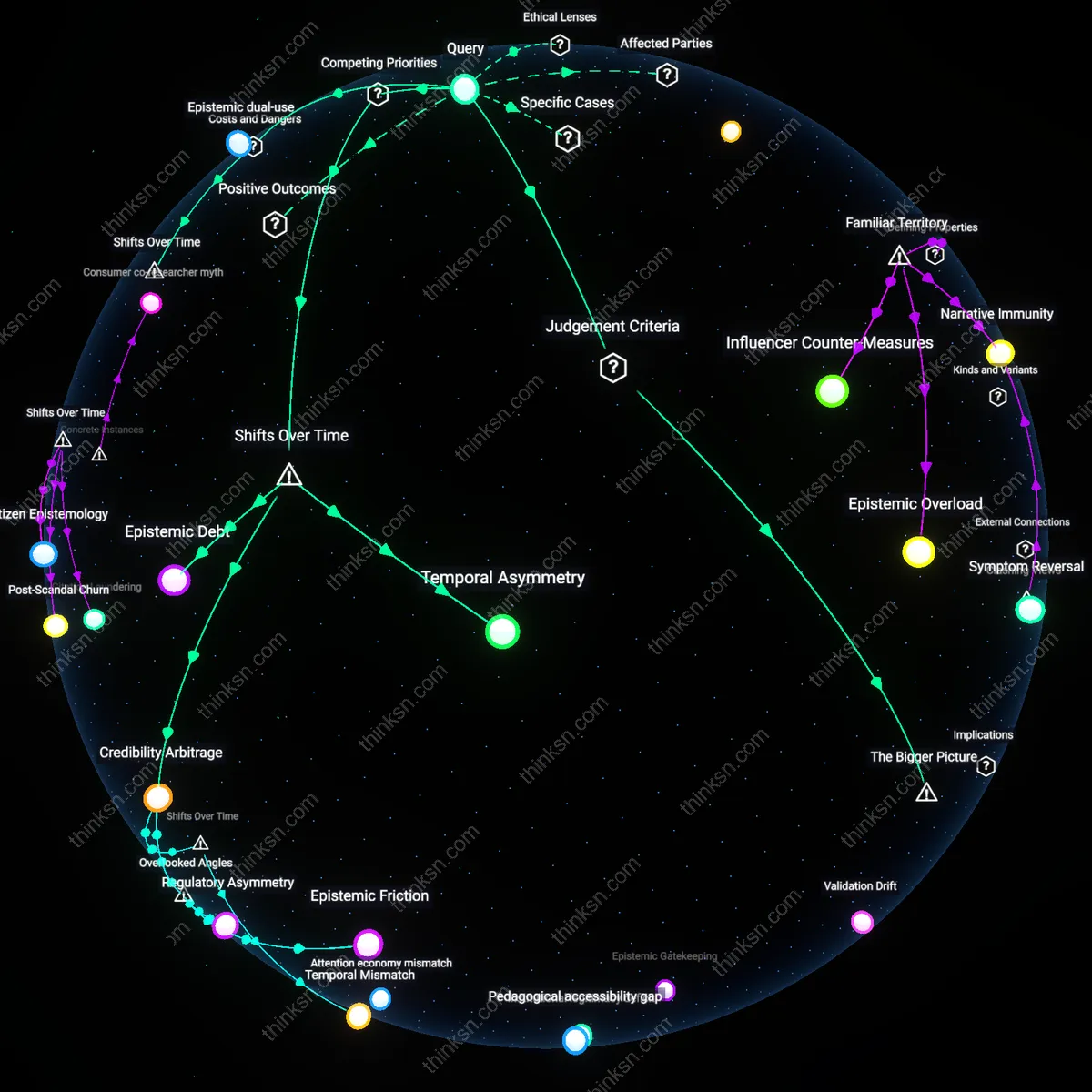
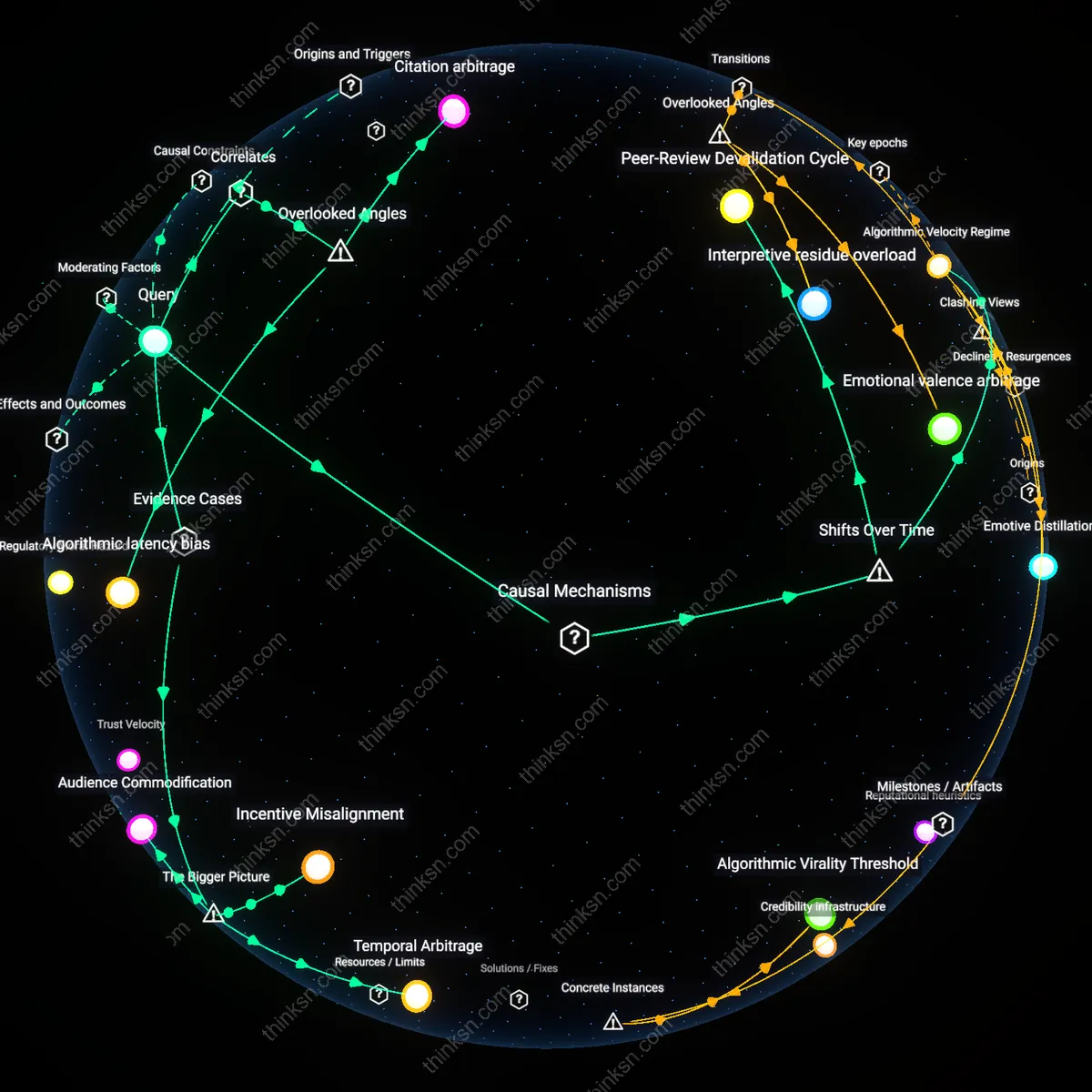
Analysis reveals 9 key thematic connections.
Key Findings
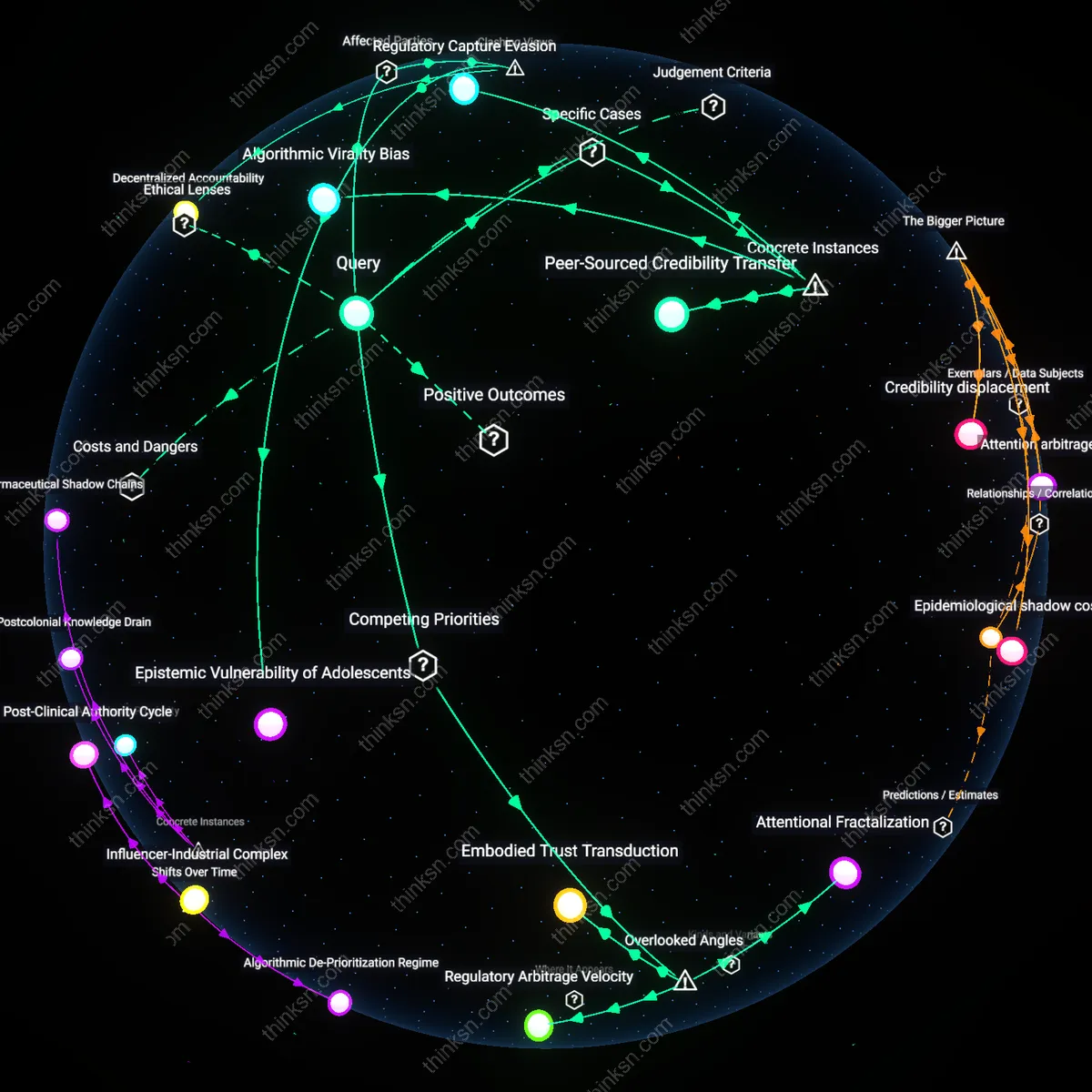
Algorithmic Amplification Bias
The risk of misinformation in TikTok influencers' promotion of wellness products exceeds the benefit of health education because the platform's engagement-driven recommendation algorithms systematically privilege emotionally charged, simplified content over evidence-based nuance, disproportionately elevating influencers who promote unverified remedies. This mechanism rewards rapid, visually compelling narratives—such as 'glowing skin in 3 days'—over qualified medical advice, embedding misinformation within the platform’s structural logic rather than as isolated content failures. The non-obvious insight is that the danger lies not in individual influencers’ intent but in the machine-curated velocity with which dubious claims become normalized across user feeds, making regulatory or educational countermeasures inherently reactive and fragmented.
Epistemic Vulnerability of Adolescents
The spread of beneficial health messages on TikTok is outweighed by the risk of misinformation because the platform’s dominant demographic—young adolescents—lacks the cognitive and media literacy tools to differentiate between scientific guidance and performative wellness content, rendering them especially susceptible to pseudoscientific claims disguised as self-care. Influencers exploit this developmental gap by blending personal identity with product endorsement, using vulnerability narratives to build trust that deflects critical scrutiny. This reveals that the core issue is not content accuracy per se but the strategic alignment of affective storytelling with developmental psychology, which transforms wellness promotion into a form of covert behavioral conditioning rather than informed choice.
Decentralized Accountability
Misinformation risks surpass public health benefits not because the content is more widespread, but because responsibility for harm is diffused across influencers, third-party brands, app developers, and users—none of whom face enforceable liability for promoting unproven wellness products. Unlike traditional medical communication systems, where institutions like the FDA or professional associations can regulate messaging, TikTok’s ecosystem operates through uncoordinated actors leveraging legal gray zones in advertising and free speech. The overlooked reality is that the platform’s value lies less in its reach and more in its deliberate design of jurisdictional ambiguity, which prevents any single entity from being held accountable even when clear patient harm occurs.
Attentional Fractalization
The risk of misinformation in TikTok influencers’ promotion of wellness products surpasses the platform’s potential to spread beneficial health messages because algorithmic content fragmentation diverts user attention into narrow, self-reinforcing wellness niches that erode cross-exposure to authoritative counter-narratives. This occurs through TikTok’s recommendation engine, which prioritizes engagement over epistemic balance, channeling users into micro-segments like 'gut health minimalism' or 'chronic wellness detoxing' where pseudoscientific claims accumulate without friction from clinical perspectives. What is typically overlooked is that the harm does not stem from individual false claims, but from the systematic dissolution of shared attentional ground needed for public health consensus formation—this fractal dispersion of focus undermines collective cognitive immunity more than any single piece of misinformation could.
Regulatory Arbitrage Velocity
The risk of misinformation in TikTok influencers’ promotion of wellness products surpasses the platform’s potential to spread beneficial health messages because the speed at which influencers pivot product claims across jurisdictional boundaries outpaces the reactive capacity of national health regulators. Influencers based in countries with lax supplement oversight—such as the United States under DSHEA—routinely promote products with ambiguous health claims to global audiences, later re-editing or re-packaging content to comply with EU or Canadian regulations only after enforcement actions begin, creating a temporal lag in accountability. This dynamic is rarely acknowledged because most analyses treat influencer content as static or locally bounded, whereas the real danger lies in the procedural advantage gained through rapid cross-border content arbitrage, which effectively hollows out the deterrent power of regulation.
Embodied Trust Transduction
The risk of misinformation in TikTok influencers’ promotion of wellness products surpasses the platform’s potential to spread beneficial health messages because personal narratives framed around chronic illness recovery transduce emotional credibility into product endorsement, bypassing users’ analytical defenses through somatic identification. When influencers detail visceral experiences—like the texture of fatigue or the sound of joint pain—viewers neurologically simulate these states, creating an embodied sense of trust that is resistant to fact-checking interventions. This mechanism is typically ignored in media literacy and platform governance discussions, which assume misinformation spreads via logical deception or data distortion, not through the covert transfer of epistemic authority via sensory storytelling—making cognitive corrections ineffective against affectively anchored beliefs.
Algorithmic Virality Bias
TikTok’s recommendation algorithm prioritized emotionally resonant content promoting unproven wellness remedies, as seen in the 2023 'magnesium miracle' trend where influencers like Kayla Nielsen falsely claimed magnesium supplements cured anxiety and insomnia, driving millions of views and sales despite FDA warnings, revealing that engagement-driven amplification systematically favors sensational claims over evidence-based nuance. This mechanism operates through TikTok’s A/B-tested content delivery system, which rewards retention and interaction metrics regardless of factual accuracy, making it structurally prone to elevating misleading health narratives when they are packaged with personal testimony and emotional appeal. The non-obvious insight is that the platform does not merely host misinformation but actively shapes its form and reach through invisible algorithmic incentives that mimic clinical authority through narrative rhythm and visual authenticity.
Regulatory Capture Evasion
The 2022 case of wellness influencer Dr. Will Cole's promotion of functional medicine detox kits through TikTok ads circumvented FDA labeling rules by using affiliate links and disclaimers buried in bios, demonstrating how decentralized influencer networks exploit jurisdictional gaps between advertising law and digital content moderation. Unlike traditional media, TikTok enables health product sponsors to distribute monetized medical claims without pre-clearance, leveraging personal branding to establish trust that mimics clinical endorsement while operating outside formal regulatory oversight. The significance lies in the structural arbitrage between digital speech and regulated health communication, where the speed and scale of influencer reach outpace existing enforcement mechanisms, making misinformation not just present but institutionally ungovernable under current frameworks.
Peer-Sourced Credibility Transfer
In 2021, the viral 'celery juice' wellness campaign led by influencers such as Medical Medium (Anthony William) used TikTok to repackage a fringe naturopathic idea as grassroots health revival, recruiting thousands of users to post 'healing journey' testimonials that collectively simulated scientific consensus without any controlled evidence. This cascade functioned not through individual deception but through distributed validation—where cumulative peer narratives created perceived legitimacy via social proof rather than authoritative sources, effectively displacing expert knowledge with networked anecdote. The underappreciated dynamic is that TikTok’s community feedback loops convert isolated misinformation into collective belief systems, making decontamination nearly impossible once the message achieves critical mass in user-generated form.