How to Spot Health Hoaxes Across TV and TikTok?
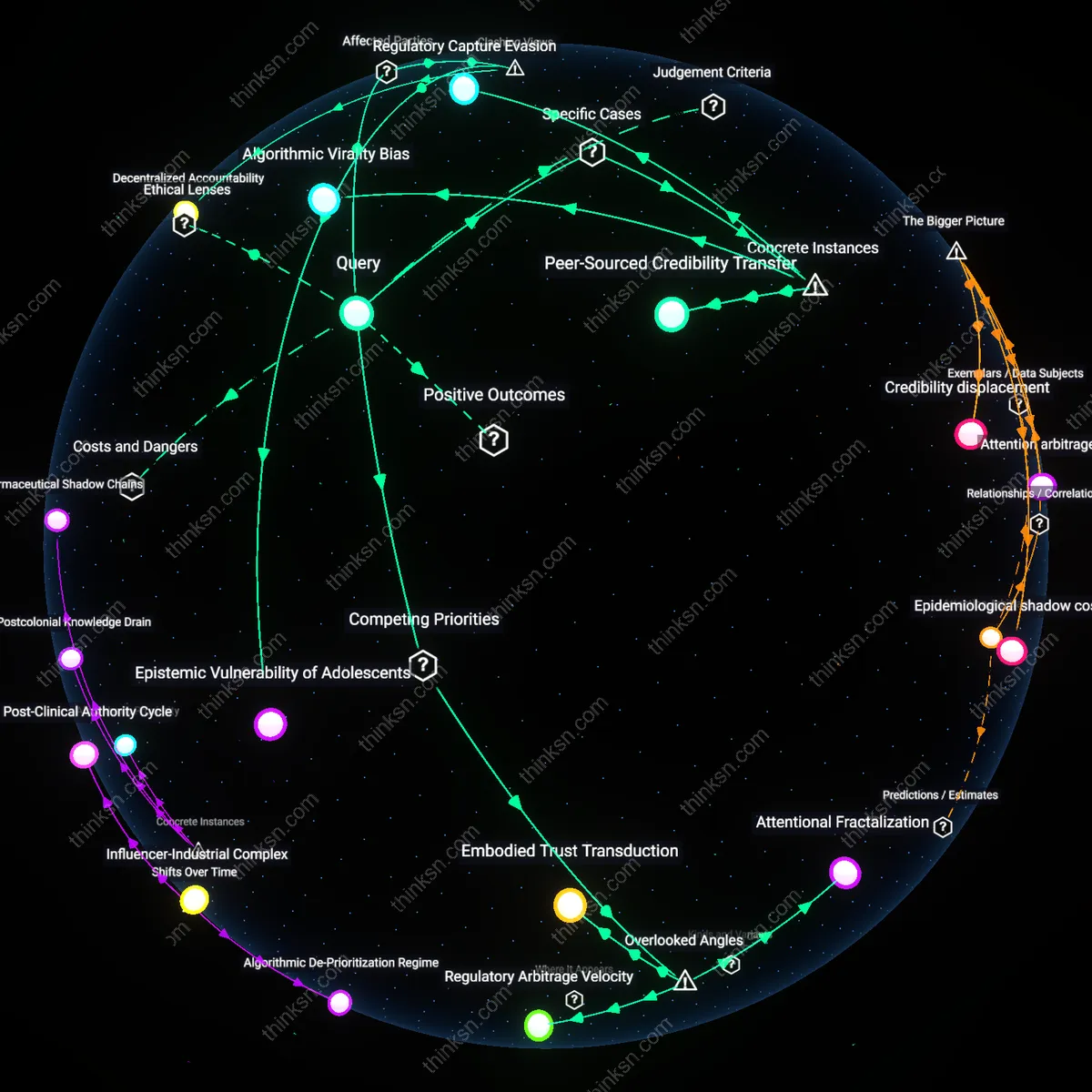
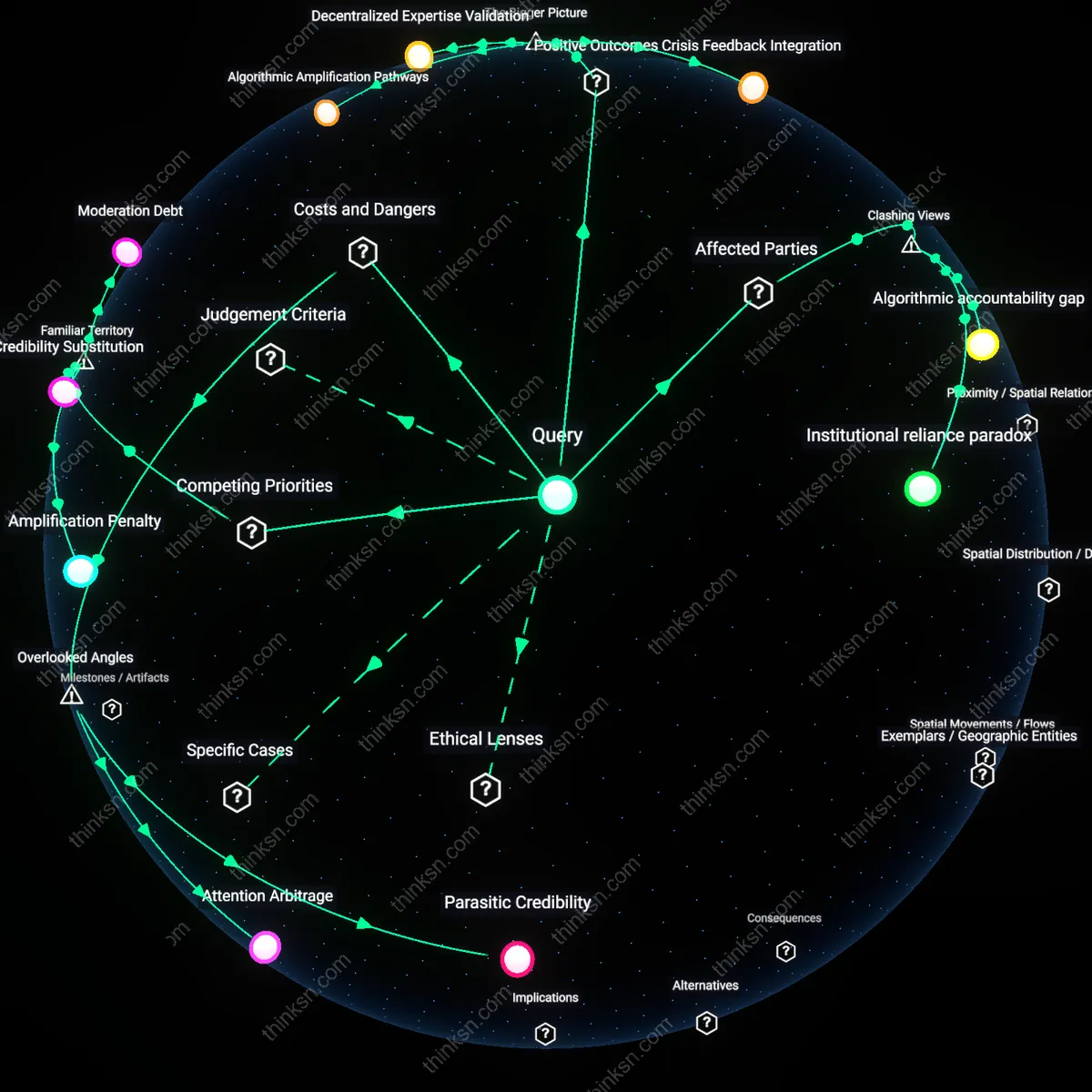
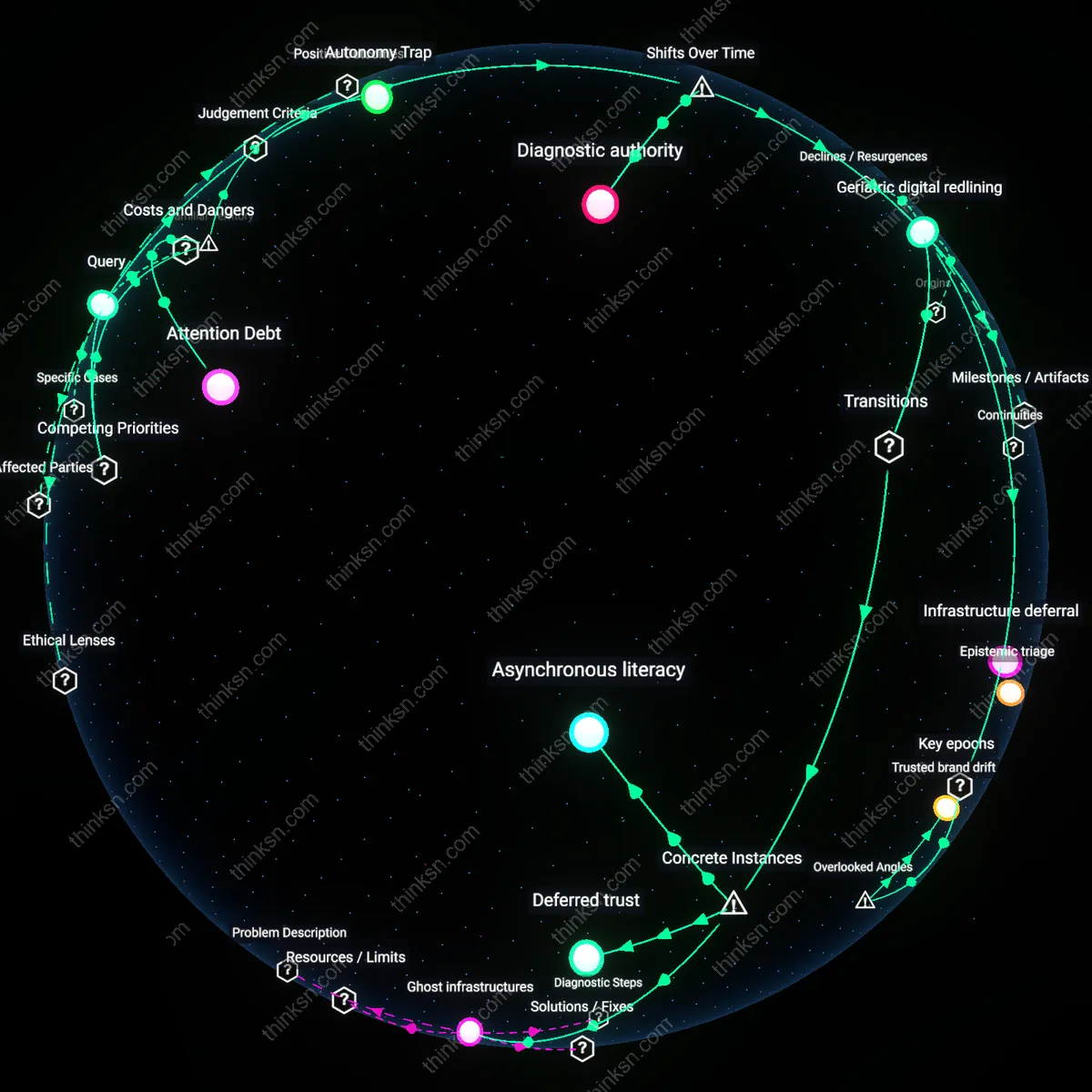
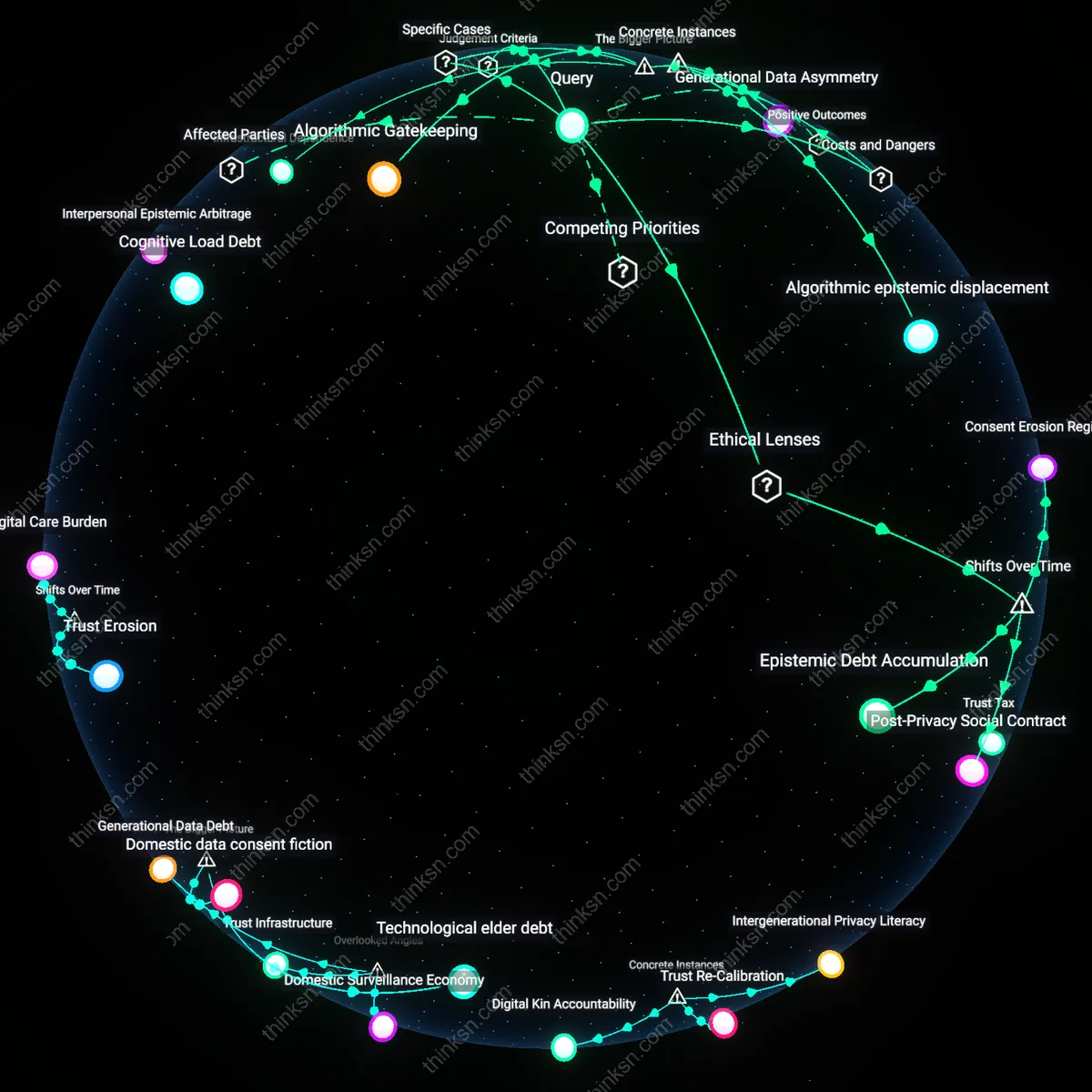
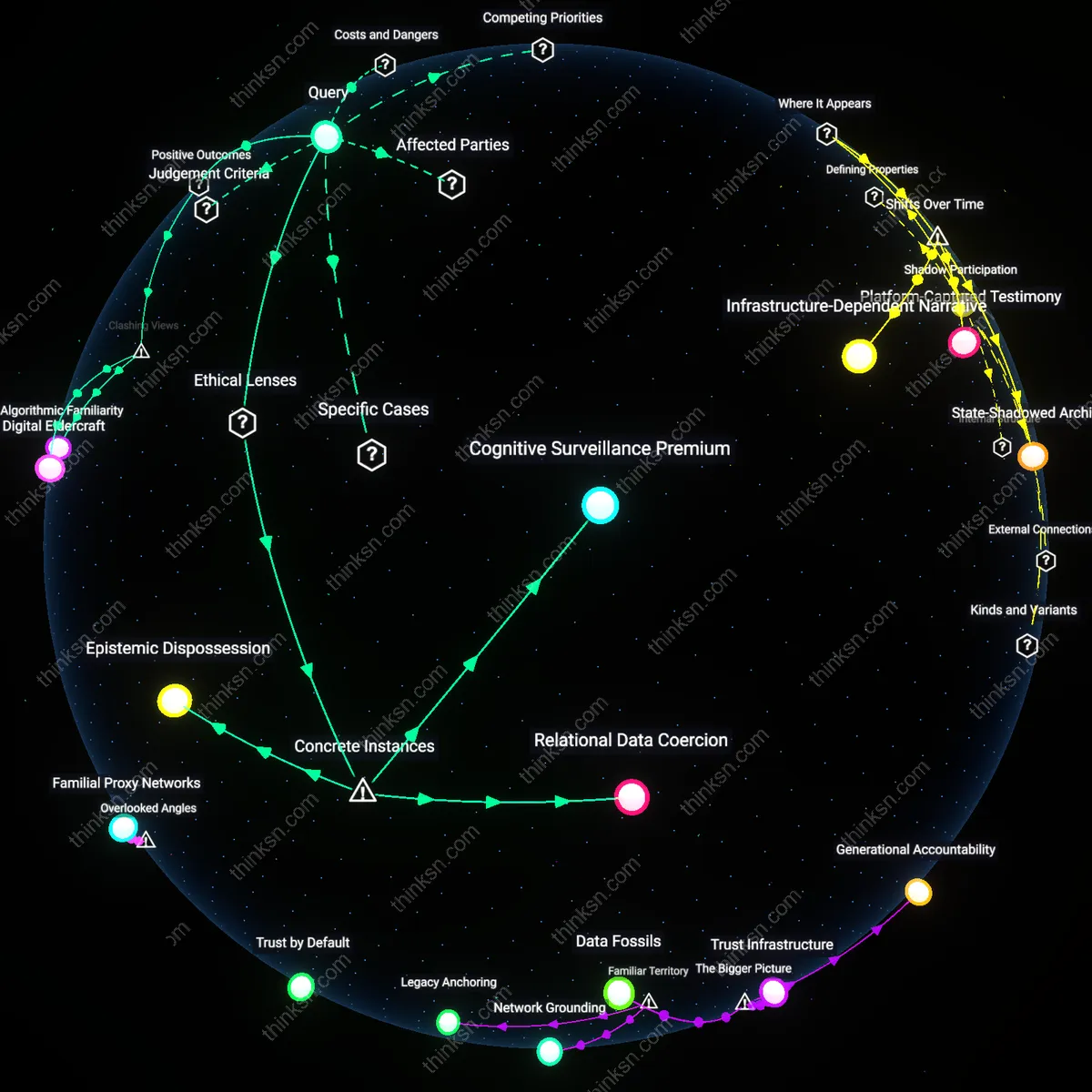
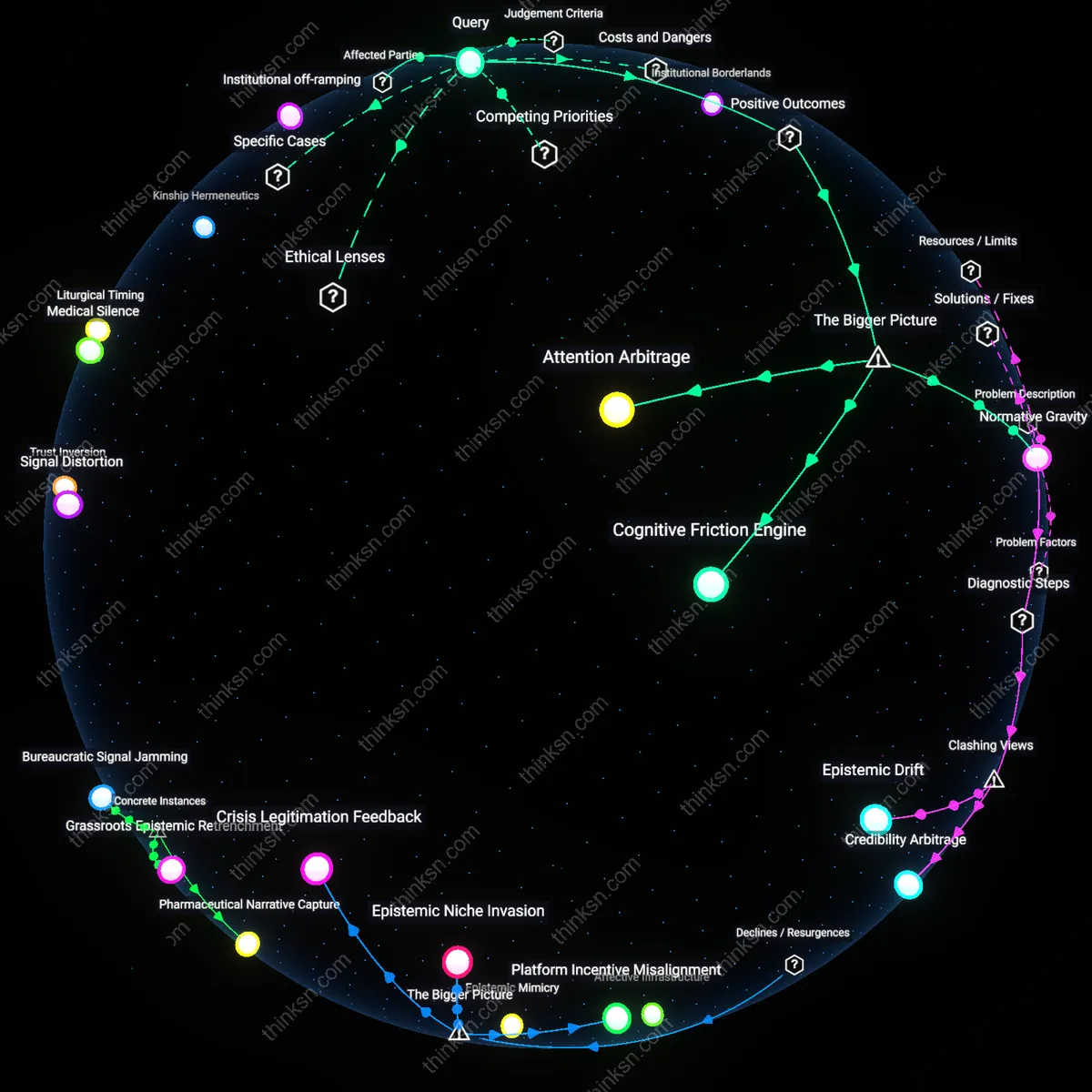
Analysis reveals 5 key thematic connections.
Key Findings
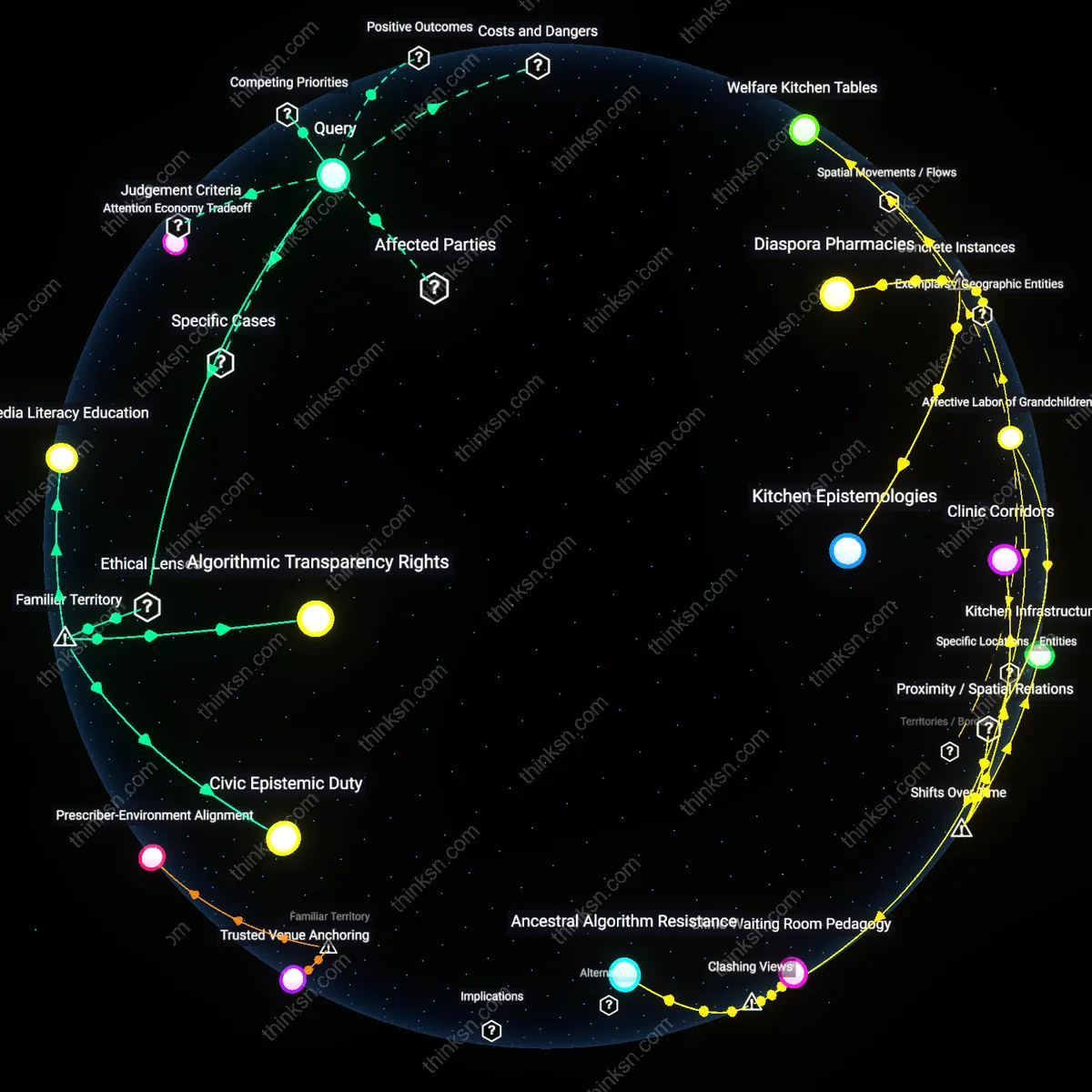
Attention Economy Tradeoff
Individuals must sacrifice depth of verification for speed of engagement when assessing health misinformation on TikTok due to the platform's algorithmically driven attention economy. TikTok's design prioritizes rapid content turnover and user retention through emotionally salient, bite-sized videos, which pressures individuals to make quick credibility judgments without access to sourcing or context—favoring affective response over analytical reasoning. This creates a zero-sum dynamic where the value of informed discernment is structurally undermined by the imperative to maintain platform engagement, a tension amplified by young, mobile-first audiences who rely on social proof rather than institutional authority. The non-obvious consequence is that even media-literate users are systematically disadvantaged, not by ignorance, but by the misalignment between cognitive processing time and algorithmic pacing.
Credibility Substitution Mechanism
Trusting news presenters on traditional TV requires viewers to offload critical assessment onto perceived institutional legitimacy, creating a zero-sum tradeoff between media authority and individual skepticism. Network news programs, especially in primetime or local segments, maintain influence by leveraging standardized aesthetics, professional credentials, and affiliations with established broadcasters—conditions that subtly discourage viewers from questioning embedded health claims despite increasing variation in editorial standards. This dynamic allows misinformation to persist under the guise of credibility, particularly among older demographics who equate broadcast legitimacy with factual accuracy, mistaking production values for verification rigor. The underappreciated systemic factor is how public service norms in broadcasting have eroded while audience expectations of trustworthiness remain, enabling bad-faith actors to exploit residual legitimacy.
Media Literacy Education
Individuals should receive structured media literacy training in public education systems to distinguish credible health information from misinformation on both TV and TikTok. This approach operates through standardized curricula developed by educational authorities in collaboration with public health agencies, embedding critical analysis of media sourcing, bias, and evidence hierarchies into secondary schooling. What is underappreciated in public discourse—where people assume media savvy comes naturally from exposure—is that recognizing manipulative framing in a TikTok trend or a sensationalized news segment requires taught skills in epistemic vigilance, not just intuition.
Algorithmic Transparency Rights
Users must be granted legal rights to inspect and contest the recommendation algorithms that prioritize health content on platforms like TikTok, extending principles from consumer protection and digital due process. This functions through regulatory frameworks such as the Digital Services Act in the EU, where designated oversight bodies can audit algorithmic influence on information spread, unlike the historically passive role of TV audiences. The non-obvious insight, against a backdrop of familiar blame on 'user gullibility,' is that viral misinformation thrives not from individual naivety but from engineered engagement loops invisible to the average viewer.
Civic Epistemic Duty
Citizens should treat information consumption as a form of civic participation that carries ethical responsibility under democratic theories of the public sphere, such as Habermasian discourse ethics. This works through normative expectations in public culture—reinforced by institutions like public broadcasting and health agencies—that position informed judgment as a collective good, not just personal risk management. While common narratives focus on misinformation as a cognitive error, the deeper issue is the erosion of a shared duty to uphold truth in mass communication, whether through a nightly news broadcast or a viral video that reaches millions in hours.