Epistemic loyalty
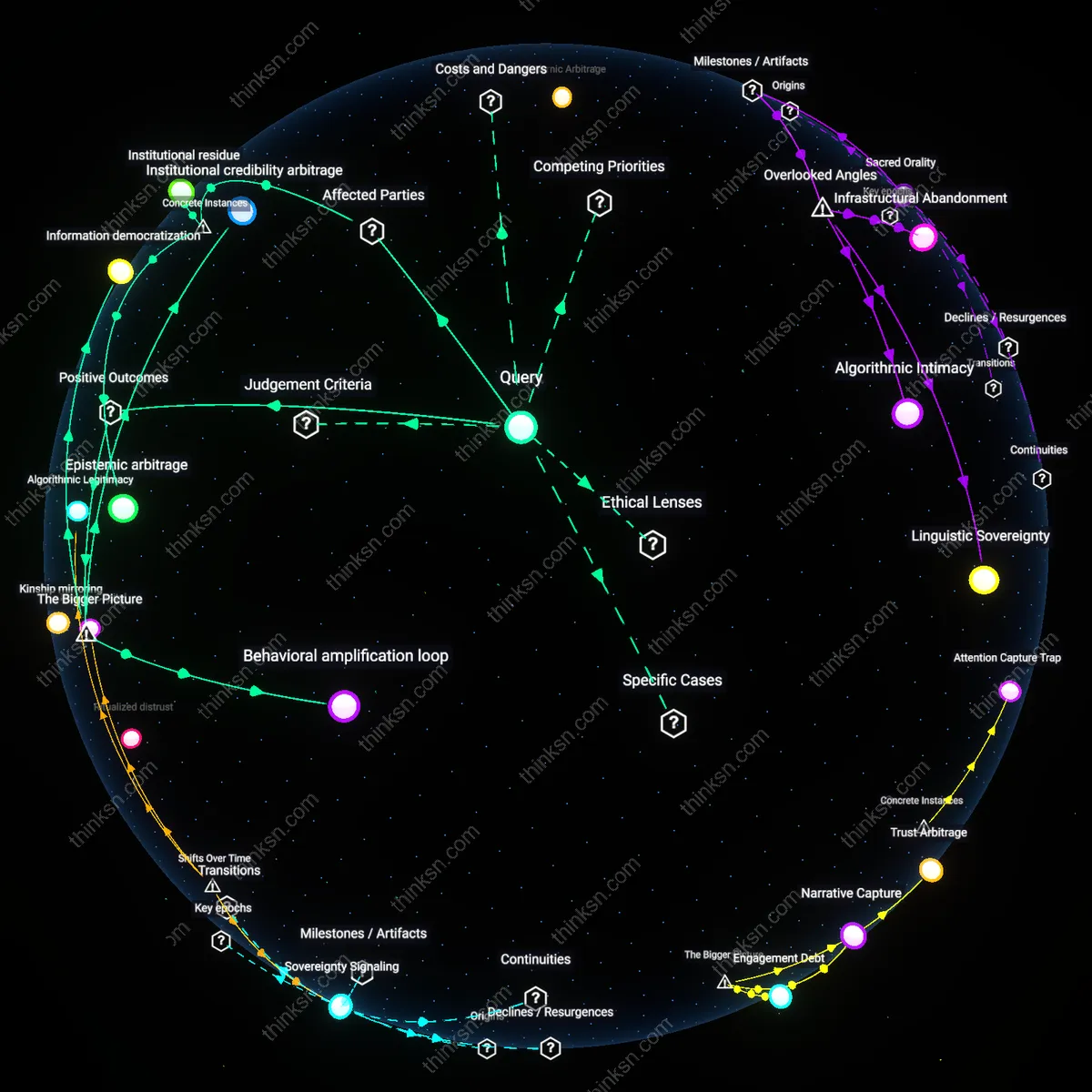
Under liberal ideological frameworks, individuals increasingly defer to social media voices that uphold procedural rationality and cite institutional norms, a shift accelerated after 2016 when mainstream health authorities were politically delegitimized; this mechanism reveals how trust is no longer conferred by official status but by perceived fidelity to liberal epistemic rituals like peer review, transparency, and individual autonomy. The non-obvious implication is that even as people turn away from official sources, they replicate liberal ideals by selecting influencers who perform evidentiary rigor, thus maintaining allegiance to the system’s ideals without its institutions.
Sovereign intimacy
Conservative communities, particularly in the American South and rural Midwest after the 2020 pandemic lockdowns, began privileging social media figures who embody personal sovereignty and localized moral authority, such as faith-based commentators or family physicians who resist centralized mandates; this shift from deference to expertise toward lived authenticity reflects a deeper transformation where trust is earned through shared cultural resistance rather than credentials. The key mechanism—bonding over perceived encroachments on bodily and familial autonomy—reveals how intimacy with a voice becomes a proxy for political self-determination in an era of perceived state overreach.
Infrastructure of dissent
Within Marxist-informed critiques, especially among younger radicalized audiences post-2022, trust migrates to social media collectives that expose health inequities and frame medical silencing as structural class violence, exemplified by mutual aid groups on platforms like Signal or Mastodon redistributing censored treatment protocols; this transition from state-centric to community-constituted knowledge reflects a historical shift toward counter-hegemonic epistemologies forged during austerity-era crises. The underappreciated dynamic is that these networks don’t merely replace experts but reorganize expertise itself around use-value and communal survival, producing trust as a product of material solidarity rather than authority.
Sacred Orality
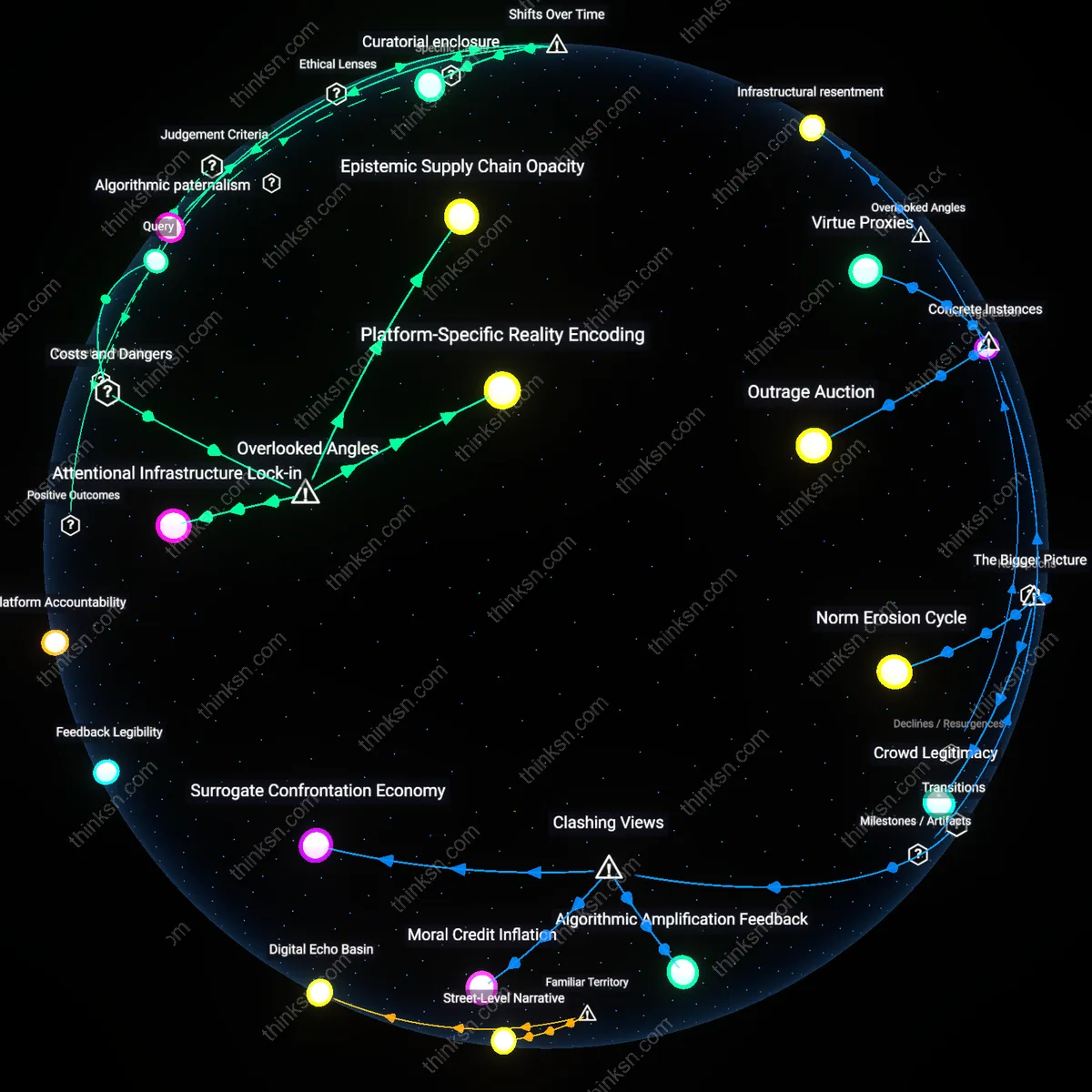
People trust social media voices that mirror the tonal and rhythmic qualities of religious recitation, not factual accuracy, because in many African and South Asian communities, truth is culturally encoded through vocal cadence and communal repetition rather than institutional citation. In northern Nigeria, for example, TikTok healers who recite herbal remedies in Hausa using Quranic intonation gain wider adherence than credentialed doctors posting in formal English, revealing that digital trust reproduces the authority structures of Friday sermons and village elders rather than mimicking Western evidence-based hierarchies. This challenges the dominant assumption that medical credibility online follows scientific literacy, exposing how orality—especially sacred orality—functions as a non-Western epistemology of care.
State Shadowing
In Vietnam and parts of Central America, people trust social media health voices that replicate the aesthetic and structural patterns of silenced state broadcasts, not those offering alternative facts, because the form of authority—not its content—signals legitimacy. When official health channels were restricted during recent dengue outbreaks, Facebook pages using identical typography, uniformed presenters, and state-media music intros rapidly gained credibility, fooling no one into thinking they were official but providing the ritual comfort of procedural familiarity. This contradicts the intuitive view that decentralized platforms reward novel or dissident voices, revealing instead that in collectivist bureaucratic cultures, trust emerges from the reproduction of administrative form, not its disruption.
Pharmaco-Poetics
In Andean regions, Quechua-speaking users prioritize health advice embedded in poetic metaphor or ecological storytelling over direct medical claims, because traditional curative knowledge is transmitted through symbolic plant narratives rather than symptom-pathology frameworks. A viral Instagram post describing diabetes as 'the river drying in the body’s highlands' resonated more than a nurse’s factual thread on insulin resistance, not due to mistrust of biomedicine but because the metaphor aligns with a cosmovision where illness is relational imbalance, not biochemical failure. This inverts the Western expectation that clarity and specificity breed trust, exposing how efficacy in Indigenous digital spheres depends on aesthetic fidelity to ancestral narrative forms, not transparency or data.
Infodemic Arbitrage
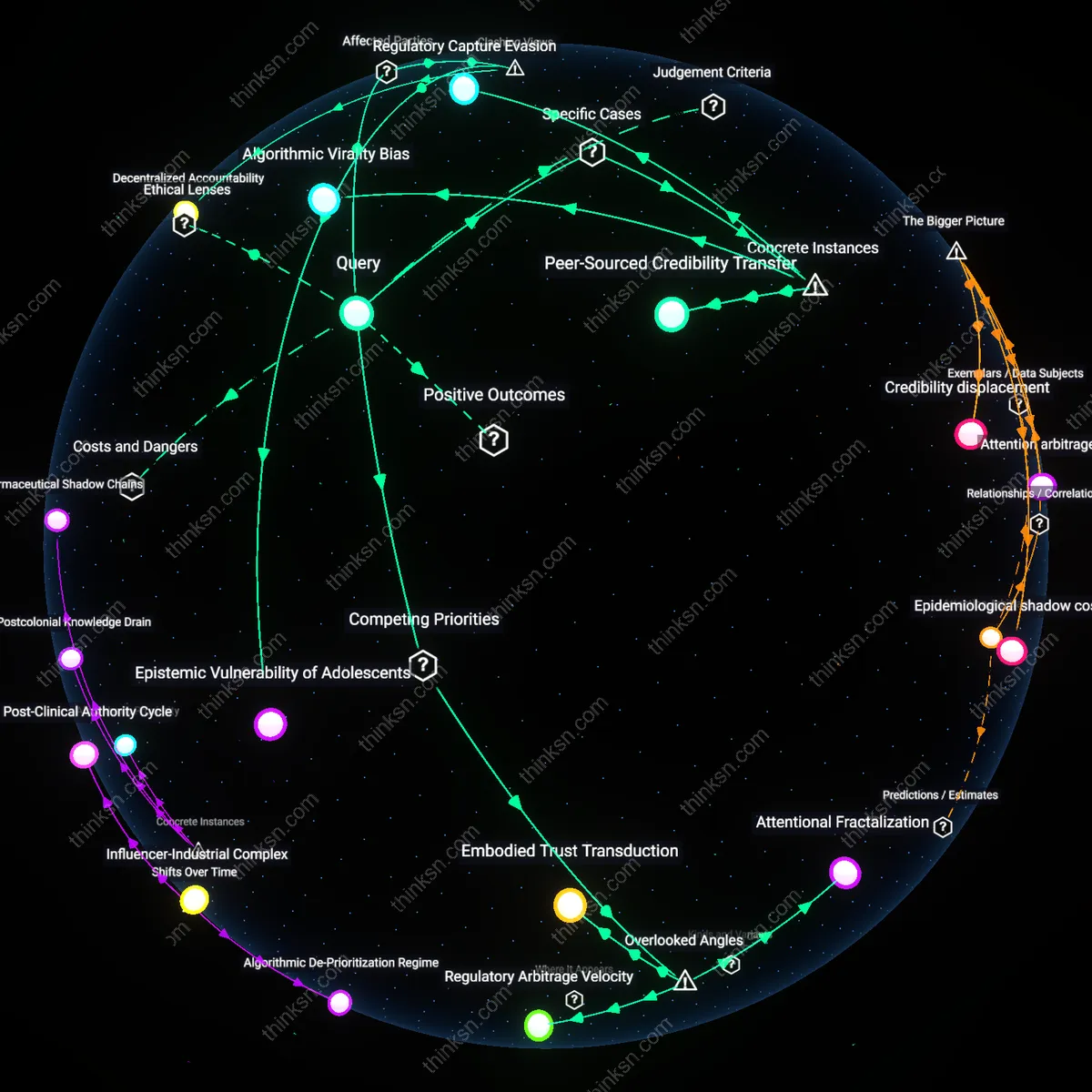
People trust social media voices that align with pre-existing cultural identities because large technology platforms profit from engagement metrics, which reward emotionally resonant and ideologically consistent content over accuracy; this creates an ecosystem where health misinformation thrives not by accident but by design, as algorithmic curation amplifies voices that deepen user attention and platform revenue. The mechanism operates through digital attention economies dominated by firms like Meta and YouTube, which optimize for dwell time rather than truth verification, thereby structurally favoring influencers who frame health advice as acts of resistance or empowerment. This reveals that the crisis of trust is less about individual credulity and more about how platform capitalism transforms health discourse into scalable content—what gets seen is not what’s true, but what sustains surveillance-based advertising models.
Epistemic Displacement
When official health institutions are discredited or censored, people turn to alternative epistemic authorities—such as holistic practitioners or community elders—because decades of underfunded public health infrastructure have eroded community-level relationships with medicine, particularly in marginalized populations. This shift is enabled by systemic divestment from local health education and outreach, especially in Black, Indigenous, and rural communities in the U.S., where historical abuses (e.g., Tuskegee, forced sterilizations) combine with present-day neglect to create conditions where informal knowledge networks become necessary for survival. The result is not simply misinformation but a rational recalibration of trust within communities that have long been harmed by the very institutions now claiming authority, exposing how structural abandonment forces populations to develop parallel truth regimes.
Crisis Credentialing
Individuals grant credibility to social media personalities who demonstrate narrative consistency during health emergencies, because in the absence of institutional clarity, perceived authenticity becomes a proxy for expertise—a dynamic exploited by influencers who cultivate para-professional identities through curated personal testimonials and pseudo-scientific jargon. This mechanism emerges from a media environment where traditional gatekeeping (e.g., medical licensing, peer review) is invisible or inaccessible to the public, while social proof—comment section solidarity, viral reach, and challenge participation—becomes a visible metric of legitimacy. The outcome is a bottom-up credentialing system that mimics professional authority without accountability, revealing how crisis conditions accelerate the privatization of epistemic judgment in digitally mediated societies.
Institutional Vacuum Exploitation
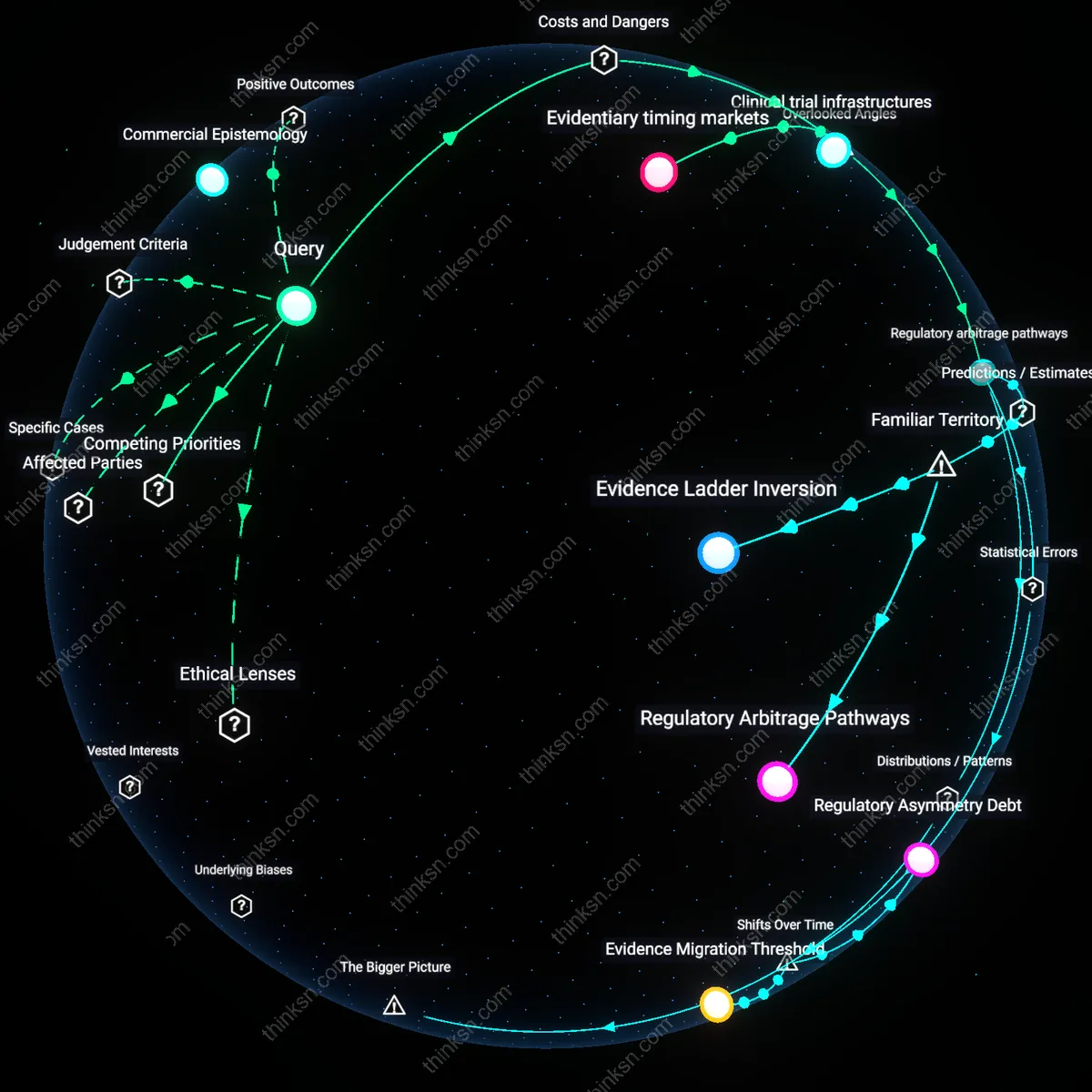
When the U.S. Centers for Disease Control and Prevention was restricted from publishing public health guidance during the early months of the Trump administration’s response to the COVID-19 pandemic in 2020, pharmaceutical corporations such as Pfizer and Moderna stepped into the breach by funding independent social media campaigns featuring expert-adjacent figures, thereby positioning themselves as credible stewards of health information. These companies leveraged the absence of official narratives not to deceive directly but to establish informational scaffolding that aligned public trust with entities capable of supplying both content and cure, revealing how market actors treat epistemic voids as operational territory. The non-obvious mechanism is not mere misinformation but the strategic alignment of therapeutic authority with communicative authority, creating a feedback loop where those who provide treatment become the default source of truth.
Grassroots Epistemic Substitution
During the 2014–2016 West African Ebola outbreak, when national health ministries in Liberia were perceived as corrupt or ineffective and suppressed early warnings, rural communities turned to local radio hosts affiliated with religious NGOs—such as the Catholic Bishops’ Conference of Liberia—who broadcast treatment protocols and containment advice through trusted vernacular programming. These voices gained credibility not because they offered superior medical expertise but because they operated through preexisting moral infrastructures that had long mediated health crises, showing how epistemic authority migrates to actors embedded in socially rooted, non-medical institutions when state legitimacy fails. The underappreciated insight is that trust flows not to knowledge per se but to custodians of communal coherence, even in technical domains like virology.
Algorithmic Authority Mirroring
In Brazil under President Jair Bolsonaro’s downplaying of the pandemic in 2020–2021, when official health agencies like Fiocruz were publicly discredited and defunded, influencers such as Dr. Luiza Campolina—a physician with no formal epidemiological training but high Instagram engagement—rose to prominence by repackaging fragmented WHO data into emotionally resonant stories, which were then amplified by Meta’s content recommendation algorithms that prioritized retention over veracity. Her reach exceeded that of silenced experts not because she was vetted, but because her performative authenticity mirrored the structural biases of the platform, thereby converting algorithmic visibility into perceived legitimacy. The overlooked dynamic is that trust on social media is not decided by human deliberation alone but co-constructed by automated systems that reward affective alignment over institutional provenance.