The Impact of Deep Learning on Cultural Heritage: Can AI Replace Human Creativity in Art and Music?
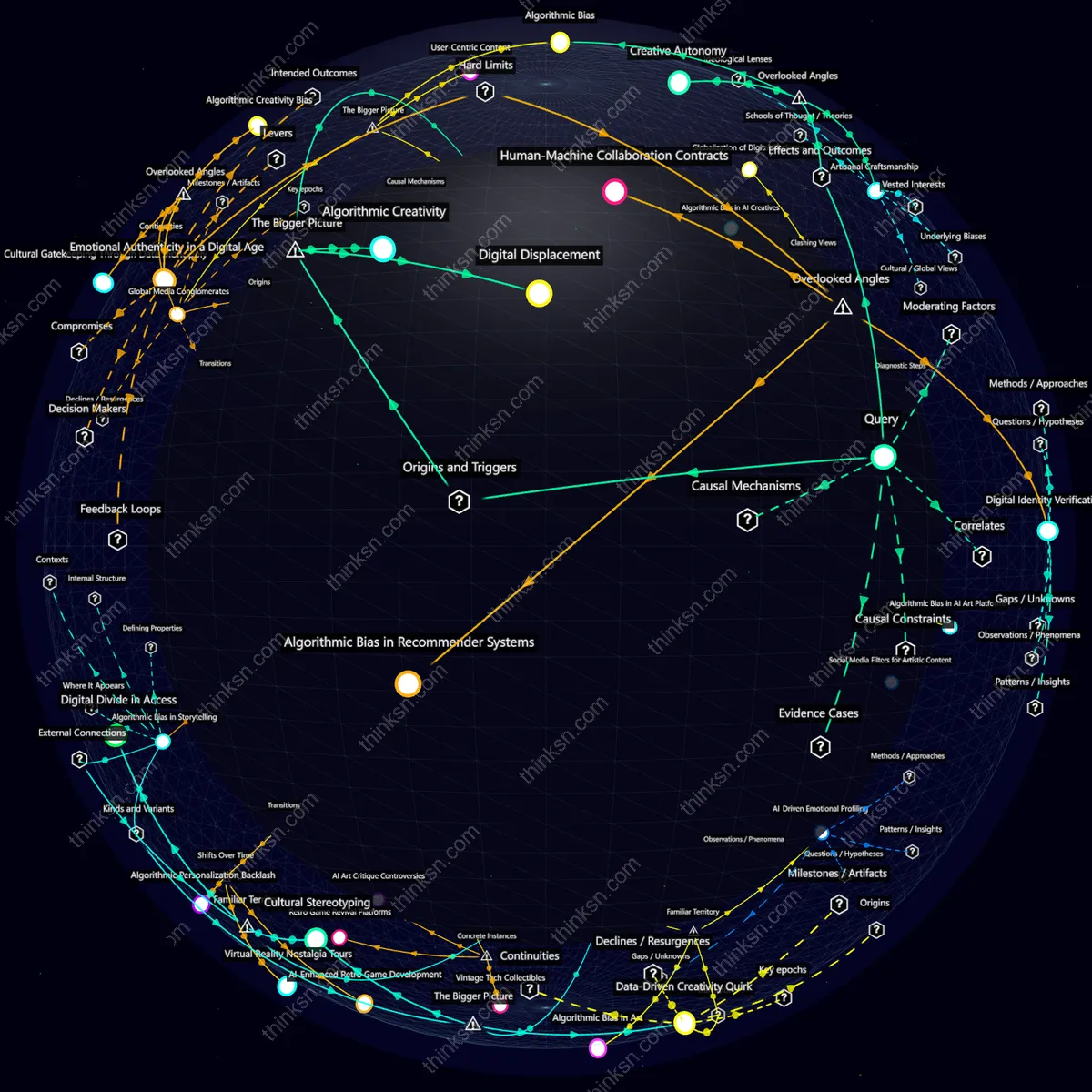
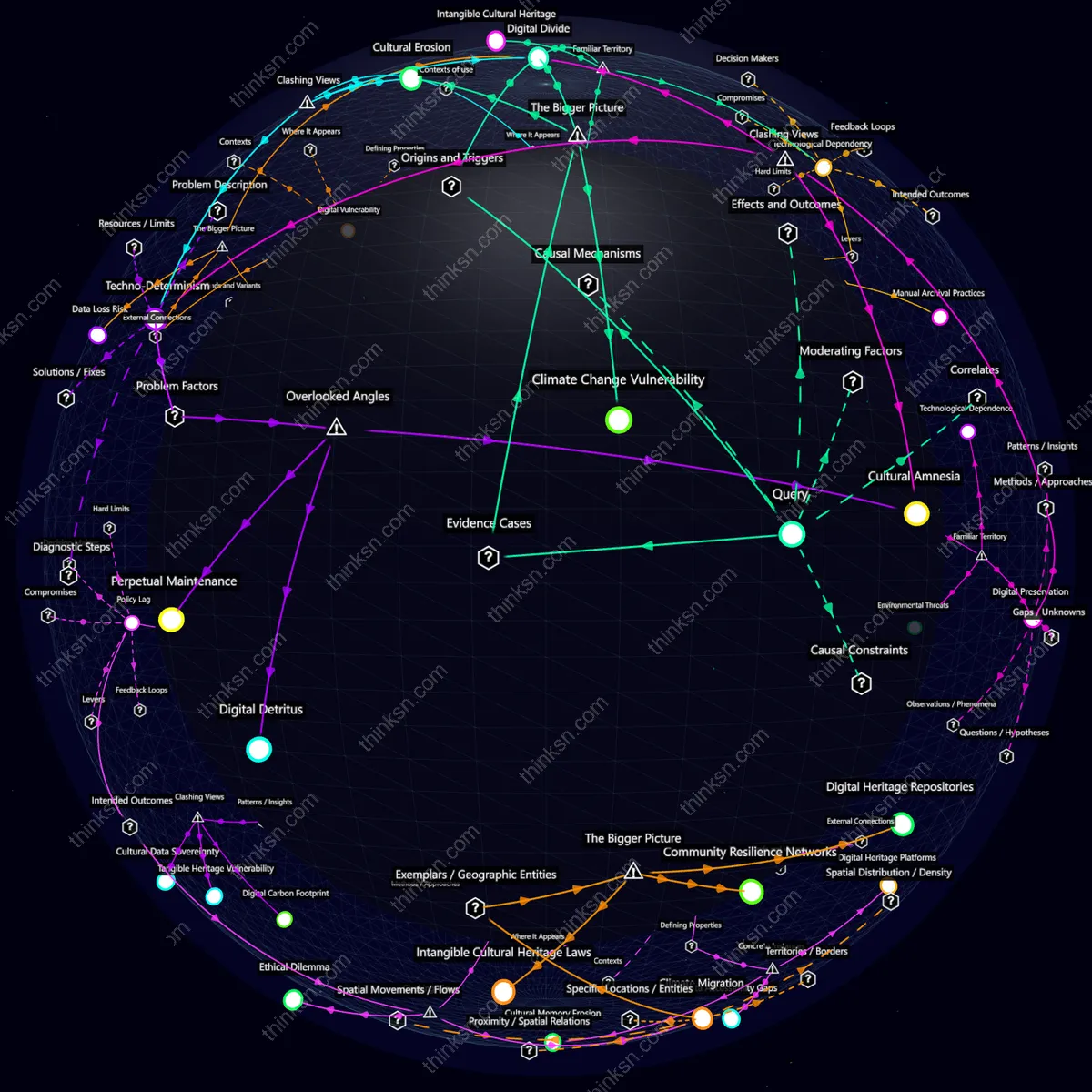
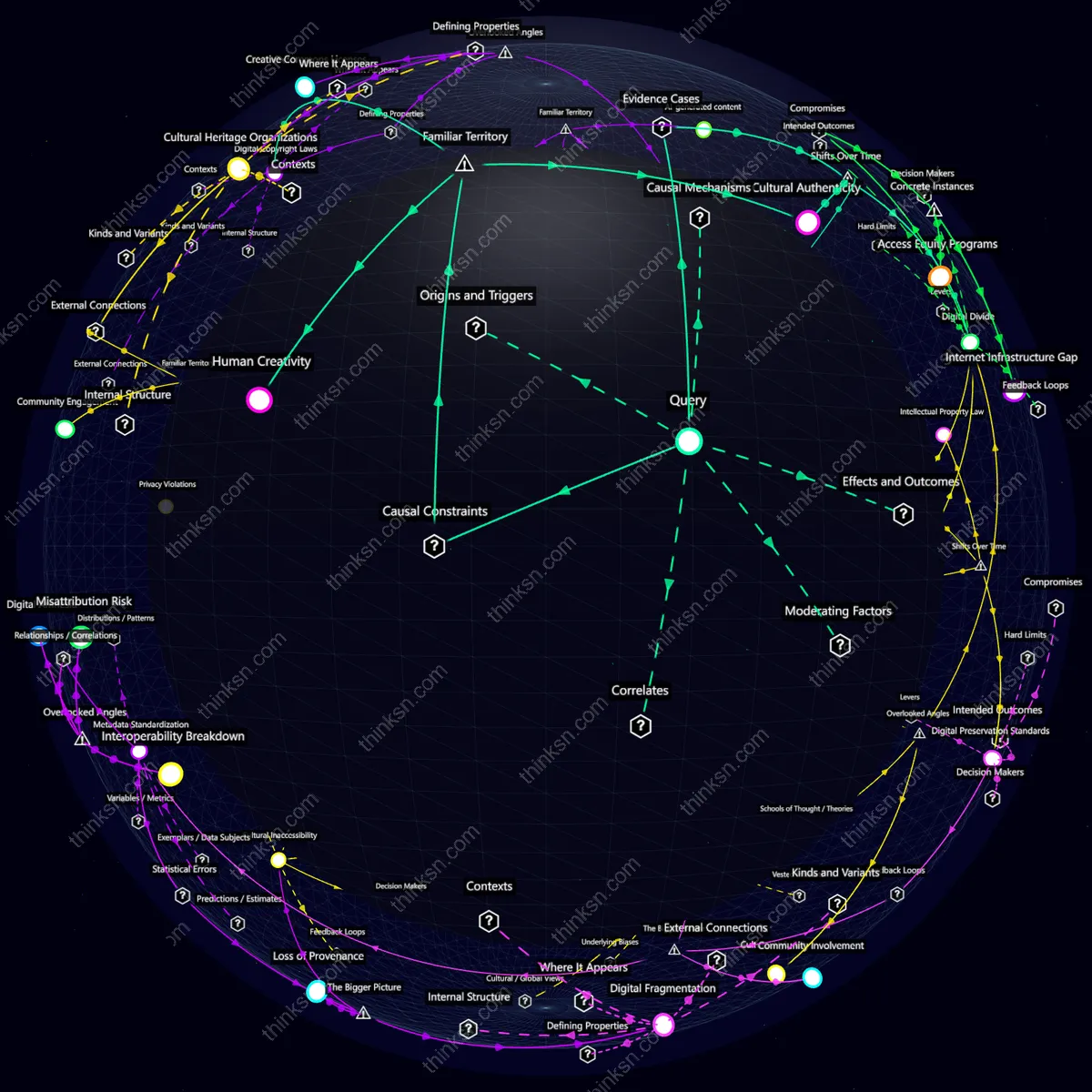
Analysis reveals 5 key thematic connections.
Key Findings
Digital Copyright Laws
As AI-generated art and music challenge traditional notions of authorship, digital copyright laws struggle to adapt. This creates legal ambiguities that hinder the preservation of cultural heritage by limiting clear pathways for ownership and protection.
Human Creativity
The rise of AI-generated content raises concerns about diminishing human creativity in art and music, potentially leading to a loss of unique cultural expressions that are vital for heritage preservation. This undermines the authenticity and diversity of cultural artifacts.
Cultural Authenticity
AI-generated works often lack the personal and communal experiences embedded in traditional forms of art and music, posing challenges to preserving the authentic essence of cultural heritage. This can erode public perception and appreciation for historical and contemporary cultural expressions.
Intellectual Property Rights
AI-generated art challenges traditional notions of authorship and ownership, creating legal ambiguities that could undermine the protection of cultural heritage. Museums and archives are now grappling with how to attribute AI-created works, risking a dilution of human creators' rights and a potential loss in preserving unique cultural narratives.
Digital Divide
The rise of AI-generated art exacerbates the digital divide between regions with advanced technology access and those without. This disparity hinders less developed areas from fully engaging in or benefiting from contemporary cultural heritage preservation efforts, potentially leading to a skewed representation of global culture.
Deeper Analysis
How do digital copyright laws impact the preservation and accessibility of AI-generated art and music in cultural heritage contexts?
Creative Commons Licenses
Digital Copyright Laws often restrict the free dissemination of AI-generated art and music in cultural heritage contexts. Creative Commons licenses provide an alternative framework that can enhance accessibility but also introduce ambiguities about authorship and ownership, especially when dealing with AI-created content.
Public Domain Dedication
Artists and organizations may choose to dedicate their works to the public domain under Digital Copyright Laws, ensuring broader access. However, this approach can face legal challenges if there are ambiguities about copyright ownership in AI-generated art, potentially stifling creativity and innovation.
Cultural Heritage Organizations
Digital Copyright Laws pose complex challenges for cultural heritage organizations aiming to preserve and make accessible AI-generated works. These institutions often face legal uncertainties and high costs associated with obtaining permissions, which can limit public engagement and scholarly research opportunities.
Explore further:
What are the emerging intellectual property rights challenges and diverse viewpoints associated with AI-generated art and music in relation to cultural heritage preservation?
AI-generated content
The rise of AI-generated art and music challenges traditional notions of authorship and ownership in intellectual property rights. As AI systems create works that are difficult to distinguish from human creations, existing frameworks struggle to address the unique issues of creative attribution and commercial exploitation, potentially undermining protections for both creators and cultural heritage.
Cultural heritage preservation
The intersection of intellectual property rights with AI-generated content poses significant risks to cultural heritage preservation. While digital technologies offer new ways to archive and disseminate cultural artifacts, they also introduce challenges regarding the protection of indigenous knowledge and traditional expressions from commercial exploitation by entities like multinational corporations or individuals claiming ownership over culturally significant materials through proprietary technology.
Legal ambiguity
As AI-generated art and music proliferate, legal systems face an increasing gap between evolving technological capabilities and established intellectual property laws. This ambiguity not only complicates the enforcement of copyright but also creates a fertile ground for opportunistic behavior, where entities may exploit this gray area to undermine traditional cultural practices or claim rights over communal heritage.
In what ways could public domain dedication enhance or limit the preservation and dissemination of AI-generated art and music within cultural heritage contexts?
Creative Commons Licensing
The adoption of Creative Commons licenses alongside public domain dedication can inadvertently restrict the freedoms intended for pure public domain works. While CC licenses offer flexibility, they also introduce legal complexities and potential restrictions that may discourage broader usage in cultural heritage contexts.
Digital Preservation Standards
Public domain dedication of AI-generated art and music challenges existing digital preservation standards by requiring new frameworks to accommodate non-human authorship. This shift can lead to fragmented preservation efforts, with institutions uncertain about best practices for archiving works without clear human creators.
Intellectual Property Law
Public domain dedication may strain intellectual property law as it seeks to reconcile the concept of public domain with the increasing presence of AI-generated content. This tension can result in legislative delays or ambiguities that hinder both the preservation and dissemination of culturally significant digital art.
What role do cultural heritage organizations play in preserving traditional art and music forms in light of AI-generated content?
Digital Preservation
Cultural Heritage Organizations increasingly rely on digital platforms to preserve traditional art and music. However, the transition from physical to digital formats exposes them to cybersecurity risks, including data breaches that could erase irreplaceable cultural records.
Intellectual Property Rights
As AI-generated content becomes more prevalent, Cultural Heritage Organizations face challenges in asserting intellectual property rights over traditional art and music. This ambiguity can lead to legal disputes with tech companies and undermine the authenticity and value of original cultural expressions.
Community Engagement
Cultural Heritage Organizations must engage local communities to ensure that AI technologies respect and enhance, rather than dilute, traditional art and music forms. Failure to do so can result in a disconnect between digital preservation efforts and the lived experiences of cultural practitioners.
What strategies and workflows should be formulated to integrate digital preservation standards for AI-generated art and music into cultural heritage preservation efforts?
Metadata Standardization
Implementing metadata standardization for AI-generated art and music requires careful consideration of the evolving nature of digital assets. As AI technologies advance, existing standards may become obsolete, necessitating continuous updates to maintain relevance. This process demands significant resources and coordination among stakeholders, potentially leading to delays and inconsistencies in preservation efforts.
Legal Rights Management
Establishing legal rights management for AI-generated content poses unique challenges, such as determining ownership and copyright. These issues can complicate the integration of digital preservation standards by introducing uncertainties that hinder progress. Balancing intellectual property laws with ethical considerations is crucial to ensure sustainable practices in cultural heritage preservation.
Community Involvement
Effective digital preservation strategies rely heavily on community involvement and support. Engaging creators, curators, and audiences ensures a holistic approach to preserving AI-generated art and music. However, the success of these efforts is fragile; disinterest or resistance from key stakeholders can undermine the entire system, highlighting the need for ongoing engagement and education.
What are the potential failures and trade-offs in using digital preservation techniques for AI-generated art and music to preserve cultural heritage?
Data Obsolescence
As AI-generated art and music evolve rapidly, digital preservation systems risk becoming outdated, unable to support newer file formats or encryption methods, leading to a significant gap where culturally important data becomes inaccessible due to technical incompatibility.
Cultural Authenticity Concerns
The reliance on AI-generated content for cultural preservation raises questions about authenticity and originality. For instance, when AI recreates historical music or art styles, the digital copies might lack the human touch that originally made them culturally significant, potentially diminishing their value in preserving genuine heritage.
Privacy Violations
Preserving AI-generated works often involves maintaining large datasets of training materials, which may include personal data or copyrighted content. This poses a risk of privacy breaches and legal challenges, as the boundaries between public domain art and private intellectual property become blurred in digital preservation efforts.
What are the measurable impacts on cultural heritage preservation when metadata standardization is not applied to AI-generated art and music?
Digital Amnesia
Without metadata standardization, the AI-generated cultural artifacts risk becoming isolated data points with no contextual ties, leading to digital amnesia where future generations lose understanding of the original intent and evolution behind these works. This disconnect undermines the preservation efforts of museums like the Louvre or the British Museum.
Misattribution Risk
Lack of standardized metadata means that AI-generated art and music may be incorrectly attributed to historical figures, leading to a misrepresentation of cultural heritage. This can distort educational narratives and undermine scholarly work on authenticity and provenance in institutions such as the Royal Academy of Arts or the Getty Research Institute.
Interoperability Breakdown
The absence of metadata standards hinders interoperability between digital repositories, leading to fragmented databases that are difficult to access or integrate. This fragmentation can exacerbate issues in collaborative research projects and limit public engagement with cultural heritage, affecting institutions like the Digital Public Library of America (DPLA) which relies heavily on shared data.
Digital Fragmentation
The absence of metadata standardization leads to digital fragmentation, as AI-generated art and music are stored in siloed databases without a common framework. This hampers the preservation efforts of cultural heritage institutions, making it difficult for them to catalog, analyze, and disseminate these works effectively.
Cultural Inaccessibility
Without standardized metadata, AI-generated art and music become less accessible culturally due to inconsistencies in data presentation. Curators and researchers face significant barriers when trying to contextualize or compare different pieces of AI-generated content, leading to a fragmented understanding of cultural heritage's evolution.
Loss of Provenance
The lack of metadata standardization can result in the loss of provenance information for AI-generated works. This undermines efforts to trace the lineage and authenticity of these artifacts, potentially leading to their exclusion from official cultural records and databases, thereby eroding historical context.
Explore further:
What strategies can be formulated to mitigate cultural inaccessibility caused by AI-generated art and music in the context of cultural heritage preservation?
Digital Divide
The digital divide exacerbates cultural inaccessibility by limiting access to AI-generated art and music for marginalized communities. As technological advancements outpace equitable distribution, the gap widens, making it harder for these groups to engage with or contribute to their own cultural heritage.
Cultural Appropriation
AI-generated content risks cultural appropriation when creators exploit traditional motifs without deep understanding or consent from source communities. This not only undermines authentic representation but also perpetuates harmful stereotypes and diminishes the value of genuine cultural expressions in preservation efforts.
Intellectual Property Rights
Lack of clear intellectual property rights for AI-generated content complicates cultural heritage preservation. Without proper legal frameworks, communities struggle to assert control over their traditional art forms when adapted by AI technologies, leading to potential misuse and dilution of cultural identity.
Explore further:
- What strategies can be formulated to bridge the digital divide and ensure equitable access to AI-generated art and music for cultural heritage preservation?
- In what ways can AI-generated art and music perpetuate or challenge cultural appropriation, and how might this impact the preservation of authentic cultural heritage?
What strategies can be formulated to bridge the digital divide and ensure equitable access to AI-generated art and music for cultural heritage preservation?
Internet Infrastructure Gap
In rural communities with limited internet infrastructure, bridging the digital divide to access AI-generated art and music for cultural heritage preservation often requires significant investment. However, prioritizing speed in deployment can lead to a compromise on accuracy, as hastily set up networks may suffer from poor quality or reliability, hindering effective use of advanced technologies.
Access Equity Programs
Programs designed to provide equitable access to AI-generated art and music in underserved areas often struggle with balancing cost efficiency against comprehensive coverage. For example, a government initiative may choose to subsidize basic devices over high-end hardware that supports more sophisticated AI applications, ensuring initial inclusion but limiting the depth of cultural heritage preservation work.
In what ways can AI-generated art and music perpetuate or challenge cultural appropriation, and how might this impact the preservation of authentic cultural heritage?
Intellectual Property Rights
AI-generated art and music can undermine intellectual property rights by appropriating cultural symbols without permission. This risks eroding the economic incentives for traditional artists, leading to a decline in authentic cultural production as these creators seek more stable income streams.
Cultural Hybridity
While AI-generated art and music can promote cultural hybridity by blending diverse elements, this process can also obscure origins and meanings, stripping works of their original context. This diminishes the depth and richness of cultural heritage for both creators and consumers.
Digital Divide
The use of AI in creating art and music may exacerbate the digital divide by favoring those with access to advanced technology, excluding traditional artists who lack such resources. This can lead to a misrepresentation or dilution of authentic cultural expressions within global media.