Local Communities Adapting to Loss of Traditions
Analysis reveals 5 key thematic connections.
Key Findings
Cultural Hybridization
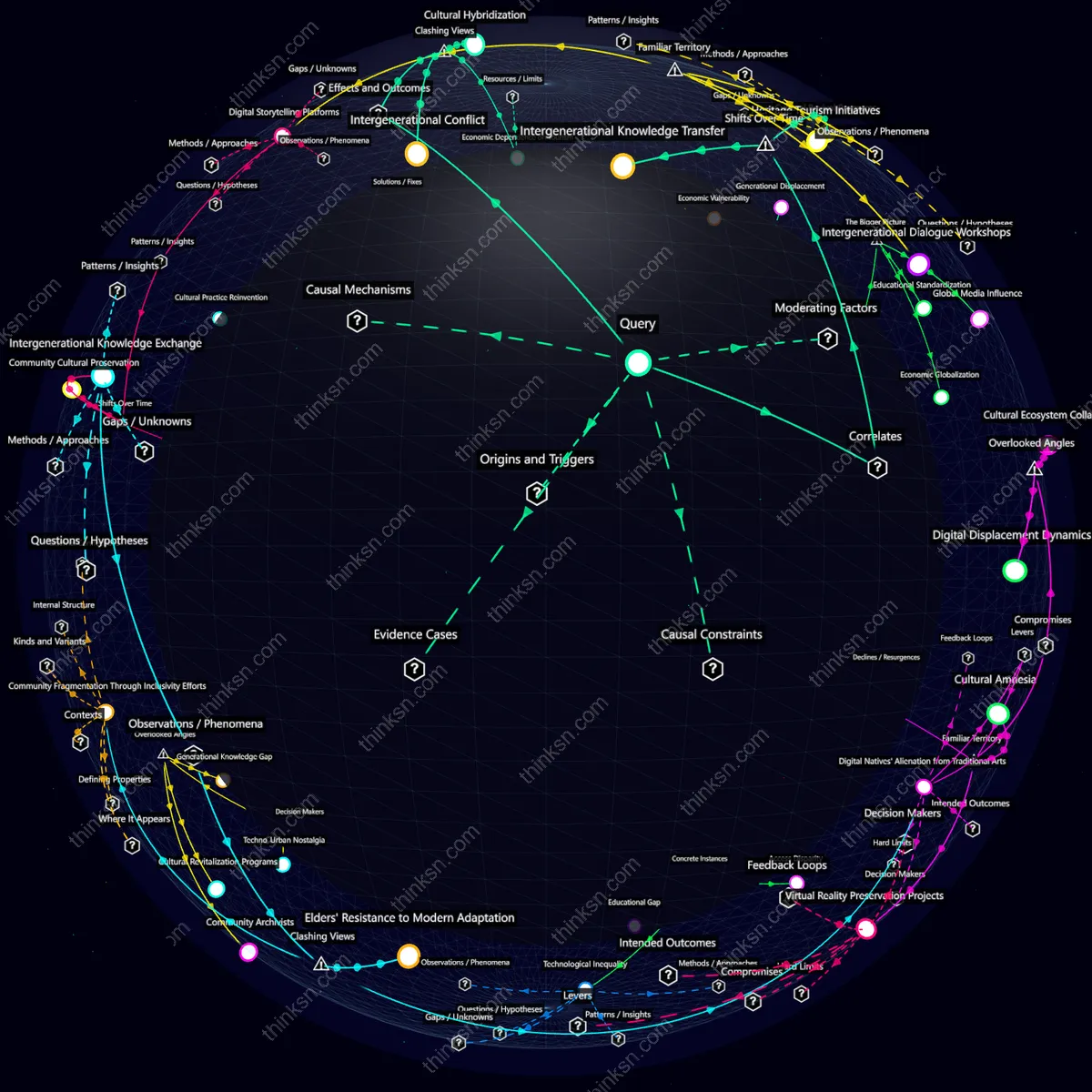
As communities adapt their traditional practices in response to generational shifts, the emergence of cultural hybridization can both preserve and distort heritage. This process may lead to a fragmented sense of identity where younger generations feel disconnected from their roots while elders struggle with the loss of authenticity.
Economic Dependence on Tourism
Communities often turn to tourism as an economic coping mechanism when traditional practices decline, leading to a reliance that may exacerbate cultural commodification and erode authentic community life. This shift can create a superficial understanding of the culture among tourists and locals alike.
Intergenerational Conflict
The loss of traditional practices can intensify intergenerational conflict as younger members reject outdated norms while older members struggle to maintain cultural continuity. This tension may undermine social cohesion, leading to a fragmented community less capable of addressing collective challenges.
Cultural Revival Programs
Community-led initiatives aiming to revitalize traditional practices often face the challenge of engaging younger generations who may prioritize modern values. These programs risk becoming mere spectacles, with elders feeling frustrated by a perceived lack of authenticity and commitment from youth, highlighting the tension between tradition and contemporary cultural shifts.
Intergenerational Knowledge Transfer
Efforts to bridge knowledge gaps between older and younger community members can backfire when traditional skills are perceived as irrelevant or inferior by youth. This leads to a fragmented understanding of heritage, where critical aspects of tradition may be lost due to the selective retention of information that aligns with modern values, creating a fragile cultural continuity.
Deeper Analysis
How does economic dependence on tourism impact local communities' ability to preserve traditional practices in the face of generational value changes?
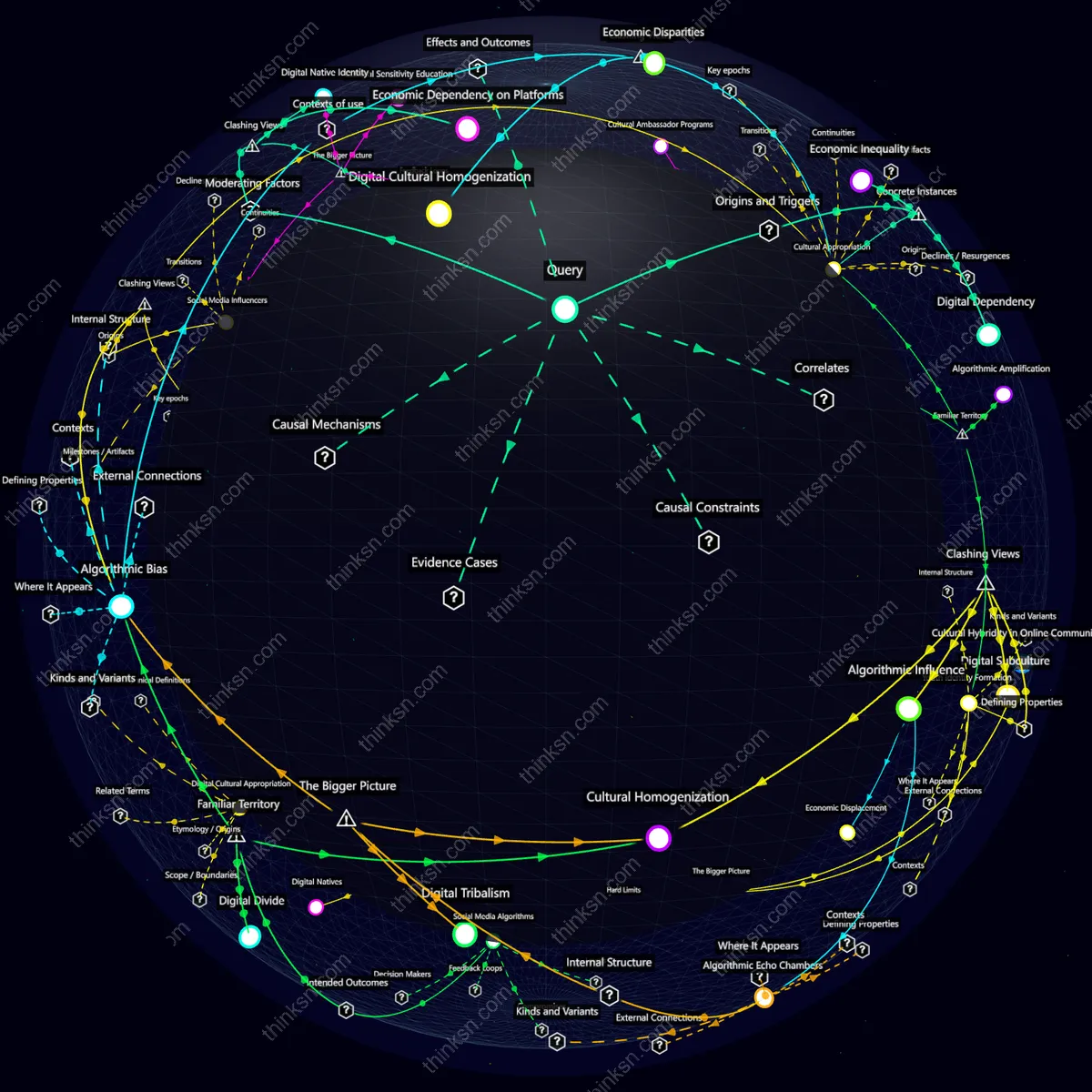
Cultural Homogenization
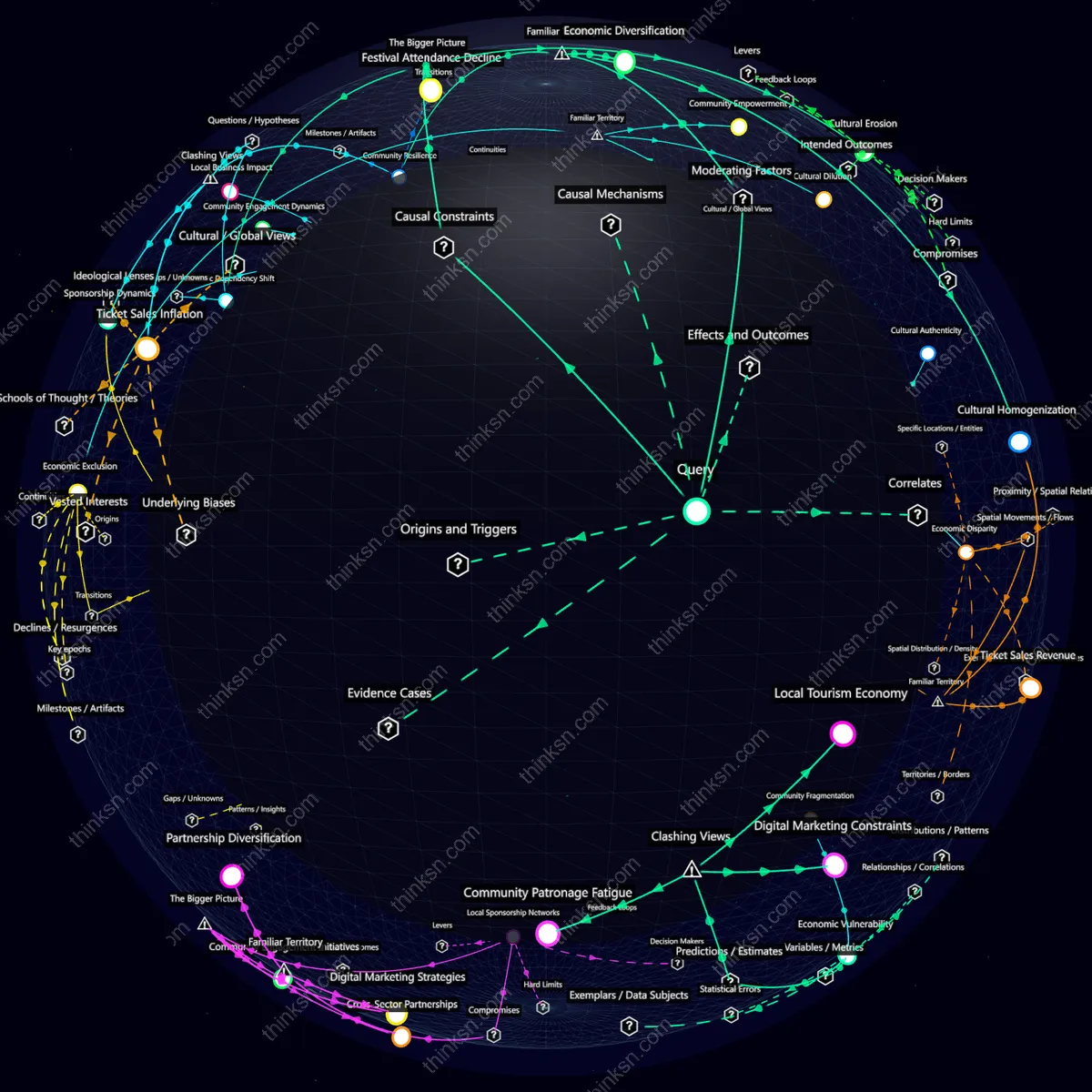
As local communities become economically dependent on tourism, they often prioritize catering to tourist expectations over preserving their unique cultural practices. This shift can lead to the commodification of traditions and a gradual erosion of authentic local culture as younger generations adopt more globally influenced behaviors to attract tourists.
Economic Vulnerability
The reliance on tourism for economic stability exposes communities to significant risks, such as seasonality and global market fluctuations. In periods of low tourism, there is a higher likelihood that local residents will abandon traditional practices in favor of more stable income sources, potentially leading to long-term cultural loss.
Generational Displacement
Economic dependence on tourism can create a generational gap where younger community members are less inclined to engage with or preserve traditional practices due to economic pressures. This shift in focus towards modern employment opportunities may result in the loss of cultural knowledge and skills that are critical for maintaining local traditions.
In what ways can cultural revival programs address and adapt to changing generational values while preserving traditional practices in local communities?
Digital Storytelling Platforms
The rise of digital storytelling platforms in cultural revival programs has enabled younger generations to connect with traditional narratives and practices, but this shift also risks homogenizing diverse local voices into a single, often Westernized online identity.
Intergenerational Dialogue Workshops
Intergenerational dialogue workshops in cultural revival programs are crucial for bridging generational gaps, yet they can become ineffective if younger participants feel their modern perspectives and values are not being seriously considered or integrated into the discussions.
Heritage Tourism Initiatives
Heritage tourism initiatives driven by cultural revival programs often boost local economies but may also lead to commodification of traditions, threatening genuine community practices and authenticity if not carefully managed.
How does cultural homogenization affect the preservation and adaptation of traditional practices in local communities facing generational value changes?
Global Media Influence
The dominance of global media like Hollywood films and K-pop music distorts local attention towards Western trends, leading younger generations in communities like rural China to prioritize global pop culture over traditional arts such as Peking Opera or folk dances. This shift not only erodes cultural heritage but also undermines the social cohesion that these traditions foster.
Economic Globalization
As economies become more interconnected, local businesses in places like Bangalore face pressure to adopt Western business practices and consumer products, sidelining traditional crafts or agricultural methods. This economic restructuring can lead to a loss of indigenous knowledge and skills, making it harder for communities to maintain their unique cultural identities amidst the influx of global commodities.
Educational Standardization
The push towards standardized education systems worldwide often results in the marginalization of local languages and traditional educational methods. For instance, in Papua New Guinea, where over 800 indigenous languages are spoken, the adoption of English as a primary language in schools can lead to generational gaps, with older members unable to communicate effectively with younger ones who speak only the dominant global language.
How can digital storytelling platforms be used to preserve and promote traditional practices in local communities, especially as values change between generations?
Intergenerational Knowledge Exchange
Digital storytelling platforms enable elders to share stories and knowledge directly with younger generations, bridging gaps caused by cultural shifts. However, this can also lead to selective memory or idealization of past practices, potentially overshadowing the realities of historical challenges faced.
Community Cultural Preservation
These platforms provide a dynamic space for local communities to document and share their unique traditions, fostering a sense of identity and continuity. Yet, this can also create pressure on younger members to conform to certain cultural narratives rather than innovate or reinterpret them.
Cultural Memory Distortion
Digital storytelling platforms facilitate the archiving of oral histories but may lead to a homogenization of these stories as they are retold through digital mediums, risking the loss of unique dialects and nuanced personal narratives that are integral to cultural memory.
Explore further:
- What are the emerging insights and diverse perspectives on how intergenerational knowledge exchange can support local communities in preserving traditional practices amidst changing generational values?
- How does cultural memory distortion affect the preservation and transmission of traditional practices within local communities facing generational value changes?
What are the emerging insights and diverse perspectives on how intergenerational knowledge exchange can support local communities in preserving traditional practices amidst changing generational values?
Digital Natives' Alienation from Traditional Arts
The increasing reliance on digital platforms for intergenerational knowledge exchange can alienate younger generations from traditional arts and practices, as these often lack the engaging features of modern technology. This shift risks eroding cultural continuity and the intrinsic value young people find in interactive, physical engagement with heritage.
Elders' Resistance to Modern Adaptation
Some elders may resist adapting traditional knowledge exchange methods to include contemporary digital tools, fearing loss of authenticity or dilution of cultural purity. This resistance can impede the effective integration and preservation of traditional practices in a rapidly evolving world.
Community Fragmentation Through Inclusivity Efforts
Attempts to inclusively engage all age groups in intergenerational knowledge exchange may unintentionally fragment communities further, as differing technological literacy and cultural familiarity can create new barriers. This highlights the need for nuanced approaches that balance inclusivity with respect for traditional methods.
Explore further:
- What strategies can be formulated to engage digital natives in preserving traditional arts and practices threatened by generational value changes?
- How can community fragmentation through inclusivity efforts impact the preservation and adaptation of traditional practices in local communities facing generational value changes?
How does cultural memory distortion affect the preservation and transmission of traditional practices within local communities facing generational value changes?
Intergenerational Knowledge Gap
Cultural memory distortion widens the intergenerational knowledge gap by eroding traditional practices through selective remembrance, leaving younger generations with incomplete or inaccurate cultural narratives. This can lead to a fragmented and superficial understanding of community heritage.
Community Identity Shifts
Distorted cultural memory triggers unexpected shifts in community identity as younger members reinterpret historical events based on their current values rather than authentic past traditions, often leading to conflicts over the true essence of communal practices.
Cultural Practice Reinvention
The distortion of cultural memory pushes communities towards reinventing traditional practices, sometimes integrating modern elements that may or may not align with the original intent and meaning of these practices. This can lead to a loss of authenticity while attempting to preserve continuity.
What strategies can be formulated to engage digital natives in preserving traditional arts and practices threatened by generational value changes?
Cultural Amnesia
The increasing reliance on digital media by younger generations exacerbates cultural amnesia, where traditional arts are seen as outdated and irrelevant. This shift can lead to a loss of communal memory, making it difficult for future generations to connect with their heritage.
Digital Divide
The gap between those who have access to digital technology and those who do not widens the divide in cultural participation, marginalizing traditional arts practitioners. This can further isolate communities that rely on these practices for identity and continuity.
Virtual Reality Preservation Projects
Initiatives using VR to immerse young people in virtual worlds based on traditional art forms offer a double-edged sword, potentially revitalizing interest but also risking the dilution of authentic cultural experiences. Over-reliance on such technologies might undermine real-world engagement and preservation efforts.
Cultural Ecosystem Collapse
The shift towards digital experiences among natives accelerates the decline of traditional arts, creating a feedback loop where fewer young people engage in these practices, leading to an erosion of cultural knowledge and skills. This collapse undermines community identity and can result in generational loss of unique artistic techniques.
Digital Displacement Dynamics
The dominance of digital media displaces traditional arts from daily life, making them seem irrelevant or obsolete for younger generations. As social interactions increasingly occur online, the absence of traditional art forms can lead to a cultural vacuum, where young people lack exposure and appreciation for these practices.
Explore further:
- How does the digital divide impact the preservation and evolution of traditional practices in local communities over time as values change between generations?
- What strategies can local communities employ to use virtual reality preservation projects as a means to maintain traditional practices in the face of generational value changes?
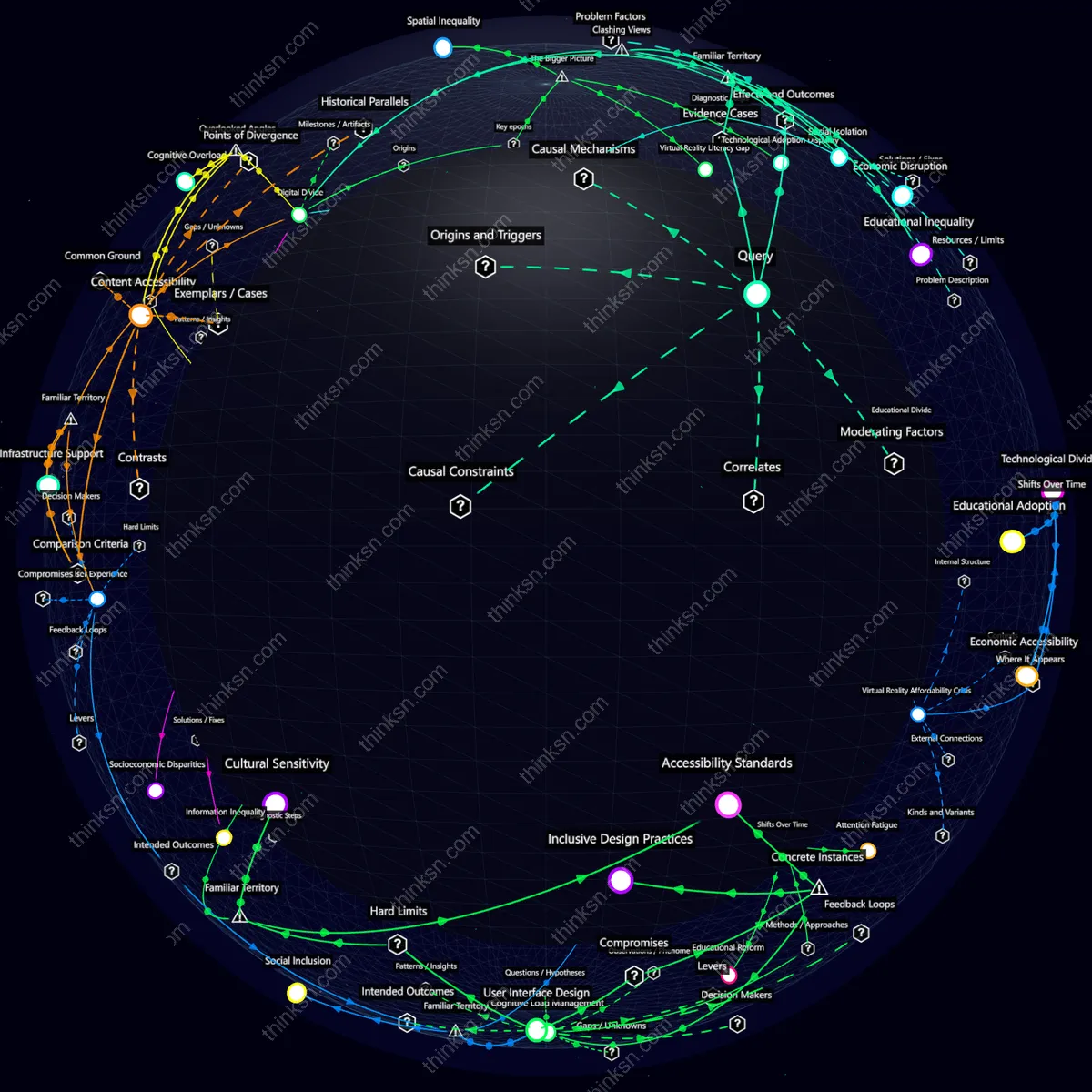
How does the digital divide impact the preservation and evolution of traditional practices in local communities over time as values change between generations?
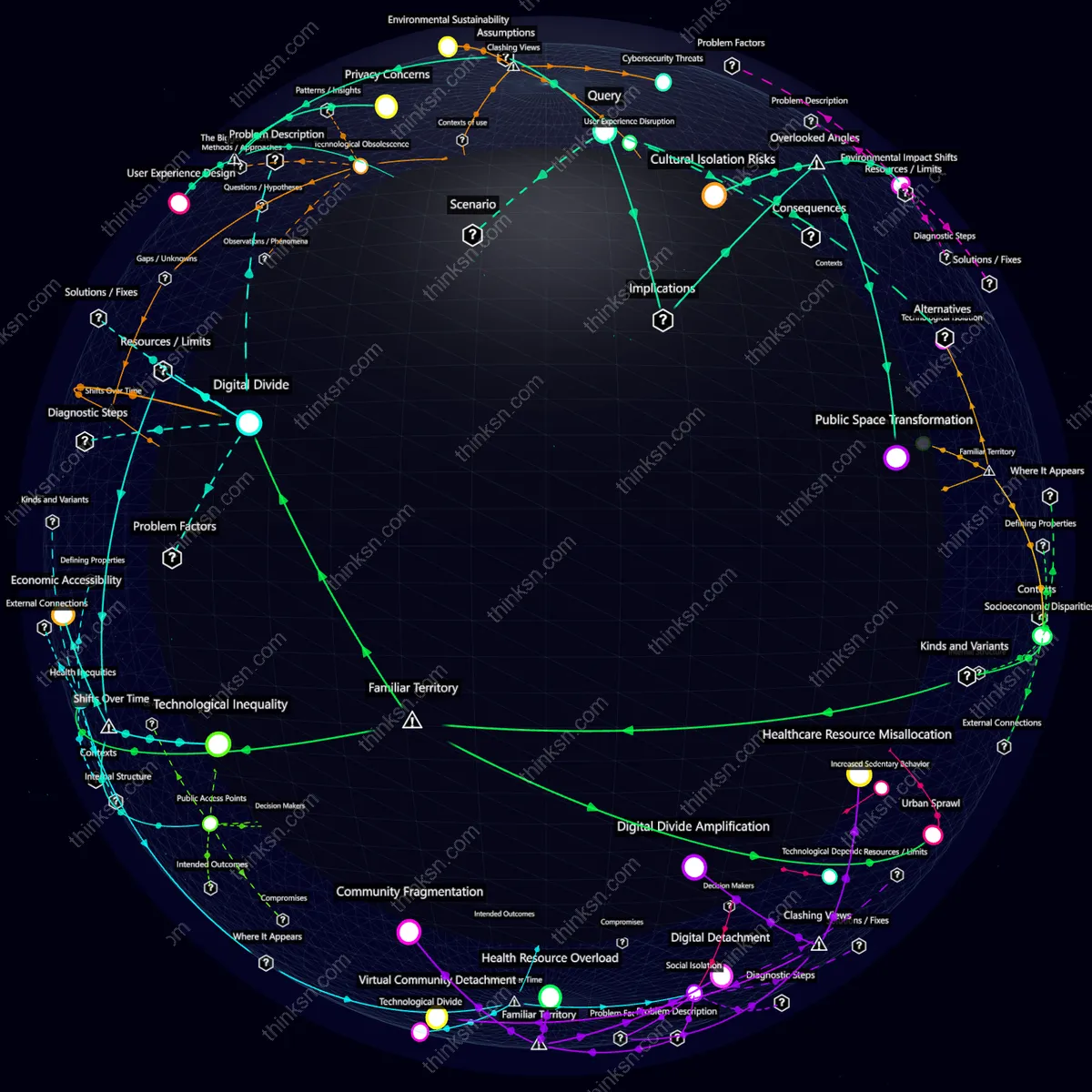
Technological Inequality
Rural communities lagging in internet access face the risk of losing traditional practices due to lack of digital documentation and dissemination. As younger generations migrate towards urban areas with better connectivity, they may abandon local customs, leading to a cultural gap where elderly community members retain knowledge that is not digitally preserved.
Access Disparity
In regions where smartphones are prevalent but internet infrastructure is weak or non-existent, communities might adopt social media platforms for external communication while neglecting internal digital preservation of traditional arts and crafts. This creates a paradox where global connectivity does not necessarily translate to local cultural sustainability.
Educational Gap
Schools in underserved areas often lack the resources to integrate technology into curricula, leaving students unprepared for the digital world beyond their communities. As a result, traditional practices may be passed down through oral traditions rather than being documented online, hindering intergenerational knowledge transfer and adaptation.
Technological Elitism
As communities become more digitally connected, a subset of individuals becomes technologically savvy and influential, often disregarding traditional knowledge. This can lead to the devaluation or neglect of age-old practices, as younger generations prioritize modern tech over heritage crafts.
Cultural Displacement
The proliferation of digital media platforms can accelerate cultural shifts by exposing local communities to external influences and values at an unprecedented rate. This exposure risks diluting or erasing traditional practices as younger community members assimilate more globalized norms.
Digital Amnesia
Over-reliance on digital tools for documentation and transmission of knowledge may result in the loss of oral traditions and physical artifacts that are integral to preserving local heritage. This dependence can lead to a fragile memory system, where the sudden failure or obsolescence of technology could erase irreplaceable cultural records.
Explore further:
What strategies can local communities employ to prevent digital amnesia when traditional practices are at risk due to generational value changes?
Generational Knowledge Gap
The proliferation of digital technology has exacerbated a generational knowledge gap where elders' traditional practices are undervalued and under-documented, leading younger community members to rely solely on digital information. This shift can result in the loss of vital cultural heritage and practical skills that only older generations possess.
Community Archivists
Local communities often overlook the role of dedicated archivists who document traditional practices, ceremonies, and stories. These individuals are crucial for bridging the digital amnesia gap but face challenges in securing funding and support from younger generations more interested in modern technology solutions.
Cultural Revitalization Programs
Initiatives aimed at revitalizing endangered cultural practices can backfire if they rely too heavily on digital platforms, alienating elders who may prefer face-to-face transmission of knowledge. Balancing traditional and digital methods is crucial to prevent the fragmentation and potential loss of authentic cultural heritage.
Techno-Urban Nostalgia
Local communities may romanticize past traditions due to techno-urban nostalgia, where digital amnesia is seen as a natural progression rather than a loss. This can result in the neglect of practical steps needed for preserving traditional practices, such as intergenerational mentorship programs and documentation initiatives.
Cultural Homogenization
Digital amnesia contributes to cultural homogenization by eroding unique local customs and dialects. As communities increasingly adopt standardized digital communication tools, the distinctiveness of their traditional practices fades into a globalized digital norm, leading to a loss of cultural diversity and identity.