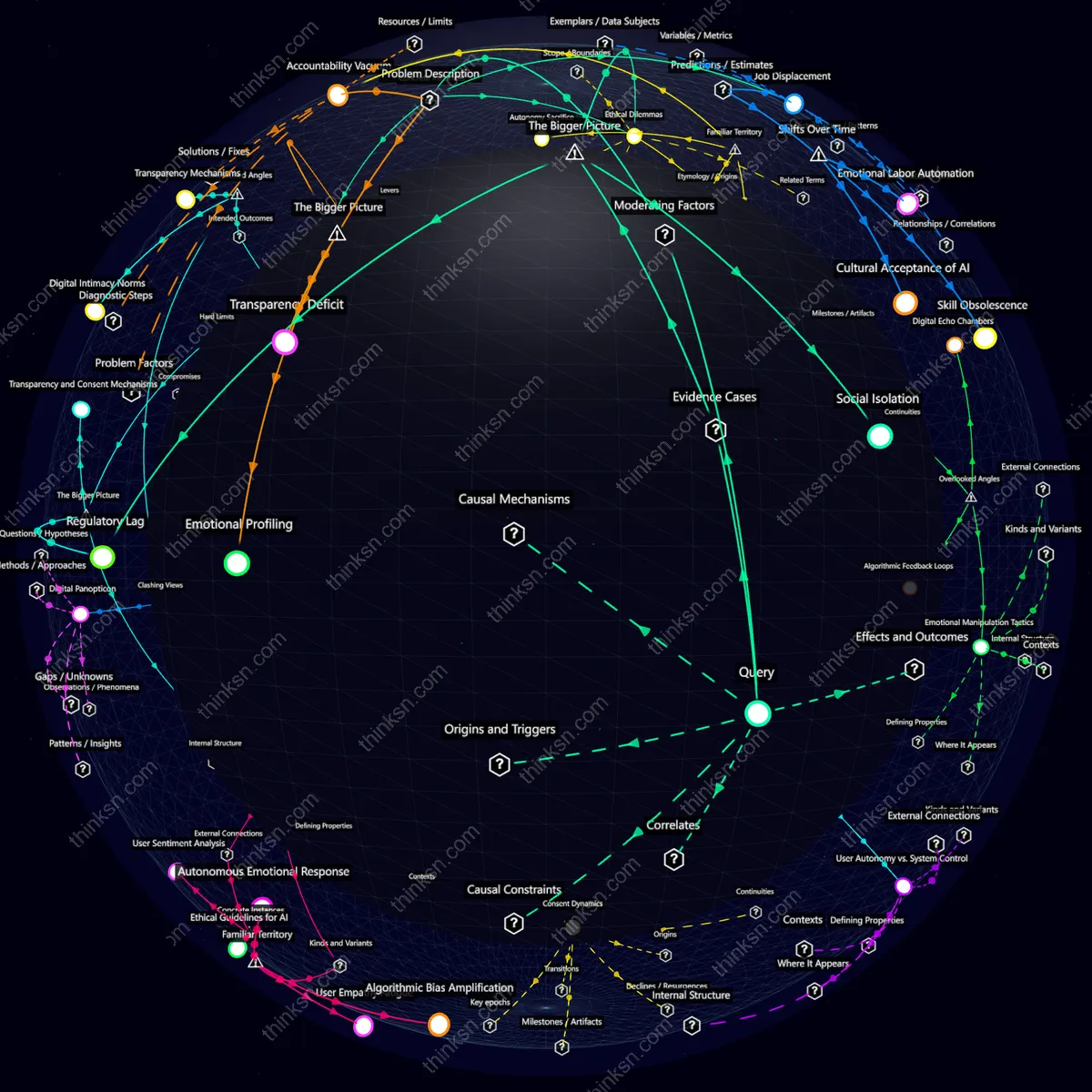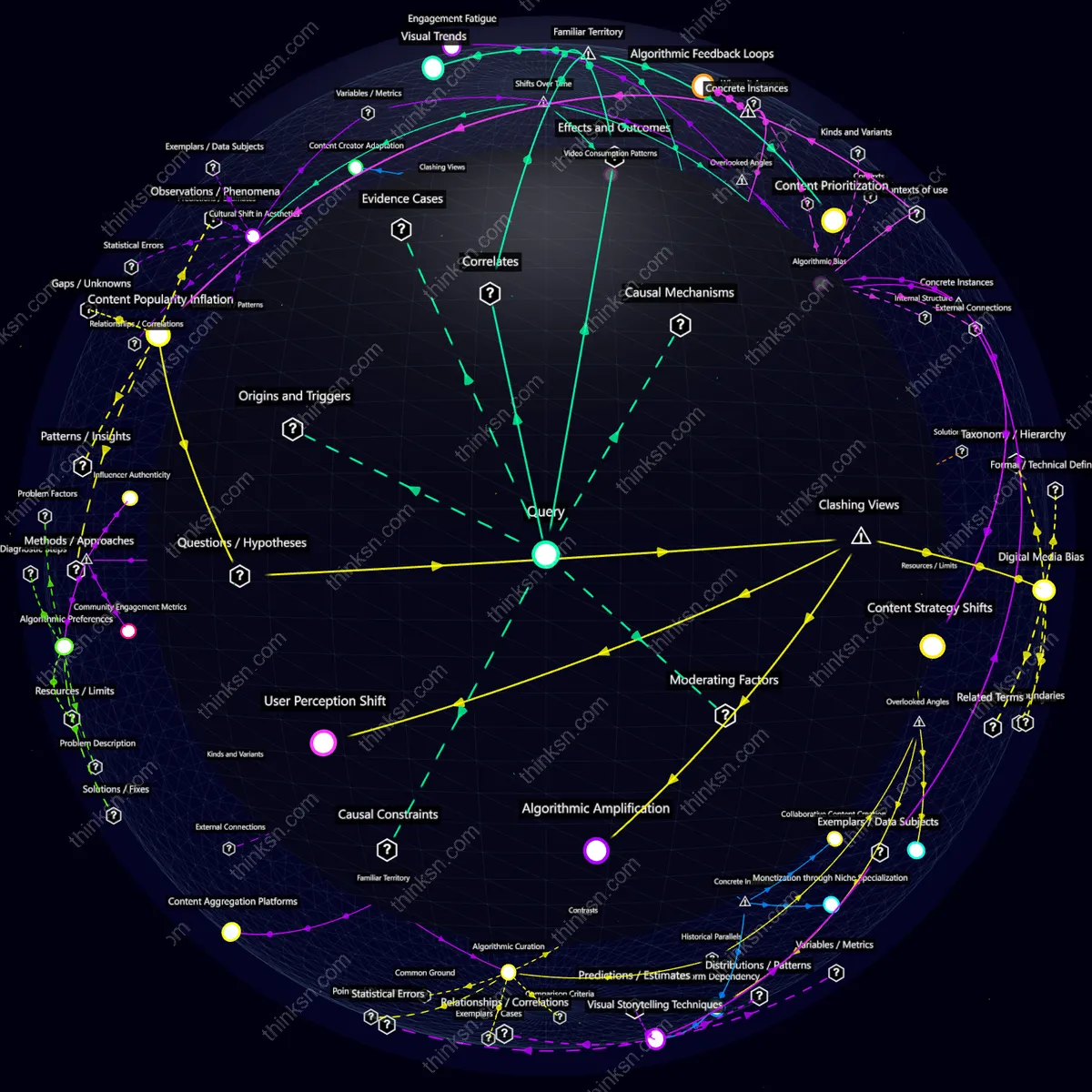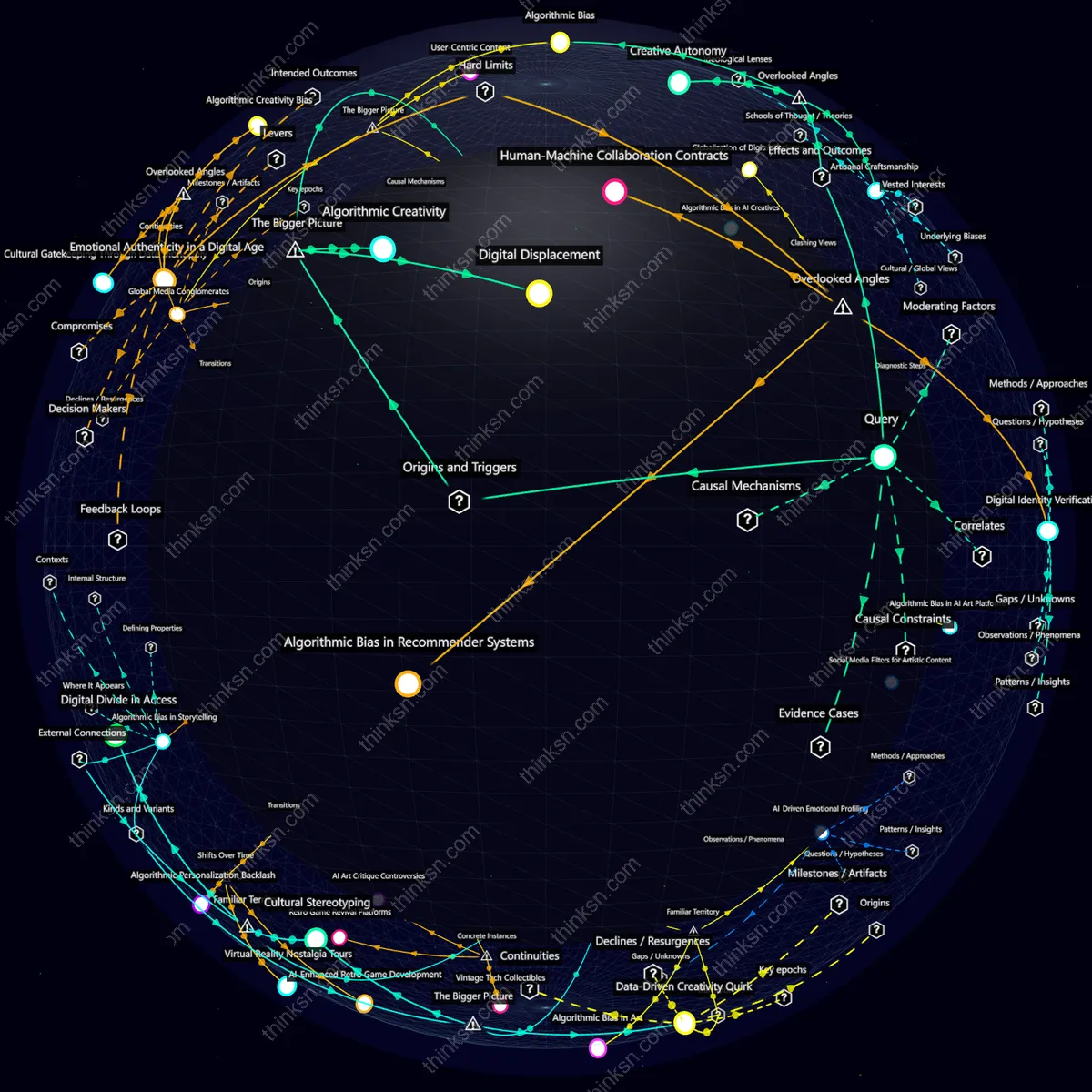
AI in Creatives: Threat to Emotional Depth and Nuance?
Key Findings
Algorithmic Music Discovery
Algorithmic music discovery favors quick emotional impact over depth, making emotionally complex work harder to find and sustain.
Music platforms now use algorithms to decide what users discover. These systems favor songs that grab attention quickly. They track likes, repeats, and play counts as signs of interest. Fast emotional reactions score higher than subtle or complex feelings. Spotify's system shows this clearly. It pushes songs that fit familiar emotional patterns. Unusual or layered works get less exposure. Artists like Kate Bush made music that deepens over time. Her later songs took years to gain recognition. The algorithm does not reward that kind of depth. It measures replay and retention instead. This drives creators to make simpler, more predictable music. Increasing reliance on AI in music creation and distribution strengthens this effect. The system keeps promoting the same kinds of songs. It becomes harder for emotionally rich or challenging work to be heard. The result is a cultural shift. Human-centered art with emotional depth loses space to thrive. The machinery of distribution blocks its visibility and spread.
Deeper Analysis
What if creators began designing works specifically to subvert algorithmic detection, using emotional ambiguity as a deliberate countermeasure—how would that reshape the feedback loop between AI curation and cultural output?
Algorithmic Resistance In Art
Artists who hide emotional clarity to outwit algorithms push systems to reward ambiguity, breaking the link between engagement and true cultural value.
When platforms use algorithms to recommend content based on quick emotional reactions, they favor simple emotions over complex ones. This happens because the systems measure what people engage with and assume that equals what they prefer. Over time, creators realize the rules are not about art but about what algorithms reward. They begin to make work that hides clear emotional signals on purpose. These works confuse the algorithms, like tricks used to fool machine learning systems. As more creators mask emotional clarity, the platforms lose their ability to predict what people will like. The old methods of guessing taste stop working when too much new content avoids easy detection. Once enough art is built to resist pattern recognition, evasion becomes the norm. The system meant to simplify culture ends up promoting ambiguity instead. This shift happens not just because some art is unclear, but because creators are driven by algorithmic pressure to make it deliberately confusing. The result is a reversal: systems that once punished subtlety now reward it. The engine of curation starts to favor indeterminacy because it can no longer tell what resonates. When this tipping point is reached, the cycle transforms itself.
Artists Versus Algorithms
Subversive ambiguity fails because platform algorithms treat emotional nuance as low-confidence noise, not defiance, which marginalizes human complexity rather than reshaping the feedback loop.
The question asks if creators can trick recommendation systems with emotional ambiguity. This fails because platforms like YouTube have an attention-market monopoly. Their tools, such as Content ID, read ambiguity as low-confidence data, not as rebellion. Machine learning classifiers are trained on labeled data that links emotional nuance to low retention. Studies show demonetization bias against LGBTQ+ and mental health content. Any work trying to evade detection gets de-prioritized or labeled as spam. It does not create a new feedback loop. Subversive ambiguity does not reshape the system. It accelerates the marginalization of human complexity. The logic of engagement optimization treats unclear signals as noise to filter out.
Algorithmic Exclusion Of Ambiguity
Ambiguous creative works are excluded from algorithmic feedback loops because their emotional complexity registers as statistical noise, which machine learning systems discard when optimizing for pattern consistency.
Generative adversarial networks often learn from data that algorithms have already selected. This creates a feedback loop that refers only to itself, not to how people actually respond. When outputs are emotionally ambiguous on purpose to challenge algorithms, they get filtered out. This happens not because systems dislike nuance but because ambiguity breaks statistical patterns. Machine learning models favor consistent signals over time. Anything that varies too much appears as noise, not meaningful data. So the system treats emotionally complex works as errors. Even if people engage with these works, the model ignores them. The act of subverting detection backfires. It makes the system treat emotional depth as less valuable. Thus, the feedback loop becomes narrower and more rigid over time.
Algorithmic Invisibility Trap
Subversive content fails to reshape algorithms because low visibility prevents the system from learning to value nuance, locking out complex human expression.
YouTube changed its system in 2012 to prioritize watch time over view count. This shift favored videos that hold attention through simple emotional patterns. Surprise, mild humor, or quick relief keep viewers engaged. These feelings are easy for the algorithm to track and repeat. Complex or emotionally ambiguous content does not perform as well. Creators who try to challenge the system by adding nuance face a problem. Their work gets less visibility because it does not trigger fast engagement. Low visibility means fewer people watch and interact with it. Without user data, the algorithm cannot learn to value such content. Over time, the system ignores subtle or challenging work. The attempt to subvert the algorithm backfires. The content disappears from view. This absence prevents the system from ever adapting to appreciate it. As a result, the resistance fails. It cannot change how content is curated. The system remains blind to human-centered depth. Culture becomes less rich as a result.
Explore further:
- What if audiences begin to value algorithmically unrecognized emotional ambiguity more highly, creating a cultural market that rewards what AI systems dismiss as noise?
- What if creators deliberately embraced algorithmic logic but embedded subversive emotional nuance within formats the system rewards — could such hybrid forms accumulate enough visibility to reshape platform incentives over time?
What if audiences begin to value algorithmically unrecognized emotional ambiguity more highly, creating a cultural market that rewards what AI systems dismiss as noise?
Algorithmic Dismissal Of Ambiguity
Audiences can value emotional ambiguity only after leaving algorithmic platforms, because those systems inherently favor measurable engagement over interpretive depth.
Most online platforms use algorithms that learn from user clicks, likes, and shares. These signals train the system to favor content that grabs attention quickly. Platforms like Meta and YouTube rely on this model because they need measurable responses to decide what content to promote. This setup favors clear, reactive content over nuanced or ambiguous work. Ambiguity does not generate strong immediate reactions. As a result, emotionally complex content performs poorly in engagement metrics. Since the system rewards only what scores high, it systematically ignores subtler material. This makes it impossible for the market to value what the platform does not promote. The shift happens only when people move to non-algorithmic spaces. These include analog media or human-curated systems. In those spaces, performance is not tied to digital feedback. Once users leave the platform loop entirely, the old mechanism loses control. Then, audiences can value work that algorithms previously ignored. Change does not come from reforming the system. It comes from exiting it.
Emotional Bias In AI Art
AI-driven cultural systems favor emotionally clear content because they are trained on data shaped by prior algorithmic filters, which causes them to overlook ambiguous works regardless of audience preference.
Many online platforms use AI to create and recommend cultural content. These systems learn from large collections of past cultural works. But these collections were already filtered by earlier algorithms. Those algorithms favored clear emotional signals over ambiguous ones. As a result, the AI learns to recognize only familiar patterns. Works with complex or mixed emotions tend to be ignored. They do not fit the expected patterns. The system treats them as errors or noise. Over time, this makes emotional clarity more common. Ambiguity becomes even rarer in recommendations and creations. Even if audiences start to prefer ambiguous works, the system won’t support them. The structure itself prevents such art from being seen as valuable. This creates a feedback loop that keeps quieting rare emotional forms.
Explore further:
- What would happen if a decentralized, algorithm-free cultural platform successfully scaled to millions of users without adopting engagement metrics?
- What would happen to the diversity of emotional expression in cultural outputs if creators intentionally trained AI models on marginalized or historically suppressed artistic corpora?
What if creators deliberately embraced algorithmic logic but embedded subversive emotional nuance within formats the system rewards — could such hybrid forms accumulate enough visibility to reshape platform incentives over time?
Emotional Complexity Filter
Emotionally complex content vanishes from recommendation platforms because algorithms promote only what generates fast, measurable user responses.
Recommendation systems that prioritize watch time create pressure for quick emotional payoffs in content. This favors videos that deliver fast, clear feelings over those with deeper or unresolved emotions. Content with layered emotional themes engages viewers too slowly to compete. As a result, complex work does not gain enough early attention to be promoted by the algorithm. Even well-made videos blending depth with mainstream appeal fail to spread. Their emotional subtlety does not trigger rapid user responses the system can recognize. The algorithm ignores what it cannot measure quickly. Over time, emotionally rich content fades from view not because people stop making it. It simply does not survive the selection process built into platforms like YouTube. Visibility goes to content that delivers fast, simple reactions. This shifts cultural output toward shallow emotional patterns by default.
What would happen if a decentralized, algorithm-free cultural platform successfully scaled to millions of users without adopting engagement metrics?
Cultural Depth Without Algorithms
Cultural depth survives at scale without algorithms because value comes from collective interpretation over time, not machine-readable feedback.
When cultural value is not tied to online engagement, content can endure through repeated, thoughtful engagement. Systems like the BBC or NHK fund programming without tracking user clicks. Their content lasts because people return to it over time. It gains meaning through repeated exposure, not instant reaction. Without algorithms deciding what gets seen, complex emotional work survives. These systems treat time as a measure of depth, not decay. Ambiguity is not a flaw but a source of meaning. A large platform without algorithms would not follow the same rules as social media. It would meet a hidden demand for attention that does not require monetization. Value comes from shared understanding, not repeated clicks. Most emotionally rich work has not vanished. It has moved to systems that do not rely on algorithmic approval. Once distribution stops chasing measurable signals, these deeper forms become common. Such a platform would sustain cultural depth at scale. This happens not by design for depth, but by removing the need to turn meaning into data.
Algorithmic Dismissal Of Ambiguity
Ambiguity fades in algorithm-driven platforms because engagement metrics favor clear reactions, so nuanced content only survives when audiences move to systems without automated feedback loops.
Big tech platforms use user clicks and likes to train recommendation systems. These systems favor content that drives clear, measurable reactions. Ambiguous or complex posts get less engagement. Less engagement means they are shown to fewer people. Platforms like Meta or YouTube promote only what their data confirms people will react to. This creates a cycle that pushes out subtle or challenging ideas. People may still value complex content. But they cannot find it easily in algorithm-driven feeds. Once audiences leave these platforms, they can rediscover such content. Independent blogs or human-curated sites allow space for nuance. There, content is not ranked by engagement speed or volume. The shift away from algorithms allows ambiguous ideas to survive. But so long as users stay on major platforms, complexity remains hidden. The system does not block ambiguity by design. It simply fails to reward it with visibility.
What would happen to the diversity of emotional expression in cultural outputs if creators intentionally trained AI models on marginalized or historically suppressed artistic corpora?
Art AI Bias Trap
Including marginalized art in AI training narrows emotional diversity because only feelings that survive digitization into platform-friendly tags are reproduced.
Many artworks by marginalized groups exist only in non-digital archives. These archives are held by small community groups or underfunded libraries. They lack the metadata standards needed for machine learning. Training AI on this art would require digitizing and cataloging those works first. The people who must do this work are the same ones whose art was historically ignored. So the cost falls on those already undervalued. This structural problem means adding more art does not increase emotional diversity. Only emotions that fit into digital tags or scores get reproduced. Subtle feelings like ambiguity or collective grief are lost. The AI would instead reinforce the same biases it aimed to avoid. The result is a narrower range of emotions.
Under what conditions, if any, could a cultural work with unresolved emotional affect achieve the initial engagement velocity required to trigger algorithmic amplification?
TikTok's Emotional Shortcut
TikTok's algorithm favors content that triggers quick emotional responses, so works with unresolved emotions are blocked from viral success unless they fake early resolution.
TikTok's algorithm aims to keep users hooked by tracking quick decisions. It uses microsecond data to decide what content to show first. This creates a system that favors short, emotional triggers like likes or shares within three seconds. Works with unresolved emotions, like the film 'Asha in Parts,' fail to get early engagement. The algorithm sees their delayed reactions as ineffective, not as a lack of quality. Such works cannot go viral unless they mimic resolved emotions early on. This distorts their original intent. They could succeed only if the platform rewarded delayed or unclear responses. Current industry rules do not allow this.
Emotional Ambiguity
Content with emotional ambiguity fails to trigger algorithmic promotion because it lacks the rapid engagement signals that machine learning systems require.
After 2016, major social media platforms shifted from human curation to algorithms driven by machine learning. These systems favor content that triggers quick, clear emotional reactions. Algorithms learn from vast amounts of user behavior data. They look for patterns in actions like likes, shares, and how long people watch. Content that evokes immediate feelings generates strong, fast feedback. This feedback helps algorithms decide what to promote. Ambiguous or complex emotions do not produce such clear signals. They lead to scattered, delayed responses. These fail to match the pattern of rapid engagement the system seeks. As a result, emotionally unclear content gets recommended less. This is not due to suppression but weak initial signals. YouTube and TikTok both show this trend. Their systems amplify content with fast emotional impact. Emotional ambiguity becomes invisible unless changed to fit algorithmic needs. The first 15 to 30 seconds of content now decide its reach. Only what delivers quick resolution spreads widely.