AI in Twitch: Can Human Creators Compete?
Analysis reveals 5 key thematic connections.
Key Findings
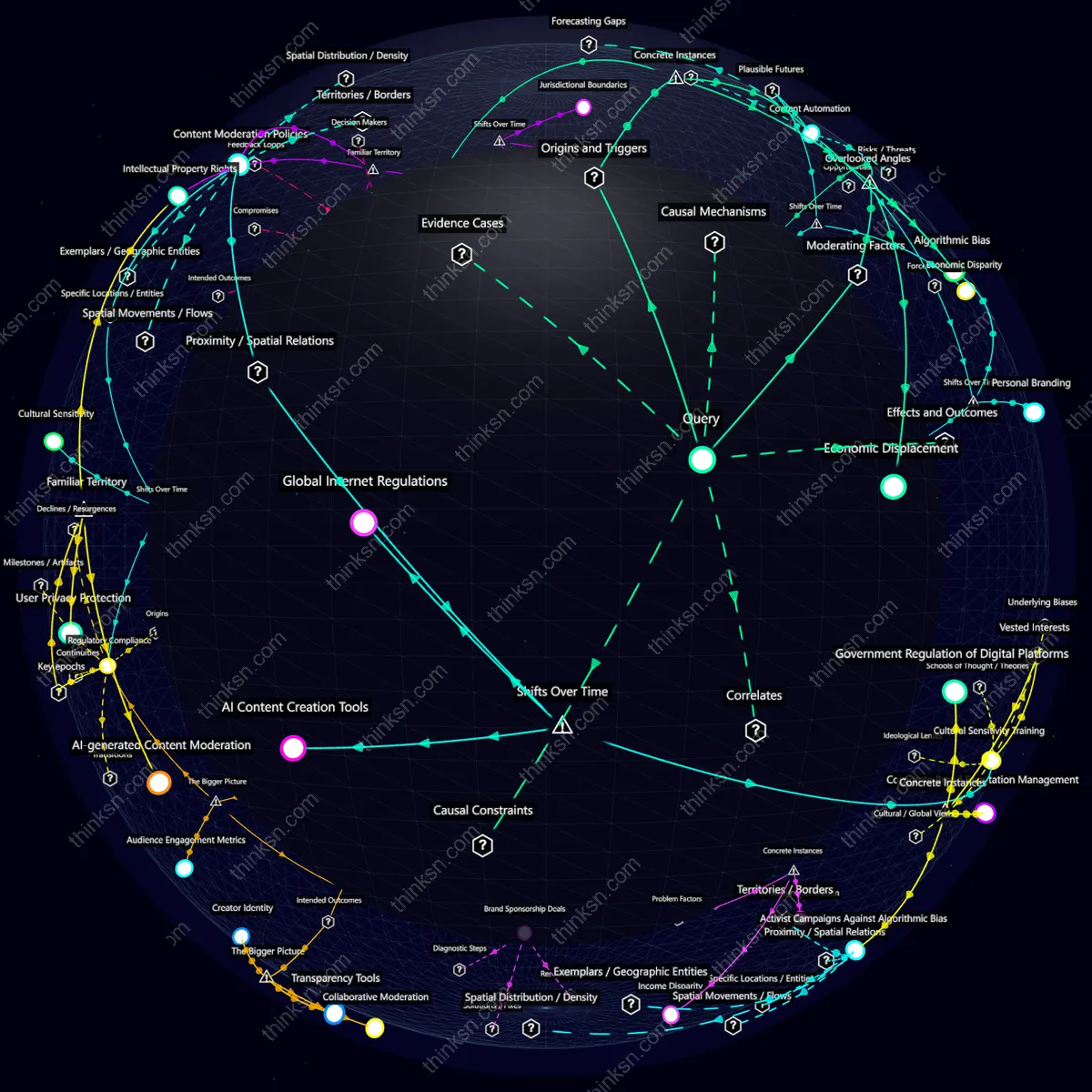
Content Automation
AI-generated content automation on Twitch shifts viewer attention from human storytelling and charisma to algorithmic efficiency. Creators face pressure to compete with AI's consistency, risking dehumanization of online interactions and eroding the unique value proposition of human creators.
Intellectual Property
As AI systems generate content based on copyrighted material, Twitch faces legal challenges in managing intellectual property rights. This could lead to a grey area where automated tools inadvertently contribute to copyright infringement, undermining trust and regulatory compliance for the platform and its users.
Algorithmic Bias
The reliance on AI algorithms can perpetuate or exacerbate biases present in training data, affecting content moderation and recommendation systems. This may unfairly disadvantage certain types of human creators who do not fit algorithmic standards, leading to systemic inequality within the Twitch ecosystem.
Creator Autonomy
Human creators face a paradox where AI tools promise greater autonomy through efficiency gains but also threaten it by setting new standards and expectations for content quality and novelty. This dual-edged sword can lead to a cycle of constant innovation that stifles true creative freedom.
Economic Displacement
The rise of AI-generated content on Twitch may shift economic incentives from human creativity to algorithmic efficiency, potentially displacing mid-tier creators who lack the resources or skills to compete with AI-driven content at scale. This could lead to a consolidation of power in the hands of tech companies and top-tier influencers.
Deeper Analysis
How will content automation through AI affect the role and competitiveness of human creators on Twitch over time?
Personal Branding
As AI-driven content automation becomes prevalent on Twitch, creators risk losing their personal touch and unique voice. The algorithmic generation of content can dilute the authenticity that builds a strong personal brand, potentially eroding viewer loyalty and engagement over time.
Algorithmic Bias
The reliance on AI to automate content creation introduces new forms of bias, as algorithms may favor certain types of creators or content styles. This can disproportionately affect underrepresented communities on Twitch, further entrenching existing inequalities in the platform's ecosystem.
Human Creativity
While AI offers unprecedented tools for content creation, it also poses a threat to human creativity by potentially stifling original thought and innovation. Creators may become overly dependent on automated systems, leading to a homogenization of content that limits the diversity of ideas and perspectives on Twitch.
Creator Autonomy
As AI-driven content automation becomes prevalent on Twitch, human creators may struggle with maintaining their unique creative voice and autonomy. While AI tools offer new opportunities for personalization and efficiency, there's a risk of homogenizing content styles and diminishing the value of individual creator identity. This shift could lead to a scenario where platforms favor algorithmically optimized content over authentic, organic engagement.
Economic Disparity
The rise of AI in content automation might exacerbate economic disparities among Twitch creators. Large-scale operations and established creators with significant resources may leverage advanced AI tools to outperform smaller or less technologically adept creators. This could result in a two-tier system where a few super-optimized channels dominate, overshadowing the vast majority who struggle to compete without cutting-edge technology.
Explore further:
What is the geographic distribution and territorial boundaries of creator autonomy among human creators competing on Twitch in relation to AI-generated content?
Content Moderation Policies
Twitch's strict content moderation policies often clash with creator autonomy, especially in regions like the United States and Europe where cultural norms demand more flexibility. This tension can lead to creators feeling constrained or unfairly penalized for content that is subjective and context-dependent.
Intellectual Property Rights
The blurry lines of intellectual property rights around AI-generated content challenge creator autonomy globally, particularly in the United States and China where legal frameworks are rapidly evolving. Creators may find themselves navigating complex legal landscapes that can inadvertently stifle creativity or unfairly benefit tech giants over individual artists.
Competitive Advantage
Creators leveraging AI for competitive advantage on Twitch face a delicate balance between innovation and ethical boundaries, especially in densely populated markets like California and South Korea. This dynamic can lead to unintended consequences such as homogenization of content or the creation of a digital arms race that benefits only a few.
Jurisdictional Boundaries
The fluctuating nature of jurisdictional boundaries in the digital space challenges creator autonomy on Twitch. For instance, creators may face different content moderation policies based on their geographic location or the server location, leading to inconsistent enforcement and a fragmented user experience. Creators often adapt by adopting globally neutral content to avoid legal repercussions in stricter jurisdictions.
AI Regulatory Frameworks
The emergence of AI regulatory frameworks poses both opportunities and risks for creator autonomy on Twitch. While such regulations aim to protect creators from AI misuse, they also introduce uncertainties about the extent of human control over content creation. For example, stricter guidelines might restrict the use of generative AI tools, potentially stifling creativity but ensuring a safer environment.
Explore further:
- What are the content moderation policies across different regions where Twitch is active, and how do they impact AI-generated content in comparison to human-created content?
- What are the measurable impacts on human creators' competitive advantage when competing with AI-generated content on Twitch, and how might this pressure point lead to systemic failures or require remedial strategies?
What are the content moderation policies across different regions where Twitch is active, and how do they impact AI-generated content in comparison to human-created content?
Regulatory Compliance
Twitch's content moderation policies in regions like Europe and the United States are heavily influenced by local regulatory requirements, leading to a fragmented approach where each region may have unique standards. This variability creates operational challenges for AI systems tasked with moderating content across borders, potentially increasing false positives or negatives due to inconsistent enforcement criteria.
Cultural Sensitivity
Content moderation policies must navigate the delicate balance of cultural norms and sensitivities in diverse regions such as Japan and India. This often results in over-censorship or under-regulation, particularly for AI systems that lack nuanced understanding of local contexts, risking alienation of users and legal repercussions.
AI Ethics
As Twitch expands its use of AI for content moderation across different regions, the ethical implications become more pronounced. In Canada and the EU, stricter data protection laws demand higher accountability from AI systems used in content moderation, raising concerns about privacy, transparency, and the potential bias inherent in machine learning algorithms.
Global Internet Regulations
As Twitch expands globally, its content moderation policies must adapt to varying national regulations. This adaptation often leads to inconsistencies in enforcement and user experience across different regions, creating legal risks for the platform while also stifling creative freedom.
AI Content Creation Tools
The rise of AI-generated content challenges traditional moderation frameworks, leading Twitch to develop specialized policies. This shift can inadvertently marginalize human creators whose content does not fit neatly into automated detection systems, highlighting the platform's dependency on evolving technology.
Cultural Sensitivity Training
Twitch’s efforts to incorporate cultural sensitivity training for moderators have transformed community interactions but also exposed tensions between regional norms and global standards. This approach can lead to significant improvements in user experience but may also foster resentment among users who feel their unique perspectives are being sidelined.
Explore further:
- What are the measurable impacts on human creators when AI ethics in AI-generated content creation for Twitch are not adequately addressed?
- In what ways can cultural sensitivity training for AI developers and content creators on Twitch help mitigate potential negative impacts of AI-generated content on human creators from diverse backgrounds?
What are the measurable impacts on human creators when AI ethics in AI-generated content creation for Twitch are not adequately addressed?
Content Authenticity
When AI ethics in Twitch content creation are neglected, the authenticity of user-generated material erodes, leading to a decline in viewer trust and engagement. Creators may struggle with maintaining their unique brand identity as AI increasingly takes over content generation, resulting in homogenized streams that lack personal touch.
Intellectual Property
The failure to address ethical considerations around AI-generated content raises questions about intellectual property rights. Creators face the risk of having their original ideas and creative expressions appropriated by AI systems without proper attribution or compensation, leading to potential legal disputes and undermining financial incentives for original creation.
User Experience
Neglecting AI ethics can degrade user experience on Twitch as viewers are exposed to an overwhelming amount of generic content generated without human oversight. This leads to increased frustration among users who seek unique, authentic interactions and may result in a migration to platforms that better respect the integrity of human creativity.
In what ways can cultural sensitivity training for AI developers and content creators on Twitch help mitigate potential negative impacts of AI-generated content on human creators from diverse backgrounds?
Corporate Brand Reputation Management
Cultural sensitivity training reshapes corporate brand reputation management by requiring companies like Twitch to proactively engage with diverse communities, mitigate AI-generated content risks, and avoid reputational damage from cultural insensitivity. However, this shift demands ongoing commitment and resources, posing a challenge for smaller or less flexible organizations.
Activist Campaigns Against Algorithmic Bias
Cultural sensitivity training fuels activist campaigns by highlighting systemic issues in AI content generation. Activists use real-world instances of biased or harmful content to pressure companies like Twitch, aiming for broader changes beyond individual training programs and pushing for legislative action against algorithmic discrimination.
Government Regulation of Digital Platforms
Cultural sensitivity training influences government regulation by exposing gaps in current oversight mechanisms over AI-generated content. Governments may respond with stricter regulations to protect diverse cultural groups, but this can also stifle innovation and creativity for content creators who rely on flexible digital platforms like Twitch.
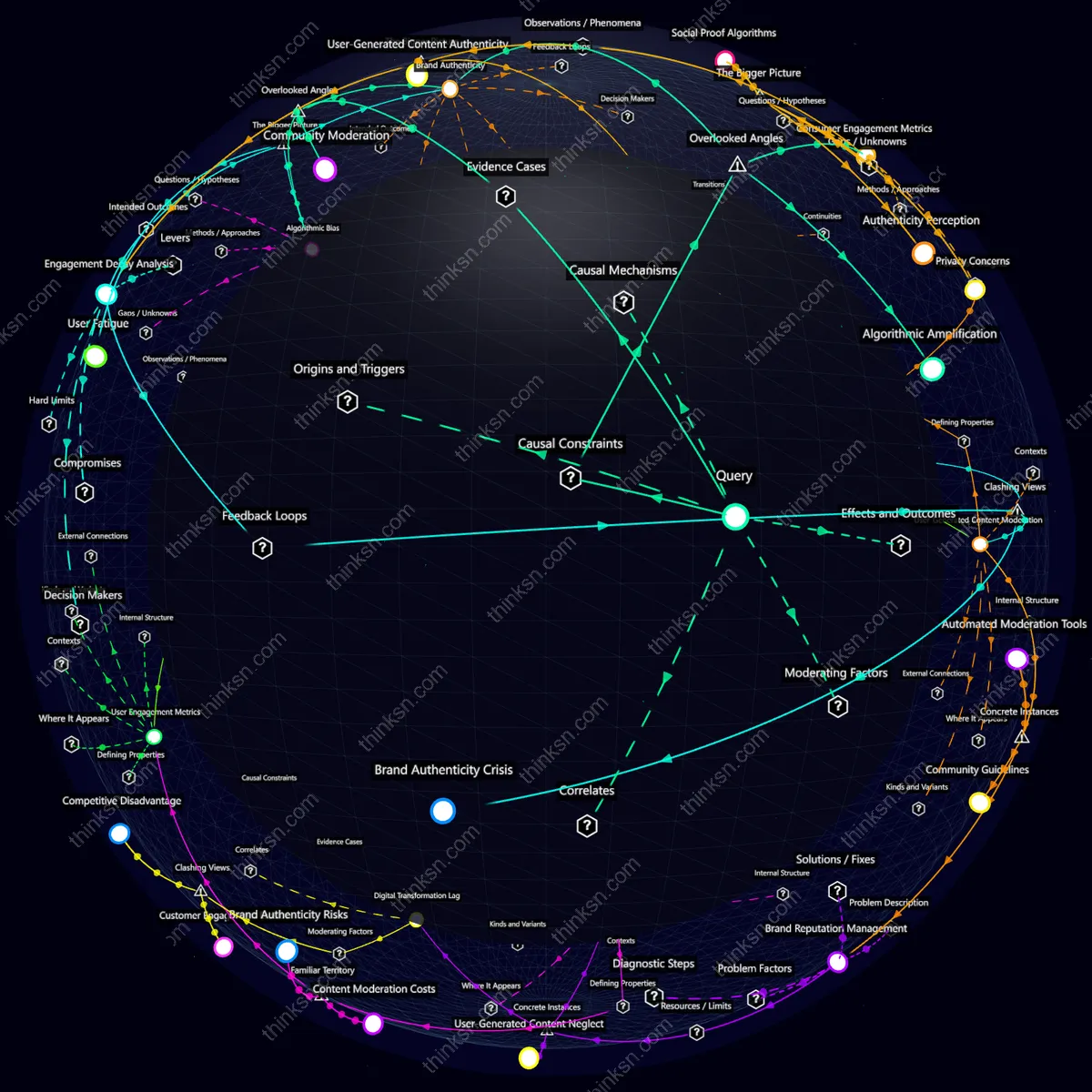
What strategic interventions can human creators on Twitch implement to maintain content authenticity in the face of AI-generated competition?
Audience Engagement Metrics
Twitch creators who prioritize audience engagement metrics over content authenticity risk alienating their core fanbase as AI-generated content floods the platform, leading to a superficial interaction culture where genuine connection and creativity are undervalued.
Brand Sponsorship Deals
Creators relying heavily on brand sponsorship deals may face pressure to produce content that aligns with sponsors' interests rather than maintaining their authentic voice, potentially diminishing the unique value proposition that sets human creators apart from AI-generated content.
Regulatory Compliance
Navigating regulatory compliance becomes increasingly complex for human creators as they must distinguish between genuine human creativity and AI-generated content, risking legal repercussions if they fail to transparently label or disclose the use of AI tools in their streams.
Creator Identity
Twitch creators who deeply embed their unique personal stories and experiences into their content can forge stronger connections with audiences, making it easier to distinguish human authenticity from AI-generated material. However, this strategy requires constant self-disclosure and vulnerability, which could expose creators to increased scrutiny and criticism.
Collaborative Moderation
Implementing a community-driven moderation system where viewers help identify and flag inauthentic content can enhance the overall integrity of Twitch streams. Yet, this approach relies on user vigilance and discernment, potentially leading to inconsistent enforcement and potential misuse by malicious actors.
Transparency Tools
Developing tools that allow creators to openly share their creative process, from concept ideation to final execution, can build trust with audiences by proving content authenticity. However, such transparency also risks revealing proprietary methods and workflow secrets to competitors, diminishing competitive advantage.
Explore further:
- How do AI-generated content and its implications affect the ability of human creators to secure brand sponsorship deals on Twitch, and what are the measurable impacts on their income and competition level?
- How will regulatory compliance requirements evolve as AI-generated content becomes more prevalent on Twitch, and what are the implications for human creators?
How do AI-generated content and its implications affect the ability of human creators to secure brand sponsorship deals on Twitch, and what are the measurable impacts on their income and competition level?
AI Content Generation
The proliferation of AI-generated content on Twitch shifts viewer attention towards highly polished and consistent streams, pressuring human creators to either adapt or risk losing audience engagement. This can lead to a competitive disadvantage for those unable to maintain the same level of production quality.
Income Disparity
As AI-generated content lowers the barrier to entry by offering an alternative to manual creation, income disparity widens between creators who rely solely on human effort and those leveraging automation. This economic shift can destabilize traditional sponsorship models that reward unique personal branding over technical proficiency.
How will regulatory compliance requirements evolve as AI-generated content becomes more prevalent on Twitch, and what are the implications for human creators?
AI-generated Content Moderation
As AI-generated content proliferates on Twitch, the burden of compliance shifts from human moderators to complex algorithms, introducing new challenges in ensuring content adheres to regulatory standards. This transition risks creating a false sense of security, as AI may overlook nuanced violations that humans would catch, leading to potential legal repercussions and damage to platform reputation.
Intellectual Property Rights
The rise of AI-generated content on Twitch intensifies concerns over intellectual property rights, particularly when AI systems mimic human creativity. This surge complicates traditional regulatory frameworks, potentially stifling innovation by creators who fear legal action or diminished market value for their original work due to AI imitations.
User Privacy Protection
As AI tools increasingly analyze and generate content on Twitch, the collection of user data escalates, raising significant privacy concerns. Regulatory compliance now demands stricter oversight to protect personal information, but balancing this with the operational needs of sophisticated AI systems poses a delicate challenge, risking both legal penalties and erosion of public trust.