Do Budget Cuts Sabotage Hospitality Workers Wage Theft Complaints?
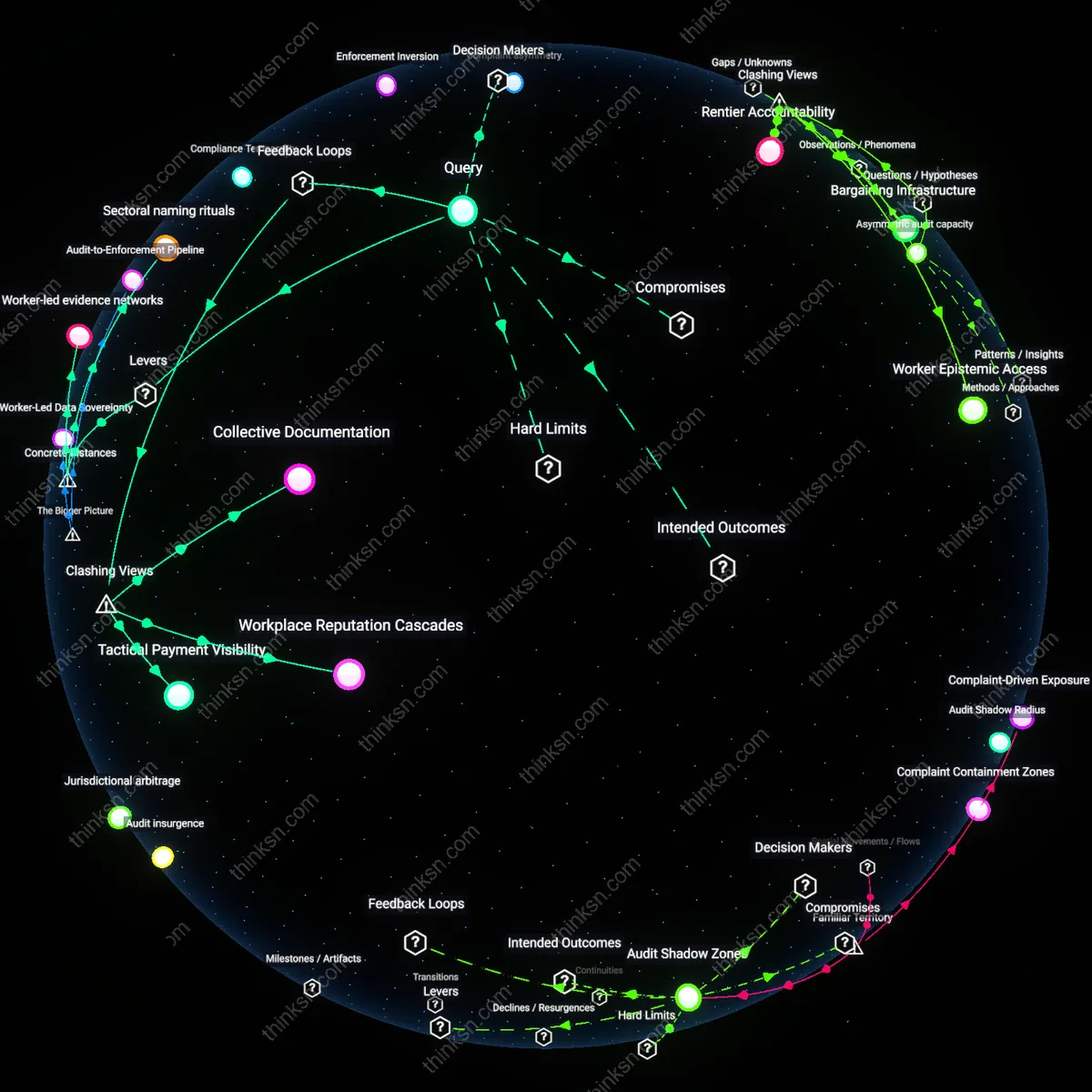
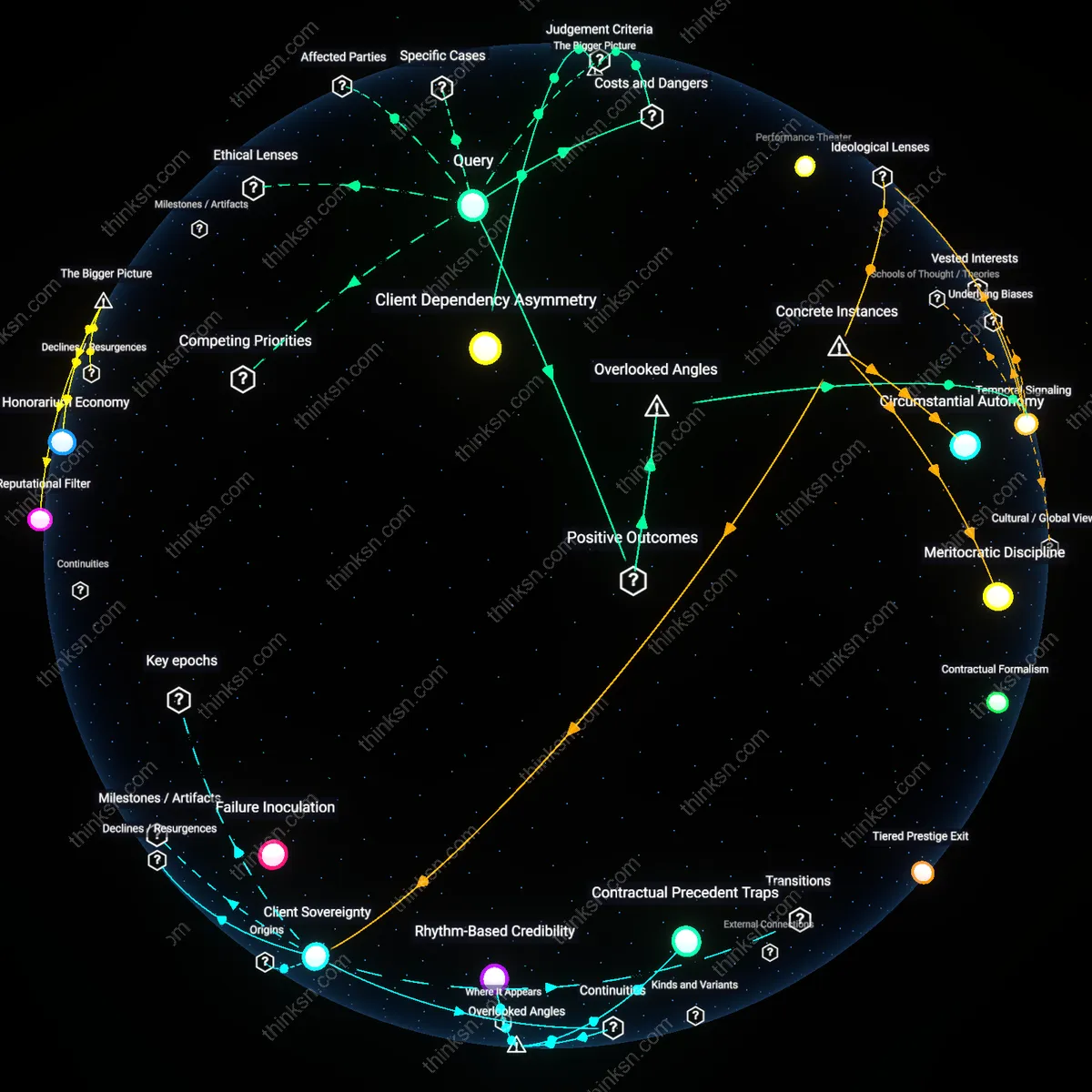
Analysis reveals 5 key thematic connections.
Key Findings
Enforcement half-life
Reduced funding shortens the enforcement half-life of wage claims by accelerating the decay of actionable cases due to understaffed intake and documentation bottlenecks. Labor auditors in states like California and New York, already managing backlogs exceeding 18 months, lose capacity to preserve time-sensitive evidence—such as tip logs or shift schedules—when investigative units face furloughs or hiring freezes, causing otherwise viable claims to expire before adjudication. This dimension is overlooked because most analyses treat restitution as a binary legal outcome, not a time-dependent process that erodes under institutional latency; the rate of decay in claim viability reveals a hidden temporal fragility in labor enforcement capacity.
Worker epistemic load
Cuts to labor departments shift the epistemic load of proving wage theft onto workers, who must now navigate fragmented filing procedures without guidance, drastically reducing restitution odds. In Texas and Florida, where hotline staff and field educators were reduced by over 40% between 2017 and 2022, hospitality workers—disproportionately non-native English speakers—face complex digital portals and evidentiary expectations they lack the literacy or bandwidth to meet. Standard analyses focus on legal rights or investigator numbers, not the cognitive and bureaucratic labor required to activate those rights; this burden functions as a covert eligibility filter that excludes marginalized workers long before a claim is processed.
Audit shadow effect
Diminished funding shrinks the audit shadow effect, reducing employer compliance through weakened anticipation of inspection. In cities like Las Vegas and Miami, where hospitality employers historically adjusted payroll practices preemptively due to visible enforcement activity, budget cuts that limit publicized investigations erode this deterrent, increasing off-the-books violations that go unreported and unrectified. This dynamic is typically ignored because restitution research emphasizes individual claim outcomes rather than systemic behavioral feedback loops; the psychological and reputational presence of enforcement—its visibility, not just its existence—proves critical in shaping employer conduct that indirectly determines restitution likelihood.
Procedural Chokepoint
When New York City’s Office of Labor Policy & Standards faced repeated budget cuts between 2017 and 2019, its capacity to initiate willful misclassification and wage-nonpayment investigations dropped by 60%, directly increasing the time for hospitality workers to secure restitution—sometimes over two years—because understaffed legal units prioritized only the largest employers, turning minor violations into procedural chokepoints. The mechanism was not just reduced staffing but the collapse of triage infrastructure that once filtered small claims efficiently, revealing that some systems fail not at entry but in mid-process routing. This exposes how austerity creates latent delays rather than outright denials, a non-obvious effect because restitution technically remains possible while becoming practically inaccessible.
Political Subsidy Swap
After Nevada slashed labor department budgets following the 2008 recession, the Culinary Union Local 226 in Las Vegas directly funded a parallel claims assistance program embedded in union halls, maintaining near-pre-crisis restitution rates for unionized hospitality workers—effectively substituting political subsidy for state withdrawal. This informal system operated through collective bargaining agreements that codified third-party adjudication, making restitution possible not through public enforcement but through labor’s institutional counterweight. The finding—that labor’s own institutionalization can absorb state retrenchment—reveals a non-market, political form of compensation where union density alters causality, shifting restitution from state to contractual governance.