Who Loses if Social Media Becomes a Public Utility?
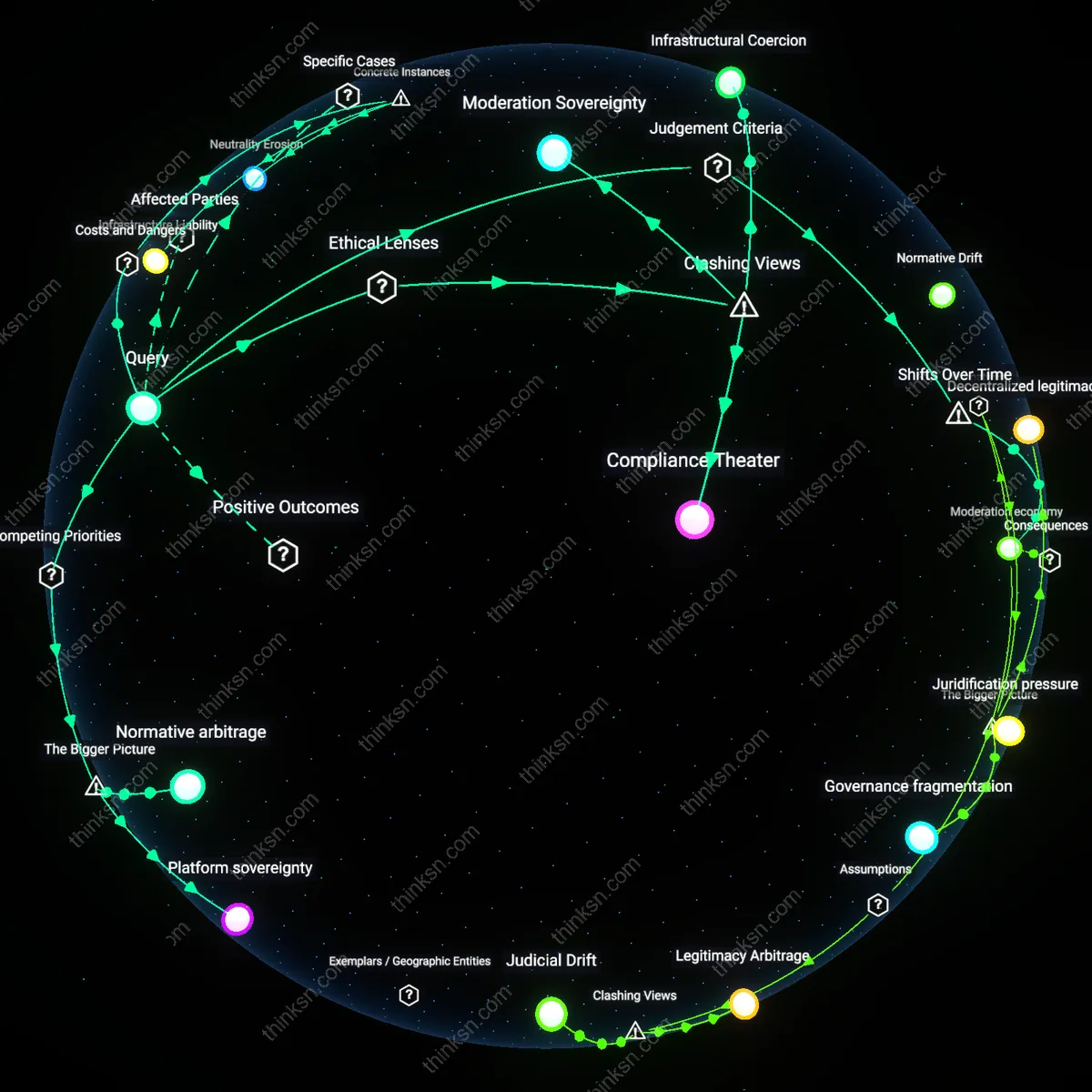
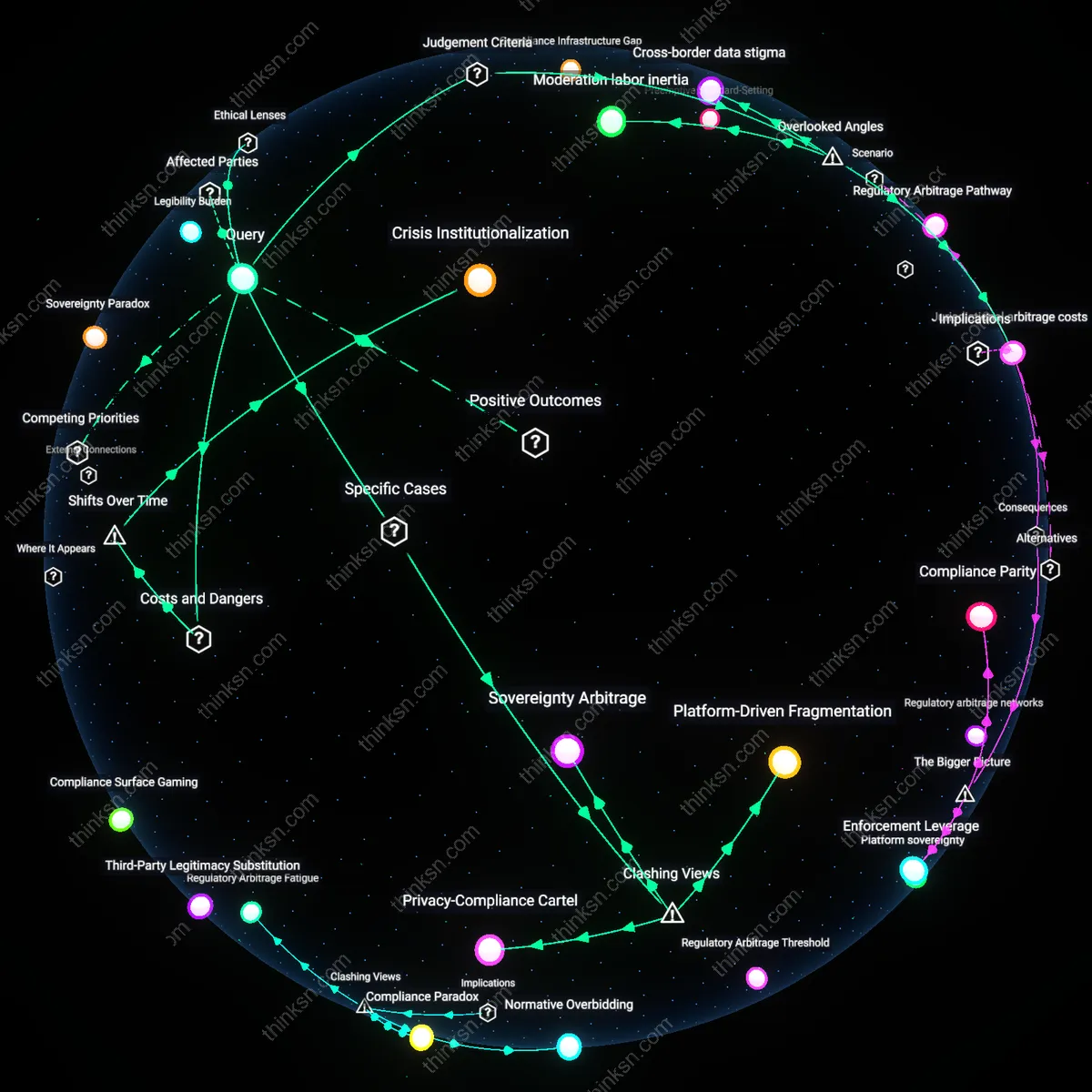
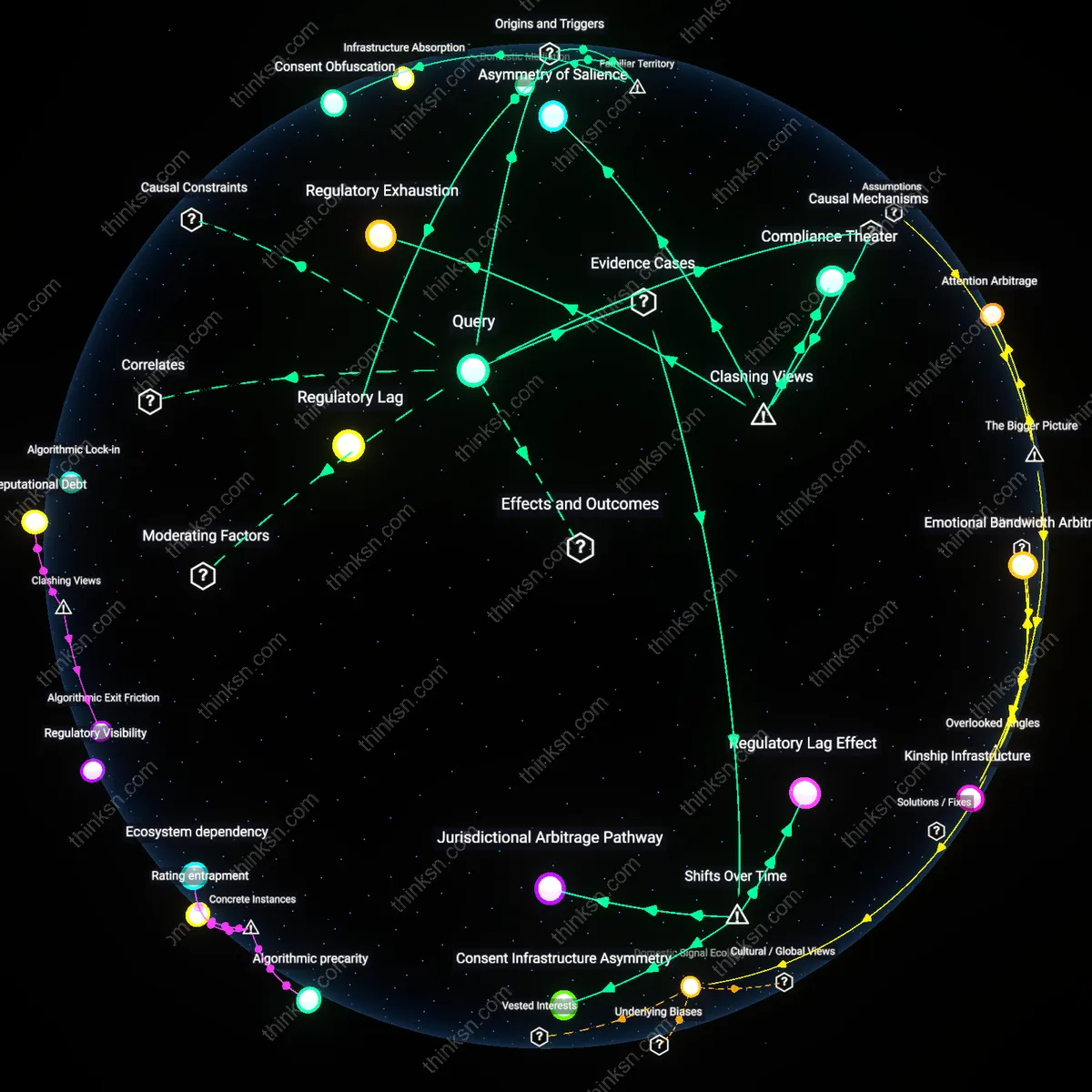
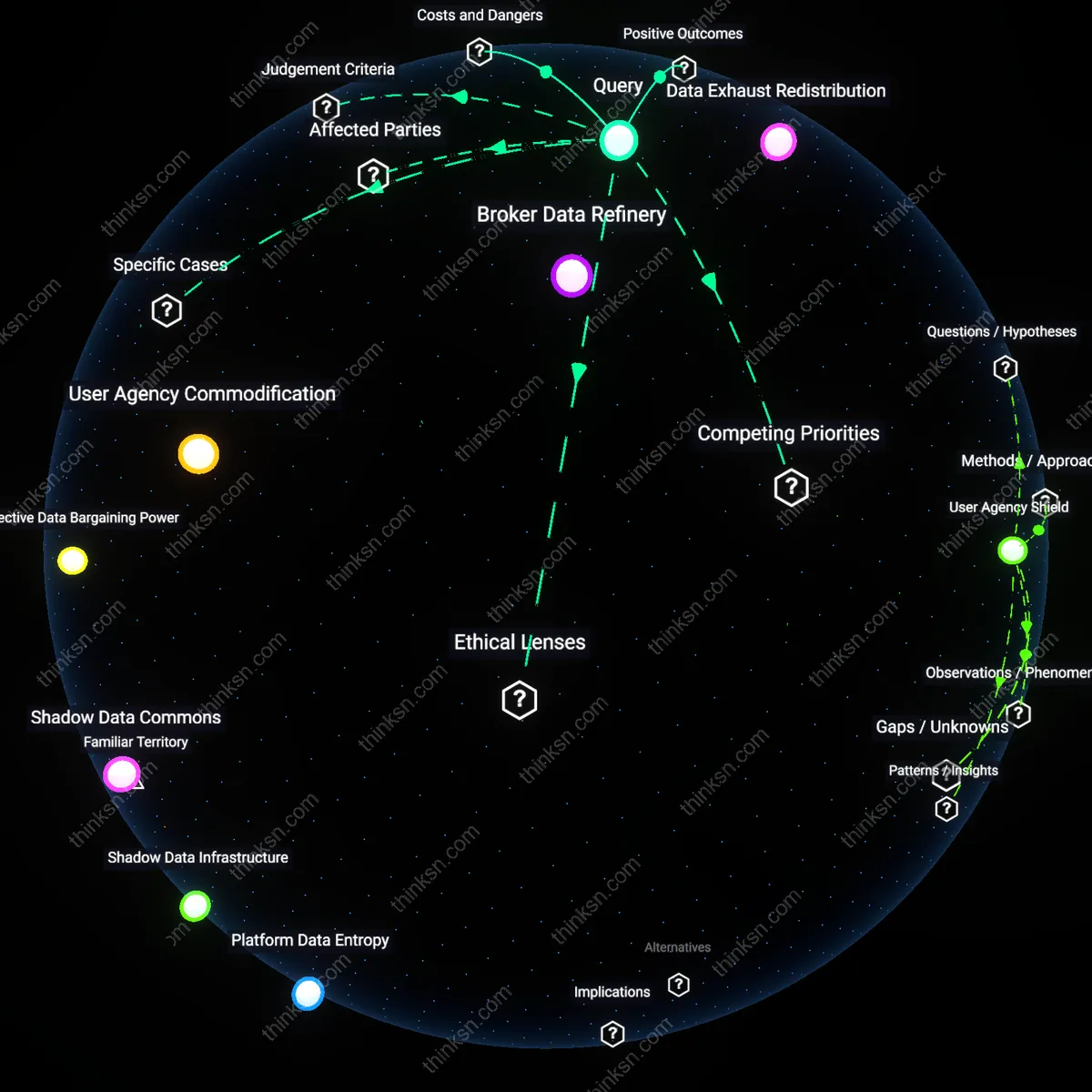
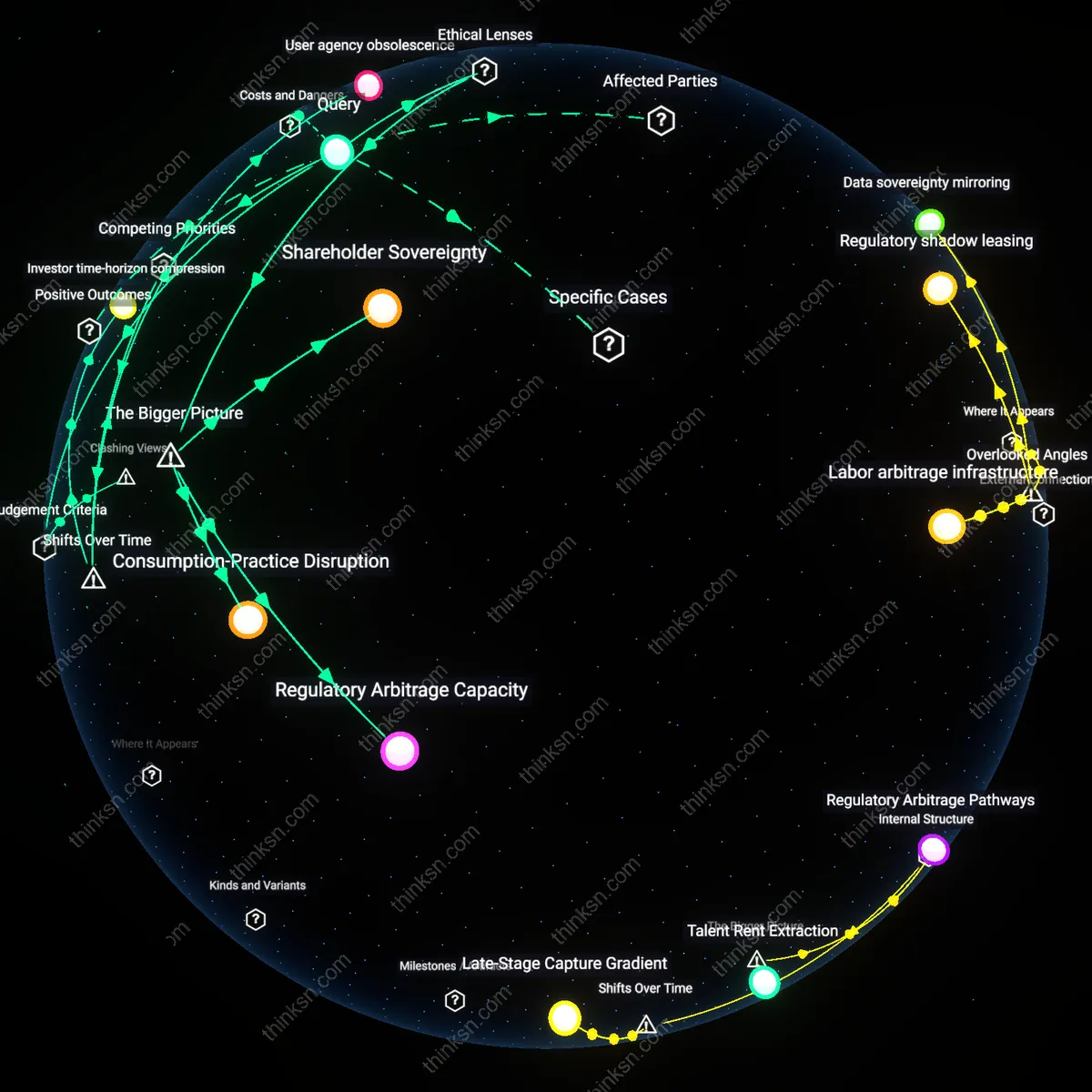
Analysis reveals 7 key thematic connections.
Key Findings
Investor disenfranchisement
Venture capital firms and early-stage tech investors would be most negatively affected by the reclassification of social media platforms as public utilities, because rate-of-return regulations and restrictions on equity-based expansion would dismantle the high-growth, high-risk investment model central to Silicon Valley. This shift would freeze capital fluidity in digital infrastructure, transforming platforms from scalable market experiments into regulated assets with capped financial upside, thereby eroding the incentive structure that drives private investment in platform innovation. The non-obvious consequence is not consumer harm or censorship, but the collapse of a financial ecosystem predicated on exponential growth expectations now incompatible with utility-style rate regulation.
Platform sovereignty erosion
National governments in emerging economies would be most negatively affected by the reclassification, as it would empower U.S.-based regulatory precedents to de facto standardize content governance globally through utility oversight bodies. Mechanisms like interoperability mandates and mandated neutrality enforced by American public utility commissions could override local speech laws, religious protections, and political sensitivities in countries like Indonesia or Nigeria, where platform moderation currently respects national boundaries. The unacknowledged effect is not corporate loss but the weakening of state-level digital self-determination, as extraterritorial regulatory authority is silently ceded to U.S.-anchored utility governance frameworks.
Investor time-horizon compression
Venture and institutional investors would face diminished long-term valuation prospects under utility reclassification, as the regulatory constraints on pricing, data monetization, and growth tactics collapse returns to utility-like stability. The period from 2010 to 2020 normalized exponential user growth and data-driven revenue scaling as investor expectations, but after 2021, rising scrutiny over antitrust and digital rights initiated a pivot toward treat social media as essential infrastructure. This shift fractures the previous alignment between speculative capital and platform expansion, revealing investor time-horizon compression—the pressure to extract returns before regulatory maturation freezes asset growth—as a concealed dynamic in platform governance debates.
User agency obsolescence
Ordinary users would suffer a degradation of functional control over their digital presence, as utility status necessitates standardized, interoperable, and auditable systems that deprioritize personalized experiences in favor of regulatory compliance. Prior to 2018, user agency was framed as choice within proprietary ecosystems—customizable feeds, opt-in data sharing, and algorithmic preferences—but after the Cambridge Analytica revelations, the emphasis shifted toward systemic accountability, making personalization politically untenable. This trajectory produces user agency obsolescence, where the historical ideal of user empowerment is displaced by passive citizenship in a managed information utility, exposing the contradiction between democratic access and participatory autonomy.
Shareholder Sovereignty
Corporate executives and institutional investors would be most negatively affected because reclassification would bind platform governance to public interest obligations, directly undermining fiduciary duties tied to shareholder value maximization. This shift would subject growth-driven algorithms and monetization strategies to regulatory scrutiny, particularly under common carrier principles, altering the foundational ethics of corporate responsibility from utilitarian profit calculus to deontological service obligations. The non-obvious systemic pressure lies in how decades of shareholder primacy—reinforced by legal interpretations of the Business Judgment Rule—have structurally conditioned governance to resist public welfare mandates, making regulatory compliance an internal threat to corporate legitimacy.
Regulatory Arbitrage Capacity
Transnational tech corporations would be most negatively affected as reclassification traps their cross-jurisdictional operational flexibility, forcing decentralized content policies into a rigid national utility framework. This constraint erodes their strategic use of jurisdictional differences to delay or dilute accountability, a mechanism historically protected by the doctrine of extraterritoriality and neoliberal deregulation orthodoxy. The overlooked dynamic is that treating platforms as utilities in one jurisdiction undermines the broader ecosystem of regulatory relativity that enables platforms to resist global human rights standards under the guise of local compliance.
Consumption-Practice Disruption
Marginalized user communities dependent on algorithmic visibility for political or economic survival would be most negatively affected, as utility regulation tends to standardize access while inadvertently enforcing homogeneity in content distribution. By prioritizing equitable service delivery over participatory dynamism, regulators may inadvertently dismantle niche economies of attention that sustain non-dominant identities—mechanisms historically protected under digital common sense but not formal rights. The underappreciated systemic risk is that the very equity goals motivating utility classification can silently reproduce structural exclusions when regulatory design conflates access with agency.