Temporal Niche Locking
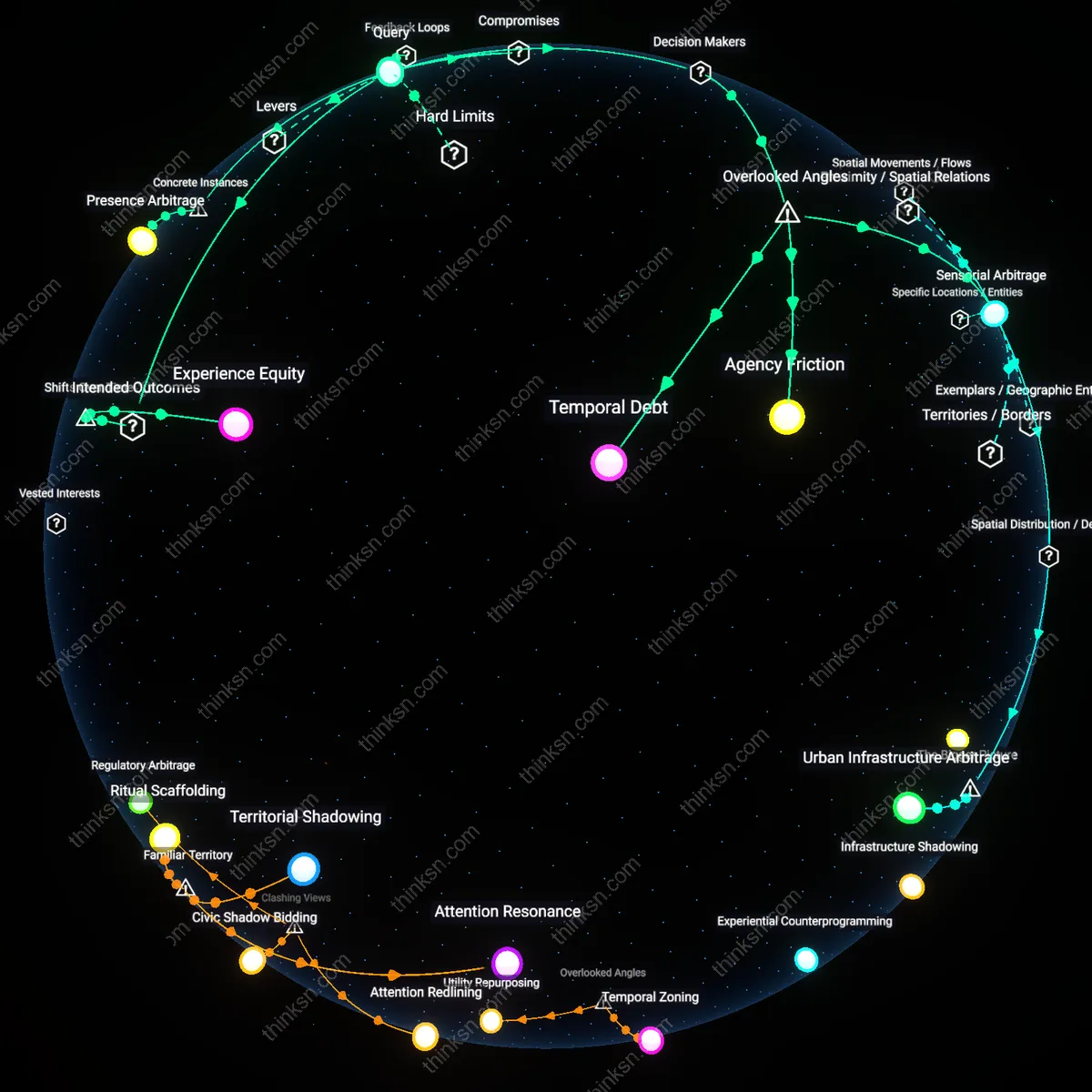
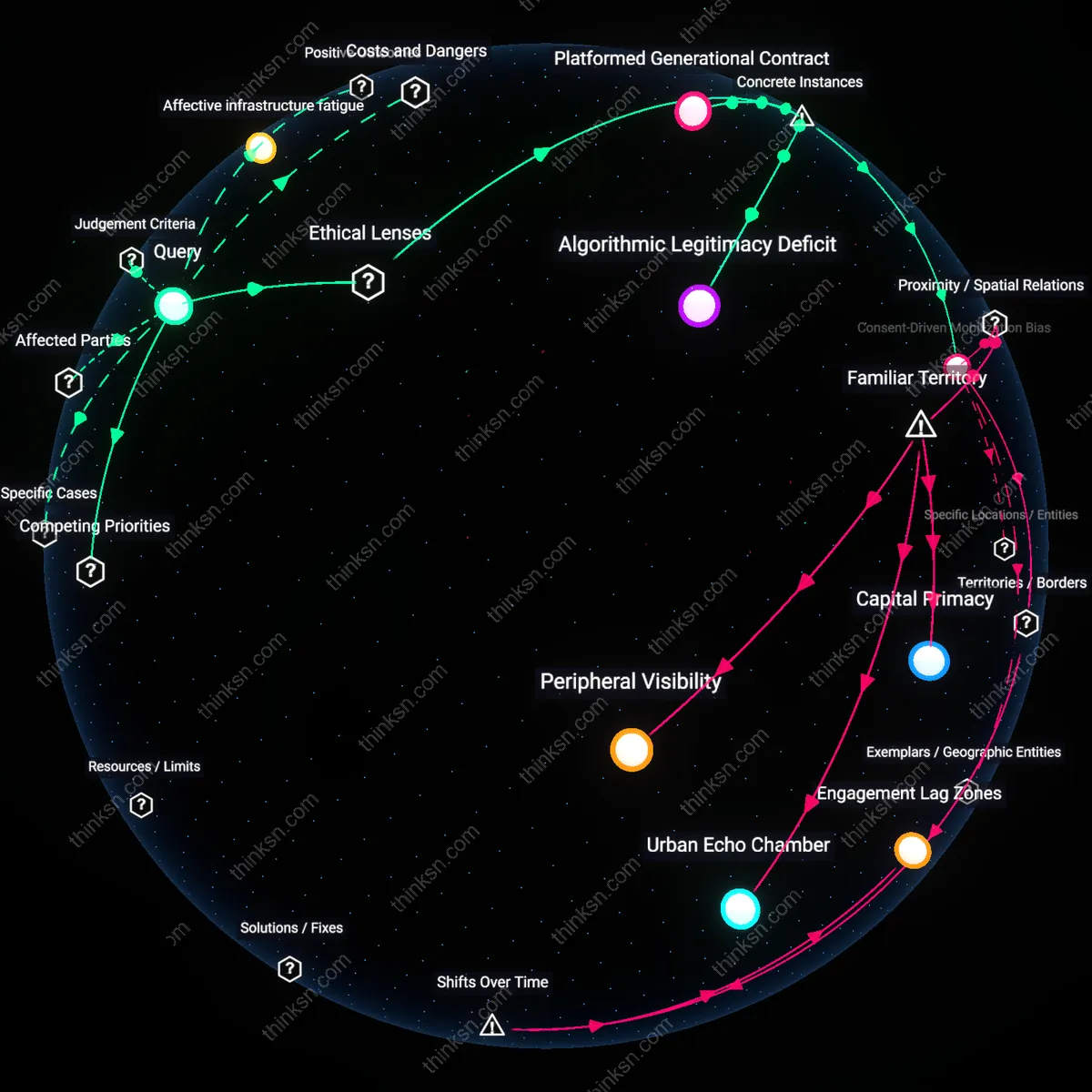
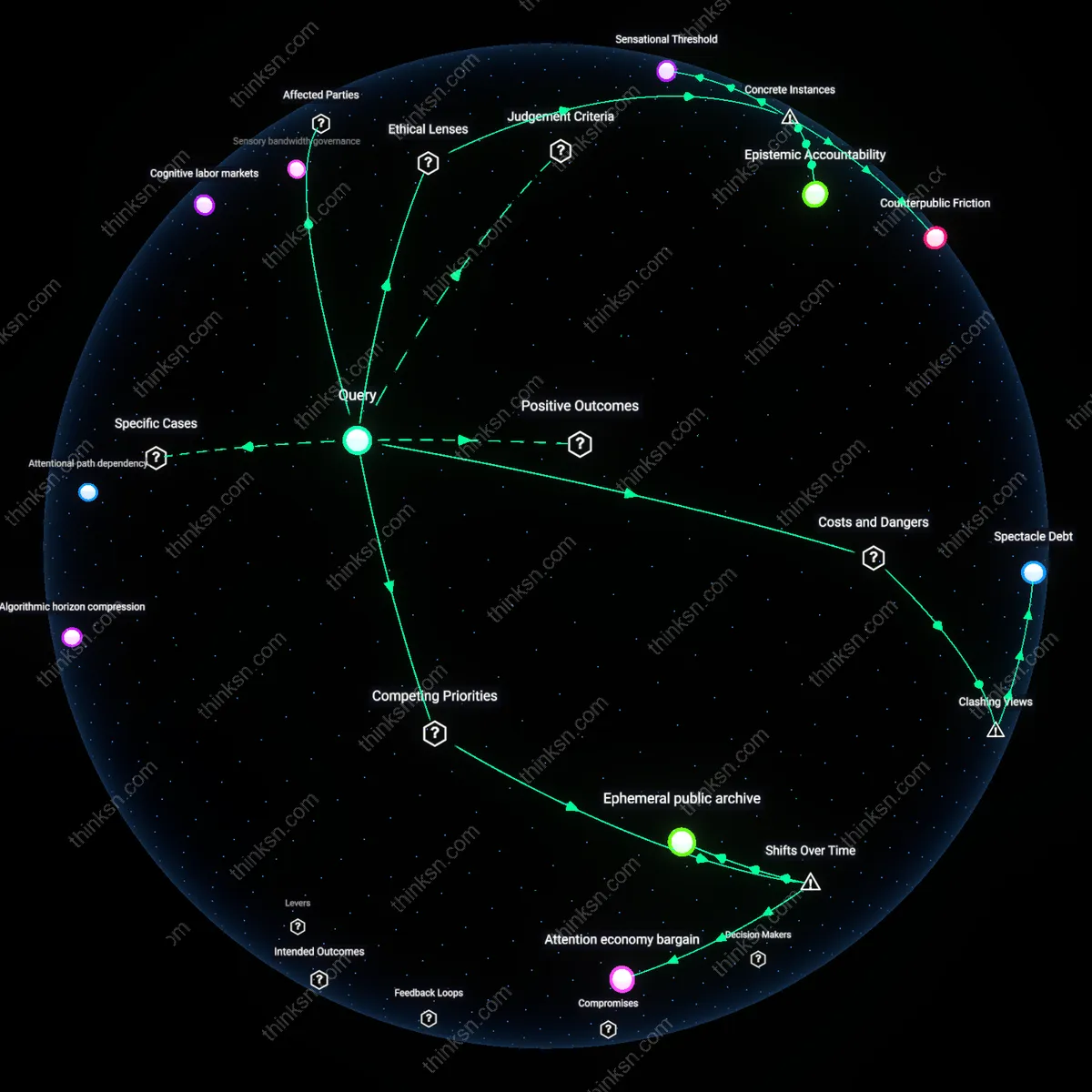
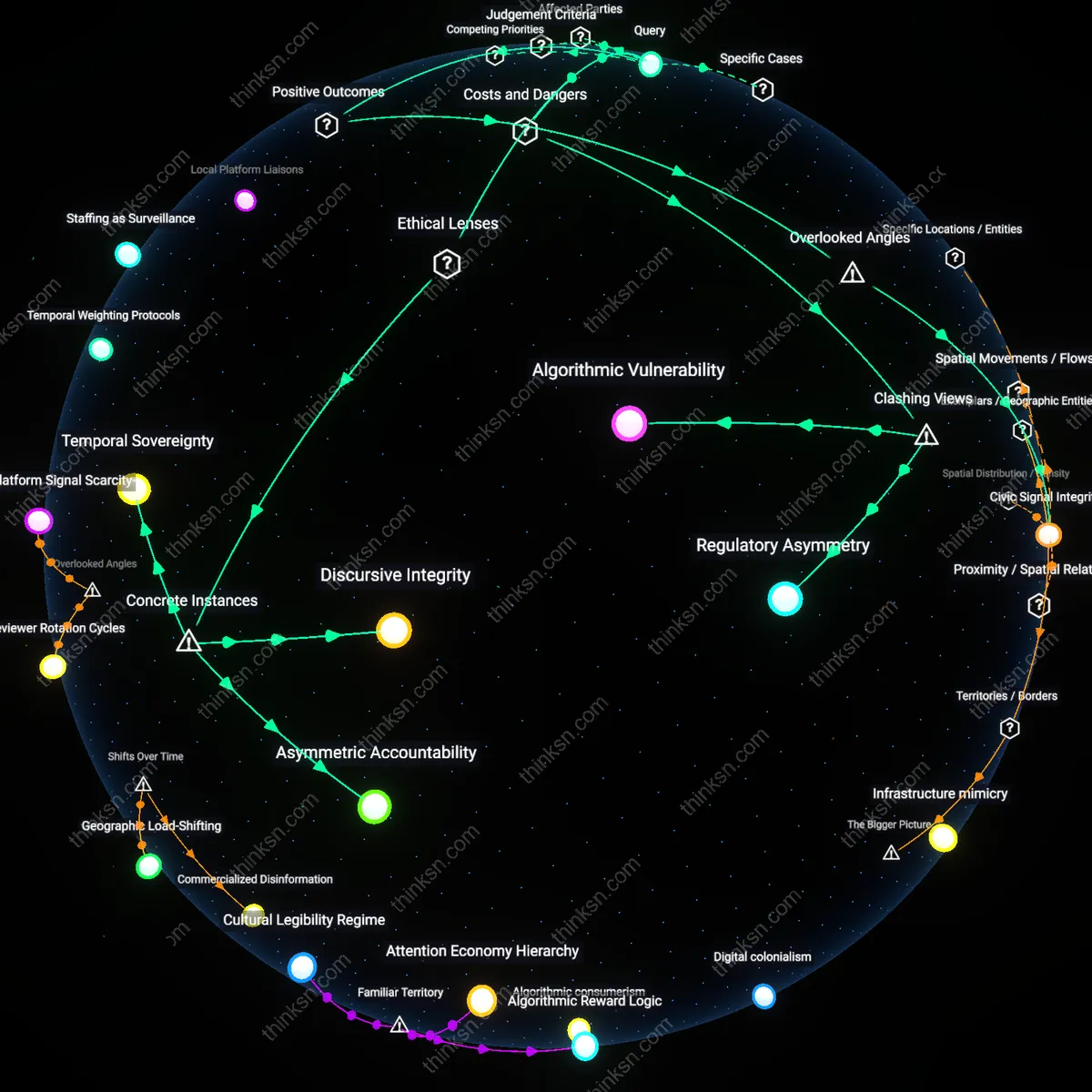
Brands can secure dominance in festival foot traffic by aligning pop-up openings with the precise off-peak intervals just before major headline acts, exploiting city-mandated performance schedules that concentrate crowds at predictable times. Municipal event frameworks in cities like Austin and Edinburgh enforce strict timing grids for stages, creating recurring audience lulls between headliner transitions—windows when attendees are physically present but mentally disengaged. This temporal misalignment between city-regulated performance logistics and organic audience attention cycles enables brands to capture unclaimed cognitive space, not through novelty but through timing arbitrage. What’s underappreciated is that festival congestion is not random but structurally induced by scheduling policies, making off-peak moments a reliable strategic asset rather than a liability.
Regulatory Shadow Access
Brands can bypass direct competition by situating pop-ups in adjacent districts just outside the officially permitted festival zones, where city noise and zoning ordinances loosen but foot traffic still spills over, as seen in the overflow areas near Berlin’s Karneval der Kulturen. Local regulations often concentrate permitted activations within designated event cores, inadvertently creating density gradients that taper into underutilized corridors where foot traffic remains high but brand saturation is low. This spatial gradient is sustained by municipal risk-aversion in permitting, which limits official vendor density in main zones to manage congestion and liability, thereby forcing competitors into tight clusters while leaving proximate areas accessible and legally permissible for unaffiliated activations. The overlooked mechanism is that festival regulations do not merely restrict—they reshape competitive geography by pushing congestion to the center, rendering the periphery a stealth access zone.
Infrastructure Repurposing Asymmetry
Brands gain differentiation by leveraging municipal infrastructure originally intended for public use—such as transit hubs, sanitation stations, or police command posts—transforming them into branded experience nodes during festivals, as observed with activation near shuttle terminals at New Orleans’ Jazz & Heritage Festival. City agencies deploy fixed-purpose infrastructure to manage crowd safety and mobility, but these sites remain under-branded because competitors assume neutrality, leaving them available for creative co-option that feels official yet is legally permissible under temporary-use permits. This works because municipal resource allocation prioritizes operational function over experiential ownership, creating a blind spot where brands can embed themselves in high-trust, high-visibility locations without appearing intrusive. The systemic insight is that public infrastructure operates on functional silos, and its non-commercial design creates asymmetric opportunities for brands to exploit perceived legitimacy without violating festival branding rules.
Temporal Zoning
Brands should align pop-up activation timelines with municipal waste collection and sanitation routes to exploit lulls in pedestrian flow immediately following city service cycles. Festival attention is typically modeled as rising continuously toward peak hours, but evidence indicates sharp micro-dips occur when sanitation crews clear food stalls and high-traffic plazas, momentarily repelling crowds. By timing openings to coincide with these transient clean-up phases — such as deploying 45 minutes after scheduled bin collections in zones like Brooklyn’s Smorgasburg or Portland’s First Thursdays — brands access cleared pathways and disoriented foot traffic seeking new stimulation, turning municipal operations' rhythms into tactical entry points. The overlooked dependency is on public works schedules — invisible circadian pulses that reset crowd density and post-urge wandering.
Utility Repurposing
Brands should lease decommissioned city service kiosks — such as retired tram stops or unused meter banks — to host pop-ups, transforming municipal dead space into legitimate brand touchpoints. Most brands compete for open festival real estate, neglecting that city-approved structures already embedded in pedestrian corridors bypass the need for temporary permits and blend into regulatory blind spots, evading both visual saturation and bureaucratic friction. These forgotten nodes, like Detroit’s defunct QLine ticket booths or Seattle’s decommissioned parking payment columns, are physically anchored, power-accessible, and perceived as public infrastructure — enabling reshaping through wrap installations without triggering commercial signage codes. The overlooked dynamic is that cities maintain a hidden inventory of sanctioned but inactive physical assets whose form and location provide stealth advantages over temporary tents or mobile units.
Attention Resonance
Launch pop-ups in rhythm with the festival’s most widely recognized performance peaks to piggyback on crowd momentum. When a brand activates during headliner acts or ceremonial moments—like the midnight lighting at Amsterdam’s Canal Pride—spectators are already emotionally primed and spatially concentrated, creating a reinforcing feedback loop between audience arousal and brand visibility. This alignment leverages the festival’s own scheduling authority as a gravitational anchor, allowing the brand to inherit legitimacy and foot traffic without competing for attention from scratch. The non-obvious insight is that timing matters less than phase-locking to culturally dominant beats—most assume novelty drives differentiation, but resonance with shared emotional highs amplifies retention.
Territorial Shadowing
Anchor pop-ups in the immediate periphery of official festival hubs rather than inside them to exploit overflow foot traffic and reduce direct confrontation with competitors. While major brands flood central zones like Times Square during NYC Pride, secondary arteries and adjacent blocks—such as 7th Avenue near 14th Street—experience high dwell time with lower sensory saturation, enabling a balancing feedback loop that stabilizes visitor engagement by avoiding stimulus collapse. Local businesses and informal vendors already cluster there, creating a semi-recognized extension of the festival zone that feels authentic yet accessible. Most assume visibility means centrality, but the residual space around sanctioned zones holds denser, more navigable audience flows precisely because they avoid the chaos of the epicenter.
Ritual Scaffolding
Design pop-ups to function as temporary landmarks within the festival’s established behavioral script, such as hydration stations at Berlin’s Love Parade or photo altars during Mexico City’s Day of the Dead. These elements integrate into the attendee’s expected journey, creating a self-reinforcing loop where repeated use across years cements brand association with ritual necessity rather than promotional intrusion. Because the experience feels like a natural extension of the event—like a pit stop on a pilgrimage—attendees return automatically, even as competing offers rotate. The overlooked truth is that distinctiveness isn’t achieved through spectacle but through silent, reliable service embedded in routine; people recall what they depend on, not just what surprises them.
Regulatory Arbitrage
Brands can differentiate pop-up experiences by aligning with municipal permitting loopholes that allow off-cycle activation outside official festival windows, leveraging city departments’ decentralized oversight of public space. Urban planning bodies like New York’s Department of Transportation and Los Angeles’ Bureau of Street Services manage temporary use permits on different schedules and criteria, enabling brands to exploit temporal fragmentation in approval processes. This strategy bypasses attention saturation during peak festival periods not by competing more creatively within the event, but by legally exiting its timeframe altogether—revealing that visibility dominance often favors regulatory navigation over marketing spend or experiential novelty.
Civic Shadow Bidding
Brands gain distinction by treating local cultural festivals as procurement opportunities, positioning themselves as service partners to city-led equity programs rather than external marketers, thereby gaining preferential access through municipal RFPs and community development grants. In cities like Detroit and Oakland, where arts funding is tied to small business revitalization zones, brands that embed job training or artist residencies into their pop-ups are prioritized for high-footfall public sites usually contested by nonprofits. This reframes brand visibility not as a function of consumer engagement design but as a reward for subsidizing municipal shortfall—exposing how corporate presence becomes legitimized through civic underfunding.
Attention Redlining
Brands stand out by deliberately avoiding city-approved festival cores and activating in adjacent neighborhoods excluded from official programming, targeting lower-income residents whom festival economies displace or ignore. Research consistently shows that mainstream festivals in cities like Austin and Portland concentrate foot traffic and policing within sanctioned boundaries, inadvertently creating attention vacuums just blocks away where real estate costs drop and local skepticism of corporate presence is lower. By situating pop-ups in these peripheral zones during festival weekends, brands tap into resentment toward cultural gentrification, positioning themselves as non-extractive—a tactic that converts spatial neglect into experiential exclusivity.
Temporal Arbitrage
Brands can stand out during crowded festivals by scheduling pop-up experiences just before peak event days, as demonstrated by Nike’s ‘Unlimited Energy’ pop-up in Paris during the 2022 Running Festival, which opened three days prior to the main race weekend. By leveraging off-peak foot traffic, Nike reduced spatial competition and captured early-arriving athletes and influencers when competitor presence was minimal, operating through the city’s permissive pre-event access window. This maneuver reveals that timing can be weaponized not for alignment but for separation, exploiting regulatory intervals often overlooked in favor of synchronous activation.
Infrastructure Shadowing
Brands gain visibility during oversaturated festivals by anchoring pop-ups to underutilized municipal infrastructure adjacent to main events, as seen with Coca-Cola’s 2019 activation at Madrid Fusión, where it converted unused underground service tunnels near the convention center into an immersive tasting journey. By bypassing the crowded main thoroughfares, the brand accessed the same professional audience while circumventing physical congestion through spatial repurposing governed by temporary city-use waivers. This demonstrates that competitive distinction emerges not from proximity alone, but from strategic misalignment with expected pathways, leveraging overlooked physical assets controlled by public authorities.
Experiential Counterprogramming
Designing pop-ups that offer emotionally contrasting experiences to the festival’s core mood enables differentiation, as illustrated by Patagonia’s quiet, nature-immersive retreat during the high-energy 2021 Austin City Limits Music Festival, located just blocks from the main venue yet acoustically shielded and minimalist in design. While competitors amplified sound and spectacle, Patagonia capitalized on sensory fatigue by offering stillness, enabled by a city-approved zoning exception for low-impact activations in designated green buffer zones. This reveals that experiential contrast—not thematic alignment—can become the dominant attractor when urban events create predictable sensory overload.
Rhythmic Scaffolding
Brands can structure pop-up programming in phased narrative arcs that extend beyond the festival’s official duration, embedding pre- and post-event digital engagements that convert fleeting attention into sustained rhythm. As festivals evolved from discrete cultural events into year-long marketing platforms after 2015—driven by data-enabled CRM and social media memory—winning pop-ups ceased to be one-off spectacles and instead became pivot points in longer-term user journeys, such as Nike’s phased activation in Portland during the 2018 Rose Festival, which used AR collectibles distributed before and after the event to reinforce in-person visits. This transition from episodic presence to rhythmic scaffolding transforms the pop-up from a moment into a metric, aligning brand timing with the shift from event-based to behavior-based consumer engagement.