Notification Infrastructure
The expectation to respond quickly to tweets originated not from user behavior but from the silent expansion of algorithmically amplified notification systems owned by platform engineers at Twitter circa 2013–2015, who optimized for engagement by prioritizing real-time alerts to high-status users, thereby creating an invisible obligation loop where delayed response implied disengagement. This mechanism functioned through backend trigger rules that favored replies from verified accounts, making responsiveness a covert requirement for maintaining social capital in professional networks; the non-obvious element is that the pressure was engineered not by social norms but by infrastructural nudge design hidden from public view, altering how lawyers, journalists, and consultants allocated attention as if under constant procedural audit.
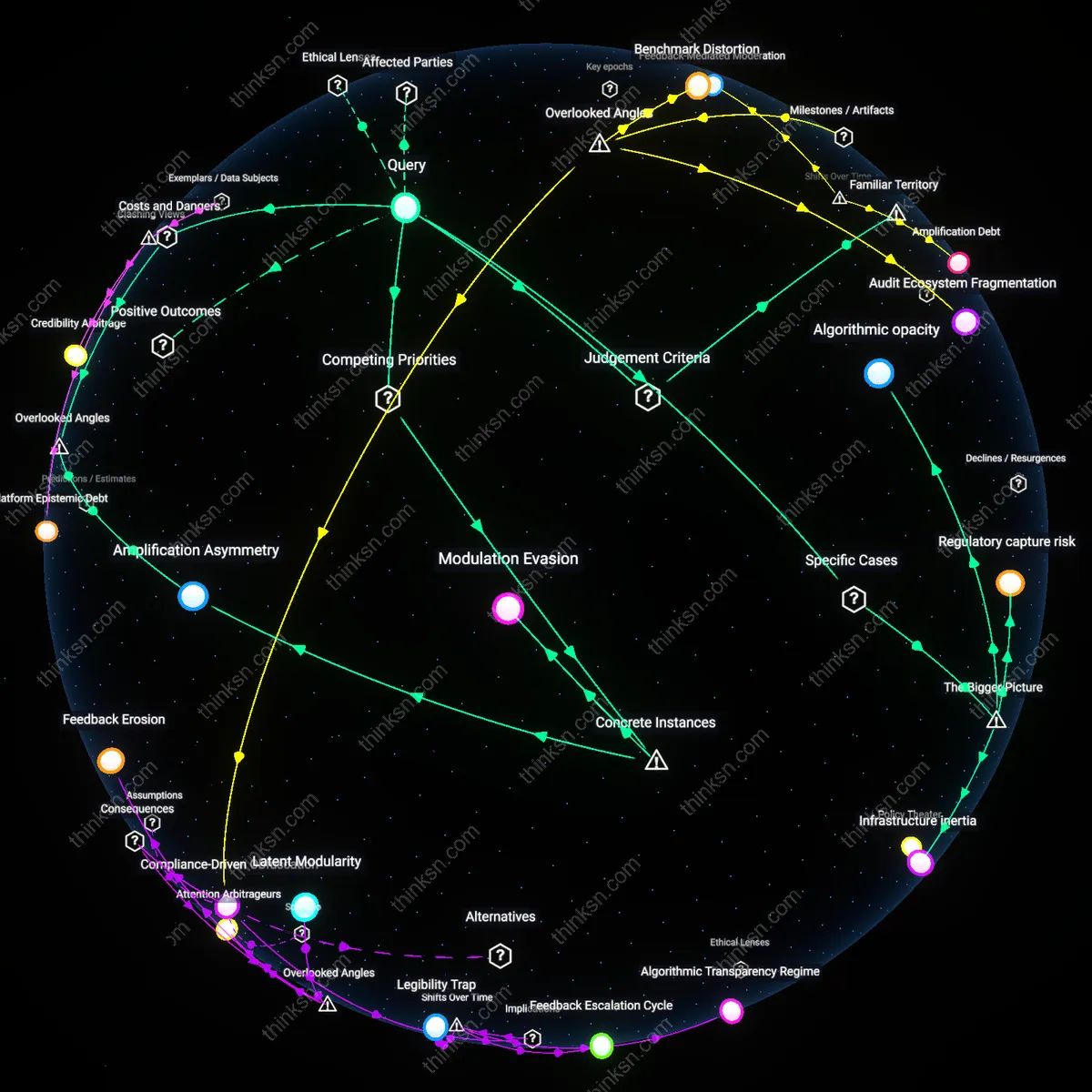
Temporal Arbitrage
The acceleration of tweet response times became entrenched when venture-backed startups in the influencer economy began treating rapid public replies as a form of temporal arbitrage—trading microseconds of attention for disproportionate visibility gains during peak engagement windows dominated by U.S. Eastern Time zone activity. This dynamic, driven by growth teams at digital agencies between 2016 and 2018, exploited the asymmetry between global audience reach and localized attention cycles, forcing professionals to shift core working hours or lose relevance; the overlooked aspect is that time-zone dominance, not individual productivity habits, structurally compressed response expectations, turning personal communication into a geographically biased market mechanism.
Crisis Proxy Testing
The norm of rapid tweet responses solidified during political crisis events such as the 2016 U.S. election and Brexit, when institutional leaders used Twitter less for dialogue than as a proxy field-test for messaging resilience under pressure, transforming response latency into a metric of organizational preparedness. In this phase, corporate comms teams, intelligence analysts, and policy advisors began simulating real-time reactions not to engage users but to assess narrative vulnerability, embedding tweet responsiveness into professional risk management protocols; the hidden dependency is that speed became a diagnostic tool rather than a conversational courtesy, reshaping time management around speculative crisis rehearsal rather than actual interaction.
Performative Availability
The expectation to respond quickly to tweets originated not from user demand for faster replies but from platform design that rewards visibility through engagement signals, which professionals internalize as a professional obligation. Social media algorithms on Twitter prioritize recent and rapidly accumulating interactions, creating a feedback loop where immediate responsiveness increases content reach, leading professionals to treat timely replies as a performative necessity rather than a communicative one. This shifts time management from strategic prioritization to constant surveillance, revealing that the core continuity—professional credibility—is now maintained through demonstrated presence rather than measurable output, challenging the assumption that speed serves efficiency.
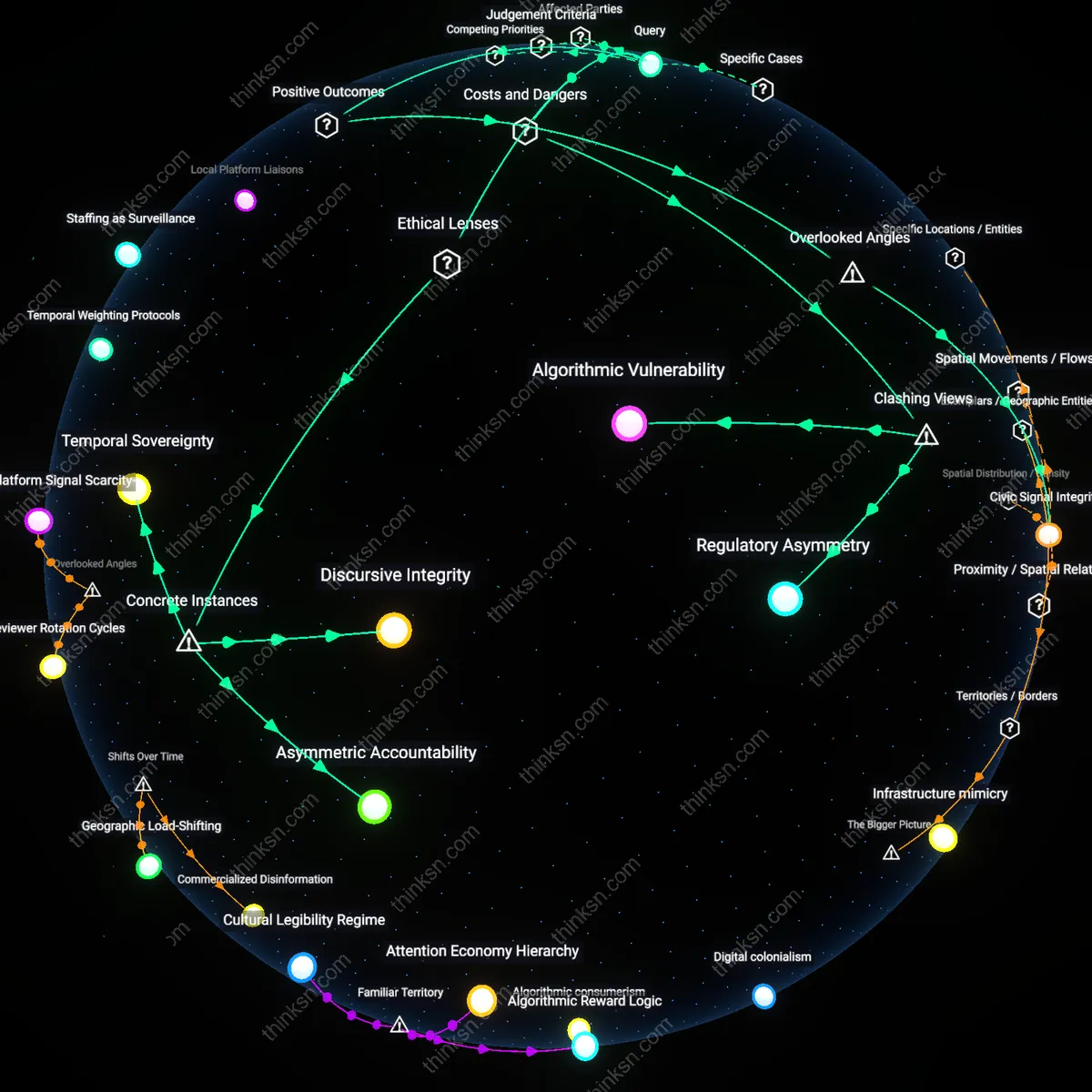
Asymmetric Accountability
The norm of rapid response emerged from the asymmetric power dynamics between public figures and their audiences, where professionals are held to standards of instant accessibility despite no reciprocal obligation from followers. Unlike traditional media interactions, which were scheduled and filtered through gatekeepers, Twitter dissolves temporal boundaries, enabling anyone to demand attention at any time—professionals then restructure their workdays around preemptive monitoring to avoid reputational risk. This reframes the time management shift not as technological adaptation but as a covert accountability regime, contradicting the dominant narrative that immediacy reflects democratic engagement.
Temporal Capture
The pressure to reply swiftly to tweets stems from the colonization of professional identity by the real-time data logic of financial trading platforms, where microseconds confer advantage, and this temporal imperative diffused into broader professional culture via early adopters in media and tech. These sectors, positioned as trendsetters, normalized treating attention cycles like market windows—fleeting and monetizable—leading others to manage time as a series of bidirectional spikes rather than sustained focus. The continuity of self-regulation under capitalism persists, but now operates through algorithmic event timing, exposing how professionals unwittingly apply high-frequency trading discipline to personal communication.
Instant Reaction Economy
The expectation to respond quickly to tweets emerged from corporate customer service teams adopting real-time responsiveness as a KPI during Twitter’s 2010–2015 growth phase, when brands like JetBlue and Amazon used public replies to defuse complaints and signal reliability. This institutionalized speed over depth, embedding tweet response time into service-level agreements and outsourcing workflows, making delay synonymous with neglect. What’s underappreciated is how this norm migrated from support desks to executive suites, reshaping leadership presence as one of visible immediacy rather than strategic silence.
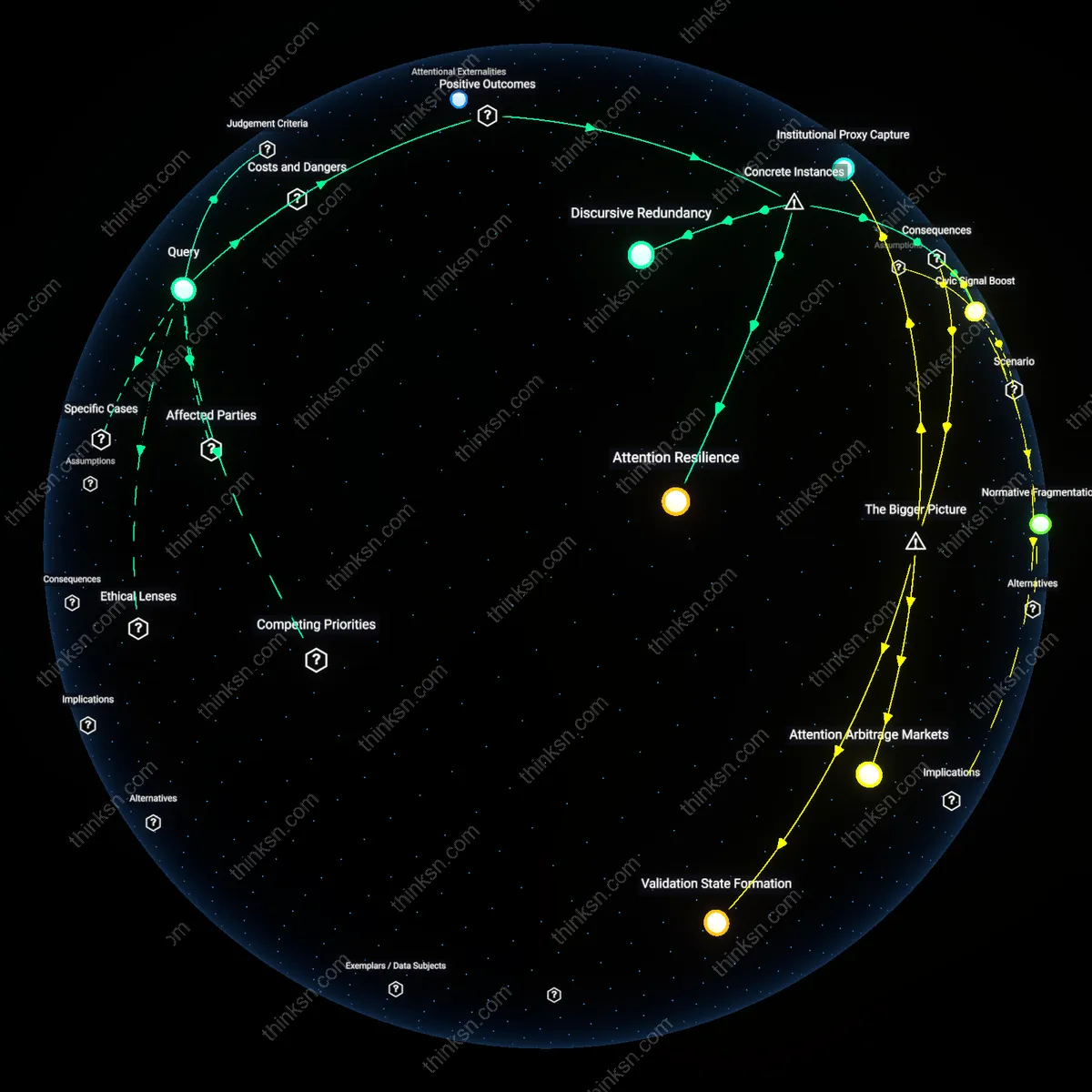
Attention Debt
Public figures and knowledge workers began treating tweet replies as social debts requiring immediate settlement after viral call-out campaigns around 2016–2017, where delayed replies were interpreted as evasion or arrogance—most visibly in political and media circles during election cycles. This forged a behavioral loop where responsiveness became a proxy for authenticity, enforced by algorithmic visibility and follower accountability. The non-obvious consequence is that professionals now pre-allocate cognitive bandwidth not just to content creation but to reaction liability, accumulating obligations that fragment deep work cycles.
Performance Availability
The rise of influencer culture and personal branding after 2018 transformed quick tweet replies into performative acts of accessibility, where figures in tech, finance, and media signal relevance through rapid public engagement, mimicking the 'always-on' ethos of gig economy platforms. This shifted time management from task prioritization to impression engineering, where unread DMs or slow replies erode perceived influence. What’s often missed is that this performance persists even as organic tweet engagement declines, because the norm has been internalized as a credibility metric across professional identity platforms like LinkedIn and Substack.
Crisis Response Protocol
During the 2017 Hurricane Maria crisis, Puerto Rican citizens used Twitter to request emergency aid, and U.S. federal agencies like FEMA began treating tweet replies as official communication channels, creating an implicit policy that responses must be issued within hours; this event codified real-time responsiveness as a professional duty in public sector communications, exposing how exceptional events can retroactively normalize time-bound digital engagement across institutional workflows.
CEO Performance Script
Elon Musk’s public adoption of late-night tweetstorms and immediate replies starting in 2018—such as his direct responses to critics and competitors like when he replied to a short-seller about Tesla within minutes—redefined executive visibility by merging personal reactivity with corporate messaging, establishing a new performative standard where speed of response became a proxy for leadership decisiveness, demonstrating how individual actor behavior can rewrite professional norms across industries through visible, repeated acts.