Does Remote Work Boost Productivity or Hide Performance Biases?
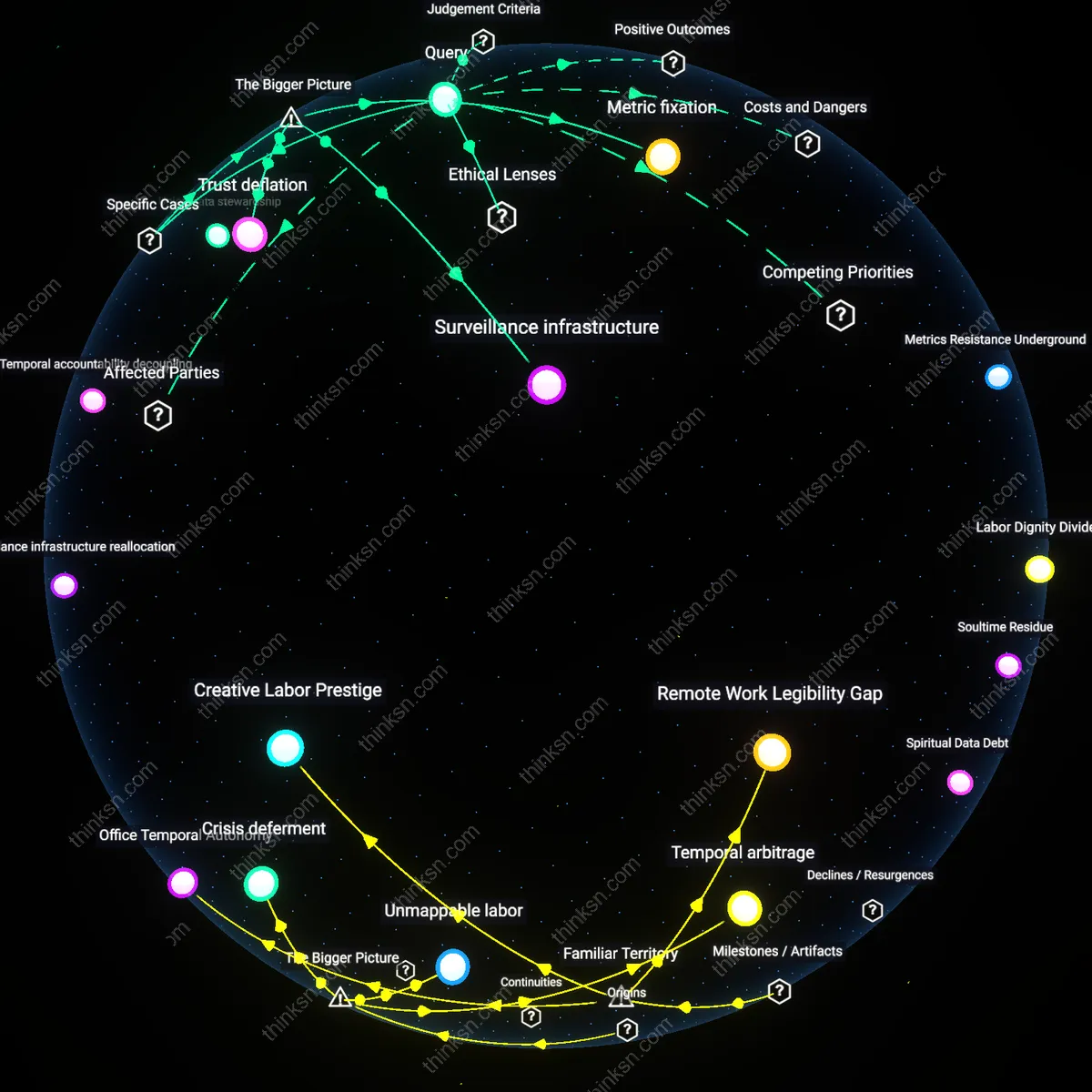
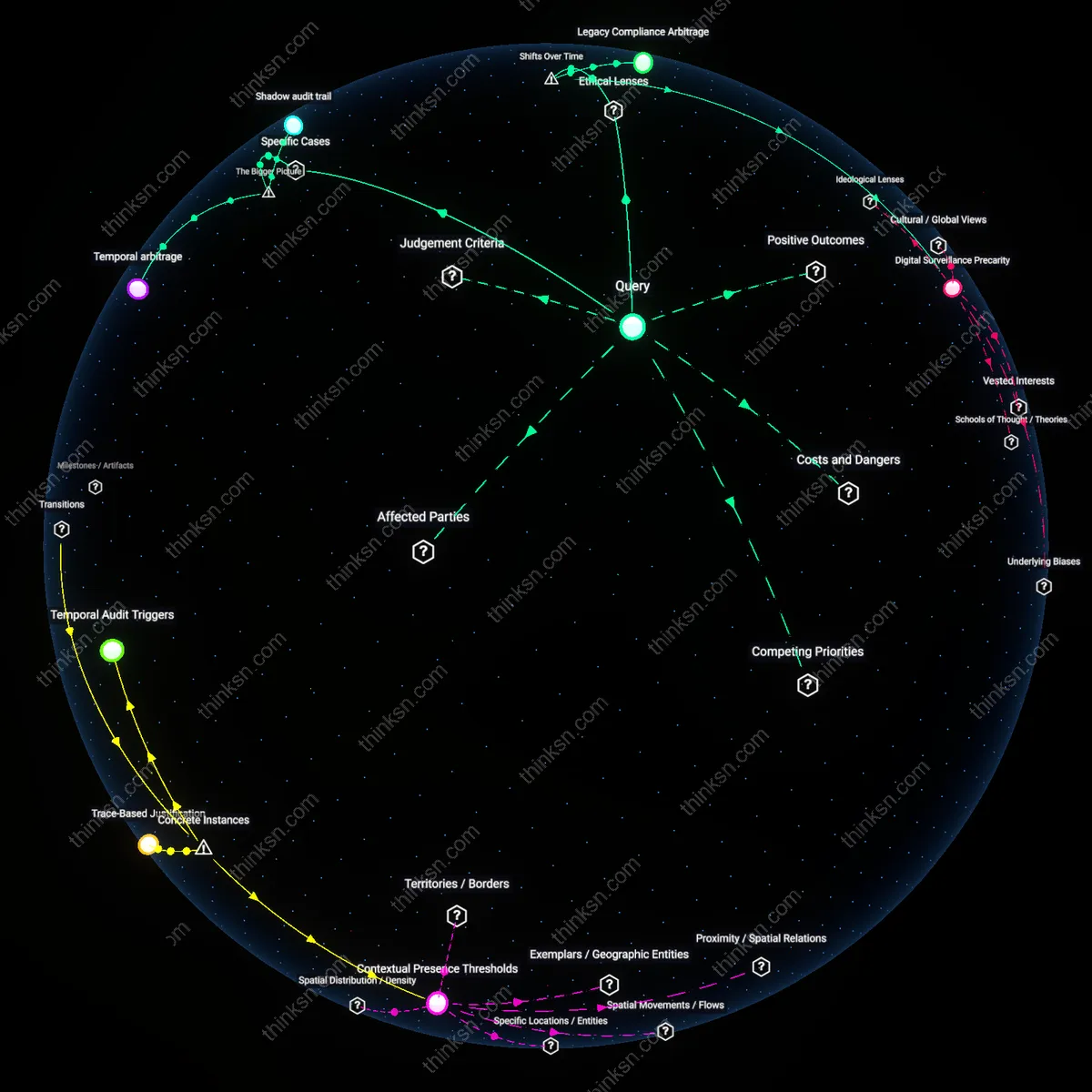
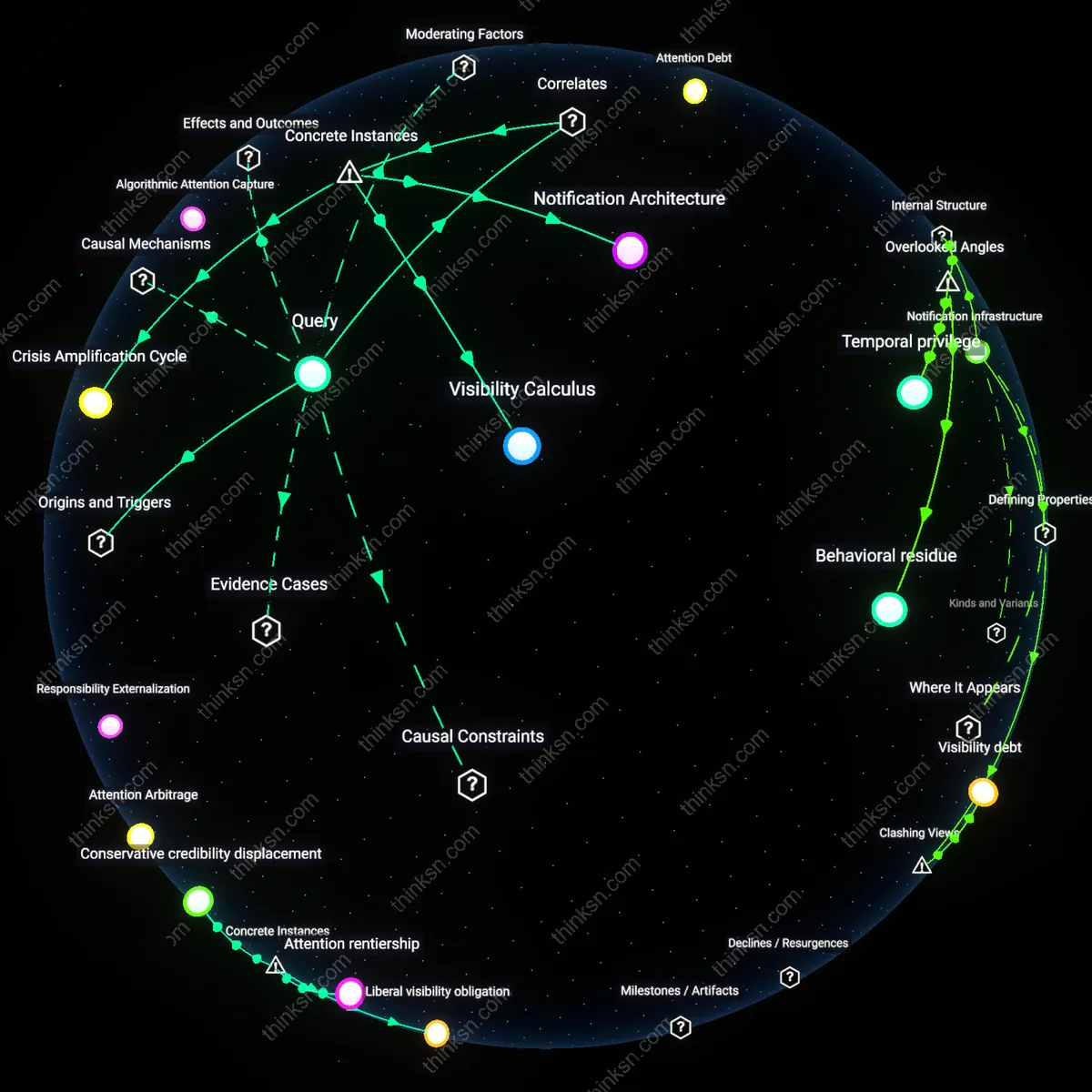
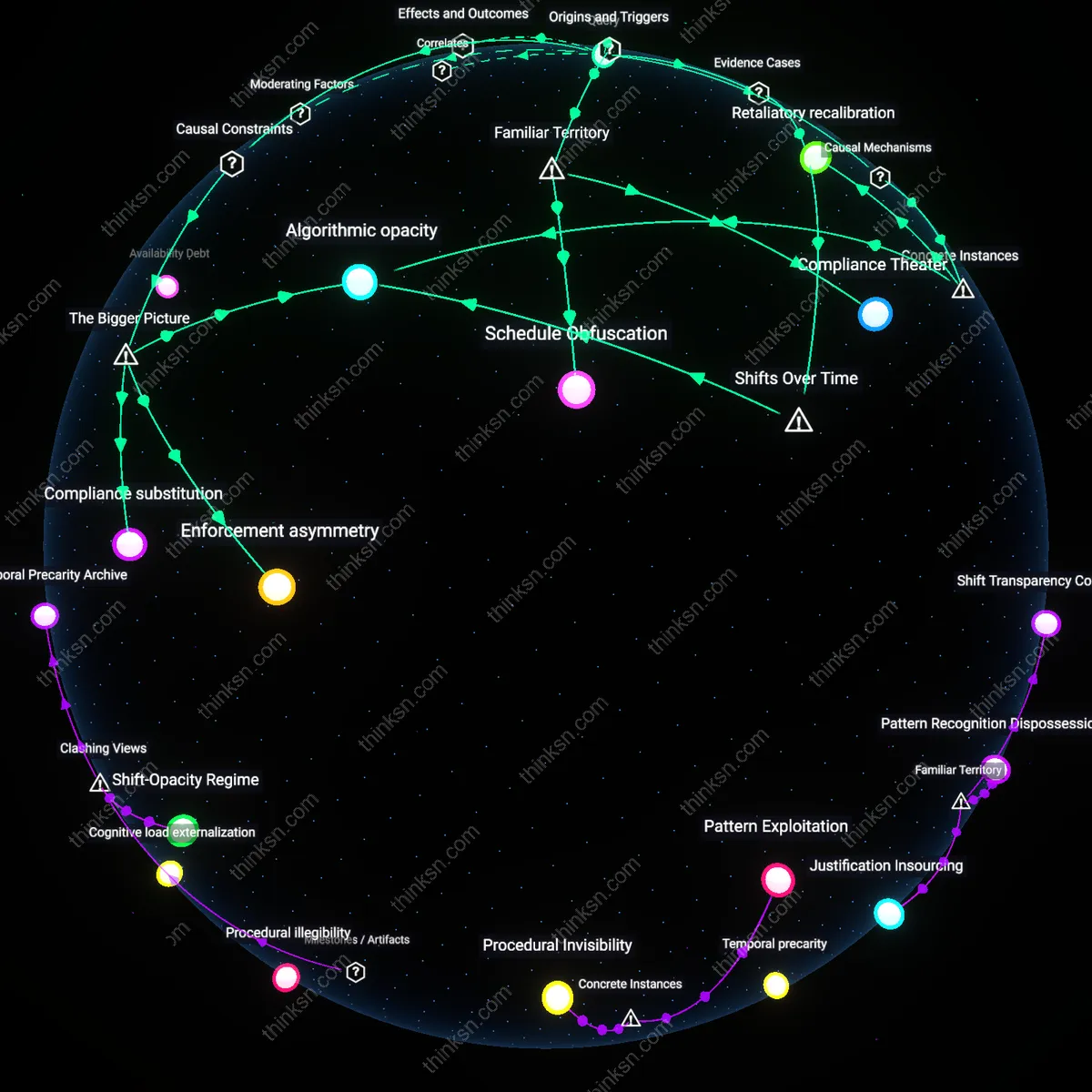
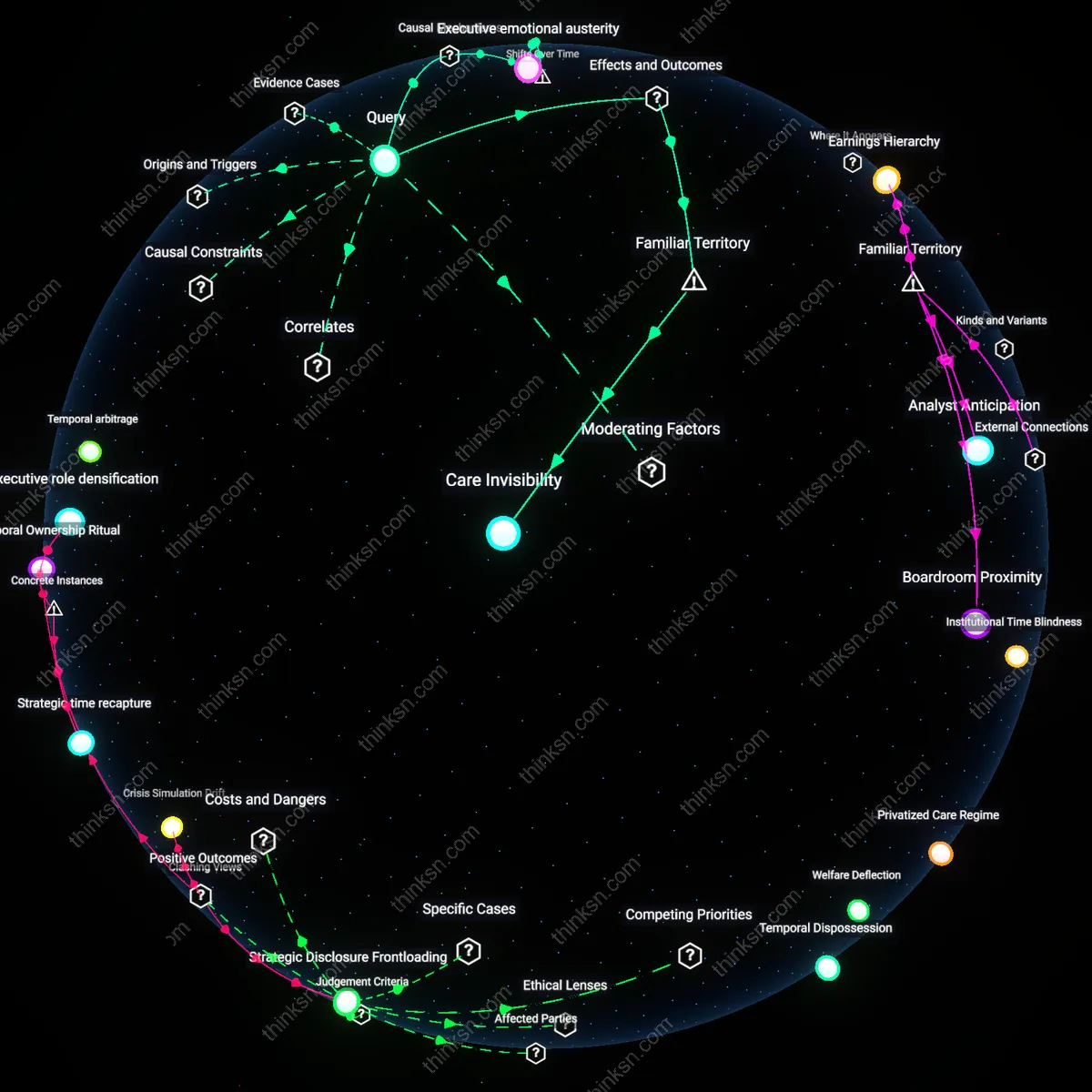
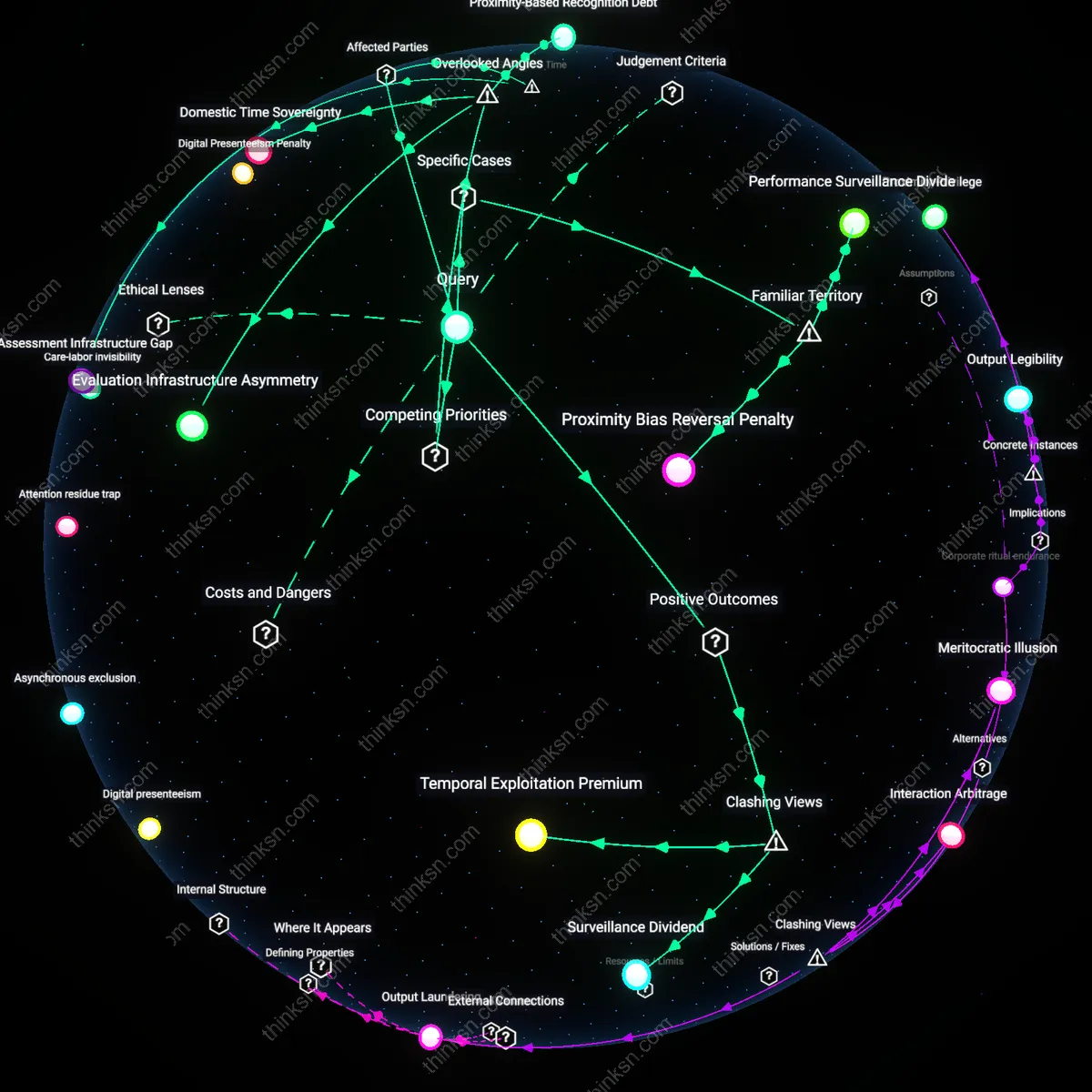
Analysis reveals 9 key thematic connections.
Key Findings
Assessment Infrastructure Gap
The belief that remote work boosts productivity overlooks how unequal access to performance-monitoring tools entrenches disparities between salaried professionals and hourly workers. Since the shift to digital platforms in the early 2010s, white-collar firms have adopted granular tracking software—keystroke metrics, login times, screen monitoring—that generate quantifiable performance data, while service and gig workers, who transitioned to remote-like arrangements without such infrastructure, remain assessed through opaque managerial discretion. This divergence, which intensified during the pandemic-driven remote surge, institutionalizes an invisible hierarchy where visibility equals value, rendering those outside the digital surveillance perimeter both less measurable and more vulnerable to biased evaluations. The non-obvious consequence is not that remote work reduces productivity, but that the very capacity to *prove* productivity became unevenly distributed across labor sectors.
Home-as-Proxy Standardization
The assumption that remote work increases productivity obscures how post-2020 normalization of home-based labor codified middle-class domestic conditions as a universal benchmark for performance assessment. As knowledge workers from dual-income households or high-income renters transitioned to home offices during the pandemic, their measured output benefited from spatial and temporal autonomy—conditions that institutions began treating as standard rather than privileged. In contrast, low-income, single-parent, or multi-generational households, where remote work often meant competing for bandwidth and privacy, produced less favorable performance metrics under the same evaluative frameworks, not due to effort but situational friction. This shift naturalized a new mode of evaluation that masks structural inequality by converting domestic privilege into perceived professional reliability, thereby redefining equity through a lens of invisible domestic capital.
Surveillance Dividend
The belief that remote work boosts productivity actively obscures how performance metrics now favor employees who generate more digital exhaust, rewarding visibility over output. Knowledge workers in global tech firms are tracked through login times, chat frequency, and file activity, which are disproportionately captured in salaried roles with digital deliverables—creating a system where responsiveness is conflated with efficacy, especially in U.S.-based teams managing offshore contractors who lack equivalent digital footprints. This shift entrenches a new form of meritocracy based on traceability rather than tangible results, privileging those already embedded in high-bandwidth corporate cultures while marginalizing quieter contributors or those in asynchronous time zones.
Temporal Exploitation Premium
The reported rise in remote productivity stems not from efficiency but from the erosion of temporal boundaries, allowing employers to extract labor beyond traditional hours without compensatory recognition. In multinational companies like SAP or Shopify, asynchronous communication norms enable managers in North America to dispatch tasks to remote employees in Southeast Asia late in the day, expecting responses the next morning—effectively extending the workday for the recipient without formal acknowledgment. Performance evaluations then credit individuals for rapid turnaround times, ignoring the hidden labor of time-zone arbitrage and reinforcing inequities under the guise of responsiveness metrics.
Evaluation Infrastructure Asymmetry
Belief in remote work productivity gains overlooks how asymmetrical access to performance-tracking infrastructure skews assessment toward visibly active remote workers while disadvantaging those with outdated devices or spotty connectivity. In practice, digital productivity metrics—such as login frequency, response latency, or screen activity—are often conflated with output quality, privileging employees in well-resourced households capable of maintaining high digital presence despite equivalent or lower actual performance. This infrastructural bias is rarely acknowledged in productivity debates but systematically penalizes lower-income remote workers who rely on shared or subpar technology, reframing performance disparities as personal failings rather than embedded technical inequities. The non-obvious insight is that the tools used to assess remote productivity are themselves distributed unevenly, making the metric a proxy for socioeconomic status.
Domestic Time Sovereignty
Remote work productivity narratives typically ignore that employees in caregiving-intensive households, especially women and minorities, face eroded time sovereignty—their ability to control attention and schedule continuity—despite identical job roles. Constant micro-interruptions from dependents, often unacknowledged in performance reviews, fragment deep work and amplify the cognitive load required to maintain output, yet evaluators rarely adjust expectations for such contextual friction. This creates a hidden tax on productivity where equitable performance requires disproportionate effort, rendering comparisons between workers misleading when home ecologies differ. The overlooked dimension is not flexibility per se, but the uneven distribution of uninterrupted temporal space within homes, which becomes a silent determinant of remote work success.
Proximity-Based Recognition Debt
Organizations that equate remote productivity with individual output ignore the accumulation of recognition debt—credits workers earn through informal visibility, such as hallway conversations or impromptu problem-solving—that traditionally accrue to office-based employees and influence promotion and reward decisions. Remote workers, especially those from marginalized backgrounds lacking institutional sponsorship, generate equivalent or higher tangible output but remain invisible in the informal networks where reputational capital is built, leading to disparities in career advancement despite productivity claims. This misalignment reveals that productivity metrics often capture only transactional output, not relational value, which remains embedded in physical proximity despite the formal shift to remote operations. The underappreciated factor is that recognition, unlike task completion, does not scale digitally without intentional design.
Performance Surveillance Divide
Remote work increases digital output tracking at companies like Amazon and call centers, where algorithms monitor keystrokes, response times, and activity gaps—mechanisms that privilege measurable, repetitive tasks over cognitive labor, thus widening assessment gaps between roles. This system makes visible how productivity metrics conflate visibility with value, particularly disadvantaging creative or strategic roles that resist quantification. The non-obvious insight is that the very tools touted to prove remote productivity actually embed inequity by design, favoring worker types already aligned with industrial-era surveillance logic.
Proximity Bias Reversal Penalty
In traditional corporate hierarchies such as those at legacy banks in New York or London, performance has historically been judged through visibility, mentorship access, and informal networking—advantages now disrupted by remote work. When remote productivity is celebrated, it overlooks how women, minorities, and junior staff who once relied on in-person advocacy face diminished recognition despite strong outputs. The hidden effect is not that remote work creates inequity, but that its productivity metrics expose a prior system of biased favoritism now being disintermediated—penalizing those previously dependent on proximity-based rewards.