Interoperability Mandates
Governments must enforce technical interoperability standards on dominant platform providers to enable portable photo metadata structures. Regulatory bodies like the European Commission or U.S. Federal Trade Commission can use competition law to compel companies such as Apple, Google, and Meta to adopt open, standardized schemas for photo albums, facial tags, timestamps, and contextual captions—structures that currently remain siloed by proprietary architectures. This intervention disrupts the intentional friction these firms build to lock users into ecosystems, revealing that the barrier to memory portability is not technical feasibility but anti-competitive control. The non-obvious insight is that user agency over personal data depends less on individual tools than on legally mediated power rebalancing between platforms and people.
Memory Custodianship Networks
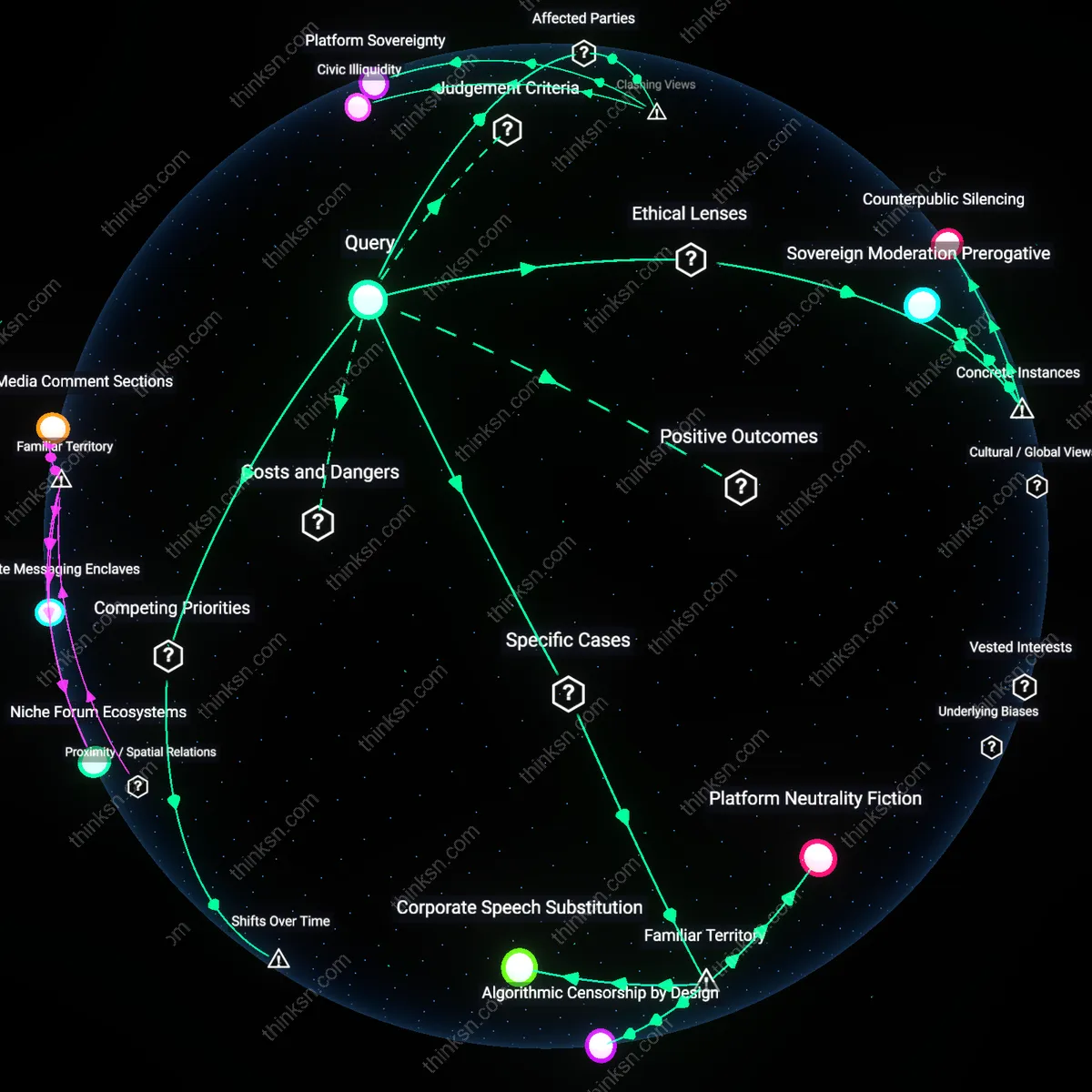
Decentralized storage cooperatives must emerge as trusted custodians of personal photo collections, operating outside corporate or state control. These networks—modeled on initiatives like the Solid Project or regional data trusts—would allow users to store photo memories in sovereign pods, linked through verifiable relationships (e.g., family groups, event-based albums) using cryptographic identifiers and consent-layered APIs. Their significance lies in redefining ownership not as solitary possession but as dynamic, socially negotiated stewardship, where memory meaning persists across platforms via persistent relational anchors. The underappreciated dynamic is that emotional continuity in digital memory relies on institutional forms that recognize collective, evolving authorship rather than static individual uploads.
Semantic Continuity Protocols
Tech consortia must standardize semantic annotation frameworks that preserve affective context when photos migrate across platforms. Bodies like the W3C or IEEE need to codify machine-readable metadata fields for emotional valence, interpersonal significance, and narrative sequence—attributes currently lost when an album moves from iCloud to Google Photos. These protocols function through shared ontologies that translate subjective meaning into interoperable data, enabling algorithms on receiving platforms to reconstruct relational structures (e.g., “birthday party with close friends”) rather than just timestamps and geotags. The overlooked mechanism is that meaning preservation depends not on higher-resolution images but on encoding the invisible social grammar of memory itself.
Seamless Metadata Portability
Platforms must standardize and exchange embedded photo metadata—such as timestamps, facial recognition tags, GPS coordinates, and album associations—through open APIs. This enables users to move personal image collections across services like Google Photos, iCloud, or Dropbox while preserving contextual relationships. Most people already expect their photos to 'just work' when transferred, but the underlying lack of interoperable metadata frameworks breaks meaning during migration. The non-obvious reality is that the technical infrastructure for rich metadata transfer exists, yet is intentionally siloed by platform owners to maintain user lock-in.
Universal Memory Format
A cross-platform file format that bundles images with their emotional and relational context—like event narratives, shared ownership among family members, and chronological storylines—must become the default storage unit. Consumers commonly think of photos as standalone images, but emotionally, they recall them as parts of moments, stories, or shared histories. The underappreciated insight is that people don’t want to move 'files'—they want to transplant 'memories,' which requires redefining the photo as a dynamic, social object. Adoption would depend on cooperation between device makers, OS vendors, and social apps to treat this format as native.
Persistent Identity Anchor
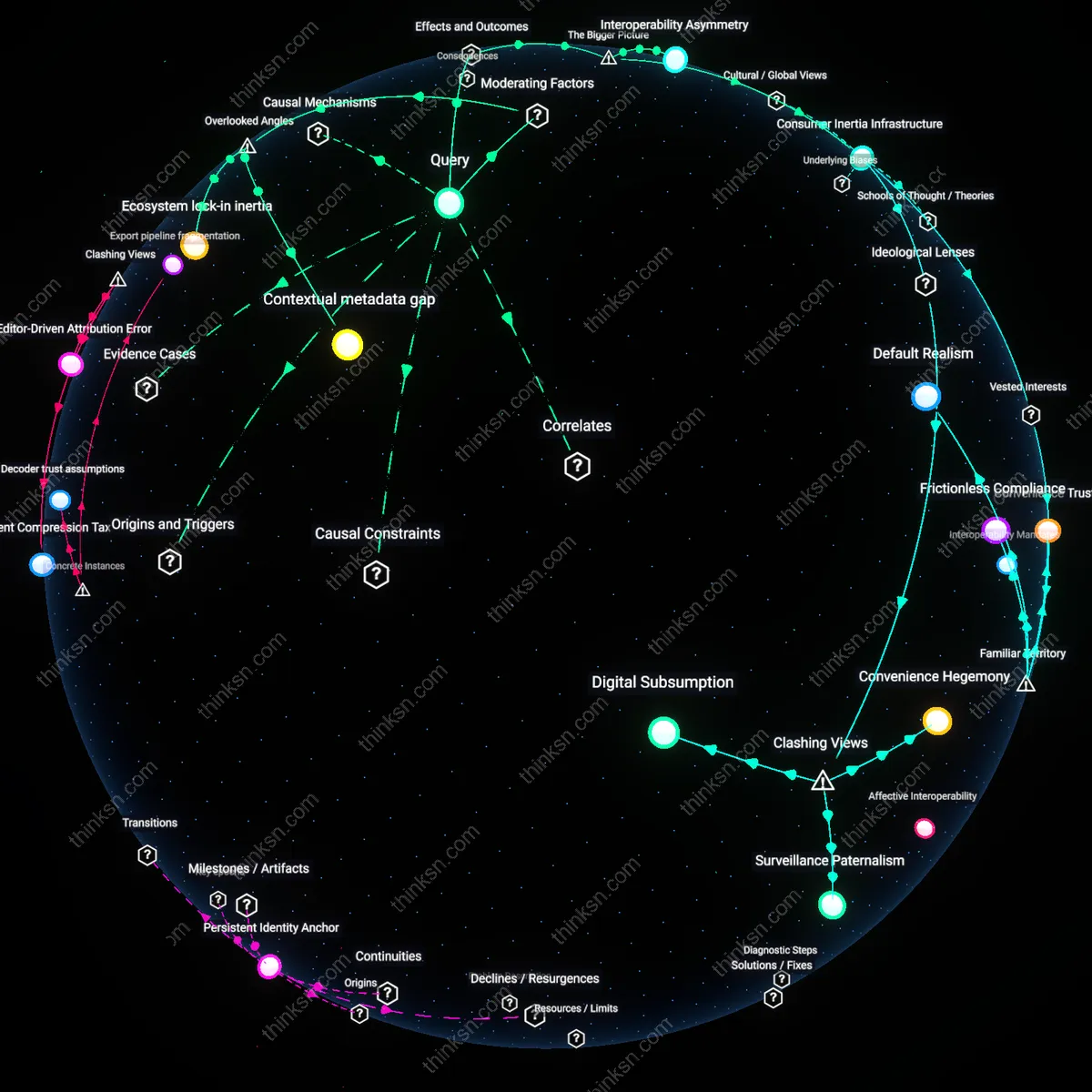
Users need a single, portable digital identity system—like a personal data vault or decentralized identifier—that maintains ownership and access control across platforms. People already associate photo collections with their personal identity (e.g., 'my iPhone memories' or 'my Facebook albums'), but switching platforms severs those links because identity is vendor-bound. The overlooked mechanism is that memory portability fails not due to technical limits, but because identity remains fragmented across walled gardens. A persistent anchor would let users assert continuity of self across platforms, preserving relationships embedded in shared albums or time-based archives.
Memory Schema Entanglement
Users must first encounter photo-sharing platforms that expose schema incompatibilities during import/export, making visible the loss of relational context—like shared albums or event sequences—across ecosystems. This friction reveals how metadata standards are not merely technical but encode social assumptions about memory, compelling users to actively reconcile meaning when transferring collections; the overlooked dynamic is that interoperability failures, not seamless transfers, are the critical trigger for users to recognize and preserve relational depth, as pain points catalyze intentional curation rather than passive migration. What matters is not universal standards but the user’s moment of confrontation with broken context, which transforms abstract value into actionable effort.
Curatorial Labor Recognition
Platforms must introduce visible attribution systems that credit users not just for uploading photos but for assembling albums, tagging relationships, or sequencing narratives—treat the act of memory-making as labor akin to content creation. When services display creator contributions in downstream platforms after migration, users gain incentive to port meaning-rich structures because their interpretive work is preserved and rewarded; the overlooked dimension is that affective value is tied not to images alone but to the unseen editorial choices behind them, and recognition of curation transforms personal archives into transferable social capital. This shifts the economic logic from data ownership to interpretive authorship.
Event Topology Anchoring
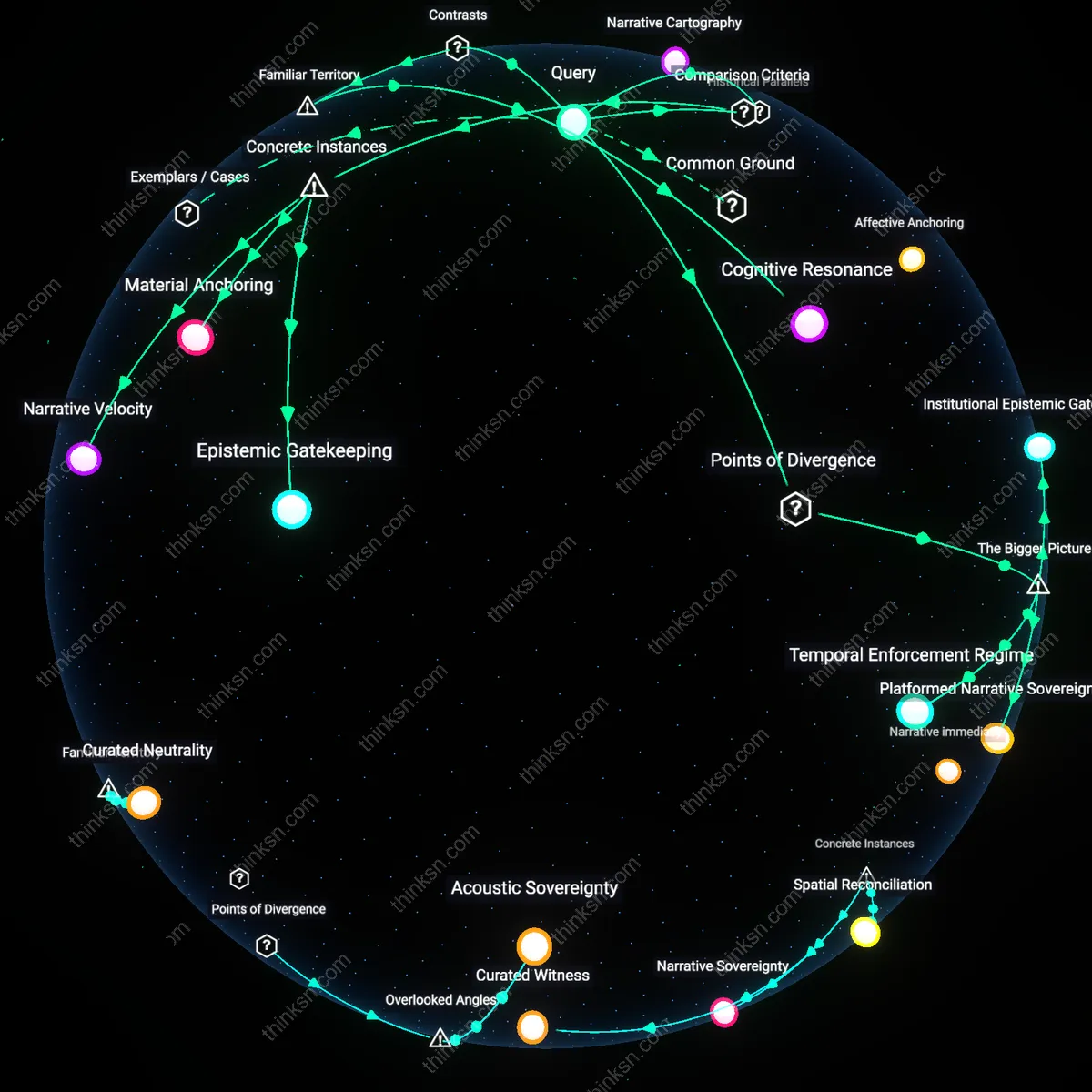
Migration tools must bind photo collections to independently verifiable social events—such as ticketed concerts, public festivals, or geotagged protests—whose existence and timing are externally corroborated by civic or commercial records. When a user’s private album links to a public event timeline, the relational meaning (who was present, when, in what sequence) becomes portable because it is anchored outside any single platform’s infrastructure; the overlooked dependency is that memory coherence relies not on user memory or proprietary labels but on shared, real-world temporal scaffolding that survives platform transitions. This reframes photo preservation as coordination with collective temporal infrastructure rather than personal data management.
Curatorial Portability
Users will begin moving photo memories across platforms when metadata standards evolve to encode relational context—captions, dates, facial identities, and emotional tags—into universally readable formats; this shift became feasible only after 2020, when major tech firms aligned on open metadata schemas under regulatory pressure, transforming photos from static files into semantically rich objects that retain meaning in transit. Prior to this, interoperability failed not from technical incapacity but because meaning was siloed within proprietary algorithms; the post-2020 standardization reframed photos as archival artifacts rather than engagement tools, enabling users to curate collections that survive platform churn. This transition reveals how regulatory intervention catalyzed a functional redefinition of personal data in the post-platform era.
Memory Sovereignty
Photo memories will move with their meaning intact only when user-side infrastructure—such as personal data vaults or decentralized identity systems—becomes the primary locus of memory management, shifting control from platforms to individuals; this transition began in the late 2010s as early adopters experimented with self-hosted galleries and blockchain-based attribution ledgers, foreshadowing a broader decoupling of storage, curation, and sharing. Unlike prior efforts focused on platform-led export tools, this shift treats users as archival authorities, not passive data subjects, making meaning portable because it is authored and maintained at the edge of the network. The emergence of user-operated memory hubs signals a reversal of the centralization logic that defined social media’s peak.
Affective Interoperability
Users will carry photo meanings across platforms when emotional context is formally recognized as transferable data, codified through API-accessible sentiment logs and relationship graphs developed during the rise of AI-driven mental health tracking between 2023–2026; these systems, initially designed for therapeutic use, began capturing the affective valence of images—joy, grief, intimacy—in structured form, which later became portable by design. Unlike traditional metadata, this affective layer captures the subjective significance of memories, allowing new platforms to reconstruct the emotional logic of a collection upon import. This evolution marks a shift from visual fidelity to experiential fidelity in digital memory, revealing emotional metadata as the missing link in cross-platform continuity.
Metadata Portability Lock-in
Users must be able to export and import photo albums with embedded relational metadata—such as captions, timestamps, facial recognition tags, and geolocation links—intact across platforms, as demonstrated by Apple’s failure to support the IEEE 1636.1 standard for digital photo preservation in iCloud Albums. Despite the standard enabling cross-platform continuity of memory context, Apple’s proprietary encoding of facial recognition and shared album logic prevents reconstructed relationships on platforms like Google Photos or Flickr, revealing that technical interoperability alone fails when semantic metadata is siloed. This exposes the non-obvious reality that file migration is not equivalent to memory migration when contextual data structures are controlled lexically by platform-specific ontologies.
Curatorial Labor Displacement
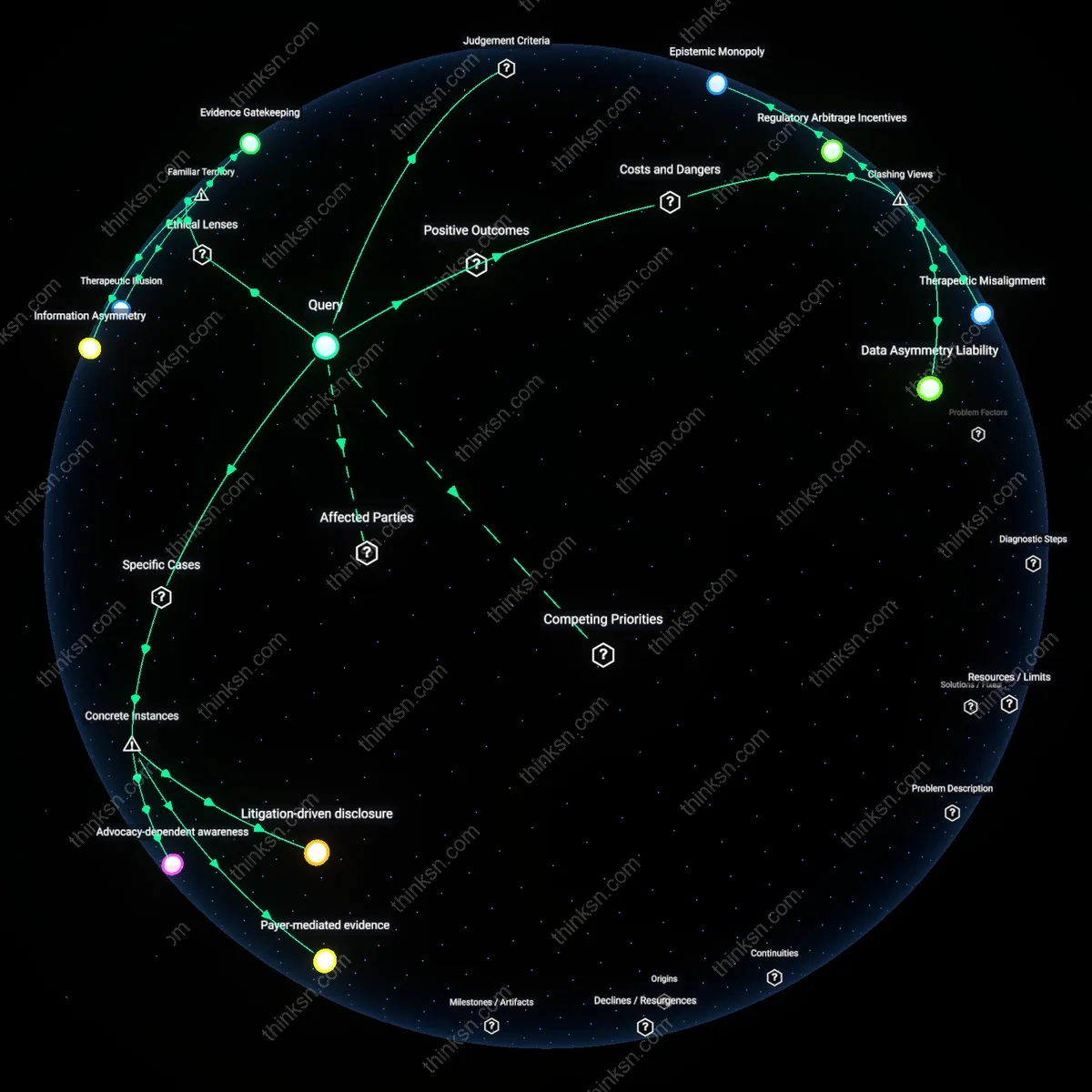
Platforms must recognize user-led curation as a form of meaningful labor that must be preserved in migration, a condition unmet when Facebook deprecated the "Download Your Information" tool’s ability to retain album sequencing and comment-thread context in 2019. When users attempted to move decade-old family photo collections to decentralized archives, the flattening of narrative sequence into undifferentiated JPEGs erased the affective logic of how memories were constructed over time. This illustrates the underappreciated fact that memory is scaffolded not by images alone but by the procedural labor of annotation, ordering, and social interaction—an invisible infrastructure discarded as non-data by most export systems.
Emotional Schema Mismatch
Migration tools must align with users’ emotional schemas for memory retrieval, as demonstrated by the collapse of Microsoft’s Moments app in 2017, which used AI to auto-organize personal photos by detected events but failed to preserve the familial or idiosyncratic naming conventions users associated with those events. When exported to OneDrive or shared via link, the AI-generated labels like "Beach Trip #3" replaced meaningful human tags like "Dad’s Last Summer," breaking emotional continuity despite perfect technical fidelity. This reveals the non-obvious pitfall that computational accuracy in photo organization can actively damage memory integrity when it overrides subjective, socially-constructed meaning frameworks.