Feedback Escalation
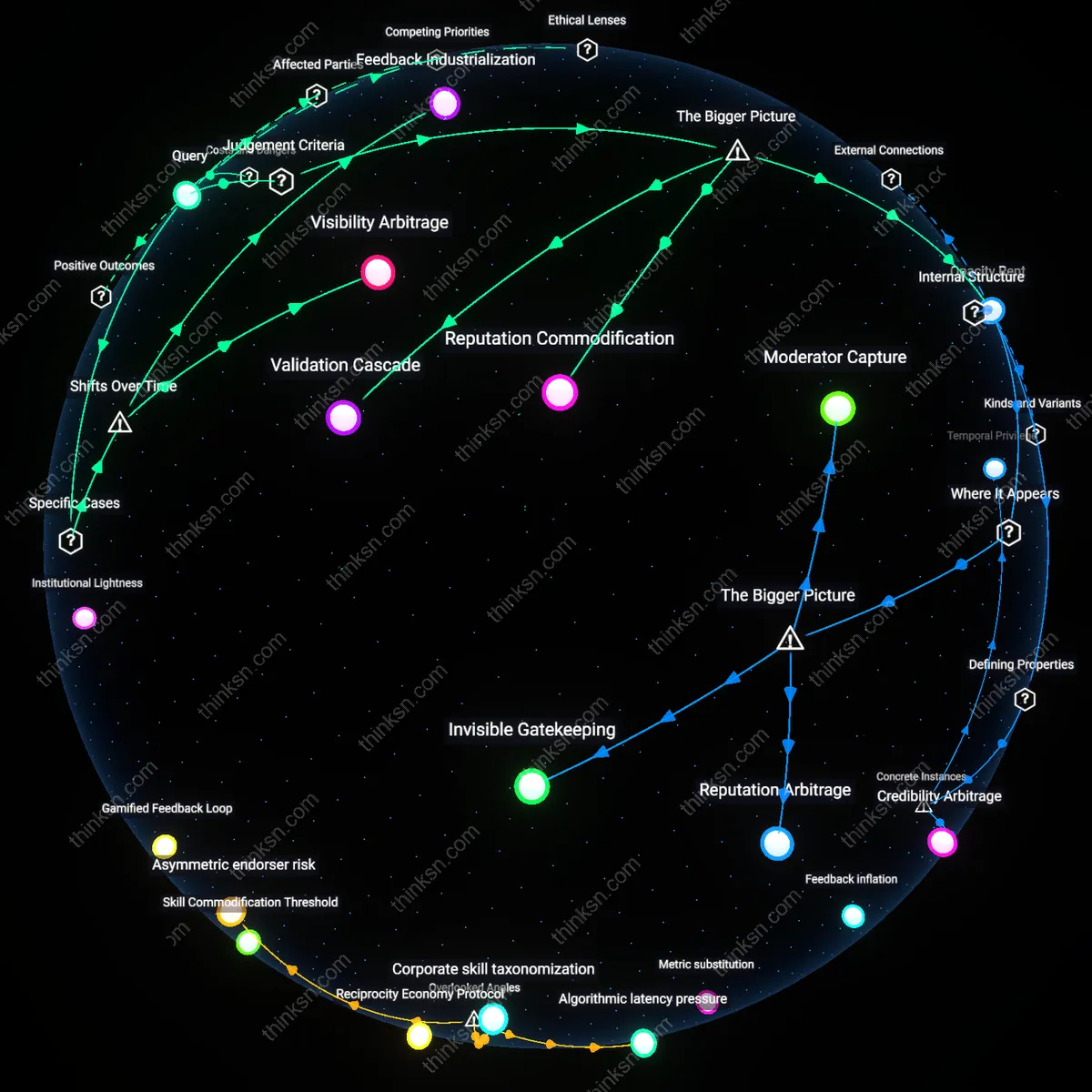
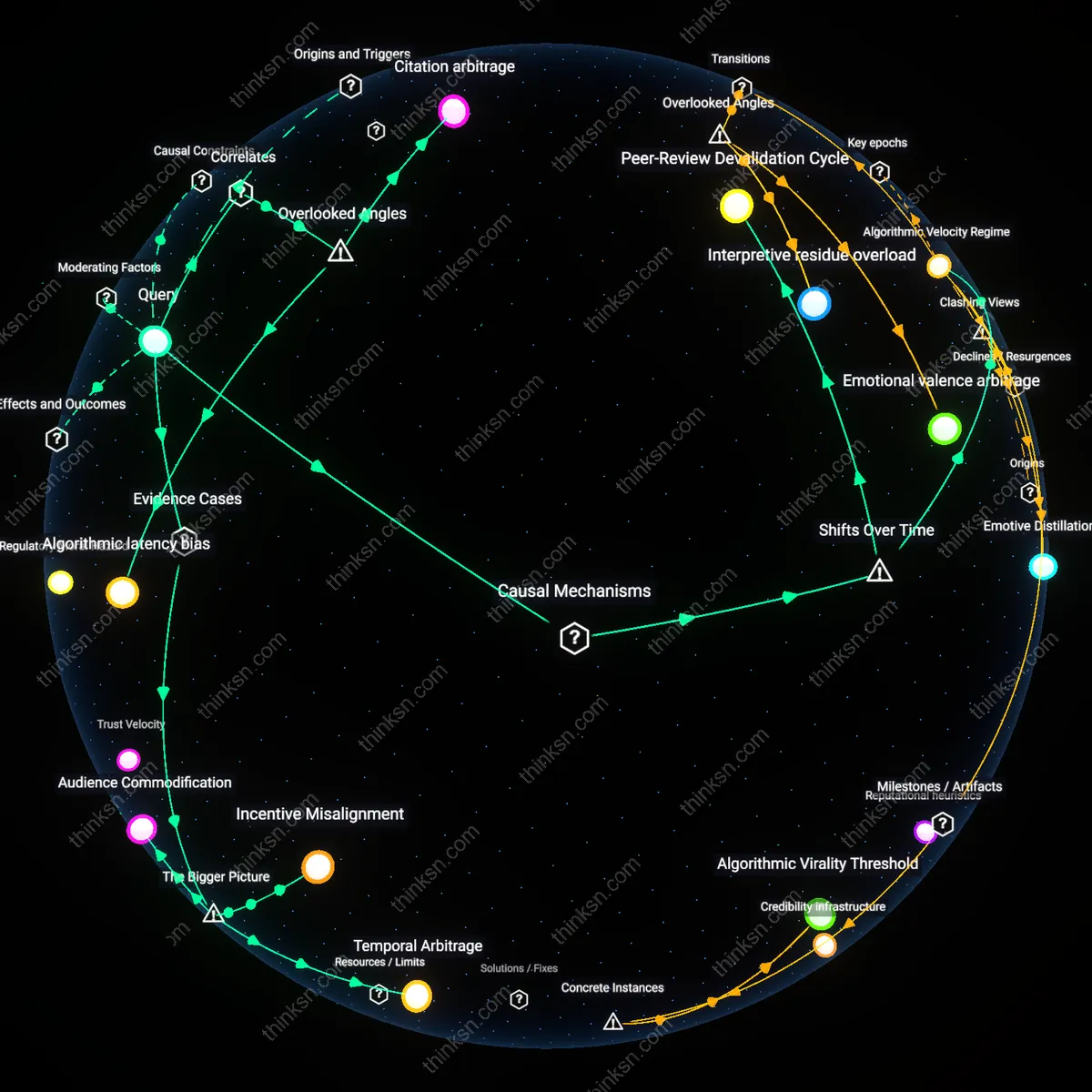
LinkedIn's endorsement system began in 2011 as a peer-validated signal embedded in user profiles, designed to surface skills through lightweight social confirmation, but the mechanism lacked calibration thresholds for endorsement quality or context. The absence of constraints on endorsement reciprocity—driven by immediate network incentives and frictionless interface design—created a self-reinforcing cycle where users endorsed others to receive endorsements in return, privileging volume over accuracy. This dynamic was amplified by product design choices that surfaced frequently-endorsed skills more prominently, embedding a visibility-reward loop that prioritized social activity over skill verification. The non-obvious insight is that the system did not fail due to user deception, but because its feedback architecture inherently conflated engagement with validity, transforming a credentialing tool into a popularity metric through endogenous design incentives.
Institutional Lightness
Endorsements emerged at a moment when professional identity was shifting from employer-validated credentials to network-mediated self-presentation, particularly within the Silicon Valley–driven ethos of personal branding and algorithmic visibility. LinkedIn operated within a labor market context where traditional signals like references or certifications were slow and exclusive, creating demand for faster, scalable proxies—which endorsements promised to deliver. Yet by enabling skills affirmation without evidentiary burden or domain verification, the system aligned with a broader cultural shift toward performative professionalism, where appearance of competence became fungible with competence itself. The critical realization is that the erosion of endorsement value was not a bug but an outcome of its success in serving market needs for speed and inclusivity, effectively democratizing professional signaling at the cost of its epistemic integrity.
Gamification Drift
The endorsement feature was integrated into a platform architecture that increasingly adopted behavioral engagement metrics—such as notifications, streaks, and leaderboard effects—to maximize user retention, particularly after LinkedIn’s acquisition by Microsoft in 2016 and its repositioning as a content-driven network. Product teams optimized for click-through rates and session duration, leading to prompts that celebrated receiving endorsements as achievements and nudged users to reciprocate, reframing professional validation as a socially reciprocal game. These mechanisms, borrowed from consumer social media, repositioned endorsements not as assessments but as social gestures, aligning user behavior with platform growth objectives rather than labor market accuracy. The underappreciated dynamic is that the system’s evolution reflects a structural misalignment between the original professional utility and the dominant logic of attention economies, where popularity becomes the default currency because it is the most trackable and stimulable.
Algorithmic latency pressure
LinkedIn's endorsement system shifted from validating skills to amplifying reciprocity because of algorithmic latency pressure—the hidden race to populate user profiles with quantifiable skill data before meaningful engagement could occur. When LinkedIn prioritized rapid scalability in 2012–2014, its algorithms were designed to minimize 'empty skill fields' by incentivizing quick, low-effort endorsements, which favored reciprocal exchanges over verification. This technical impatience with sparse data unintentionally promoted superficial validation loops, privileging speed and volume over accuracy—a systemic bias rarely acknowledged in critiques focused on user behavior or platform gamification. The overlooked mechanism is not the endorsement function itself, but the backend algorithmic intolerance for incomplete profiles that forced premature skill crystallization.
Corporate skill taxonomization
The erosion of endorsement credibility stemmed from LinkedIn’s integration with corporate HR systems that demanded standardized skill tags for talent mapping, transforming endorsements into compliance artifacts rather than peer validations. As large enterprises adopted LinkedIn profiles as de facto pre-employment records, the pressure to align with pre-approved skill vocabularies—such as those from Learning Management Systems or promotion rubrics—turned endorsements into procedural checkboxes. This subtle institutional capture meant that reciprocal endorsements were no longer just social gestures but functional requirements for internal mobility, a dynamic ignored in public discourse that focuses on popularity metrics. The unexamined driver is the platform’s entanglement with corporate bureaucracy, which silently reshaped user incentives toward credential alignment over authenticity.
Asymmetric endorser risk
Endorsements decayed into popularity contests because endorsers face no reputational cost for inaccurate attributions, creating asymmetric endorser risk where the burden of false validation falls entirely on the recipient's credibility. Unlike academic citations or GitHub stars, where giver legitimacy matters, LinkedIn’s system anonymizes and equalizes all endorsers, whether they’re domain experts or distant connections, removing accountability. This design choice—which appears neutral—actually encourages low-signal, high-volume endorsement strategies, especially in competitive job markets where profile saturation trumps precision. The overlooked structural flaw is not user shallowness but the deliberate absence of endorser provenance, a governance gap that enables reciprocity without consequence.
Endorsement Inflation
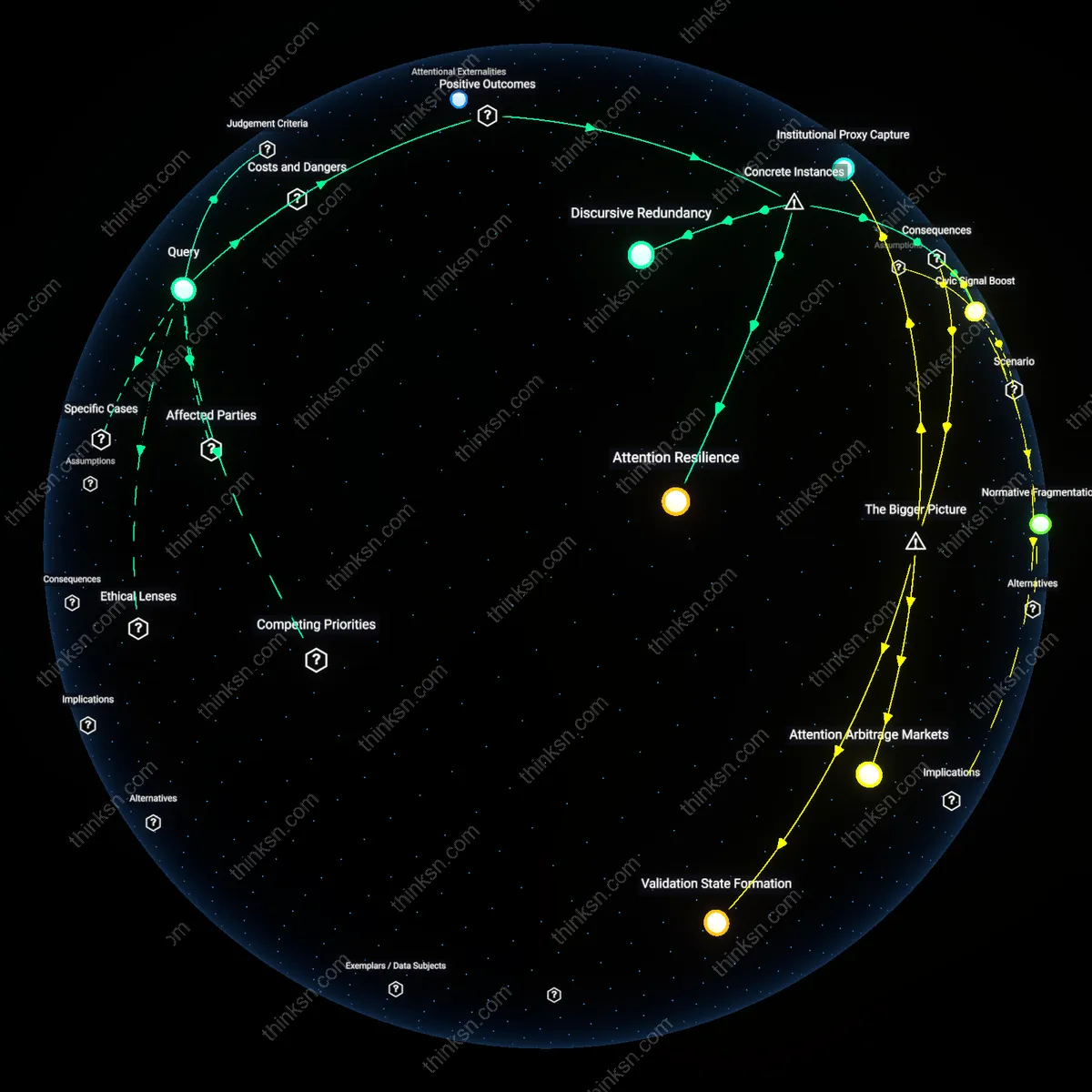
LinkedIn's endorsement system shifted from skill validation to reciprocal popularity because users began gaming the algorithm by mass-exchanging endorsements to inflate visibility, not accuracy—triggering a feedback loop where endorsement volume, not relevance, dictated profile prominence. This mechanism operated through behavioral nudges embedded in the platform’s interface, which rewarded frequent endorsing with increased reciprocal returns, effectively turning skills sections into barter zones. The non-obvious reality is that the system’s collapse wasn't due to user dishonesty but to the platform’s own design rewarding transactional behavior over epistemic value, revealing how algorithmic visibility criteria can corrupt social proof systems.
Skill Commodification
The endorsement system transformed because HR technology vendors began scraping LinkedIn data to automate candidate filtering, turning endorsements into quantifiable proxies for skill proficiency, which pressured users to accumulate them regardless of authenticity. This shift occurred as corporate HR systems integrated with LinkedIn’s API, creating structural demand for high endorsement counts as indicators of employability. The dissonant insight is that the distortion wasn’t driven by individual vanity but by institutional data hunger—where the platform became a supply chain for external algorithmic labor markets, forcing users to treat skills as marketable units rather than professional attributes.
Feedback Erosion
Endorsements lost credibility when second- and third-degree connections were allowed to participate in the system, severing the link between skill observation and endorsement authority, thus diluting the original model of peer-validated expertise. This expansion, implemented to boost network engagement, replaced informed judgment with probabilistic guessing, where most endorsements came from people unaware of the actual skill performance. The overlooked consequence is that the system didn't fail from reciprocity alone, but from a structural erosion of feedback fidelity—where the platform prioritized network density over epistemic trust, transforming endorsements into ambient social noise rather than targeted professional signals.
Reciprocity Infrastructure
The endorsement system became a tool for mutual credit exchange because LinkedIn's design incentivized users to give endorsements in return for receiving them, operating through a notification-driven feedback loop that pairs reciprocity with visibility. This mechanism involves profile owners and their connections, using automated prompts like 'Endorse [Name] for [Skill]' when someone endorses the user, thereby embedding tit-for-tat behavior into the platform’s core interaction logic. What’s underappreciated in the familiar narrative of 'popularity over merit' is that the system didn’t decay—it functioned exactly as its engagement-maximizing architecture intended, privileging social obligation over skill verification.
Visibility Economy
Endorsements evolved into popularity metrics because they became tied to profile rank and search visibility within LinkedIn’s algorithmic sorting, where higher endorsement counts improved a user’s exposure to recruiters and network members. This dynamic involves recruiters, job seekers, and the platform’s recommendation engine, which treats endorsement volume as a behavioral proxy for professional relevance, thereby reinforcing visibility for those already visible. The overlooked dimension is that users aren’t simply seeking peer validation—they’re responding rationally to an economy where attention, not accuracy, determines career opportunity.
Feedback inflation
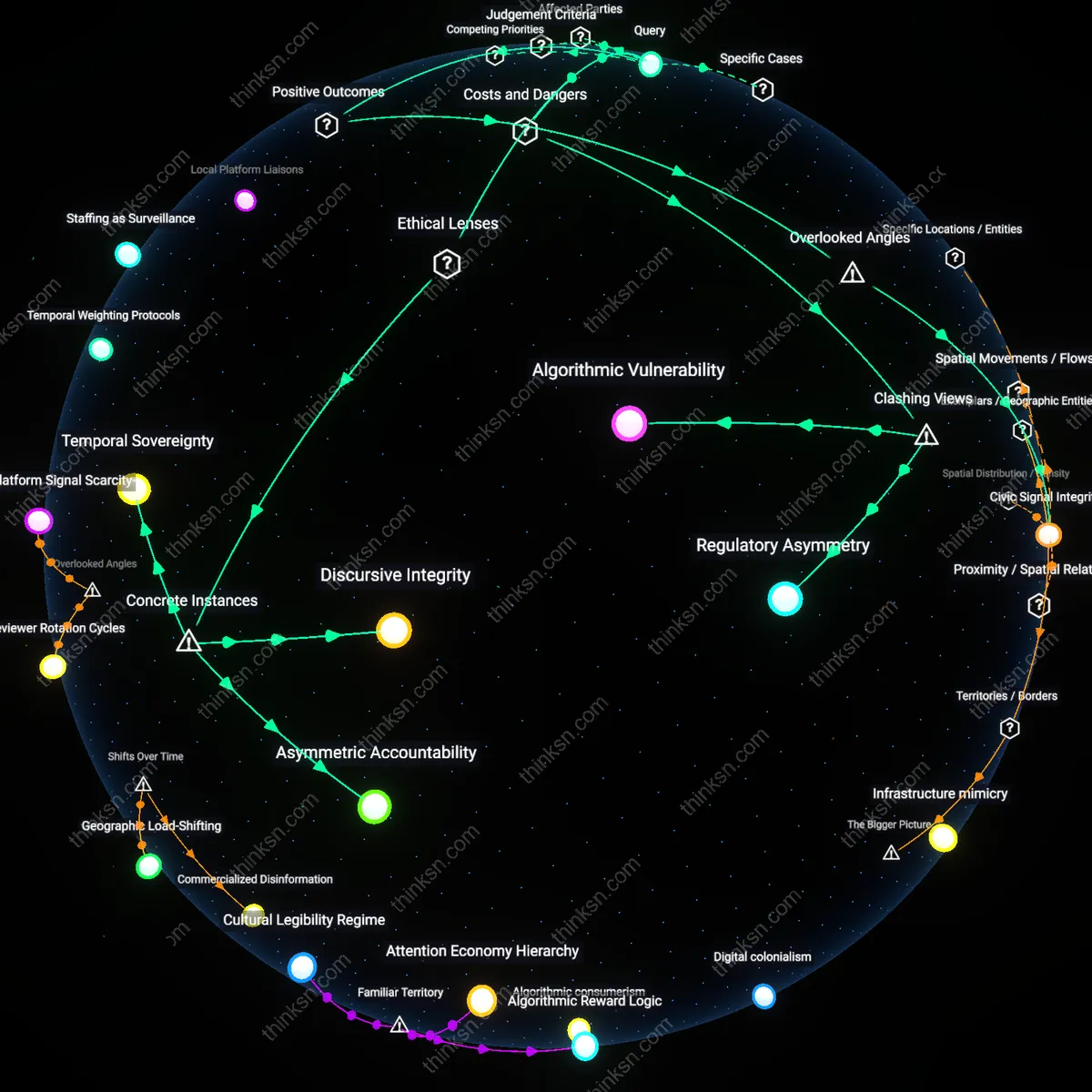
LinkedIn's endorsement system began to prioritize reciprocal popularity over genuine skill verification when users in major tech hubs like San Francisco and Tel Aviv systematically exchanged endorsements in bulk during 2013–2015, often through informal 'endorsement parties' or Slack-group coordination, revealing a mechanism where ease of mass endorsement decoupled skill signaling from verification, making the system more responsive to social reciprocity than expertise—a non-obvious outcome being that the very frictionlessness intended to increase engagement corroded the epistemic value of the feature.
Metric substitution
In 2014, LinkedIn’s shift from curated skill lists to algorithmic prominence based on endorsement counts caused high-volume but low-validity skills like 'Strategic Planning' or 'Team Leadership' to dominate user profiles, particularly among mid-tier consultants in cities like Chicago and London, demonstrating how platform visibility became tied to quantifiable popularity rather than domain-specific recognition, with the underappreciated consequence that users optimized for algorithmic legibility at the expense of precise skill articulation.
Validation arbitrage
Freelancers on platforms adjacent to LinkedIn, such as Upwork users in Eastern Europe and South Asia, began in 2016 to cross-leverage endorsement accumulation as social proof to win contracts, treating LinkedIn endorsements as transferable credibility tokens despite minimal scrutiny, exposing a dynamic where the system was exploited as a low-cost reputational asset across digital labor markets—an overlooked reality being that the endorsement feature persisted not as a skill validator but as a portable, albeit shallow, trust signal in global gig economies.
Gamified Feedback Loop
The introduction of algorithmic visibility incentives in 2013 transformed endorsements into a visibility-driven exchange, where users began endorsing connections not based on observed skill but to increase reciprocal endorsement likelihood. This mechanism tied profile prominence to endorsement volume, making the act less about validation and more about strategic visibility optimization within LinkedIn’s feed and search algorithms. The non-obvious consequence was that endorsement behavior became governed by feedback dynamics typical of social gaming, where actions are performed not for intrinsic value but for systemic reward, revealing a shift from professional signaling to behavioral conditioning.
Skill Commodification Threshold
The 2015 rollout of the 'Top Skills' list and associated ranking metrics institutionalized a finite set of skills as currency, causing users to prioritize endorsed skill placement over accuracy or nuance in peer assessment. As these skills became tied to job matching algorithms and recruiter search filters, the incentive shifted from reflecting real-world proficiency to occupying high-value skill slots, effectively compressing diverse expertise into a gamified leaderboard. This pivot revealed a threshold where skills ceased to be descriptive attributes and became transferable digital assets, subject to inflation and manipulation as users optimized for algorithmic legibility rather than professional truth.
Reciprocity Economy Protocol
Between 2017 and 2019, the normalization of endorsement batching tools and third-party automation scripts signaled a systemic shift where endorsement behavior was outsourced to transactional networks operating on mutual exchange agreements. Users began participating in organized endorsement circles—via Slack groups, email chains, and LinkedIn groups—not through individual error but as rational actors adapting to a protocol where value accrual required reciprocal volume. This marked the emergence of an informal economy governed by unwritten rules of exchange, exposing how platform affordances, when left unmoderated, evolve into self-sustaining barter systems that erode the epistemic foundation of peer validation.