Invest in AI Mastery or Cultivate Unique Voice as AI Writes Stories?
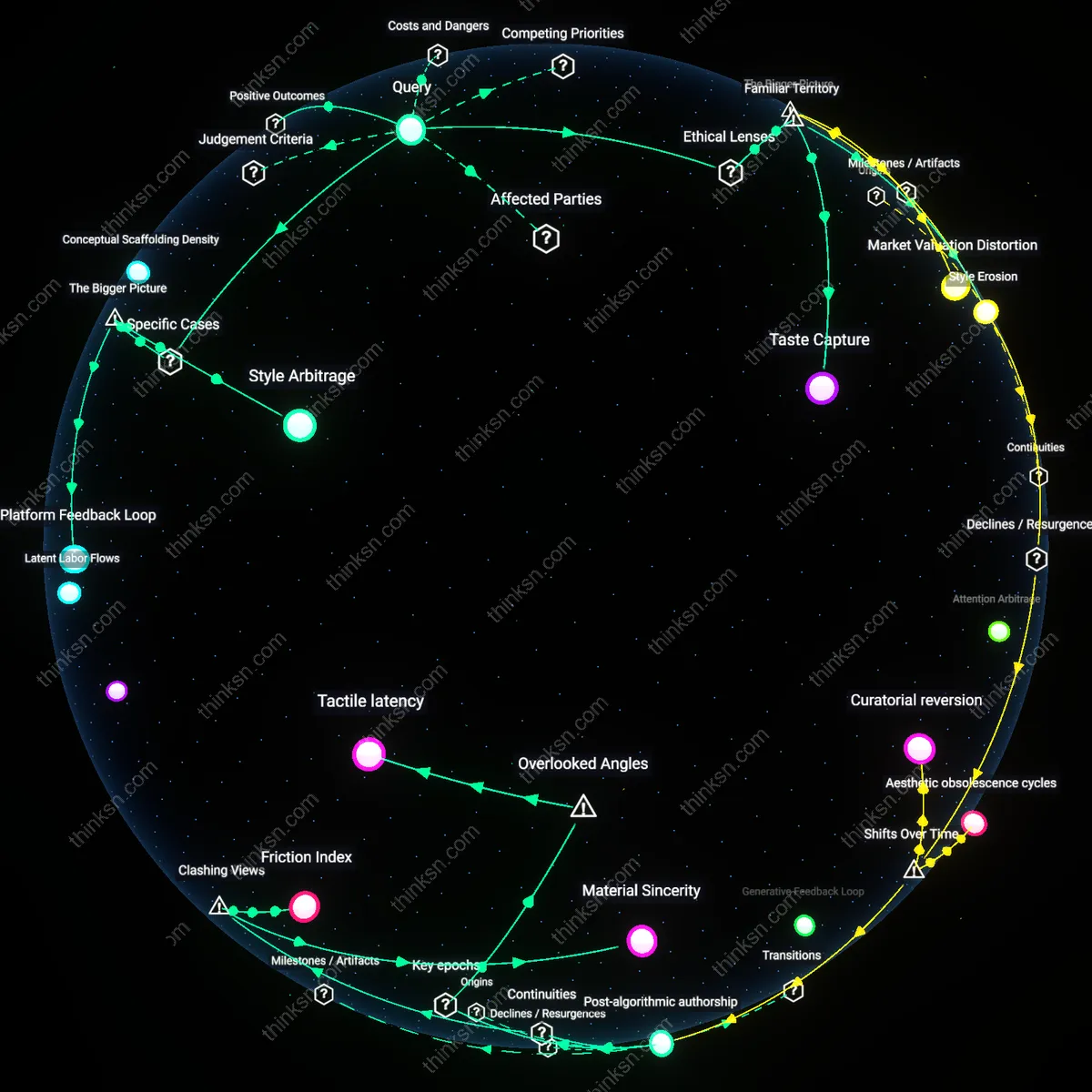
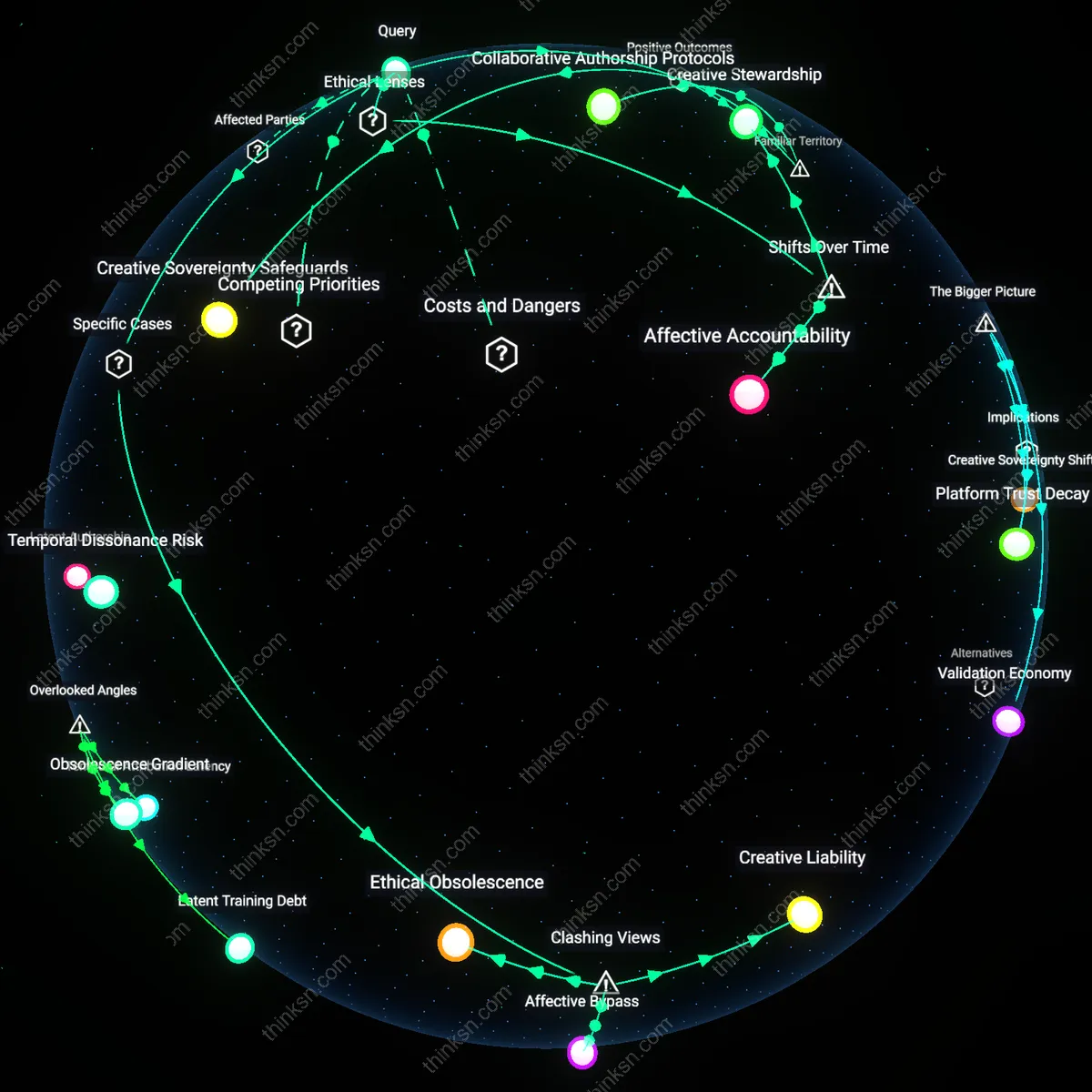
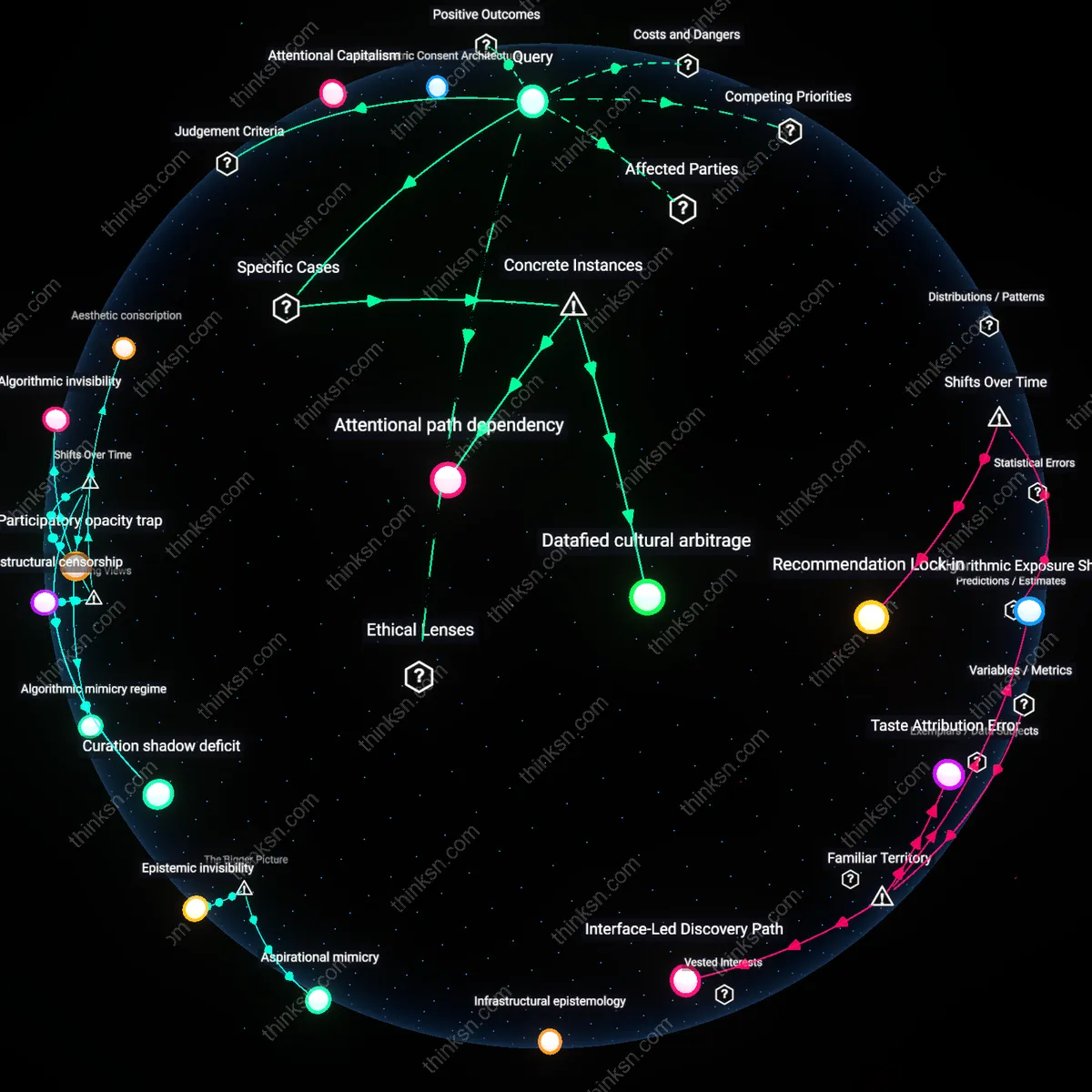
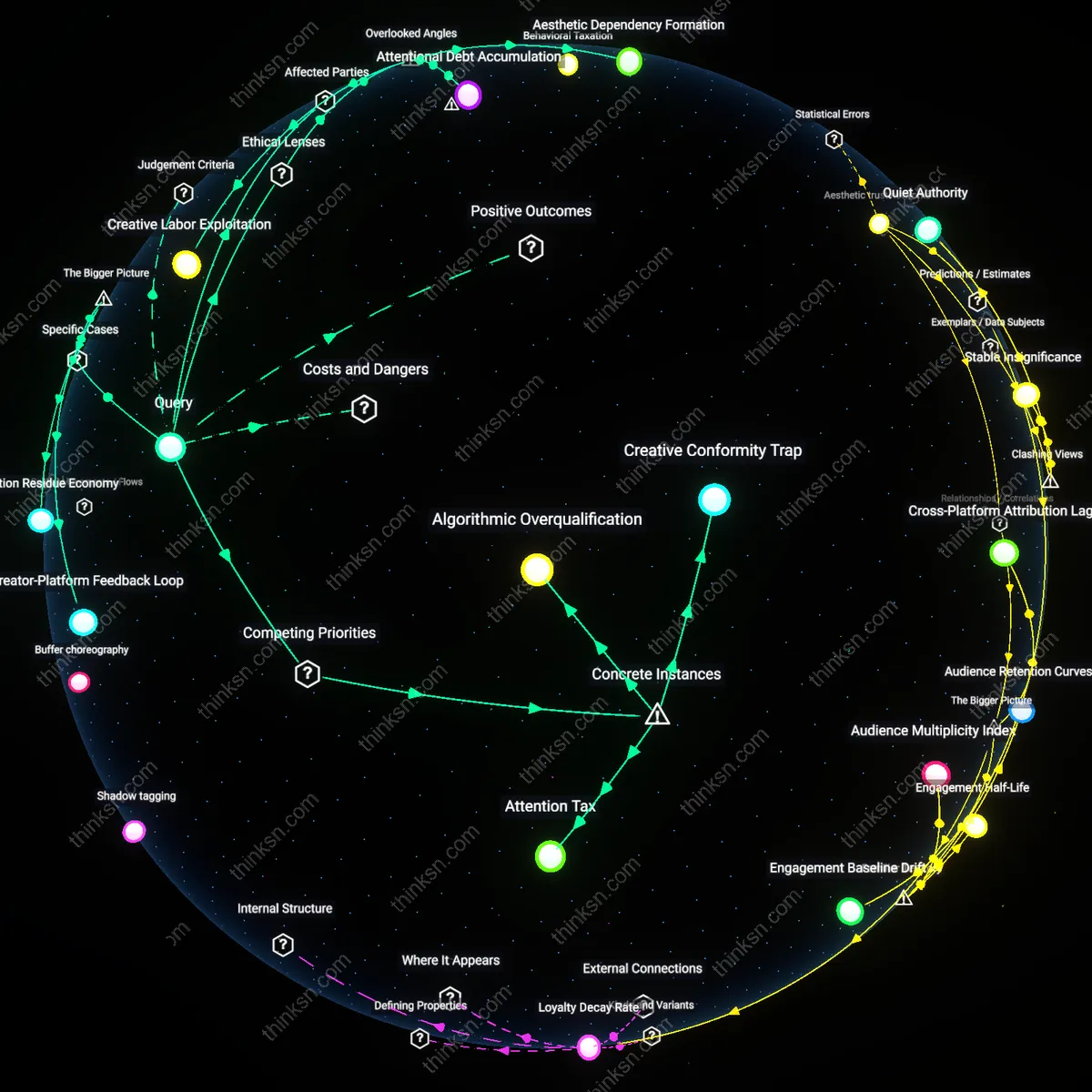
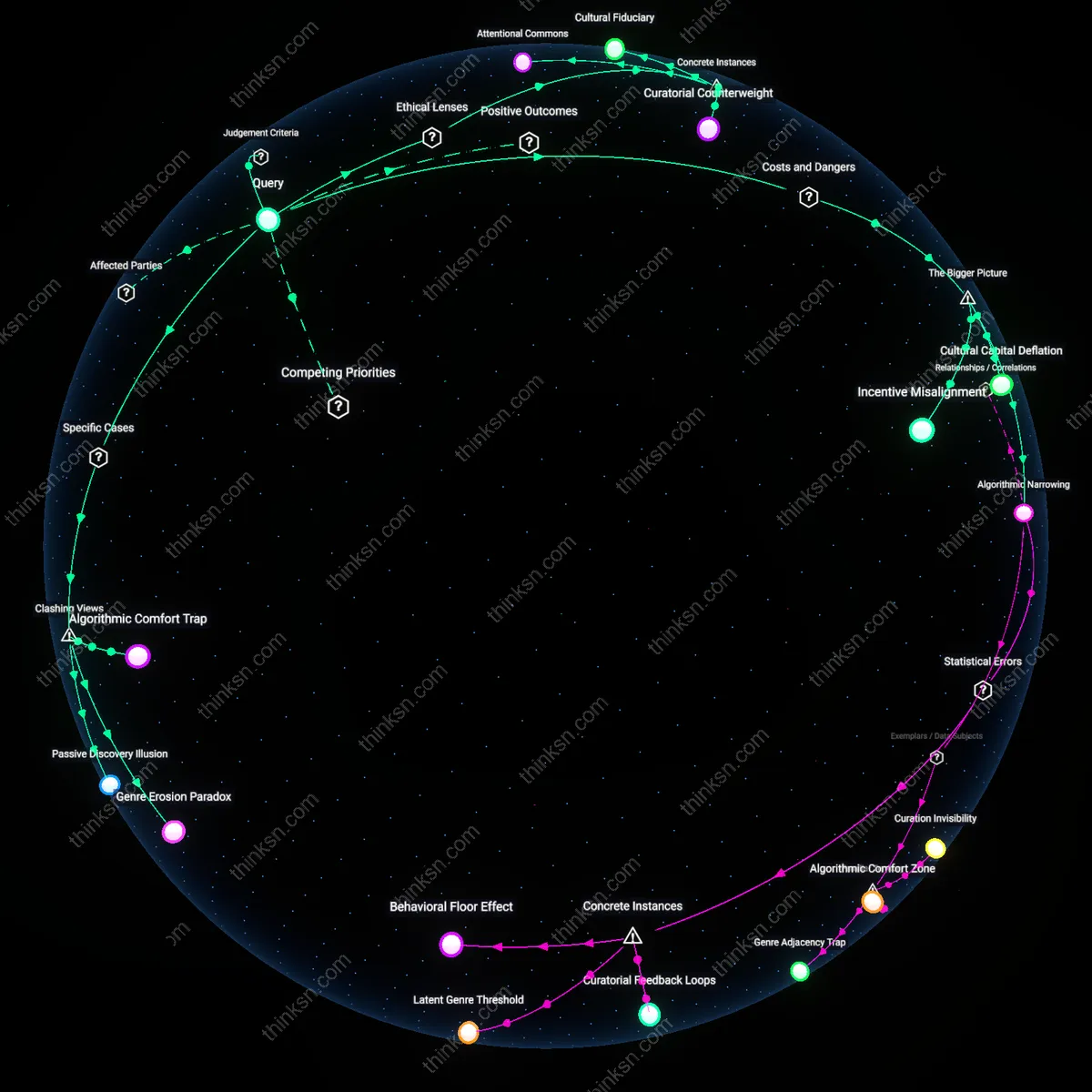
Analysis reveals 6 key thematic connections.
Key Findings
Narrative Erosion
Writers who prioritize AI prompting over voice development risk accelerating the commodification of storytelling that began in mid-20th-century mass media, where narrative distinctiveness was first subordinated to distribution efficiency. As studio systems and later digital platforms optimized content for scalability, the structural demand for replicable, algorithm-friendly output eroded authorial singularity, a shift now culminating in generative AI’s normalization of templated narrative. This dynamic, driven by venture-backed tech firms and platform economies, privileges prompt fluency because it aligns with automated content mills requiring low-variance inputs—undermining the labor-intensive cultivation of idiosyncratic voice. The non-obvious consequence is not diminished creativity per se, but the gradual disappearance of narrative modes that resist compression into trainable data patterns.
Prompt Dependency
The generation of writers emerging after 2020 increasingly treats AI prompting as foundational craft, marking a decisive break from 20th-century literary pedagogy that emphasized voice as an antidote to industrial homogenization. This shift, accelerated by institutional adoption of AI tools in MFA programs and publishing workflows, embeds dependence on algorithmic feedback loops that redefine originality as statistical deviation rather than experiential depth. The mechanism—training writers to iterate prompts based on machine output—reproduces Silicon Valley’s optimization logic within creative consciousness, making voice development secondary to system compatibility. The underappreciated danger is not that AI replicates voice, but that it reshapes aesthetic values so thoroughly that non-algorithmic expression becomes institutionally unintelligible.
Voice Obsolescence
By the late 2020s, prioritizing narrative voice over AI fluency became economically perilous, reversing the postwar era’s writer-as-unique-voice paradigm once upheld by independent presses and literary prizes. As global publishing conglomerates transitioned to AI-driven content pipelines during the 2025–2028 regulatory lull, works lacking prompt-embedded metadata or traceable stylistic patterns were deprioritized in acquisition and marketing systems. This systemic marginalization of unmechanizable voice operates through algorithmic curation layers that treat stylistic unpredictability as signal noise, not artistic merit. The overlooked shift is not technological imitation, but the quiet erasure of voice from the cultural economy by rendering it operationally invisible.
Authorial precarity
Creative writers should prioritize mastering AI prompting because failure to do so risks economic displacement within platformized publishing ecosystems, as seen when Kindle authors in 2023 lost income to AI-generated books optimized for Amazon’s algorithmic visibility metrics. These writers, once reliant on distinctive voice, could not compete with high-output, low-cost AI texts designed explicitly to exploit prompt-engineered metadata and keyword saturation. The mechanism is not aesthetic obsolescence but infrastructural capture—where the distribution system favors technical manipulation over stylistic singularity. This reveals that authorial survival increasingly depends on fluency with algorithmic gatekeeping, not just narrative authenticity.
Voice as resistance
Creative writers should prioritize developing an irreplicable narrative voice because it functions as ethical resistance to epistemic homogenization, exemplified by Palestinian poets in Gaza who continued oral and written storytelling under communication blackouts and surveillance during the 2021 bombardment. Their narratives, rooted in embodied memory and communal specificity, evaded both AI replication and state censorship precisely because they could not be systematized or prompted. This operates through a Levinasian ethics of responsibility, where voice asserts irreplaceable subjectivity against dehumanizing structural forces. The underappreciated insight is that narrative uniqueness becomes a political act when algorithmic erasure aligns with colonial silencing.
Prompt sovereignty
Creative writers should master AI prompting to reclaim agency within intellectual property regimes increasingly skewed toward corporate control, as demonstrated by the 2024 lawsuit *The Authors Guild v. OpenAI*, where human authors failed to assert ownership over AI outputs derived from their works because they lacked technical documentation of their own generative interventions. The legal doctrine of derivative works hinges on demonstrable authorship, which in AI-augmented creation now requires evidentiary rigor in prompt lineage and iterative refinement. Without such technical mastery, writers surrender claims even to hybrid creations. This exposes that control over narrative futures now depends on procedural literacy, not just expressive originality.