Retweet Risk: Staying Informed vs. Spreading Unverified Claims?
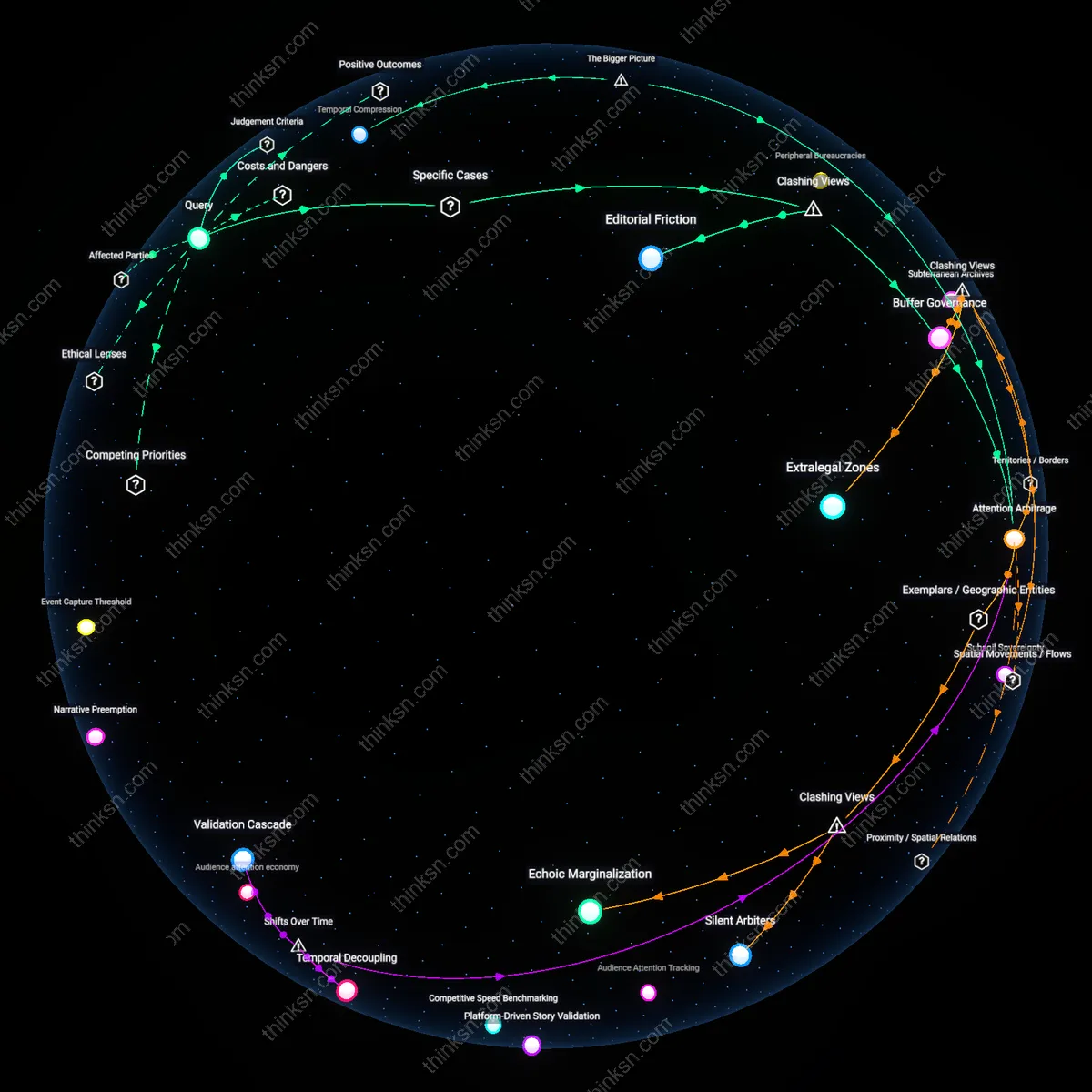
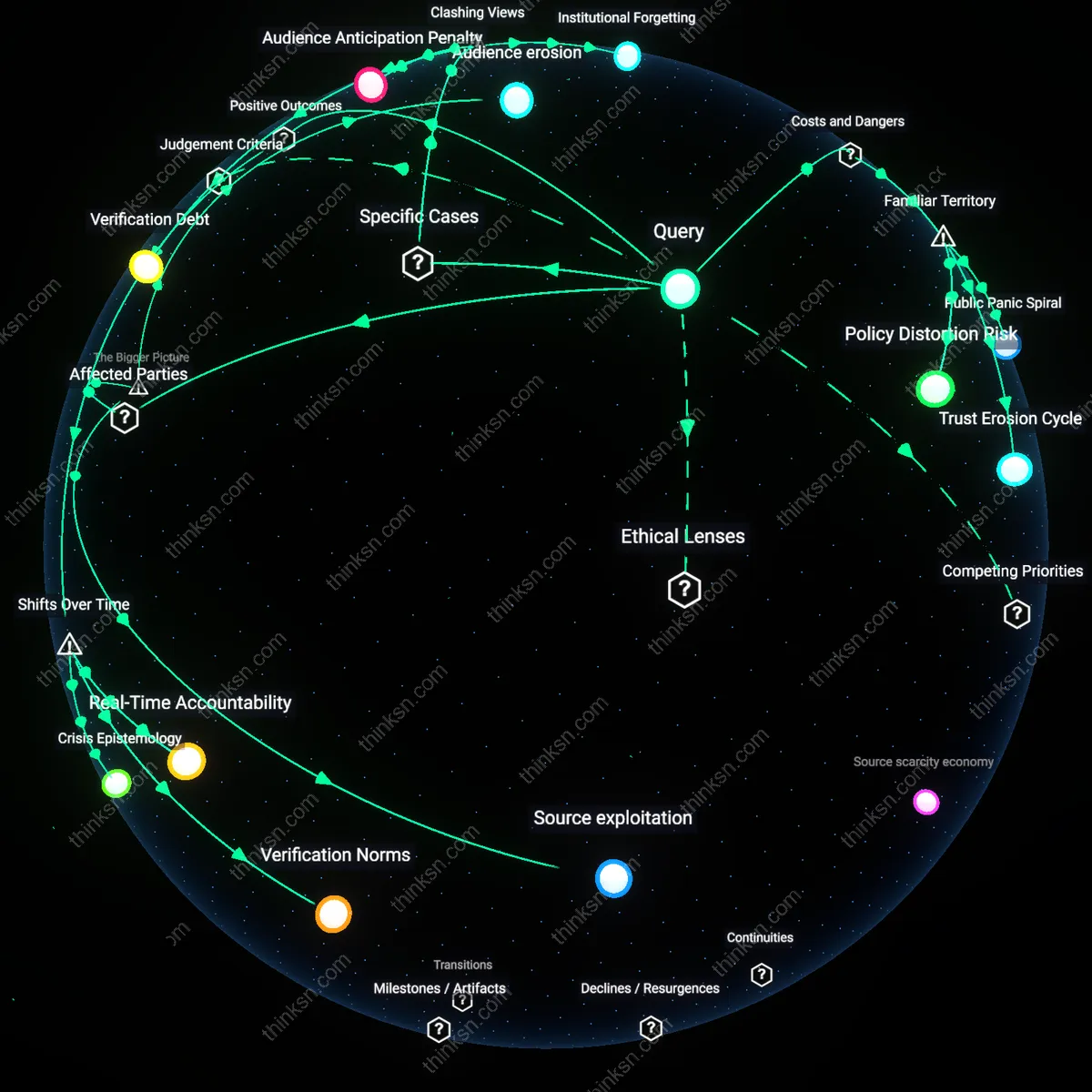
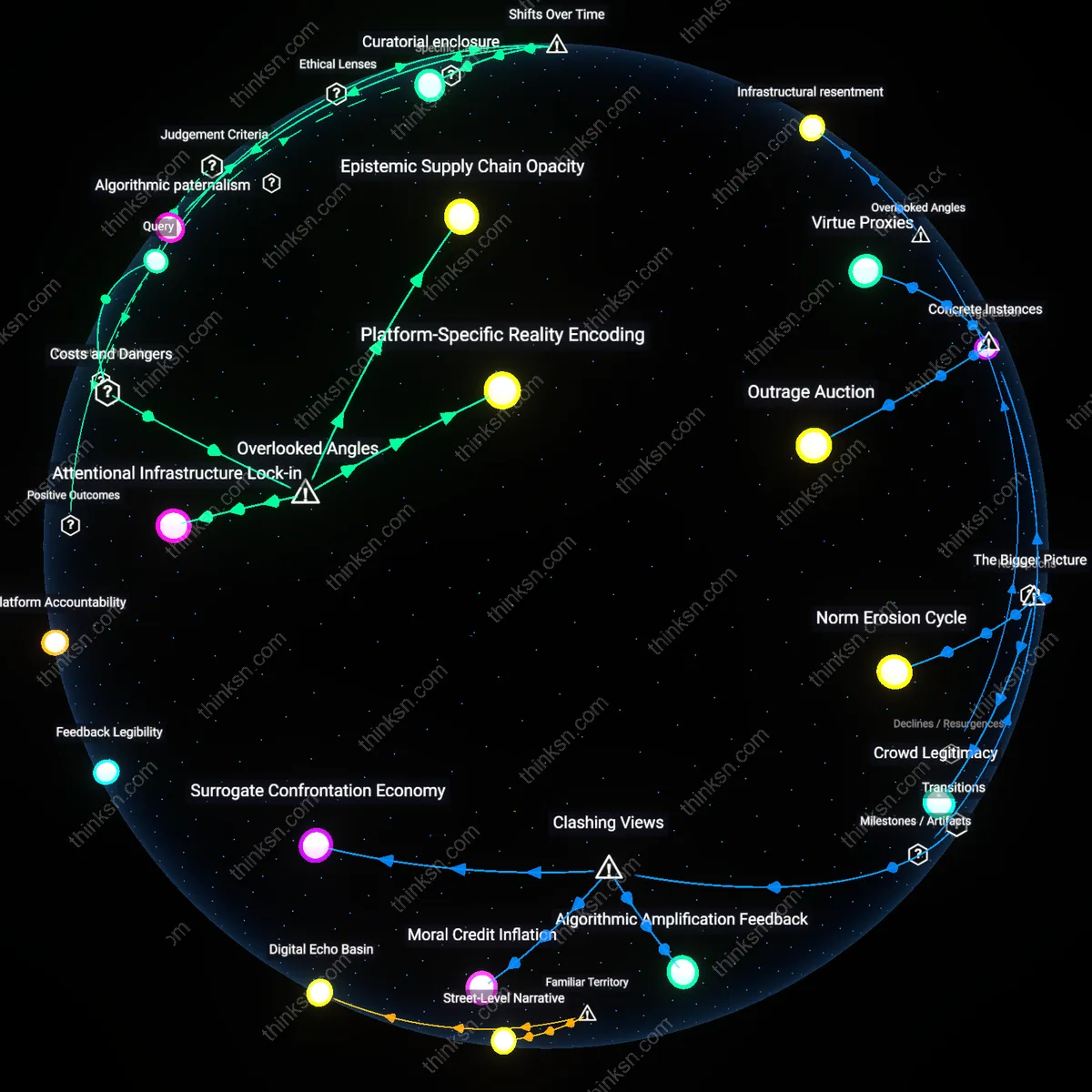
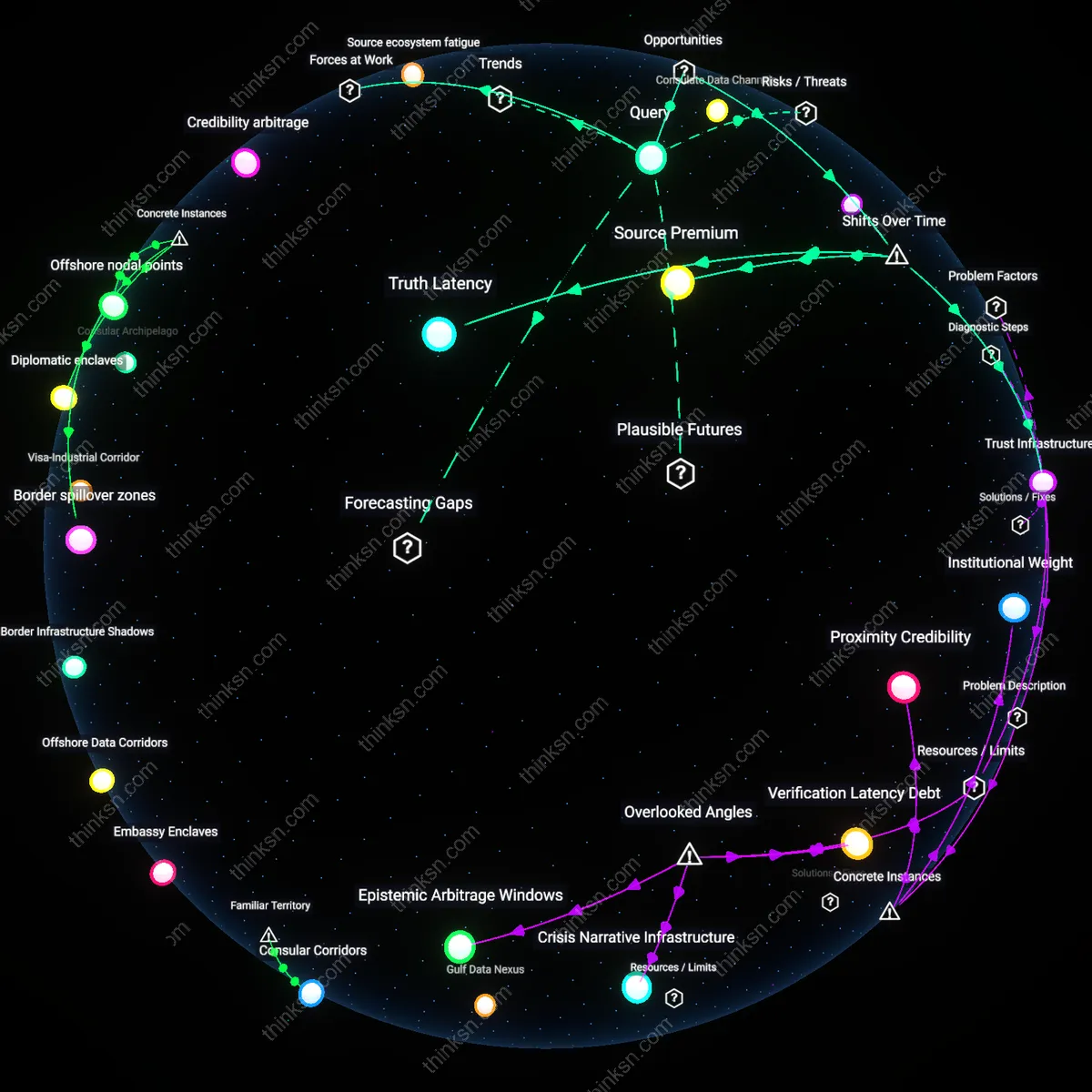
Analysis reveals 4 key thematic connections.
Key Findings
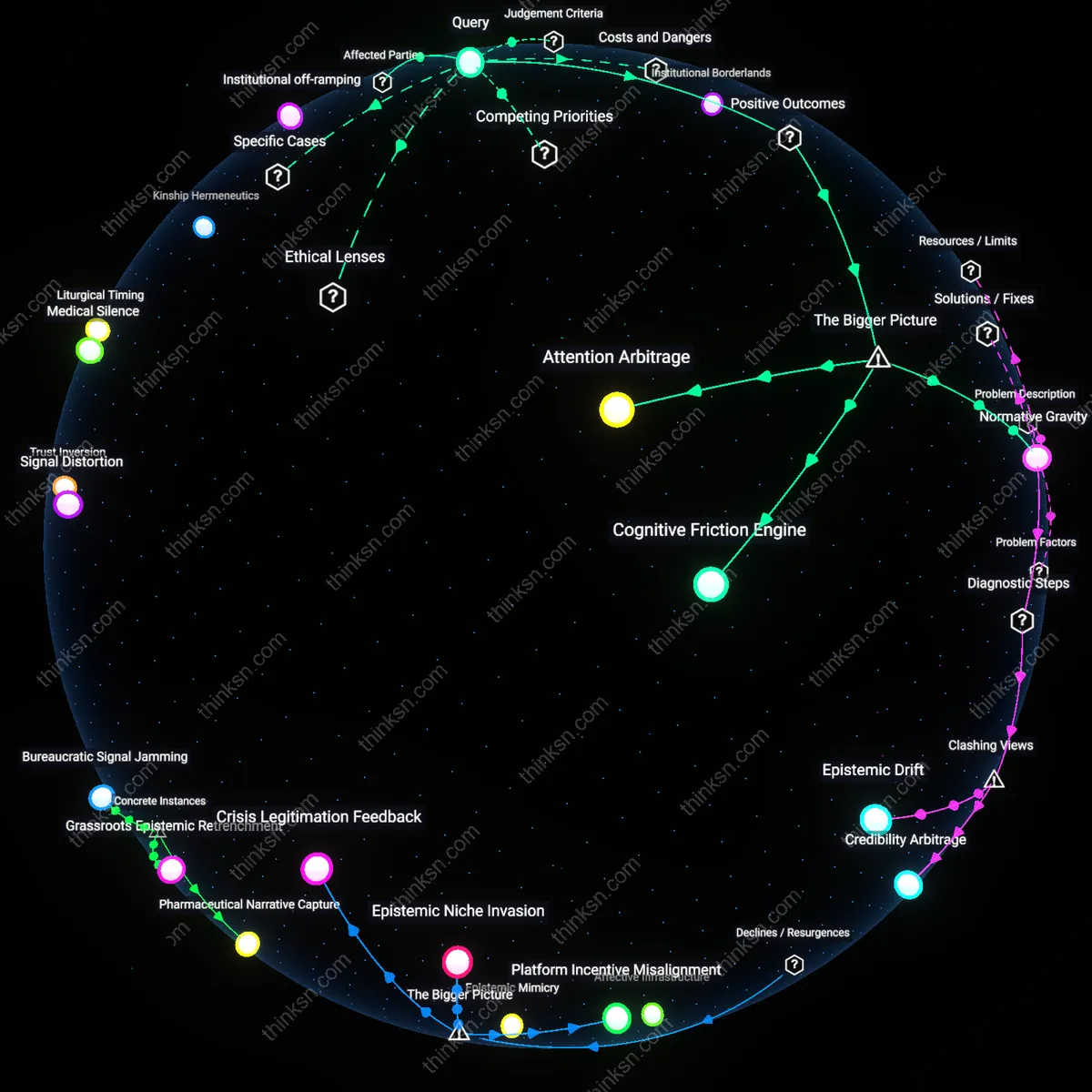
Attention Arbitrage
One should prioritize withholding immediate shares of breaking political content to allow time for institutional verification, because rapid amplification on social media rewards emotional engagement over accuracy, enabling actors with access to wide networks—such as partisan influencers or algorithmically boosted accounts—to exploit the gap between speed and verification. This dynamic gives rise to attention arbitrage, where the value of being first outweighs the cost of being wrong, and systemic incentives favor virality over truth. The underappreciated consequence is that individual restraint disrupts this arbitrage mechanism, subtly recalibrating platform-level feedback loops by reducing the payoff for low-signal, high-emotion content.
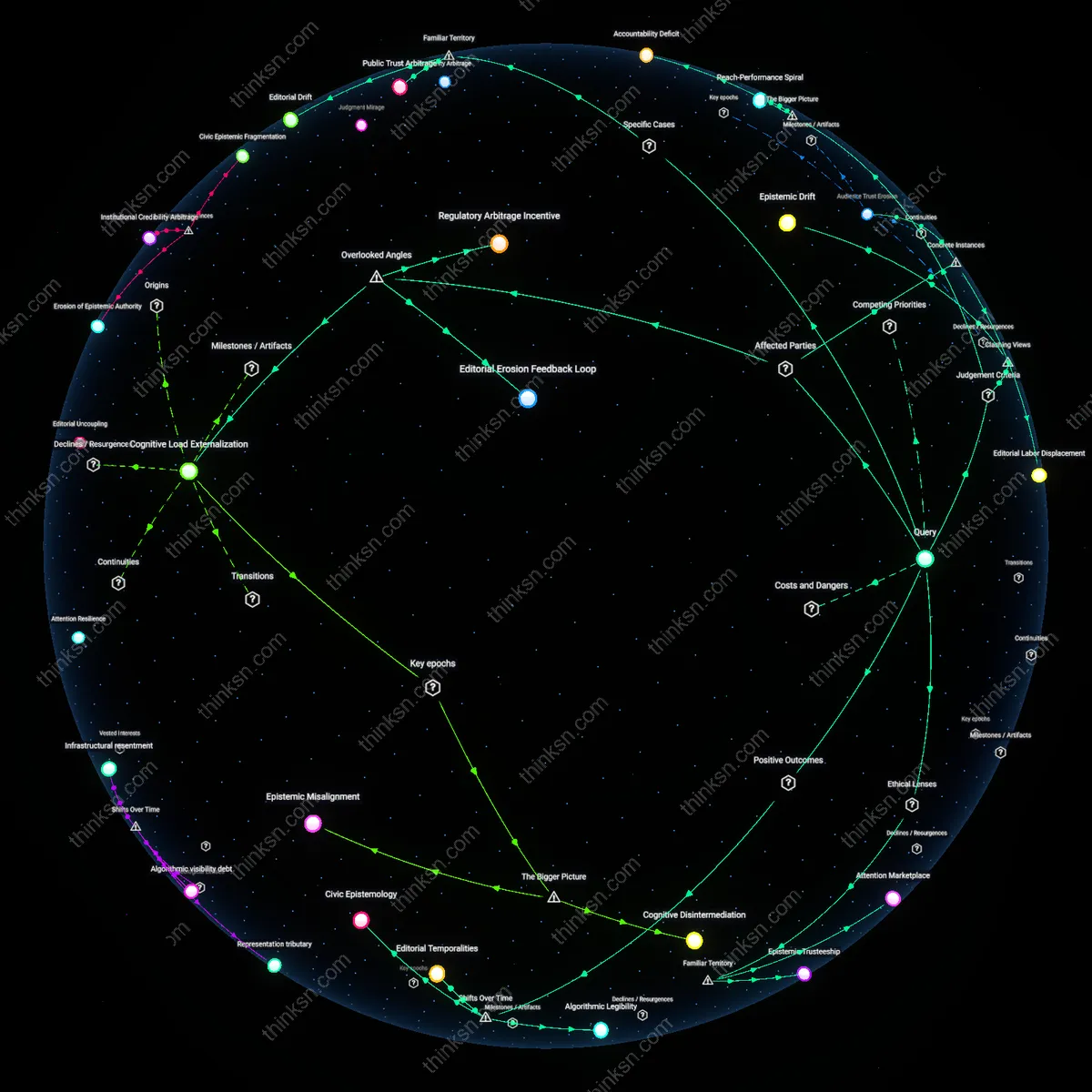
Civic Sensemaking Infrastructure
One should actively engage with cross-validated updates from networked journalists and fact-checking collectives rather than sharing raw reports, because distributed sensemaking by coordinated professionals creates a de facto civic infrastructure that absorbs informational noise before releasing refined interpretations. This system functions through real-time collaboration between outlets like Reuters, AFP, and independent forensic analysts who triangulate evidence across geolocations, timestamps, and source chains. What is rarely acknowledged is that individual consumption without amplification strengthens this infrastructure by increasing demand for processed information over raw feeds, thereby reinforcing a public good that counters epistemic fragmentation.
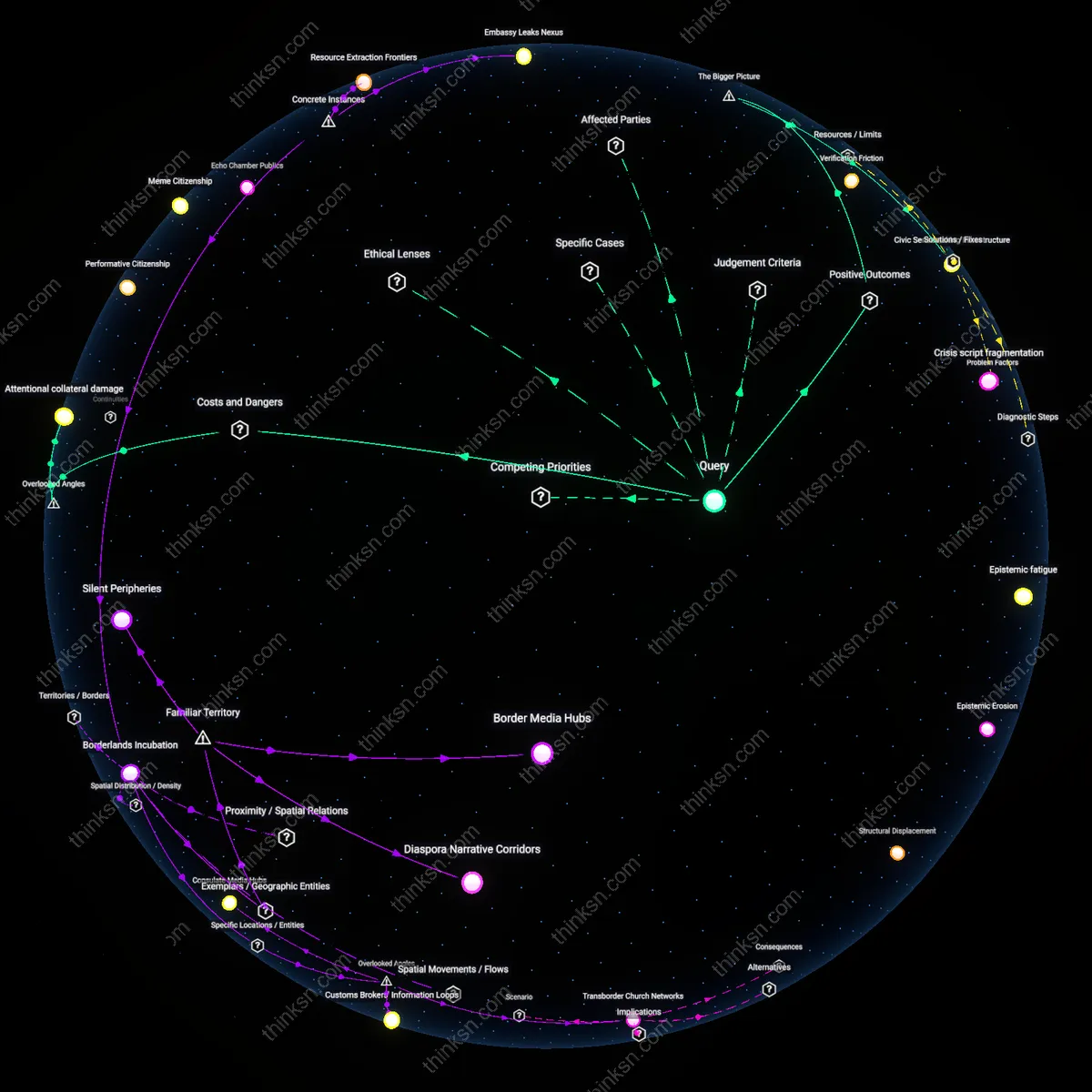
Attentional collateral damage
One must refrain from sharing political content in real time because the cognitive load imposed on downstream users—particularly those in vulnerable demographic or occupational groups such as medical professionals during shift changes or crisis responders coordinating via social platforms—creates attentional fragmentation that degrades collective situational awareness. This mechanism operates through the saturation of high-stakes communication channels with emotionally salient but low-fidelity updates, which exploit algorithmic prioritization of engagement over coherence, thereby introducing systemic delays and misallocations in real-world emergency response. The overlooked dimension is not misinformation per se but the diversion of limited attentional bandwidth from verified coordination efforts, a cost typically invisible in discourse that focuses on belief accuracy rather than operational cognitive throughput.
Emotive infrastructure erosion
One should avoid amplifying fast-moving political content because each reactive share contributes incrementally to the corrosion of emotive infrastructure—the shared norms of trust, patience, and interpretive charity that enable democratic societies to absorb political shocks without cascading into interpersonal fracture. This occurs through micro-patterns of digital interaction, such as the normalization of outraged tagging or guilt-by-association replies, which accumulate across millions of users to degrade the baseline affective tolerance required for civil discourse, particularly in highly networked yet socially fragmented urban centers like Jakarta or São Paulo. The overlooked dynamic is that real-time sharing trains users not in information discernment but in emotional reactivity, altering the substrate of public feeling in ways that precede and enable disinformation campaigns rather than merely responding to them.