Is Deep Industry Knowledge Worth Sacrificing for AI Prompt Mastery?
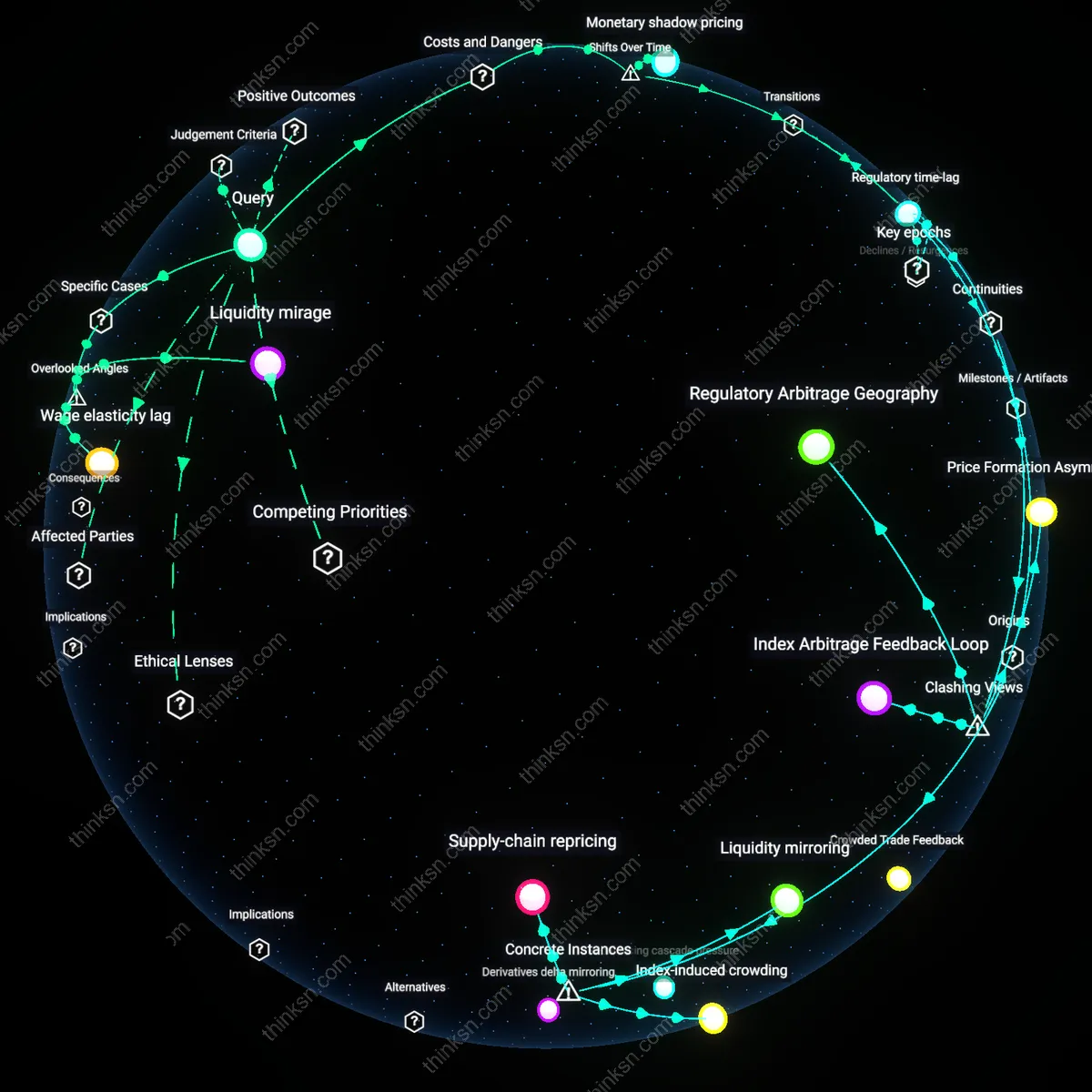
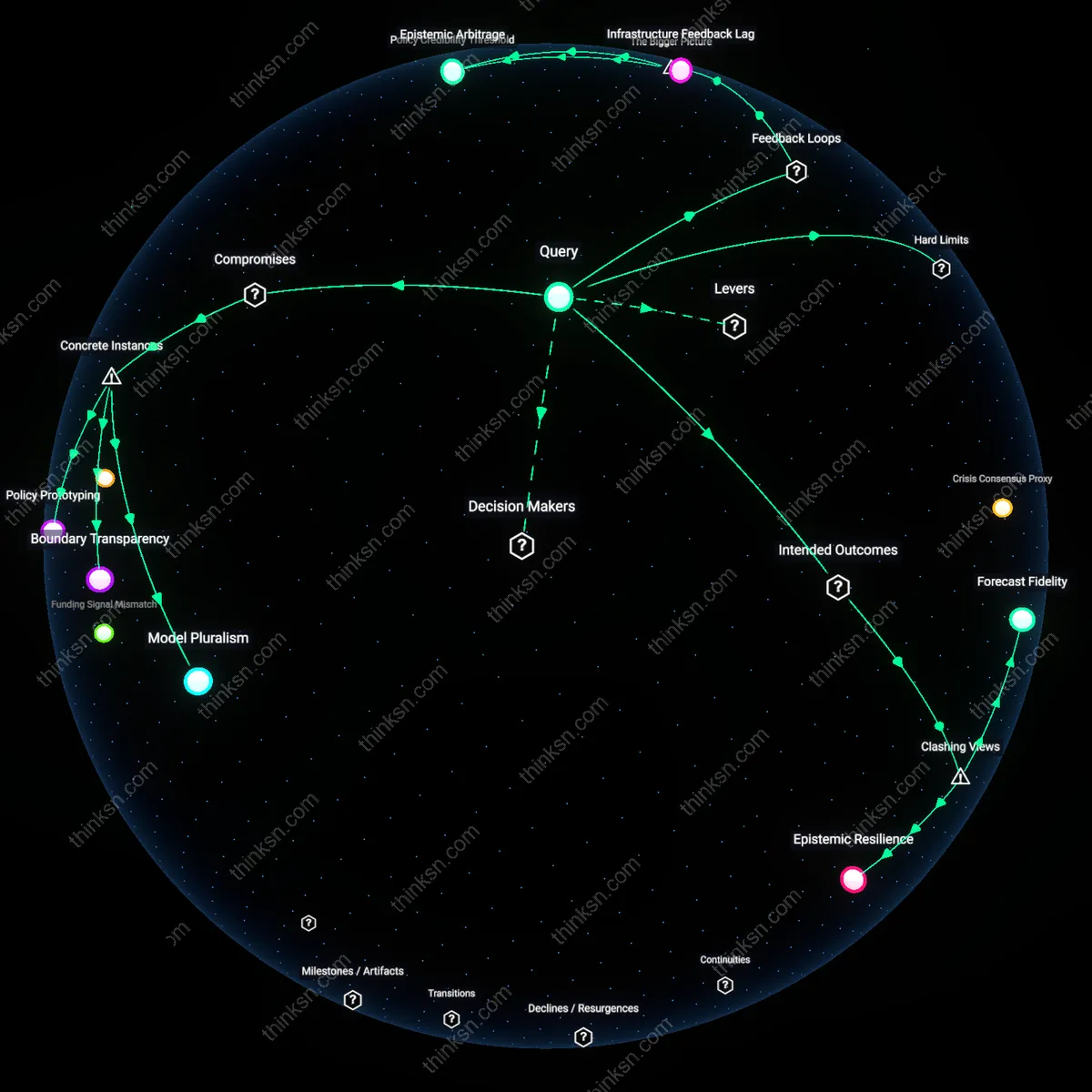
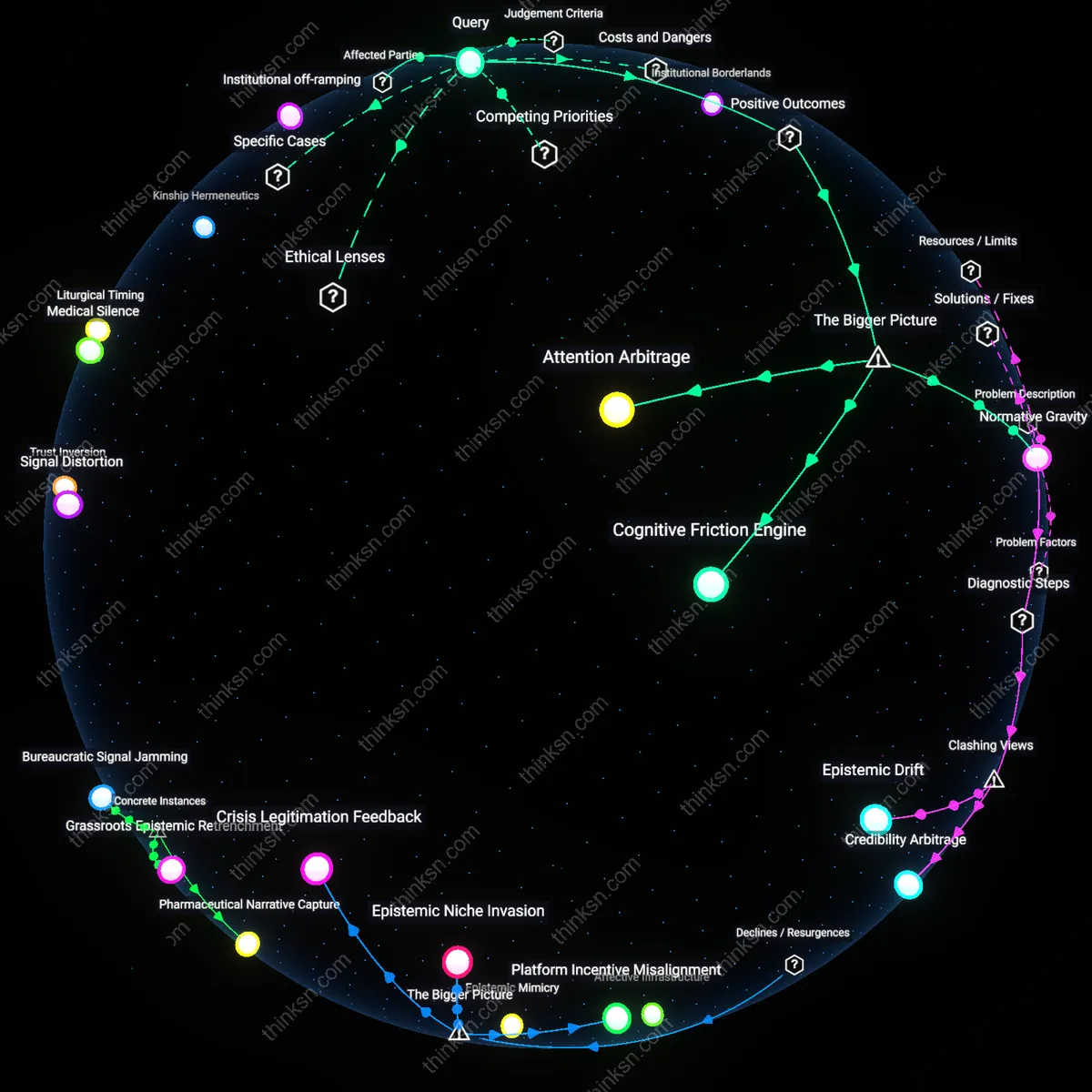
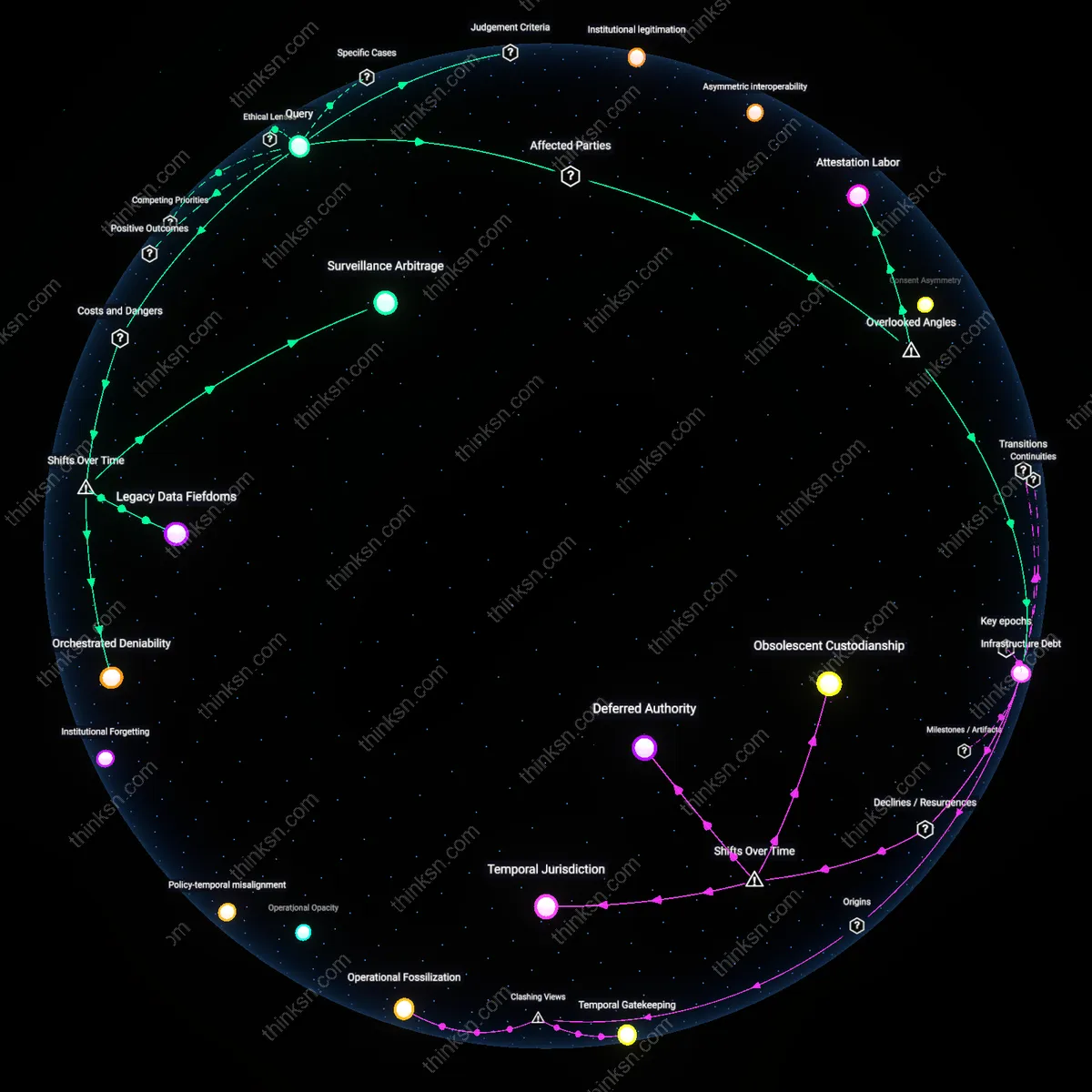
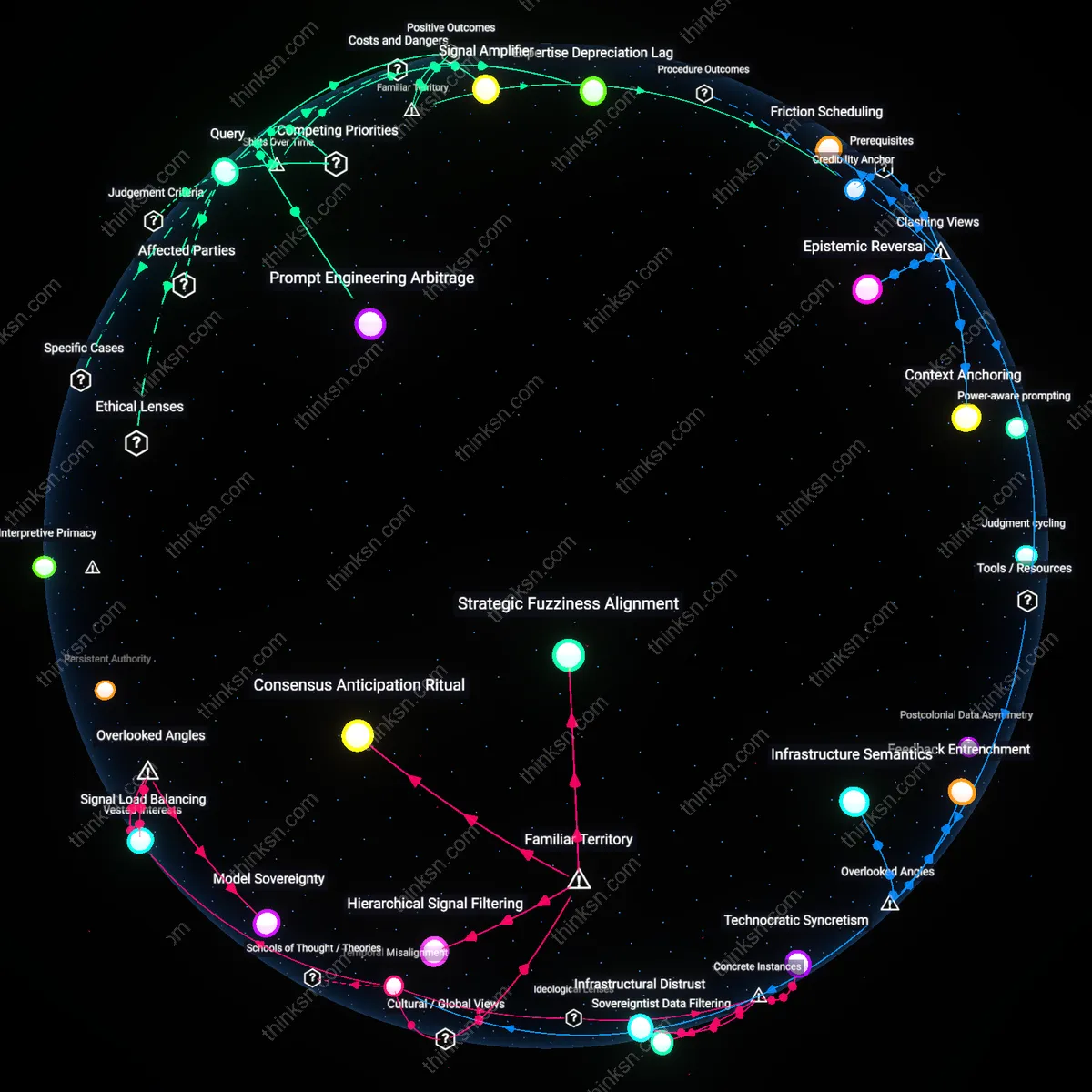
Analysis reveals 6 key thematic connections.
Key Findings
Credibility Anchor
A senior energy sector analyst should prioritize deepening industry-specific expertise because it establishes authoritative credibility with regulators, investors, and engineers who rely on domain accuracy. Energy markets, infrastructure planning, and policy compliance hinge on nuanced understanding—such as how FERC regulations interact with regional grid operator protocols or how LNG export economics shift under carbon pricing—where mistakes erode trust irreparably. This grounding becomes a credibility anchor, a non-negotiable baseline that ensures AI-generated insights are contextually valid and trusted, even when accelerated by prompts. What’s underappreciated is that without this foundation, AI outputs—even if technically fluent—risk being treated as plausible fiction rather than decision-grade intelligence.
Signal Amplifier
Developing AI prompt engineering skills enables analysts to rapidly extract and synthesize emerging signals from vast regulatory filings, technical reports, and operational data across global energy markets. Analysts at firms like Rystad Energy or BloombergNEF use structured prompts to surface anomalies—say, shifts in OPEC+ compliance rates or deviations in turbine maintenance logs across offshore wind farms—faster than traditional reading allows. This acts as a signal amplifier, turning latent patterns in unstructured text into early warnings or opportunities. The underappreciated truth is that in high-noise domains like energy forecasting, prompt engineering isn’t about replacing expertise but enhancing perceptual bandwidth, making rare but critical events more visible.
Translation Layer
Senior analysts must build prompt engineering proficiency to serve as a translation layer between technical AI systems and executive decision-makers who need concise, action-oriented summaries. When modeling hydrogen subsidy uptake under the U.S. Inflation Reduction Act, for instance, an analyst can use prompts to convert complex GIS, cost curve, and policy text data into scenario narratives for boardroom briefings. This role turns the analyst into a strategic conduit, ensuring that both data depth and strategic clarity are preserved. What’s rarely acknowledged is that this function doesn’t compete with domain mastery—it operationalizes it, making deep expertise usable in real-time decision contexts.
Expertise Depreciation Lag
A senior energy sector analyst should prioritize deepening industry-specific expertise over prompt engineering because the institutional memory and regulatory complexity embedded in legacy energy systems—such as post-1970s vertically integrated utilities transitioning to deregulated markets—cannot be rapidly interpreted by AI without human mediation, and the knowledge required to navigate regional permitting regimes, historical infrastructure constraints, and stakeholder politics evolves too slowly to be replaced by prompt-driven automation; this lag reveals that domain expertise remains a bottleneck in AI deployment, not a complement, and the failure to recognize this perpetuates the myth of AI’s autonomy while undervaluing the tacit knowledge accumulated through decades of policy shifts and technological path dependence.
Prompt Engineering Arbitrage
A senior energy sector analyst should actively develop AI prompt engineering skills because the post-2023 proliferation of generative AI tools in corporate forecasting and scenario modeling has created a temporary asymmetry where those who can extract nuanced simulations from models—such as translating Rystad Energy databases into probabilistic transition pathways—gain disproportionate influence over strategic narratives, even without deeper domain mastery; this arbitrage window emerged specifically during the 2022–2024 period of AI hype and thin integration, allowing technically agile analysts to bypass traditional research pipelines and directly shape executive decision-making, revealing how procedural innovation can temporarily override substantive authority in knowledge hierarchies.
Cognitive Dualism Shift
A senior energy sector analyst must treat prompt engineering and domain expertise not as competing but as co-evolving capabilities due to the structural transformation in energy analytics after 2020, when real-time grid data, ESG disclosure mandates, and climate risk modeling created information volumes that exceed human processing capacity, forcing analysts to offload pattern recognition to AI while retaining judgment over interpretation, thereby splitting analytical cognition into machine-executed pattern detection and human-contextual validation; this cognitive dualism marks a fundamental departure from the pre-2010 era of holistic expert authority, where credibility derived from encyclopedic knowledge, and instead produces a new epistemic regime where legitimacy depends on orchestrating, not replacing, machine intelligence.