Is Email Efficiency via AI Hurting Nuanced Communication?
Analysis reveals 6 key thematic connections.
Key Findings
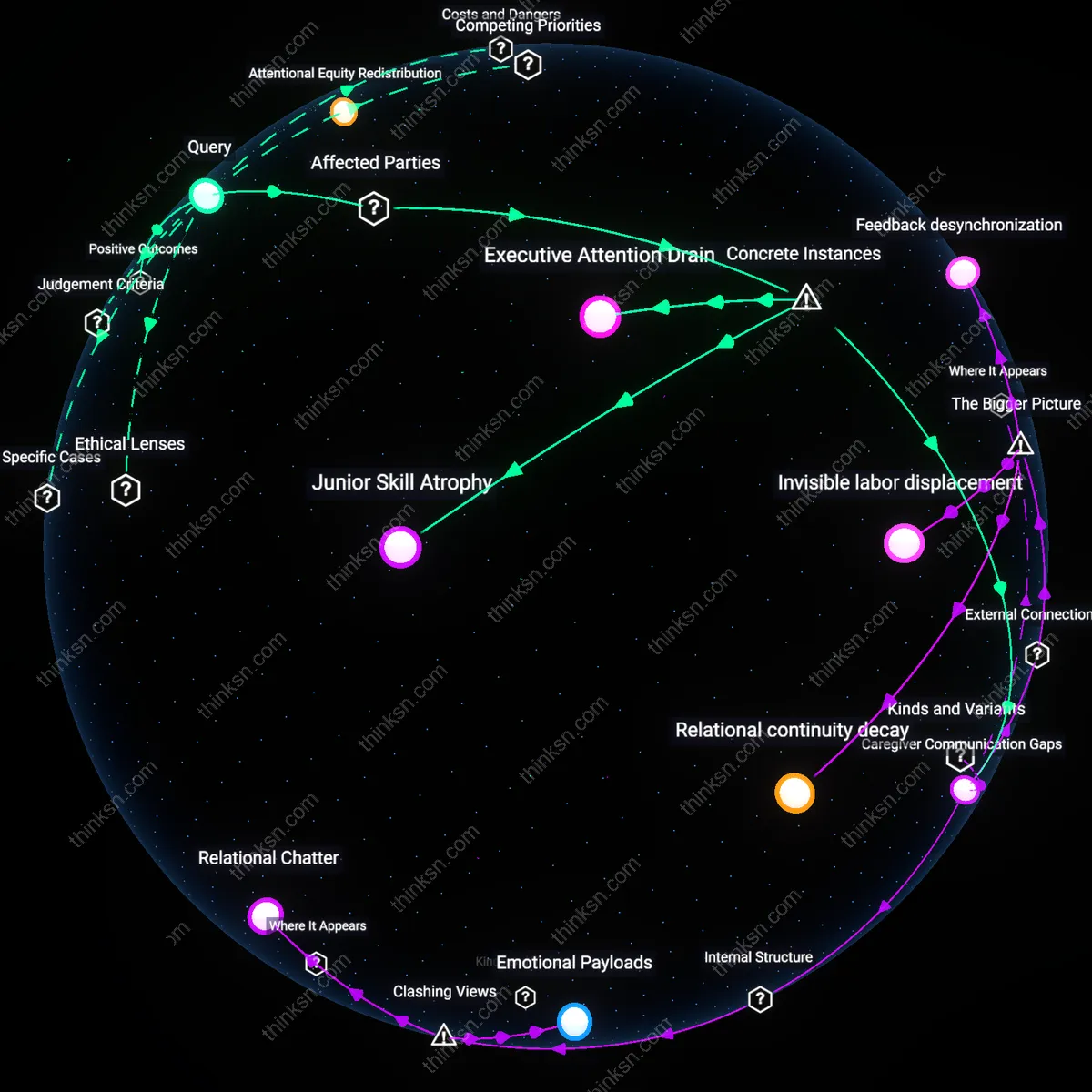
Executive Attention Drain
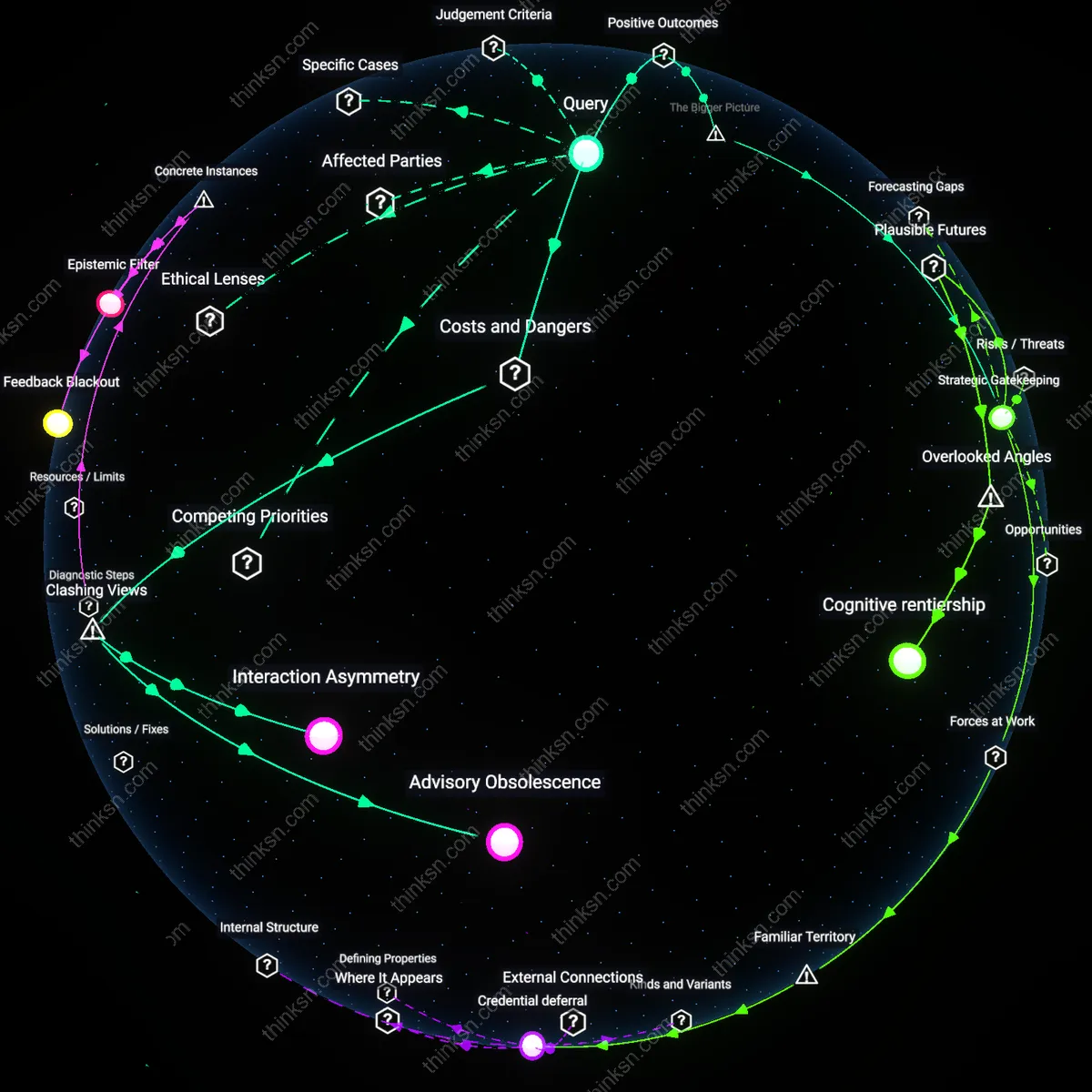
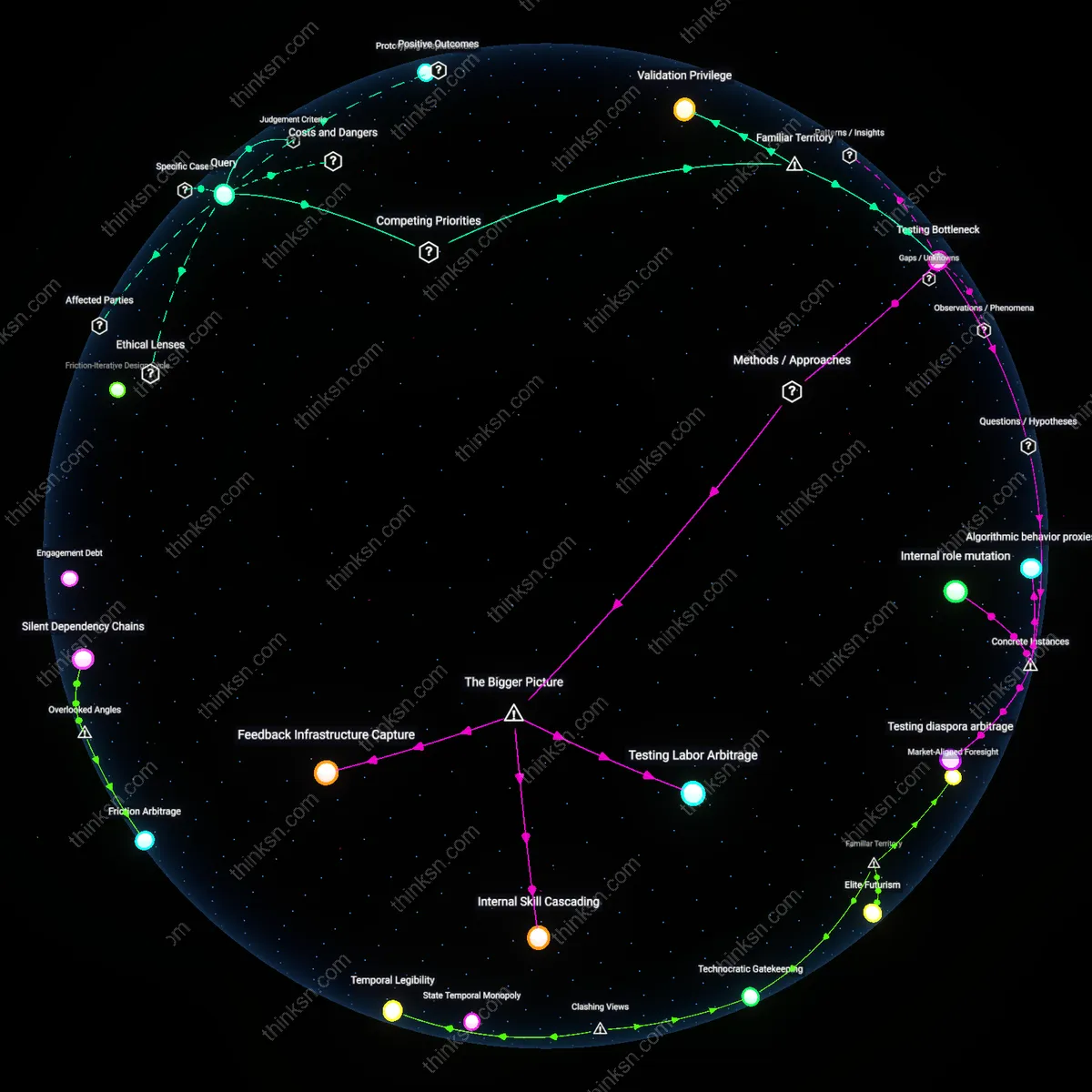
Executives at McKinsey & Company who adopted AI email summarization tools in 2022 experienced a measurable decline in their ability to detect nuanced client hesitations in forwarded messages, because the AI filtered out emotionally qualifying phrases as 'redundant,' thereby altering the tone of critical communications; this case reveals that high-stakes professionals relying on AI-mediated email triage risk losing access to subtextual cues essential for strategic decision-making, a consequence rarely accounted for in productivity assessments. The mechanism—algorithmic tone flattening in service of brevity—operates under the guise of efficiency but subtly degrades leadership communication fidelity, exposing a hidden cost in elite decision environments.
Caregiver Communication Gaps
Family caregivers coordinating elder care via AI-prioritized inboxes in Kaiser Permanente’s Northern California network during 2023 frequently missed emotionally coded messages from nurses—such as 'she seemed quieter today'—because the AI categorized them as low-priority non-urgent updates; this instance demonstrates how clinically adjacent but non-medical communication is systematically devalued by AI filters, shifting caregivers’ perception of what constitutes actionable information. The dynamic—algorithmic triage privileging explicit directives over affective signaling—creates latent risks in patient advocacy, revealing that time-saving tools can unintentionally disrupt empathic continuity in distributed care networks.
Junior Skill Atrophy
First-year associates at the law firm Skadden, Arps, Slate, Meagher & Flom who used AI-generated email drafts in 2021 showed significantly weaker development in persuasive phrasing and client boundary-setting over their second year, as internal evaluations revealed underdeveloped rhetorical judgment compared to peers who drafted manually; this outcome emerged because the AI templates optimized for clarity and deference, discouraging experimentation with tone and strategic ambiguity necessary in legal negotiation. The system—automated drafting as onboarding crutch—produces short-term efficiency but inhibits the organic acquisition of stylistic nuance, exposing how early-career reliance on AI can truncate the apprenticeship model of professional voice formation.
Cognitive Offloading Efficiency
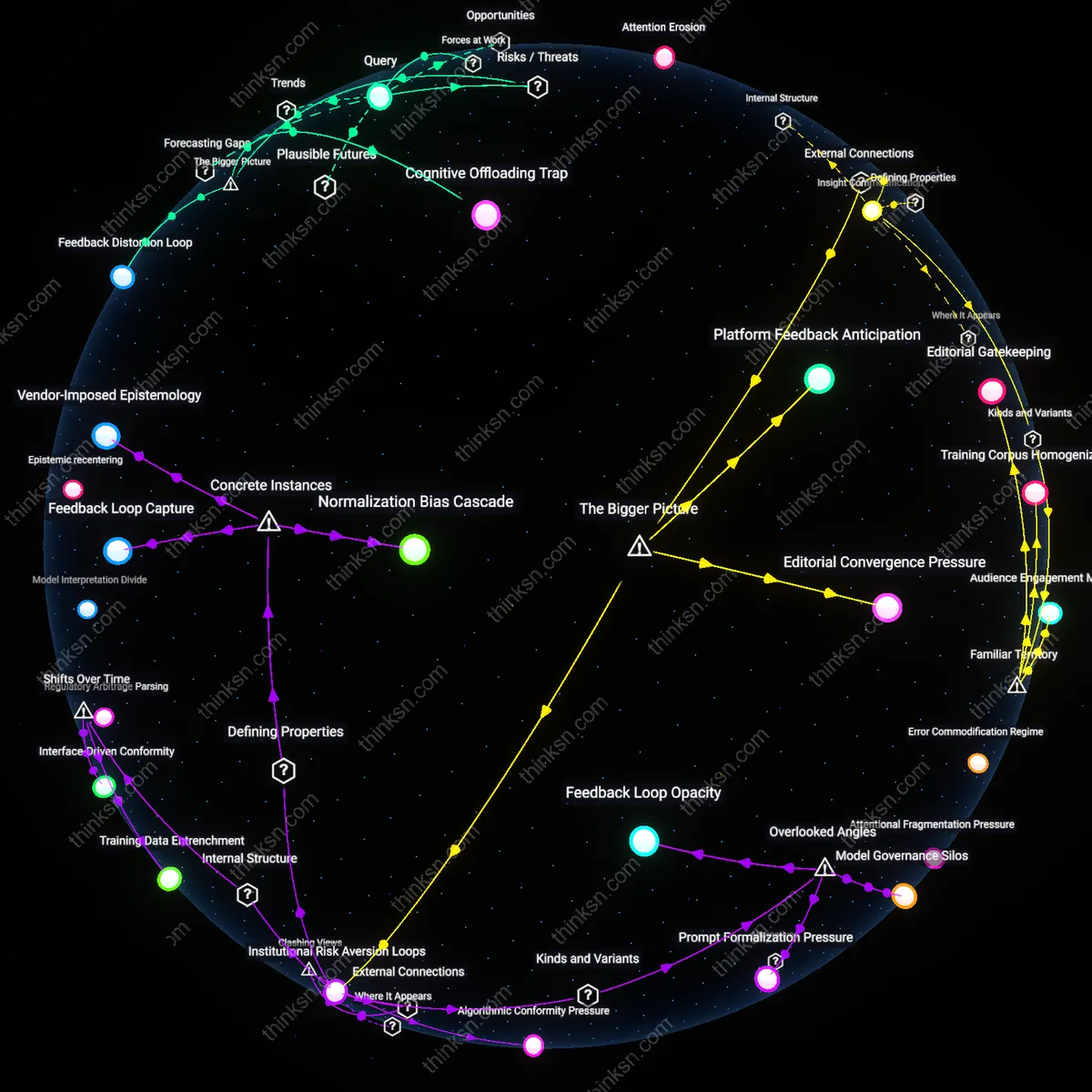
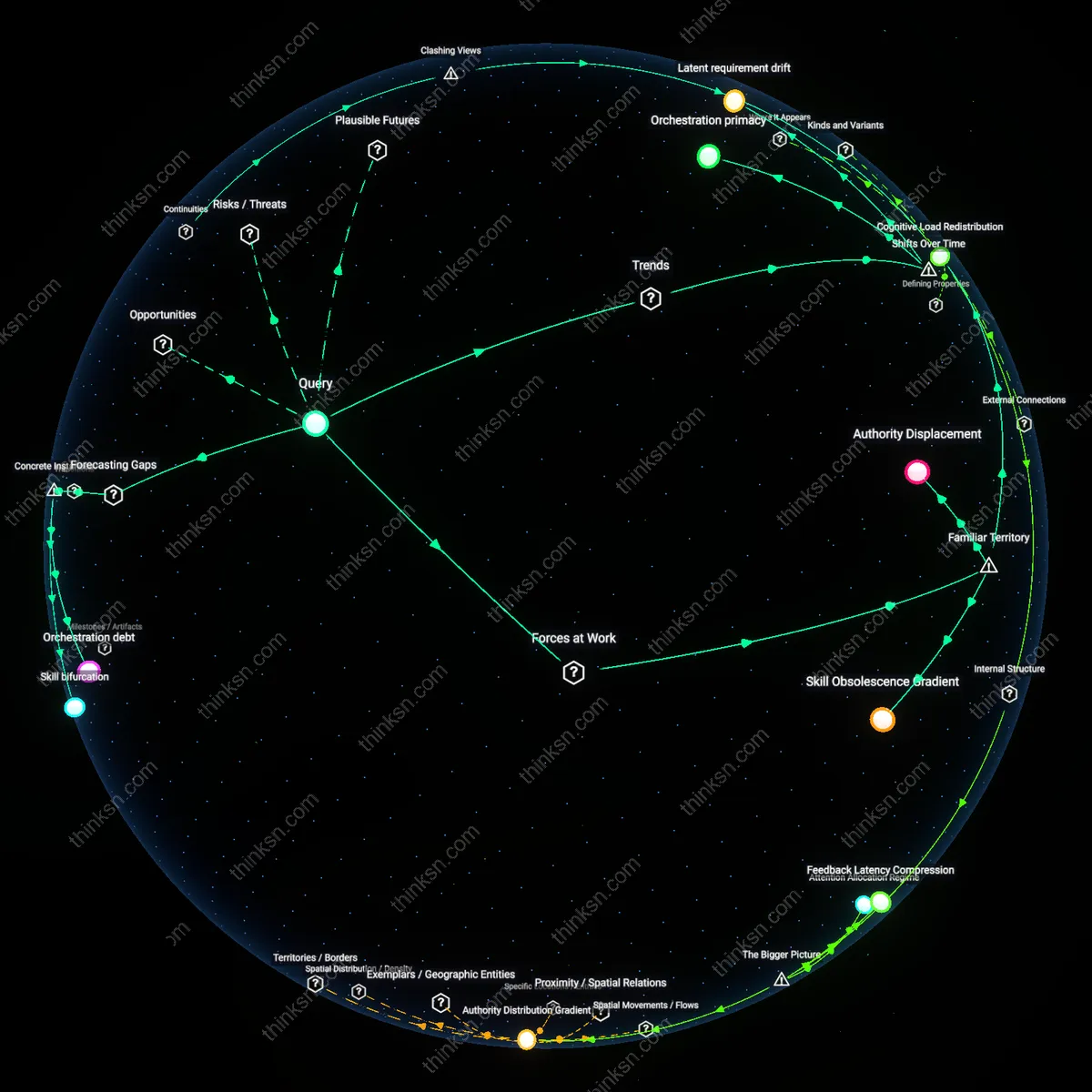
Using AI to manage personal emails improves long-term cognitive resource allocation by freeing working memory for higher-order social reasoning. Most users focus on time saved in drafting replies, but the deeper benefit lies in how routine linguistic labor—such as formulating politeness markers or managing tone consistency—can be offloaded, allowing individuals to reserve mental bandwidth for nuanced, face-to-face interactions where emotional intelligence is critical; this shift subtly enhances rather than erodes communication competence by rechanneling cognitive effort toward irreplaceable interpersonal dynamics. The overlooked mechanism is that routine email management consumes executive function not just in writing, but in repetitive micro-decisions about social posture, which AI absorption of these tasks enables a more strategic distribution of cognitive energy across communication modes.
Epistemic Feedback Loops
Automated email management systems enhance users’ meta-awareness of their own communication patterns by generating implicit feedback through AI-generated responses. As individuals review, accept, or edit AI-suggested replies, they engage in continuous comparison between their intuitive phrasing and algorithmically optimized alternatives—many of which are trained on vast corpus-level norms of clarity, brevity, and tone—thereby developing a refined, reflective stance toward their language use; this recursive calibration process fosters unintentional skill development in digital rhetoric. The underappreciated dynamic is that AI doesn’t merely replace effort but creates a stealth pedagogical loop where users become more deliberate communicators by observing patterned discrepancies between their impulses and machine-suggested norms.
Attentional Equity Redistribution
Delegating email curation to AI disproportionately benefits individuals with attentionally demanding professions or neurocognitive differences by reallocating focus from low-stakes textual maintenance to high-stakes relational engagement. Professionals like clinicians, educators, or caregivers—who face high emotional labor loads—gain critical surplus attention by minimizing the cognitive toll of inbox management, allowing them to sustain greater presence in live conversations; the hidden value is not just in time saved but in the preservation of attentional stamina needed for empathetic listening and responsive dialogue. This redistribution of cognitive access reveals that AI email tools function not merely as productivity enhancers but as subtle equalizers of communicative capacity across neurodiverse and overextended populations.