Are Smart Watches Turning Heart Monitoring into a Data Frenzy?
Analysis reveals 10 key thematic connections.
Key Findings
Cardiovascular Surveillance Class
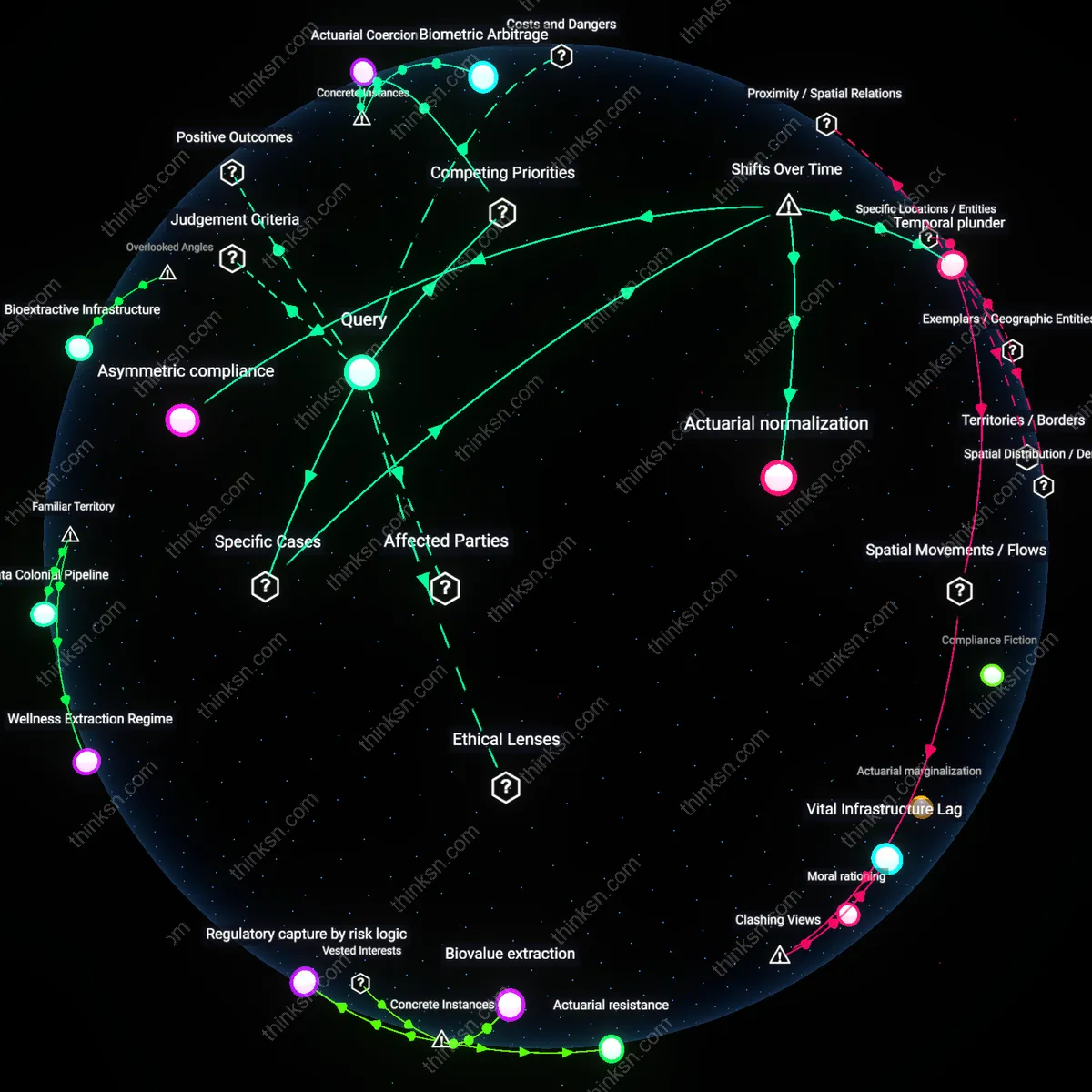
The widespread adoption of smartwatch-based heart rhythm monitoring is primarily driven by asymmetric access to clinical validation, where affluent users leverage consumer devices to preemptively simulate cardiology visits, thereby reshaping arrhythmia detection into a tiered system stratified by wearable ownership. This dynamic is sustained by private healthcare systems in high-income countries—particularly the U.S.—where early detection is monetized through downstream specialist referrals, privileging those who can afford both the device and follow-up care; the clinical evidence, while real, is selectively actionable only within these economic contours. The non-obvious reality is that validation studies gain relevance not from population health impact but from their ability to justify medical follow-up among already-resourced patients, revealing that the technology functions less as a public health tool and more as a conduit for medicalized advantage.
Regulatory Trial-By-Deployment
The clinical evidence for smartwatch heart monitoring is not a precondition for adoption but a retroactive byproduct of mass deployment, as seen in Apple’s Heart Study and Fitbit’s cardiovascular research partnerships, which instrumentalize millions of users as de facto participants in observational trials without traditional informed consent structures. This inversion—where population-scale rollout precedes rigorous validation—transforms consumers into an unregulated clinical cohort, enabling firms to claim evidence generation post hoc while regulatory agencies like the FDA apply enforcement discretion to digital health tools. The counterintuitive mechanism is that medicalization does not follow evidence but produces it through data capture, revealing a new paradigm where market adoption becomes the engine of clinical legitimation, not its outcome.
Clinical legitimization
The widespread adoption of smartwatch-based heart rhythm monitoring is primarily supported by clinical evidence emerging after 2018, when large-scale trials like the Apple Heart Study demonstrated feasibility in detecting atrial fibrillation and triggered follow-up by cardiologists. Prior to this period, consumer wearables were dismissed in medicine as recreational gadgets; the shift occurred when institutional actors—Stanford Medicine, FDA, Medicare—began treating algorithm-identified arrhythmias as clinically actionable, creating a feedback loop where data from millions of watches were retroactively validated through medical response. This transition reveals how clinical protocols, not just technological capability, recalibrate what counts as medical-grade data, a non-obvious pivot from skepticism to stewardship driven by evidence infrastructure rather than trend alone.
Consumer health entitlement
The adoption of smartwatch heart monitoring is driven by a post-2010 shift in health autonomy, where individuals increasingly expect continuous access to personal physiology as a right, transforming episodic clinical care into perpetual self-surveillance. This change accelerated with the integration of FDA-cleared algorithms into devices marketed not as medical tools but as lifestyle enablers, allowing companies like Apple and Fitbit to reframe arrhythmia alerts as user empowerment rather than pathology. The non-obvious consequence is that medical legitimacy is now co-produced by consumer demand and corporate UX design, where the perception of health control becomes as influential as peer-reviewed outcomes in driving adoption.
Algorithmic triage economy
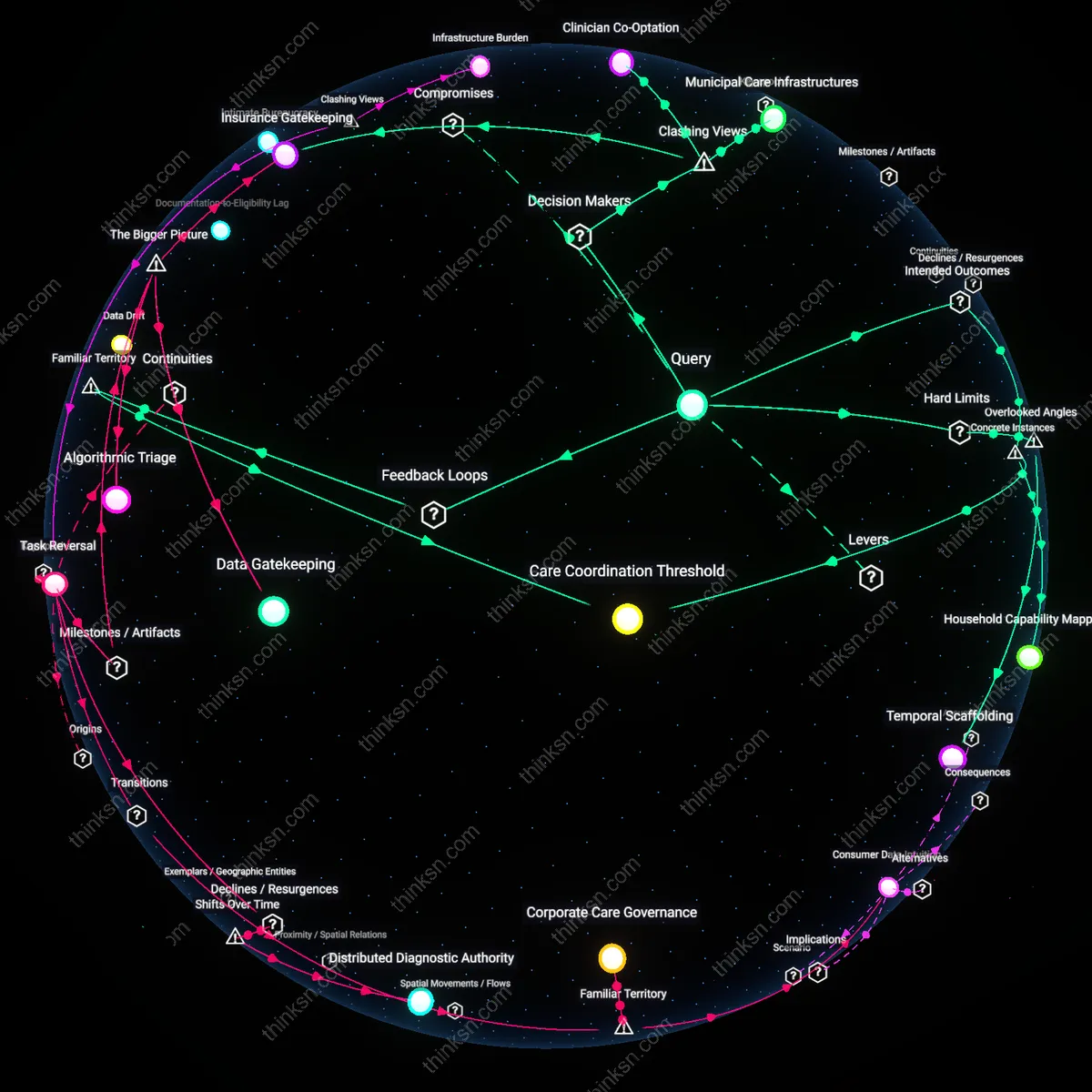
Smartwatch heart rhythm monitoring has become widespread due to its integration into a post-2020 healthcare cost-containment model, where insurers and integrated delivery systems use arrhythmia screening as a pre-emptive triage mechanism to offload low-risk patients while reserving specialist care for confirmed events. This represents a departure from pre-2015 models where continuous monitoring was reserved for high-risk cohorts, and instead leverages scale and automation to recast preventive care as data-efficient filtering. The underappreciated reality is that clinical endorsement now follows economic scalability—algorithms are validated not solely for diagnostic accuracy but for their ability to reduce downstream utilization, repositioning medical evidence as a function of throughput optimization.
Threshold Creep
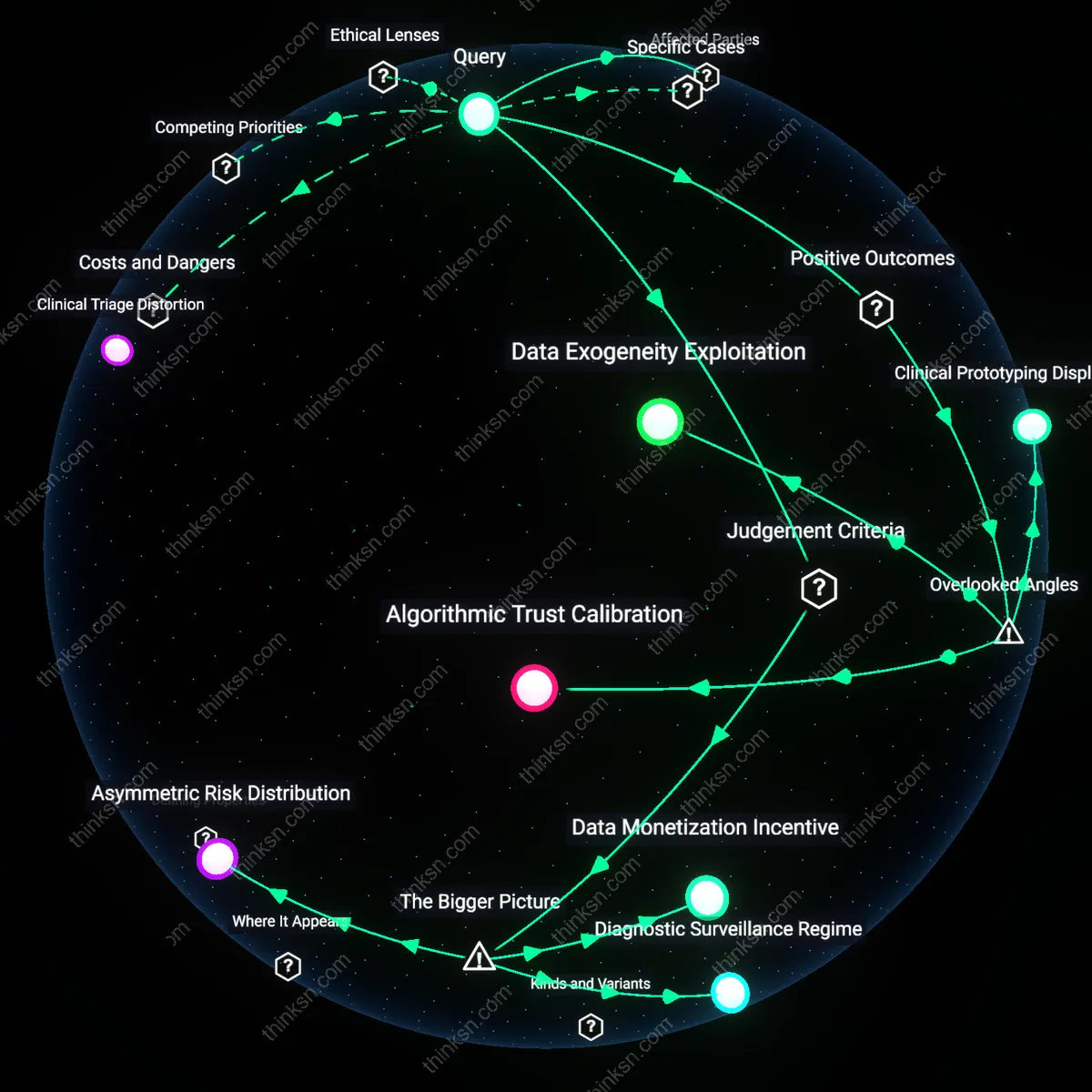
Clinical evidence for smartwatch-based monitoring emerges not from controlled trials but from the normalization of population-scale data collection, where diagnostic thresholds are incrementally redefined through real-world usage rather than peer-reviewed consensus. Major healthcare systems such as the Mayo Clinic and Kaiser Permanente integrate wearable data into electronic health records not because of proven outcome improvements, but to maintain patient retention in value-based care models that reward continuous engagement. This shifts the burden of proof from efficacy to adoption, embedding medicalization within routine care workflows. The underappreciated dynamic is that data volume itself becomes evidence, crowding out slower, traditional research cycles and distorting clinical priorities.
Liability Asymmetry
Smartwatch heart monitoring proliferates because legal accountability for false positives is borne almost entirely by healthcare systems and clinicians, while device manufacturers retain insulation through disclaimers and user agreements. When Apple Watch alerts prompt patients to seek emergency care, hospitals absorb the downstream costs of evaluation—often for benign arrhythmias—while Apple gains brand trust and user loyalty without assuming clinical liability. This imbalance is structurally reinforced by product liability frameworks that distinguish 'wellness' from 'medical' use, despite functional overlap. The critical insight is that innovation incentives are skewed not by technology but by risk reallocation, making medicalization self-perpetuating even absent definitive clinical utility.
Apple Cardiologist Interface
Smartwatch-based heart rhythm monitoring is clinically supported when integrated into physician-led diagnostic pathways, as seen in the collaboration between cardiologists and Apple’s ECG feature in the Apple Watch. Clinicians at institutions like the Mayo Clinic and Stanford Medicine have adopted these data as preliminary screening tools, using them to trigger formal diagnostics like Holter monitoring or electrophysiology referrals—transforming consumer-generated data into medical action. The non-obvious insight is that clinical validation here doesn’t come from population-level efficacy, but from its tactical utility in reducing diagnostic delay within an overburdened specialty system.
Wellness Surveillance Habit
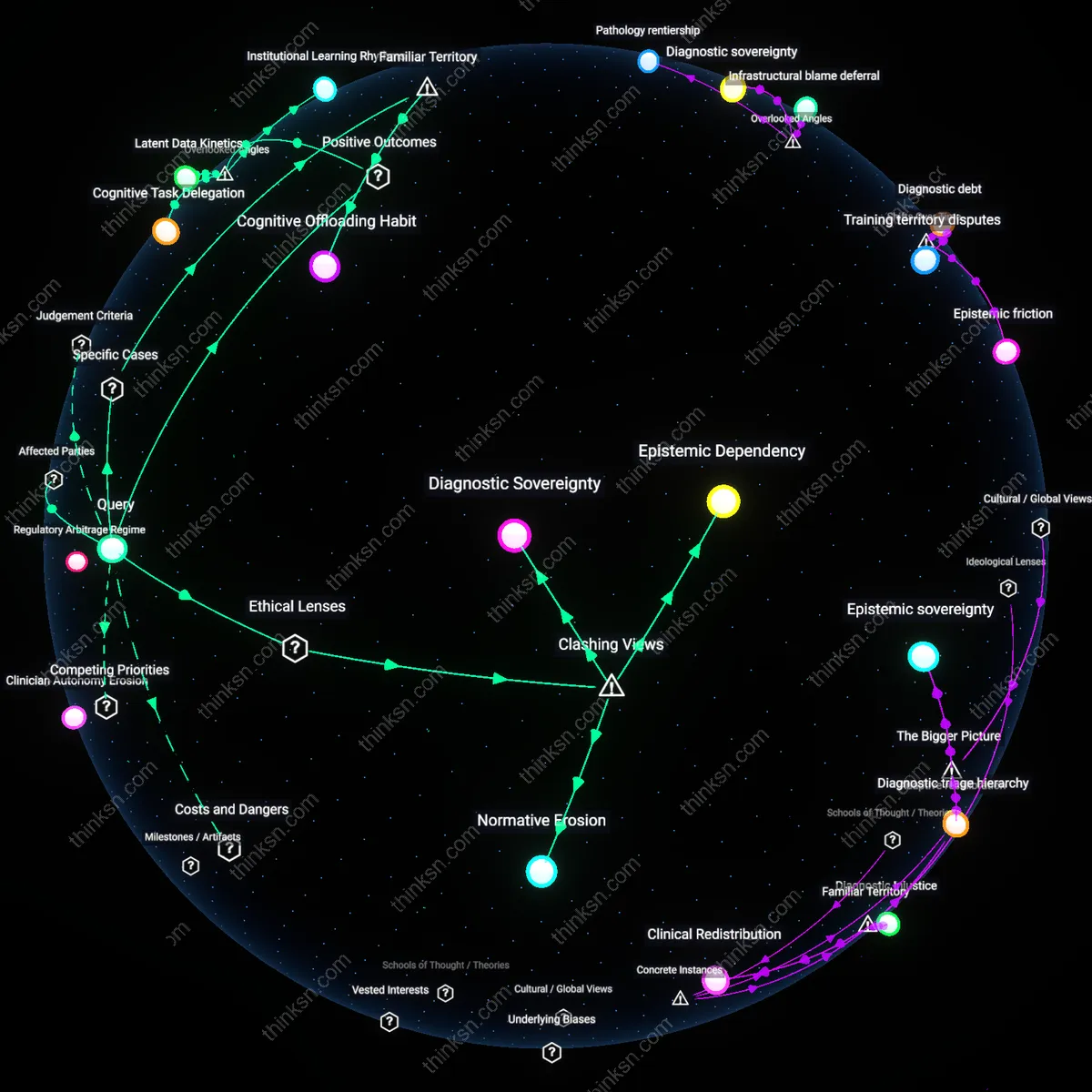
The widespread adoption of smartwatch heart rhythm tracking is primarily driven by the normalization of personal health surveillance among affluent urban professionals who equate data collection with proactive care, epitomized by Silicon Valley executives and biohackers using devices like Garmin and Whoop. These users treat arrhythmia alerts not as medical events but as performance metrics, often bypassing clinicians entirely—reframing intermittent atrial fibrillation as a lifestyle optimization target. The underappreciated shift is how medicalization here serves identity formation, where the act of monitoring becomes a behavioral substitute for clinical engagement.
Regulatory Data Pipeline
FDA clearance of Apple Watch’s irregular rhythm notification acts as a proxy for clinical legitimacy, creating a feedback loop where regulatory endorsement enables consumer adoption, which in turn generates large-scale observational datasets used to justify further medical integration. Real-world deployment through programs like the Apple Heart Study enrolled over 400,000 participants, producing evidence that influenced USPSTF discussions on screening asymptomatic adults—blurring the line between research, regulation, and product marketing. The overlooked mechanism is that regulatory agencies have become conduits for commercial data infrastructure to enter clinical discourse, not validators of individual device efficacy.