Is Complaining to FTC About Data Sales Worth Restitution?
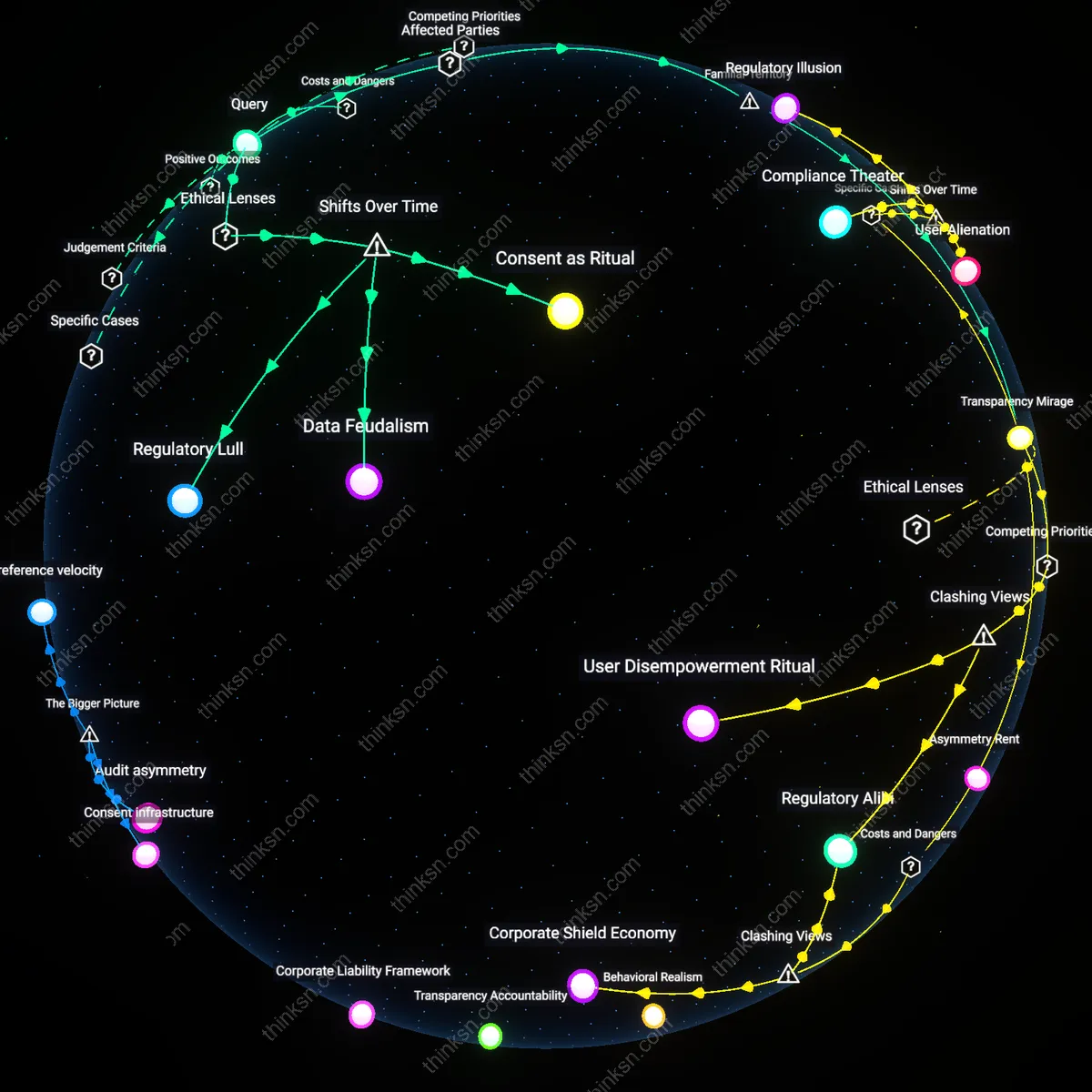
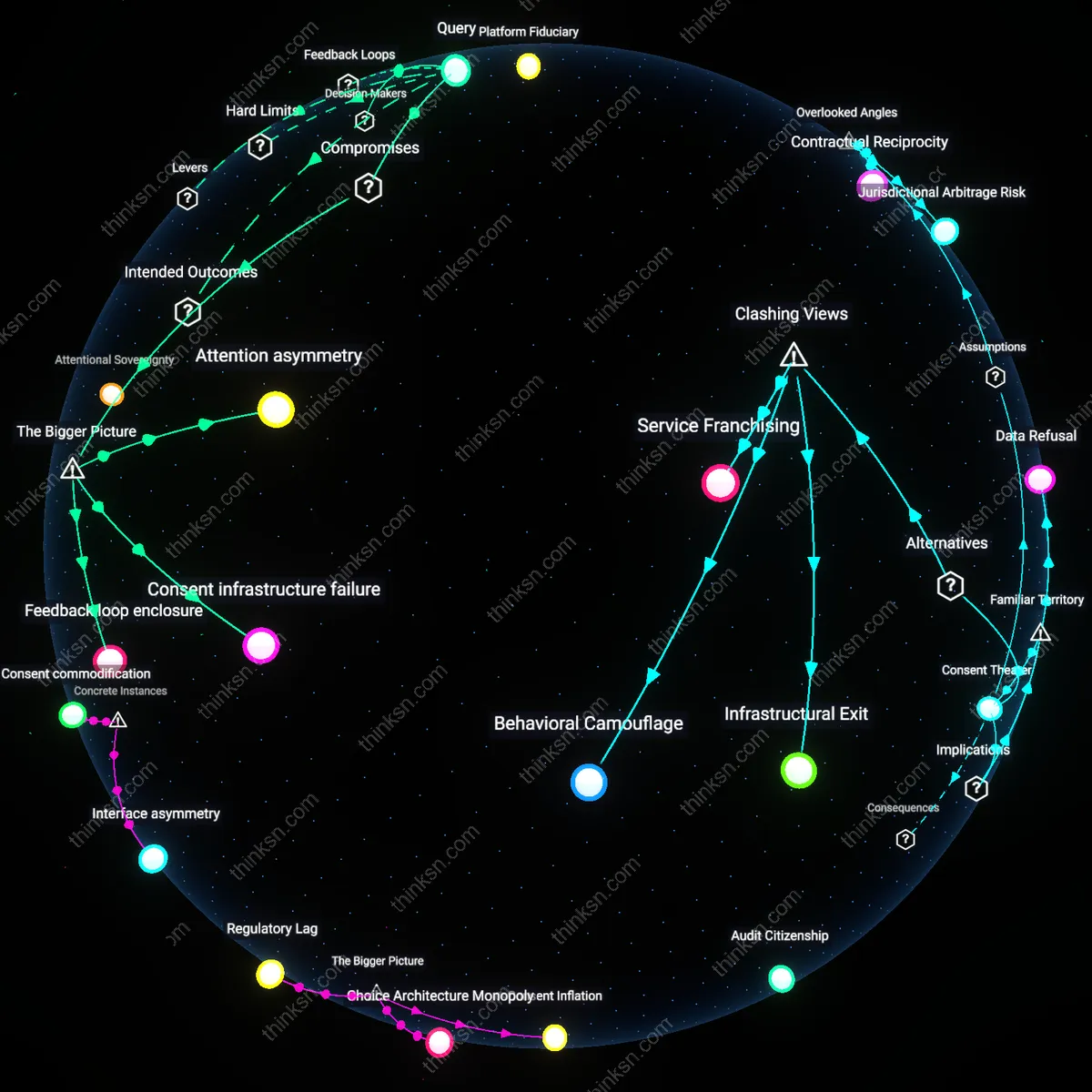
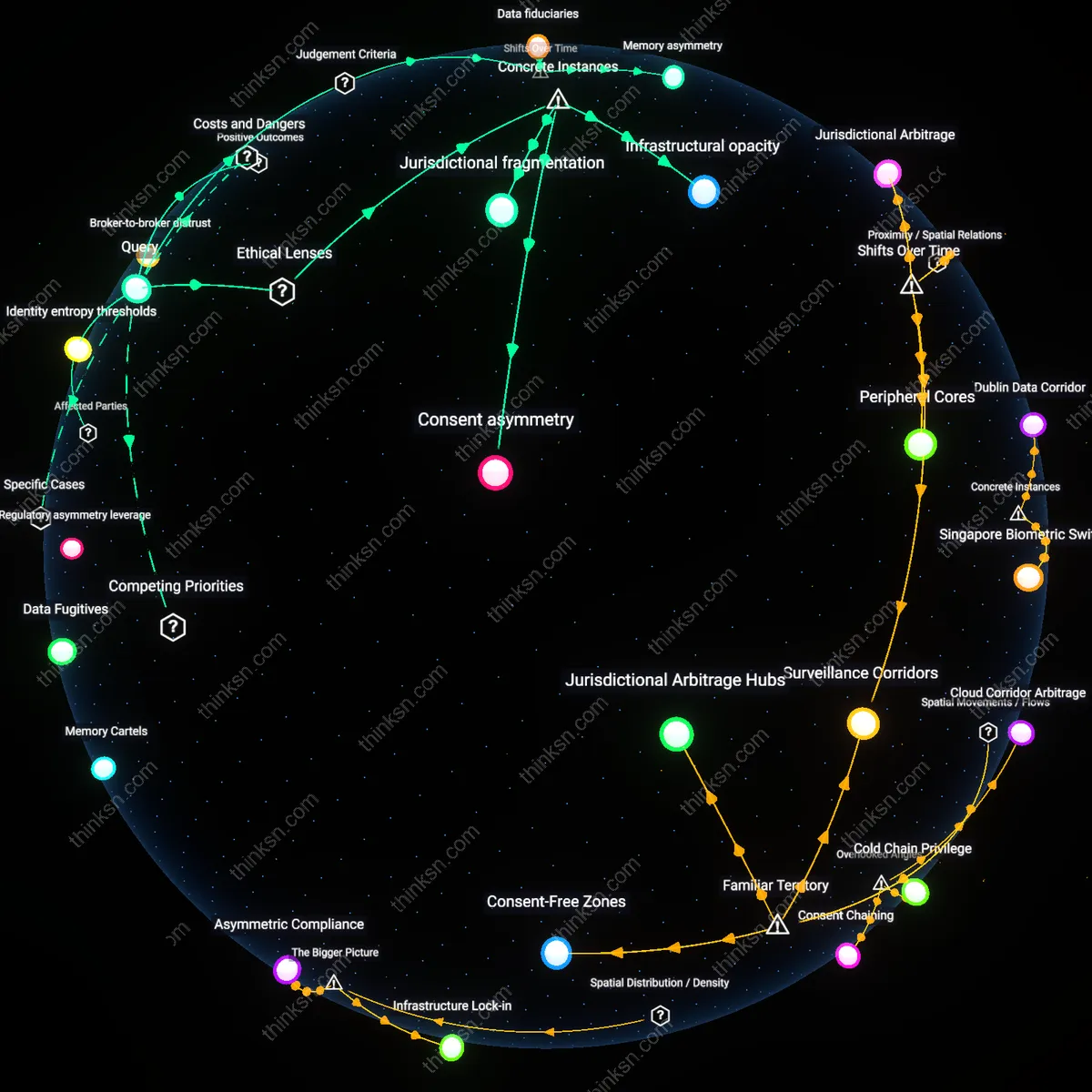
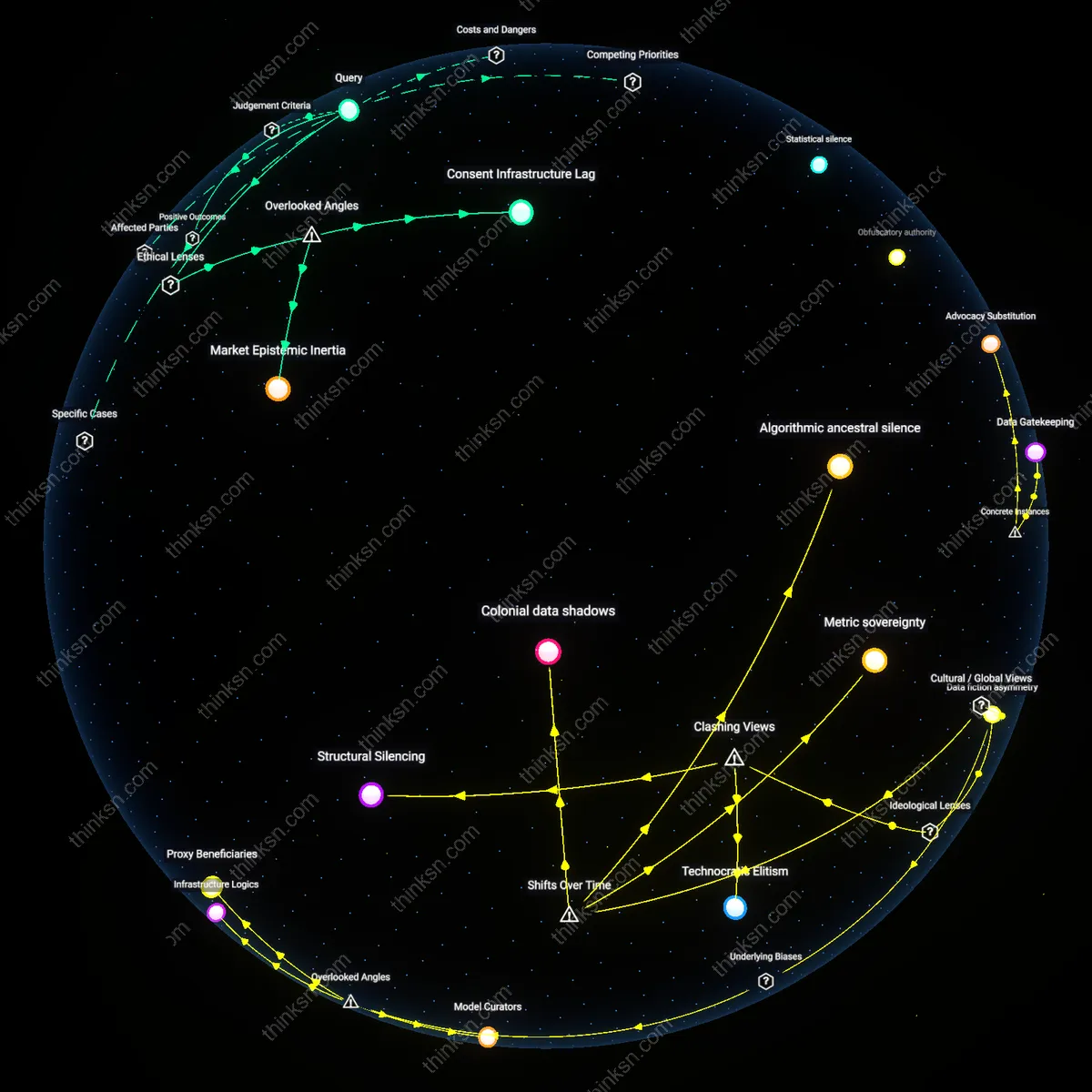
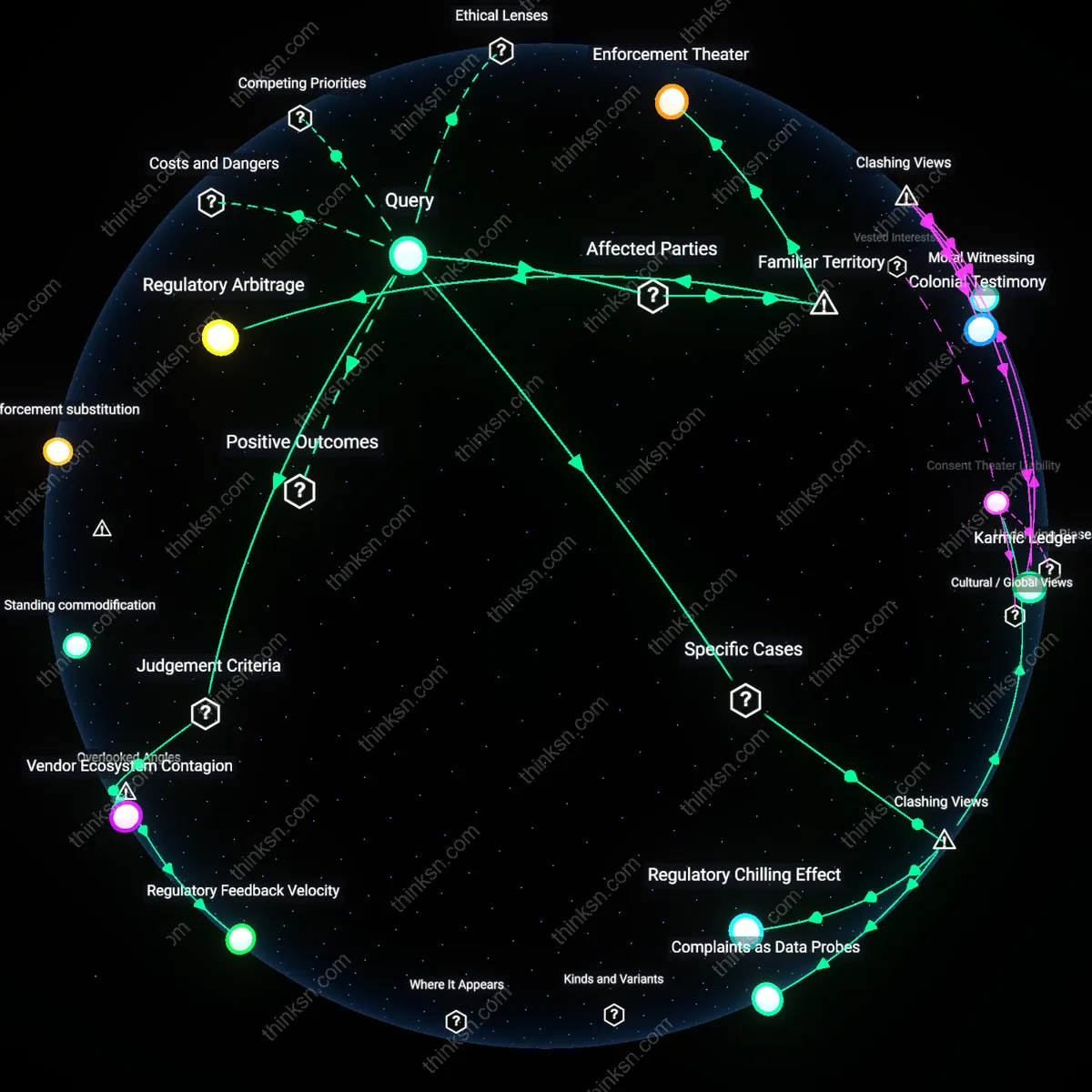
Analysis reveals 9 key thematic connections.
Key Findings
Bureaucratic Catharsis
Filing a complaint with the FTC over unauthorized data sales provides emotional relief but rarely leads to direct restitution because the agency prioritizes systemic enforcement over individual redress. The FTC aggregates complaints to detect patterns and initiate investigations, meaning most filers never see personal compensation, even when actions result in corporate penalties. This creates a ritualized form of recourse that validates harm without delivering tangible repair—an underappreciated function of bureaucratic complaint systems in digital life.
Regulatory Arbitrage
Consumers who file FTC complaints after non-consensual data sales are often unaware that many data brokers operate in legal gray zones explicitly exempt from liability under current laws like the FCRA or GLBA. Enforcement depends on whether the data qualifies as 'sensitive' or was used in credit, employment, or health contexts—conditions most bulk data trades avoid. This gap between public expectation of protection and actual statutory coverage enables companies to legally profit from data despite widespread consumer belief in a broader privacy right.
Enforcement Theater
Public trust in the FTC as a protector of privacy persists largely because high-profile settlements with tech companies create a perception of accountability, even when those cases stem from internal investigations rather than individual complaints. The visibility of multimillion-dollar fines—such as those against Facebook or Equifax—masks the reality that complaint-driven enforcement is negligible; most actions follow whistleblower disclosures or congressional pressure. The symbolic act of filing sustains an illusion of access, reinforcing institutional legitimacy without structural change.
Regulatory Feedback Velocity
Filing a complaint with the FTC can generate meaningful restitution when it activates rapid regulatory feedback loops that reshape corporate data governance before widespread harm consolidates. This occurs not through individual redress, which is vanishingly rare, but by fueling pattern detection within the FTC’s Bureau of Consumer Protection, where aggregated complaint data trains internal risk algorithms used to prioritize enforcement sweeps—such as those seen in the 2023 actions against data broker X-Mode. What’s overlooked is that individual complaints function less as pleas for justice than as data points in a surveillance system monitoring corporate deviance, transforming passive victims into unwitting contributors to regulatory machine learning, thereby altering the temporal economics of compliance.
Vendor Ecosystem Contagion
FTC complaints can trigger meaningful restitution indirectly by destabilizing the trust infrastructure of data vendor ecosystems, where firms like data brokers and ad-tech intermediaries depend on reputational opacity to maintain contractual relationships. When a complaint forces disclosure—via FTC investigation or subsequent media attention—it introduces uncertainty about data lineage, prompting downstream partners such as programmatic advertisers to terminate contracts preemptively, as seen in the aftermath of the 2021 Kochava investigation. The overlooked mechanism is not legal penalty but reputational fragmentation in B2B data supply chains, where perceived risk of association outweighs the benefits of data reuse, thereby making complaints a form of asymmetric reputational warfare.
Litigation Foothold Privilege
Filing an FTC complaint becomes materially consequential not for the FTC’s response but because it generates a legally recognized record of standing that private attorneys leverage to initiate class-action suits against companies like Clearview AI, where courts have recently conditioned certification on prior administrative exhaustion. This transforms the complaint from a symbolic gesture into a procedural prerequisite—a foothold without which even well-funded litigation cannot proceed. The underappreciated dynamic is that the FTC functions as a gatekeeper of legal legitimacy in private enforcement, making individual complaints a hidden tollbooth on the path to collective restitution, even when the agency itself takes no direct action.
Regulatory Chilling Effect
Filing an FTC complaint triggers corporate self-censorship due to audit exposure, not direct restitution, as seen in Meta’s 2023 consent decree revisions following a wave of individual filings over unauthorized data transfers to third-party analytics firms; this mechanism operates through the FTC’s authority to reopen compliance reviews, making future enforcement more likely regardless of immediate redress, which reveals that the primary consequence of complaints is not compensation but organizational risk recalibration.
Complaints as Data Probes
Individual FTC complaints function as a distributed surveillance mechanism that identifies systemic abuse patterns, exemplified by the FTC’s 2021 investigation into data broker Brokerlogix, which began as an aggregation of hundreds of user complaints about non-consensual health app data sales; the FTC used this complaint swarm to reverse-engineer opaque data supply chains, demonstrating that the complaints’ value lies not in personal restitution but in intelligence gathering for macro-scale enforcement, challenging the assumption that individual grievances must yield individual remedies.
Consent Theater Liability
Filing with the FTC exposes the ceremonial nature of consent frameworks, as demonstrated by the 2022 action against Zoom for selling user engagement data despite explicit opt-in settings, where the FTC dismissed class claims for restitution yet mandated structural changes through ongoing monitoring; this shows that complaints succeed not by returning value to individuals but by forcing firms to maintain visible compliance rituals, revealing liability as a performance rather than a compensatory mechanism.