Is Parental Social Media Monitoring Undermining Teen Autonomy?
Analysis reveals 9 key thematic connections.
Key Findings
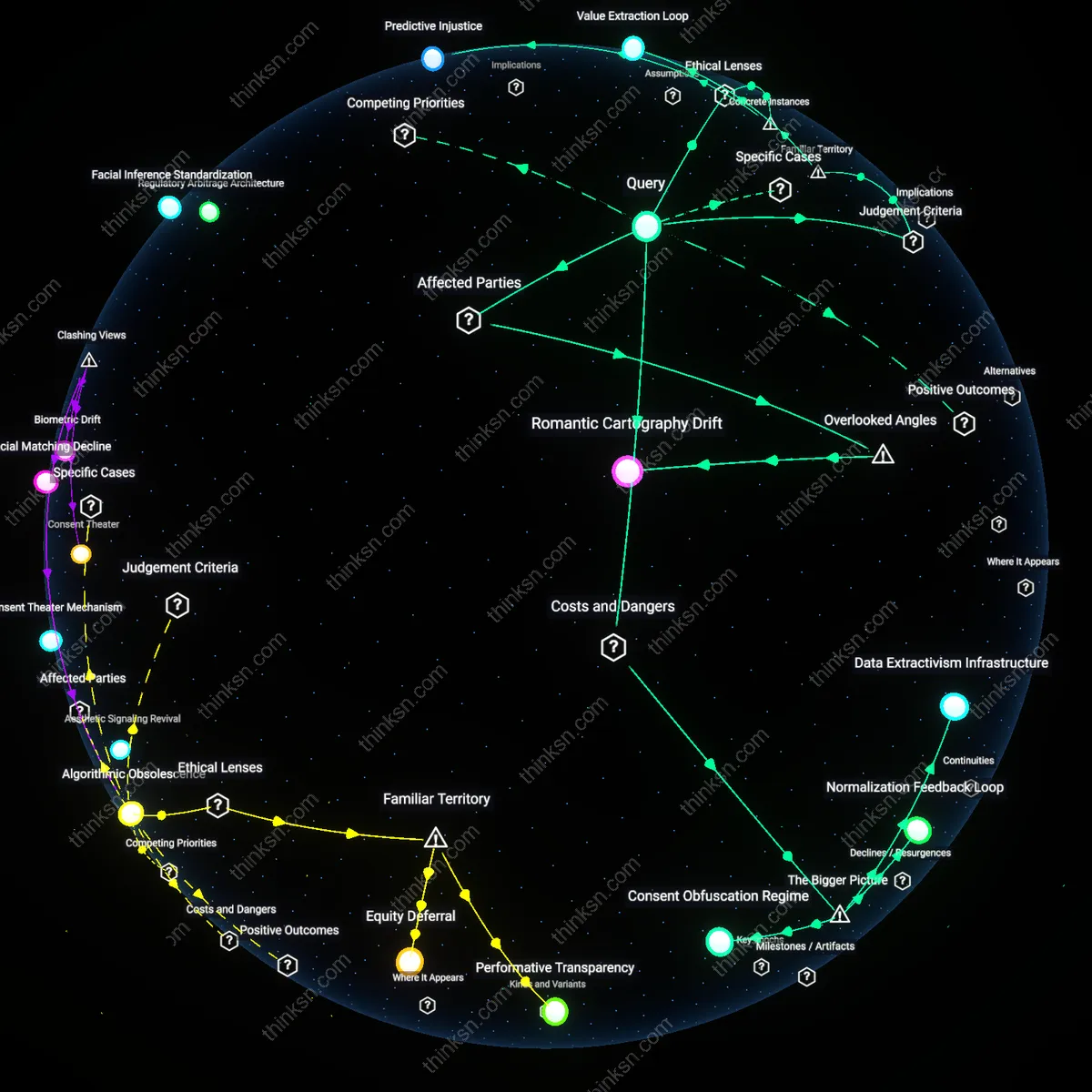
Surveillance Debt
Intensive parental monitoring of adolescent social media becomes an infringement when it conditions trust on perpetual data extraction, enrolling teens in a domestic surveillance economy where privacy is forfeited in exchange for autonomy rights. This mechanism mirrors state-corporate surveillance architectures—not through coercion but through negotiated compliance—teaching adolescents that self-governance must be earned by surrendering behavioral transparency. What is non-obvious is that safety is not the primary outcome being produced; instead, the system cultivates precocious adaptation to invisible monitoring regimes that persist into adulthood, normalizing asymmetrical power as relational necessity.
Autonomy Theater
Intensive parental monitoring infringes on autonomy not when it occurs, but when it masquerades as protection while actually serving parental anxiety management through performative intervention. Schools, mental health platforms, and parenting influencers have institutionalized monitoring as a moral imperative, such that oversight functions less to protect teens and more to reassure adults they are 'doing enough'—a ritualistic discharge of responsibility that substitutes presence for understanding. The non-obvious insight is that autonomy is not eroded by control itself, but by the symbolic replacement of authentic relational development with monitored compliance, turning adolescent identity work into a staged compliance performance.
Consent Erosion
Parental monitoring crosses into infringement when it systematically preempts the adolescent’s developing capacity to negotiate consent in digital sociality, treating access to a child’s accounts as an unconditional extension of custodial rights rather than a revocable, context-sensitive privilege. Unlike physical supervision, digital surveillance enables retroactive scrutiny—scrolling through past messages or deleted content—disrupting the temporal boundaries essential for identity experimentation. The underappreciated dynamic is that continuous access disables the psychological scaffolding of trust by eliminating the possibility of withheld information, thereby stunting the teen’s practice of boundary-setting that peer relationships outside the family would otherwise demand and develop.
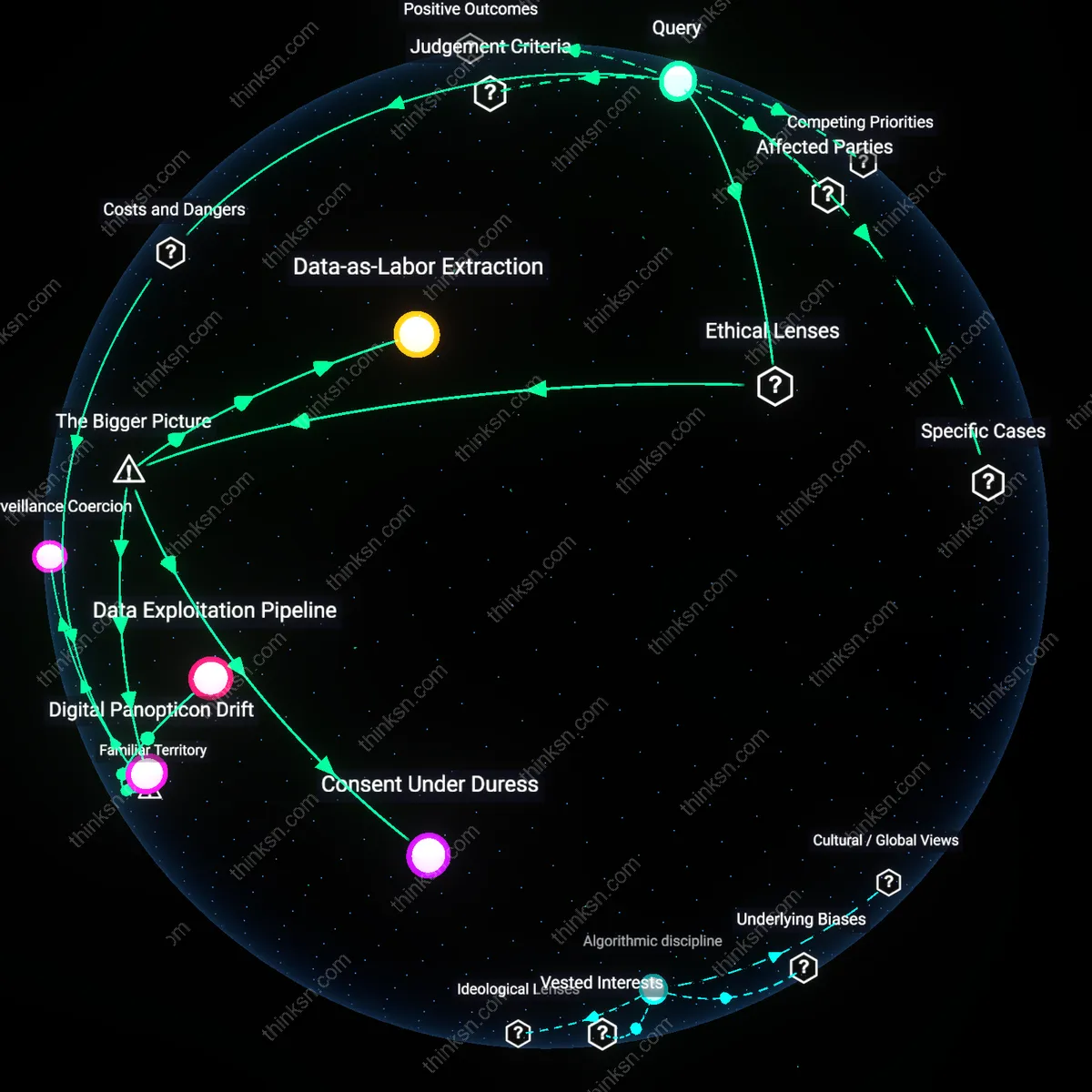
Digital Contracting
Intensive parental monitoring of adolescent social media became an infringement on autonomy when schools and tech platforms institutionalized surveillance norms post-2013, shifting family oversight from informal guidance to rule-based compliance systems. After the rise of school-mandated cyber-safety programs and platform-level tracking tools following high-profile teen cyberbullying cases, parents increasingly adopted standardized monitoring practices modeled on institutional risk management rather than developmental trust-building. This replaced ad hoc, values-based communication with technical enforcement—turning privacy negotiations into procedural checklists—thus recasting parental authority as administrative oversight and normalizing constant visibility as safety. The non-obvious outcome is that autonomy erosion stems not from individual overreach but from the domestication of institutional surveillance logics within family life.
Algorithmic Kinship
Parental monitoring shifts from safety to control when algorithmic content curation alters adolescent identity formation after 2017, making parents’ access to curated feeds a disruption of self-exploration rather than protection. As machine-learning models began shaping teen social experiences through personalized content bubbles—especially on platforms like Instagram and TikTok—adolescents started testing identities in algorithmically amplified environments where feedback loops accelerate self-definition. When parents engage intensively with these curated outputs, they mistake algorithmic exaggerations for authentic behavior, intervening based on distorted representational data. The underappreciated shift is that the breach of autonomy arises not from monitoring itself but from misreading algorithmically mediated performances as raw personal truth, thereby freezing developmental fluidity under adult misinterpretation.
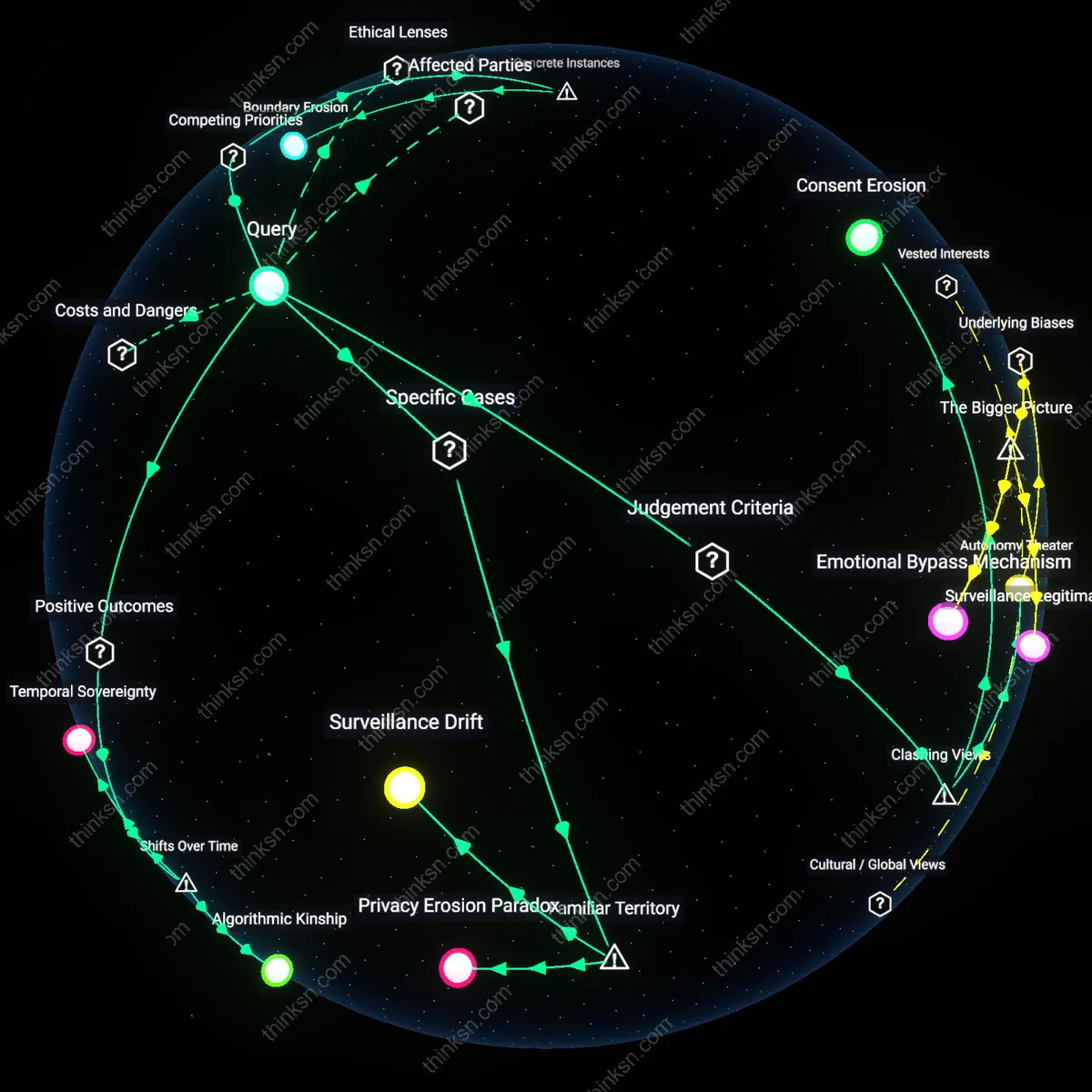
Temporal Sovereignty
The boundary between safety and infringement pivots after 2020, when remote learning and social isolation collapsed spatial and temporal distinctions between public, school, and family domains, turning continuous parental access into a disruption of developmental timing. During the pandemic, home became the sole site of education, leisure, and socializing—enabling parents to monitor digital interactions in real time without natural off-ramps like school commutes or extracurriculars. This eliminated the staggered autonomy adolescents traditionally gained through physical separation, compressing all social development into a monitored domestic orbit. The critical yet overlooked mechanism is that autonomy is not just about privacy but about owning the pace and sequence of social risk-taking—continuous monitoring disrupts not only space but the developmental rhythm itself, producing a new form of temporal dependency.
Boundary Erosion
After the 2018 Parkland shooting, some Broward County parents formed neighborhood monitoring collectives that used shared admin passwords to scan high schoolers’ Instagram stories and Discord servers for threat signals, blurring the line between familial and communal surveillance—an arrangement that persisted even after crisis conditions ended, illustrating how emergency-driven monitoring can institutionalize across social networks, transforming ad hoc safety measures into sustained domestic panopticons, a shift that reveals autonomy is not just individual but socially scaffolded, and its loss occurs silently through networked overreach.
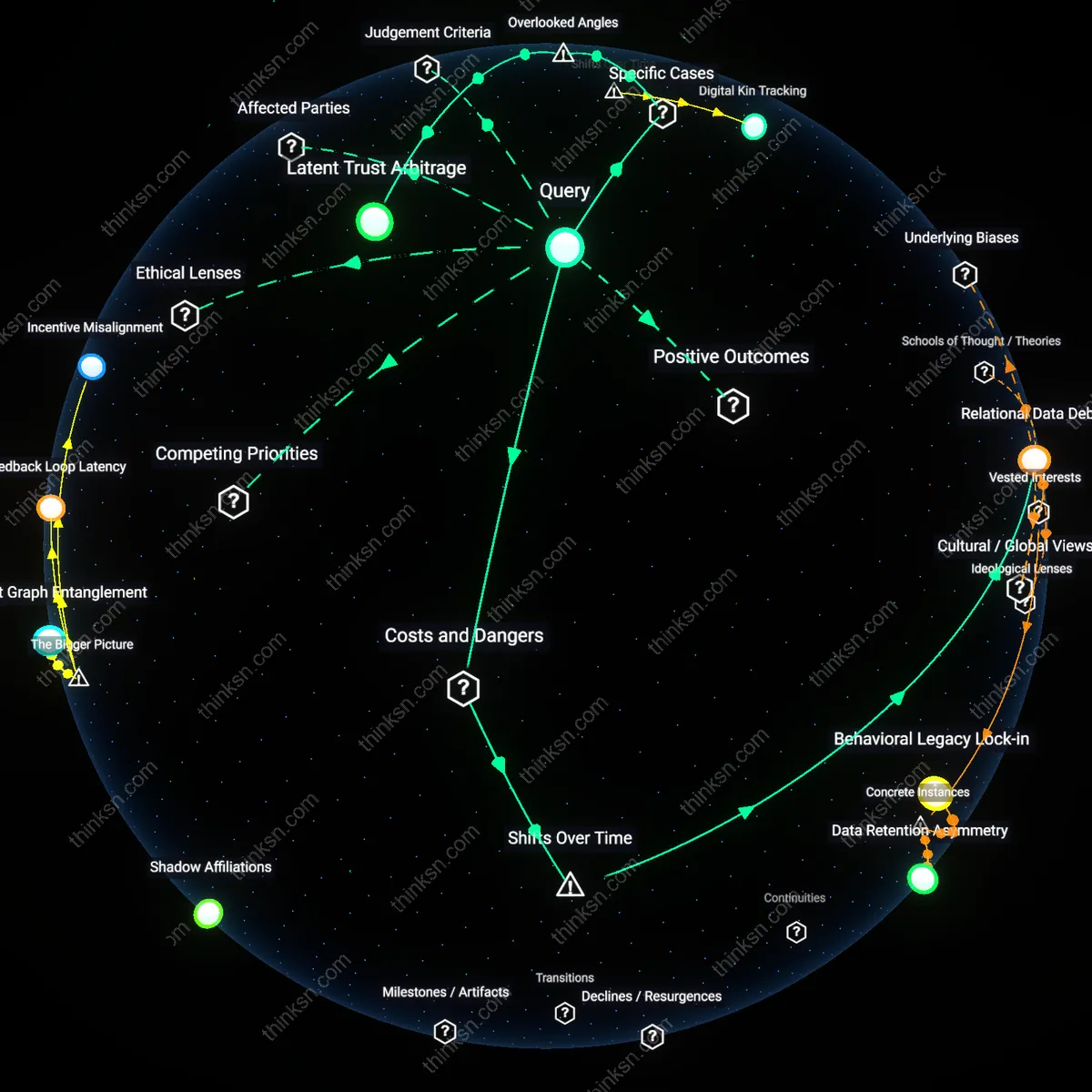
Surveillance Drift
Intensive parental monitoring of adolescent social media becomes an infringement on autonomy when parents systematically extend oversight beyond safety threats into everyday peer interactions, such as reading private messages between teens discussing friendships or emotions. This occurs most visibly in suburban U.S. households where parents use monitoring apps like Bark or mSpy under the guise of preventing cyberbullying, but continue surveillance even after risk assessments show no danger. The mechanism is habitual surveillance escalation—once monitoring tools are in place, parents rarely scale back, redefining normal developmental privacy-seeking as suspicious. What’s underappreciated in public discourse is that the tools themselves reshape parental perception, turning autonomy-seeking into a trigger for intervention rather than a sign of healthy development.
Privacy Erosion Paradox
Monitoring becomes autonomy infringement when schools partner with parents to enforce digital compliance, as seen in charter school networks like Success Academy that mandate shared social media access as part of ‘character development’ programs. Here, institutional authority legitimizes constant oversight, reframing privacy as incompatible with academic discipline, and embedding surveillance in daily routines through required device check-ins. The system functions through normalization—students internalize being watched as a condition of belonging, erasing the boundary between safety and selfhood. The overlooked effect is that adolescents begin to associate autonomy not with freedom but with failure to conform, distorting identity formation beneath a shared parent-institution gaze.