Refusing Controversial Sites: Bias or Neutral Policy?
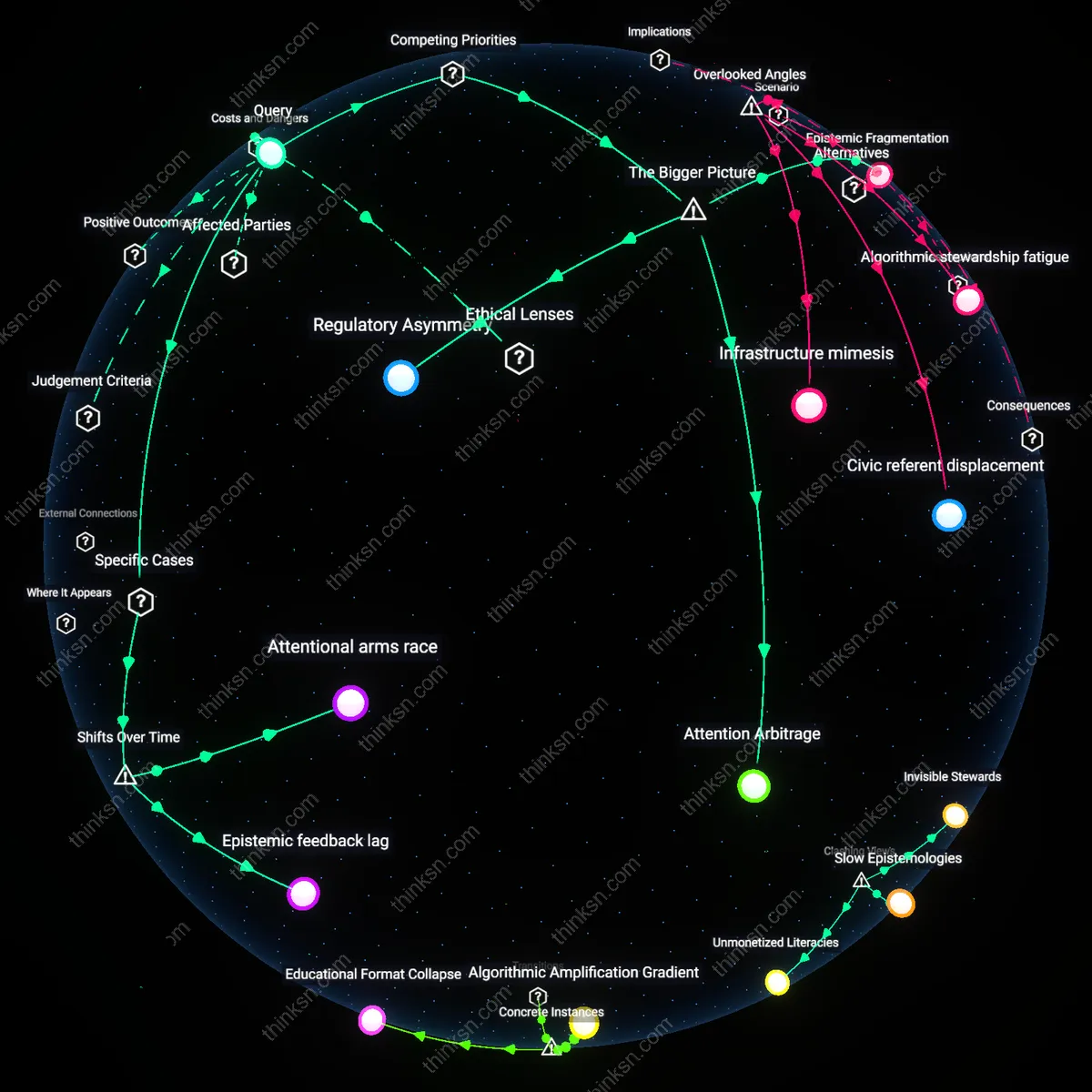
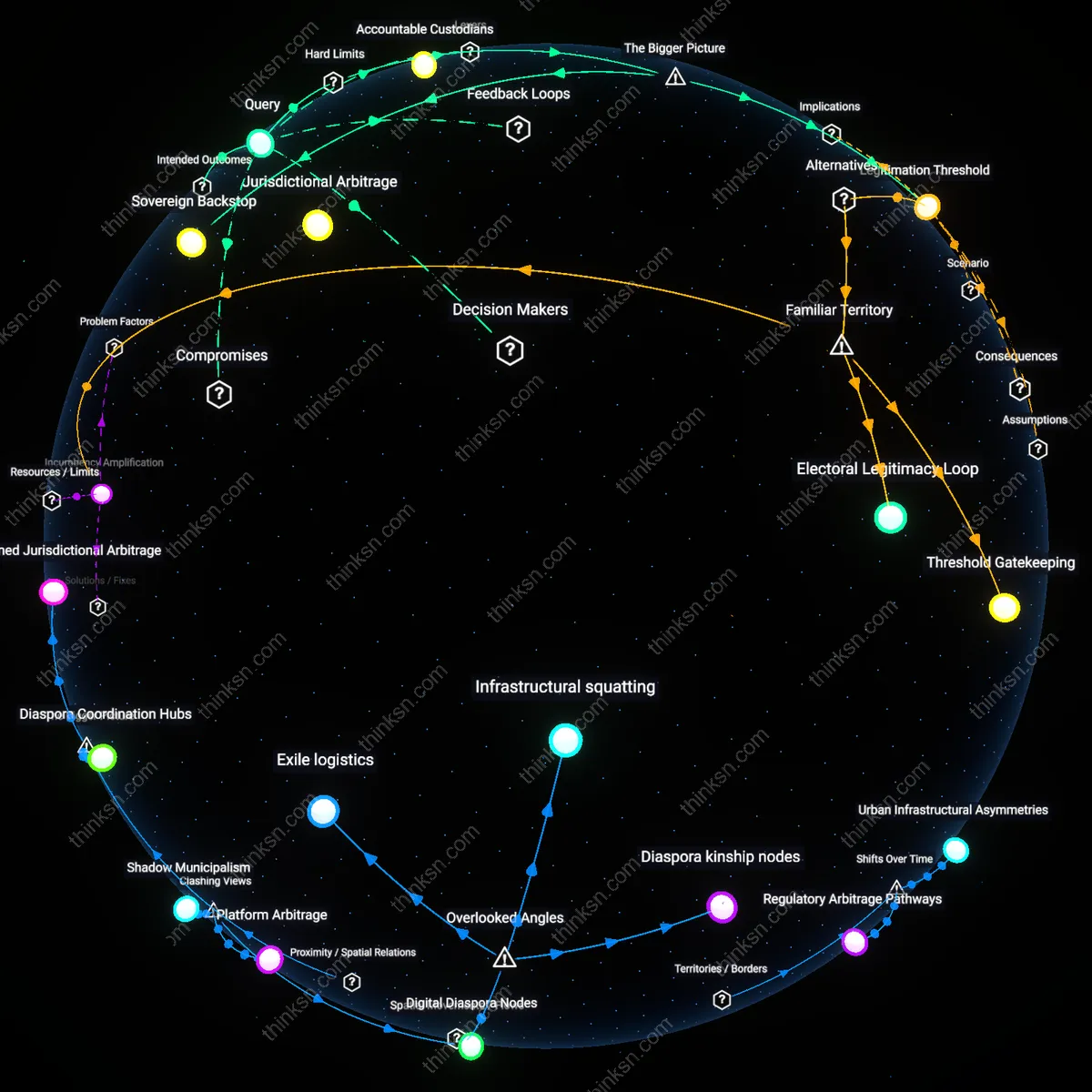
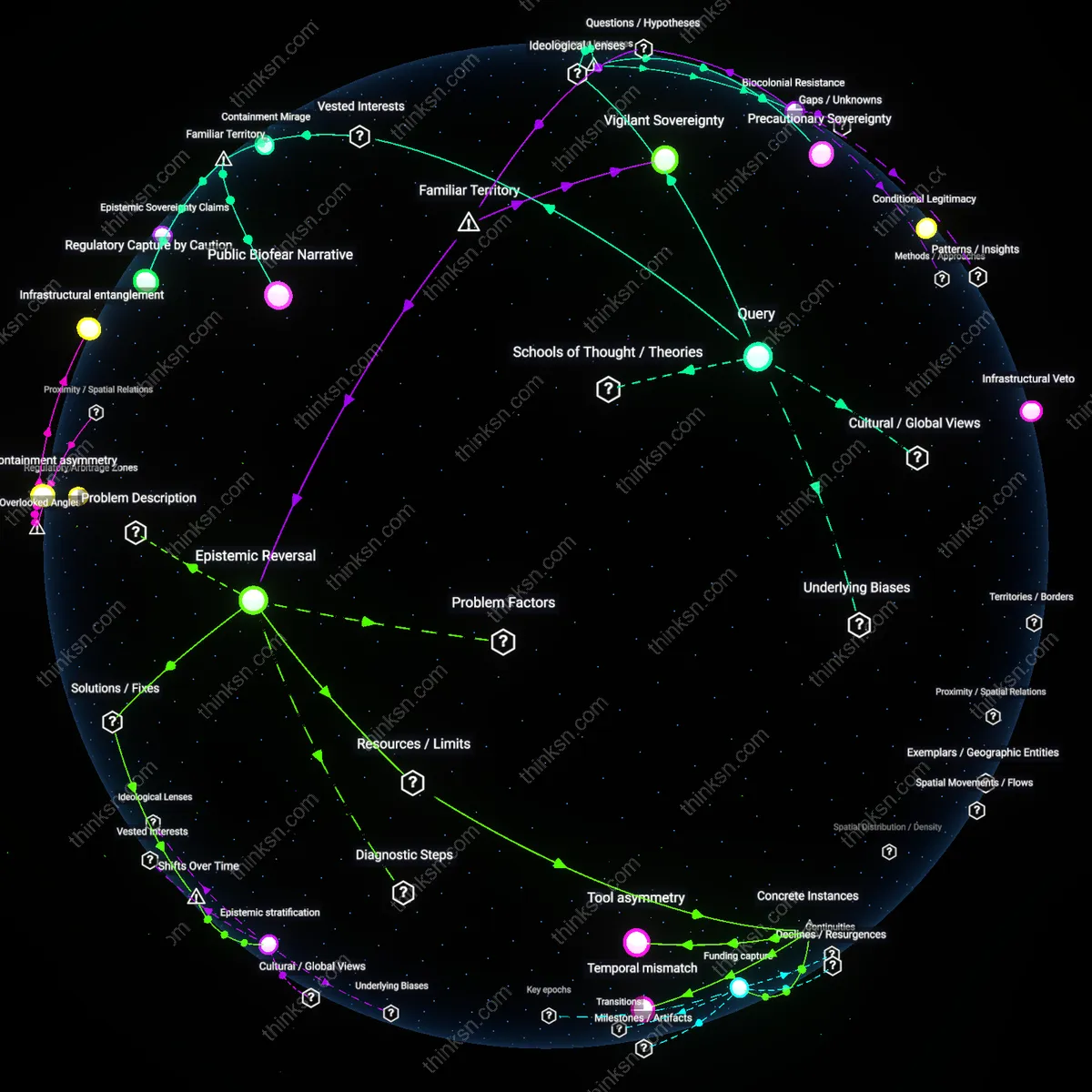
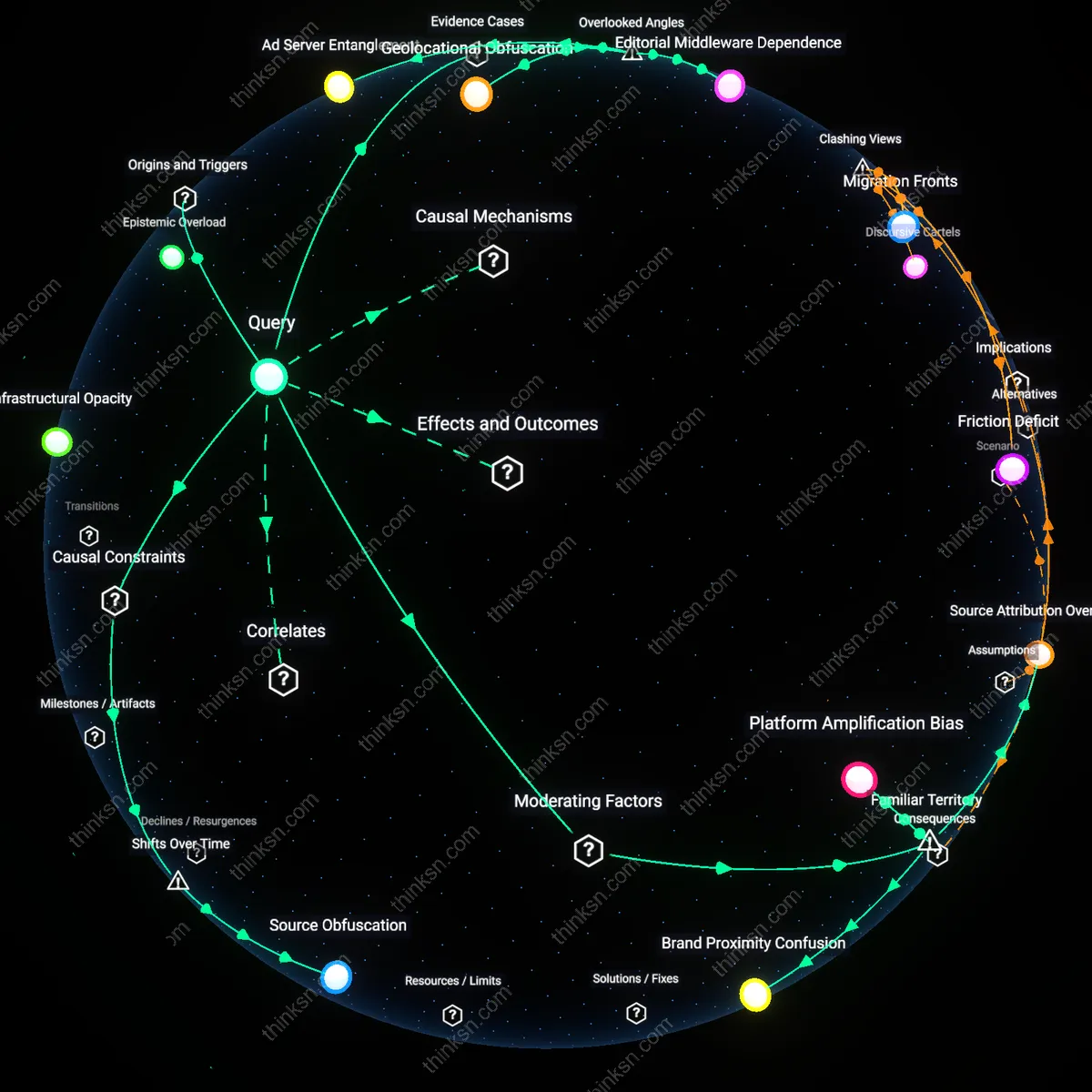
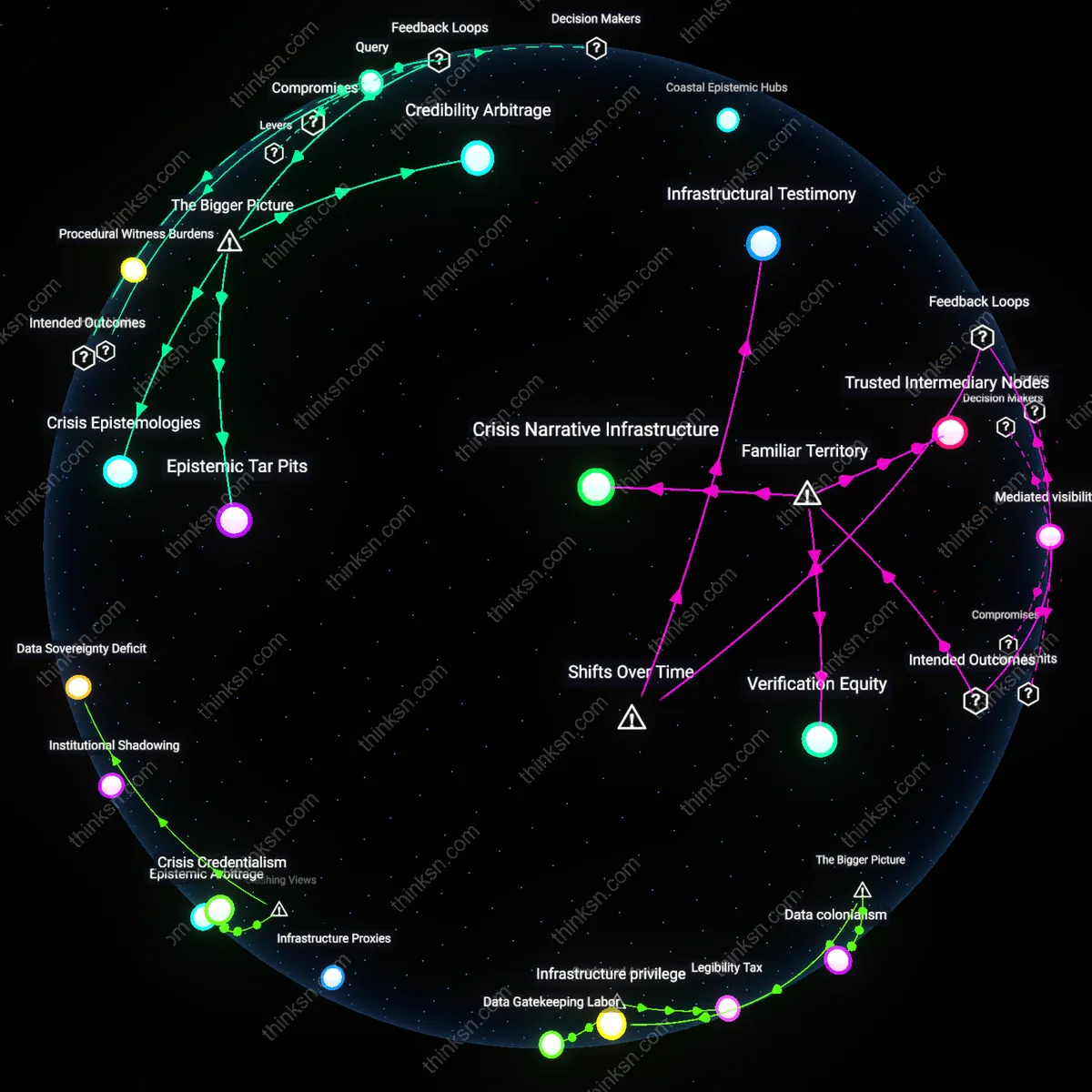
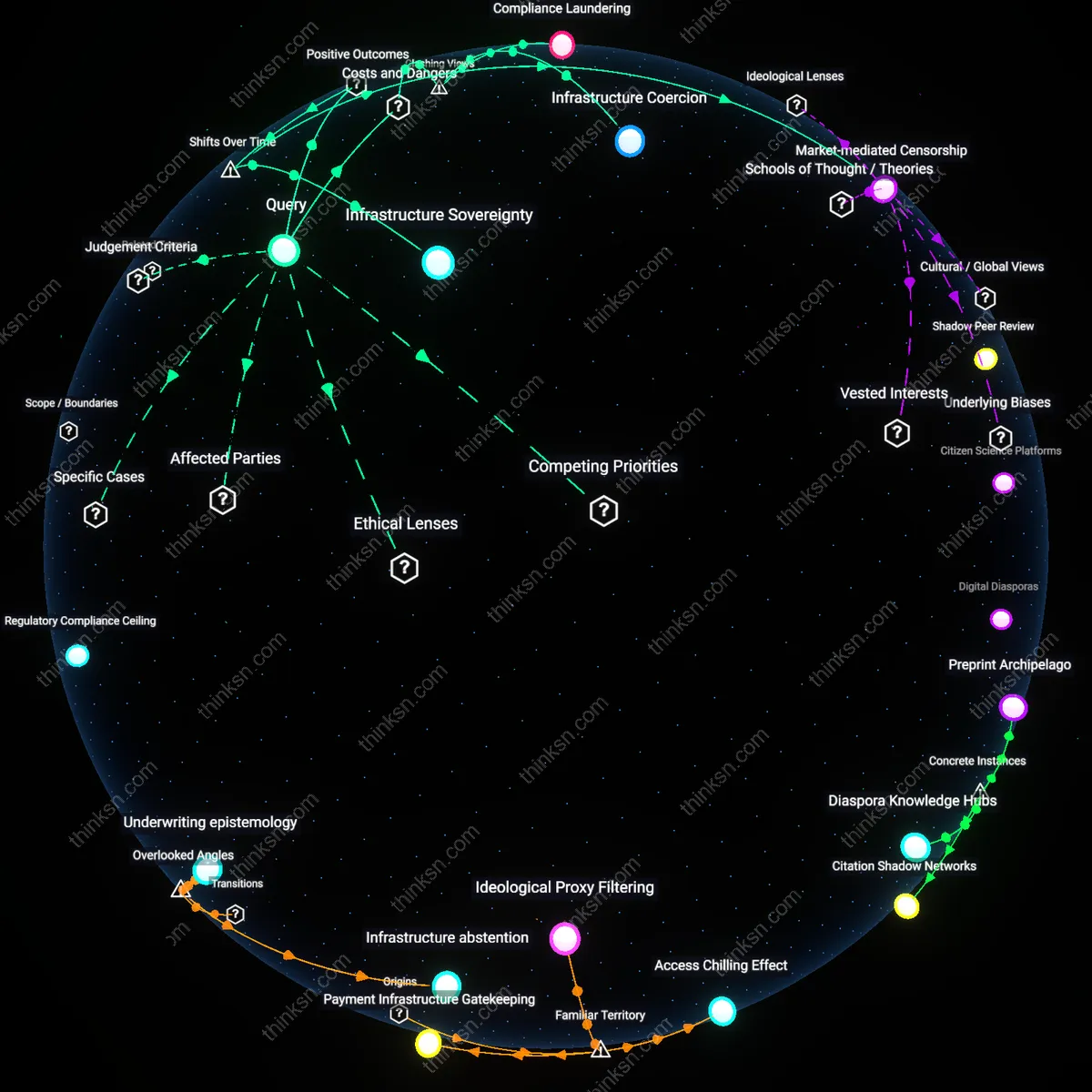
Analysis reveals 6 key thematic connections.
Key Findings
Market-mediated Censorship
A domain registrar's refusal to renew a controversial site represents not neutral policy enforcement but the institutionalization of private risk-aversion mechanisms that emerged prominently after 2016, when cloud service providers began systematically distancing themselves from high-liability content amid rising public and governmental pressure. This shift marked a transition from treating domain registration as a nondiscriminatory utility to managing it as a reputation-sensitive service, where perceived societal harms trigger withdrawal of infrastructure support—revealing how technical neutrality has eroded under commercial incentives to preempt polarization. The non-obvious outcome is that scientific controversy is now filtered through corporate brand management rather than editorial or academic scrutiny, enabling infrastructural withdrawal without public accountability.
Post-Neutrality Governance
The refusal reflects a post-2010 recalibration in internet governance norms, where domain registrars—once bound by ICANN’s consensus policies emphasizing procedural neutrality—now operate under fragmented, platform-specific content frameworks influenced by transnational human rights standards and activist campaigns. This transition from protocol-based administration to values-laden compliance reveals how the delegitimization of certain scientific claims (e.g., climate change denial, anti-vaccination theories) has shifted registrar behavior from passive facilitation to active stewardship, constructing a de facto hierarchy of acceptable discourse. The constructive utility lies in creating safer digital ecosystems, but only by normalizing viewpoint-sensitive enforcement that bypasses legal due process.
Infrastructure Sovereignty
Beginning in the early 2020s, major registrars increasingly adopted content policies mirroring those of social media platforms, reflecting a broader historical shift where technical intermediaries assumed regulatory functions once reserved for states—transforming domain access from a commercial transaction into a contested zone of epistemic authority. This evolution enables registrars to function as gatekeepers of scientific legitimacy, particularly when hosting decisions align with prevailing scientific consensus, thereby providing societal benefit through reduced amplification of potentially harmful misinformation. The overlooked mechanism is that private companies now exercise quasi-judicial power over scientific discourse, not through overt suppression, but by redefining service continuity as contingent on adherence to evolving norms of evidentiary credibility.
Compliance Laundering
A domain registrar's refusal to renew a website hosting controversial science constitutes covert regulatory alignment, not neutrality, because the registrar leverages its position as a private intermediary to enforce de facto speech restrictions that mirror state or institutional sensitivities without legislative mandate. This mechanism operates through standardized acceptable use policies, which are ambiguously drafted and selectively enforced, allowing registrars to sidestep accountability while advancing politically resonant censorship under the guise of routine compliance—what makes this non-obvious is that the action appears procedurally neutral but functions as a feedback loop between private governance and public orthodoxy, effectively outsourcing suppression to entities with no democratic oversight.
Infrastructure Coercion
The refusal to renew a domain for controversial scientific content is not bias but a calculated response to downstream liability cascades, whereby registrars preemptively expel users to avoid entanglement with payment processors, cloud platforms, or legal jurisdictions that penalize association with disputed knowledge claims. This dynamic runs through tiered dependency chains in digital infrastructure, where lower-layer providers (like registrars) enforce higher-layer risk tolerances, revealing that what appears as viewpoint discrimination is actually systemic self-preservation in a networked enforcement regime—an underappreciated reality where editorial outcomes emerge not from belief but from exposure-avoidance algorithms.
Epistemic Arbitrage
Refusing to renew domains hosting contested scientific theories functions as a market mechanism for monopolizing epistemic authority, where registrars—acting as de facto gatekeepers—favor theories endorsed by dominant institutions to minimize reputational risk and align with prevailing funding ecosystems. This operates through implicit valuation of credibility, where scientific legitimacy is treated as collateral; the non-obvious consequence is that infrastructure providers begin to sort ideas not by falsifiability or evidence, but by their alignment with consensus-protected reputational assets, effectively turning domain availability into a currency of scientific legitimacy.