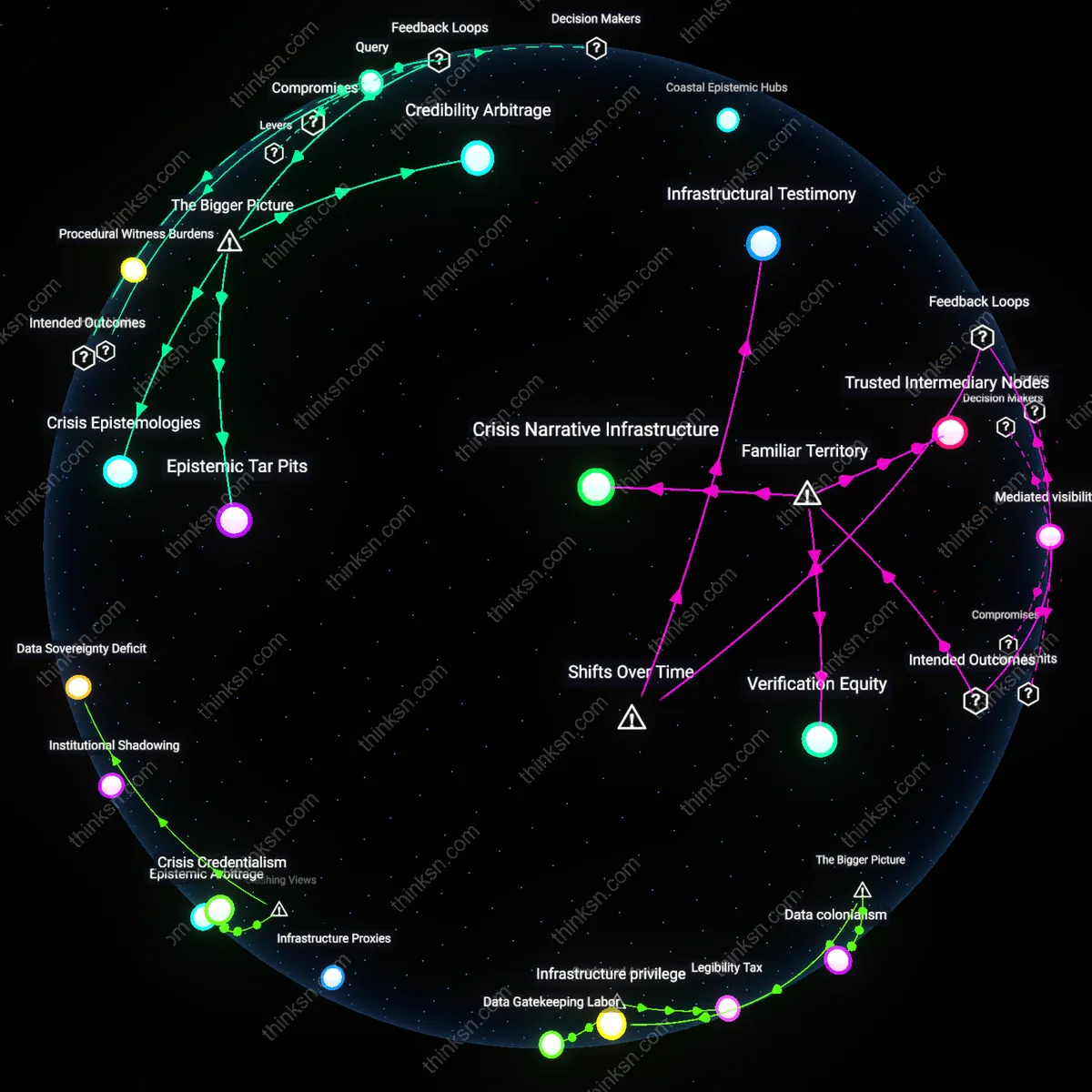
Mediated visibility
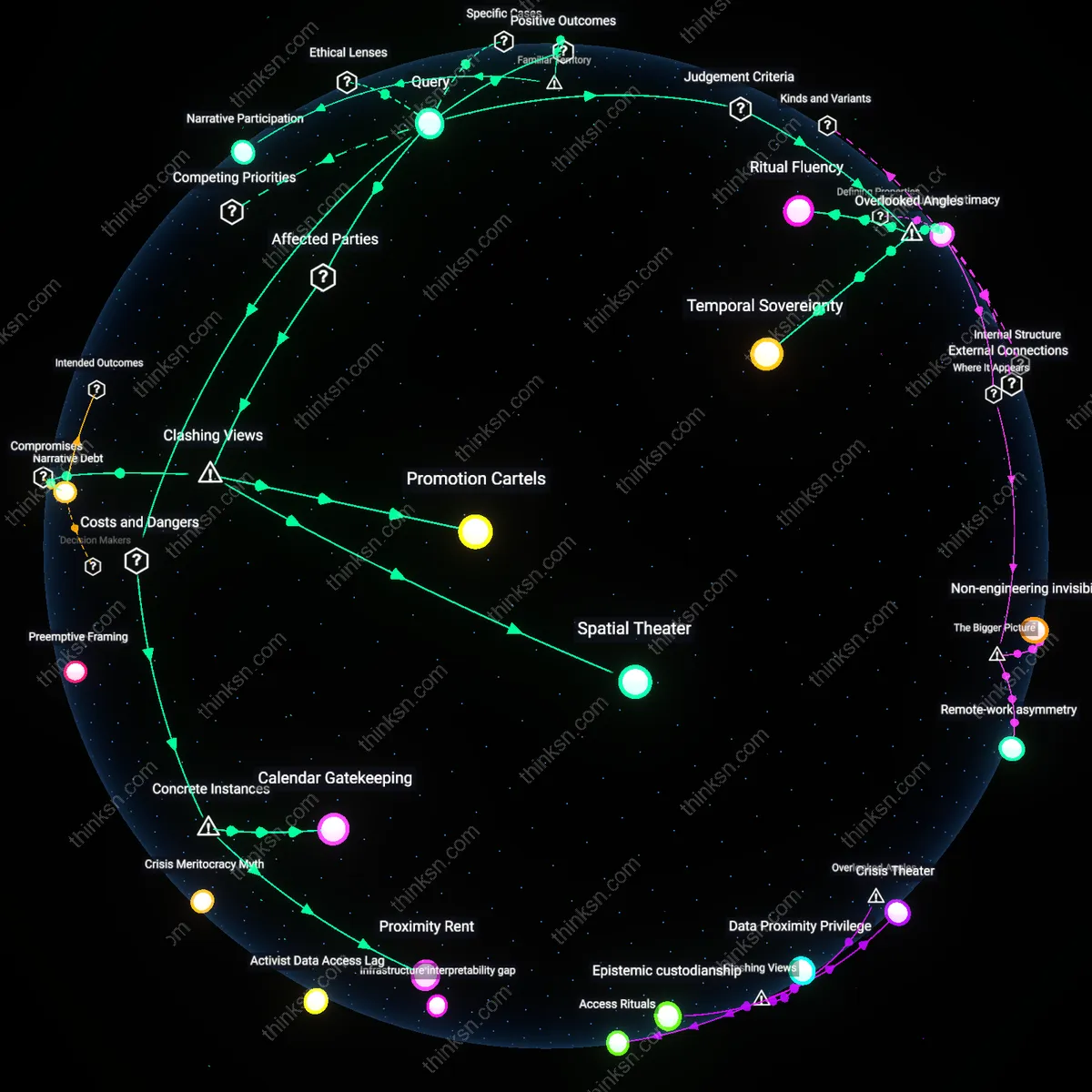
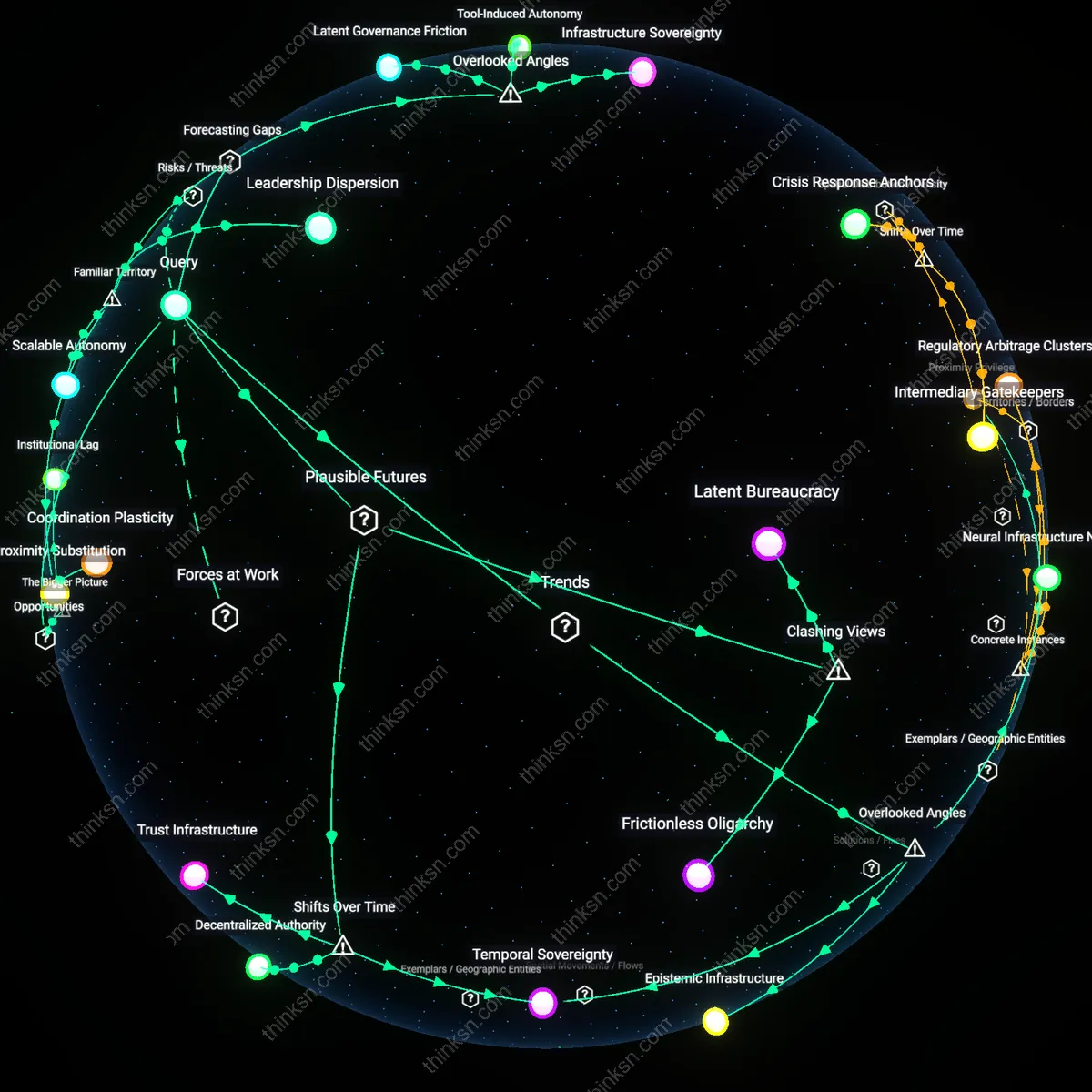
University-affiliated mediation units are concentrated in North American and Western European urban academic hubs such as Boston, London, and Toronto, where their regional placement has systematically elevated Anglophone, urban, and institutionally connected citizen voices during health crises since the early 2000s. These units operate through partnerships with public health agencies that prioritize rapid communication with already visible stakeholders—patient advocacy groups with digital infrastructure, professionalized NGOs, and insured patient populations—thereby filtering broader public input through preexisting channels of institutional access. This shift from ad hoc community outreach during late 20th-century disease outbreaks to permanent, university-based crisis mediation infrastructures has revealed how visibility itself has become a mediated resource, distributed unevenly by region, language, and digital capital.
Zonal Representation Gaps
University-affiliated mediation units are concentrated in national capital regions and major urban centers, leaving rural and peripheral populations outside their operational radius. This geographic clustering aligns with federal research funding zones and academic infrastructure hubs, meaning citizen input during health crises is systematically filtered through urban-dominant institutional networks. As a result, the voices shaping policy recommendations emerge disproportionately from populations already closer to state power, reinforcing spatial biases in crisis responsiveness. The non-obvious consequence is that mediation does not bridge inequity but replicates the same territorial hierarchies embedded in state-scientific collaborations.
Institutional Access Chokepoints
Mediation units located within research-intensive universities operate within federally designated health security zones that prioritize rapid data integration with centralized public health agencies like the CDC or WHO collaborating centers. Because access to these units requires institutional affiliation or digital literacy to navigate their portals, marginalized communities lacking formal healthcare engagement are excluded from participation mechanisms during outbreaks. The systemic effect is that crisis feedback loops privilege medically documented populations, turning geographic placement into a gatekeeping mechanism disguised as neutrality. This reveals that location determines not just proximity, but eligibility to be heard.
Bordered Expertise Circuits
Regional placement of university mediation units follows geopolitical borders shaped by historical research partnerships and pharmaceutical trial networks, especially in low- and middle-income countries where Western-affiliated institutions maintain satellite units near import hubs or trade corridors. These sites function less as local listening posts and more as data conduits tuned to international donor priorities, filtering citizen concerns through the expectations of global health financiers. Consequently, community voices are transduced into formats compatible with transnational policy frameworks, truncating expressions that don't align with predefined crisis metrics. The underappreciated dynamic is that physical placement serves to demarcate where local knowledge ends and exported interpretation begins.
Epistemic Zoning
University-affiliated mediation units are located within federally designated innovation districts that prioritize biotech incubators over community clinics, positioning their outreach as extensions of research infrastructure rather than civic engagement. This placement embeds them within networks governed by NIH-funded collaboration protocols, which systematically favor data-generating interactions with quantifiable health outcomes, thereby filtering out narrative-based or culturally embedded citizen concerns during health crises. The non-obvious consequence is not merely unequal access but the active reclassification of certain citizen voices as ‘non-epistemic,’ rendering them invisible to crisis response algorithms that only register input formatted as biomedical feedback.
Crisis Cartography
Mediation units cluster around university medical centers in historically redlined urban cores, where decades of infrastructural disinvestment have produced hyper-visible emergency conditions that attract research funding under the guise of community partnership. These units function less as bidirectional conduits and more as sensors that extract crisis data from marginalized populations while rerouting responsive action through institutional review boards and grant timelines, delaying material intervention. This arrangement challenges the assumption that proximity enables representation, revealing instead how location is weaponized to produce citizen voices as real-time crisis metrics rather than as agents of policy co-design.
Institutional Weathering
The regional placement of university mediation units in politically contested states—such as those with recent legislative bans on public health mandates—forces them to operate through backchannel relationships with county emergency management rather than direct civic assemblies, aligning their communication flows with emergency continuity protocols instead of grassroots networks. As a result, citizen input is only actionable when it aligns with pre-approved contingency scenarios, dismissing emergent or dissenting perspectives as operational noise. This reveals that geographic positioning does not amplify voices but subjects them to institutional filtering processes that prioritize system stability over democratic responsiveness during health emergencies.
Coastal Epistemic Hubs
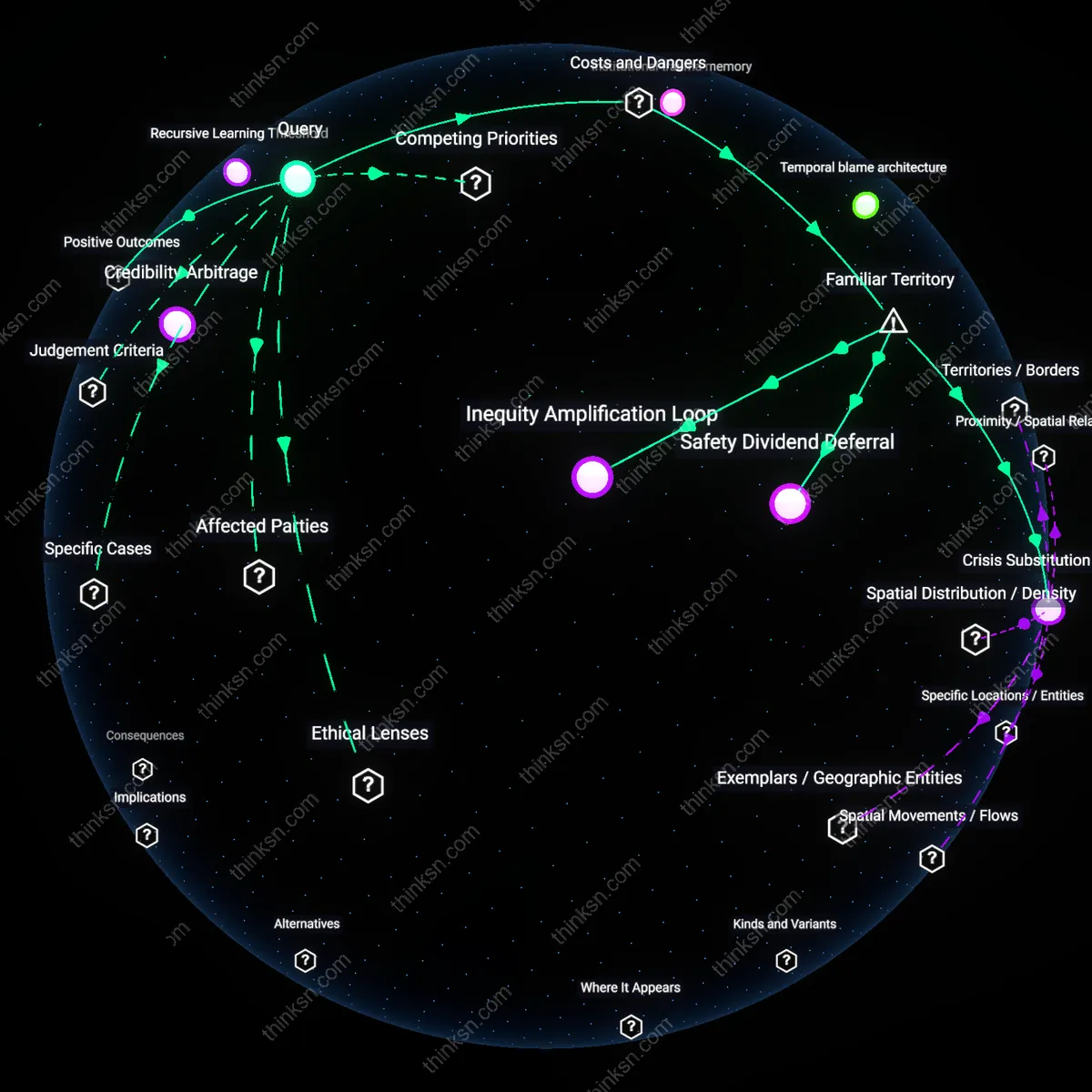
University-affiliated mediation units are concentrated in coastal urban research clusters like Boston, San Francisco, and New York, where academic medical centers interface directly with federal health agencies and media headquarters. This spatial concentration channels crisis communication through a narrow corridor where local priorities in resource-rich regions shape national narratives, often subsuming inland or rural health concerns into frameworks built for metropolitan populations. The non-obvious effect under Familiar Territory is that citizens near these hubs experience amplified voice proximity—not because of population size but because their health narratives travel faster along established corridors of influence, reinforcing the public assumption that visibility equals legitimacy in health policymaking.
Crisis Cartography Bias
When outbreaks emerge, university mediation units in the Southeast and Southwest are less frequently activated as narrative anchors compared to counterparts in the Northeast, despite equal disease burden, because legacy research partnerships and news bureau placements center on the latter. This pattern reveals how movement of health crisis information follows old trust routes—nodes where CDC liaisons are embedded, where journalism schools have national reach—not actual epidemiological spread. The familiar expectation that 'the most affected area gets heard' is quietly rerouted through cartographic inertia, making geographically peripheral regions narratively invisible even when they are at the epicenter of suffering.
Epistemic gatekeeping
Duke-Margolis Center for Health Policy shapes national regulatory responses during health crises by channeling stakeholder input through FDA-aligned forums that prioritize industry and academic voices over community health advocates, a mechanism reinforced by its proximity to Washington, D.C. and formal ties to CMS and FDA advisory structures; this geographic and institutional positioning systematically excludes rural and Medicaid-enrolled populations from shaping policy priorities, revealing how physical placement near federal decision hubs enables selective inclusion of 'credible' expertise while marginalizing lived experience.
Crisis cartography
During the 2014 West Africa Ebola outbreak, the WHO Collaborating Centre at the University of Liverpool operated as a primary node for modeling transmission and advising international response—but its reliance on UK-based epidemiological models and expatriate-led field coordination distorted local symptom reporting from Sierra Leonean community health workers, who documented early warnings about burial practices and cross-border movement later confirmed by genomic tracing; this illustrates how geographic displacement of mediation units produces representational lags in crisis response, privileging distant technical interpretation over proximate observation.
Infrastructural latency
The University of New Mexico's Center for Participatory Medicine, embedded in an understaffed rural health network, serves as a formal mediator between tribal health boards and state pandemic planning committees, yet its limited broadband connectivity and absence from regional CDC data-sharing nodes delay Navajo Nation mortality reports by an average of 11 days during respiratory outbreaks—this delay compresses decision windows for resource allocation and renders Indigenous prevention priorities invisible in real-time policy circuits, exposing how material infrastructure rather than formal affiliation determines whose suffering enters calculative frameworks.