Does Instagram Fuel Political Cynicism in College Students?
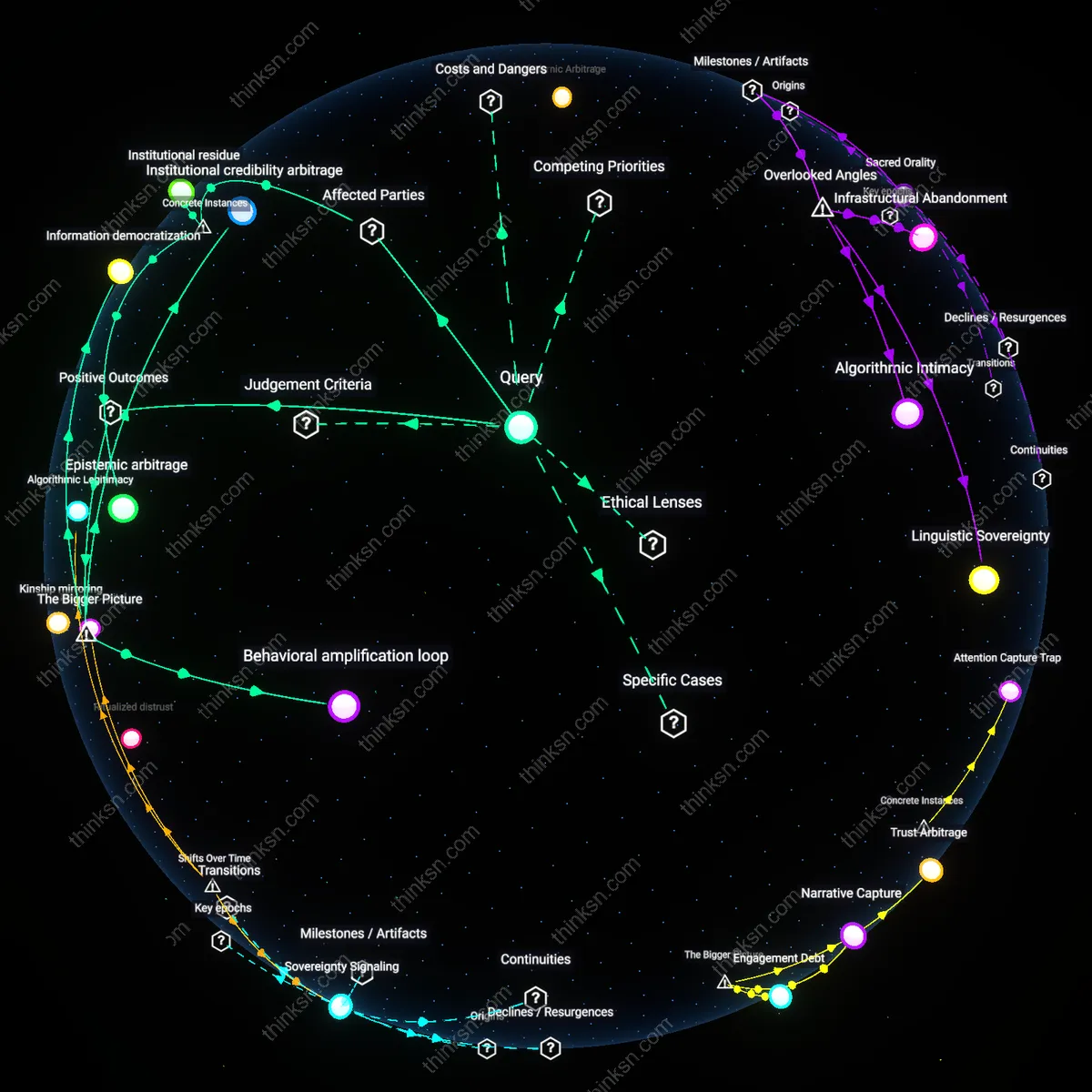
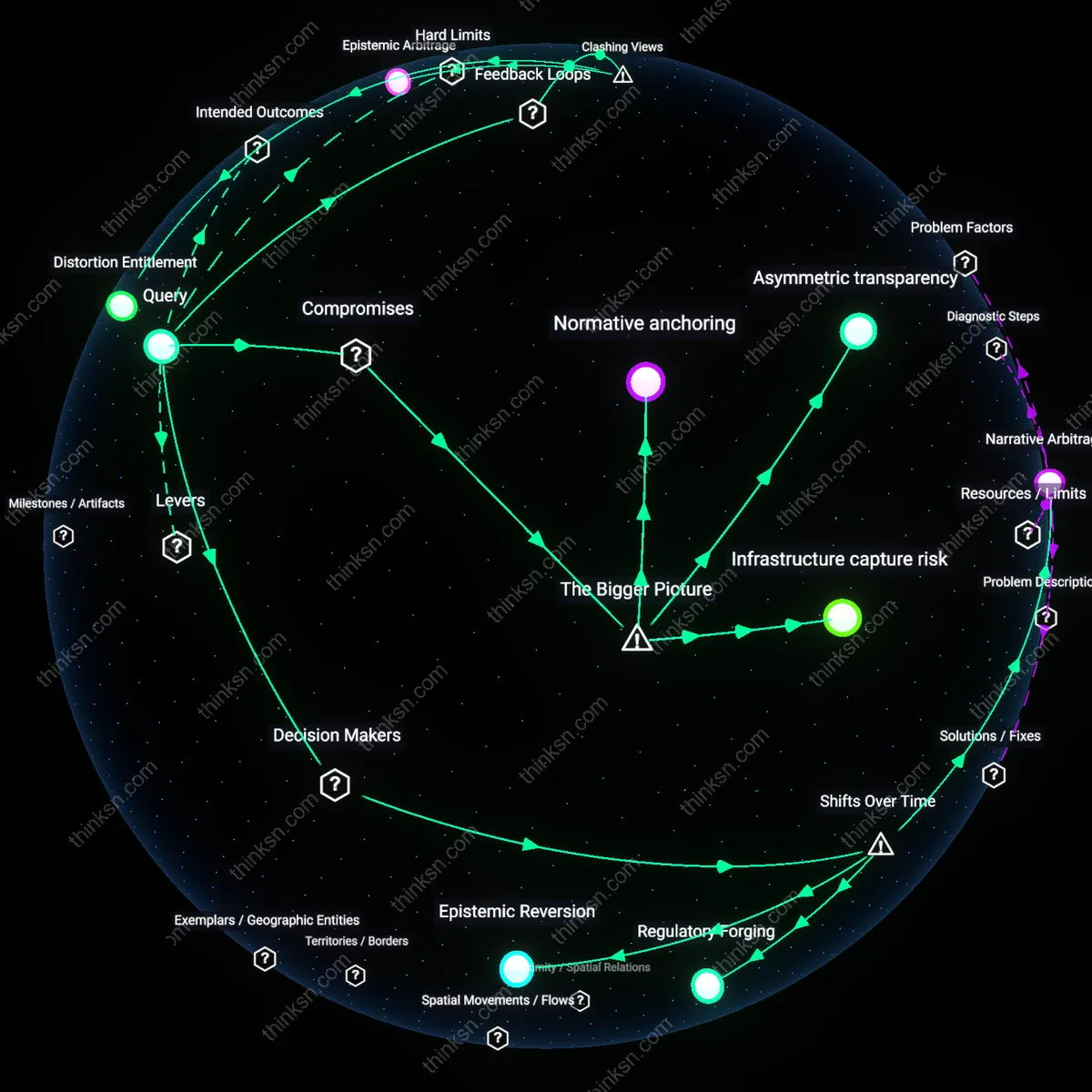
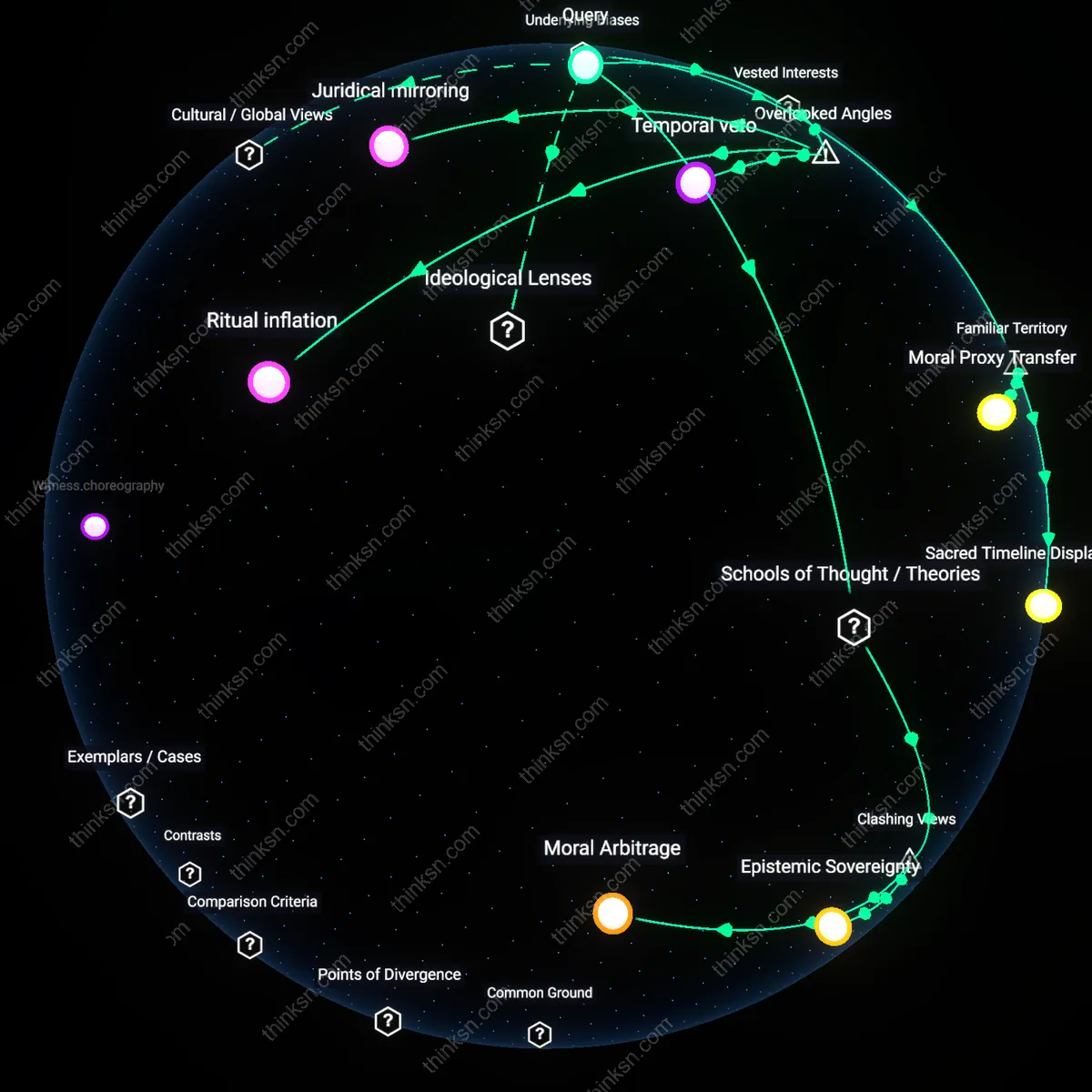
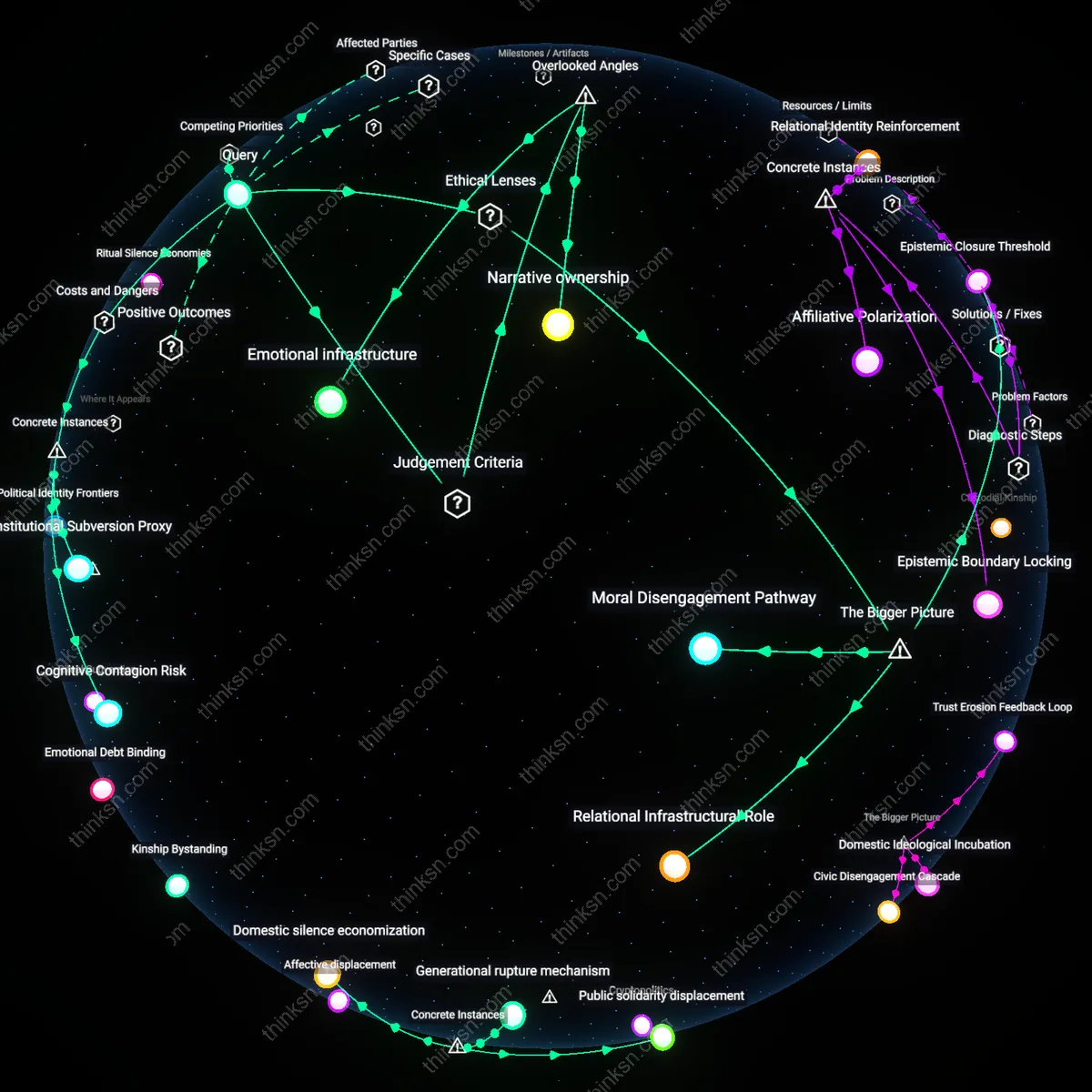
Analysis reveals 5 key thematic connections.
Key Findings
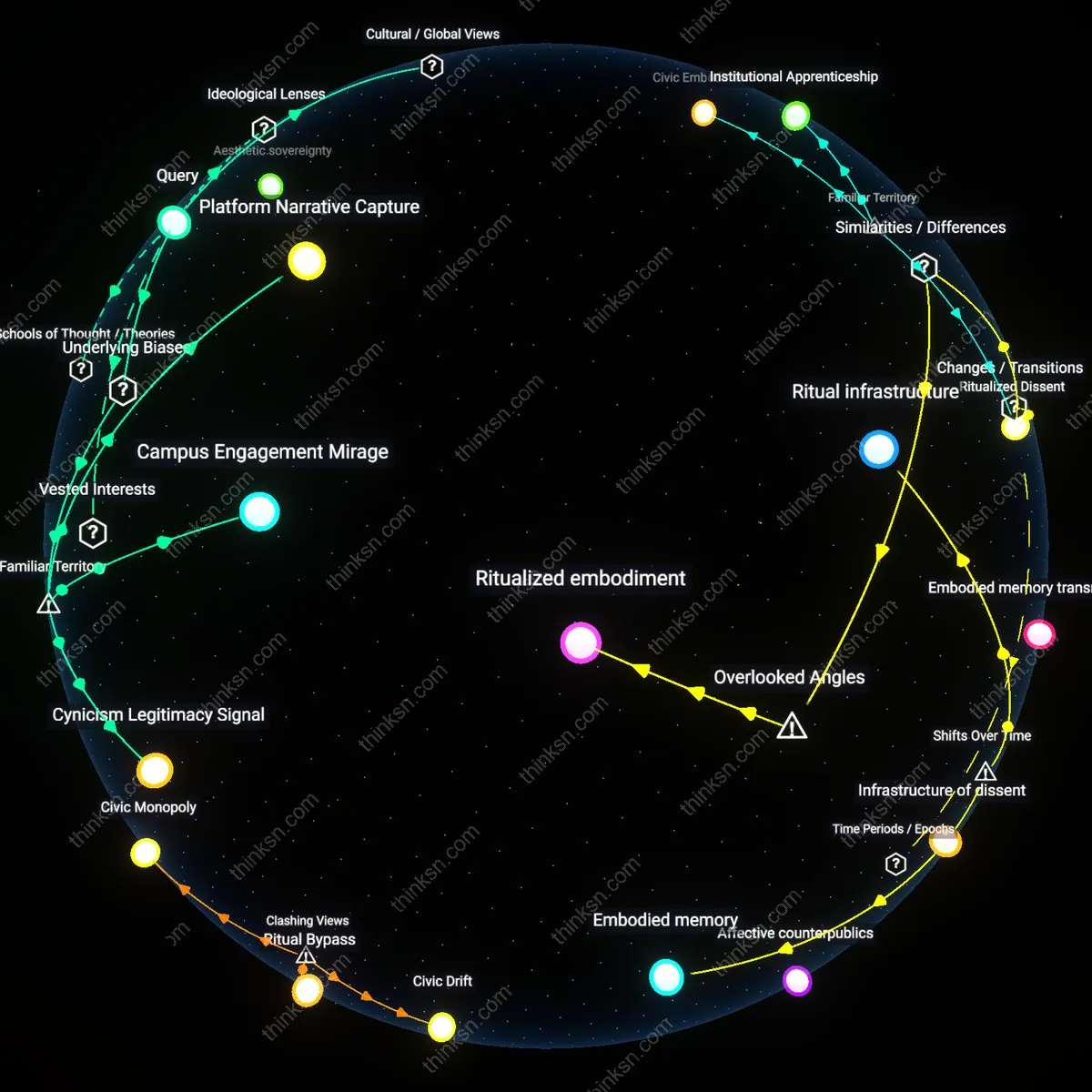
Ritual attenuation
Public-policy analysts can interpret conflicting evidence on Instagram use and political cynicism by examining how North American students’ ritual participation in collective political events—like protests or voting marathons—mediates the app’s influence, where diminished ritual engagement intensifies cynicism not because of content exposure but because Instagram displaces embodied civic acts that culturally reinforce political efficacy. In Indigenous communities across Aotearoa and the Canadian Northwest, where digital platforms are often used to amplify rather than replace ceremonial civic practices—such as online livestreaming of tribal council deliberations or digital storytelling during traditional governance seasons—political engagement remains resilient despite high Instagram use. This contrast reveals that the erosion of ritual texture in Western youth subcultures, rather than screen time per se, is the undercurrent distorting policy interpretations of cynicism, a dynamic rarely isolated in survey-based studies that conflate visibility with participation. The real mechanism lies not in individual psychology but in the loss of culturally structured rites that once translated affect into political belonging, a factor global policy models routinely overlook because they treat political expression as discursive rather than performative.
Aesthetic sovereignty
Analysts should assess how Instagram’s algorithmic curation of affective aesthetics—particularly its global promotion of irony, apathy, and performative disillusionment—conflicts with non-Western student cultures that associate political maturity with disciplined emotional restraint rather than expressive skepticism. In contrast to U.S. college environments where cynicism is often valorized as intellectual rigor, many East and Southeast Asian university communities, such as those in Japan’s kokugakuin networks or Indonesia’s Islamic boarding university circles, interpret online displays of cynicism as socially immature, redirecting political critique into communal study groups or calligraphy-based satire that resist platform-driven nihilism. Evidence indicates that these students use Instagram predominantly for aesthetic affiliation—curating feeds that reflect moral composure rather than ideological rebellion—thus decoupling platform use from cynicism in ways invisible to Western metrics that assume emotional expression equals political stance. This divergence matters because it exposes how aesthetic norms, not platform architecture alone, condition political subjectivity, a dimension erased in policy analyses that treat emotional tone as a transparent indicator of belief.
Platform Narrative Capture
A public-policy analyst should trace how social media companies fund research that emphasizes individual psychological vulnerability over structural design to deflect regulatory scrutiny. Major tech firms support academic studies framing political cynicism as a user-pathology issue, which aligns with their interest in minimizing blame for algorithmic amplification of divisive content; this mechanism allows platforms to position themselves as neutral hosts rather than active influencers of civic attitudes. The non-obvious insight is that the most cited explanations for cynicism in college students often emerge from ecosystems financially tied to the platforms themselves, masking how incentive structures shape evidentiary weight.
Campus Engagement Mirage
A public-policy analyst can interpret conflicting evidence by recognizing that universities promote narratives linking Instagram use to civic disengagement to justify campus-wide digital wellness programs that enhance institutional control over student life. Administrators leverage familiar tropes of 'digital distraction' and 'millennial apathy' to gain funding for behavioral interventions, even when evidence is contradictory, because doing so reinforces their role as moral stewards of youth development. The underappreciated dynamic is that the persistence of these explanations owes less to data coherence than to their utility in sustaining bureaucratic legitimacy and programmatic expansion.
Cynicism Legitimacy Signal
A public-policy analyst should consider that among college students, performing political cynicism on Instagram functions less as a symptom of harm and more as a coded marker of social awareness, making studies that treat cynicism as uniformly pathological fundamentally misread youth culture. Evidence conflicts because clinical and policy models interpret emotional expression through deficit frames—like 'alienation' or 'despair'—while peer networks reward irony and skepticism as signs of authenticity and critical consciousness. The overlooked reality is that the same behaviors labeled as troubling in academic papers are often contextually adaptive strategies for navigating institutional distrust in elite educational spaces.