Is Free Delivery Worth Continuous Location Tracking?
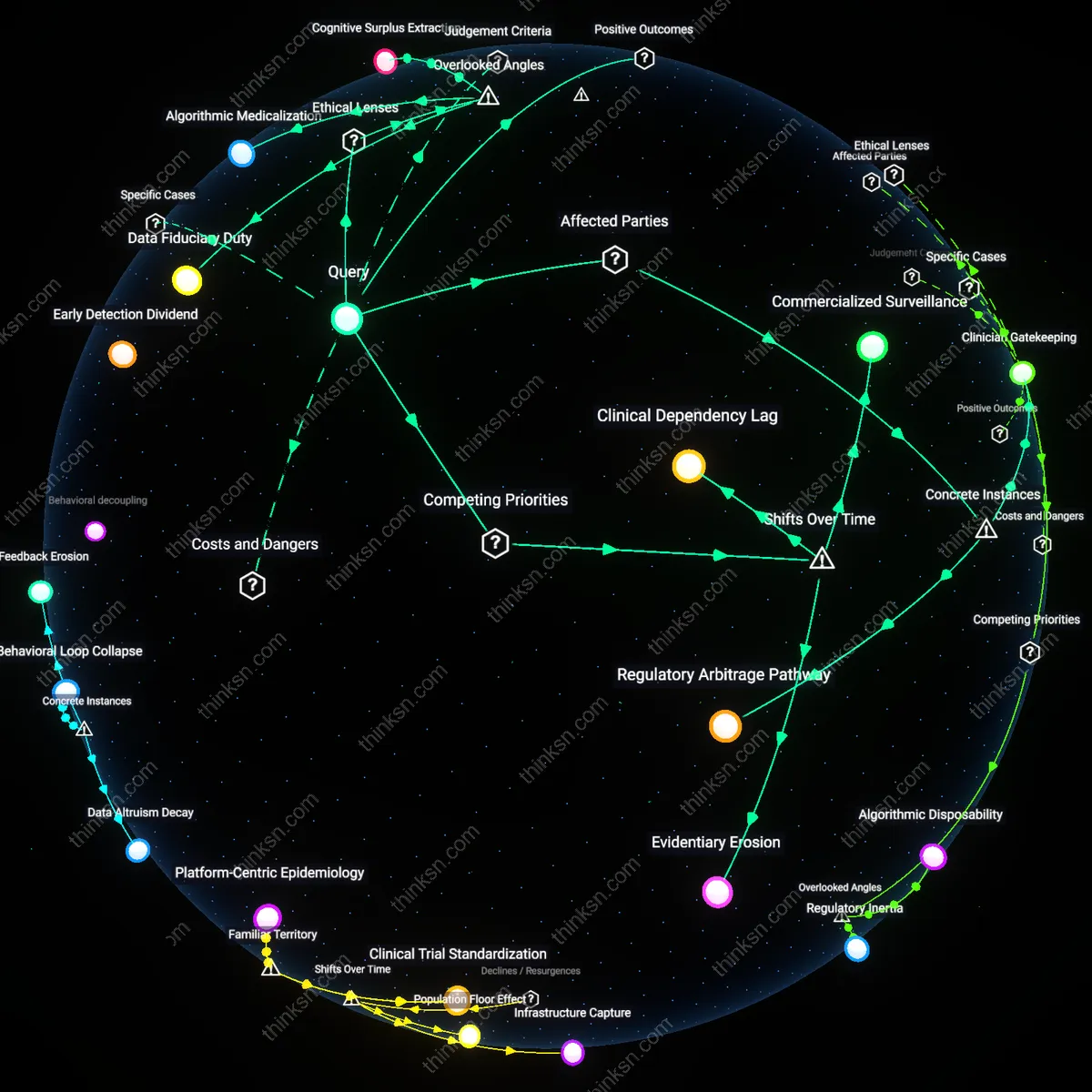
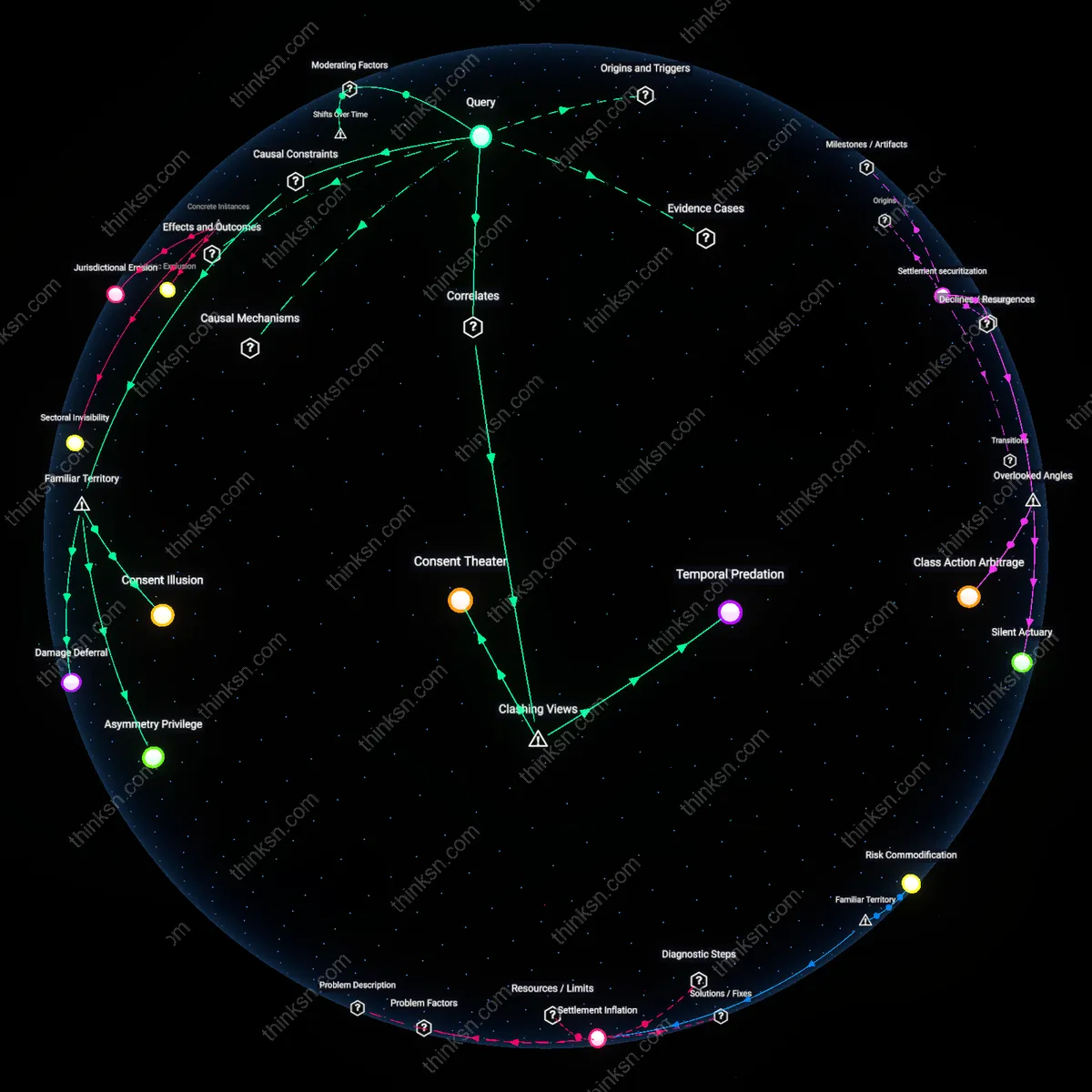
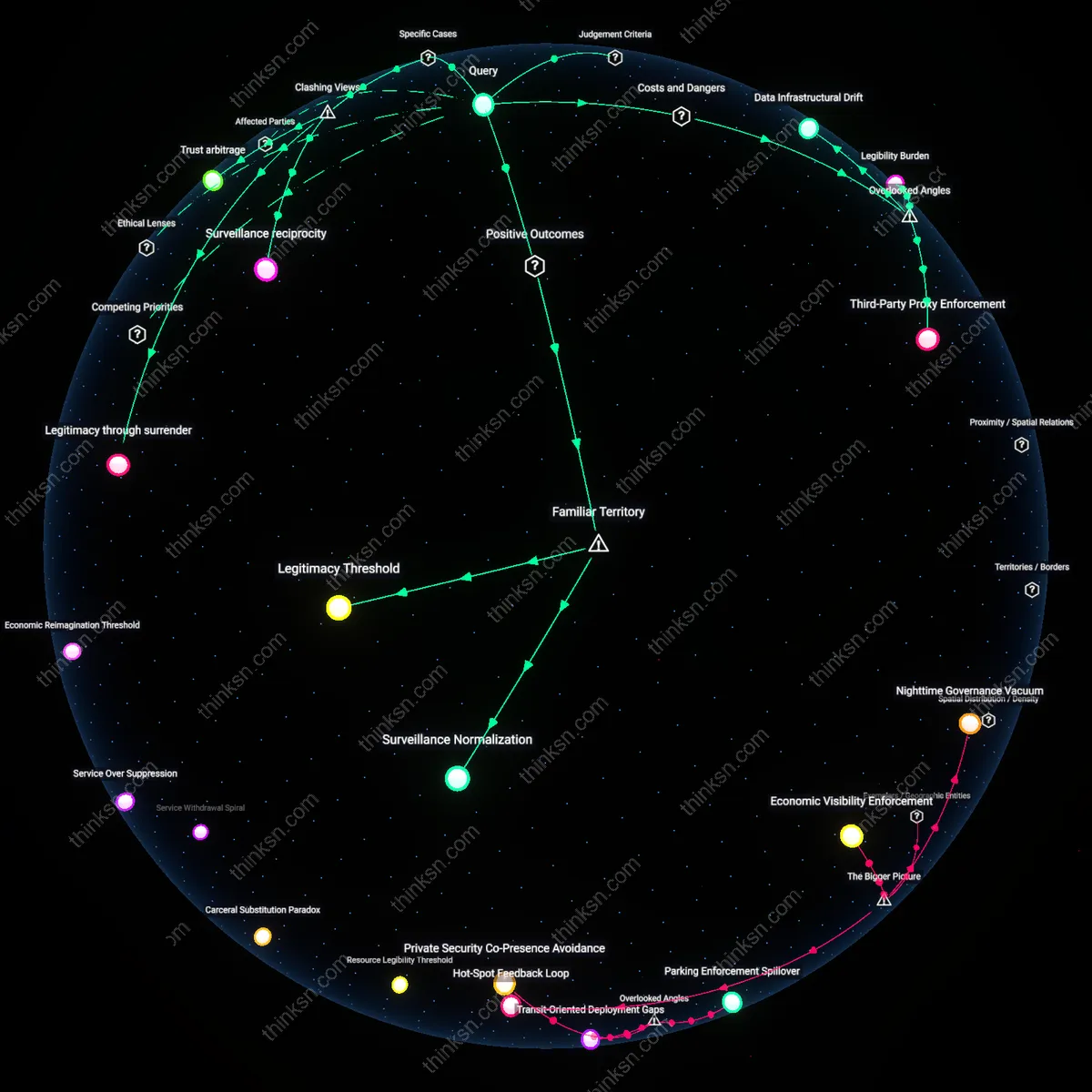
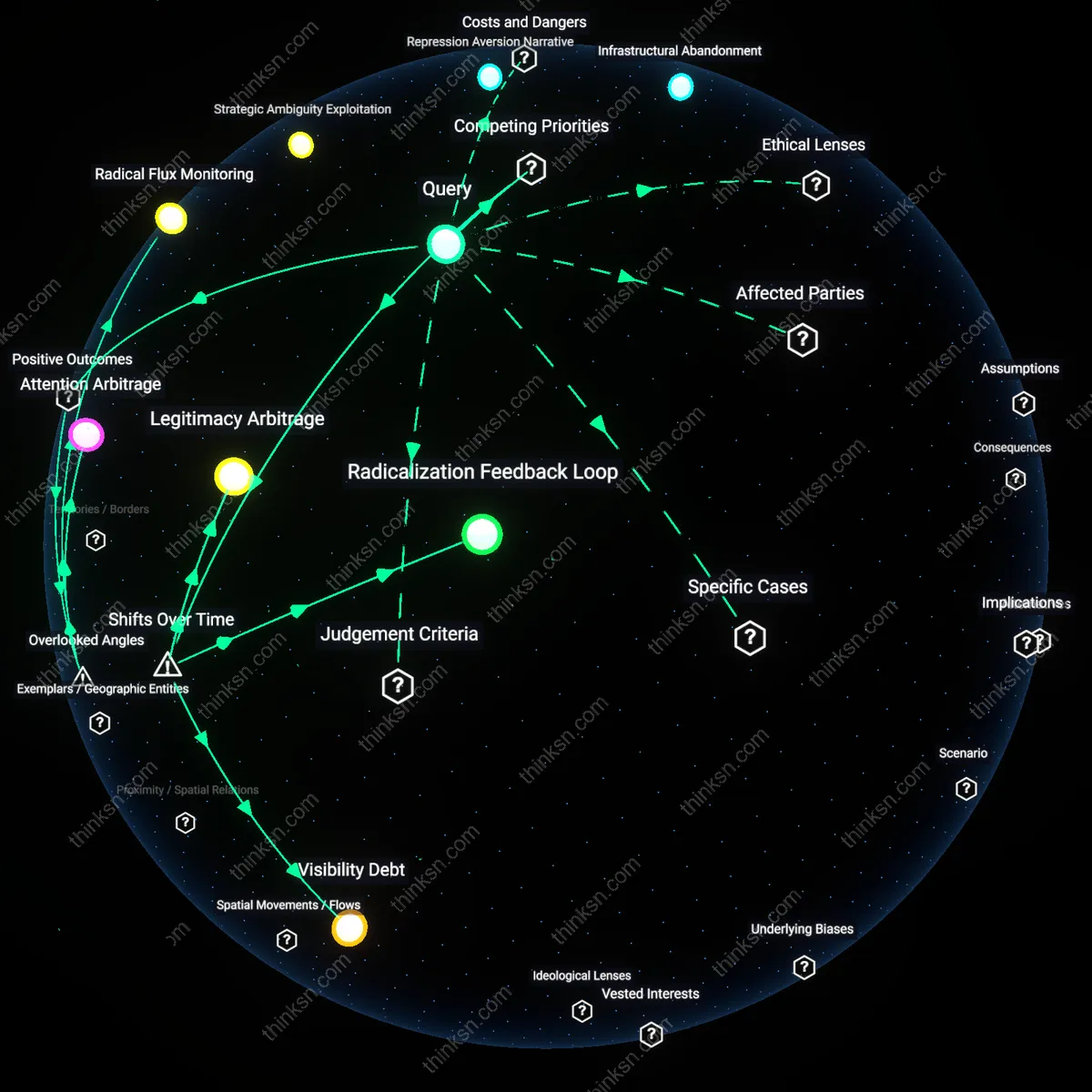
Analysis reveals 8 key thematic connections.
Key Findings
Surveillance dividend
Consumers should evaluate location tracking consent by recognizing that their data becomes a de facto wage deducted in kind, paid not to employers but to platform owners who monetize movement patterns through real-time advertising and logistics optimization. Delivery app users—particularly low-income urban residents reliant on subsidized food or medicine access—are coerced into this exchange not through overt force but via algorithmic pricing that privileges tracked users with lower delivery fees, effectively taxing privacy as a condition of affordability. This mechanism transforms continuous tracking into an invisible regressive tax, where the economically vulnerable subsidize system efficiency they cannot opt out of without material penalty, revealing that consent rituals obscure a deeper extraction.
Ghost infrastructure
Consumers should treat location tracking as participation in the construction of municipal-scale predictive systems they will never control, where their aggregated movements train city planning models, traffic forecasting, and even policing algorithms through data-sharing partnerships between delivery platforms and local governments. The dominant view frames consent as personal risk management, but the non-obvious reality is that individual data, once pooled, becomes foundational infrastructure—used to simulate emergency response routes or commercial zoning with no attribution or redress to contributors. This dynamic positions users not as data subjects but as involuntary civic laborers, building public goods through digital conscription masked as service agreement.
Friction laundering
Consumers should reject the framing of tracking as a trade-off between convenience and privacy, because the real function of consent interfaces is to routinize surveillance by embedding it within socially necessary actions like receiving prescriptions or groceries, thereby laundering algorithmic friction into mundane routine. Platforms engineer tracking as the path of least resistance, while opting out triggers deliberate impediments—longer wait times, higher prices, or service denial—making resistance feel antisocial or irrational. This conditions users to internalize surveillance as normative, masking the fact that the system rewards compliance not through transparency but through the strategic imposition of inconvenience, revealing consent as a performance of acquiescence rather than a choice.
Data-for-service bargain
Consumers should evaluate continuous location tracking by recognizing they are entering a coercive data-for-service bargain, where access to essential delivery services is conditional on surrendering real-time location data. Major platforms like DoorDash and Uber Eats have structured their terms to make opt-out functionally equivalent to service denial, exploiting asymmetric power in urban gig economies where low-income users depend on delivery for food security. This creates a de facto standard where consent is performative rather than voluntary, revealing how digital service monopolies convert necessity into surveillance entitlement. The non-obvious insight is that the 'free' app conceals a hidden transaction where location data becomes a regressive currency paid disproportionately by vulnerable users.
Infrastructure lock-in
Consumers should assess location tracking by recognizing how app-based delivery systems engineer long-term dependency through infrastructure lock-in, where third-party logistics networks (e.g., dark kitchens, centralized dispatch algorithms) are optimized only for continuous location inputs. Once cities delegate food distribution to platforms reliant on real-time geospatial data, opting out distorts delivery efficiency, increasing costs and wait times — a systemic pressure that punishes privacy-preserving behavior. This dynamic entrenches tracking not as a feature but as an infrastructural prerequisite, maintained by platform investors who prioritize scalability over individual choice. The underappreciated force here is how backend logistics, not user interface design, coerce consent by making privacy a system-disrupting anomaly.
Behavioral surplus cascade
Consumers should judge location consent by anticipating the behavioral surplus cascade, where seemingly transactional tracking data is repurposed across unconsented domains such as credit scoring, housing algorithms, or targeted policing in cities like New York and Los Angeles. Platform firms feed anonymized movement patterns to data brokers like SafeGraph, who then sell geo-fences around shelters, clinics, or protest sites, enabling secondary surveillance economies independent of the original delivery function. Because users perceive tracking as limited to delivery routing, they overlook how mobility data becomes raw material for social sorting far beyond the app’s stated purpose. The critical, hidden mechanism is that consent is obtained for one domain but value is extracted through spillover into adjacent, unregulated markets.
Surveillance discount
Consumers who accept continuous location tracking in delivery apps like Uber Eats in São Paulo do so to access time-sensitive food delivery during high-crime hours, trading locational privacy for physical safety. The app’s real-time GPS requirement enables rapid delivery in dangerous neighborhoods where foot traffic is risky, making surveillance a functional prerequisite for accessing essential services—revealing that in urban environments with weak public security, data extraction operates not as a passive cost but as an active fee for safety. This exchange is rarely transparent, disguising economic coercion as user choice in regions where formal infrastructure fails. The non-obvious reality is that privacy is not simply eroded—it is monetarily discounted through conditional access.
Logistical visibility tax
In India, Swiggy delivery drivers in Bengaluru must maintain constant GPS tracking not only for navigation but as proof of work performance, with algorithmic penalties for signal dropouts, effectively making location data a mandatory currency for income stability. Consumers benefit from on-time deliveries enabled by this monitoring, yet remain unaware that their convenience is sustained by a labor surveillance system masked as service optimization. The tracking consumers passively endorse extends control over gig workers, where visibility becomes a tax extracted from labor to subsidize consumer reliability. The overlooked mechanism is that user consent fuels dual exploitation—of consumer privacy and worker autonomy—within the same data stream.