Do Fact-Check Labels Clear Up Politics or Confuse Further?
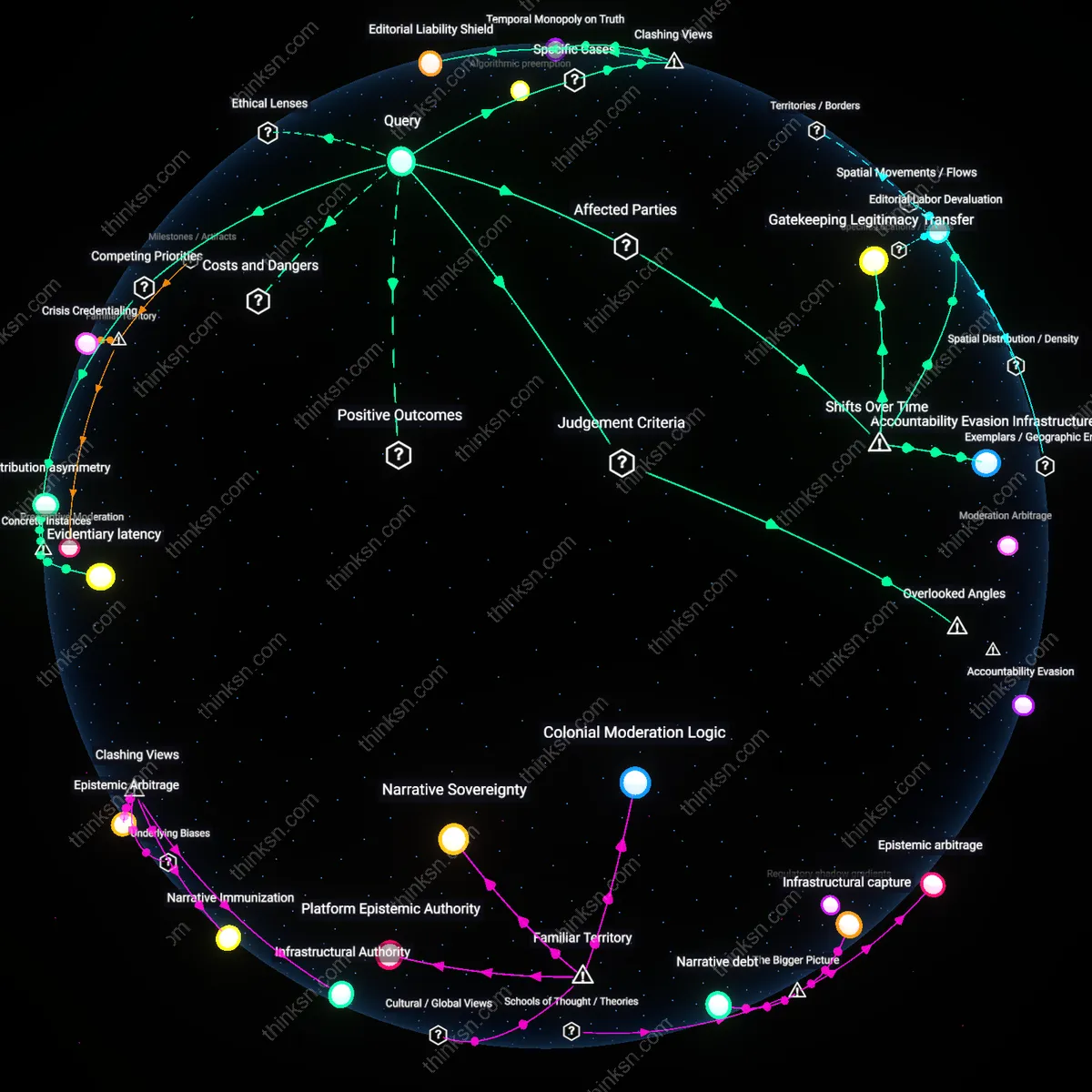
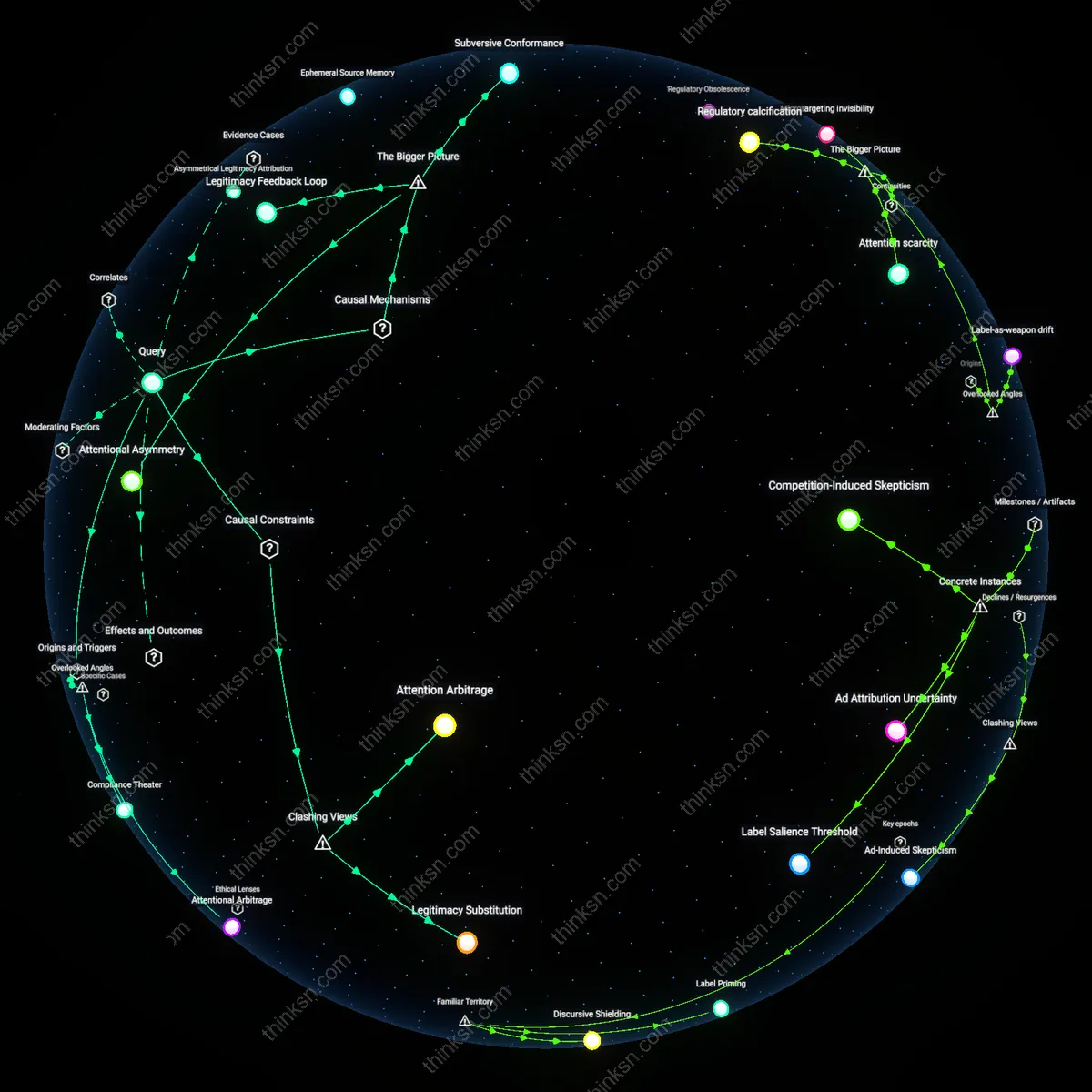
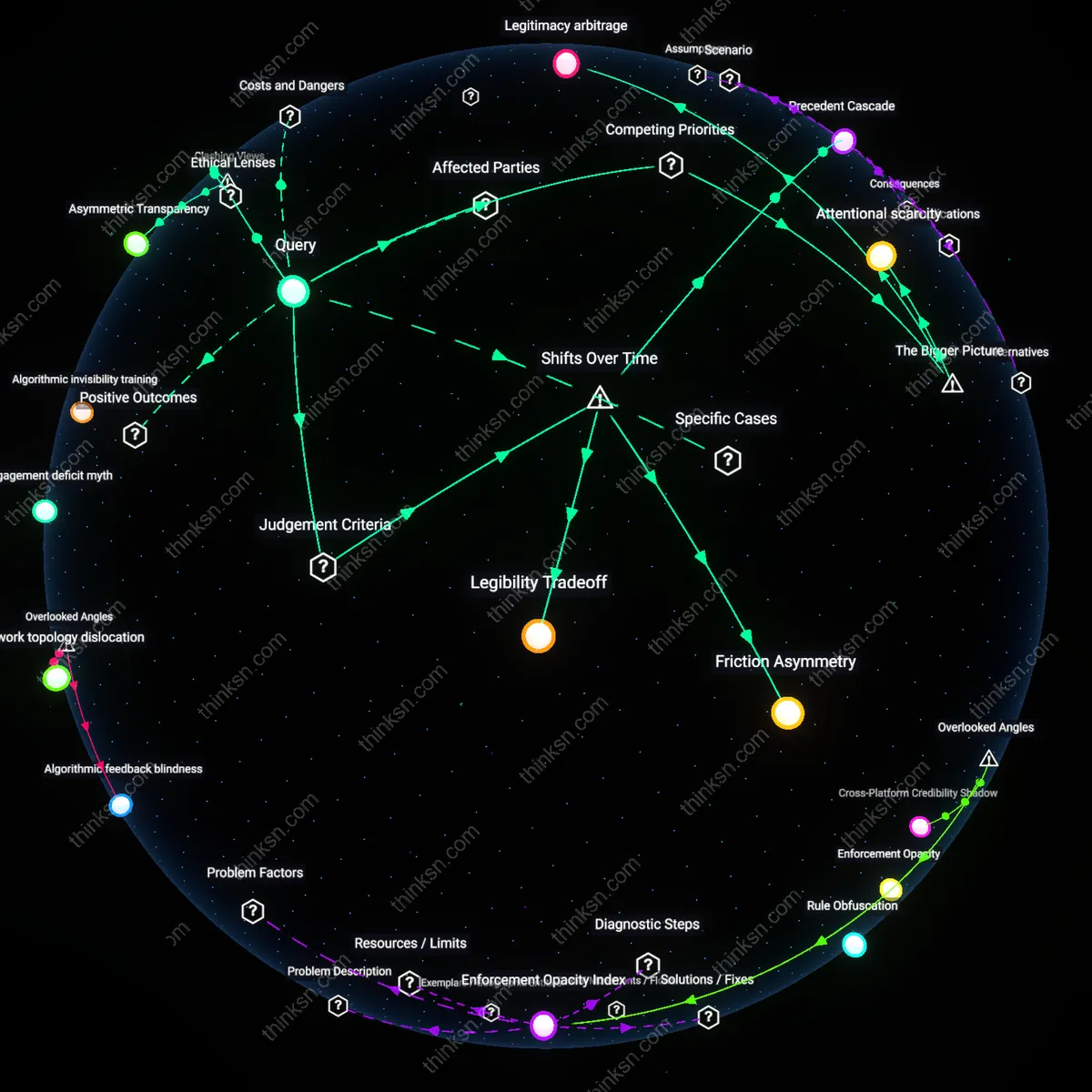
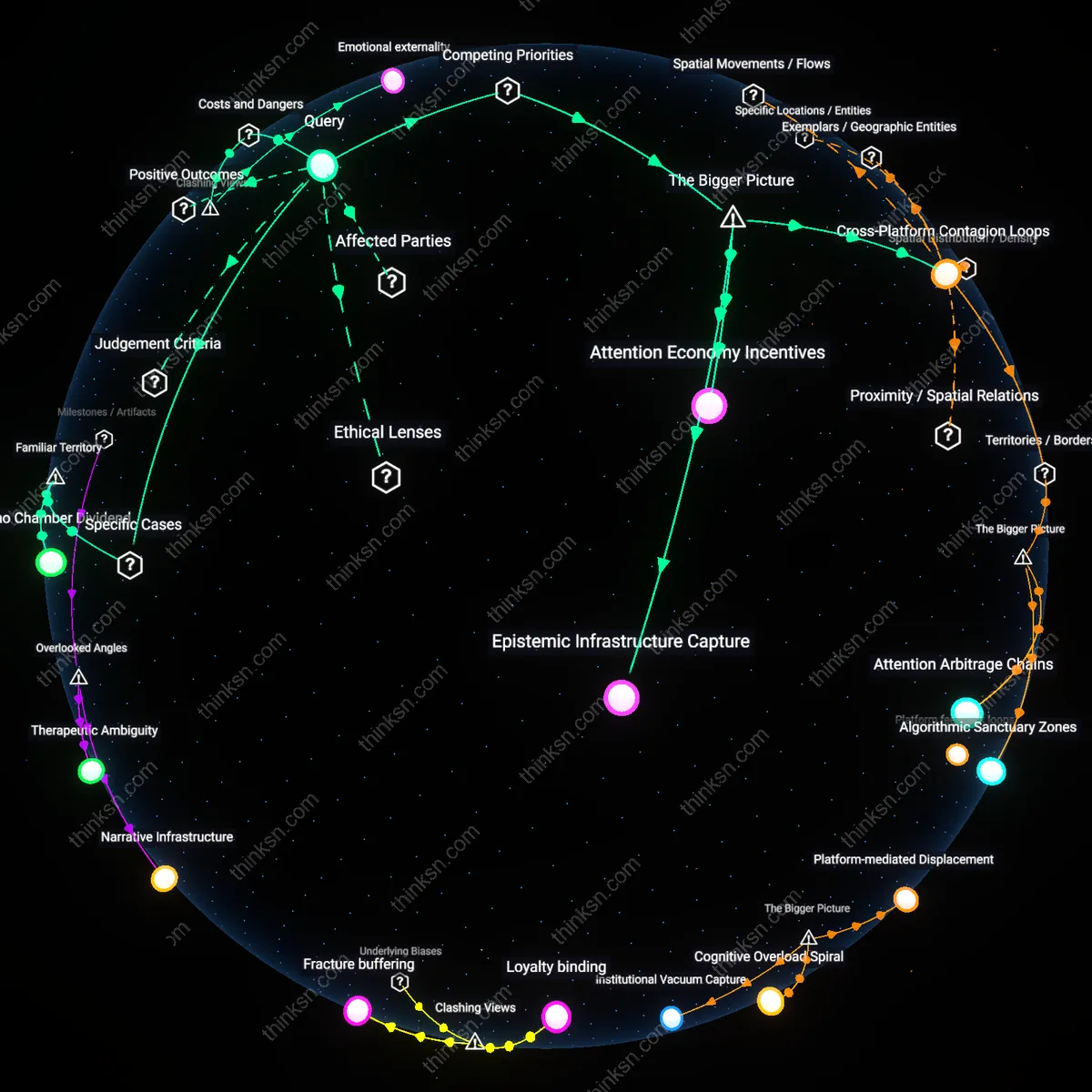
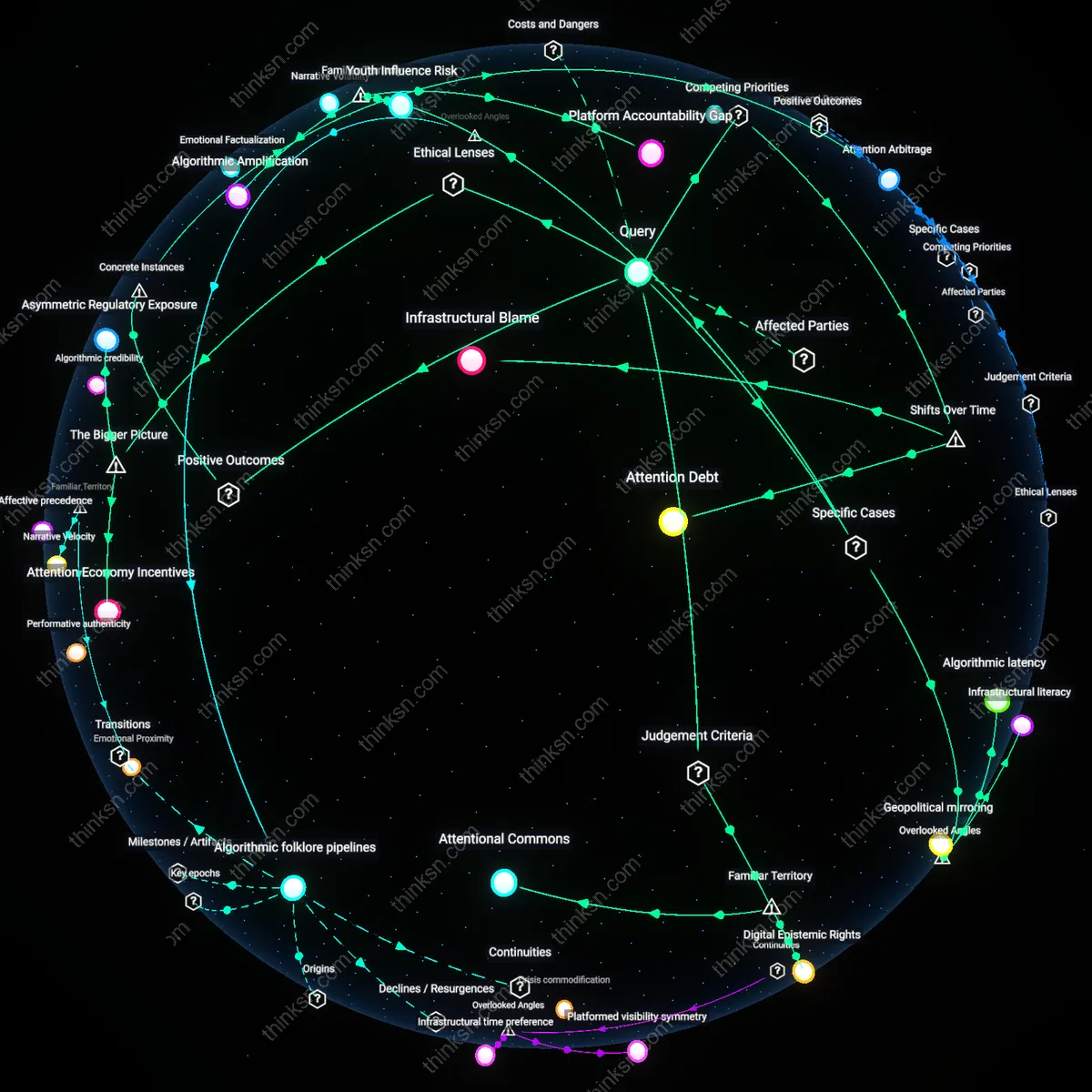
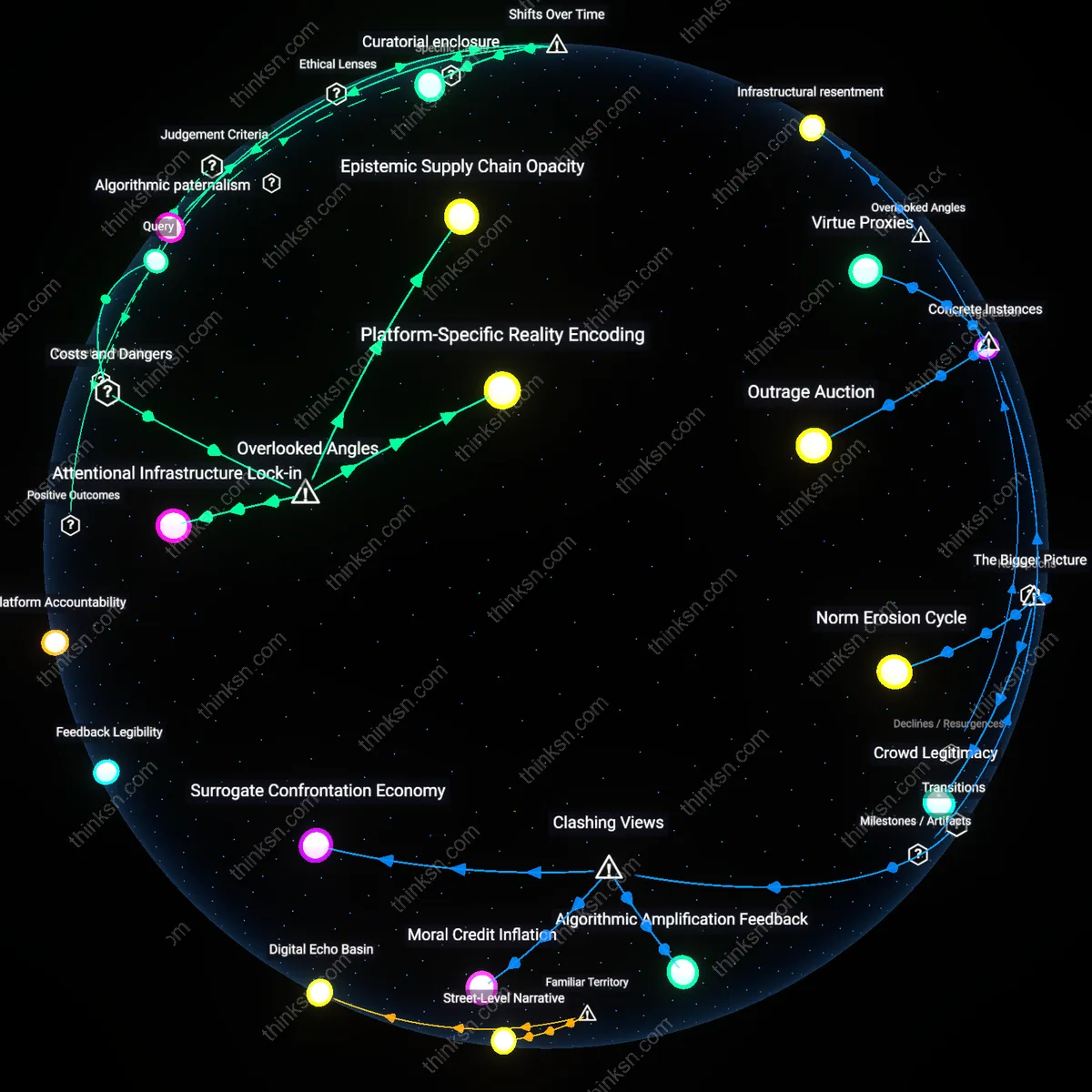
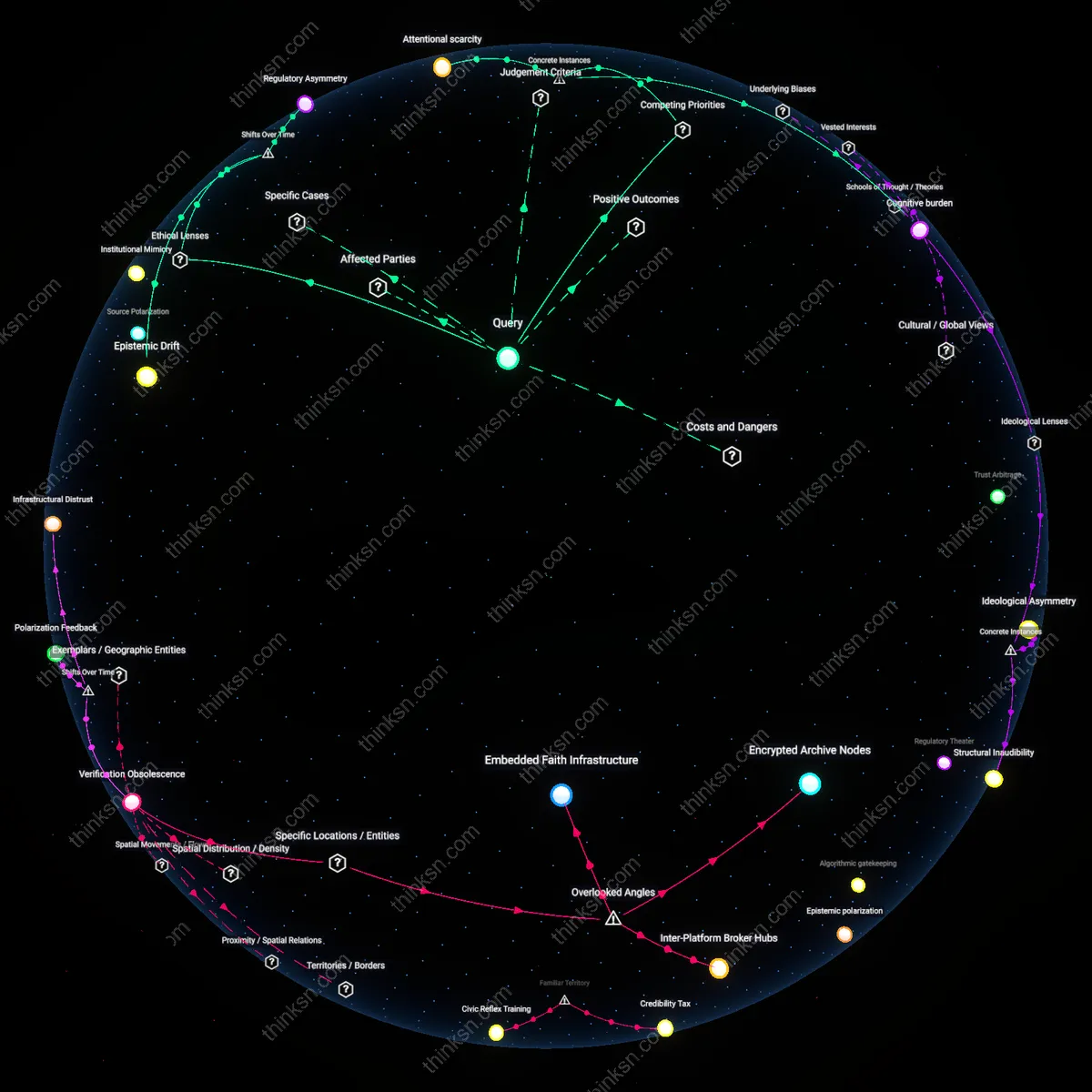
Analysis reveals 6 key thematic connections.
Key Findings
Cognitive burden
Fact-checking labels on Facebook during the 2020 U.S. election reduced misinformation only among users with high political literacy, revealing that the intervention’s efficacy depends on cognitive effort to interpret nuanced cues. The platform’s partnership with third-party fact-checkers like PolitiFact introduced color-coded warnings and downranking, but these required users to notice, recall, and trust the labeling system—a demand that disproportionately burdened those already overwhelmed by information density. This illustrates how the pursuit of informational accuracy collides with the limited cognitive bandwidth of the average user, making the label system a tool that works best for those least at risk of misinformation exposure.
Institutional authority depletion
Brazil’s Supreme Federal Court’s enforcement of fact-checking mandates on WhatsApp in 2018 backfired when users interpreted official labels as political censorship, increasing distrust in both platforms and judiciary. The judiciary, aiming to curb viral falsehoods during Bolsonaro’s campaign, compelled messaging app modifications, but the top-down imposition without community consultation eroded the perceived neutrality of fact-checking bodies like Agência Lupa. This case exposes how efforts to combat misinformation through institutional authority can accelerate that authority’s delegitimization when users perceive interference as partisan coercion.
Attentional scarcity
Twitter’s labeled warnings on COVID-19 misinformation in 2021 reached millions but were routinely bypassed in high-velocity retweet networks, as seen in the #Plandemic surge following the platform’s attachment of World Health Organization rebuttals. Despite clear, visible tags, the design assumed users would pause to engage with corrective content—a luxury absent in fast-moving timelines dominated by emotional amplification. The dynamic reveals that fact-checking labels compete not just with false narratives but with the structural prioritization of engagement over comprehension, rendering accuracy interventions invisible in contexts of attentional overload.
Hermeneutic Burden
Fact-checking labels reduce misinformation only when users possess the cognitive and institutional trust to interpret them, a condition that emerged with the platformization of public discourse after 2016, when social media companies shifted from passive conduits to active moderators in response to election interference and viral disinformation campaigns. This transition placed interpretive responsibility on individuals rather than correcting systemic information flaws, revealing that the efficacy of labels depends not on their presence but on users’ ability to decode them within increasingly pluralistic and polarized epistemic communities. The underappreciated shift is not in label design but in the relocation of editorial authority from professional journalism to distributed user judgment, making the label a site of contested meaning rather than settled truth.
Regulatory Asymmetry
Fact-checking labels rely too heavily on user interpretation because their development after the 2018 EU Code of Practice on Disinformation prioritized voluntary industry action over binding legal standards, creating a governance model where platforms define what counts as misinformation without consistent oversight. This transitional moment—when states delegated epistemic authority to private firms while retaining democratic accountability—produced a structural imbalance where labels function as performative compliance rather than effective correction. The non-obvious outcome is that these labels satisfy legal safe-harbor requirements (like Section 230 in the U.S. or the E-Commerce Directive in Europe) while avoiding the political risks of centralized censorship, thus preserving platform immunity at the cost of remedial depth.
Epistemic Drift
Fact-checking labels reduce misinformation less over time because their normalization since 2020 has acclimated bad-faith actors to anticipate and circumvent them through semantic evasion, meme translation, and cross-platform migration, transforming labels from corrective mechanisms into heuristic signals for subcultural resistance. This shift—from labels as tools of clarification to markers of ideological targeting—reflects a broader historical movement where state-backed knowledge regimes (e.g., CDC, WHO, electoral commissions) lost monopolistic status in defining facts, especially during crises like the pandemic and the 2020 U.S. election. The underappreciated dynamic is that repeated exposure to labels does not build compliance but fuels adversarial interpretation, where the label itself becomes evidence of elite bias, accelerating the decentralization of truth-making authority.