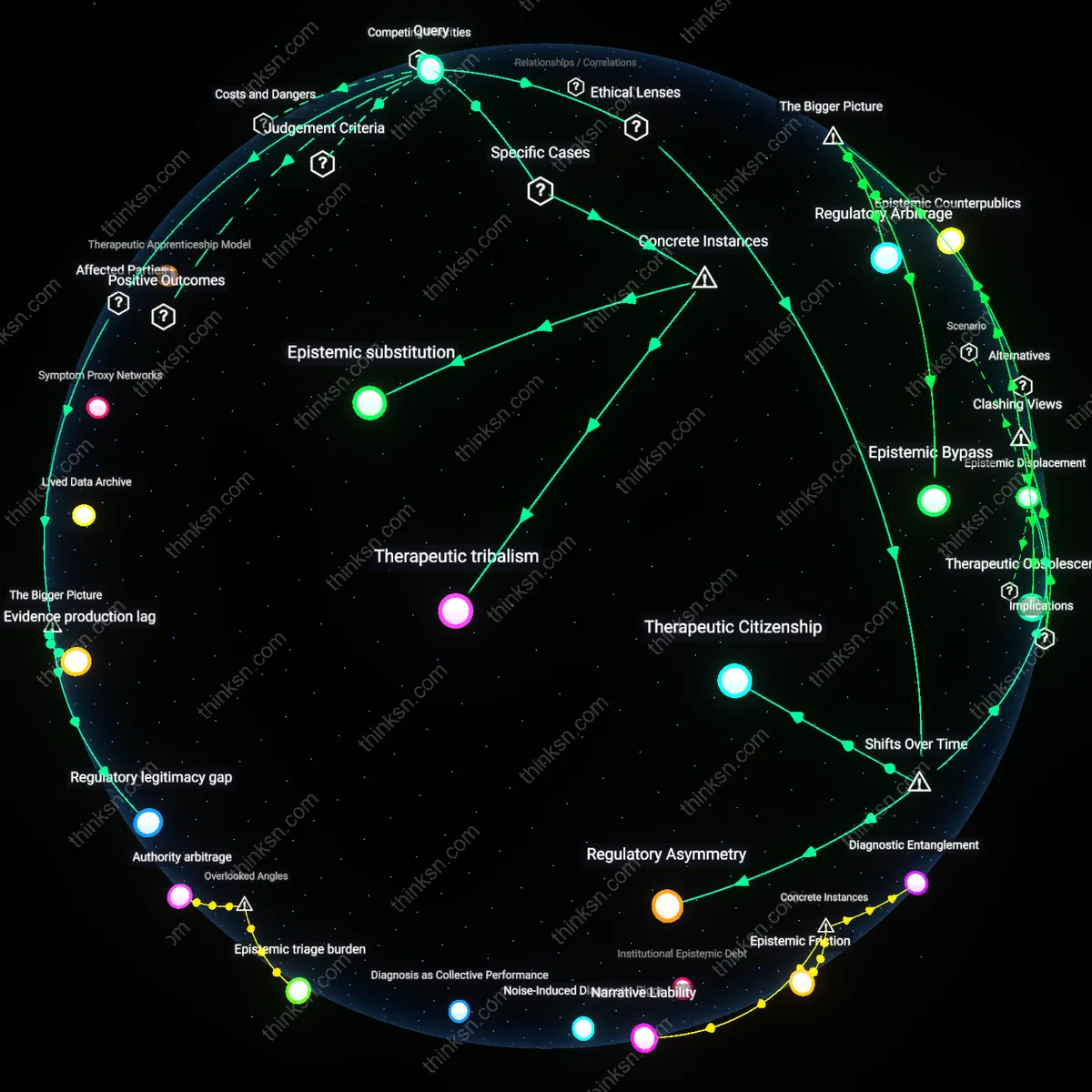
Anecdotal Relief vs Clinical Validation in RA Alternative Treatments?
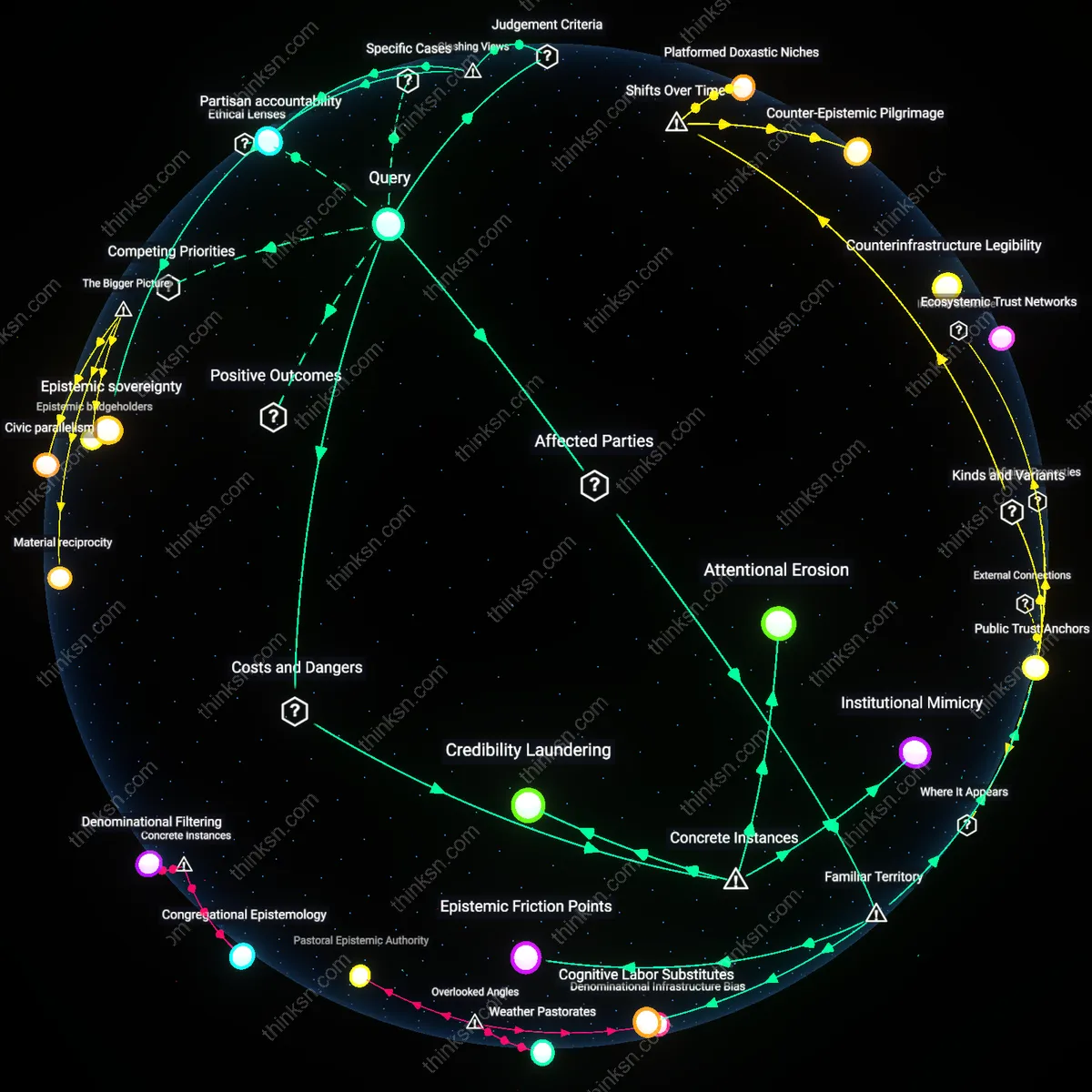
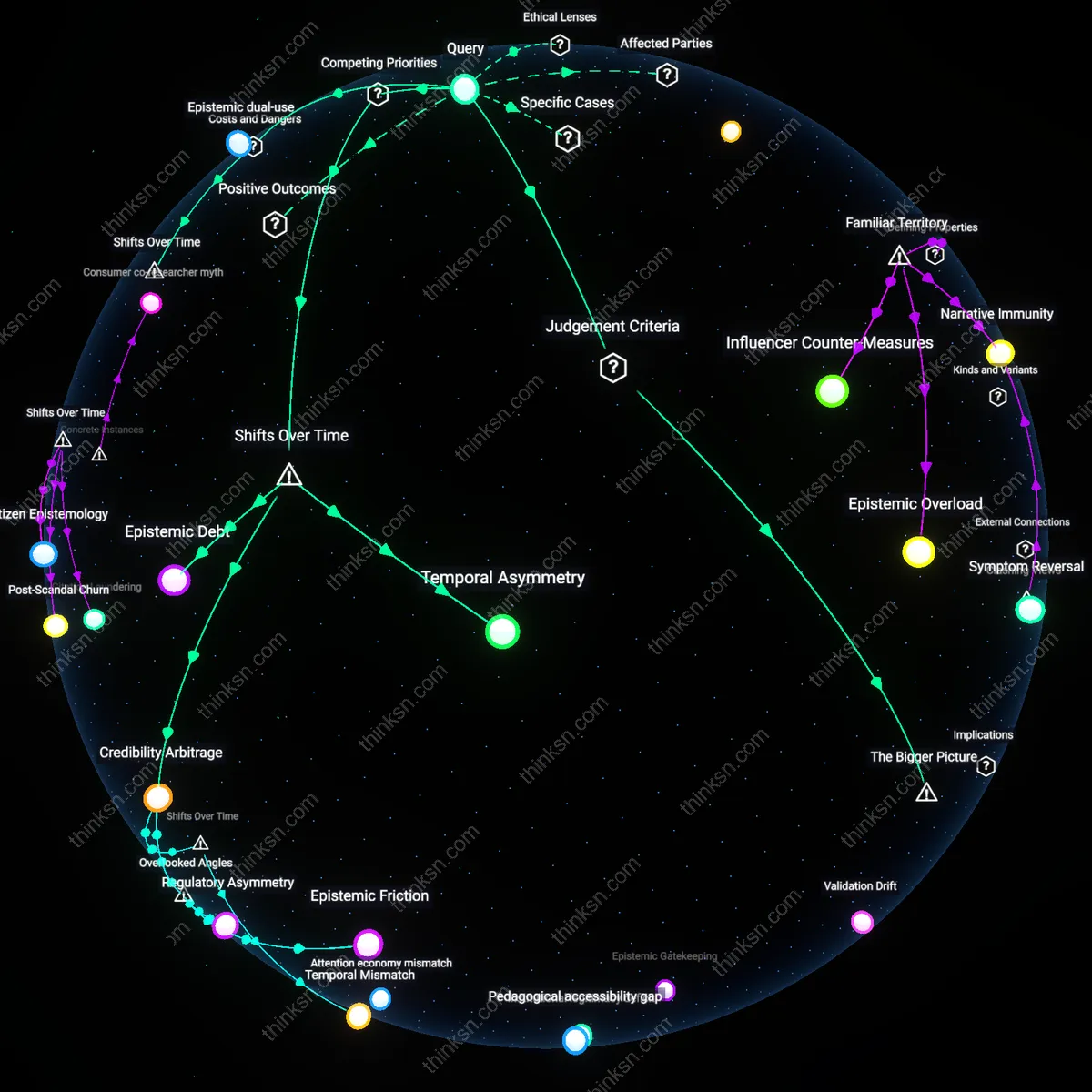
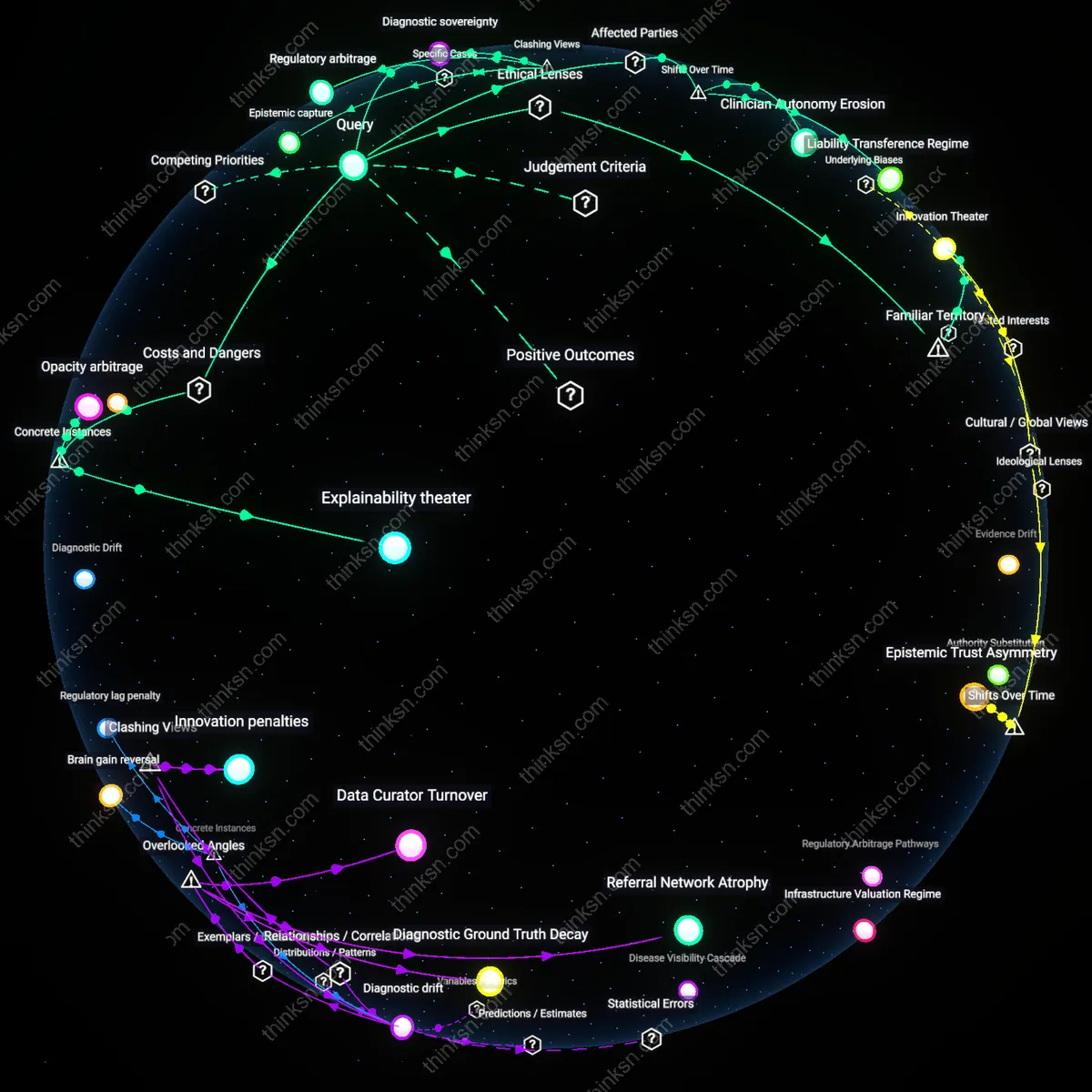
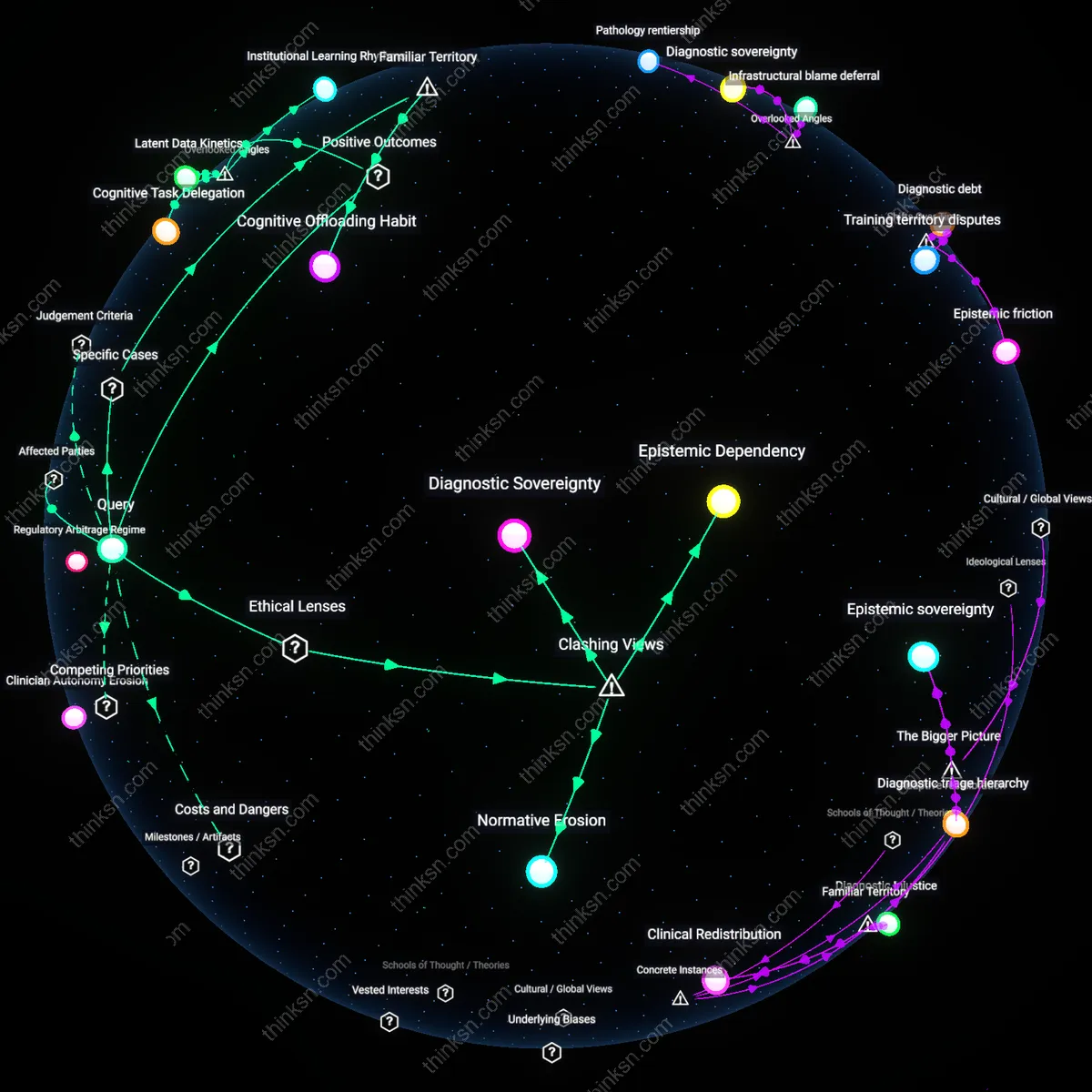
Analysis reveals 9 key thematic connections.
Key Findings
Information asymmetry burden
Patients turning to unproven supplements for rheumatoid arthritis do so because clinical access fails to deliver timely symptom control, forcing reliance on patient forums where lay experience substitutes for medical guidance. This shift is not driven by anti-science sentiment but by a structural delay in healthcare systems—particularly long rheumatologist waitlists and limited appointment durations—that prevents nuanced discussion of adjunct therapies, thereby privileging anecdotal immediacy over clinical patience. The non-obvious insight is that the urgency of symptom suffering redistributes epistemic authority from clinicians to peer networks, not due to distrust, but due to temporal misalignment in care delivery.
Regulatory legitimacy gap
Dietary supplement manufacturers benefit from patient forum visibility because the FDA’s reduced regulatory scrutiny of nutraceuticals allows loosely substantiated claims to circulate without penalty, creating a legal gray zone where anecdotal testimonials function as de facto marketing. This dynamic is amplified by platform algorithms that reward engagement, elevating emotionally resonant recovery stories over dispassionate clinical null results, thus aligning commercial incentives with experiential narratives. The systemic trigger is not misinformation per se, but a misalignment between evidence-based approval pathways and digital discourse mechanics, which together enable circumvention of traditional legitimacy gates.
Evidence production lag
Clinical researchers rarely study alternative supplements already in use because patentability barriers and low financial returns discourage investment in trials for non-proprietary substances like turmeric or omega-3s, leaving effective but unpatentable compounds in evidentiary limbo. This creates a vacuum in which patient-reported benefits accumulate faster than institutional science can validate them, not due to scientific rigidity alone, but because biomedical research infrastructure is economically steered toward profit-generating molecules. The underappreciated consequence is that the evidence hierarchy itself—designed to ensure validity—becomes complicit in sustaining anecdotal reliance by systematically deprioritizing certain types of therapeutics.
Epistemic Displacement
The trade-off between anecdotal relief and absent clinical evidence in patient forums reflects a shift from biomedical authority to peer-sourced legitimacy, where rheumatoid arthritis sufferers increasingly prioritize experiential testimony over institutional validation due to the historical erosion of trust in pharmaceutical outcomes post-1980s. As clinical trials became metabolized by profit-driven drug development cycles, especially after the 1997 FDA Modernization Act accelerated direct-to-consumer marketing, patient communities cultivated counter-epistemologies grounded in shared suffering and supplement experimentation. This shift operates through decentralized digital platforms that institutional medicine neither controls nor endorses, making the transfer of epistemic authority from clinician to forum peer an analytically significant renegotiation of medical credibility. What is non-obvious is that the absence of clinical evidence is not a flaw in this system but a constitutive feature that enables autonomy from a medical-industrial complex perceived as corrupt or indifferent.
Therapeutic Citizenship
Patients’ endorsement of unproven supplements in online rheumatoid arthritis forums represents a form of resistance against the postwar biomedical model’s exclusion of patient agency, crystallizing in the late 1990s with the rise of digital health communities. As managed care protocols in the 1990s standardized treatment pathways and deprioritized subjective pain narratives, forum participation became a political act—individuals asserting control over their bodies by legitimizing non-approved remedies through collective testimony. This mechanism of self-authorized care functions within an emerging ideology of therapeutic citizenship, where the right to treat becomes inseparable from the right to narrate. The non-obvious element is that clinical evidence is not simply absent but actively rejected as a tool of state-corporate gatekeeping, reframing noncompliance as ethical self-determination rather than medical risk.
Regulatory Asymmetry
The permissibility of anecdotal promotion in patient forums emerged from a deliberate regulatory divergence in the 1990s, when the U.S. Dietary Supplement Health and Education Act (DSHEA) exempted supplements from FDA efficacy requirements, creating a legal vacuum later filled by digital patient communities. Unlike pharmaceuticals, which require rigorous longitudinal trials before market entry, supplements entered a gray zone where personal testimony could substitute for clinical validation without legal penalty, enabling forums to function as both support networks and de facto distribution channels. This asymmetry operates through a loophole engineered by industry lobbyists and sustained by consumer libertarian ideals, revealing how deregulation in one domain (supplements) indirectly authorized epistemic chaos in another (chronic disease management). The non-obvious reality is that the absence of clinical evidence is not accidental but structurally incentivized by a policy decision that privileged market access over scientific rigor.
Therapeutic tribalism
The online patient community around the supplement 'Thunder God Vine' (Tripterygium wilfordii) in the Rheumatoid Arthritis Warriors forum demonstrates how anecdotal relief establishes therapeutic legitimacy despite lacking FDA-backed trials. Members report symptomatic improvement and reduced biologic drug dependence, fostering communal reinforcement that overrides clinical uncertainty through shared experiential validation. This mechanism reveals how decentralized networks can generate treatment norms outside evidence-based medicine, with social trust displacing statistical evidence as the criterion for efficacy.
Regulatory arbitrage
The sale of 'Curcumin 2000' by a company called ArthroGold, marketed exclusively through RA-focused Facebook groups and Instagram testimonials, exploits the gap between patient-reported outcomes and FDA regulatory thresholds for dietary supplements. By leveraging individual recovery stories and avoiding explicit disease claims, the product circumvents the need for randomized trials while gaining widespread adoption among forum users seeking steroid alternatives. This case illustrates how commercial actors strategically position unproven interventions within legal gray zones, using anecdotal ecosystems as de facto approval systems.
Epistemic substitution
The Norwegian Patient Organization for Rheumatic Diseases’ endorsement of fish oil supplementation—based initially on scattered member testimonials later cited in national health advisories—shows how persistent anecdotal patterns can function as proxy evidence in the absence of robust trials, especially when placebo-controlled studies are ethically contested or underfunded. The shift from personal testimony to semi-official recommendation revealed that clinical inertia can legitimize anecdote when institutional research fails to act, turning patient narration into an epistemically functional substitute for controlled data.