Should Coastal Cities Bet On Aggressive Sea-Level Rise Plans?
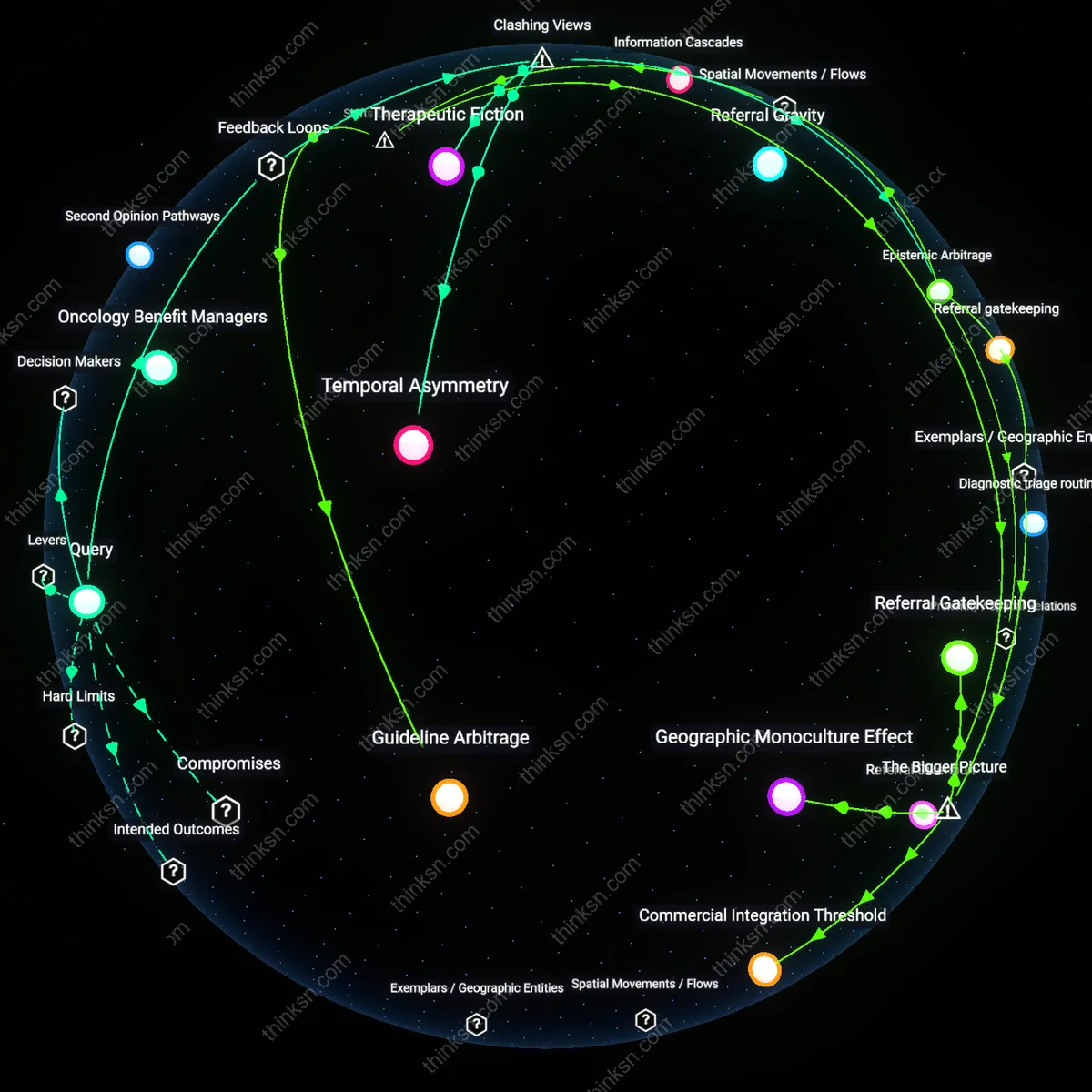
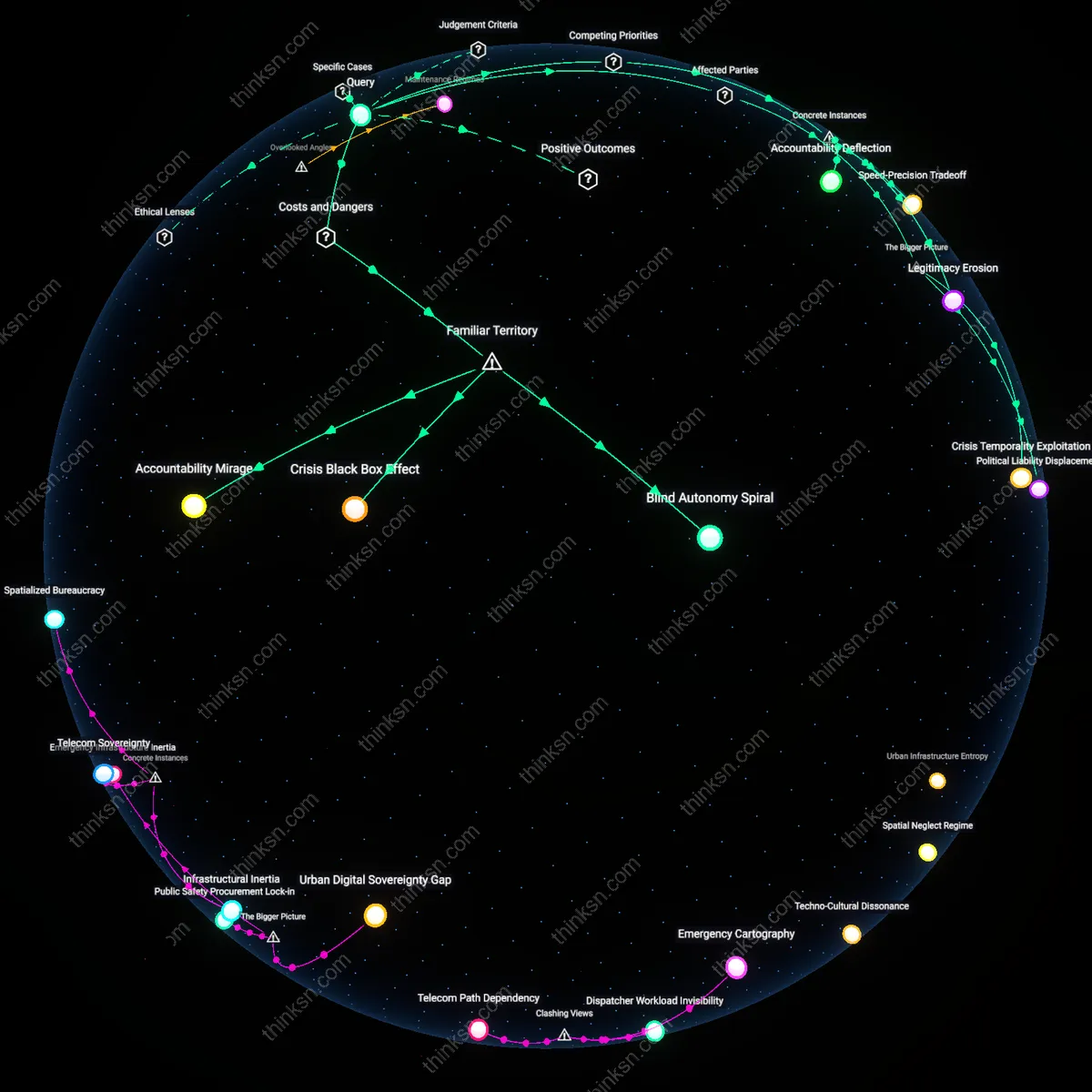
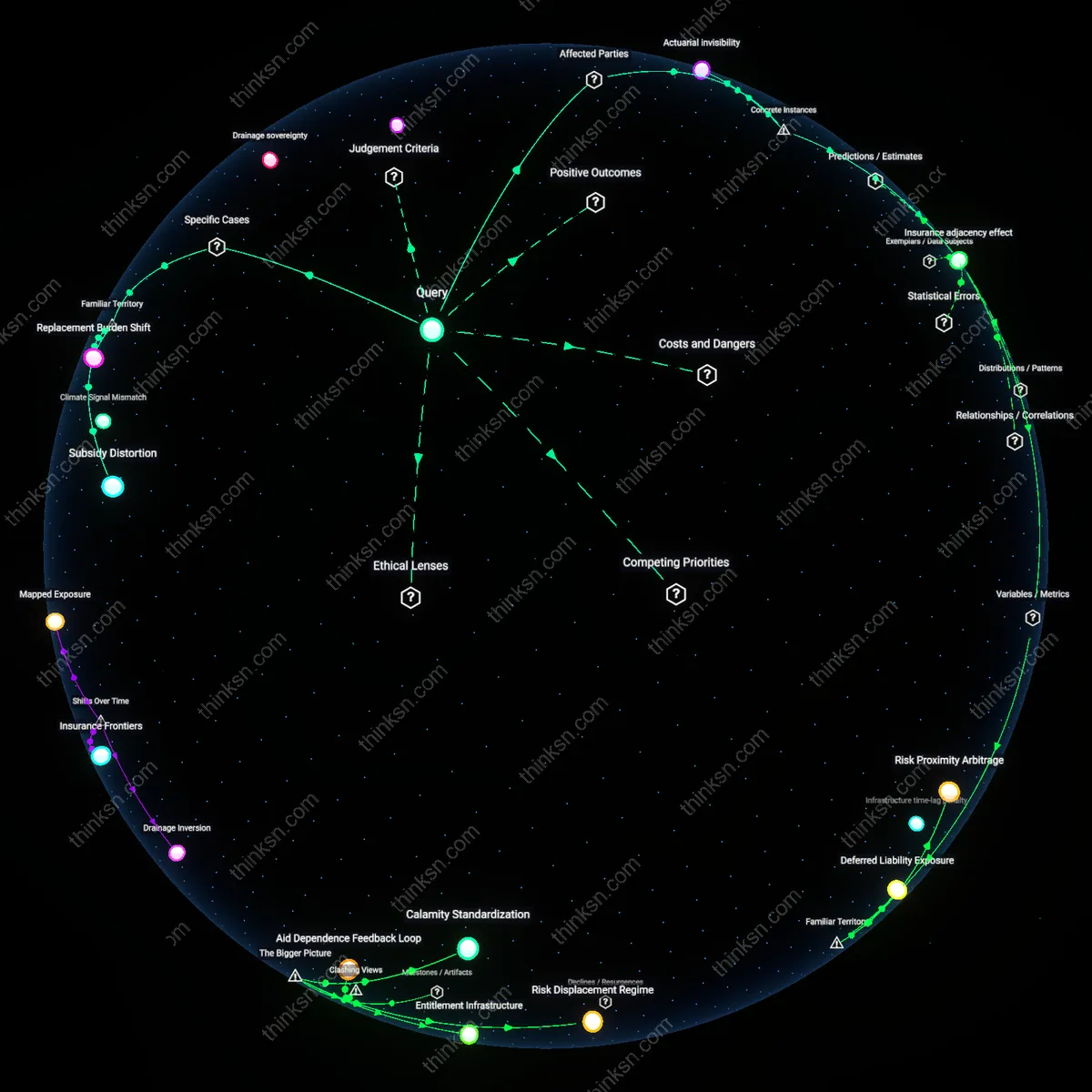
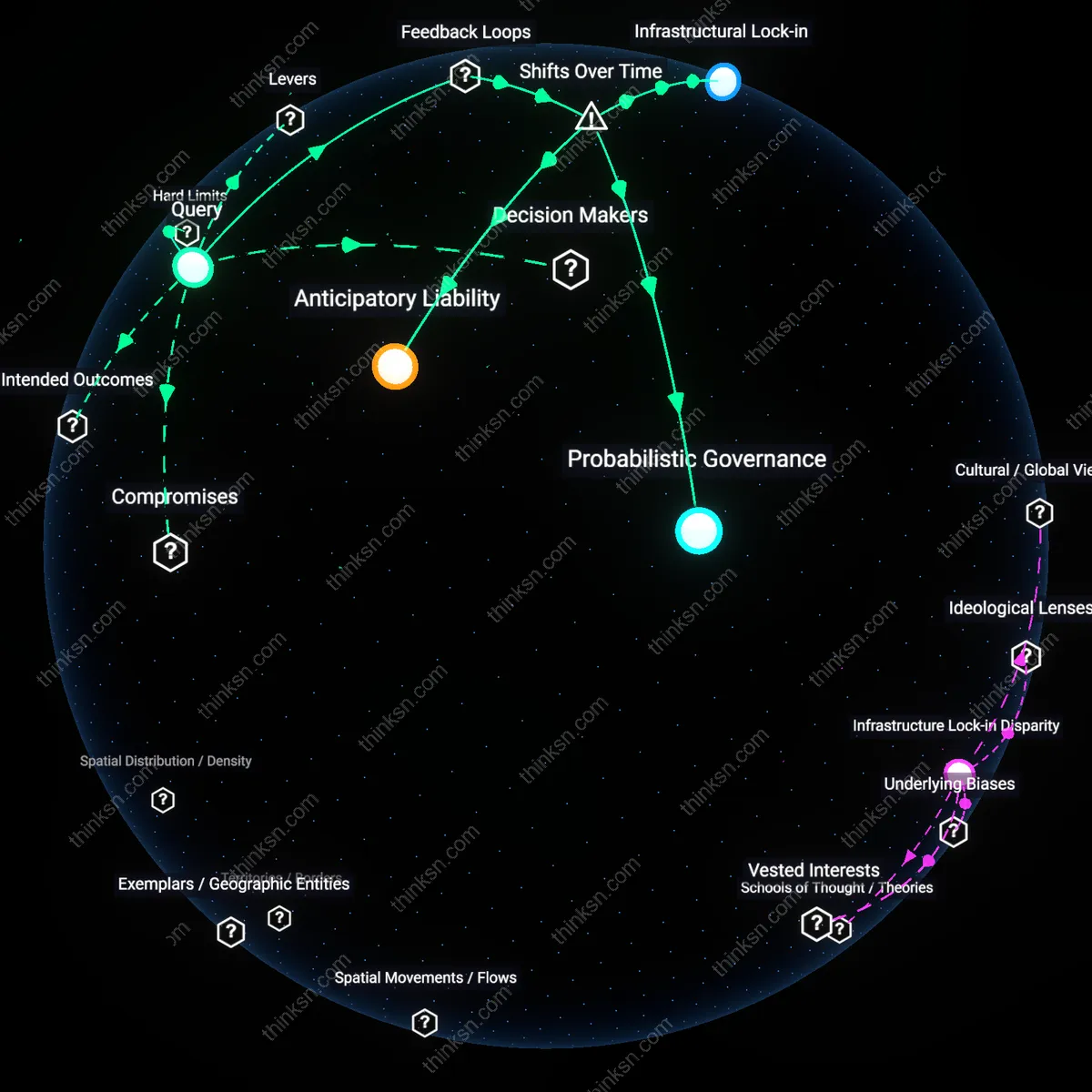
Analysis reveals 4 key thematic connections.
Key Findings
Infrastructural Lock-in
Coastal cities should base adaptation plans on the most aggressive sea-level rise projections because delayed action locks in high-cost, reactive infrastructure shaped by political expediency rather than scientific necessity. Municipal engineering departments and state transportation agencies routinely design bulkheads, stormwater systems, and elevated roads based on legacy flood maps, which embed medium-projection assumptions into permanent assets with 50-year lifespans—thus foreclosing later adaptation pathways. This creates infrastructural lock-in, where today’s seemingly moderate choices eliminate tomorrow’s resilience options, a dynamic visible in Miami’s reliance on pump-based drainage that cannot scale under RCP 8.5 scenarios. The non-obvious reality is that median projections function as de facto underestimates when institutional inertia converts them into permanent material form.
Liability Exposure
Coastal cities should adopt the most aggressive sea-level rise projections not for resilience but to minimize future legal liability from under-preparedness, as litigants increasingly use climate science as a standard of care in tort cases. In Wilmington, North Carolina, property owners have already filed suit alleging municipal failure to upgrade drainage despite available high-end projections from USACE models, invoking professional negligence standards similar to engineering malpractice. Municipal risk managers and city attorneys now treat upper-bound scenarios as legal guardrails, because courts interpret 'foreseeable harm' through the lens of available science, not implemented policy. The dissonance is that adaptation planning is no longer about preventing flooding—it’s about documenting anticipatory due diligence to survive litigation in its aftermath.
Probabilistic Governance
Coastal cities should use median sea-level rise projections to sustain adaptive capacity, as reliance on moderate scenarios strengthens a balancing feedback loop that preserves flexibility by preventing premature commitment to irreversible measures. In cities like Rotterdam, the shift from deterministic flood defense planning (pre-2000s) to dynamic, scenario-based Delta Programs after the 1993 Rhine floods enabled iterative governance cycles that adjust dikes and spatial planning in response to emerging data. This transition to probabilistic modeling formalized in the 2008 Water Act revealed that treating sea-level rise as a distribution—not a fixed outcome—allows institutions to delay high-cost decisions until tipping points are near, maintaining resilience through institutional learning rather than structural overreach.
Anticipatory Liability
Coastal cities must adopt the most aggressive projections to preempt a reinforcing feedback loop in which delayed action escalates legal and financial exposure, as seen in the post-2015 turn toward climate liability litigation in U.S. municipalities like Charleston and San Francisco. When city councils under-project future inundation, they create material misrepresentations in property disclosures and public bond filings, triggering lawsuits that accelerate fiscal stress just as adaptation costs peak—this shift toward financial materiality of climate risk, codified in SEC guidance post-2022, means that underestimating sea-level rise now produces compounding legal obligations that undermine long-term budgetary stability. The emergent norm of anticipatory liability transforms risk aversion from engineering margins into a fiscal imperative, making worst-case planning a condition of solvency.