Therapeutic Mirage
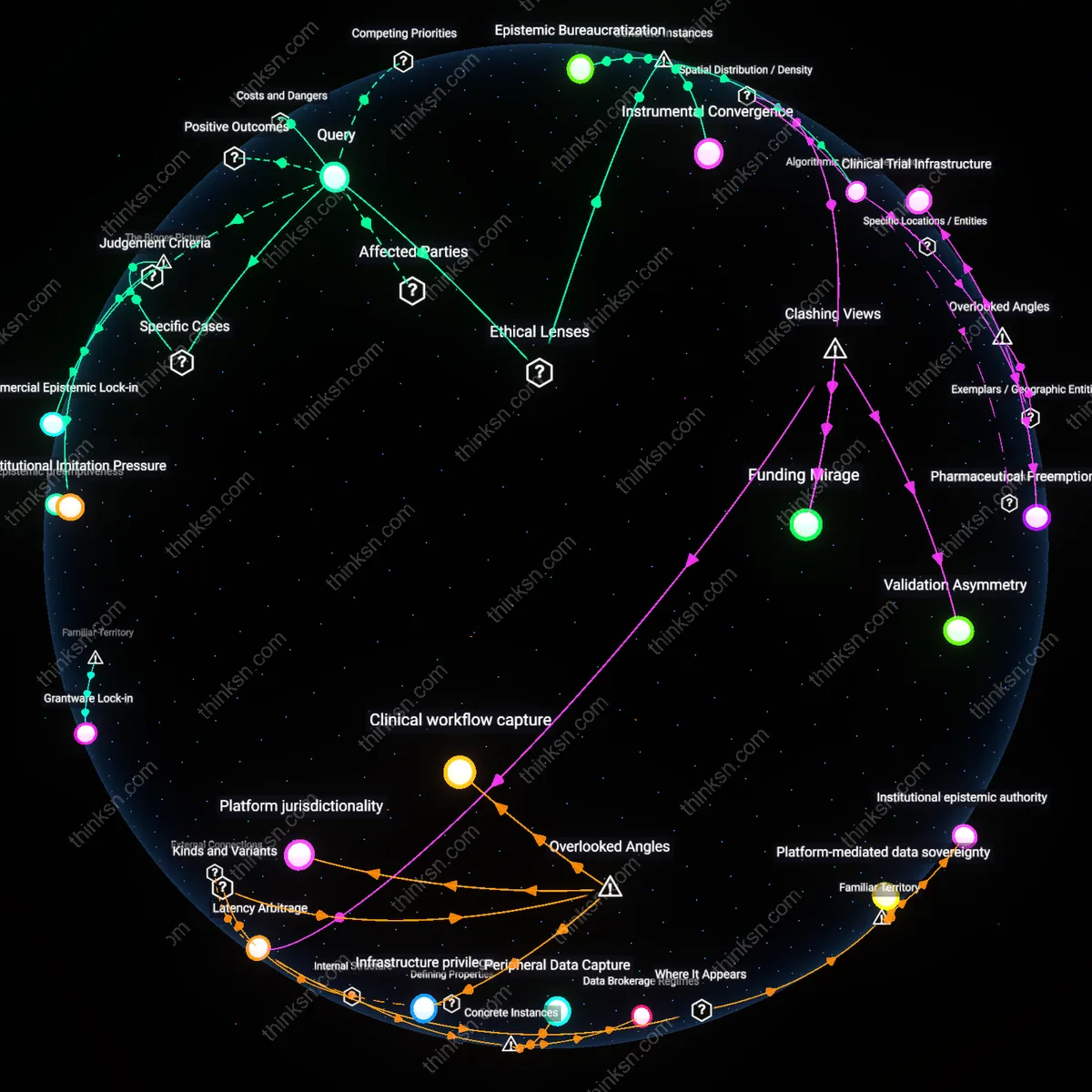
Patients' blood pressure rises after losing clinic access not because HIIT ceases, but because the clinical setting itself masked underlying cardiovascular instability through ritualized monitoring and placebo-level reassurance; the equipment and staff provided a scaffold of perceived control that maintained homeostasis independently of exercise intensity, a mechanism observed in urban outpatient cohorts at public teaching hospitals; the non-obvious insight is that the physiological benefits of HIIT were, in part, parasitic on the clinical environment rather than the exercise alone, challenging the dominant model that attributes improvements solely to cardiovascular adaptation from physical exertion.
Ecology of Compliance
Blood pressure deteriorates post-clinic not due to biological deconditioning but because the removal of institutional choreography—the timed entry swipes, automated reminders, and staffed accountability—disrupts a socially enforced rhythm that made adherence automatic; in low-income populations dependent on publicly funded health initiatives, this structure was the true driver of regimen persistence, revealing that the efficacy of HIIT was rooted in behavioral scaffolding rather than metabolic stress, a finding that contradicts the intuitive link between workout intensity and health outcomes by showing that consistency, not exertion, was the active ingredient.
Vigilance Penalty
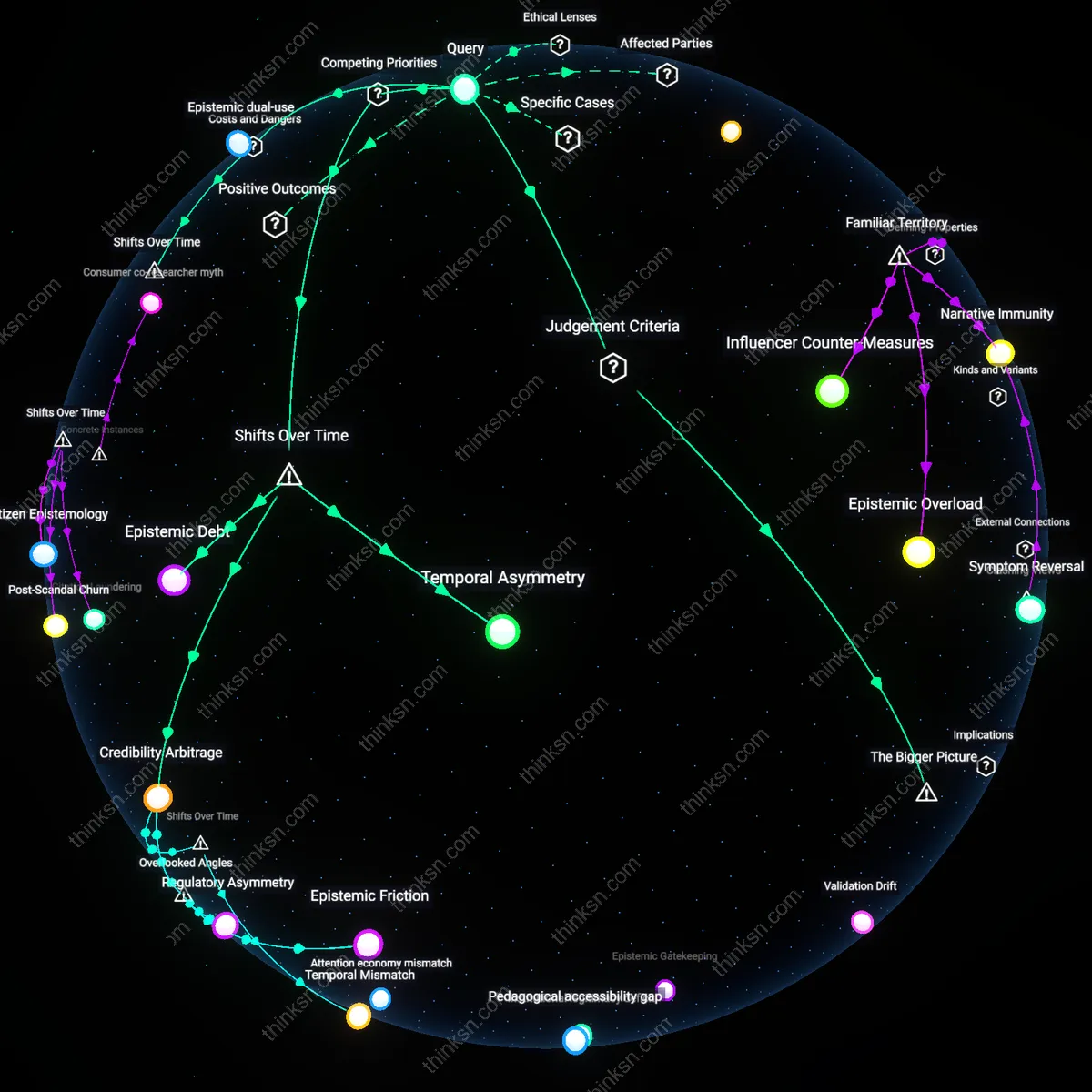
Patients experience a paradoxical blood pressure spike upon clinic exit because the acute awareness of unobserved health status—induced by regular clinician feedback loops—generates anxiety-driven autonomic arousal once surveillance ends; this phenomenon, documented in longitudinal metabolic studies with wearable biomarkers, shows that the very act of being monitored had a regulatory effect, and its removal triggers sympathetic dominance, exposing that clinical oversight functioned as an invisible pharmacological modulator, thereby undermining the assumption that health improvements from HIIT are purely physical and autonomous.
Biometric accountability erosion
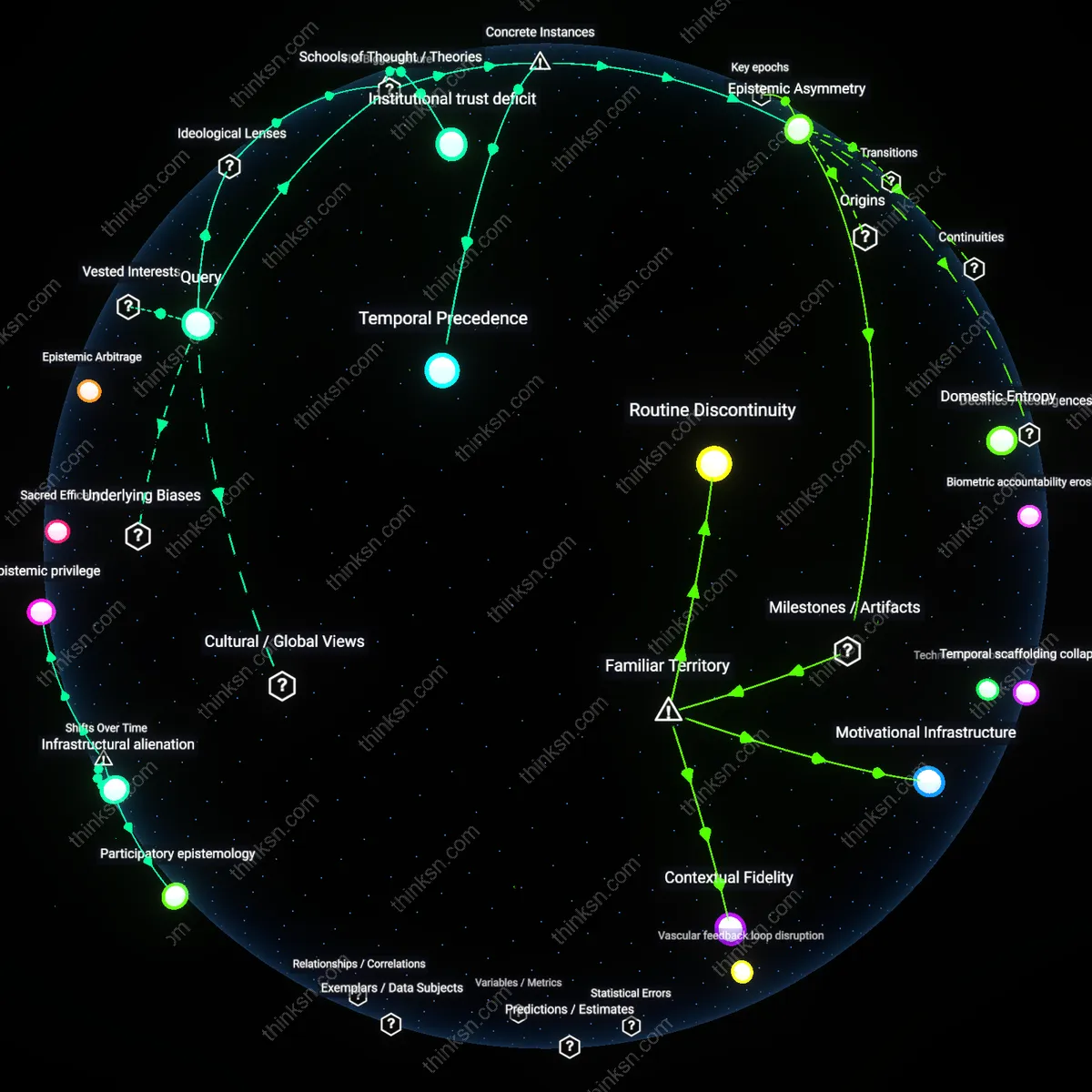
Patients' blood pressure rises when they lose access to the clinic's equipment and staff oversight after doing HIIT because the absence of scheduled physiological monitoring dissolves a form of behavioral enforcement rooted in anticipation of judgment. Clinic-based measurements create recurring moments where patients' bodies become subject to institutional scrutiny, and the knowledge that blood pressure will be measured—and potentially criticized—by a clinician acts as a non-pharmacological regulator of adherence to post-exercise recovery protocols. This dynamic is typically overlooked because biomedical models prioritize metabolic or cardiovascular mechanisms over the performative accountability induced by clinical presence, yet its removal weakens the self-regulation feedback loop that sustained lower pressure during supervised periods.
Temporal scaffolding collapse
Patients' blood pressure increases upon discontinuation of clinic access because the loss of externally imposed temporal structure disrupts the circadian stabilization achieved through regimented HIIT scheduling. The clinic does not only deliver exercise or monitoring—it synchronizes physical exertion to specific daily intervals, indirectly calibrating autonomic nervous system activity, cortisol release, and vascular tone over time. When this temporal scaffold vanishes, patients rarely replicate the same chronobiological precision at home, leading to mistimed exertion and impaired nocturnal blood pressure dipping. Most analyses ignore how clinical infrastructure acts as a hidden chronotherapy device, and without recognizing this scaffolding function, the relapse in pressure control appears metabolically inexplicable.
Technical placebo withdrawal
Patients' blood pressure elevates after losing clinic access because the psychophysiological expectation of therapeutic efficacy—conditioned by the presence of medical equipment and trained staff—is abruptly removed, eliminating a form of technical placebo grounded in environmental cues. The sight of ECG monitors, audible feedback from metabolic carts, and the routine contact with exercise physiologists reinforce a somatic belief in ongoing cardiovascular management, which itself modulates autonomic tone and endothelial function. When these cues disappear, the neurovisceral expectation of care destabilizes, triggering a nocebo rise in vascular resistance, independent of actual exercise continuation. This effect is rarely acknowledged because it challenges the assumption that treatment efficacy resides solely in physiological intervention, not in the symbolic infrastructure that surrounds it.
Clinical scaffold dependence
Patients' blood pressure rises after losing access to clinic-based HIIT because the structured environment—biometric monitoring, real-time feedback from staff, and enforced adherence—acts as a clinical scaffold that maintains cardiovascular control; without it, self-regulation falters due to lack of immediate accountability and physiological reinforcement. This mechanism is sustained by the clinic’s integration of behavioral nudges and medical oversight, which are absent in home or community settings, revealing how outpatient cardiovascular gains often rely not just on exercise, but on the institutional containment of adherence. The underappreciated systemic dynamic is that the clinical environment functions as a prosthetic self-regulation system, not just a delivery vehicle for HIIT.
Exercise decentralization penalty
When patients lose access to clinic-supervised HIIT, their blood pressure increases due to a drop in exercise intensity and consistency that stems from the absence of calibrated equipment and performance benchmarking; in unsupervised settings, the lack of precision in replicating high-intensity intervals undermines the hemodynamic stress necessary for sustained vascular adaptation. This effect emerges because HIIT's efficacy depends on narrowly maintained physiological thresholds—exceeding 85% of maximum heart rate for defined intervals—which decentralized settings rarely enforce, exposing how the therapeutic benefit of HIIT is tightly coupled to the technical infrastructure of supervised care. The overlooked systemic issue is that exercise modality success is not only dosed in minutes but in the technological and human calibration that remains centralized in clinical spaces.
Vascular feedback loop disruption
Discontinuation of clinic-based HIIT access leads to increased blood pressure because patients lose the reinforcing cycle of immediate physiological feedback—such as post-exercise BP drops measured right after sessions—which previously served as positive reinforcement for behavioral adherence; without seeing tangible, short-term results, motivation and consistency decline, disrupting the psychophysiological loop that links perceived efficacy to sustained effort. This dynamic is mediated by clinical staff who interpret data and affirm progress, a role seldom replicated in isolated settings, revealing that the blood pressure benefits of HIIT are co-produced by biomedical validation and patient cognition. The unacknowledged systemic factor is that clinical oversight stabilizes lifestyle interventions not only through expertise but by closing the feedback loop between action and biological reward.
Supervision Dependence
Blood pressure rises when patients lose clinic-based HIIT access because unsupervised exercise often leads to reduced intensity and irregular adherence. Clinic staff ensure patients maintain target heart rates and proper form, and equipment like ECG-monitored treadmills provides real-time feedback that sustains cardiovascular strain essential for BP reduction. Without this structure, patients default to lower-effort activity, diminishing the hemodynamic stimulus required for vasodilation and autonomic regulation. What’s underappreciated is how much the clinical environment itself—not just the exercise—is a therapeutic agent.
Accountability Discontinuity
Blood pressure increases post-clinic due to the sudden absence of scheduled appointments and clinician follow-ups that previously enforced behavioral consistency. Patients associate the clinic visit with obligation, and the ritual of check-ins—vital sign measurements, progress reviews—creates a feedback loop that sustains motivation. Once that institutional pressure vanishes, the self-monitoring required for home-based HIIT is rarely maintained at the same fidelity. The overlooked reality is that the administrative rhythm of the clinic, not just its medical tools, functions as a behavioral scaffold.
Feedback Deprivation
Patients’ blood pressure deteriorates after clinic access ends because they lose immediate physiological feedback from monitored recovery phases, such as pulse oximetry and heart rate variability tracking during cool-down. In-clinic HIIT protocols use this data to adjust workloads and confirm autonomic engagement, ensuring parasympathetic rebound that supports BP regulation. At home, patients lack the cues to modulate effort or detect insufficient recovery, leading to incomplete cardiovascular adaptation. The missing link people overlook is that real-time biofeedback—not just exertion—trains the nervous system’s blood pressure control.