Should You Risk Going Umbrella-Free in Insurance?
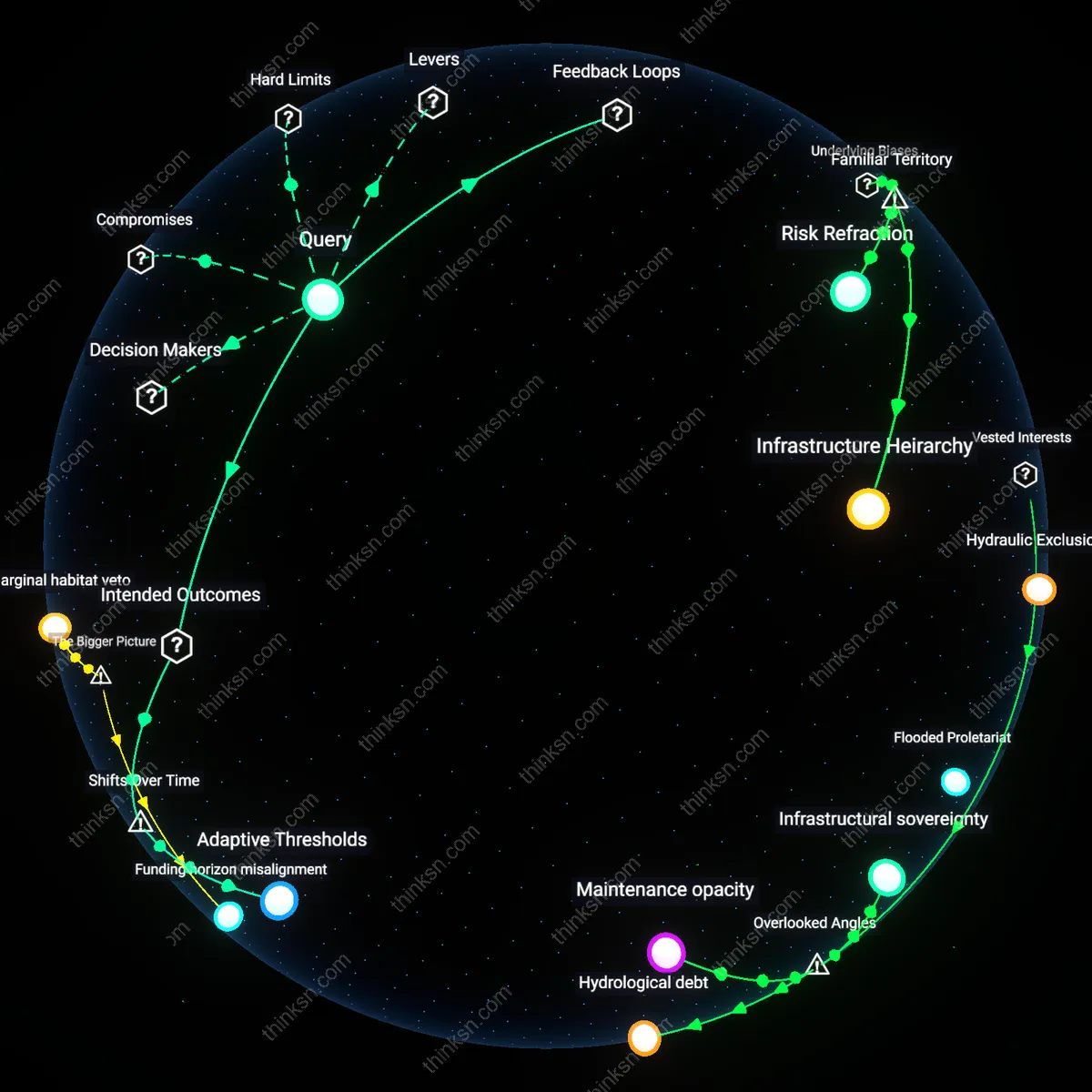
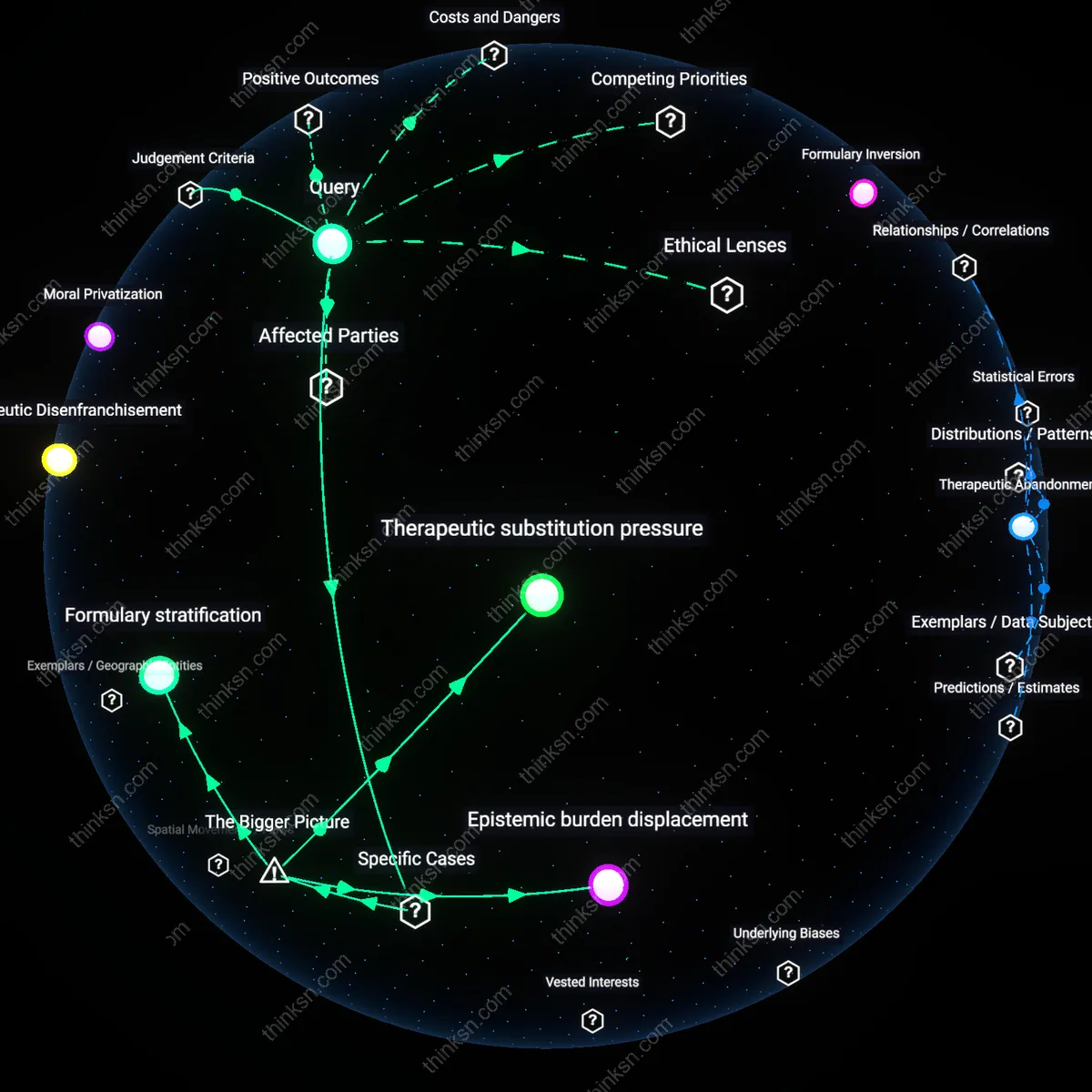
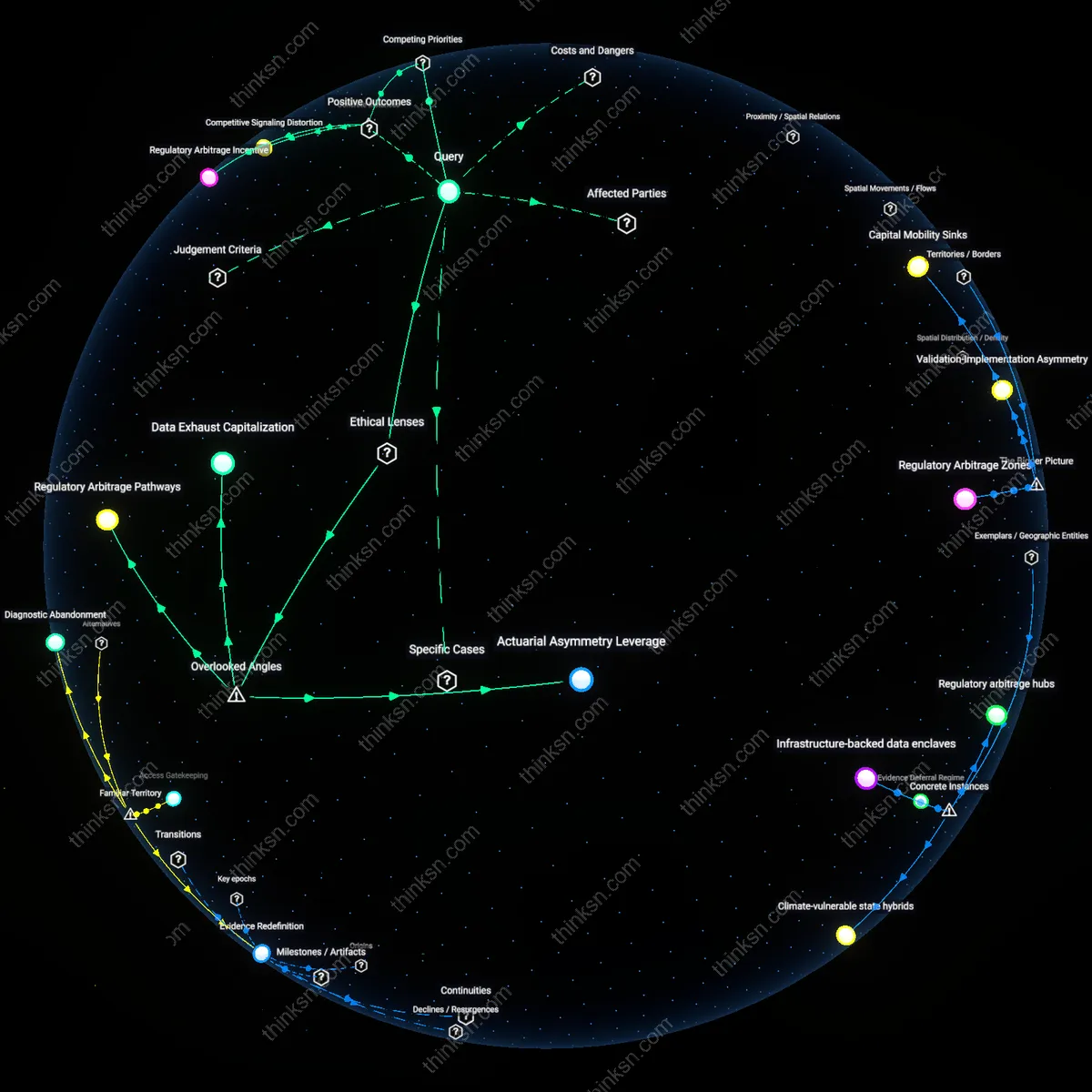
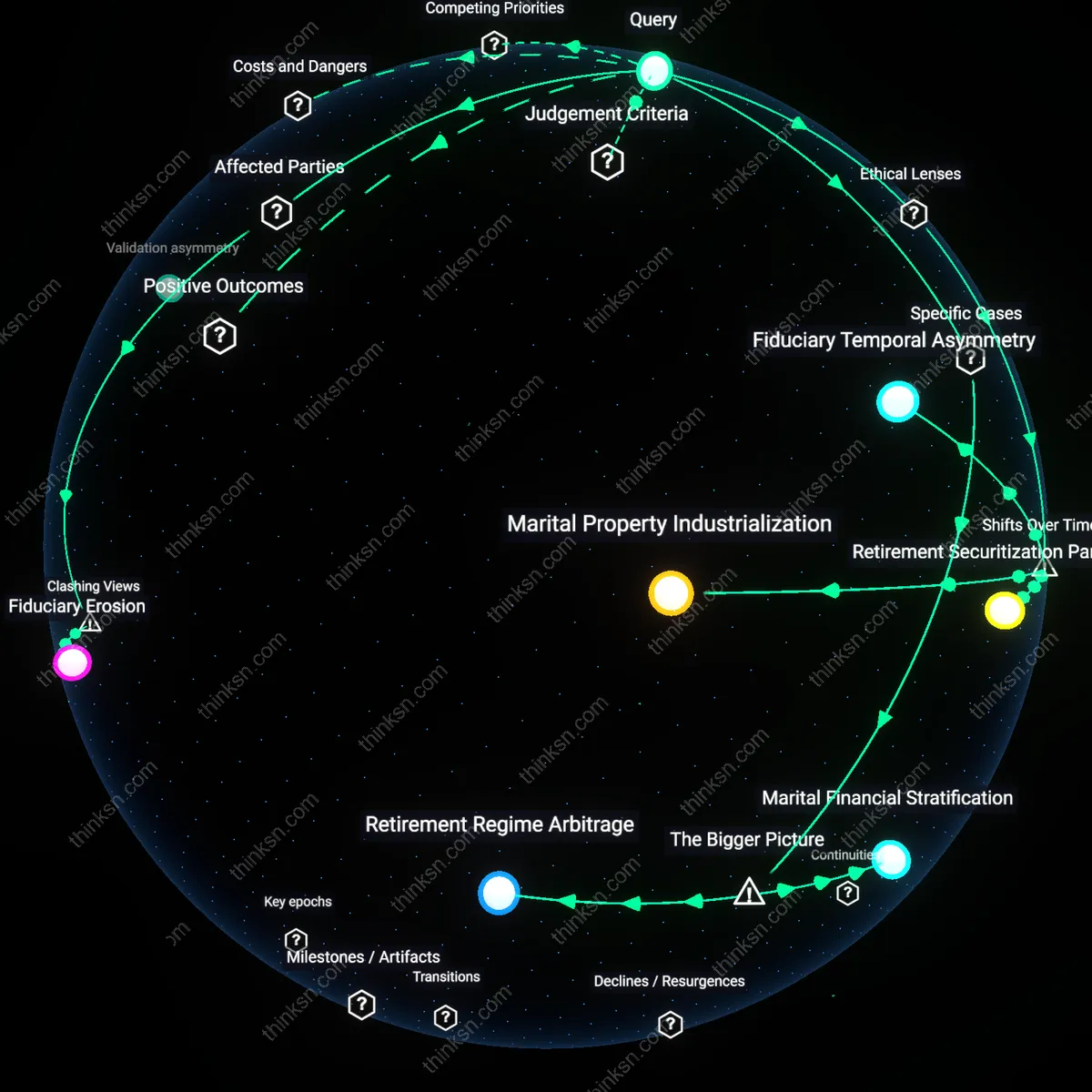
Analysis reveals 12 key thematic connections.
Key Findings
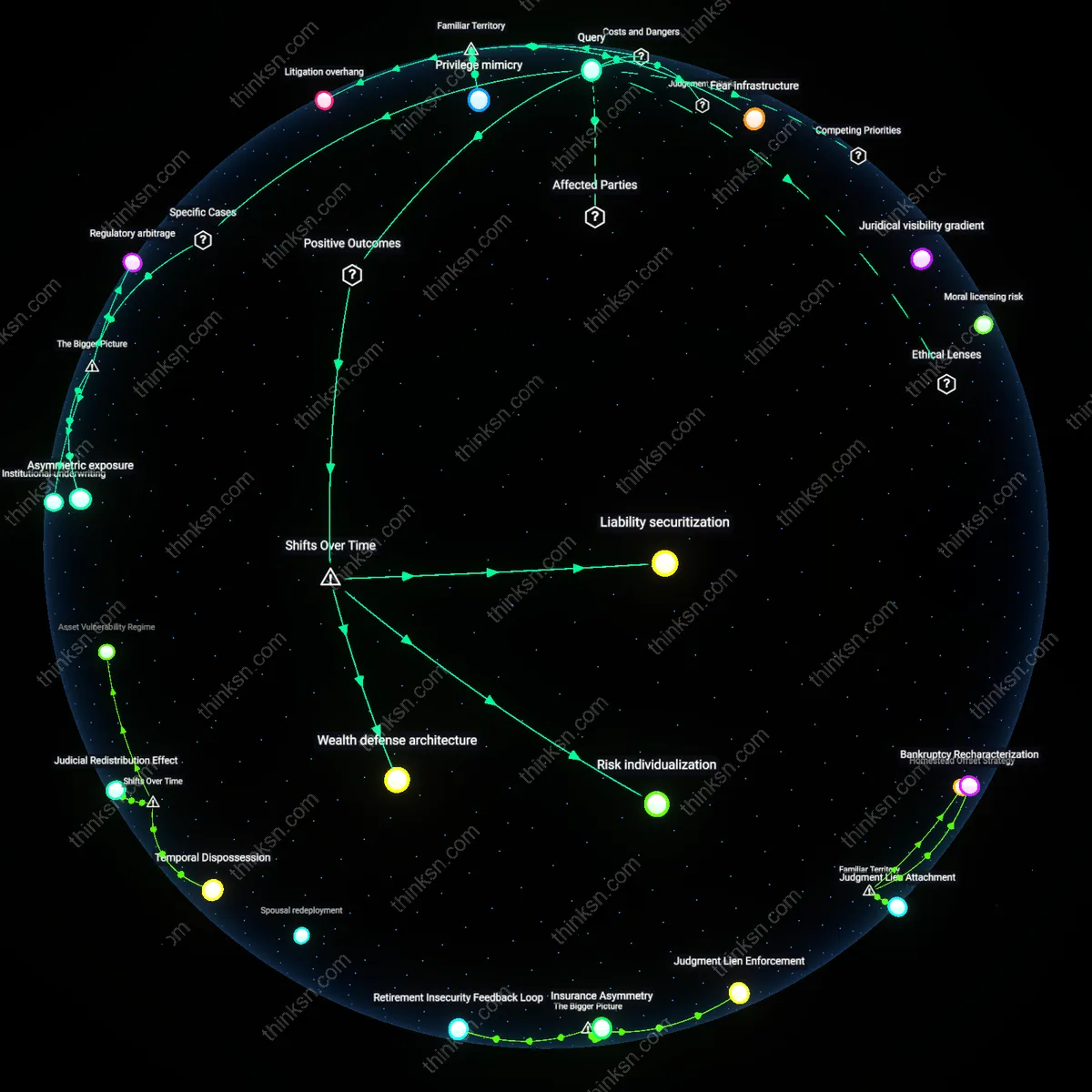
Moral licensing risk
One should evaluate umbrella insurance by considering how its purchase can inadvertently license riskier behavior in routine activities, because the presence of coverage may unconsciously reduce inhibitions against negligence among policyholders, particularly in suburban driving or homeowner routines. Insurers observe increased claims frequency—not just severity—for cautious consumers after obtaining liability overage, indicating a behavioral feedback loop where protection erodes prudence. This shifts the justification from pure actuarial defense to a moral psychology concern, exposing how safety tools can destabilize the very norms they assume.
Juridical visibility gradient
A core justification for umbrella policies lies in their function as a response to the uneven distribution of legal vulnerability across residential geographies, because identical accidents in high-litigation ZIP codes (e.g., coastal judicial circuits in California or Florida) are more likely to trigger extreme liability awards than identical incidents in others, regardless of fault severity. Most risk models assess event probability abstractly, but fail to account for how judicial culture amplifies exposure in specific jurisdictions—transforming what appears statistically rare into a structurally predictable threat for residents in legally aggressive venues. This spatial asymmetry in legal consequence reshapes liability as a place-dependent liability surface, not just a personal risk profile.
Intergenerational liability exposure
Umbrella insurance is better judged as a long-term asset protecting against latency in liability claims involving minors, because bodily injury or psychological harm from childhood incidents—such as teen-driven accidents or developmental harm claims—can manifest monetized demands decades later, when assets are more exposed and statutes of limitation have been extended in states like New York and New Jersey. Standard cost-benefit analyses assume short temporal horizons and ignore how modern tort law increasingly validates retrospective claims, making today’s modest premium a disproportionately low-cost hedge against future enforcement when wealth is more visible and plaintiffs’ attorneys are more resourced. This transforms the policy from a screen against improbable events into a shield against temporal leverage in liability evolution.
Liability securitization
Purchasing umbrella insurance became a rational act of personal financial optimization only after the expansion of tort damages in U.S. courts during the 1970s, when rising award sizes transformed rare liability events into potentially catastrophic personal losses. The mechanism emerged as state-level tort reforms failed to cap non-economic damages, causing household risk exposure to increase disproportionately relative to income growth, which made underinsurance a silent balance-sheet threat. This shift—away from treating liability as a predictable, contained risk and toward viewing it as a tail-risk event—enabled insurers to repackage excess liability coverage as affordable hedges, analogous to put options in financial markets. What is underappreciated is that the policy's value does not stem from event frequency but from the post-1970 recalibration of legal damages to personal net worth, which redefined financial vulnerability.
Risk individualization
The justification for umbrella policies solidified in the 1990s as public services and communal risk pools—like municipal snow removal or public recreational facilities—were scaled back during the era of neoliberal governance, shifting accident liability onto individuals. As local governments outsourced maintenance and families turned to private solutions (e.g., hosting backyard pools or hiring domestic workers), formerly social risks became personalized legal exposures, increasing the relevance of private liability shields. The key mechanism was the legal precedent set in cases like private homeowners being held liable for injuries on municipally influenced but privately maintained walkways, expanding the domain of individual accountability. The non-obvious insight is that umbrella insurance did not respond to more accidents but to a structural transfer of risk from state to citizen, making the policy a quiet adaptation to eroded collective safety nets.
Wealth defense architecture
By the 2010s, umbrella insurance evolved from a niche protection for the visibly wealthy into a core component of middle-high asset household planning, driven by the proliferation of high-cost litigation tools like digital discovery and expert witness testimony that made even meritless claims financially burdensome to defend. The turning point was the digitization of personal records and social media, which expanded discovery scope in liability suits and dramatically raised legal defense thresholds—such that a $1M policy became a cost-effective shield even against frivolous lawsuits. This operates through the American legal system’s adversarial cost structure, where exposure is not only about damages awarded but about the asymmetry of litigation expenses. The overlooked dynamic is that the policy’s utility today lies less in covering judgments than in deterring nuisance suits by signaling insurability, thus functioning as a deterrent infrastructure rather than a payout mechanism.
Litigation overhang
Purchasing umbrella insurance is unjustified because it responds to a perceived threat of litigation that most individuals rarely encounter, misallocating resources toward insuring against highly publicized yet statistically rare outcomes like multimillion-dollar settlements. The mechanism operates through media-amplified anecdotes—such as infamous slip-and-fall lawsuits or celebrity liability cases—that inflate subjective risk perception far beyond actuarial reality, leading middle-income households to spend hundreds annually on coverage they will almost never use. This dynamic reveals how culturally dominant legal horror stories create a systemic mispricing of personal risk, where precautionary spending is driven more by narrative salience than empirical exposure, entrenching a class-anxious form of financial behavior insulated from actual danger.
Privilege mimicry
Umbrella insurance becomes a rationalized expense not for risk mitigation but as a behavioral imitation of high-net-worth financial practices, adopted despite negligible exposure to catastrophic liability. Middle-income professionals—doctors, executives, homeowners in affluent zip codes—adopt the policy because it is institutionally recommended alongside assets they associate with wealth protection, such as primary residences or retirement accounts, even when their net worth falls below typical liability thresholds. The system functions through credentialized advice networks—financial planners, insurance agents, estate attorneys—who treat umbrella policies as default components of 'responsible' planning, normalizing precaution without threshold calibration, thereby transforming a niche tool for the exposed into a widespread symbol of fiscal prudence disconnected from material necessity.
Fear infrastructure
The justification for umbrella insurance persists because it is embedded within a broader infrastructure of risk alarmism sustained by legal and insurance industries that profit from expanded coverage uptake. Brochures from major insurers, client letters from law firms, and homeowner association guidelines uniformly emphasize worst-case scenarios—childhood guests drowning in pools, uninsured drivers causing fatal accidents—activating emotional heuristics around parental duty and home ownership. This network of institutional messaging manufactures a latent sense of vulnerability that feels familiar and urgent, even as actual litigation rates for personal liability remain stable or decline, revealing how embedded messaging ecosystems convert remote legal possibilities into perceived household imperatives.
Asymmetric exposure
Purchasing umbrella insurance is justified for high-net-worth individuals in litigious jurisdictions like California because their visible assets create disproportionate liability risk relative to actual event frequency. Wealthy homeowners in places such as Palo Alto face targeted litigation not due to higher accident rates but because their financial visibility enables plaintiffs’ attorneys to extract settlements, making liability risk a function of perceived solvency rather than incident likelihood. This transforms insurance from event protection to wealth defense infrastructure within a legal ecosystem where tort outcomes are shaped by recoverability, not fault. The non-obvious insight is that the policy mitigates not random accidents but systemic incentives for litigation exploitation.
Institutional underwriting
Umbrella policies are economically rational when primary insurers, such as State Farm or Allstate, bundle them with auto and home coverage, leveraging existing risk models to offload tail risk at minimal marginal cost. The justification emerges not from individual risk assessment but from the actuarial efficiency of layered coverage within vertically integrated insurance portfolios, where the overhead of underwriting a $1M liability add-on is absorbed across millions of primary policies. This reveals that the decision to purchase is less about personal risk perception and more about the structural economics of mass-market insurance production, where marginal product expansion suppresses per-policy monitoring costs.
Regulatory arbitrage
Affluent retirees in states like Florida maintain umbrella policies not for accident coverage but to circumvent estate liquidity constraints triggered by sudden liability judgments under probate rules that exclude certain assets from homestead protections. When a boating incident in Miami-Dade County leads to a seven-figure judgment, courts may pierce asset shields if coverage is deemed insufficient, converting insurance into a compliance mechanism for wealth preservation laws. The real function of the policy is not risk mitigation but alignment with statutory requirements that treat adequate liability coverage as a proxy for financial responsibility, thereby preventing forced asset liquidation.