How Language Barriers Limit Refugees Legal Rights and Healthcare?
Analysis reveals 9 key thematic connections.
Key Findings
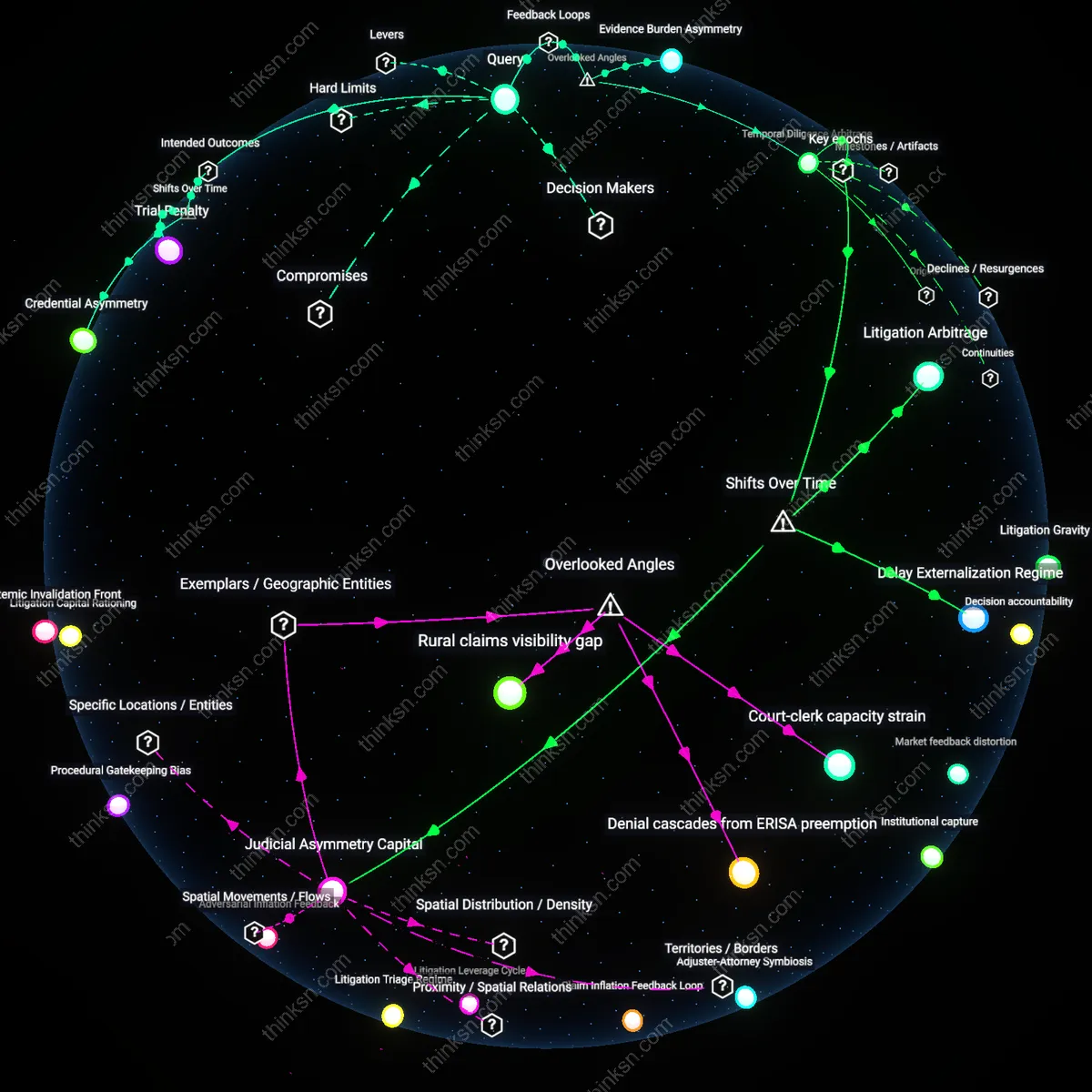
Procedural invisibility
The absence of language-access services renders refugees procedurally invisible in urban legal systems because interpreters and translated materials are required to file claims, understand court notices, and respond to immigration proceedings, yet municipal courts and legal aid providers in cities like Athens and Berlin routinely lack funded interpretation capacity; this gap activates a systemic condition where non-linguistic legal procedures assume linguistic transparency, thereby excluding those who cannot navigate German or Greek bureaucratic syntax, a mechanism often masked by formal guarantees of equal access—what is underappreciated is that the law does not fail here, but rather functions precisely as designed for a monolingual citizenry, making exclusion a feature, not a bug.
Clinical mistrust
Without professional medical interpreters in urban healthcare settings such as public clinics in Stockholm or Brussels, refugee patients cannot accurately describe symptoms or comprehend diagnoses, causing clinicians to rely on fragmented information or behavioral assumptions, which systematically distorts clinical judgment and erodes patient trust; this dynamic is sustained not merely by understaffing, but by reimbursement models that exclude interpreter costs from standard care protocols, privileging efficiency over epistemic fidelity—an overlooked consequence is that mistrust becomes structurally reinforced, not incidental, as each misdiagnosis or misunderstood prescription validates refugees’ expectations of institutional indifference.
Advocacy fragmentation
Legal and healthcare NGOs in cities like Amsterdam and Vienna operate parallel language-access initiatives without centralized coordination, resulting in spotty service coverage that refugees must navigate through word-of-mouth or informal brokers, a fragmentation enabled by donor funding structures that reward project-specific innovation over infrastructural sustainability; the deeper systemic issue is that competition for grants incentivizes programmatic differentiation rather than interoperability, meaning the absence of language access persists not due to lack of effort, but because systemic incentives prevent consolidation of linguistic infrastructure across sectors—a rarely acknowledged outcome is that disconnection among advocates becomes a structural barrier as impactful as any single service gap.
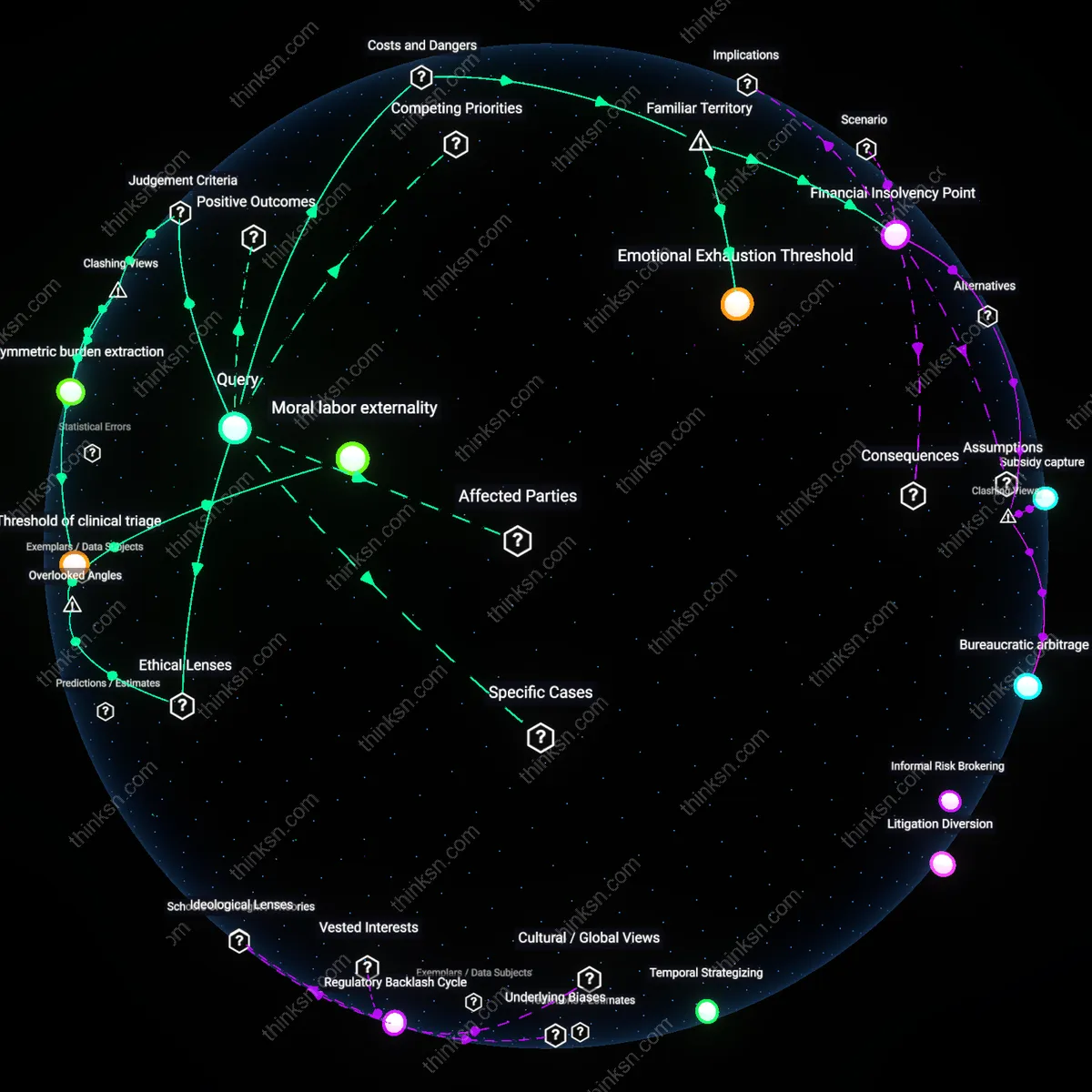
Legal Temporality Gap
The absence of language-access services since the 1990s urban resettlement shift has severed refugees’ ability to engage with time-bound legal procedures, because legal rights are increasingly mediated through rapidly expiring administrative deadlines—such as asylum application windows or appeal periods—that non-English speakers cannot navigate without interpretation, and this mechanism is amplified in dense urban systems where legal aid is overstretched and bureaucratically stratified; the underappreciated reality is that language access is not just about comprehension but about synchronizing with a temporally rigid legal regime that emerged with neoliberal asylum reforms, rendering delay a structural form of exclusion.
Clinical Linguistic Silos
Following the 2000s integration of electronic health records in U.S. urban clinics, the absence of standardized language-access services has fragmented refugee healthcare into isolated encounters where misdiagnosis and undocumented comorbidities proliferate, because frontline clinicians rely on ad hoc translation—family members, bilingual staff—instead of certified medical interpreters, a system forged during the managed-care expansion that prioritized cost efficiency over continuity; what is rarely acknowledged is that this shift transformed language not into a barrier but into a clinical variable that differentially shapes diagnostic pathways and treatment adherence, producing invisibility within data systems.
Interpreter Inference Regime
Since the post-2015 EU migration surge, the outsourcing of interpretation services to private language agencies in urban resettlement hubs has instituted a regime where refugee testimony in legal and medical settings is filtered through remote, non-specialist interpreters whose linguistic choices actively reinterpret trauma, symptomology, and legal intent, because procurement contracts favor speed and language coverage over cultural or technical fluency, and this mechanization of interpretation emerged precisely when digital telephony enabled just-in-time translation; the overlooked consequence is that interpretation has shifted from a relational practice to an inferential infrastructure where meaning is institutionally recoded before it reaches decision-makers.
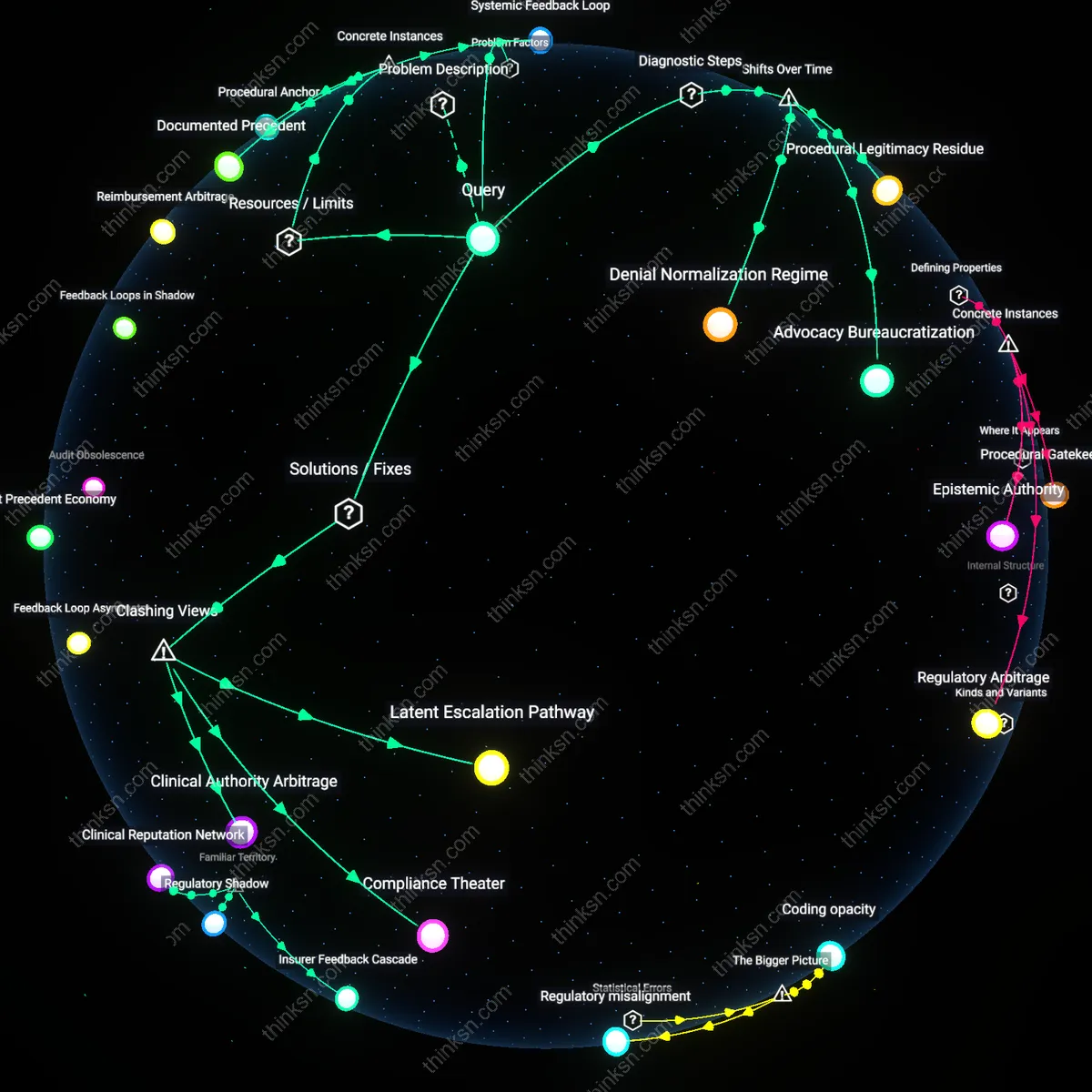
Interpreter Gap Penalty
In Athens' refugee camps in 2016, the absence of accredited medical interpreters led to misdiagnosis of tuberculosis among Syrian asylum seekers because nurses relied on ad hoc translation from bilingual refugees, which systematically excluded complex symptom descriptions under Greece’s underfunded health-access protocol; this reveals how budget-constrained urban resettlement systems outsource linguistic labor to untrained peers, creating a hidden penalty where diagnostic accuracy depends on accidental linguistic availability rather than guaranteed service structures.
Legal Temporal Dispossession
In 2019, asylum hearings in Hamburg's overwhelmed immigration courts were frequently adjourned when state-funded legal interpreters were unavailable due to hourly budget caps, causing Afghan applicants to miss statutory appeal deadlines and lose access to shelter rights under Germany’s Residence Act; this illustrates how time-bound allocation of language resources actively dispossesses refugees of legal standing not through policy exclusion but through procedural attrition built into overstrained urban legal machinery.
Pharmaceutical Misalignment Risk
In 2021, a Médecins Sans Frontières study in the IOM-managed transit center in Dakar documented that refugees bound for resettlement in French-speaking cities received pre-departure medication with labeled instructions in French they could not understand, and no interpretation was provided due to exclusion from language training under urban-focused aid design; this exposes how pharmaceutical care assumes linguistic integration that lags behind medical distribution, creating a risk field where treatment adherence collapses at the threshold of resettlement despite clinical access.