Do Instagram Likes Reflect Self-Esteem or Just Personal Views?
Analysis reveals 11 key thematic connections.
Key Findings
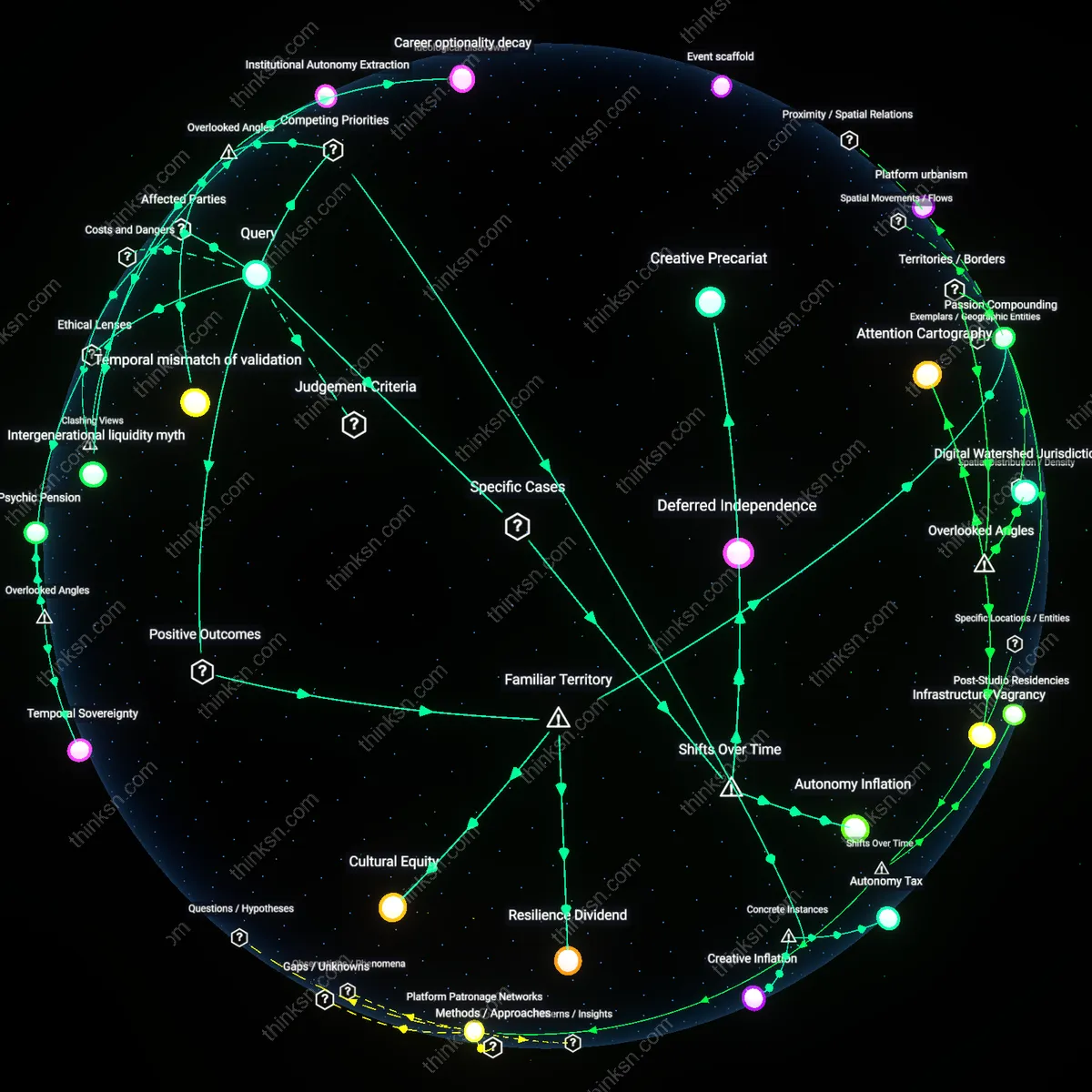
Value-mediated harm
The elimination of public like counts on Instagram in Australia in 2021 had negligible impact on adolescent self-esteem because users who prioritized self-expression over social validation reinterpreted engagement metrics through preexisting value systems, revealing that personal values filter platform design effects through individual meaning-making frameworks; this dynamic is evident in the Australian eSafety Commissioner’s 2022 evaluation of Meta’s trial, which found divergent psychological outcomes among users with identity-oriented versus status-oriented values, underscoring that the same structural change can yield opposing effects depending on internalized value hierarchies—a mechanism overlooked when attributing harm solely to interface design.
Normative recalibration
When Iceland’s national Instagram use surged between 2015 and 2019 while youth depression rates declined, researchers linked the paradox to collective cultural norms emphasizing egalitarianism and authenticity, which reframed likes as incidental rather than evaluative; in Reykjavik, schools integrated digital well-being curricula that treated metrics as neutral data points, not self-worth indicators, demonstrating how sociocultural context can reengineer the psychological meaning of algorithmic feedback loops—revealing that social meaning systems, not just individual values or platform architecture, actively reconstruct the interpretation of digital signals.
Affirmative visibility
Black LGBTQ+ youth in Atlanta who joined curated Instagram communities like 'Black & Blooming' between 2020 and 2022 reported increased self-esteem despite heavy engagement with like counts, because these metrics functioned as affirmations of belonging within a historically marginalized identity group; here, likes operated not as instruments of comparison but as collective validation within a counterpublic, exposing how identity-based resilience networks can invert the presumed negative valence of quantified attention—revealing that the psychological impact of metrics depends on whether visibility serves assimilation or resistance.
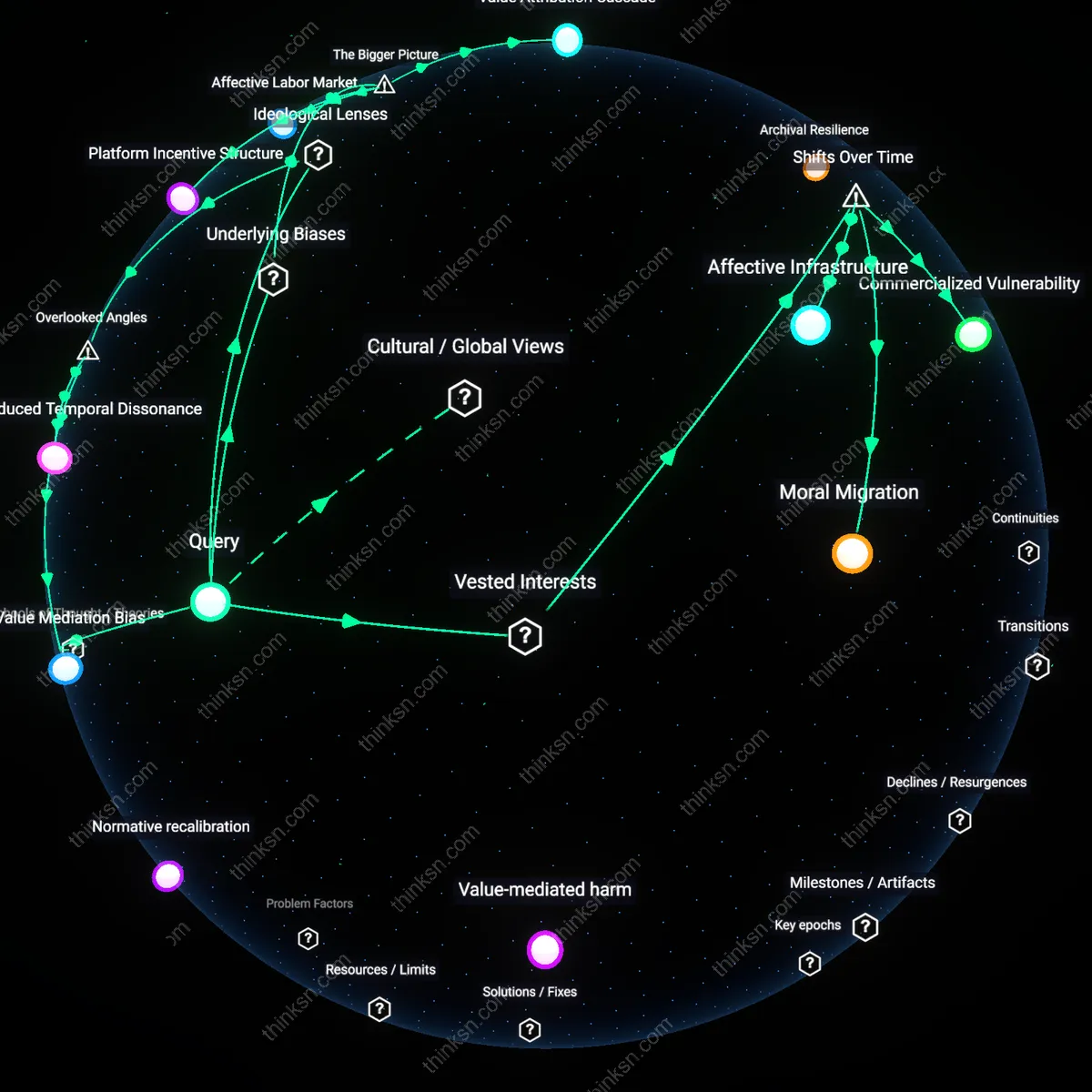
Value Mediation Bias
Personal values moderate the relationship between Instagram like counts and self-esteem more decisively than platform mechanics alone because individuals with intrinsic value orientations—such as self-acceptance or community contribution—consistently exhibit resilience to fluctuating feedback, whereas those prioritizing extrinsic validation internalize numeric responses more deeply; this selection effect reveals that social media’s psychological impacts are not universally distributed but filtered through pre-existing hierarchies of personal worth, a mechanism often bypassed in debates that treat users as passive recipients. The overlooked dimension is not platform design or individual pathology, but the prior value-based cognitive schema that determines whether a like count is processed as affirmation, threat, or irrelevance—rendering value systems the regulatory layer between stimulus and self-appraisal.
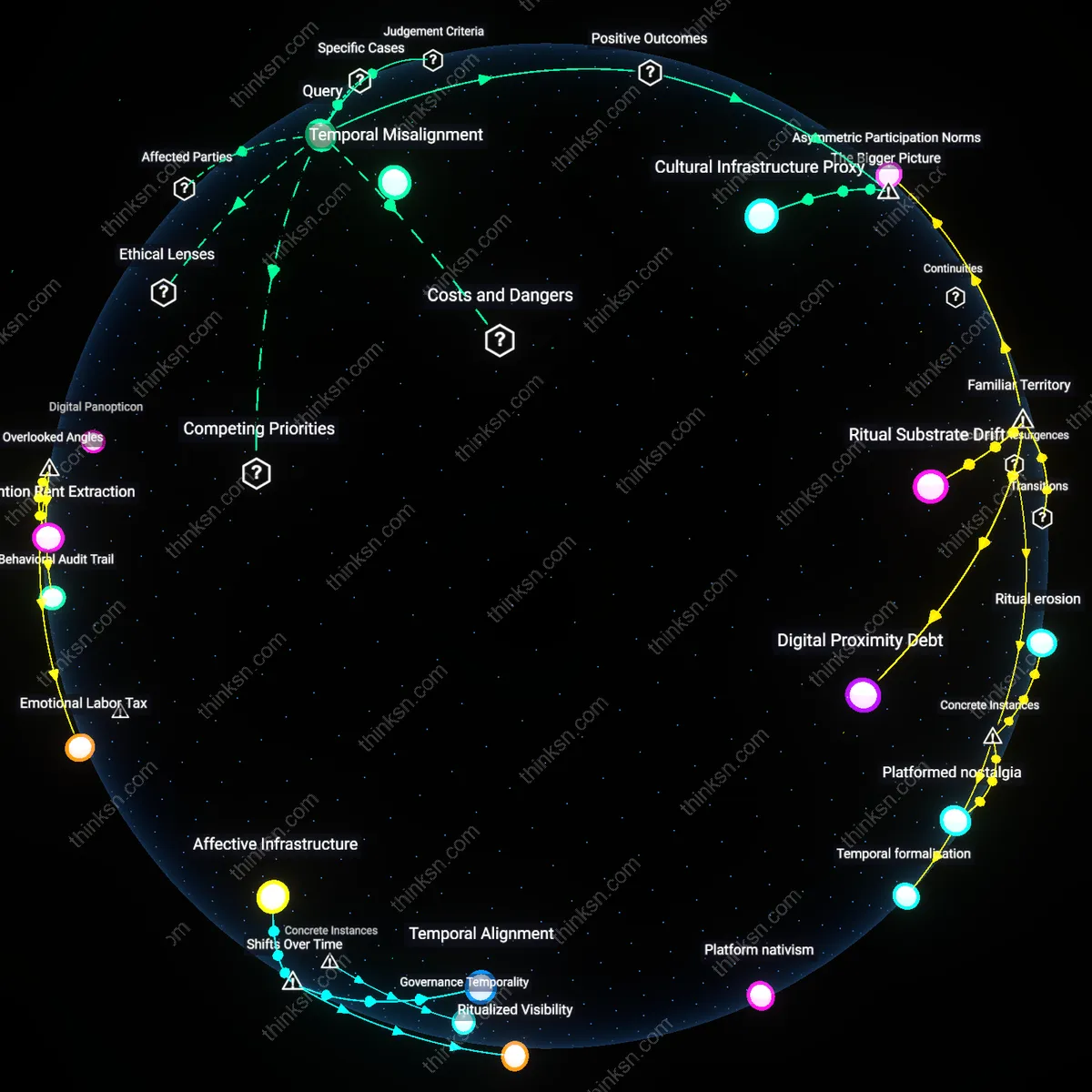
Platform-Induced Temporal Dissonance
Instagram’s like counts exacerbate self-esteem fluctuations primarily by compressing the traditional delay between action and social feedback into milliseconds, disrupting culturally embedded rhythms of recognition such as those found in mentorship rituals or artistic apprenticeships in places like Kyoto’s craft guilds, where validation was phased, earned, and temporally distributed, thereby weakening the psychological scaffolding that buffers self-worth from instantaneous metrics. The overlooked mechanism is not comparison or value orientation but the erasure of temporal buffers between self-expression and judgment, which historically allowed identity to form outside real-time scrutiny—thus, the damage lies not in being judged, but in being judged immediately and constantly, reconfiguring selfhood as a perpetually audited performance.
Platform Incentive Structure
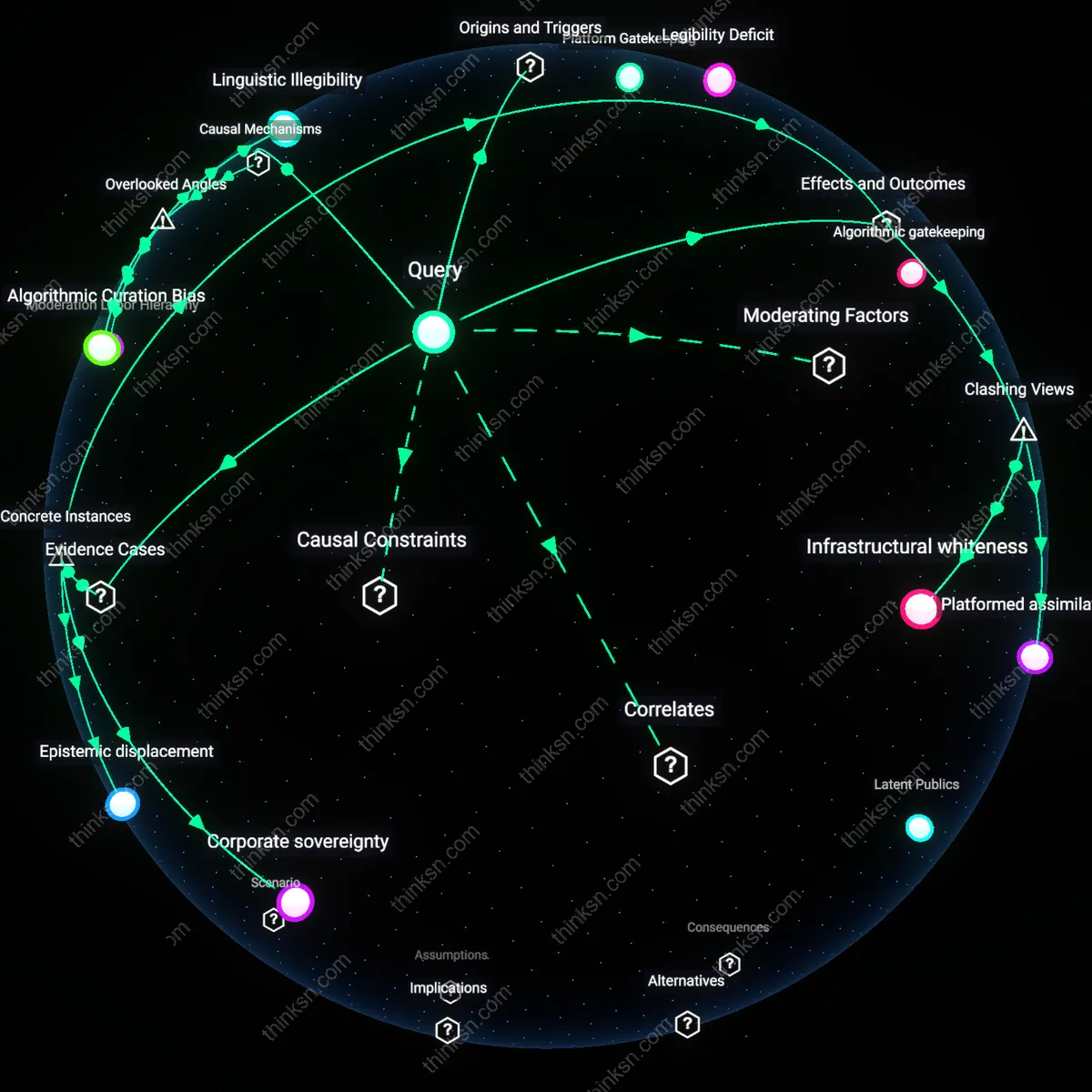
The perceived negative impact of Instagram's like counts on self-esteem is better explained by personal values because social media companies benefit from framing user vulnerability as an individual psychological issue rather than a designed behavioral exploit. By emphasizing personal sensitivity or value systems, Instagram deflects accountability and insulates its engagement-driven business model, where like counts are calibrated to trigger dopamine feedback loops that increase user retention. This framing serves platform profitability by externalizing harm onto users’ internal traits while preserving the algorithmic architecture that monetizes attention. The non-obvious mechanism here is not user psychology but the deliberate offloading of responsibility onto individuals through discursive emphasis on 'values'—a rhetorical maneuver that protects the platform’s core operational logic.
Affective Labor Market
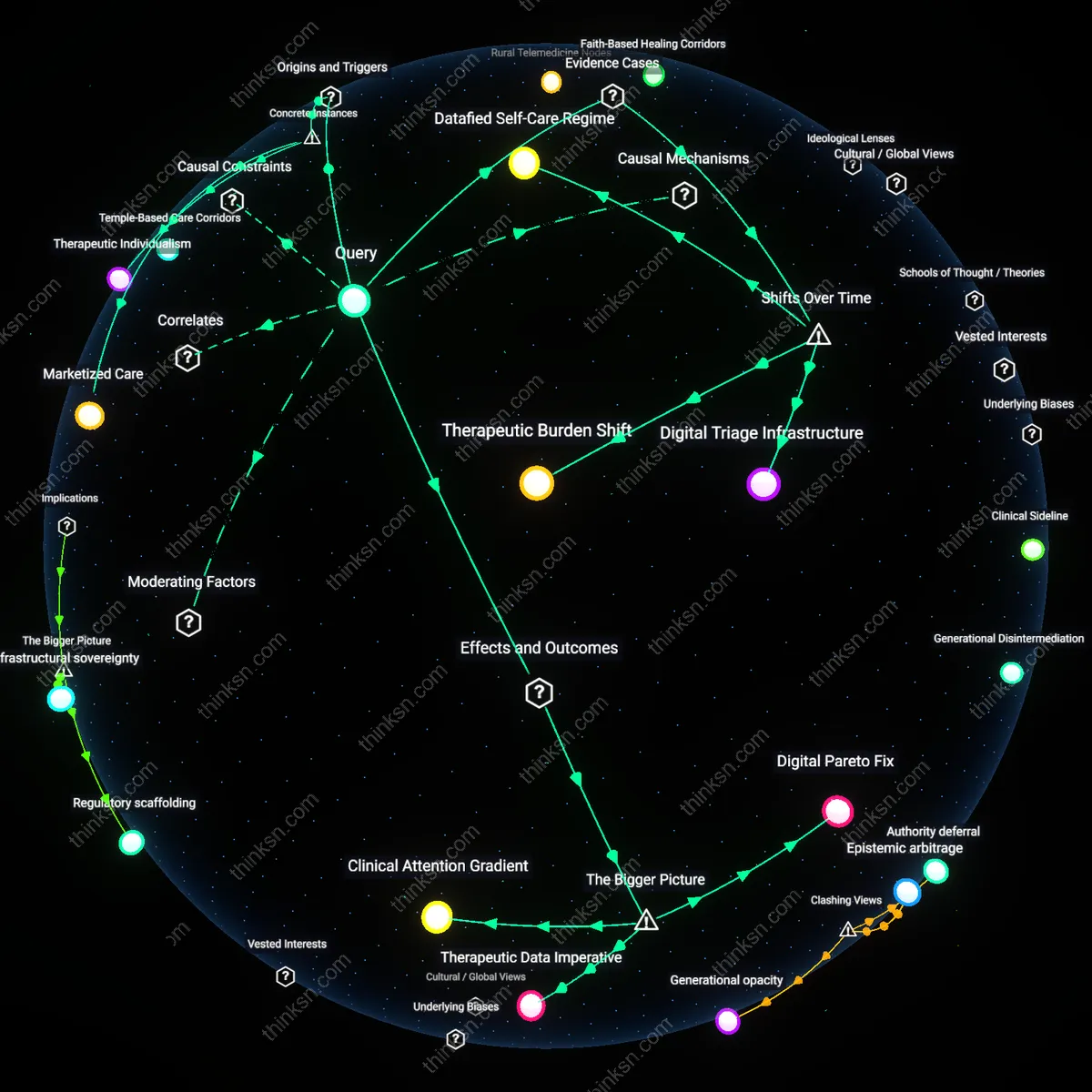
Instagram's like counts undermine self-esteem not primarily due to personal values or inherent platform effects, but because they embed users within an informal affective labor market where emotional expression is quantified and performance-managed like productivity. Young influencers, particularly in marginalized communities, must treat self-presentation as contingent work—accumulating likes becomes a survival mechanism tied to brand deals, audience growth, and social capital. In this system, self-worth metrics are not distortions but rational responses to real economic pressures mediated through the platform’s visibility algorithms. The overlooked trigger is that Instagram functions as a shadow economy where emotional regulation is labor, making the erosion of self-esteem a structural outcome of unpaid digital work regimes rather than personal failing or incidental design.
Value Attribution Cascade
The negative impact of Instagram's like counts is better explained by personal values because the platform amplifies pre-existing cultural hierarchies—such as beauty standards, consumerism, and individualism—that users have already internalized through years of exposure to advertising and family modeling. Instagram does not generate these values but activates them through immediate, public feedback loops, making the like count a mirror reflecting socially conditioned value systems. The systemic dynamic lies in how digital platforms repurpose off-platform ideological investments, turning them into real-time behavioral metrics; the harm emerges where personal identity, shaped long before app use, collides with algorithmic quantification. This reveals the 'Value Attribution Cascade'—a process whereby internalized norms become externally validated through platform metrics, intensifying self-evaluation not because of technology per se, but because technology operationalizes prior cultural programming.
Commercialized Vulnerability
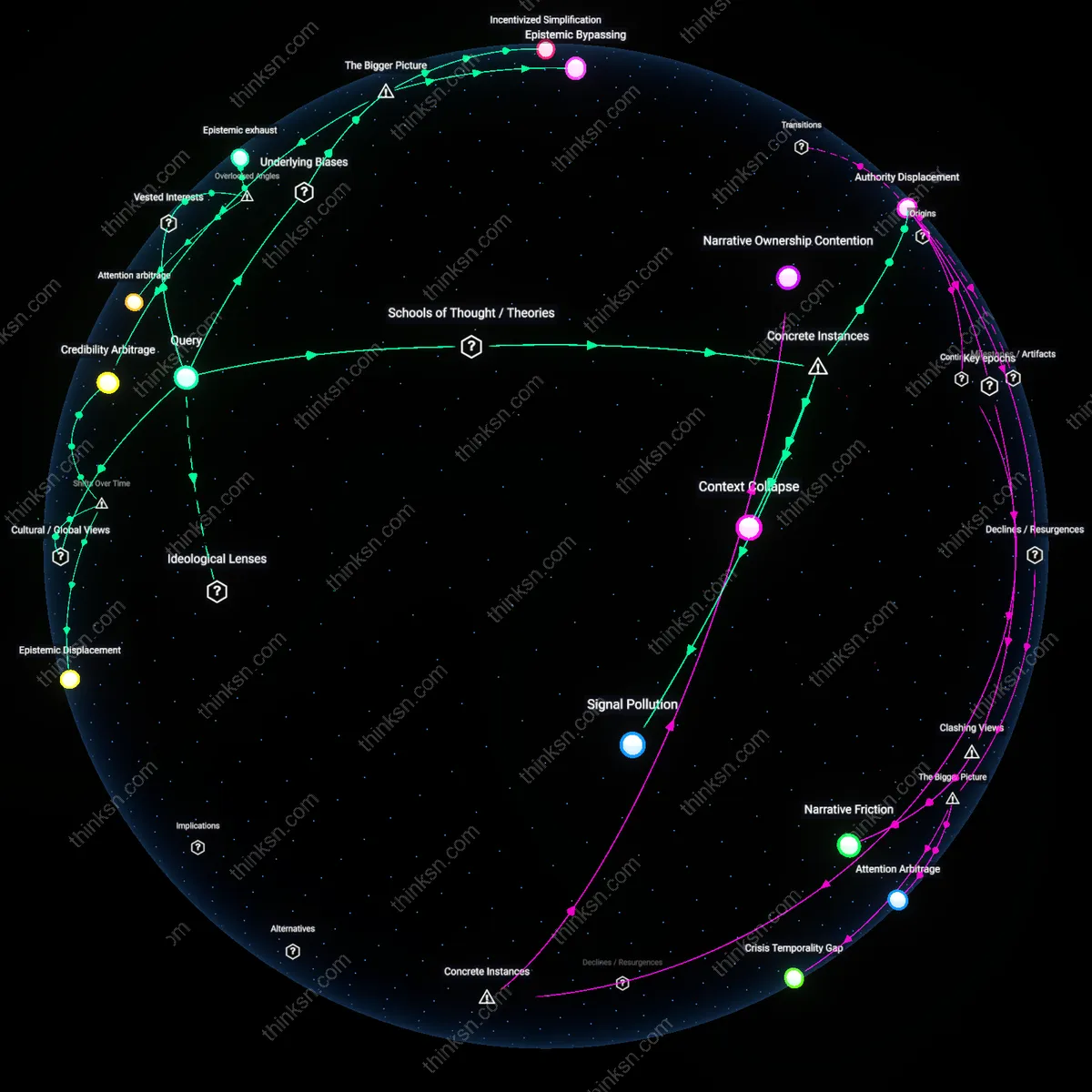
Instagram’s removal of public like counts in 2019 was less a response to psychological research than a strategic recalibration by Meta to preempt regulatory scrutiny while preserving engagement metrics internally, indicating that corporate stewardship narratives emerged only after public backlash had already shifted consumer expectations. The transition from opaque algorithmic amplification in the 2010s to visible 'wellness reforms' post-2020 reveals how platform accountability is performative when tied to self-regulation, with Meta using perceived concern for self-esteem to obscure data continuity in private analytics. This shift exposed that the stewardship of user well-being became a branding mechanism only after regulatory threats solidified, not due to intrinsic ethical recalibration.
Moral Migration
Psychology advocacy groups, such as the APA, amplified concerns over like counts between 2015 and 2018, reframing mental health discourse from individual pathology to environmental harm, thereby shifting blame from users’ personal values to platform design and enabling a new policy logic that treated social media as a public health vector. This transition, crystallized by congressional hearings in 2019, marked a departure from earlier self-help paradigms where low self-esteem was seen as a failure of character, revealing that activist legitimacy in tech criticism grew precisely when psychological expertise could be grafted onto legislative interest. The non-obvious mechanism here is that professional authority in behavioral science gained policy traction not through clinical evidence alone, but by aligning with a political appetite for tech accountability.
Affective Infrastructure
Before 2012, peer validation on social media was decentralized and largely text-based, but Instagram’s integration of quantified feedback loops—likes as real-time social barometers—transformed self-worth into a publicly indexed resource, making personal values subordinate to algorithmic visibility in the mid-2010s. The shift from qualitative affirmation (comments, DMs) to quantitative metrics as primary validators redefined teenage identity development around scalable endorsement, revealing that the erosion of self-esteem was not pre-determined by personal values but emerged from a technical reconfiguration of social recognition. This infrastructural pivot—a move from conversational to transactional intimacy—normalized affective dependency on platforms not through ideology, but through interface design.