Will AI Free or Phase Out Accounting Jobs?
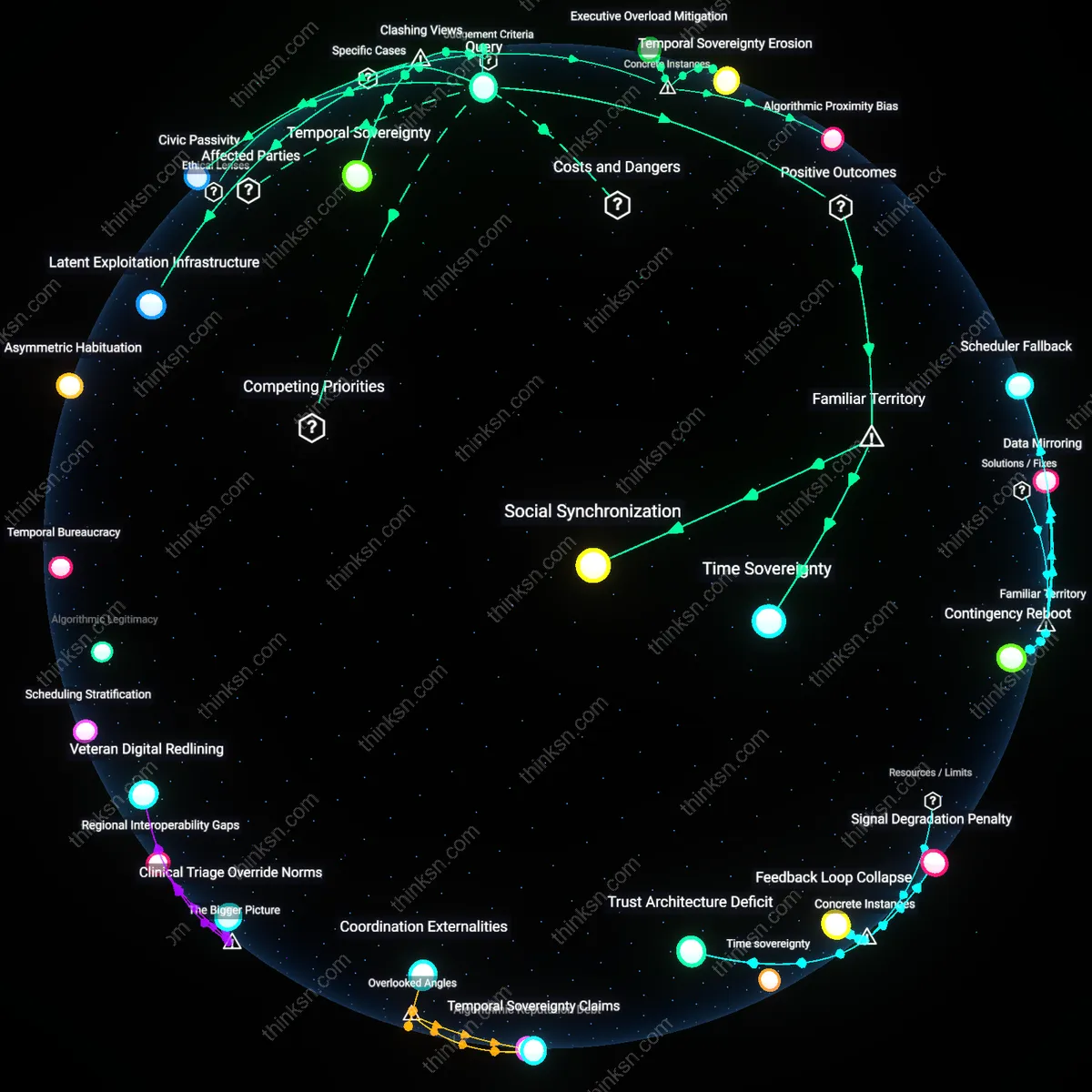
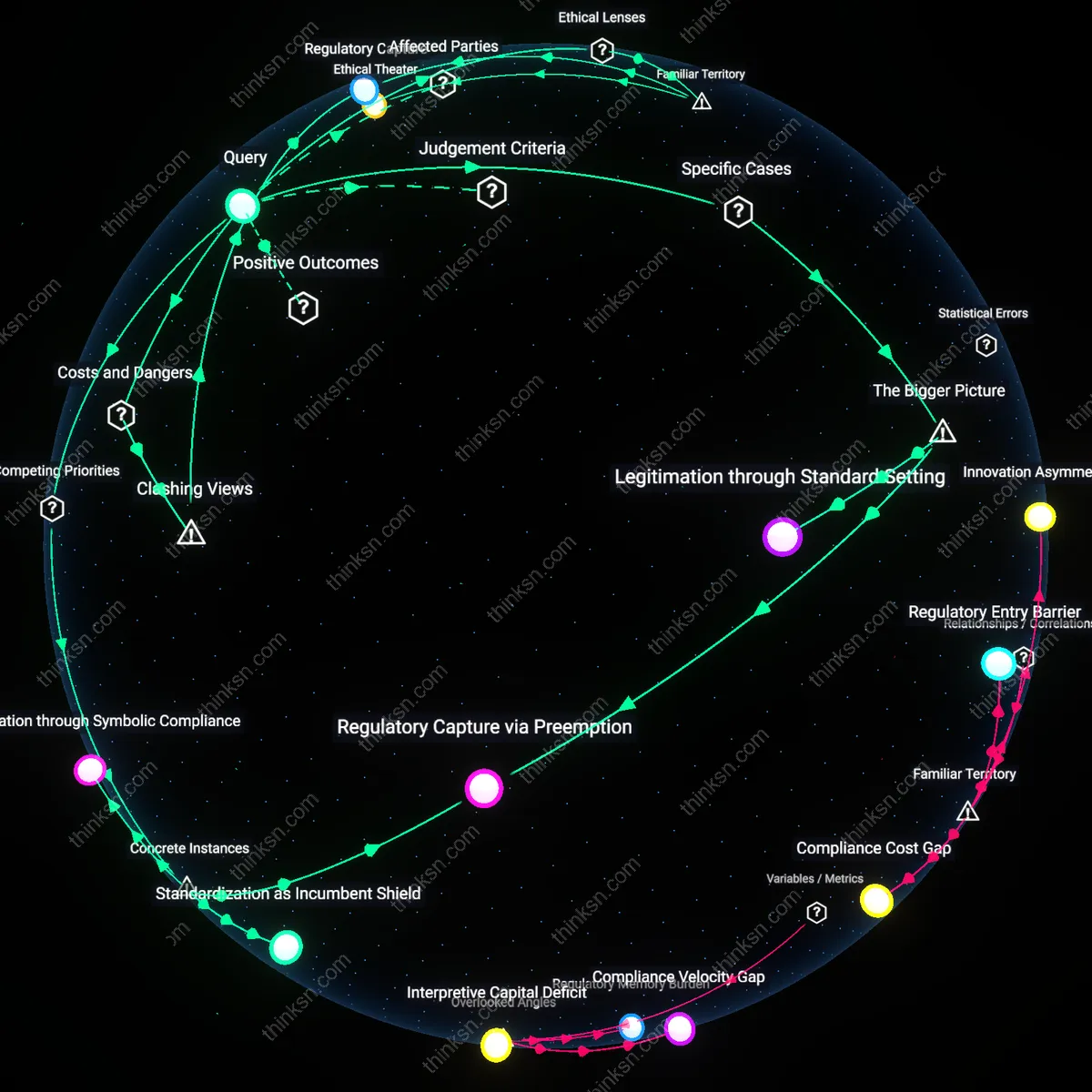
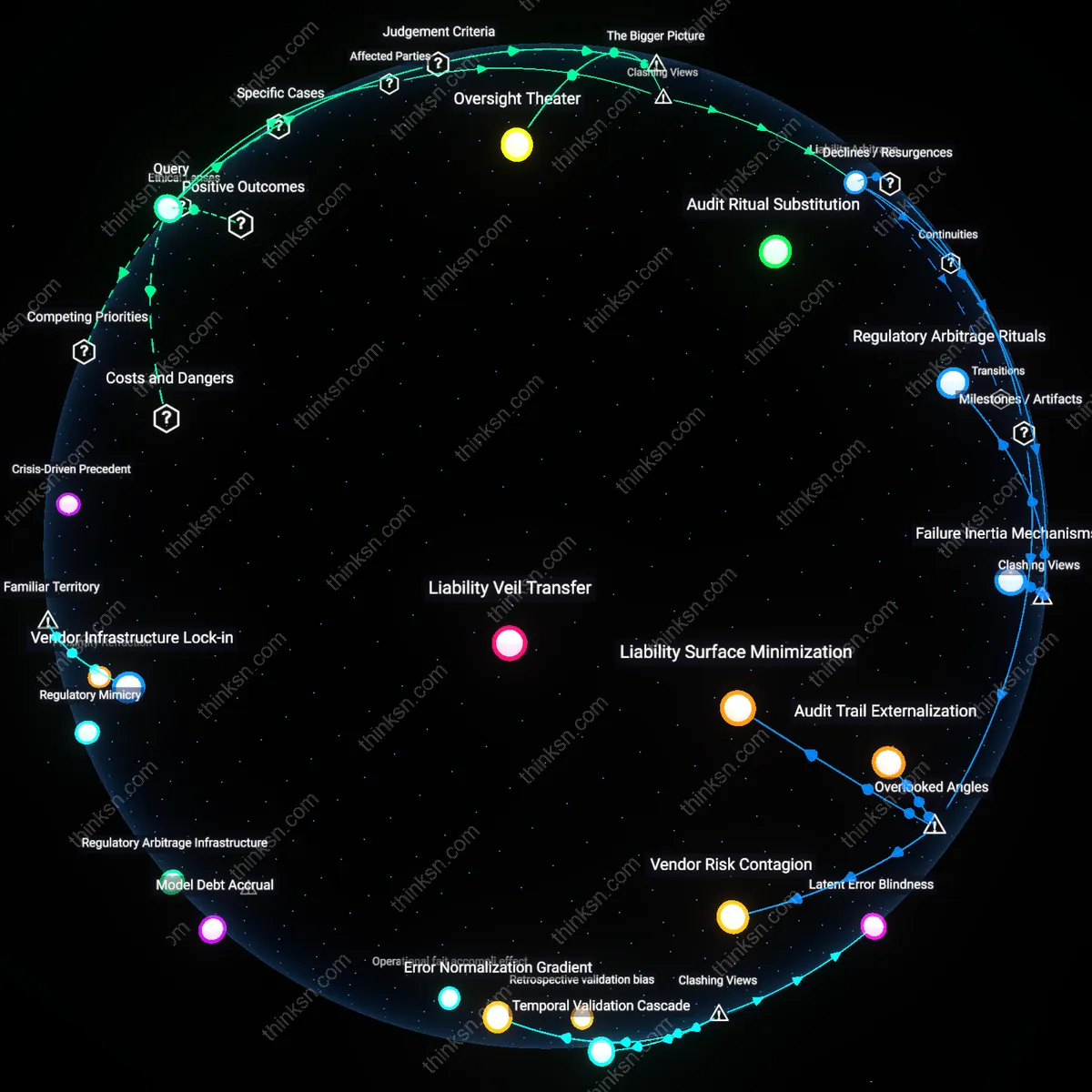
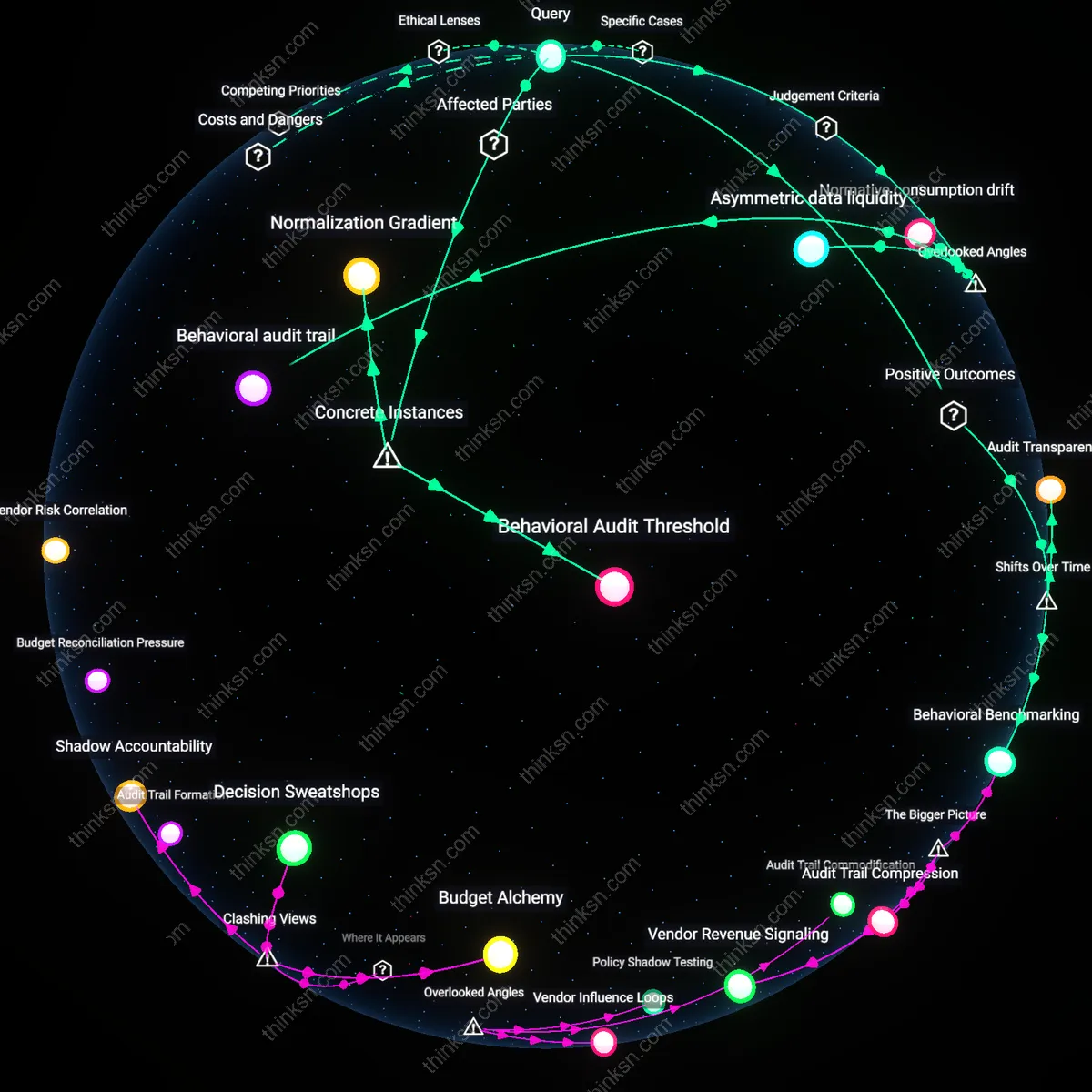
Analysis reveals 11 key thematic connections.
Key Findings
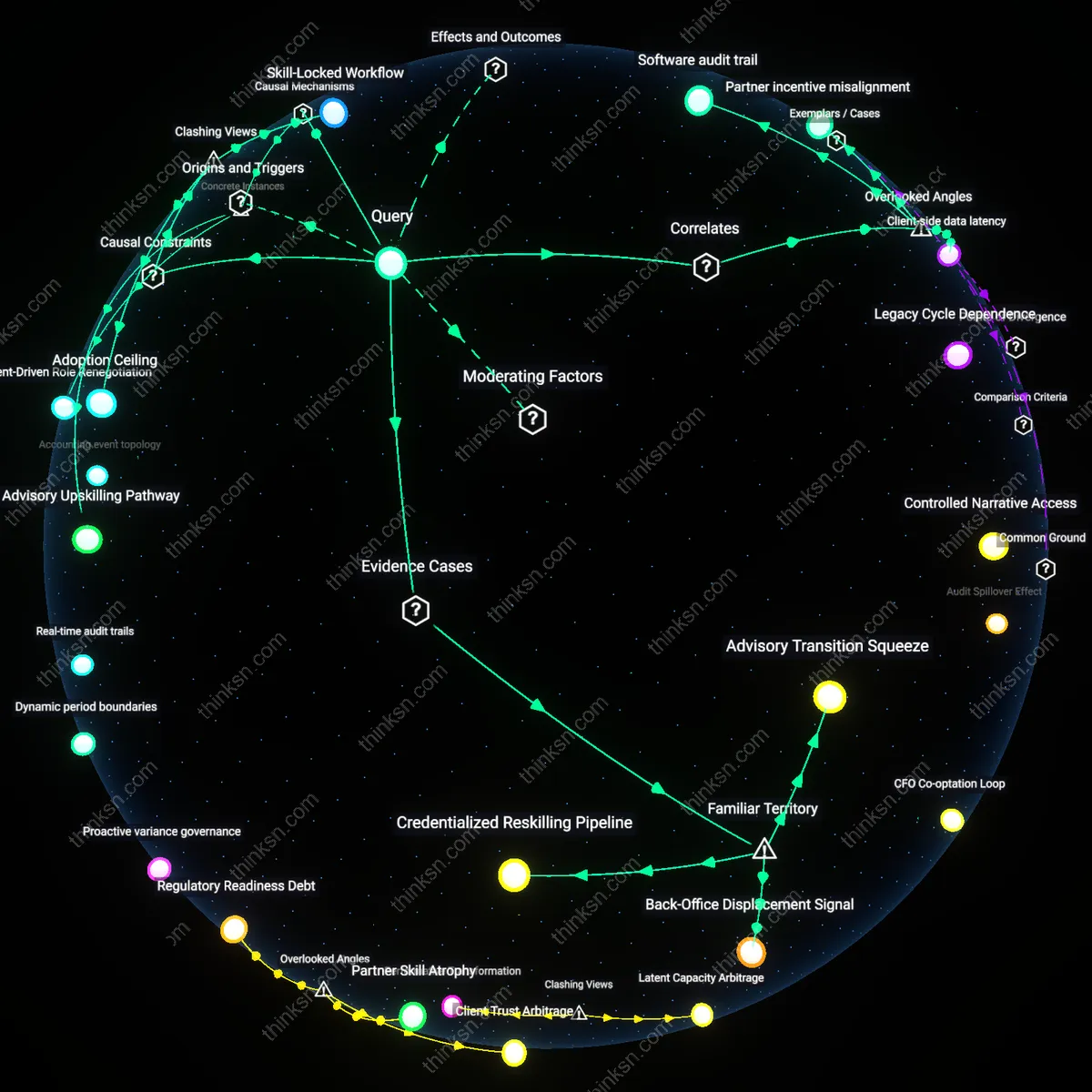
Advisory Upskilling Pathway
In 2020, KPMG Australia implemented AI-powered audit tools like Ignite, enabling junior accountants to offload manual data extraction and instead generate client insights, a shift supervised by partners who redirected staff toward strategic discussions, revealing that AI integration altered role expectations through tool-mediated task reallocation rather than immediate layoffs, a mechanism where automation redefines job content before workforce scaling.
Labor Rationalization Feedback Loop
In 2018, Deloitte U.S. reduced its mid-tier audit staffing in regional offices after deploying Argus Analytics for transaction anomaly detection, where automation displaced repetitive review tasks and supervisors, facing flat demand and pressure to improve margins, chose not to refill vacated positions, demonstrating how AI triggers attrition-based downsizing through silent workload absorption, a process obscured by official upskilling narratives but evident in personnel trajectory data.
Client-Driven Role Renegotiation
In 2021, PwC Netherlands began using AI invoice classifiers for its Rabobank engagement, reducing time spent on compliance logging and freeing senior associates to co-develop digital control frameworks with bank managers, a shift legitimized not by internal policy but by the client’s demand for continuous audit integration, exposing how AI enables advisory transformation only when external stakeholders redefine service expectations, making client contracts the mediating institution for functional change.
Software audit trail
AI adoption in accounting firms correlates with increased documentation of decision provenance, not advisory activity, because automated systems generate granular logs of user interactions and model outputs that firms repurpose as compliance artifacts; this shifts labor toward maintaining auditability rather than client advisory, a dynamic overlooked because most analyses assume AI-driven data access inherently enables advisory services, when in practice it strengthens defensive bureaucratic functions within risk-averse firms.
Client-side data latency
The effectiveness of AI in enabling advisory roles depends more on clients' digital readiness than on firm-level AI tools, because accountants face delays in accessing structured, real-time financial data from small and mid-sized businesses still using legacy systems; this bottleneck—usually ignored in discussions of AI transformation—means that AI primarily reduces internal processing headcount rather than fostering advisory relationships, which require timely, bidirectional data flows that most client ecosystems cannot yet support.
Partner incentive misalignment
AI implementation in mid-tier firms often precedes changes in partner compensation structures, causing leadership to value headcount reduction over advisory capacity because bonuses remain tied to short-term margin expansion rather than long-term client advisory revenue; this creates a hidden dependency where technological capability does not translate into role evolution, a dynamic obscured in industry narratives that assume tool availability naturally shifts workforce function.
Adoption Ceiling
AI does not enable accountants to shift to advisory roles because most firms lack structured upskilling pathways that convert automation gains into human capital development; instead, freed-up capacity is absorbed by cost-driven attrition, particularly in mid-tier audit and compliance units where partners treat AI as a productivity lever rather than a role-reengineering tool. The causal chain from AI deployment to advisory transformation requires mandated reinvestment in staff reallocation, which is systematically absent in firms operating under billable hour constraints—this reveals that automation benefits are being captured as margin preservation, not workforce evolution.
Skill-Locked Workflow
AI cannot produce advisory transitions in accounting where the organizational logic treats professional expertise as input rather than output—senior managers in Big Four firms actively suppress junior staff retraining into advisory functions to maintain control over client relationships and preserve hierarchical knowledge gatekeeping. The bottleneck is not AI accuracy or data integration, but power-concentrated workflows that prevent decentralized advisory autonomy, revealing that human role transformation is constrained by professional siloing, not automation capacity.
Advisory Transition Squeeze
AI adoption at firms like PwC enables accountants to shift into advisory roles by automating routine compliance tasks, evidenced by the firm's Global Assurance AI tools reducing manual audit hours and reallocating staff to client-facing risk and strategy work. This shift depends on structural demand from clients seeking integrated financial insights, not just cost-cutting logic, which makes the dynamic significant in high-end professional services where trust and continuity matter. The non-obvious insight, given the public association of AI with job loss, is that advisory capacity expansion often precedes and justifies retention — not as a fallback, but as a value realignment.
Back-Office Displacement Signal
EY’s AI-driven process automation in tax return processing and accounts payable cycles has directly reduced headcount in mid-tier transactional roles, particularly in regional accounting centers like those in India and Eastern Europe. The mechanism is precision-task elimination via machine learning models trained on historical data, which makes reductions appear as efficiency gains, visible in EY's post-2020 restructuring that cut thousands while increasing AI investment. The underappreciated truth is that workforce contraction functions as a public commitment device — signaling technical seriousness to investors, not just operational efficiency — despite public messaging emphasizing upskilling.
Credentialized Reskilling Pipeline
Intuit’s integration of AI co-pilots in TurboTax and QuickBooks pushes small-firm accountants toward advisory bundles, as seen in their ProAdvisor program’s shift to include AI fluency certifications in financial planning modules. The mechanism is platform-mediated obsolescence of basic filing skills, forcing adaptation through Intuit's proprietary training and client referral ecosystem, which creates a new gatekeeping layer for trusted advice. What’s rarely acknowledged is that the 'advisory pivot' is now bundled with software loyalty — making independence illusory for many practitioners despite the narrative of professional elevation.