PSA Screening: Weighing Mortality Benefit Against Overdiagnosis Risk?
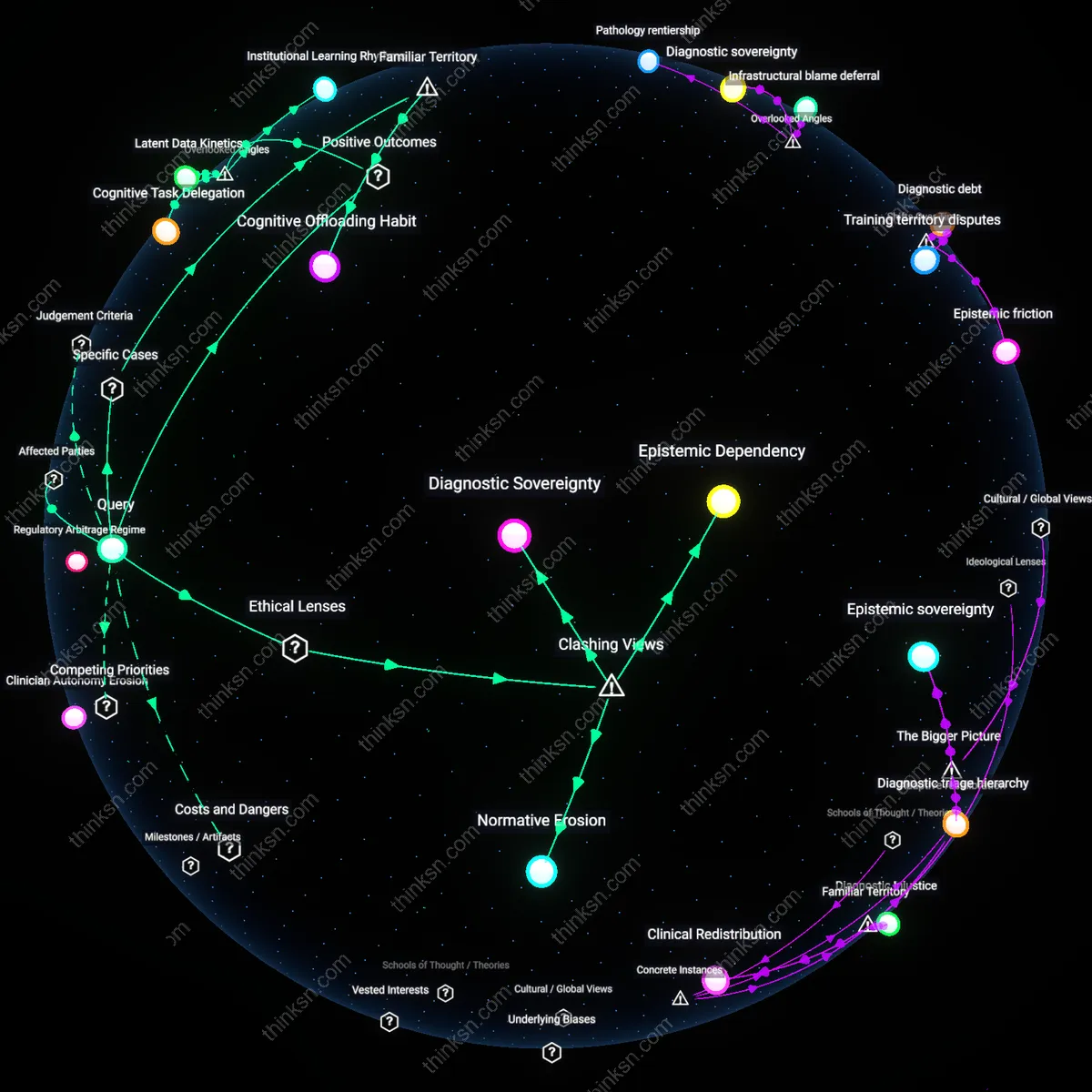
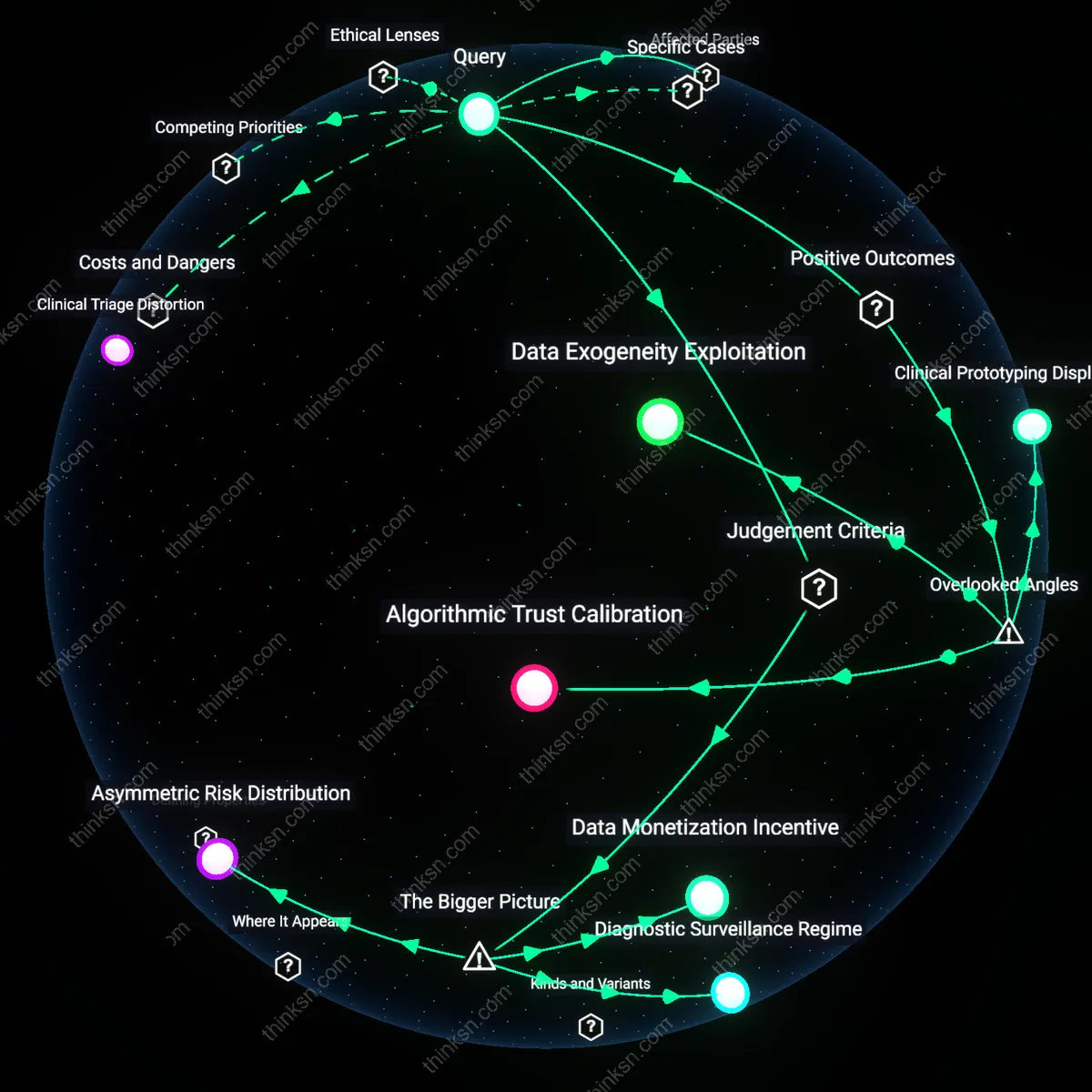
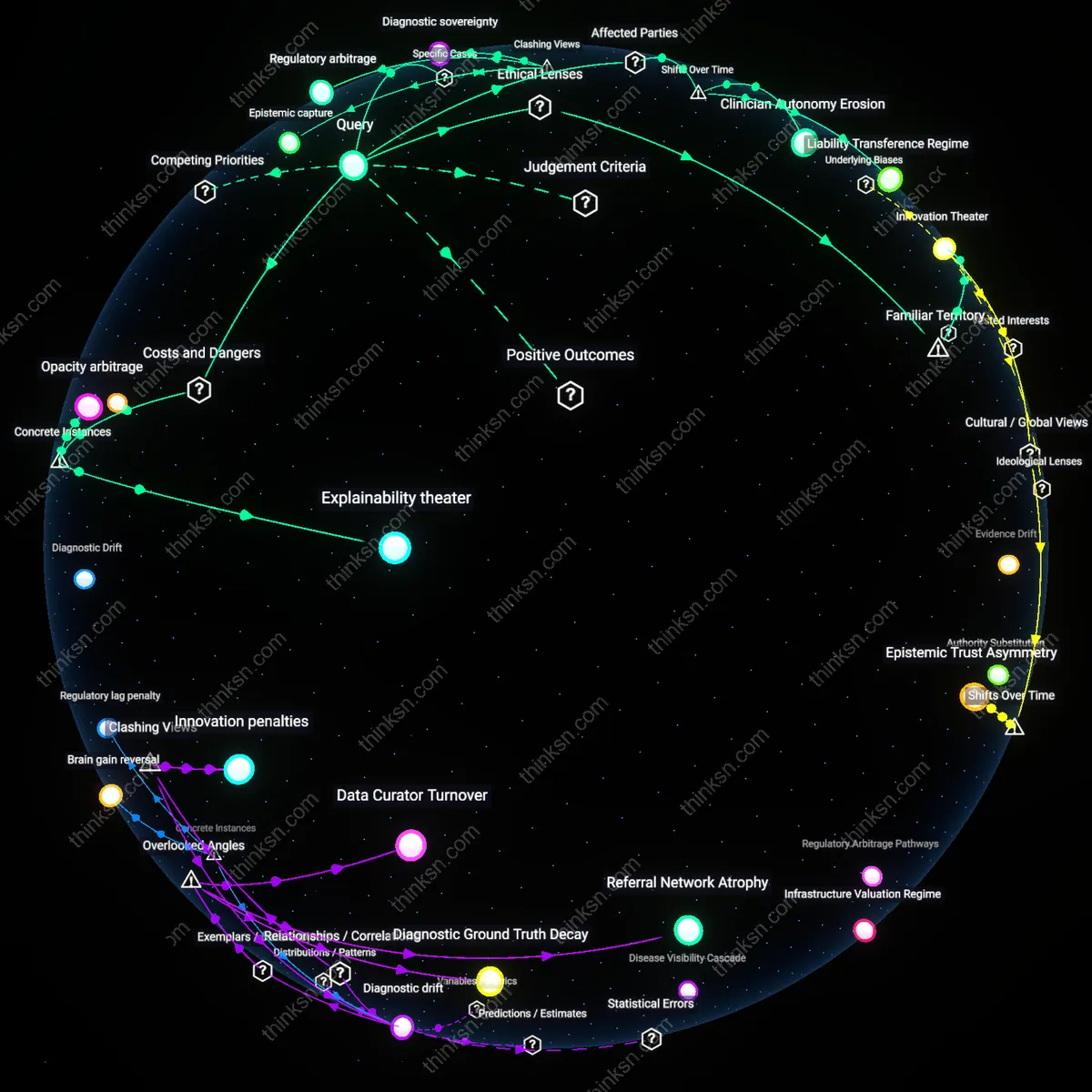
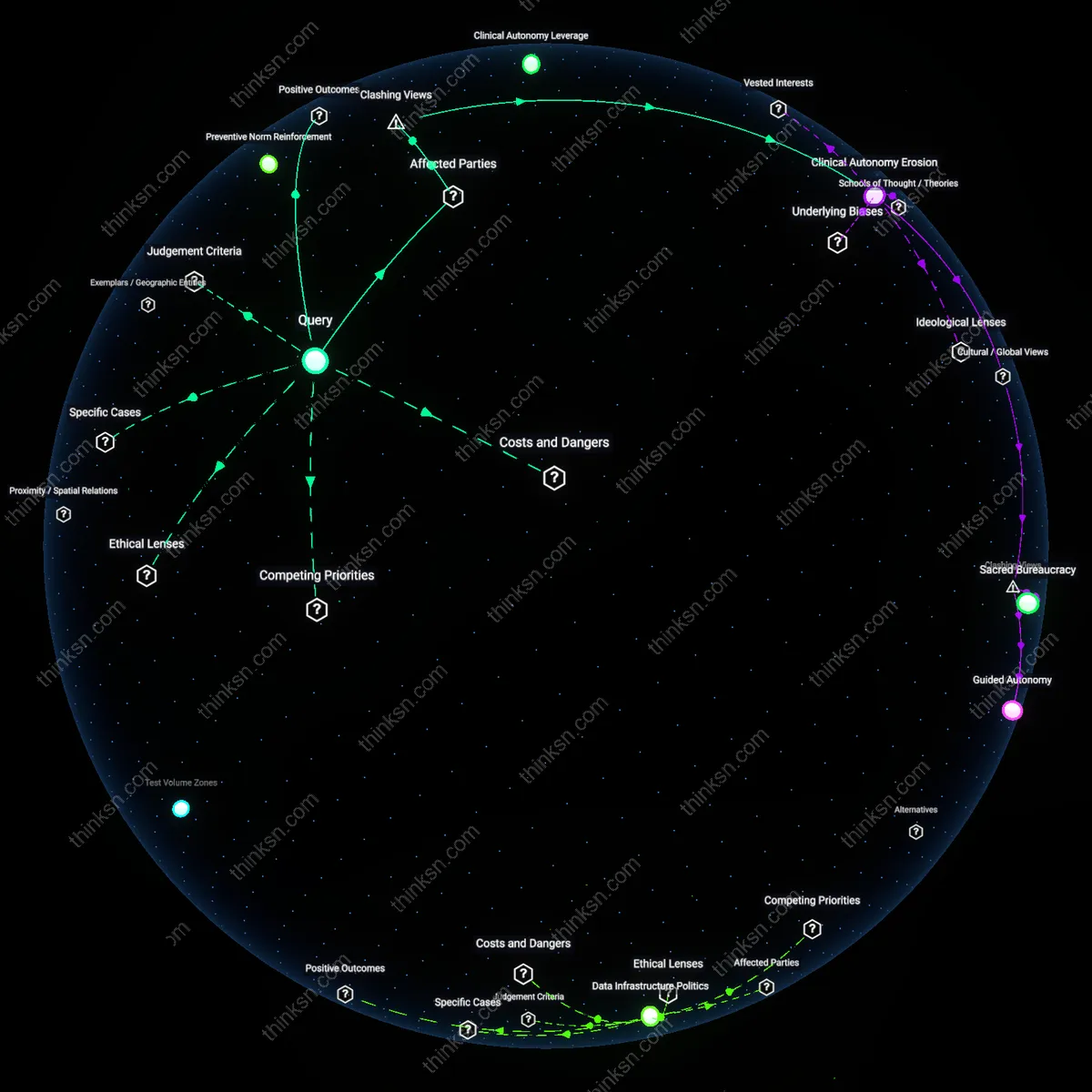
Analysis reveals 5 key thematic connections.
Key Findings
Clinical Autonomy Erosion
It is irrational to decide on a PSA screening schedule because the authority to interpret medical uncertainty has shifted from individual clinicians to institutional algorithms that standardize care, thereby erasing idiosyncratic patient contexts; entities like the USPSTF and integrated health systems (e.g., Kaiser Permanente) codify disagreement into rigid guidelines that clinicians must follow to avoid litigation or reimbursement penalties, rendering personal medical judgment secondary to system-wide risk management. This dynamic reveals that the rationality of individual decisions is compromised when evidentiary conflict is resolved not through deliberation but through administrative standardization, a process that benefits insurers and regulators at the expense of physician discretion and patient-specific nuance.
Guideline Commodification
It is irrational to treat PSA screening decisions as matters of personal rationality because the guidelines themselves are outcomes of negotiated consensus among professional societies (e.g., AUA, ASCO) that protect urologist labor markets and procedural revenues under the guise of evidence-based medicine; these institutions selectively emphasize mortality data or biopsy yield rates to sustain demand for downstream services, embedding economic interests in what appears to be dispassionate clinical debate. This reveals that the 'disagreement' is not scientific confusion but a stabilized market mechanism—where conflicting recommendations preserve referral flows and procedure volumes, making individual decision-making a ritual that legitimizes a financially incentivized status quo.
Adaptive Learning Systems
Choosing a PSA screening schedule is rational because it activates structured feedback loops in public health monitoring systems that convert individual clinical decisions into population-level learning. When patients and clinicians adopt defined screening intervals despite expert uncertainty, they generate standardized data flows that longitudinal registries like the National Cancer Database use to correlate screening frequency with downstream outcomes, enabling Bayesian updating of guidelines by bodies such as the USPSTF. This turns fragmented clinical choices into a distributed experiment, revealing real-world effectiveness and harm thresholds across demographics—something randomized trials alone cannot capture due to controlled settings and limited follow-up. The non-obvious insight is that individual decision-making under uncertainty functions as a scalable mechanism for evidence generation when embedded in data infrastructure.
Clinical Autonomy Leverage
It is rational to decide on a PSA screening schedule because doing so preserves physician-patient discretion as a buffer against rigid guideline ossification in rapidly evolving medical domains. In decentralized healthcare systems like the U.S., where practices vary across institutions such as Mayo Clinic and community urology centers, localized decision-making allows adaptation to emerging data before consensus forms—enabling early adoption of effective thresholds or pause in screening when overdiagnosis spikes are observed in specific regions. This autonomy acts as a pressure-release valve within the broader evidence-to-policy pipeline, preventing systemic inertia from prolonging harmful or outdated practices. The underappreciated dynamic is that micro-level scheduling decisions serve as real-time probes of guideline robustness, informing national recalibration through bottom-up signals.
Preventive Norm Reinforcement
Establishing a PSA screening schedule is rational because it strengthens the cultural expectation of proactive health engagement, which increases adherence to other preventive services within primary care networks like Kaiser Permanente or federally qualified health centers. When men commit to a defined screening rhythm—even if net benefits are uncertain—it reinforces routines such as blood pressure monitoring, colorectal screening, and lifestyle counseling, leveraging the 'teachable moment' of prostate discussions to amplify downstream preventive uptake. This spillover effect operates through behavioral momentum in patient-provider relationships, where initiating one preventive behavior increases the likelihood of engaging in others. The overlooked systemic consequence is that contested screening programs can act as entry points for broader preventive socialization, enhancing population health capacity beyond the targeted disease.