Without Registry, How Can Families Compare Nursing Home Quality?
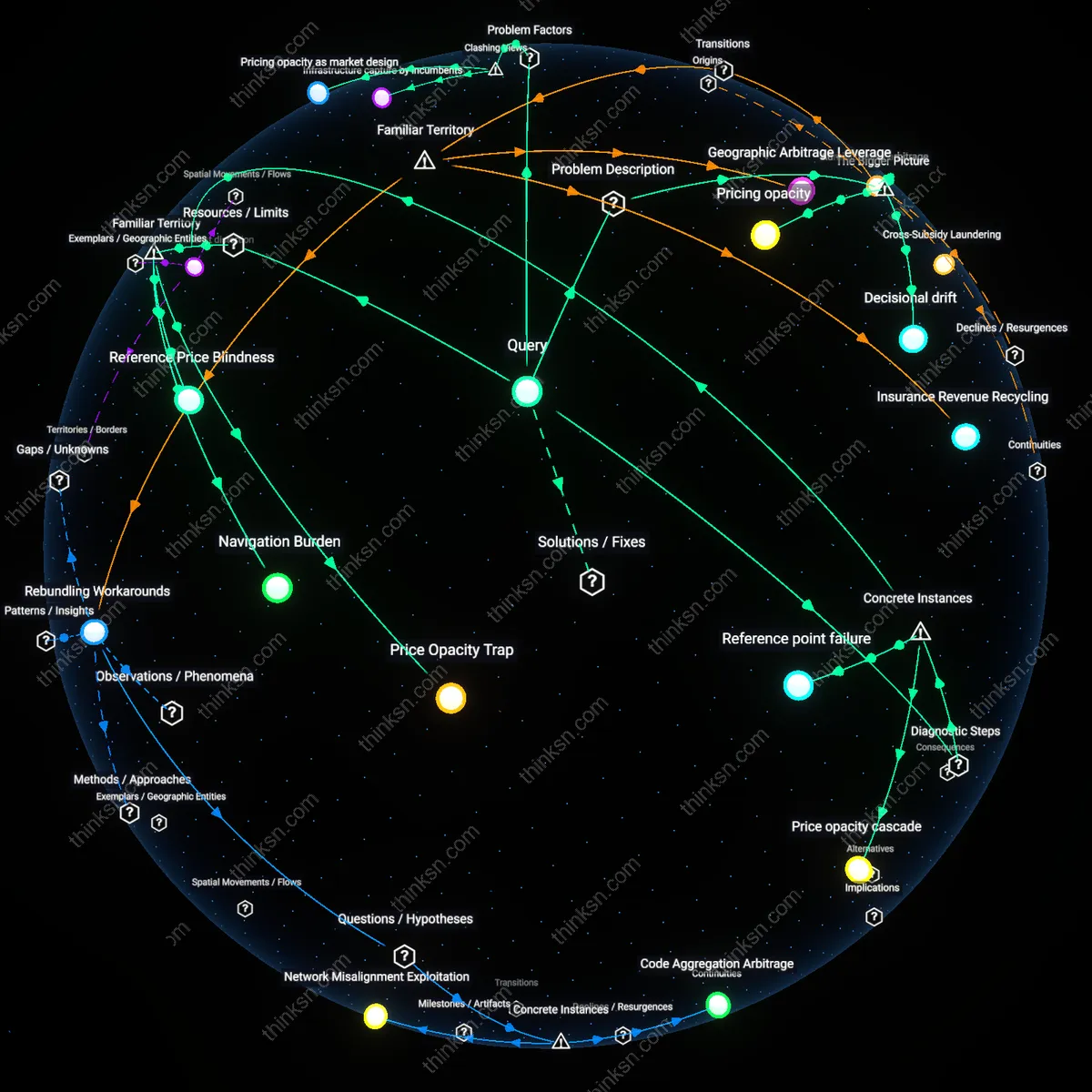
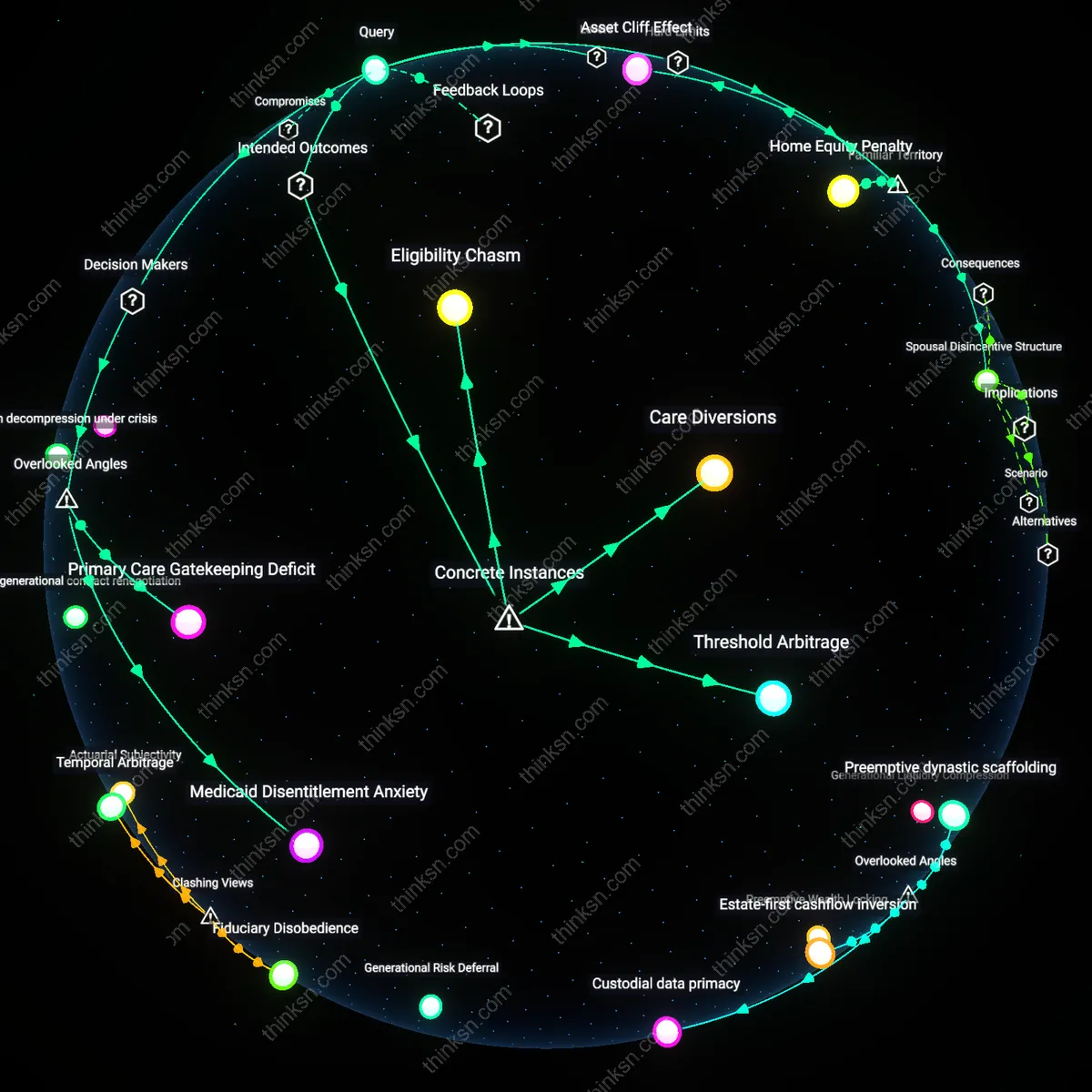
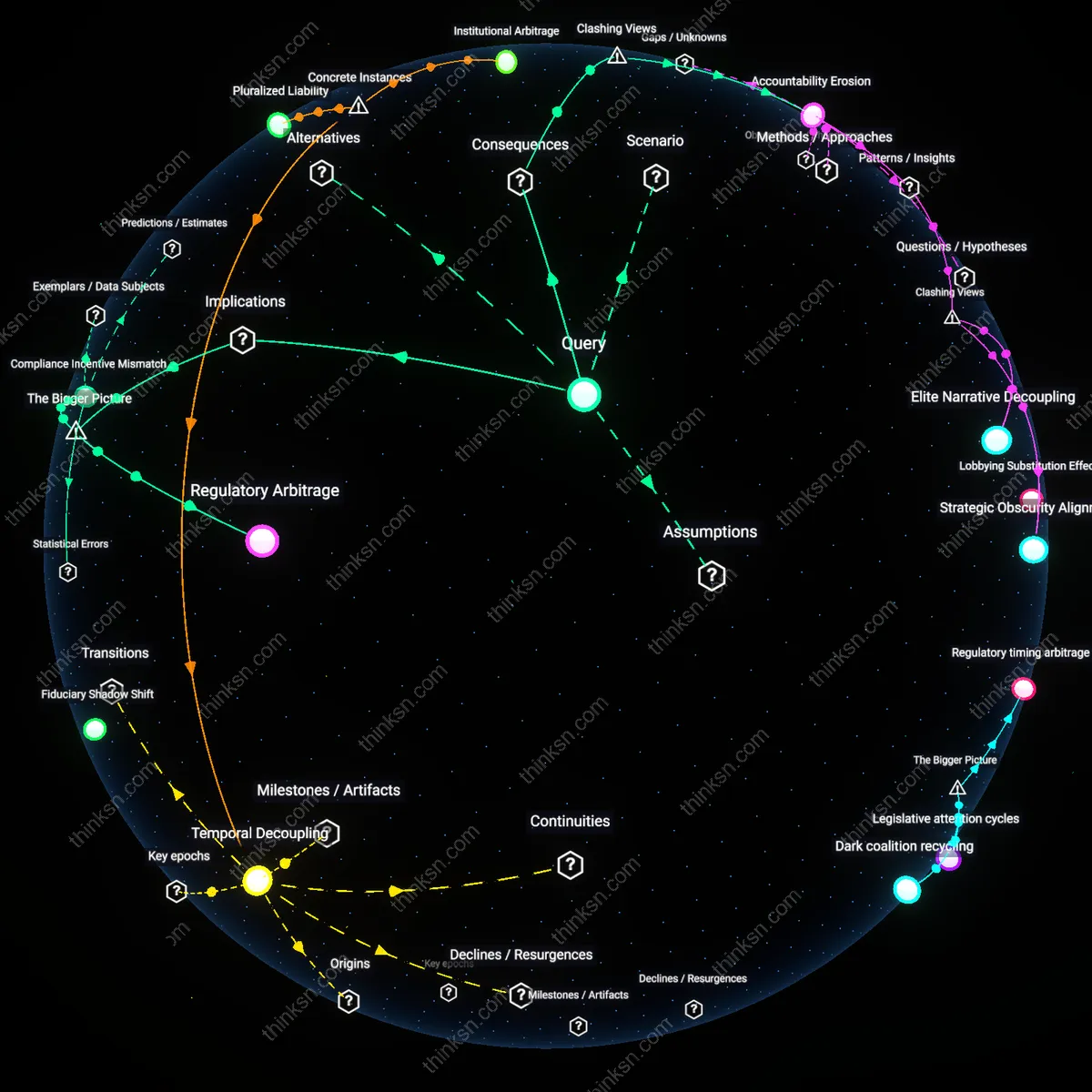
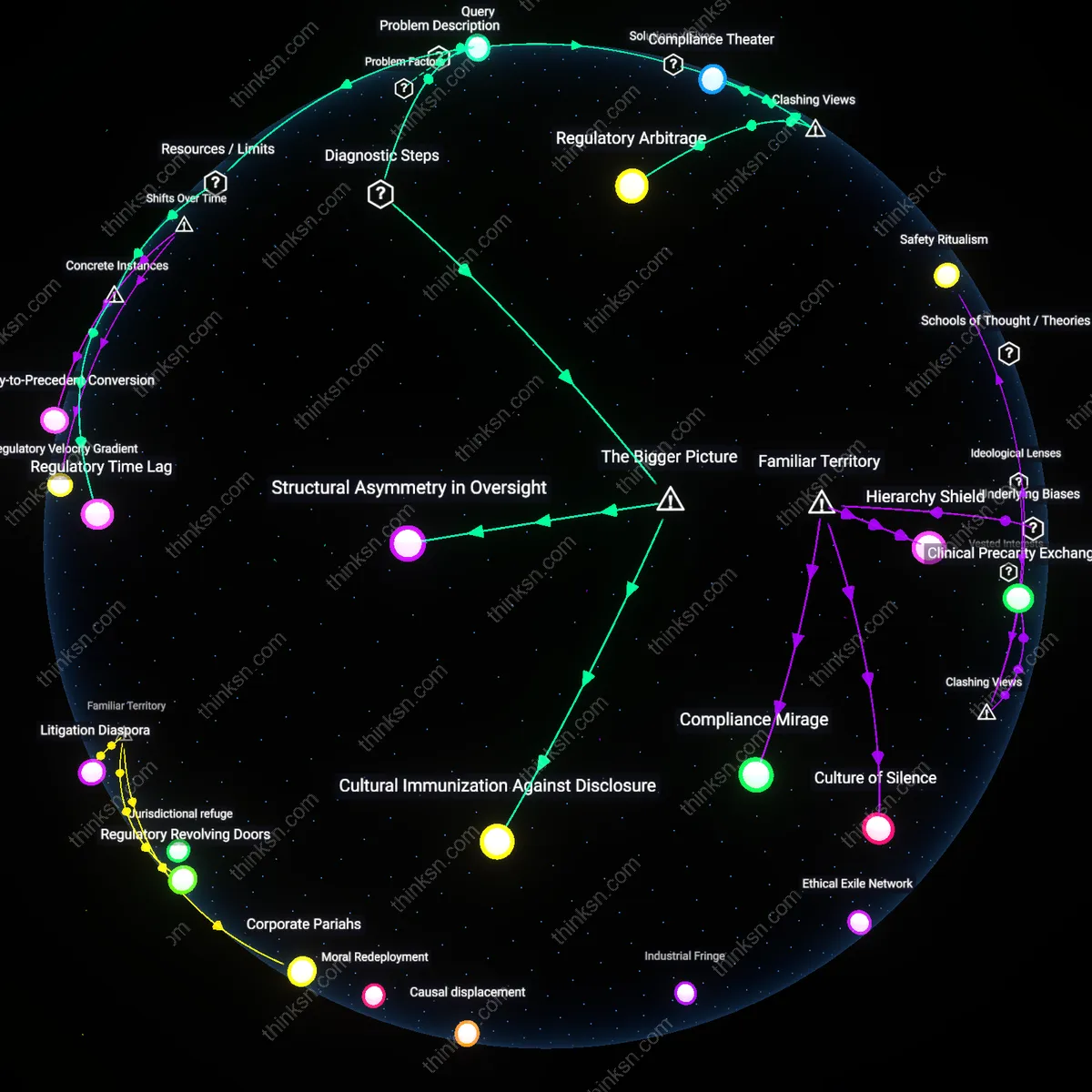
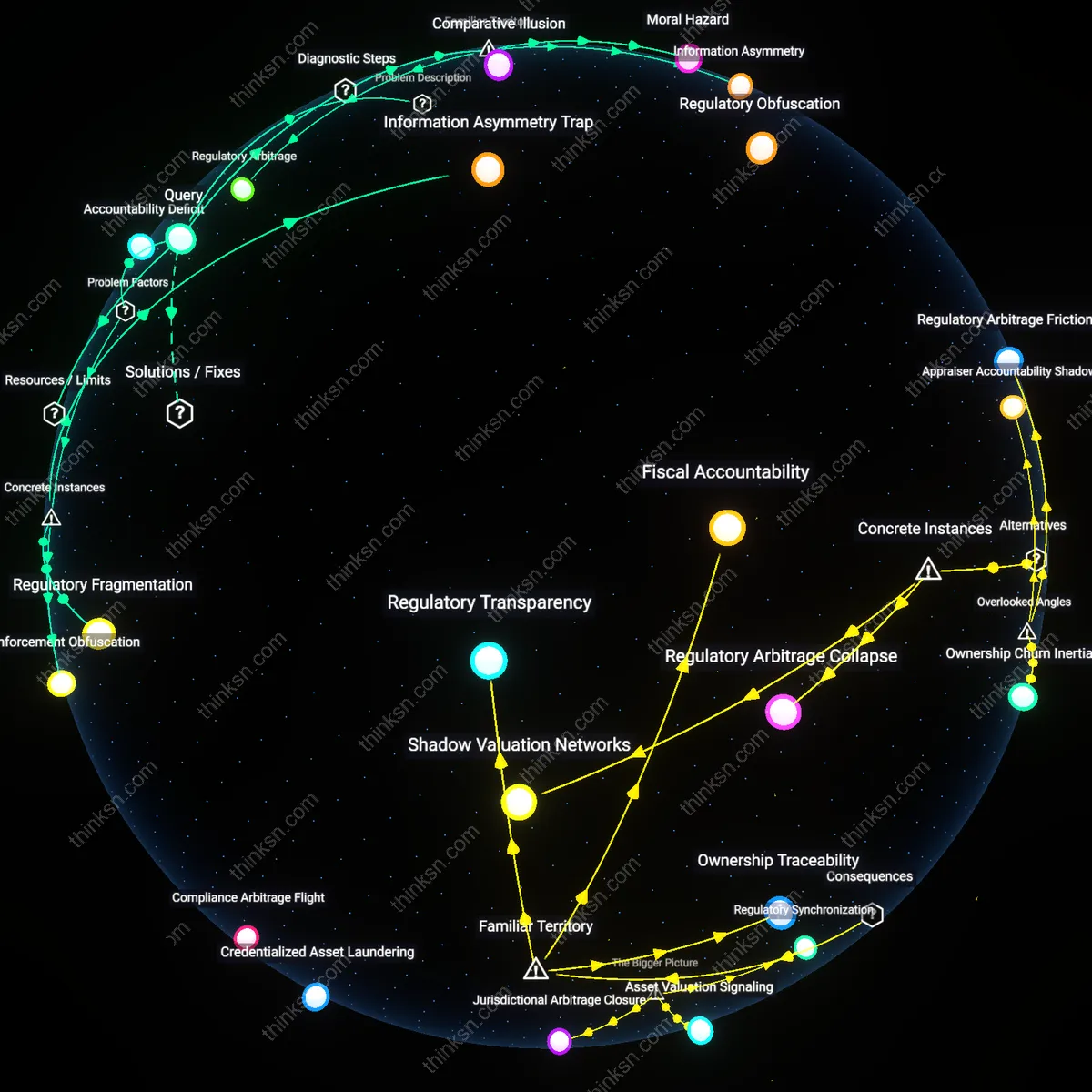
Analysis reveals 11 key thematic connections.
Key Findings
Regulatory Obfuscation
The absence of a national nursing-home violation registry impedes quality comparisons not because data is missing, but because state-level oversight bodies intentionally maintain fragmented reporting systems that obscure cross-jurisdictional accountability. Agencies like state health departments benefit from opacity by avoiding public scrutiny of enforcement leniency, particularly in politically sensitive rural facilities, which allows systemic lapses to appear as isolated incidents rather than patterns. This institutional logic—where regulatory credibility depends on perceived neutrality but thrives on invisibility—reveals that transparency is structurally suppressed, not technologically unfeasible, making comparison impossible by design rather than oversight.
Market Complicity
Families cannot compare nursing home quality effectively because private equity firms and chain operators actively resist a unified violation registry, not due to compliance costs, but because standardized transparency would expose how financial engineering erodes care standards. Investors in large nursing home chains rely on inconsistent reporting to arbitrage regulatory environments—acquiring facilities in states with lax enforcement while marketing 'five-star' certifications from lenient inspectors. This creates a perverse market equilibrium where quality signals are gamed, and families interpret inconsistent ratings as noise rather than evidence of deliberate degradation, revealing that the dysfunction serves a profitable, if unethical, economic model.
Comparative Illusion
A national nursing-home violation registry would not resolve quality comparison issues because aggregation assumes homogeneity in violations, when in reality, a 'deficiency' in one state may reflect life-threatening neglect while in another it signifies minor paperwork lapses. The Centers for Medicare & Medicaid Services (CMS) assigns equal categorical weight to violations across contexts, so a facility in California with unreported pressure ulcers and one in Texas with expired fire extinguishers both receive 'substandard' tags, misleading families into false equivalencies. The assumed solution—centralization—actually reinforces flawed comparison by masking qualitative differences in harm, exposing how data normalization can deepen misunderstanding rather than dispel it.
Information Asymmetry Trap
The absence of a national nursing-home violation registry entrenches an information asymmetry trap by leaving families dependent on fragmented state-level databases, as demonstrated by the inconsistent disclosure practices between facilities in Texas and Vermont following the 2020 CMS enforcement data releases, where identical federal citations resulted in public notices in Vermont but were withheld or obscured in Texas due to decentralized reporting authority, revealing how jurisdictional discretion masks comparative performance and empowers providers to minimize reputational risk without operational change.
Regulatory Fragmentation
Systemic fragmentation of regulatory enforcement across states prevents aggregation of comparable quality metrics, exemplified by the 2018 closure of multiple facilities operated by Genesis Healthcare in Pennsylvania and Ohio, where identical patterns of violations—ranging from staffing deficits to infection control failures—were treated as isolated incidents rather than part of a national operational risk profile because no central repository linked corporate ownership to site-specific penalties, exposing how decentralized oversight conceals systemic corporate accountability.
Enforcement Obfuscation
The lack of a unified violation registry enables enforcement obfuscation, as seen in the 2021 case of the Golden Living Center in Kansas, which accumulated 47 state-level citations for pressure ulcer mismanagement and medication errors over three years without federal flagging, because CMS did not mandate interoperability between state databases and the Nursing Home Compare website, allowing facilities in low-scrutiny states to evade visibility despite repeat harms, thus normalizing chronic noncompliance under the cover of data silos.
Information Asymmetry
Families cannot compare nursing home safety records because violation data is siloed across state databases with no federal standardization. State health departments collect inspection reports and citation histories, but differences in reporting formats, accessibility, and severity classification prevent meaningful cross-facility comparisons—especially for families relocating across state lines. This fragmentation masks patterns of chronic underperformance, allowing facilities with systemic deficiencies to appear equivalent to higher-performing ones. The non-obvious issue is not simply missing data but the false equivalence generated by inconsistent categorization, which distorts consumer perception more than absence alone.
Moral Hazard
Without public exposure of repeated violations, nursing home operators face minimal reputational or financial consequences for substandard care. Licensing agencies may levy fines, but these are often absorbed as routine operating costs rather than deterrents, particularly in consolidated ownership models where penalties are distributed across portfolios. Families rely on observable cues like cleanliness or staff demeanor during visits, which fail to reveal structural risks such as staffing shortages or prior abuse findings. The underappreciated dynamic is that opacity functions as a feature for low-performing operators, enabling them to benefit from market participation without bearing the full cost of their failures.
Regulatory Arbitrage
Facilities can exploit variations in enforcement rigor between states to avoid scrutiny by relocating or rebranding operations where oversight is weaker. For example, chains with documented deficiencies in states with strict reporting laws may open new facilities in states that do not publish citations online or conduct fewer unannounced inspections. Families searching within a specific geography assume regulatory parity, not realizing that a 'clean' record may reflect lenient auditing rather than actual compliance. The overlooked reality is that decentralized regulation creates de facto safe harbors for poor performers, turning location choice into a proxy for risk exposure rather than care quality.
Data Asymmetry
The absence of a national nursing-home violation registry prevents families from accessing standardized, comparable safety and care records, forcing reliance on fragmented state-level databases that vary in scope and accessibility. This impedes quality comparisons because operators exploit jurisdictional disparities to minimize public accountability, while families—operating under time and information constraints—default to proximity or brand reputation over performance. The non-obvious consequence is that market demand for quality care is structurally suppressed, not due to indifference, but because decision-making tools are unevenly distributed across states, enabling lower-performing facilities to remain competitive. What sustains this is not merely bureaucratic inertia, but a system where regulatory transparency is treated as optional, not a patient right.
Accountability Deficit
Federal programs like Medicare reimburse nursing homes without binding transparency requirements for violation histories, creating a system where public funding flows independently of public scrutiny, and poor performers face no reputational or financial penalty. Because quality improvement initiatives depend on disclosure to drive market and regulatory pressure, the omission of a national registry severs the feedback loop between violations and consequences—enabling repeat offenders to persist, especially in low-income areas with fewer competitor facilities. The overlooked mechanism is that without centralized data, oversight becomes episodic and isolated, allowing systemic failures to appear as individual lapses, shielding the broader policy failure of treating transparency as residual rather than foundational.