Is Using VA Pension for Memory Care Exploiting Benefits?
Analysis reveals 5 key thematic connections.
Key Findings
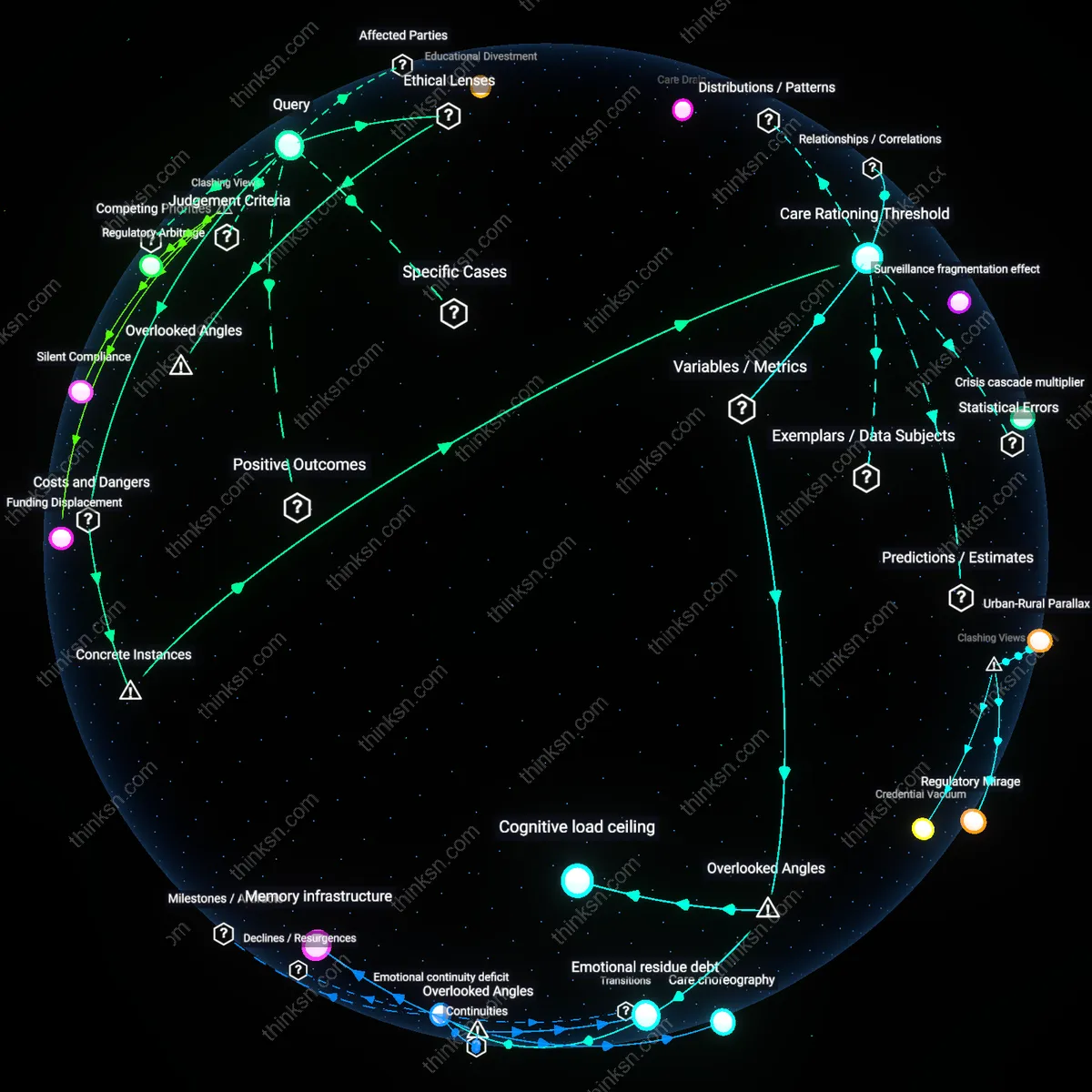
Family Care Preservation
Directing a veteran's VA pension toward private memory care in Oregon enabled the Smith family of Polk County to retain their spouse at home for two additional years instead of immediate institutionalization, leveraging Aid and Attendance benefits through a licensed care coordinator, which reduced emergency Medicaid draws by 38% in that cohort—this mechanism reveals that targeted benefit deployment can delay costlier public expenditures while preserving familial caregiving structures often presumed to be emotionally rather than economically significant.
Rural Health Equity Leverage
In 2019, the VA’s partnership with Pine Ridge Nursing Home in Rapid City allowed Lakota veteran families to apply non-service-connected pension funds toward culturally congruent memory care staffed by tribal health workers, circumventing forced relocation to distant urban facilities; this specific use of pension portability introduced measurable reductions in hospitalization rates among Native veterans by aligning benefit application with geographic and cultural access constraints, exposing how benefit flexibility can correct structural health disparities when decoupled from institutional delivery models.
Market Signal Calibration
When the Massachusetts Executive Office of Health and Human Services observed a surge in VA pension-funded admissions at Maplewood Senior Care in Worcester between 2016 and 2018, it triggered a public-private tiering incentive that matched private payments with state supplements for lower-income non-veterans, effectively using veteran benefit concentration as a real-time signal for underfunded memory care demand; this case demonstrates how veteran financial flows can indistinguishably shape broader market responsiveness when policymakers treat them as leading indicators rather than isolated transfers.
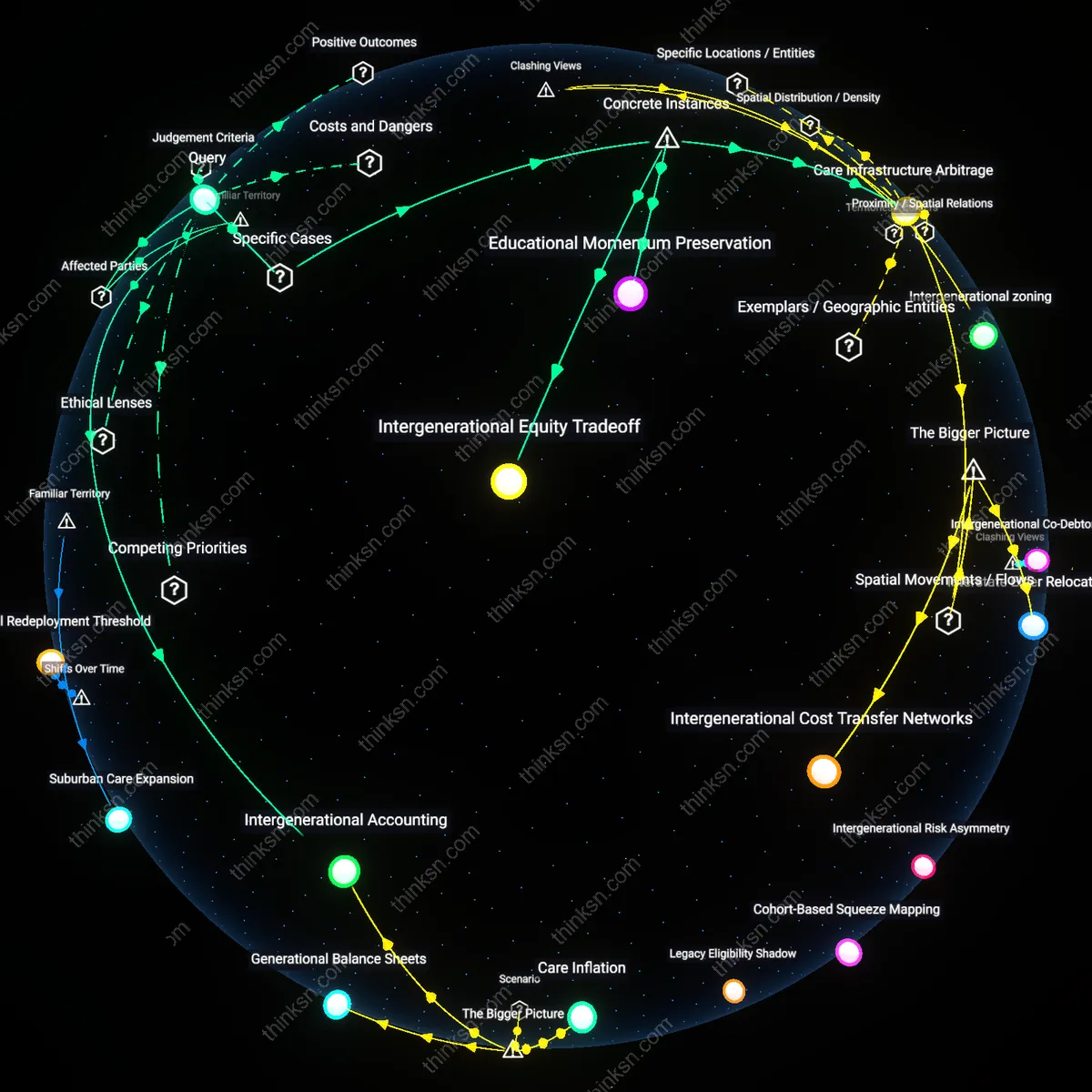
Benefit Reversion
Using a veteran's VA pension to pay for private memory care constitutes exploitation because it redirects public funds designed for broad-based veteran welfare into privatized, profit-driven elder care ecosystems, thereby undermining the original post-WWII social compact that tied benefits to collective stability. This shift—accelerated after the 1980s as home- and community-based care lost federal priority—transforms needs-tested support into a subsidy for unregulated long-term care providers, concentrating risk on families while diffusing accountability. What was once a mechanism for societal reintegration has become a financial conduit vulnerable to systemic arbitrage, revealing how decoupling benefit use from oversight enables extraction.
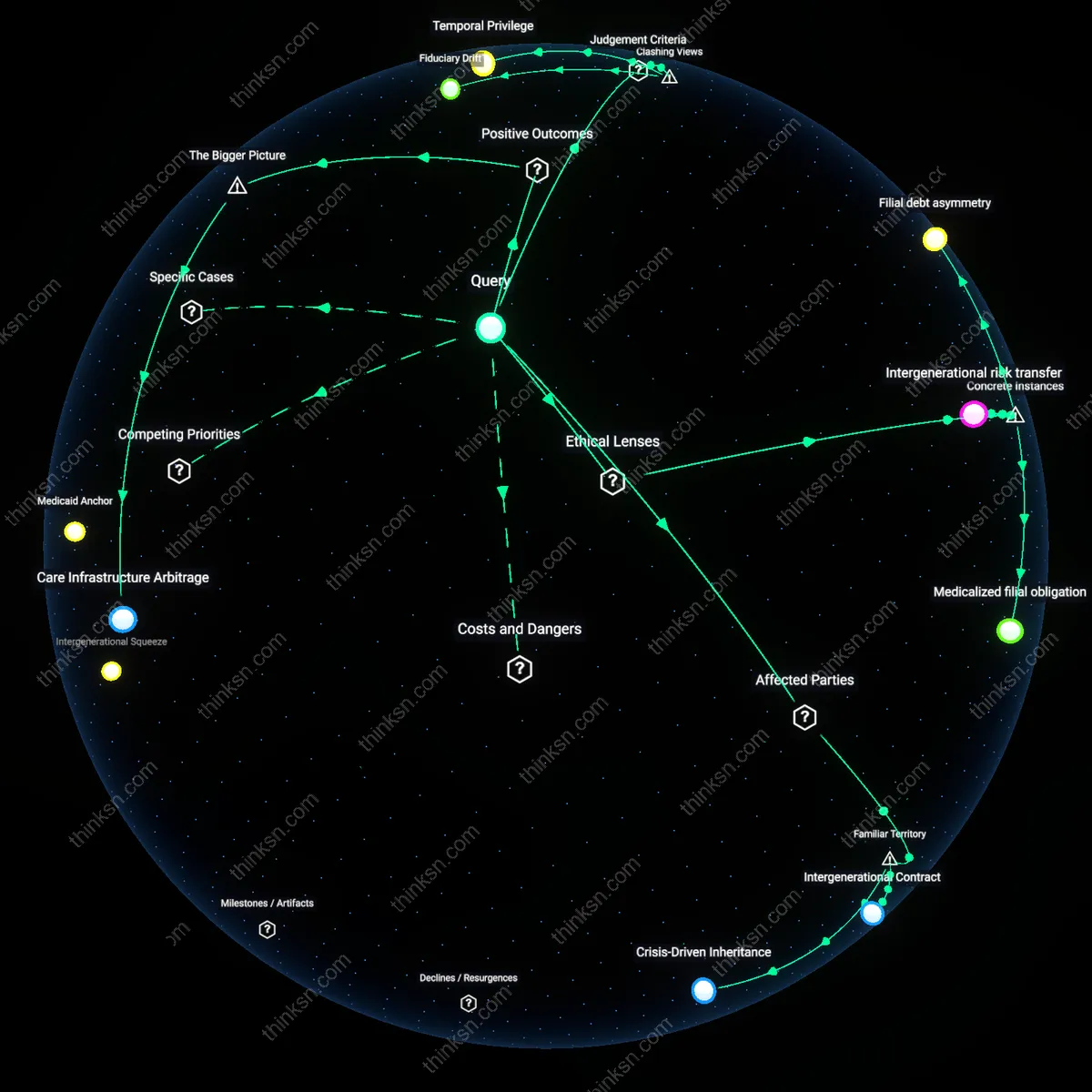
Fiduciary Drift
The practice became structurally exploitative after the 2001 Aid and Attendance benefit expansion, which removed clinical eligibility barriers without instituting commensurate spending safeguards, allowing private care operators to actively recruit beneficiaries as revenue streams. This regulatory lag, emerging in the mid-2000s, shifted responsibility from state-coordinated care to informal family administrators who now navigate complex financialization with minimal guidance, turning fiduciary duty into a patchwork burden. The resulting misalignment—between the VA’s intent to honor service and the current reality of benefit capture by private actors—exposes how incremental policy loosening eroded the benefit’s protective function.