Who Wins as Social Media Becomes a Utility? Free Speech at Risk?
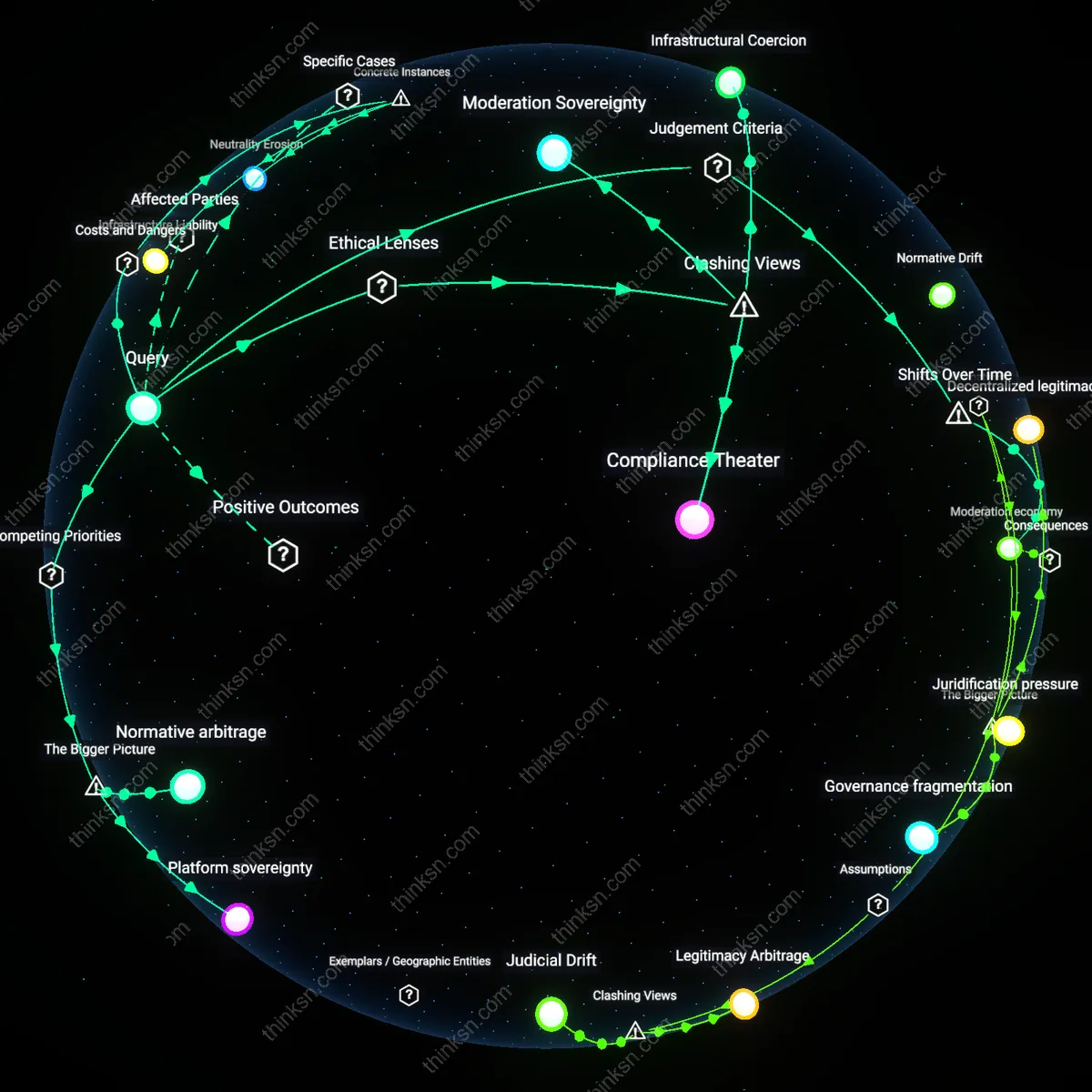
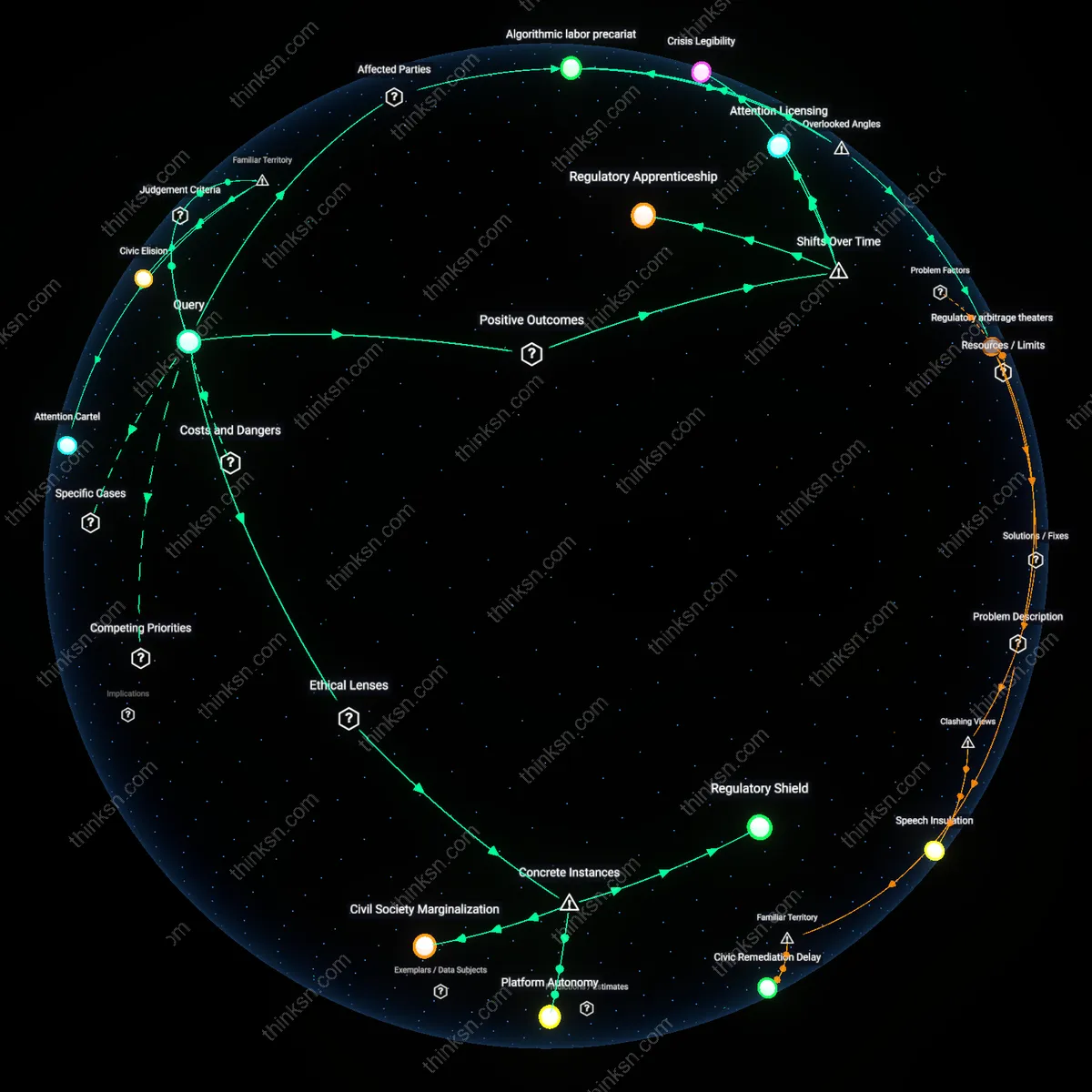
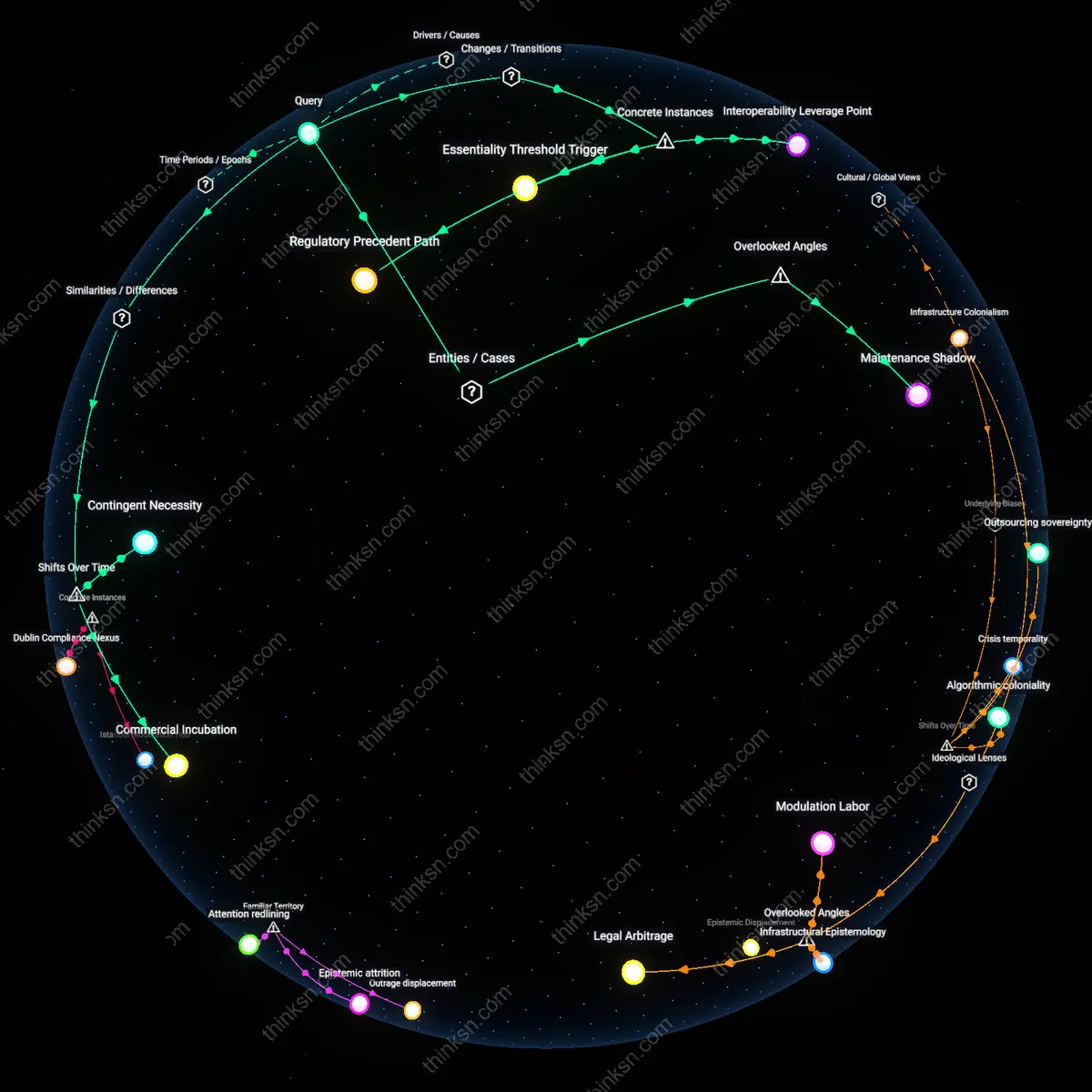
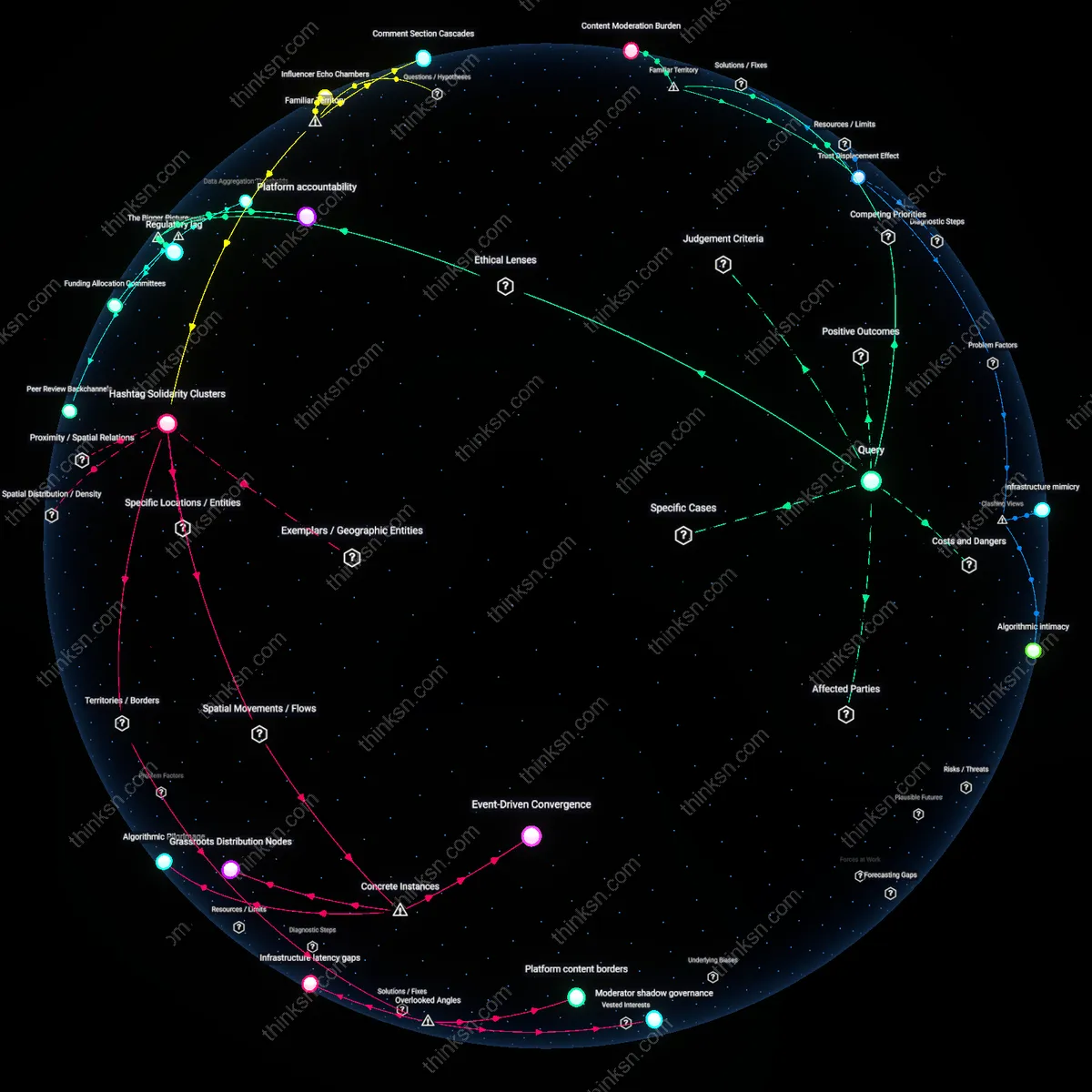
Analysis reveals 8 key thematic connections.
Key Findings
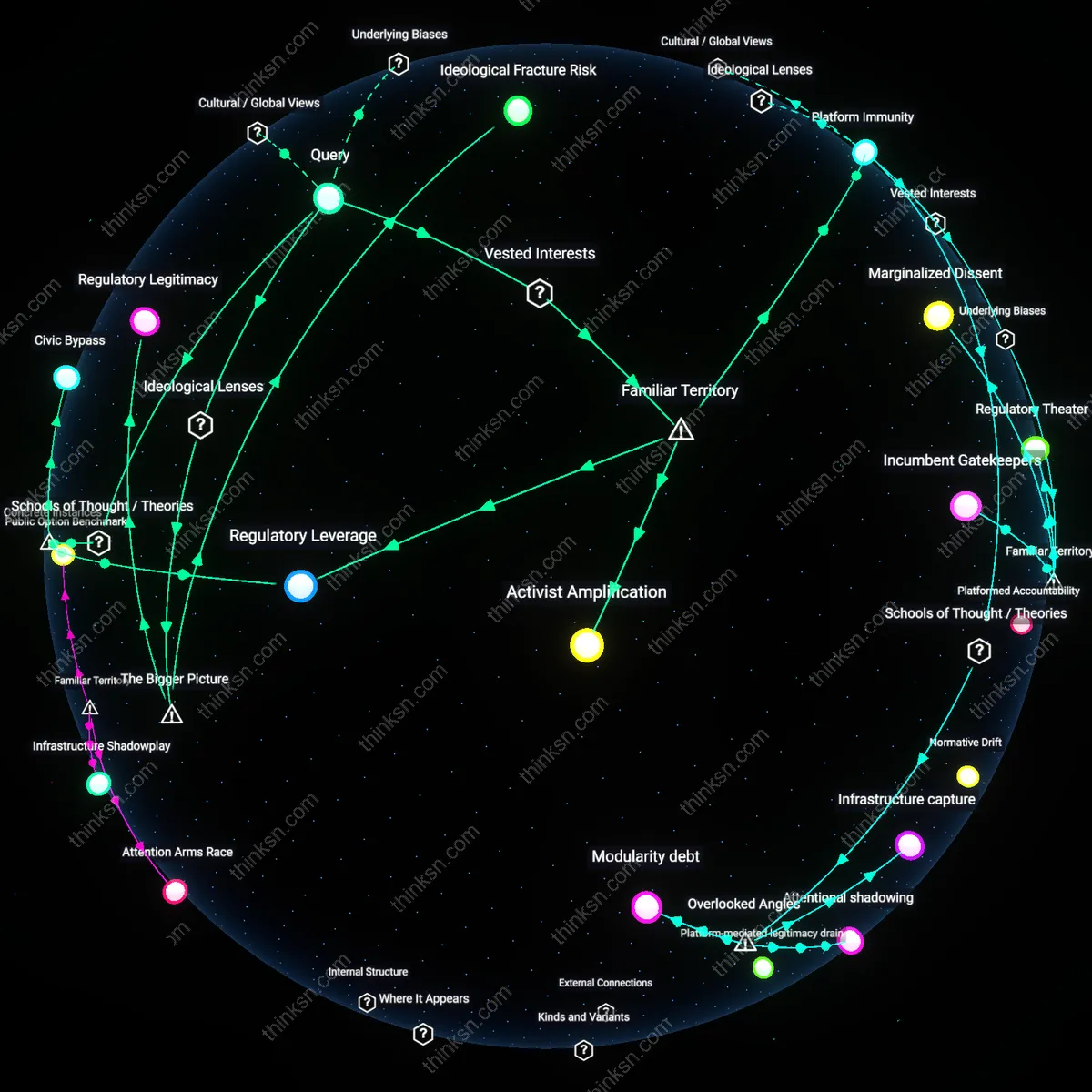
Regulatory Leverage
Governments benefit most from classifying social media platforms as public utilities by gaining direct regulatory authority over content moderation infrastructure, as demonstrated by India’s 2021 Information Technology (Intermediary Guidelines) Rules, which empowered state agencies to mandate takedowns and demand traceability on platforms like WhatsApp; this transforms free expression into a negotiable operational variable rather than a structural right, revealing how sovereign access to platform architecture can supplant judicial oversight in digital speech governance.
Platform Legitimation
Social media corporations benefit most from public utility classification by securing institutionalized market protection and operational predictability, exemplified by Comcast’s treatment under Title II reclassification in 2015, where mandated net neutrality rules simultaneously constrained pricing models yet immunized the company from municipal broadband competition; similarly, designating Meta or X as utilities would codify their centrality in public discourse, converting regulatory burden into durable legitimacy and shielding them from antitrust dissolution under the guise of essential service provision.
Civic Bypass
Marginalized activist networks benefit most from public utility frameworks by leveraging mandated access provisions to amplify suppressed speech, as seen in the 1966 case of Citizen Publishing Co. v. Miller, where the Supreme Court upheld utility-style obligations for newspapers to carry replies from public figures, creating a precedent where essential communicative infrastructure must permit counter-speech; applying this to platforms could force algorithmic visibility for underrepresented voices on TikTok or YouTube, exposing how mandated inclusion mechanisms can circumvent editorial gatekeeping without relying on state-enforced content neutrality.
Regulatory Legitimacy
Classifying social media platforms as public utilities strengthens state capacity to regulate digital speech infrastructure, which benefits public interest advocates and regulatory agencies by reframing corporate platforms as common carriers subject to non-discrimination principles. This shift enables regulatory intervention under existing utility frameworks, such as the Federal Communications Commission’s authority over Title II services, transforming legal debates from content moderation to structural fairness. The non-obvious consequence is that liberal technocrats gain a procedural foothold to enforce transparency and due process in algorithmic governance—something market mechanisms alone have failed to produce.
Corporate Entrenchment
Large platform companies benefit most from public utility classification by leveraging state-backed regulatory capture to consolidate market position and suppress competition from smaller rivals unable to bear utility-level compliance costs. Firms like Meta or YouTube can absorb the administrative burden of utility regulation while using the designation to legitimize continued control over infrastructure and user data under the guise of public service. The systemic dynamic lies in how regulatory standardization reinforces economies of scale, effectively weaponizing public interest rhetoric to entrench dominant players—a phenomenon visible in how AT&T's early 20th-century utility status stifled telecommunications competition.
Ideological Fracture Risk
Conservative and libertarian actors benefit politically from opposing public utility classification by framing it as state overreach into private speech infrastructure, mobilizing grassroots resistance around free expression even as some right-wing actors simultaneously demand accountability from platforms. This contradiction generates strategic confusion but also fuels a broader backlash against institutional legitimacy, exemplified by the erosion of bipartisan support for FCC neutrality rules after 2015. The underappreciated systemic consequence is that ideological polarization over platform governance weakens coherent regulatory reform, preserving the status quo through deadlock—a condition sustained not by consensus but by mutual escalation of expressive rights claims.
Platform Immunity
Social media corporations benefit most from public utility classification by securing consistent federal oversight that preempts a patchwork of state laws, local regulations, and unpredictable litigation over content moderation and user liability. By aligning with regulated infrastructure norms, platforms gain legal predictability and operational stability, shielding them from political whiplash and civil suits under the argument that they are fulfilling a public service mandate. The non-obvious twist is that framing themselves as utilities—services too essential to fail—lets dominant platforms consolidate power under protective regulation, turning what feels like constraint into a barrier against competition and disruption.
Activist Amplification
Marginalized activist groups benefit most from public utility status on social media by gaining enforceable access to channels of visibility, leveraging utility frameworks to demand equitable representation and non-discriminatory reach in content algorithms and moderation policies. When platforms are seen as essential conduits for public discourse—akin to roads or water—advocates can invoke civil rights and anti-discrimination precedents to compel inclusion, transforming technical design choices into public obligations. The overlooked insight is that this familiar moral claim—equal voice in society’s digital square—activates a legacy of protest politics but now targets private code as if it were public space, reshaping free expression as a distributed right rather than a unilateral privilege.