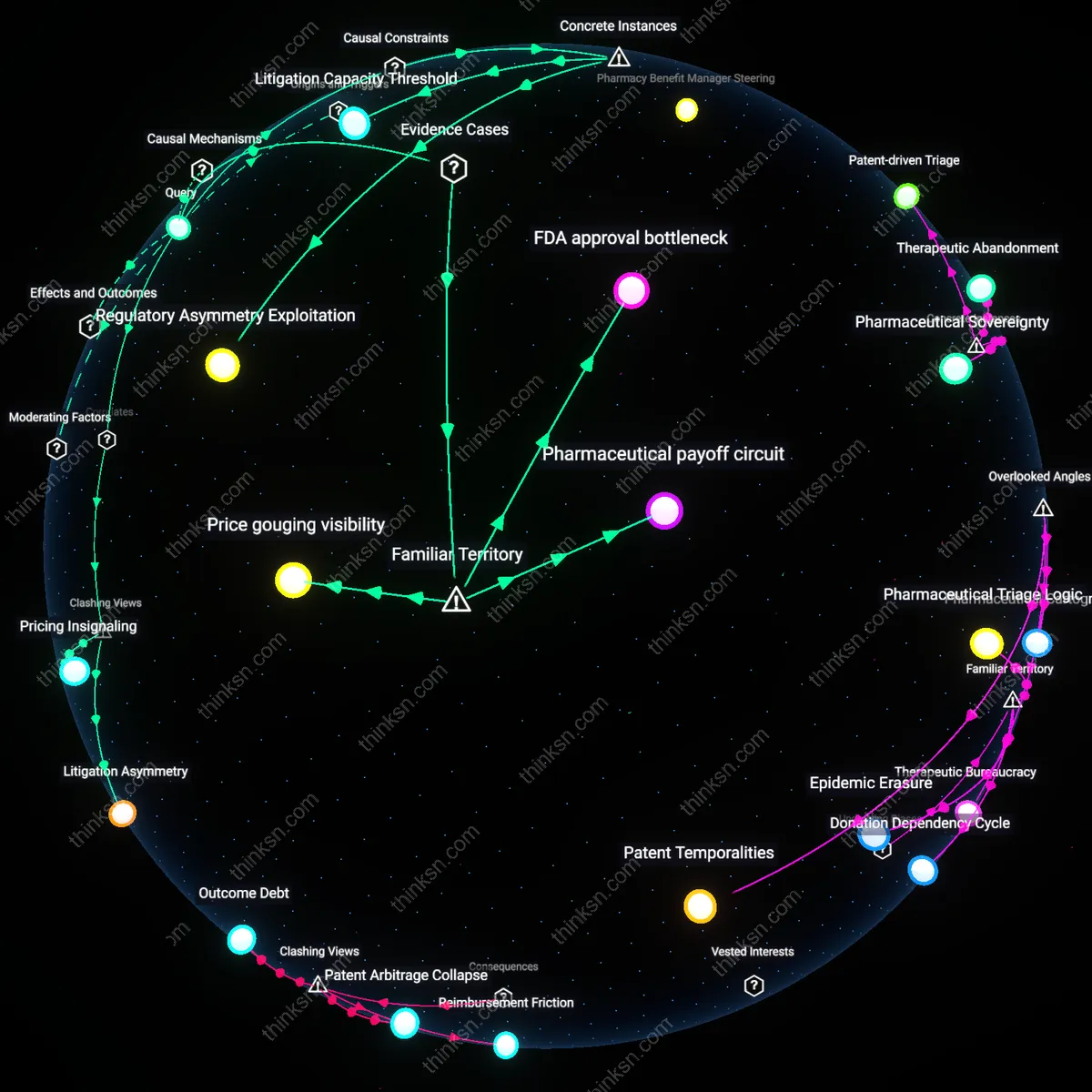
Do Patent Concentration Barriers Block Affordable Meds for Low-Income Patients?
Analysis reveals 8 key thematic connections.
Key Findings
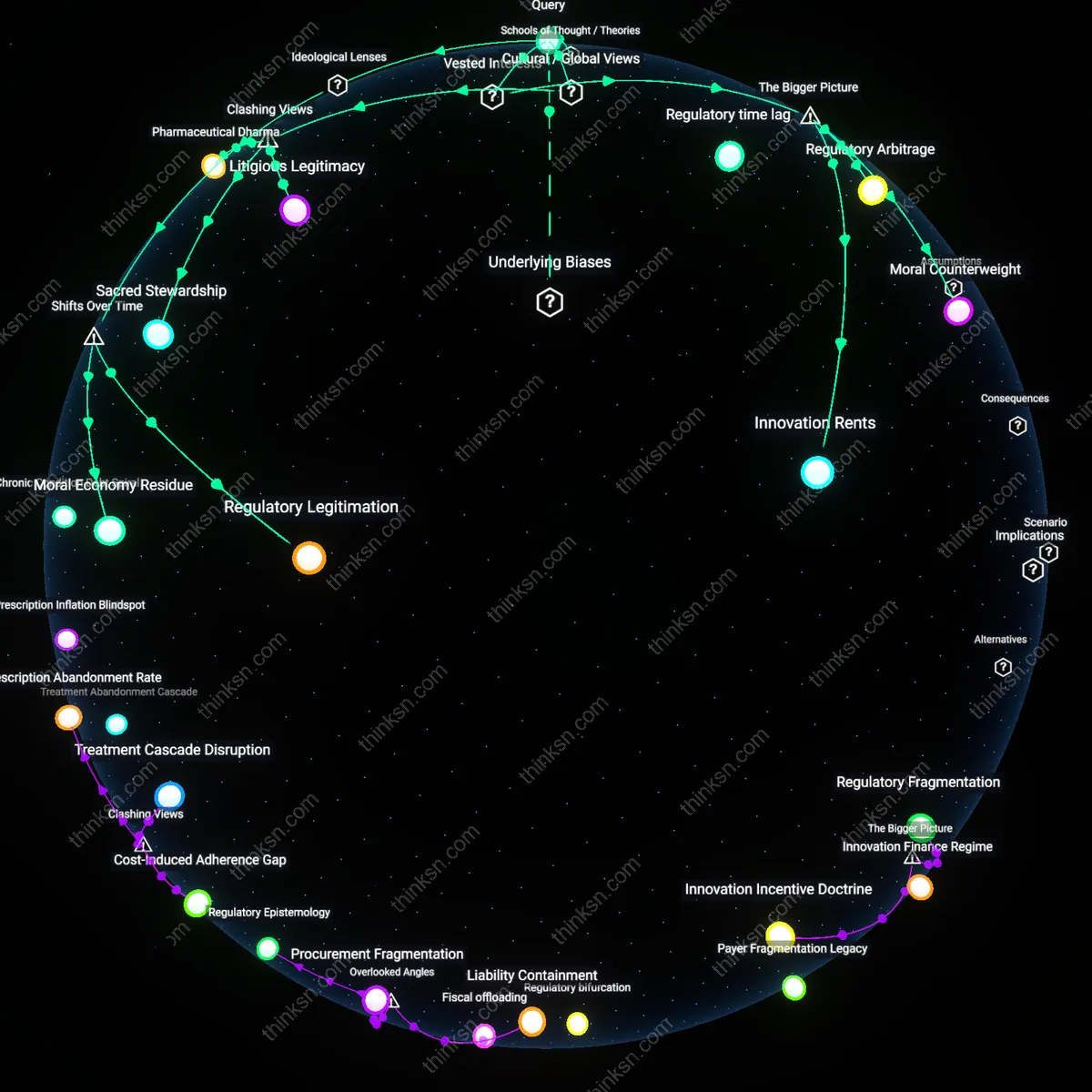
Regulatory Arbitrage
High patent concentration enables dominant firms to delay generic competition not through innovation but by exploiting regulatory complexity, such as filing subsidiary patents on non-essential drug attributes, which the FDA treats as legal barriers despite their lack of therapeutic value. This mechanism, visible in practices like 'product hopping' by companies such as Mylan or AbbVie, coexists with high drug prices but is often mistaken as an outcome of pure market monopoly rather than strategic manipulation of approval timelines. The non-obvious insight is that patent density functions less as a reward for R&D and more as a lever for procedural stalling, revealing how regulatory design—not just intellectual property—shapes access disparities.
Litigation Asymmetry
The concentration of pharmaceutical patents amplifies legal inequity by enabling large firms to outlast generic manufacturers in court, not because generics are legally invalid but because protracted litigation absorbs capital that smaller firms cannot replenish. Cases like those involving Teva or Sandoz facing decades-long challenges from originator firms such as Gilead illustrate how patent thicketing transforms courts into chokepoints, where access is denied not due to patent legitimacy but financial attrition. This reframes the access problem not as a failure of patent expiration but as systemic weaponization of judicial process, exposing that legal endurance, not medical need, governs market entry.
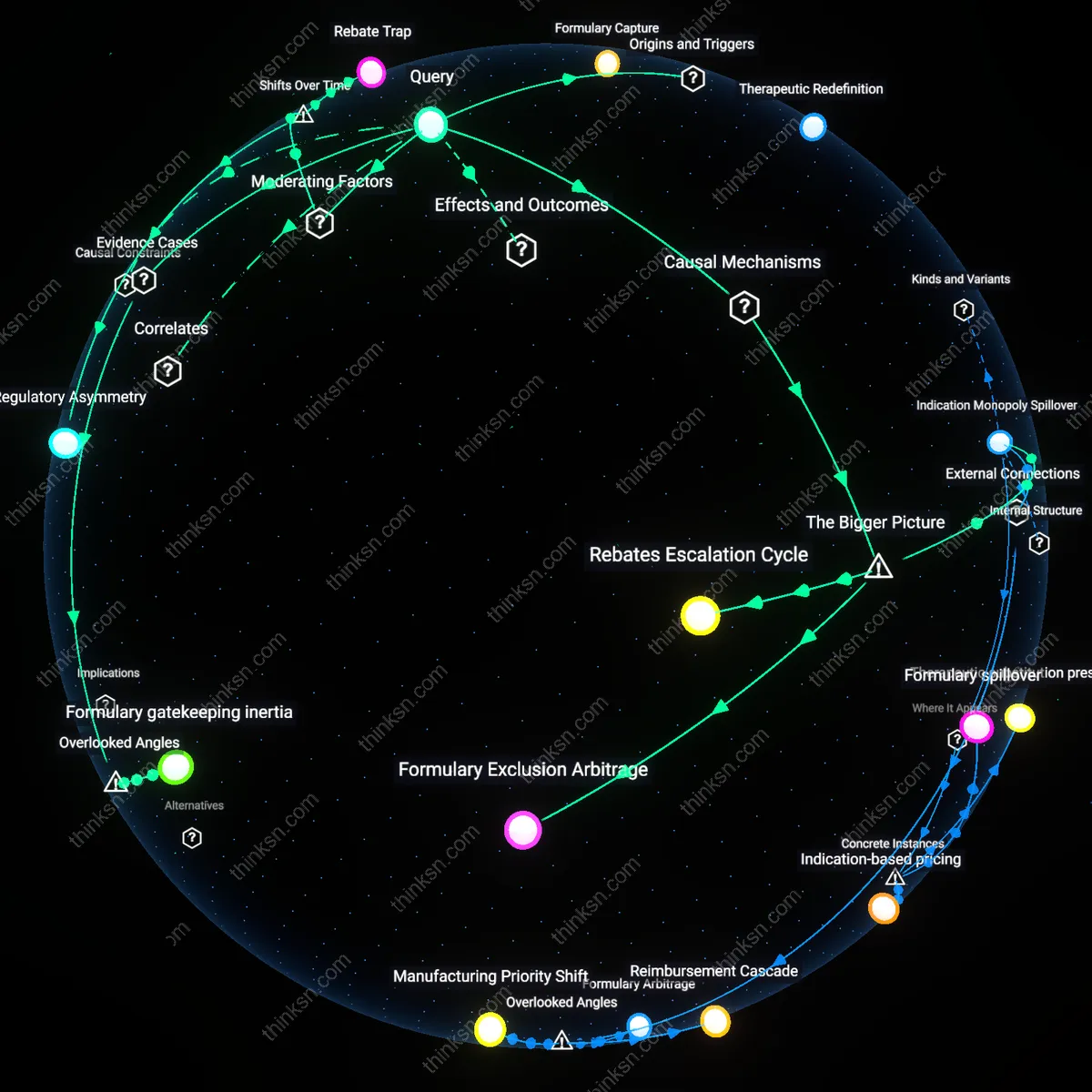
Pricing Insignaling
Firms with dense patent portfolios limit generic entry not by blocking them outright but by signaling irrelevance—setting brand drug prices so high that insurers and formularies exclude them, rendering generics economically unviable even when legally permissible. This occurs in markets like specialty pharmacy, where AbbVie’s pricing on Humira discouraged biosimilar uptake despite patent expiry, as payer resistance and patient cost-sharing nullified generic advantage. The counterintuitive outcome is that patient access fails not from lack of generics but from strategic market deprioritization, revealing pricing itself as a barrier more potent than legal exclusivity.
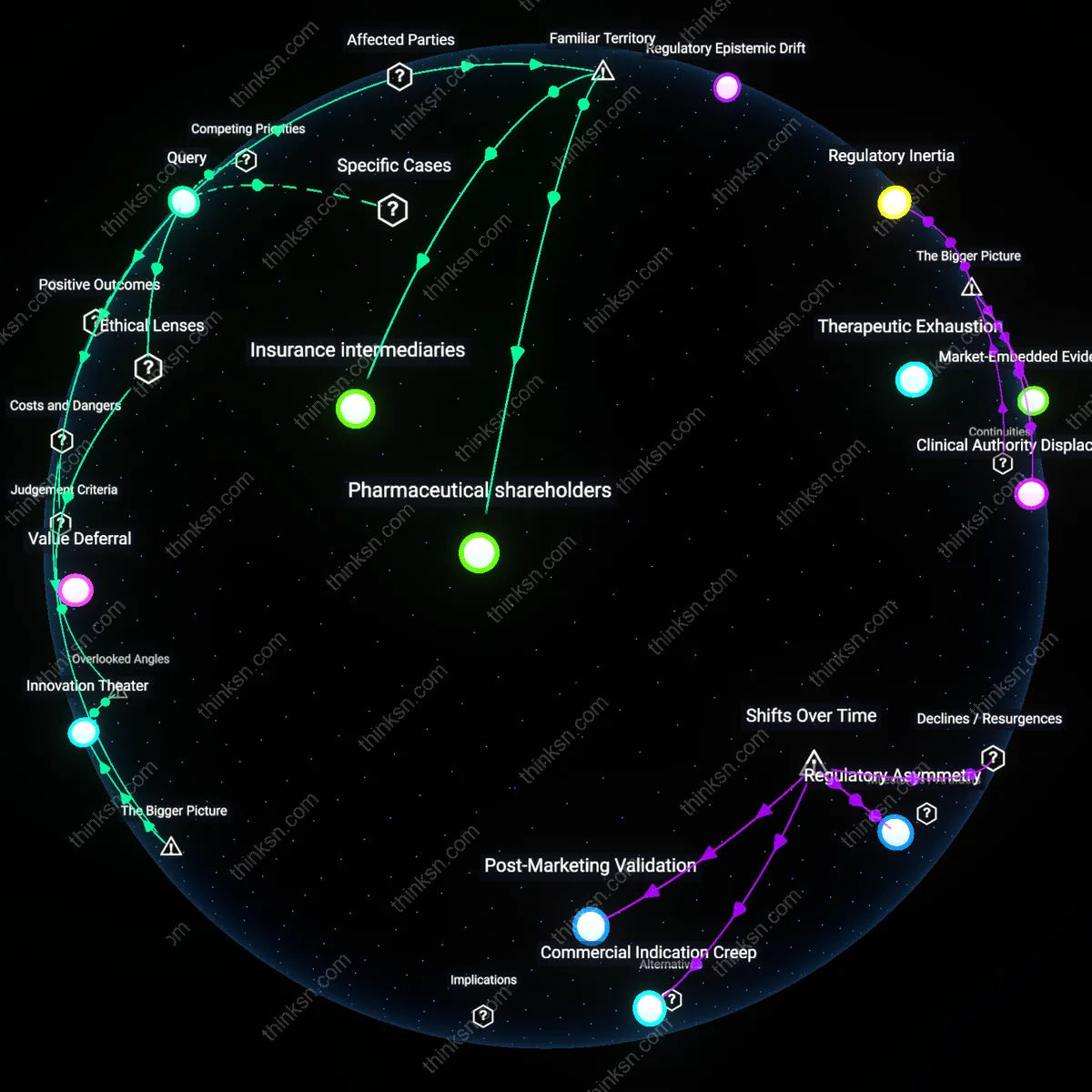
Regulatory Asymmetry Exploitation
Patients requiring Sofosbuvir-based hepatitis C treatments in Louisiana faced continued high costs and restricted access even after generic entry because Gilead’s voluntary licensing agreement excluded state Medicaid programs from low-cost distribution, exploiting a gap between federal approval of generics and state-level procurement policies. This bottleneck emerged from the deliberate design of tiered licensing agreements that allowed the patent holder to control downstream access while technically complying with generic competition mandates. The non-obvious insight here is that concentrated patent ownership enables selective market release strategies, where affordability is contingent on political jurisdiction rather than manufacturing capability.
Litigation Capacity Threshold
In the case of Pfizer’s enforcement of Viagra patents through multiple legal challenges against Teva and generic compounders, low-cost versions were delayed for years in Medicaid-dispersed markets due to the disproportionate legal resources required to contest challengers’ market entry. The causal bottleneck lies not in the validity of the patents themselves, but in the requirement that generic manufacturers absorb high litigation costs to reach distribution channels, a threshold small or publicly funded producers cannot clear. This reveals that access is constrained not by innovation scarcity but by institutional asymmetries in legal resilience—affordability hinges on a capacity to litigate, not merely to produce.
Price gouging visibility
Dominant pharmaceutical firms leverage concentrated patent portfolios to delay generic competition, causing immediate and dramatic price spikes for off-patent drugs in the US. Companies like Turing Pharmaceuticals, after acquiring exclusive rights to drugs such as darapladib or albuterol, drastically increase prices knowing that patent thickets and regulatory hurdles suppress generic market entry for years. This mechanism operates most visibly through secondary patents on delivery methods or dosing regimens—tactics that extend monopolies beyond the original compound patent. While the public associates high drug prices with corporate greed, the underappreciated reality is that patent density, not production cost or rarity, is the structural enabler of these price surges.
FDA approval bottleneck
A small number of patent-holding innovator companies strategically use the FDA's ANDA (Abbreviated New Drug Application) process to block generic versions even after patent expiration, directly limiting low-income patients’ access. Firms like Pfizer or AbbVie list dozens of patents per drug in the FDA's 'Orange Book', forcing generic manufacturers into prolonged litigation before approval—seen clearly in the delayed entry of generics for Humira and Lyrica. This operates through a system where patent challenges trigger automatic 30-month stays on generic approval, a mechanism embedded in the Hatch-Waxman Act. Although most people think generics fail due to manufacturing issues, the real bottleneck is the regulatory entanglement created by patent overfiling at the FDA level.
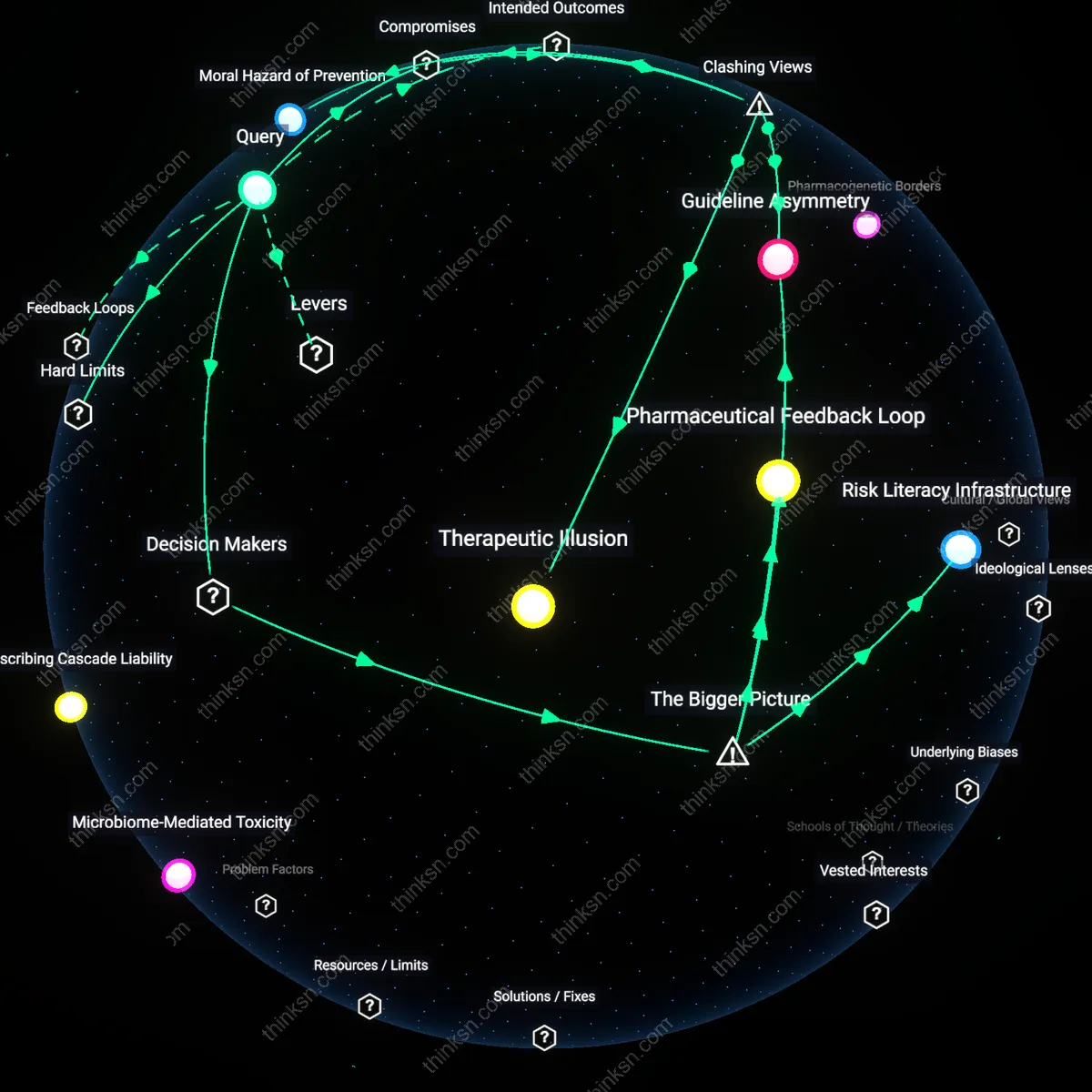
Pharmaceutical payoff circuit
Brand-name drug manufacturers pay generic companies to delay market entry through reverse-payment settlements, a practice most evident in the insulin and asthma medication markets involving firms like Mylan and Teva. These 'pay-for-delay' agreements are enabled by the concentration of patent ownership, which gives originator firms the leverage to offer financial incentives in exchange for prolonged exclusivity, as occurred with Celebrex and AndroGel. The deals operate within the legal ambiguity of antitrust enforcement, where settlements are challenged but rarely overturned. While the public sees generics as a natural price-lowering force, the hidden reciprocal economy between brand and generic firms reveals collusion sustained by patent control, not competition.