How Pay-for-Delay Deals Stifle Generic Competition?
Analysis reveals 5 key thematic connections.
Key Findings
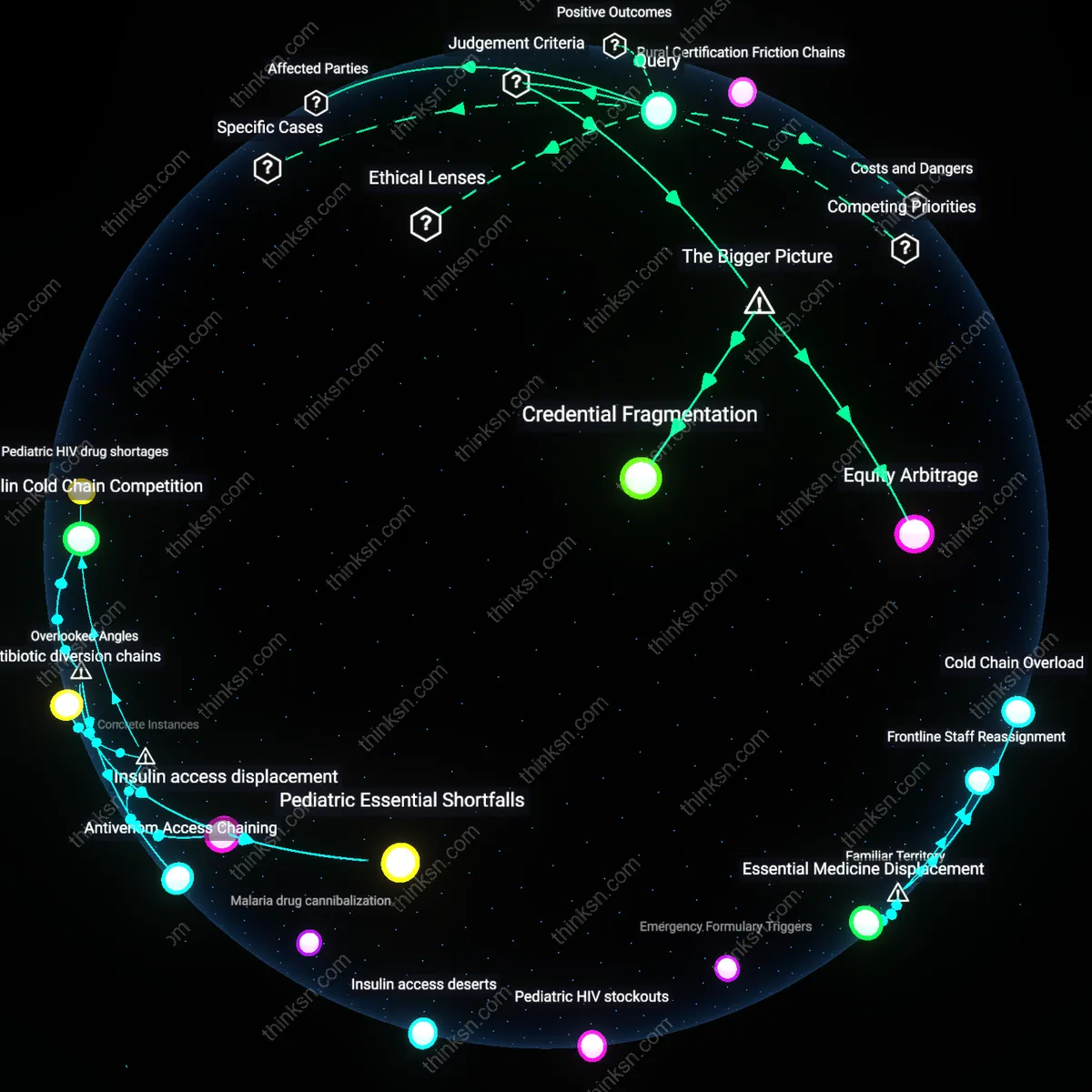
Regulatory Asymmetry
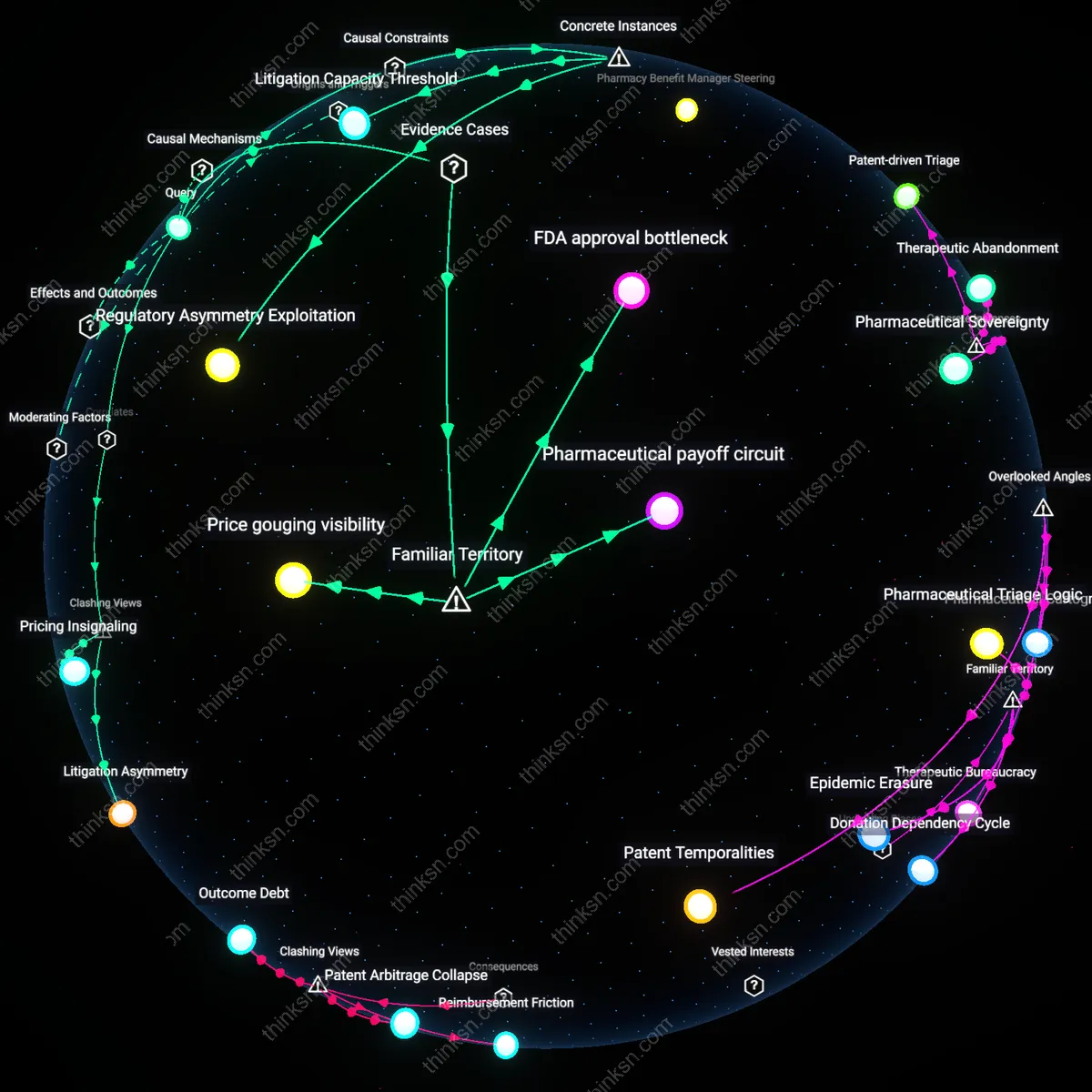
Pay-for-delay agreements emerge because patent challenge procedures under the Hatch-Waxman Act place generic manufacturers at a structural disadvantage in litigation speed and cost, enabling brand-name firms to exploit the FDA approval timeline by paying rivals to defer market entry. Brand-name companies leverage their deeper legal and regulatory resources to initiateParagraph 201 litigation stays and risk mitigation settlements, effectively converting patent uncertainty into exclusionary advantage. This reflects a non-obvious power imbalance not of market dominance alone, but of asymmetric access to regulatory process—where the very mechanism designed to encourage generic entry becomes a tool of delay. The system’s design allows incumbents to treat regulatory timelines as negotiable assets, distorting competition.
Regulatory Arbitrage
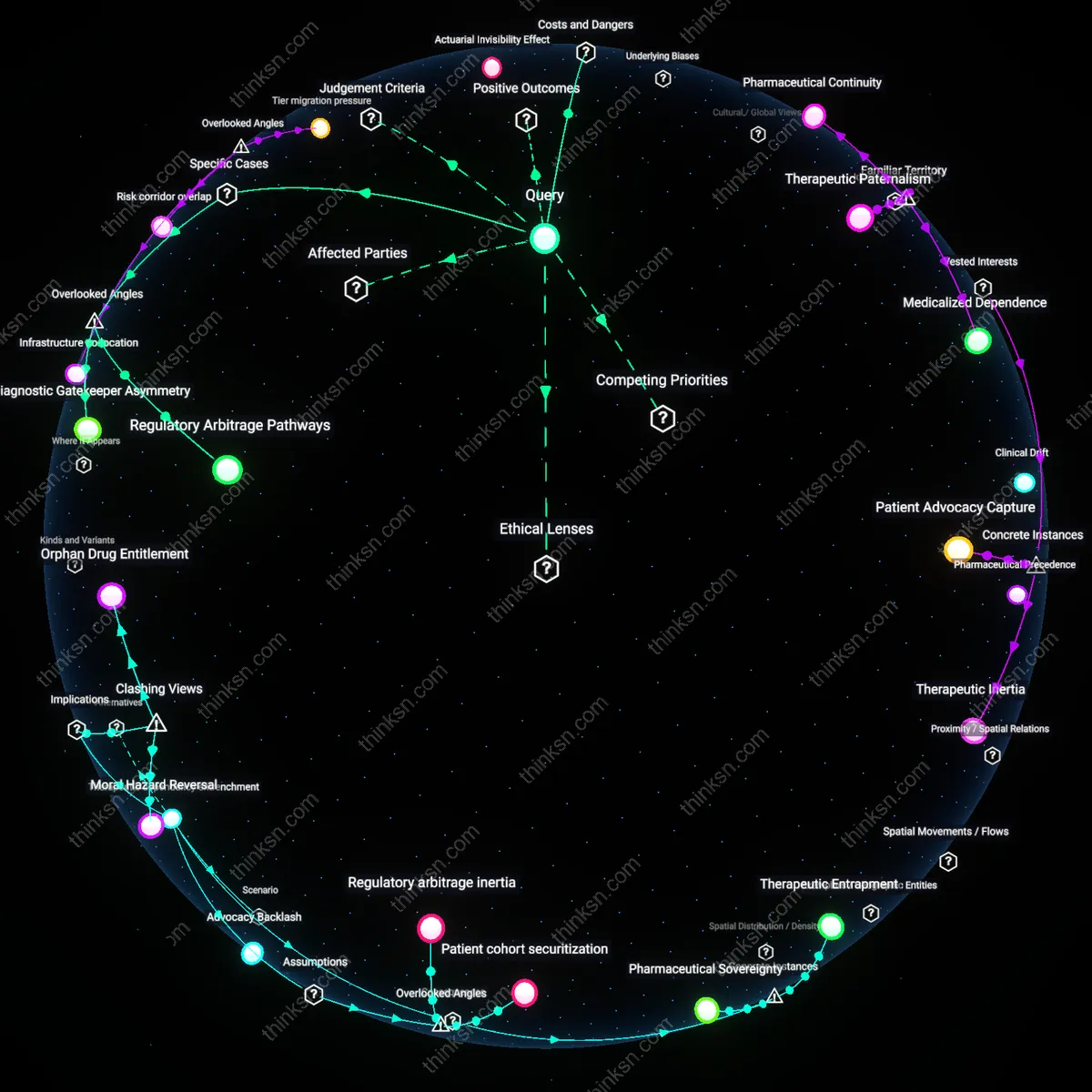
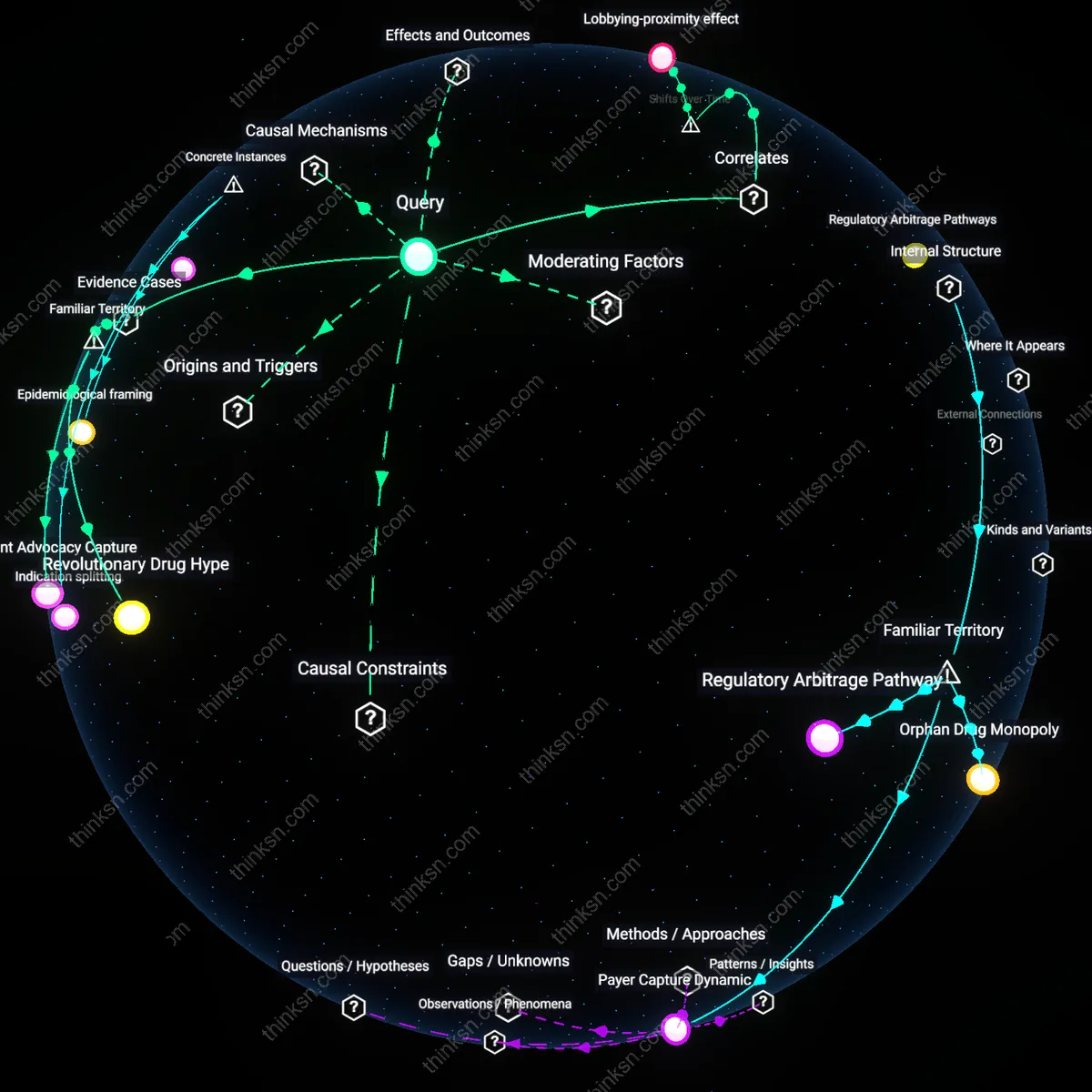
Pay-for-delay agreements persist not because of unregulated markets but because they exploit deliberate gaps between antitrust enforcement and drug approval timelines under the Hatch-Waxman Act, where the FDA’s authority stops and the FTC’s begins—yet neither fully intervenes. Generic manufacturers agree to delay market entry not out of coercion but through calculated settlements that leverage the dual status of patents as both technical documents and financial assets, turning regulatory ambiguity into a strategic bargaining chip. This reframes 'delay' not as corporate greed but as a rational response to a bifurcated legal structure, revealing how jurisdictional seams—rather than market failure—enable rent extraction at patient expense. The non-obvious insight is that stronger regulation in one domain (patent approval) actually intensifies manipulation in the interstices, contrary to the intuitive call for more oversight.
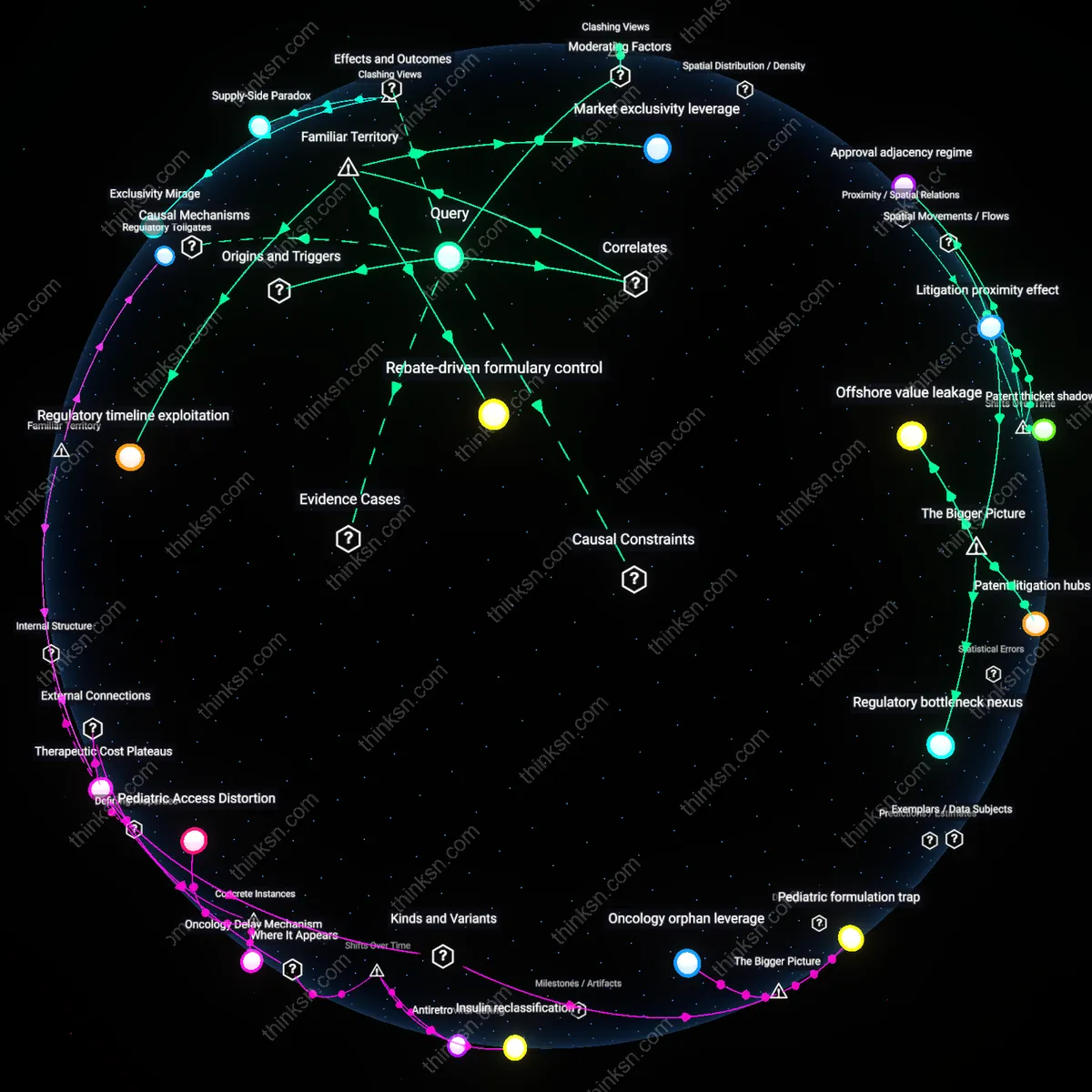
Market exclusivity leverage
Brand-name manufacturers extend monopoly pricing by delaying generic entry through pay-for-delay agreements. These deals transfer profits to generics in exchange for prolonged market exclusivity, exploiting patent litigation as a bargaining arena rather than a legal check. The mechanism operates through the FDA's approval pathway and the Hatch-Waxman Act’s settlement incentives, where the threat of generic competition becomes a negotiable asset. What’s underappreciated is that the legal system itself—designed to challenge weak patents—becomes a transactional space where access is bartered, not contested.
Rebate-driven formulary control
Pharmaceutical benefit managers (PBMs) favor high-list-price drugs with larger rebates, which brand-name manufacturers can sustain longer when generics are delayed. Pay-for-delay agreements preserve these revenue streams by preventing lower-priced alternatives from disrupting PBM contracts tied to rebate volume. This dynamic plays out in closed formularies and tiered insurance designs, where patient access is gated by economic alignment between insurers, PBMs, and innovator firms. The non-obvious insight is that patient access is not just blocked at the pharmacy, but pre-empted in back-end pricing contracts that reward delayed competition.
Regulatory timeline exploitation
Brand-name firms use the complexity and duration of ANDA approval processes to time settlements that expire just before generic launch windows, synchronizing delays with regulatory bottlenecks. By aligning pay-for-delay payouts with FDA review periods, incumbents stretch de facto market protection beyond patent terms without formally violating intellectual property rules. This occurs within the procedural rhythms of regulatory agencies, where predictability in approval timing enables strategic delay. The overlooked reality is that regulatory systems meant to ensure safety and efficacy are structurally repurposed to maintain access inequities.