AI Predictive Cybersecurity: Market Impact and User Freedoms
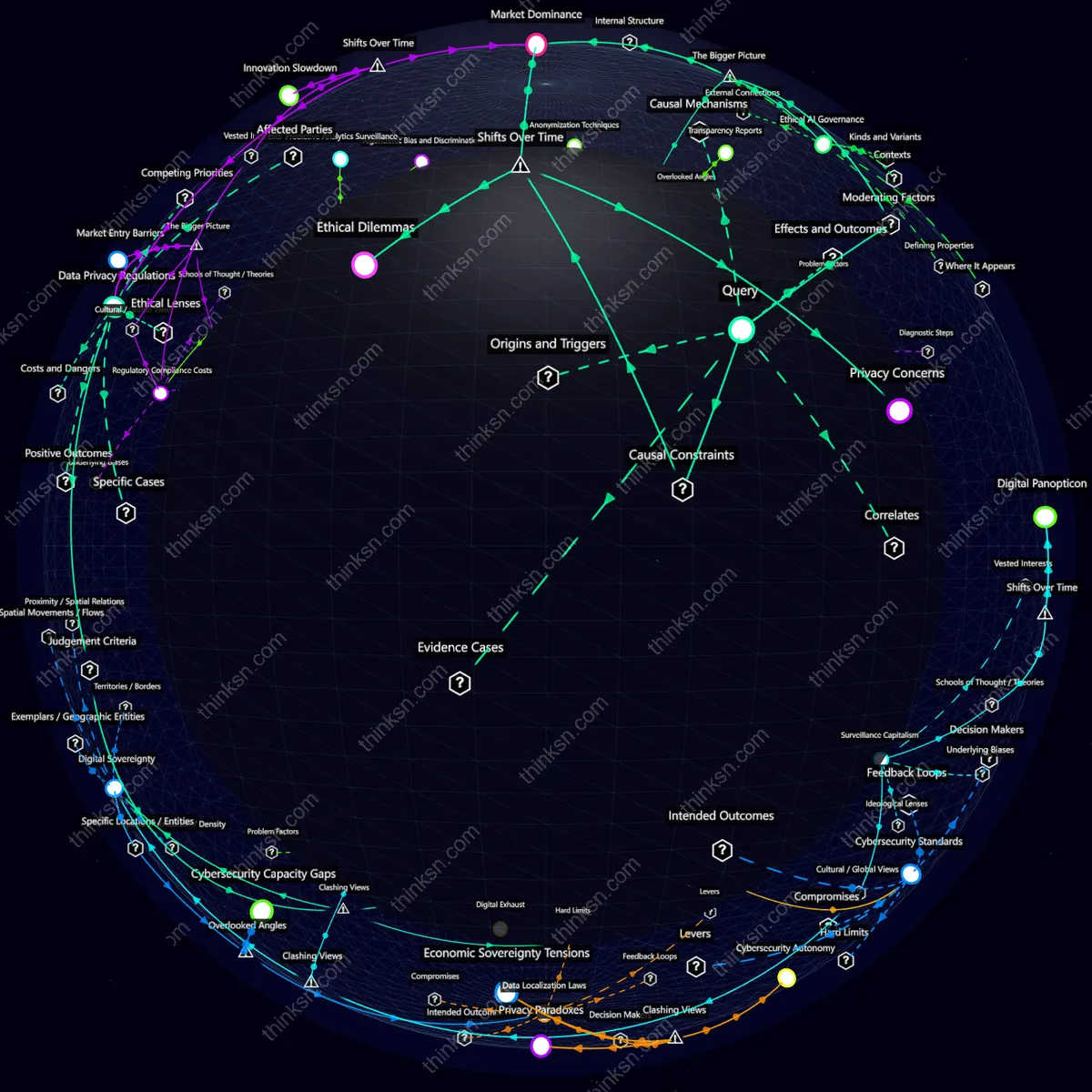
Analysis reveals 5 key thematic connections.
Key Findings
Data Privacy Concerns
Predictive AI in cybersecurity could intensify data privacy concerns as tech giants collect more personal data to enhance their algorithms. This may lead to public backlash and regulatory scrutiny, potentially stifling innovation if stringent rules are imposed.
Market Dominance
Tech giants developing predictive AI for cybersecurity might exacerbate market dominance, squeezing out smaller players due to high entry barriers. This consolidation could reduce competition and limit consumer choice in the long run, impacting market dynamics significantly.
Ethical AI Governance
The deployment of predictive AI by tech giants necessitates robust ethical governance frameworks to prevent misuse or bias. Without proper oversight, such technologies could inadvertently infringe on individual freedoms and privacy rights, leading to societal resistance and legal challenges.
Privacy Concerns
Predictive AI for cybersecurity developed by tech giants can exacerbate privacy concerns as it often requires monitoring user activities to detect potential threats, leading to a delicate balance between security and personal freedom. As these systems become more sophisticated, the risk of misuse or overreach by companies or governments increases, potentially undermining trust in digital technologies.
Ethical Dilemmas
The deployment of predictive AI for cybersecurity raises ethical dilemmas regarding consent and transparency. Users may be unaware of the extent to which their data is being analyzed, leading to potential conflicts between personal autonomy and security measures enforced by tech companies or regulatory bodies.
Deeper Analysis
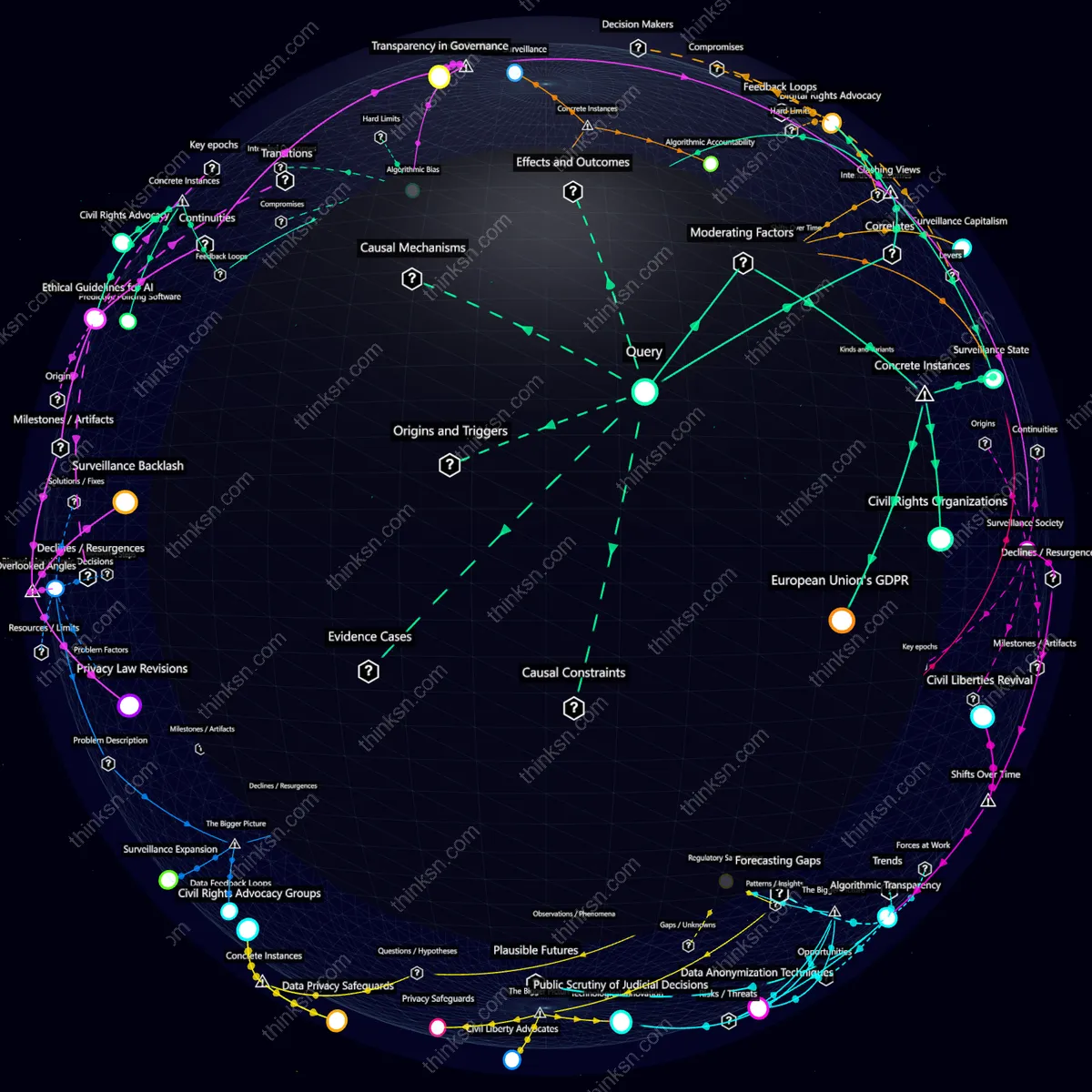
What strategies can be formulated to mitigate data privacy concerns arising from predictive AI for cybersecurity developed by a tech giant?
Transparency Reports
The publication of transparency reports by tech giants for AI-driven cybersecurity tools can shift public perception towards increased trust but may also expose operational details that adversaries could exploit, creating a delicate balance between privacy and security.
Data Minimization Policies
Implementing strict data minimization policies reduces the volume of personal information collected for predictive AI models, yet it complicates model effectiveness in detecting nuanced cybersecurity threats, potentially leaving companies vulnerable to advanced persistent threats that require comprehensive data analysis.
Anonymization Techniques
The deployment of anonymization techniques such as differential privacy can protect individual user data but introduces challenges in maintaining the utility and accuracy of AI models for predictive cybersecurity. This trade-off requires ongoing research to find a balance between privacy protection and effective threat detection.
Predictive Analytics Surveillance
Tech giants' predictive AI for cybersecurity constantly monitors user behavior to prevent threats, but this surveillance also captures vast amounts of personal data. This intrusive monitoring can lead users to feel a loss of privacy and autonomy, fostering an atmosphere of distrust between tech companies and their customers.
Regulatory Compliance Costs
Implementing stringent data protection regulations to address data privacy concerns significantly increases operational costs for tech giants. This financial burden may force companies to prioritize profit over user privacy, leading to potential compromises in the robustness of security measures and the transparency of data handling practices.
Algorithmic Bias and Discrimination
The predictive models used by cybersecurity AI systems can inadvertently perpetuate existing social biases if trained on biased datasets. This could result in discriminatory outcomes, such as heightened surveillance or restrictions for certain demographic groups, exacerbating societal inequalities under the guise of enhanced security.
Explore further:
- What are the potential trade-offs and measurable impacts on individual freedoms if data minimization policies are not implemented alongside predictive AI for cybersecurity developed by a tech giant?
- What are the potential regulatory compliance costs for smaller cybersecurity firms if a tech giant introduces advanced predictive AI in the market, and how might this affect innovation and competition?
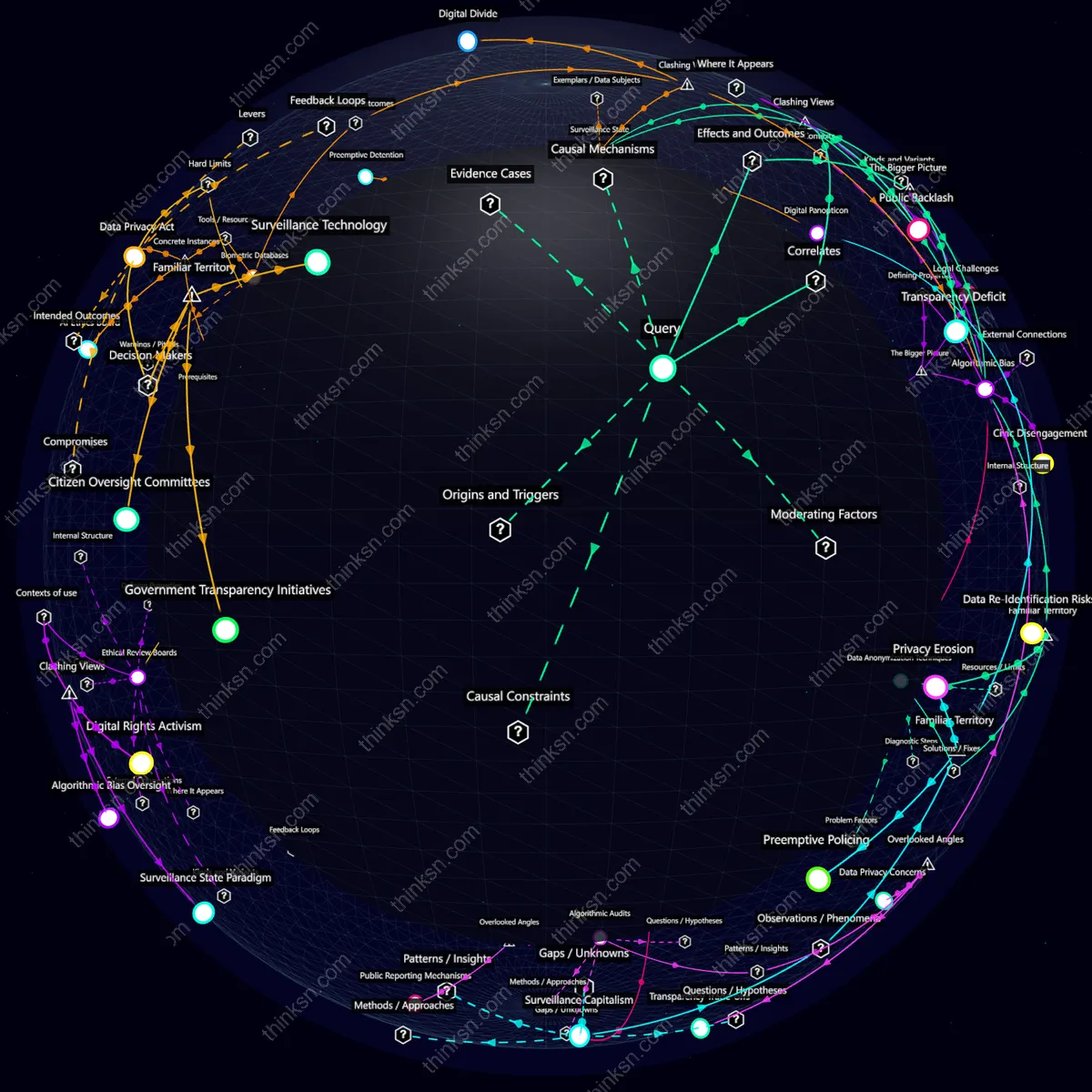
What are the potential regulatory compliance costs for smaller cybersecurity firms if a tech giant introduces advanced predictive AI in the market, and how might this affect innovation and competition?
Data Privacy Regulations
As tech giants introduce advanced predictive AI, smaller cybersecurity firms face escalating data privacy regulations. This could force them to invest heavily in compliance, diverting resources from innovation and customer service.
Market Entry Barriers
The introduction of cutting-edge AI by large corporations might increase regulatory scrutiny on all players in the market, potentially raising entry barriers for smaller cybersecurity firms. This shift could stifle competition and limit access to emerging technologies for new entrants.
Global Regulatory Variability
Smaller cybersecurity firms operating internationally face varying interpretations of AI regulations across different cultures and regions. For instance, Western countries often prioritize innovation and rapid deployment over strict compliance, while non-Western nations might enforce more stringent rules, creating a complex landscape for global players.
Market Dominance
The introduction of advanced AI by tech giants can lead to a perception that smaller firms cannot compete without similar technologies. This pressures them into adopting costly compliance measures, reinforcing market dominance by larger entities and discouraging startup innovation due to the high barrier to entry.
Innovation Slowdown
Smaller cybersecurity firms may prioritize regulatory compliance over R&D investments in innovative solutions. This focus can result in slower adaptation to emerging threats, reducing their ability to compete with tech giants that have more resources and a broader customer base for data-driven improvements.
Explore further:
- What are the potential trade-offs and measurable impacts on data privacy regulations if a tech giant implements predictive AI for cybersecurity, and how could this affect individual freedoms?
- What is the impact of global regulatory variability on the implementation and effectiveness of predictive AI for cybersecurity developed by a tech giant in different markets?
What are the potential trade-offs and measurable impacts on data privacy regulations if a tech giant implements predictive AI for cybersecurity, and how could this affect individual freedoms?
Surveillance Capitalism
Tech giants implementing predictive AI for cybersecurity can exploit data privacy regulations to surveil users more effectively. This shift may lead to a surveillance capitalist model where personal data is commodified and used without explicit user consent, undermining the intended protections of data privacy laws.
Digital Sovereignty
The reliance on predictive AI by tech giants can challenge national digital sovereignty as such technologies often require centralized control over vast datasets. This could lead to conflicts between global tech companies and governments enforcing strict data localization policies, thereby testing the limits of international cooperation in protecting privacy.
Algorithmic Bias
Predictive AI used for cybersecurity might introduce algorithmic biases that disproportionately affect certain demographics or groups. This could result in unfair surveillance practices and legal challenges to data privacy regulations based on accusations of discriminatory enforcement, highlighting the ethical dilemmas inherent in automated decision-making.
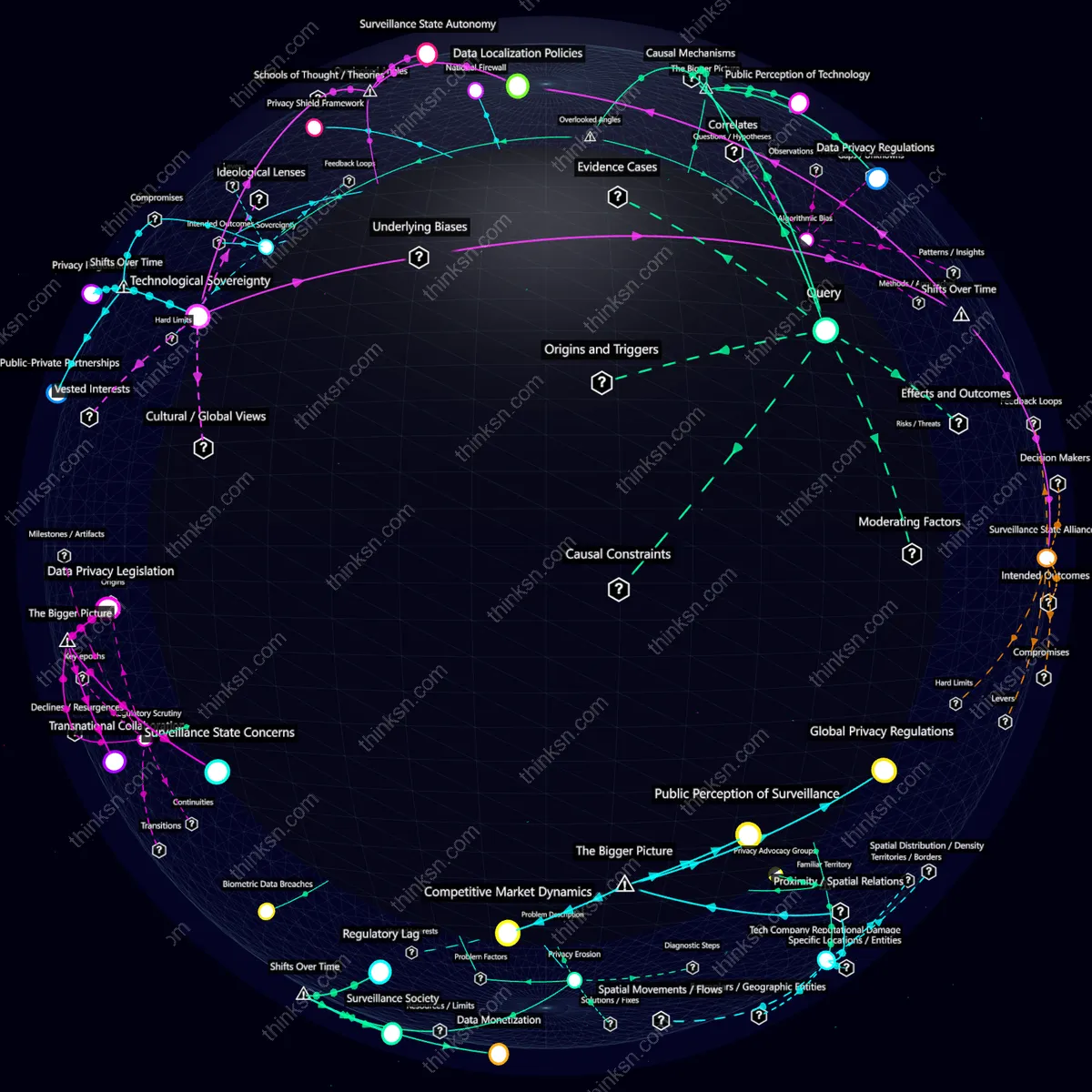
What is the impact of global regulatory variability on the implementation and effectiveness of predictive AI for cybersecurity developed by a tech giant in different markets?
Data Privacy Laws
Differing data privacy laws across countries force tech giants to develop market-specific AI models for cybersecurity, often leading to delayed product launches and increased development costs. This fragmented approach can also reduce the effectiveness of predictive analytics due to limited cross-border data sharing.
Cybersecurity Standards
Varying cybersecurity standards create compliance challenges for tech giants as they must adapt their AI-driven security solutions to comply with local regulations, risking inconsistencies in product quality and operational efficiency. This can lead to vulnerabilities when companies cut corners to meet tight deadlines or stringent requirements.
Jurisdictional Compliance
Navigating jurisdictional compliance issues often requires tech giants to establish separate legal teams for each market, increasing overhead costs and creating bottlenecks in the deployment of predictive AI systems. This complexity can also hinder innovation by diverting resources from research and development to regulatory compliance.
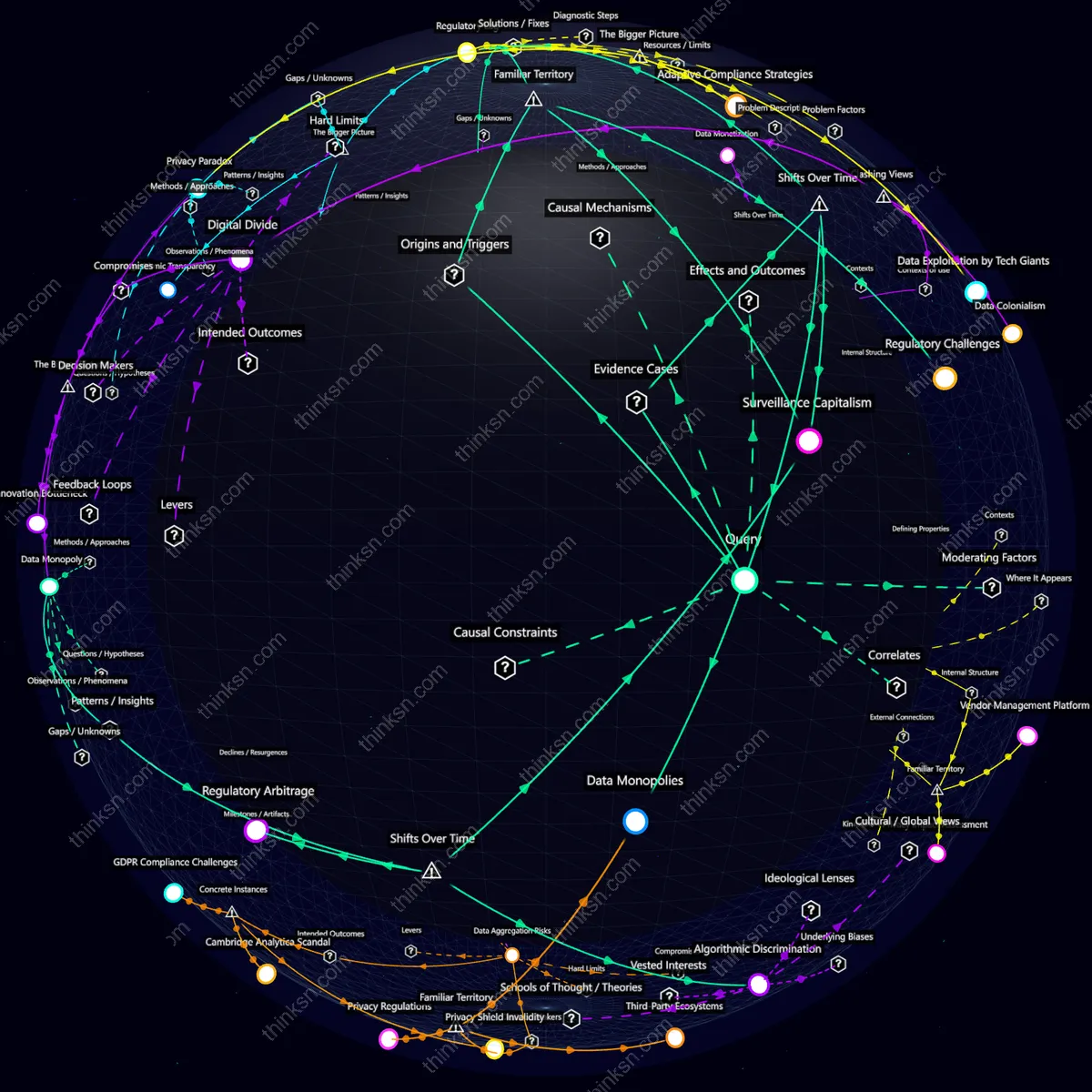
What are the potential implications of surveillance capitalism when a tech giant develops predictive AI for cybersecurity, and how might this affect individual freedoms?
Digital Panopticon
Predictive AI in cybersecurity under surveillance capitalism transforms the digital space into a digital panopticon. As tech giants monitor and predict user behaviors to prevent cyber threats, individuals feel constantly watched and their privacy eroded. This creates a chilling effect where people self-censor online activities out of fear, fundamentally altering free expression and personal autonomy.
Privacy Erosion
As tech giants develop predictive AI for cybersecurity under surveillance capitalism, the line between protecting individuals from threats and exploiting personal data blurs. This shift could lead to a scenario where privacy erosion is justified in the name of security, creating a fragile dependency on these companies for both safety and convenience.
Digital Sovereignty
In contrast to Western views that often prioritize individual freedoms over collective security, non-Western cultures might see surveillance capitalism as a means to achieve digital sovereignty. This perspective emphasizes state control and regulation of personal data as a way to protect against foreign exploitation, presenting an alternative framework where privacy is seen through the lens of national identity and cultural values.
Explore further:
- What are the measurable impacts on individual privacy and freedom when a tech giant implements predictive AI in cybersecurity, and how might these trade-offs lead to systemic failures or strains?
- How might predictive AI for cybersecurity, developed by a tech giant, influence digital sovereignty across different regions and how is this spatially distributed?
What are the measurable impacts on individual privacy and freedom when a tech giant implements predictive AI in cybersecurity, and how might these trade-offs lead to systemic failures or strains?
Surveillance Capitalism
As tech giants implement predictive AI in cybersecurity, they leverage vast datasets to refine their surveillance tactics, creating a feedback loop where user data becomes both the currency and the fuel for enhanced monitoring. This results in a pervasive environment where individuals are constantly under scrutiny, leading to self-censorship and a chilling effect on free expression.
Algorithmic Bias
Predictive AI systems often inherit biases present in their training data, which can disproportionately affect marginalized communities. As these algorithms evolve through continuous learning from user behavior, they may exacerbate existing social inequalities, leading to a scenario where certain groups face heightened scrutiny and reduced privacy due to systemic prejudices.
Digital Exhaust
The implementation of predictive AI in cybersecurity generates an overwhelming amount of digital exhaust—data traces left by each interaction. This exhaust complicates efforts towards data minimization, making it nearly impossible for individuals to maintain control over their personal information, thus eroding privacy and increasing the risk of misuse or unauthorized access.
How might predictive AI for cybersecurity, developed by a tech giant, influence digital sovereignty across different regions and how is this spatially distributed?
Data Localization Laws
Predictive AI developed by tech giants can exacerbate regional tensions over data localization laws. As regions like Europe enforce strict data residency requirements to protect local digital sovereignty, tech firms face complex logistical and legal challenges. This spatial distribution of regulatory frameworks can fragment global cybersecurity efforts, making it harder for predictive AI systems to operate seamlessly across borders.
Cybersecurity Capacity Gaps
The deployment of advanced predictive AI in cybersecurity by large tech companies may widen the cybersecurity capacity gap between developed and developing nations. While wealthy countries can afford cutting-edge AI solutions, less affluent regions might struggle to adopt or integrate such technologies, leading to a digital security divide that undermines global stability and increases vulnerability for smaller states.
What are the potential biases in predictive AI for cybersecurity developed by a tech giant, and how might these biases impact individual freedoms and market dynamics from diverse perspectives?
Data Skew
As tech giants develop predictive AI for cybersecurity, data skew emerges from biased training datasets, disproportionately impacting marginalized communities. This leads to discriminatory false positives and negatives, reinforcing existing social inequalities.
Surveillance Capitalism
Algorithmic bias in predictive cyber tools enables surveillance capitalism, where companies exploit user data for profit. This can lead to invasive monitoring of individual freedoms and manipulation of market dynamics through targeted advertising, undermining democratic principles.
Ethical Oversight
The lack of robust ethical oversight exacerbates algorithmic bias in predictive AI systems, leading to fragile dependencies on flawed decision-making models. This can result in significant social harm if not addressed proactively by regulatory bodies and industry leaders.
What strategies can be formulated to address potential conflicts between predictive AI for cybersecurity developed by a tech giant and data localization laws, and how might these interventions impact individual freedoms?
Cybersecurity Autonomy
Data localization laws can hinder a tech giant's predictive AI for cybersecurity, forcing it to operate within national boundaries. This fragmentation creates silos of autonomy that may weaken global threat detection and response capabilities.
Privacy Paradoxes
While data localization is intended to enhance privacy by keeping sensitive information within a country's jurisdiction, paradoxically, it can undermine individual freedoms if governments misuse the localized data for surveillance or censorship under the guise of national security.
Economic Sovereignty Tensions
Tech giants may push back against stringent localization laws due to economic interests, arguing that global data flow is crucial for their business models. This tension can strain diplomatic relations and economic ties between countries with differing technological development stages.