What Happens When Social Media Giants Enforce Universal Truth Verification?
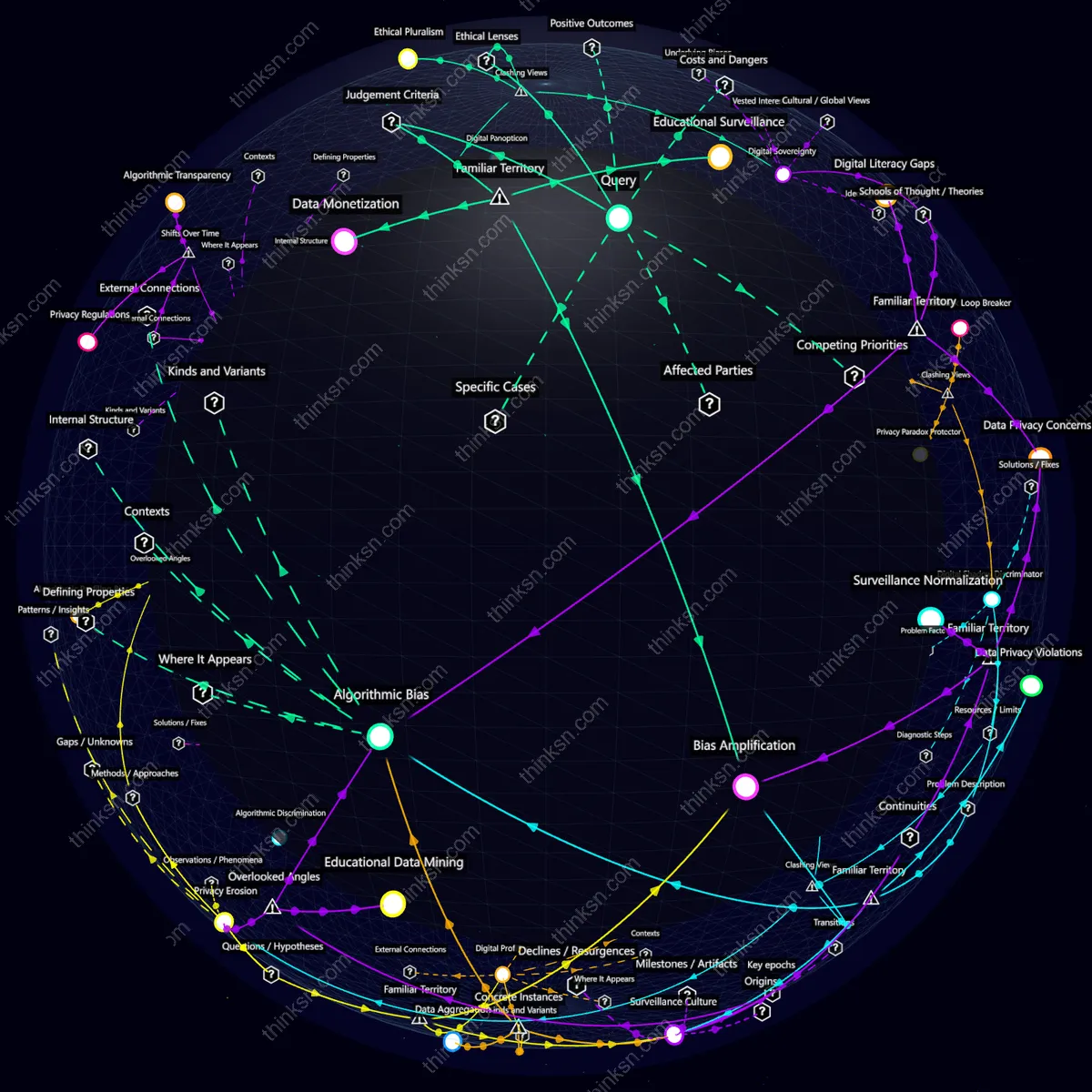
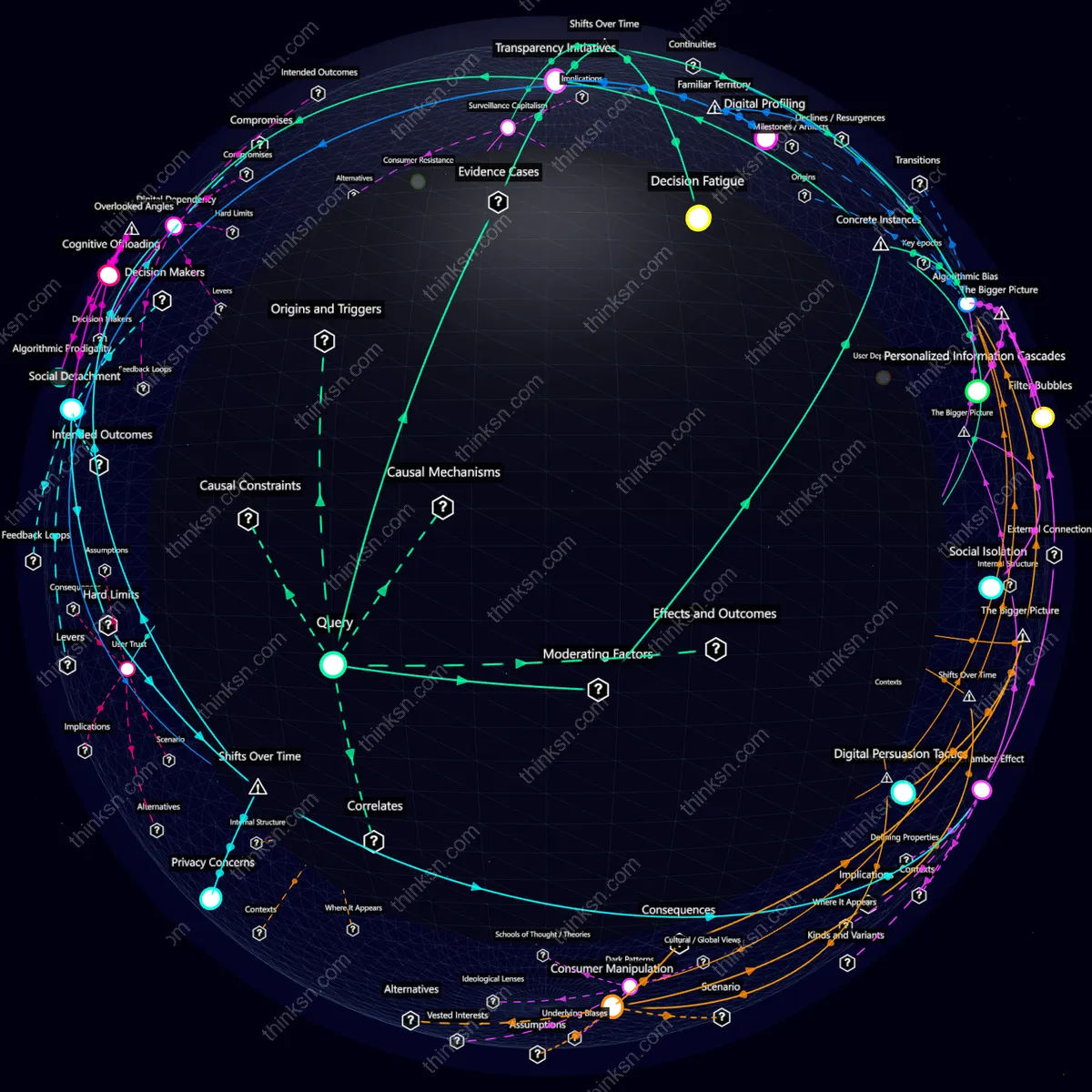
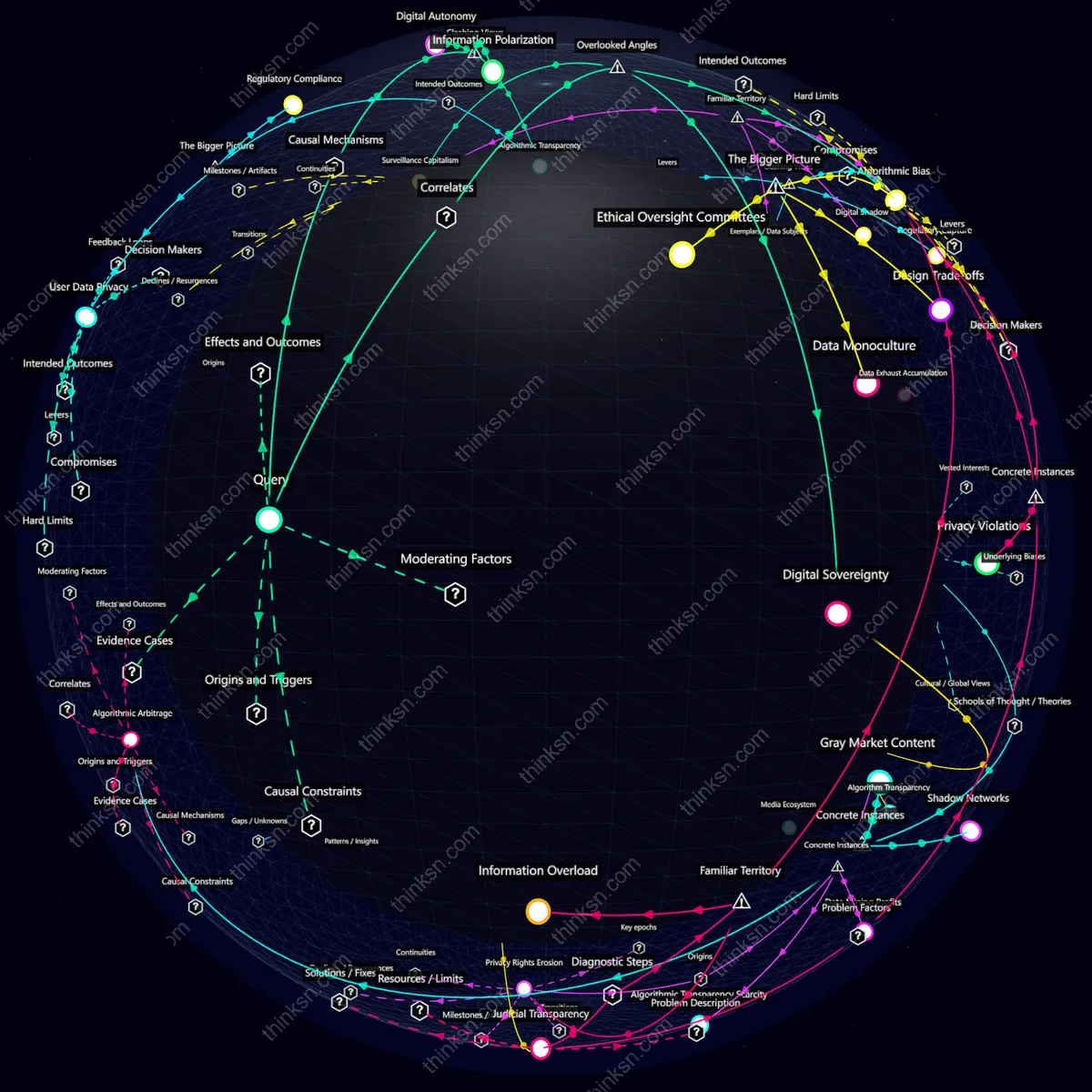
Analysis reveals 6 key thematic connections.
Key Findings
Digital Autonomy
The implementation of universal truth verification systems could undermine digital autonomy by forcing users to conform to a narrow definition of 'truth', stifling diverse perspectives and potentially silencing marginalized voices. Social media giants, acting as gatekeepers, risk becoming arbiters of acceptable discourse.
Algorithmic Transparency
While intended to enhance trust, universal truth verification systems may paradoxically reduce algorithmic transparency. As these systems become more complex and opaque, users might lose the ability to understand how decisions are made about what content is true or false, leading to a loss of control over their online experiences.
Information Polarization
Ironically, efforts to combat misinformation could exacerbate information polarization. If social media giants enforce strict verification protocols, they might inadvertently push dissenting views and alternative narratives into fringe platforms or underground communities, deepening ideological divides and reinforcing echo chambers.
Digital Sovereignty
The implementation of universal truth verification systems could paradoxically undermine digital sovereignty by concentrating power over information in the hands of a few social media giants, leading to potential geopolitical tensions and conflicts over data control.
Algorithmic Bias
While aiming to verify truths, these systems may inadvertently amplify algorithmic biases due to underlying datasets or programming assumptions, thereby skewing public perception and reinforcing existing societal inequalities in subtle ways.
Surveillance Capitalism
The drive towards universal truth verification could fuel surveillance capitalism by incentivizing social media companies to collect even more granular data on users for the sake of accuracy and control, raising serious privacy concerns despite noble intentions.
Deeper Analysis
What strategies can be formulated to ensure algorithmic transparency in universal truth verification systems implemented by social media giants, and how might these impact societal trust and technological development?
Algorithmic Bias
The drive for transparency can reveal biases that were previously hidden, leading to public backlash against social media platforms. This could force companies like Facebook and Twitter to adopt more rigorous but costly fairness audits, potentially stifling innovation if not managed properly.
Privacy Erosion
Pushing for algorithmic transparency may lead to increased sharing of user data with the public or regulators. This could erode privacy protections and increase risks for individuals, particularly minorities and activists whose sensitive information might be exposed.
Regulatory Capture
Efforts to enforce transparency can result in tech companies working closely with regulatory bodies, which may lead to a form of regulatory capture where the interests of these firms become intertwined with those of regulators. This could undermine public trust and lead to regulations that favor large corporations over smaller competitors or startups.
Regulatory Compliance
Social media giants face a delicate balance between adhering to regulatory compliance for algorithmic transparency and maintaining competitive edge through proprietary technology. Overemphasis on compliance can stifle innovation, while neglect may invite legal scrutiny and public backlash.
User Data Privacy
Pushing for greater algorithmic transparency exposes the intricate trade-offs between user data privacy and platform functionality. Increased visibility into algorithms could lead to enhanced trust but also risks overexposure of personal information, potentially triggering regulatory intervention or public panic.
Explore further:
- What are the potential quantitative measures and systemic pressures that could indicate privacy erosion due to universal truth verification systems in social media platforms?
- What strategies can social media companies implement to protect user data privacy while integrating universal truth verification systems?
What are the potential quantitative measures and systemic pressures that could indicate privacy erosion due to universal truth verification systems in social media platforms?
Data Exhaust Accumulation
The proliferation of universal truth verification systems in social media intensifies data exhaust accumulation, where users leave a trail of personal information every time they engage online. This relentless collection and analysis of granular behavioral data can lead to unforeseen privacy breaches as companies or third-party entities exploit these vast datasets for targeted advertising or surveillance, undermining user trust and autonomy.
Algorithmic Bias Amplification
Universal truth verification systems, while designed to ensure transparency and honesty, may inadvertently amplify algorithmic biases when they rely on existing social media data for validation. This can result in skewed representations of reality that disproportionately affect marginalized groups, further entrenching societal inequalities through automated mechanisms, thus complicating efforts towards equitable privacy protection.
Legal Vacuum Exploitation
As truth verification systems become more ubiquitous on social media platforms, regulatory frameworks often struggle to keep pace, creating legal vacuums that are exploited by malicious actors. This loophole allows for the manipulation of personal data under the guise of verification, leading to increased privacy erosion as users' information is compromised without adequate protection or recourse.
Surveillance Capitalism
Social media platforms implementing universal truth verification systems exploit user data to create detailed behavioral profiles, enhancing surveillance capitalism's grip. This amplifies privacy erosion as users become unwitting participants in a system that profits from their personal information and digital footprints.
Digital Shadow
The deployment of these systems increases the visibility of each user’s digital shadow, making it harder to maintain anonymity or control over personal data. This heightened exposure can lead to psychological distress and social ostracism for individuals whose online activities are scrutinized and judged.
Algorithmic Bias
Universal truth verification systems, designed ostensibly to promote transparency and accountability, inadvertently exacerbate algorithmic biases by embedding prejudiced assumptions in their design. This not only undermines the integrity of these platforms but also disproportionately impacts marginalized communities, deepening social inequalities.
Explore further:
- How might the integration of universal truth verification systems by social media giants evolve over time in relation to algorithmic bias amplification?
- What potential legal vacuum exploitation strategies might emerge as social media giants implement universal truth verification systems, and how could these impact society and technology from diverse perspectives?
How might the integration of universal truth verification systems by social media giants evolve over time in relation to algorithmic bias amplification?
Digital Redlining
The integration of universal truth verification systems could inadvertently perpetuate digital redlining by embedding biases in data classification algorithms. This would disproportionately affect marginalized communities, who may already face barriers to accessing accurate information.
Algorithmic Accountability Courts
Establishing algorithmic accountability courts might seem like a solution but could become a bureaucratic nightmare, delaying necessary updates and adaptations of truth verification systems. Such delays can exacerbate the amplification of biases in real-time social media interactions, where immediacy is paramount.
Echo Chamber Metrics
The reliance on echo chamber metrics to assess system effectiveness could lead to a false sense of security about bias reduction. Overemphasis on these metrics may cause companies to overlook the deep-seated structural biases in their systems, leading to superficial changes that do little to address underlying issues.
What potential legal vacuum exploitation strategies might emerge as social media giants implement universal truth verification systems, and how could these impact society and technology from diverse perspectives?
Algorithmic Arbitrage
Social media companies implementing universal truth verification could lead to algorithmic arbitrage where sophisticated actors exploit differences in verification standards across platforms. This creates a legal vacuum as jurisdictions struggle to harmonize regulations, potentially enabling the spread of misinformation through loopholes.
Shadow Networks
The emergence of shadow networks—hidden or encrypted social media channels—could represent a direct response to universal truth verification systems, allowing users to evade detection and regulation. These underground platforms may flourish in the legal vacuum, facilitating illegal activities like cybercrime and human trafficking.
Gray Market Content
A gray market for content could develop as creators produce material tailored specifically for regions or communities with less stringent verification systems, exploiting legal ambiguities. This content might include politically sensitive discussions or culturally specific narratives that face censorship elsewhere, highlighting the fragility of global regulatory frameworks.
What are the potential implications and emerging insights if social media companies establish Algorithmic Accountability Courts to verify universal truth claims?
Judicial Transparency
Establishing Algorithmic Accountability Courts could radically enhance judicial transparency by mandating public disclosure of algorithmic decision-making processes. However, this heightened visibility may also expose sensitive proprietary technologies to exploitation or reverse-engineering by malicious actors.
Algorithm Bias Mitigation
These courts might foster innovation in mitigating biases within social media algorithms through rigorous testing and validation. Yet, the complexity of ensuring fairness across diverse cultural contexts could lead to regulatory overreach, stifling technological advancement or exacerbating existing power imbalances.
User Accountability
By creating Algorithmic Accountability Courts, users might experience an increased sense of accountability for their content contributions. This shift could empower individuals to demand more ethical and transparent practices from social media companies but also lead to a chilling effect on free speech due to fear of legal repercussions.
Digital Sovereignty
The establishment of Algorithmic Accountability Courts could redefine digital sovereignty by centralizing control over truth verification in social media companies. This shift would empower these entities to dictate the narrative and potentially overshadow national regulatory bodies, creating a fragmented landscape where global issues are managed locally.
Algorithm Transparency
As Algorithmic Accountability Courts scrutinize algorithms for verifying universal truths, the demand for transparency in algorithmic operations will surge. This push could lead to greater public awareness of opaque decision-making processes but also raises concerns about the potential misuse of data and privacy breaches as companies may prioritize internal controls over user rights.
Media Ecosystem
The introduction of Algorithmic Accountability Courts would disrupt the traditional media ecosystem by shifting verification responsibilities from independent fact-checkers to social media platforms. This transformation might lead to a homogenized information landscape, where diverse viewpoints are sidelined in favor of company-approved narratives.
Explore further:
- What are the potential systemic failures and measurable strains on judicial transparency if social media giants implement universal truth verification systems?
- In what ways could algorithm bias mitigation strategies influence the societal and technological impacts of universal truth verification systems on social media platforms?
What are the potential systemic failures and measurable strains on judicial transparency if social media giants implement universal truth verification systems?
Algorithmic Bias
The implementation of universal truth verification systems by social media giants can inadvertently amplify algorithmic bias within legal proceedings. For instance, when court rulings rely on data from biased algorithms, it undermines judicial transparency and fairness, potentially disenfranchising marginalized communities.
Privacy Violations
Social media platforms' truth verification systems may compel individuals to disclose private information to prove their identity or validate claims. This could lead to privacy violations if sensitive data is mishandled or misused, creating a chilling effect on free speech and access to justice in public forums.
Regulatory Capture
Tech companies' influence over truth verification mechanisms might result in regulatory capture, where the interests of these corporations shape legal standards rather than public interest. For example, the prioritization of corporate profits over transparency could lead to skewed enforcement practices that favor powerful entities.
Privacy Rights Erosion
Social media giants implementing such systems could lead to increased surveillance and data collection, eroding privacy rights and making it harder for individuals involved in legal proceedings to maintain confidentiality. This could deter whistleblowers or witnesses from coming forward, weakening the integrity of judicial processes.
Information Overload
The deployment of these systems can generate an overwhelming amount of data and alerts about alleged false information related to legal cases. This overload can distract judges and lawyers from focusing on substantive justice issues, leading to delays in court proceedings and a potential deterioration in the quality of judicial decisions.
Explore further:
- What strategies can be implemented to mitigate algorithmic bias in universal truth verification systems by social media giants, and how would these interventions impact society and technology?
- How might the evolution of universal truth verification systems by social media giants over time lead to an erosion of privacy rights, and what are the mechanisms behind this trajectory?
What strategies can be implemented to mitigate algorithmic bias in universal truth verification systems by social media giants, and how would these interventions impact society and technology?
Design Trade-offs
Social media giants often prioritize speed over accuracy to maintain user engagement, leading to algorithmic bias that disproportionately amplifies certain viewpoints. This compromise can exacerbate societal divisions and limit the diversity of information available to users.
Data Monoculture
Over-reliance on a single data source or model structure can create a monoculture where diverse perspectives are stifled, reinforcing existing biases within algorithmic systems. This fragility increases when platforms use user engagement metrics as the sole feedback loop for content prioritization.
Ethical Oversight Committees
Establishing independent ethical oversight committees can help mitigate algorithmic bias by providing critical checks and balances. However, these committees must be vigilant to avoid becoming mere public relations tools or failing to address the root causes of bias in AI systems.
How might the evolution of universal truth verification systems by social media giants over time lead to an erosion of privacy rights, and what are the mechanisms behind this trajectory?
Data Mining Profits
Social media giants increasingly rely on data mining to drive advertising profits, incentivizing them to collect ever more detailed personal information from users. This relentless pursuit of user data undermines privacy rights as companies navigate the fine line between maximizing ad revenue and respecting user consent.
Algorithmic Transparency Scarcity
The opaqueness of social media algorithms makes it difficult for users to understand how their personal information is being used. This lack of transparency creates a power imbalance, allowing companies to justify privacy intrusions under the guise of improving user experience or safety.
Surveillance Capitalism
Social media platforms adopt surveillance capitalism practices, transforming users into products by monetizing their data. As these systems evolve, they erode privacy rights through subtle manipulations like tailored content that subtly encourages users to share more personal information than necessary.