AI Predicts Unrest: Preemptive Action vs Citizen Rights
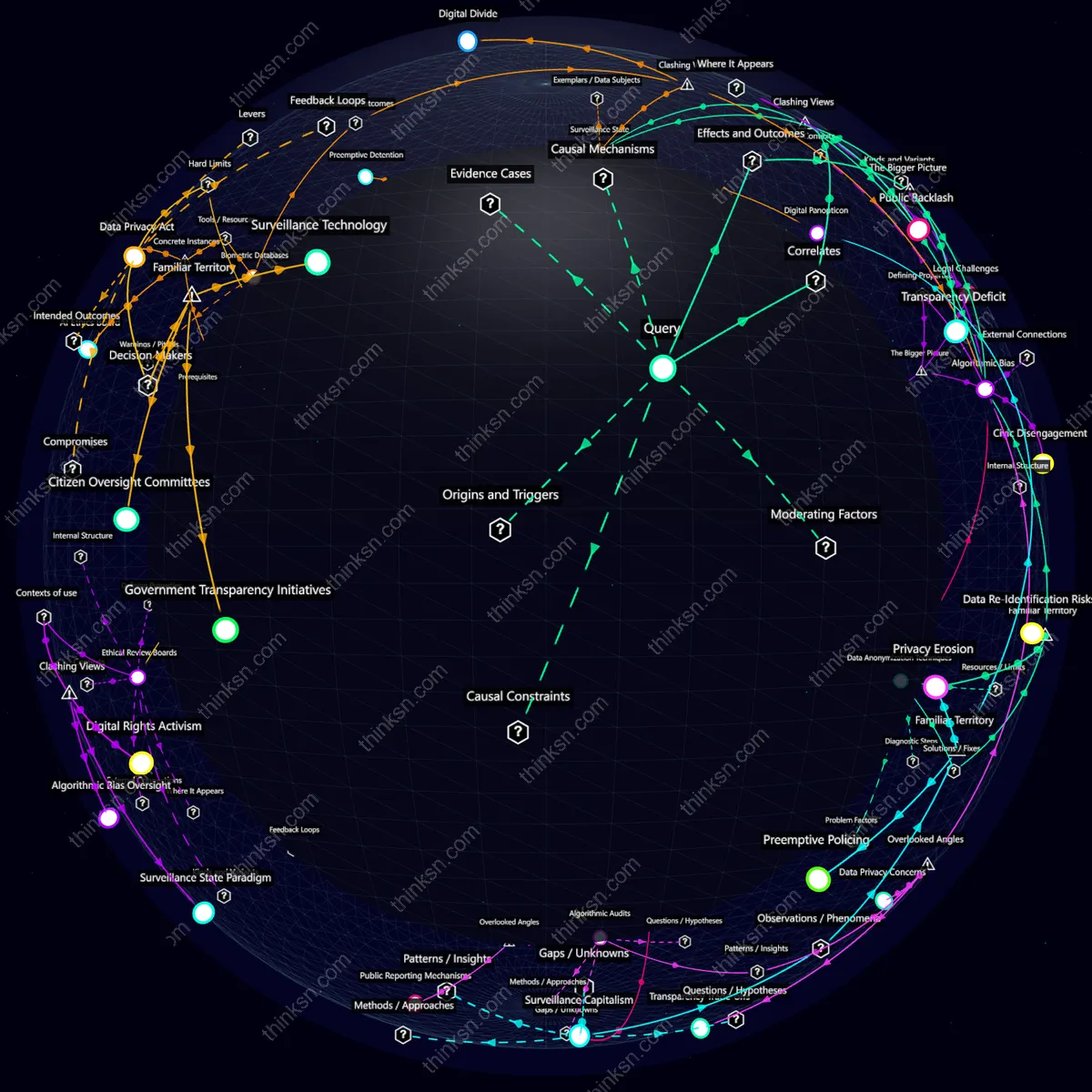
Analysis reveals 4 key thematic connections.
Key Findings
Surveillance State
Advanced AI in government surveillance can lead to a chilling effect on citizens' rights, as individuals might self-censor due to the pervasive monitoring of their activities. This shifts the balance of power towards the state and away from the individual, creating an environment where public dissent is stifled.
Algorithmic Bias
The use of AI for predicting civil unrest can exacerbate existing social inequalities by disproportionately targeting marginalized communities based on biased training data or flawed algorithms. This not only undermines trust in government but also perpetuates systemic injustice and discrimination.
Transparency Deficit
As governments increasingly rely on opaque AI systems for decision-making, there is a risk of creating a transparency deficit where citizens are unaware of how decisions affecting them are made. This lack of clarity can erode democratic processes and undermine public trust in both the technology and those who deploy it.
Public Backlash
Over-reliance on AI for civil order can provoke strong backlash from tech-savvy activists who exploit algorithmic vulnerabilities or expose discriminatory practices, potentially triggering widespread protests against government surveillance and control mechanisms.
Deeper Analysis
What are the measurable impacts on citizens' rights when an AI-driven surveillance state is used to predict and preempt civil unrest in government operations?
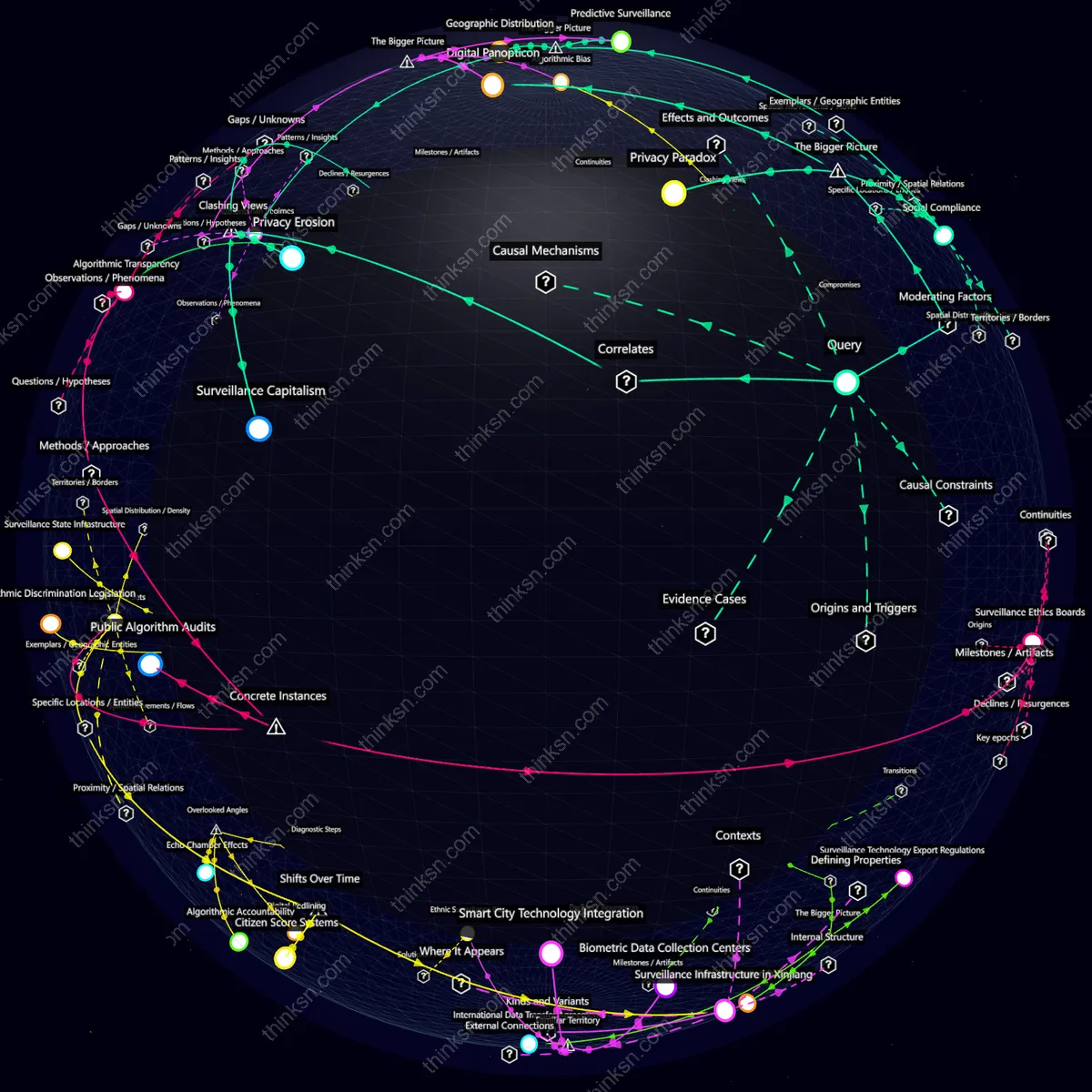
Digital Panopticon
In a Digital Panopticon, AI-driven surveillance systems monitor citizens' online activities to predict dissent. This creates a chilling effect where individuals self-censor and avoid controversial discussions to evade potential repercussions from the state, stifling free speech and open dialogue.
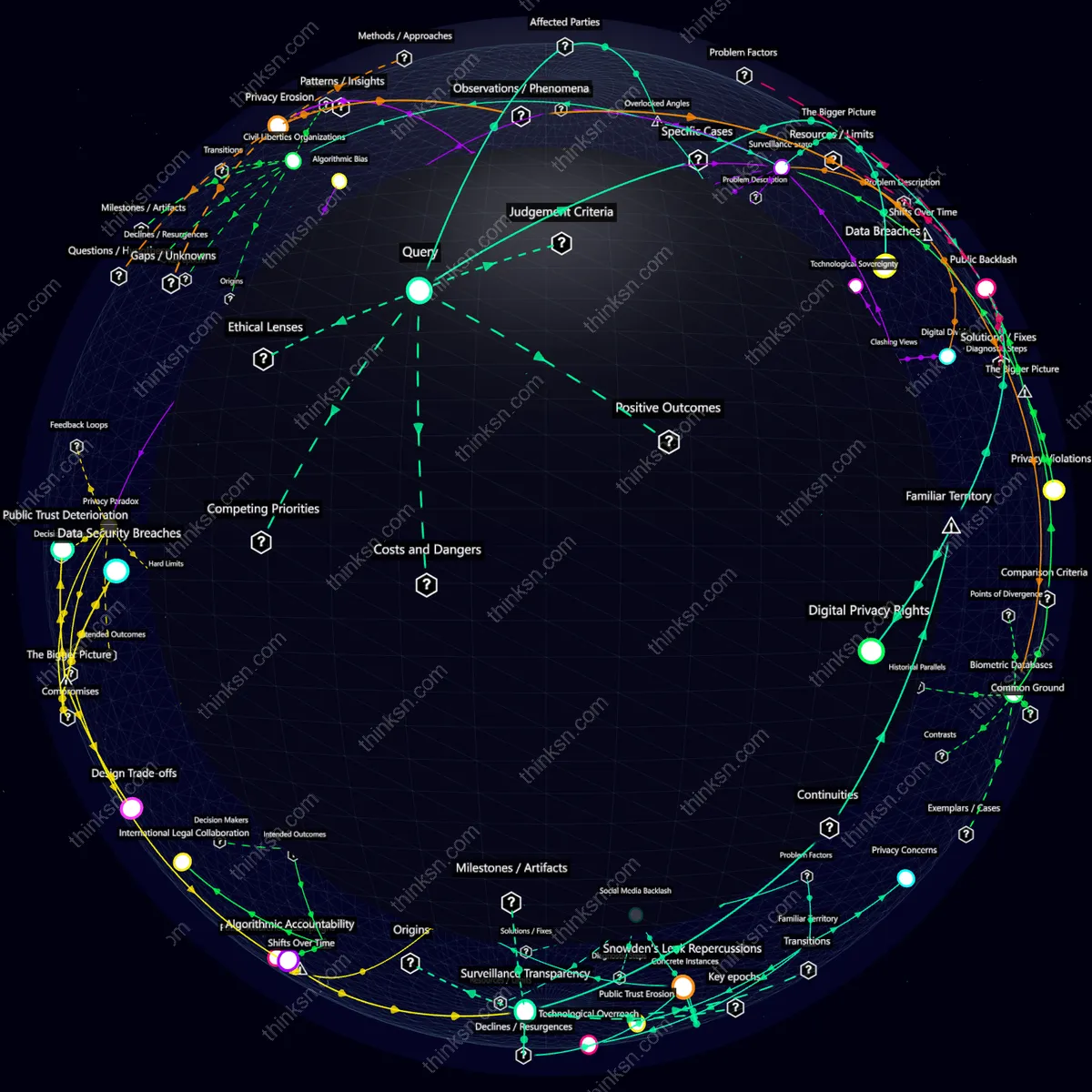
Biometric Databases
The use of biometric databases in surveillance states allows for precise tracking of individuals' movements and activities. While this enhances law enforcement capabilities, it also risks data breaches or misuse, potentially exposing millions to identity theft or political retribution.
Preemptive Detention
Governments employing AI-driven surveillance often implement preemptive detention policies for those deemed a risk based on predictive algorithms. This results in the incarceration of individuals before any crime is committed, undermining due process and civil liberties with severe psychological impacts on detainees.
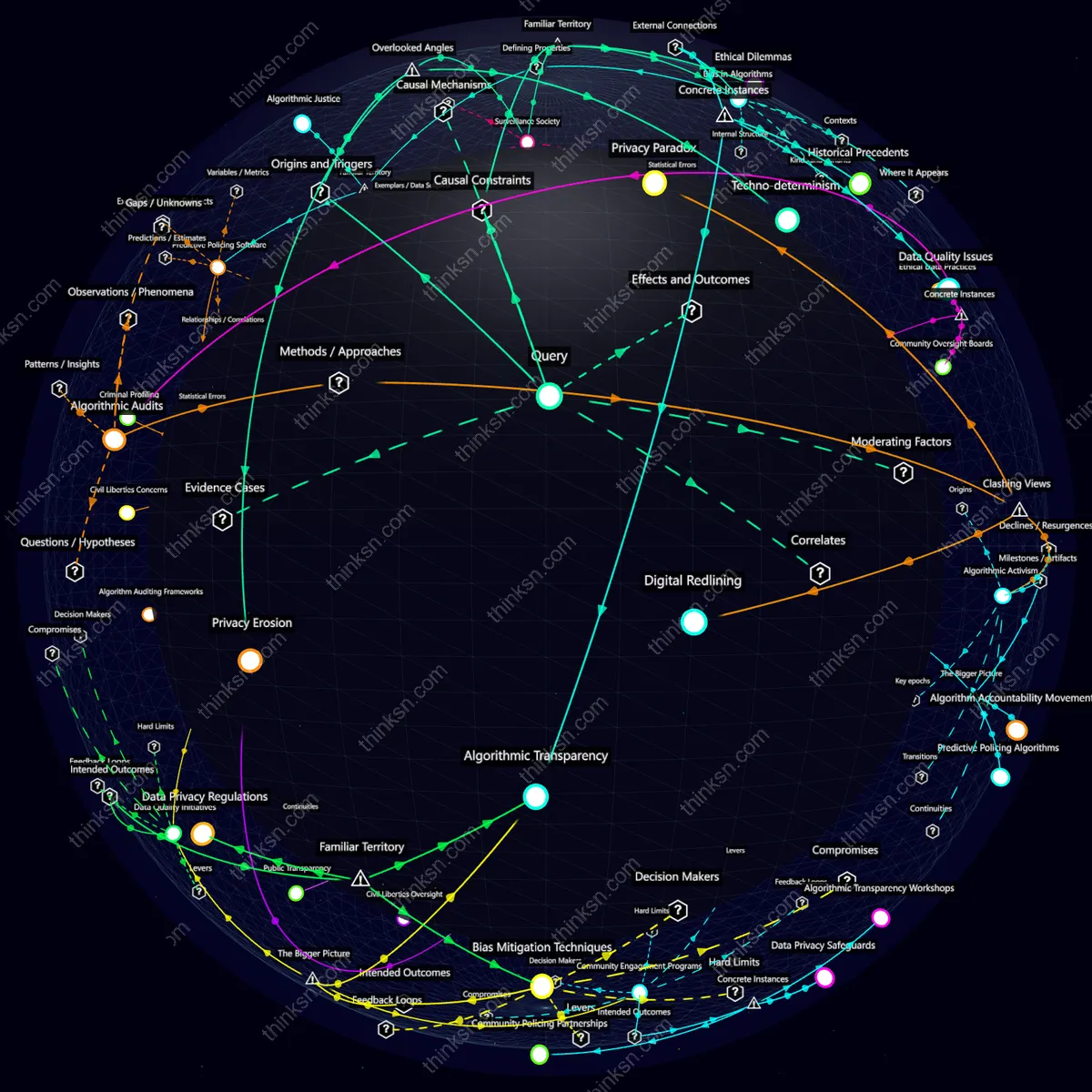
What are the potential impacts of algorithmic bias in AI-driven prediction systems used by governments to preempt civil unrest, and how do these biases affect citizens' rights across different demographic groups?
Discriminatory Surveillance
Algorithmic bias in AI-driven prediction systems can amplify discriminatory surveillance practices by disproportionately targeting marginalized communities as predictors of civil unrest, leading to increased police presence and interventions in these areas, thus reinforcing social inequalities and undermining trust in governmental institutions.
Civic Disengagement
As citizens perceive that predictive algorithms unfairly target them based on demographic profiles, they may feel disenfranchised from political processes and civic engagement, reducing participation rates in elections and community activities, which can further isolate already vulnerable groups and exacerbate social divides.
Legal Challenges
The deployment of biased AI prediction systems by governments faces growing legal challenges as civil rights organizations highlight discriminatory outcomes. These lawsuits not only question the legality of such practices but also underscore the ethical implications, potentially setting precedents that could restrict future uses of similar technologies in governance.
What are potential procedural workflows for governments to implement when integrating biometric databases with advanced AI systems aimed at predicting civil unrest, while ensuring citizens' rights are protected?
Data Privacy Act
The implementation of a Data Privacy Act in response to biometric database integration can paradoxically empower governments by setting clear data usage guidelines, yet it may also provoke public mistrust if perceived as insufficiently protective. Balancing transparency with security is crucial.
AI Ethics Board
An AI Ethics Board tasked with overseeing the use of biometric databases and advanced AI systems can mitigate ethical concerns but faces challenges in keeping pace with rapid technological advancements, potentially leading to governance gaps that could undermine public confidence.
Public Surveillance Cameras
The extensive deployment of public surveillance cameras linked to biometric databases can significantly enhance law enforcement capabilities for predicting and preventing civil unrest. However, it also escalates privacy concerns and risks exacerbating social tensions if not managed transparently.
Surveillance State
The integration of biometric databases with AI for predicting civil unrest can rapidly transform a democratic state into a surveillance state, where citizens are constantly monitored and their freedoms curtailed. This transition may occur subtly through the normalization of constant data collection and analysis, leading to increased public compliance out of fear rather than choice.
Digital Divide
The reliance on biometric databases can exacerbate existing social inequalities by disproportionately affecting marginalized communities who lack access to necessary technology or whose biometric data is less reliable due to socio-economic factors. This digital divide not only deepens societal rifts but also undermines the effectiveness and fairness of predictive AI systems aimed at maintaining public order.
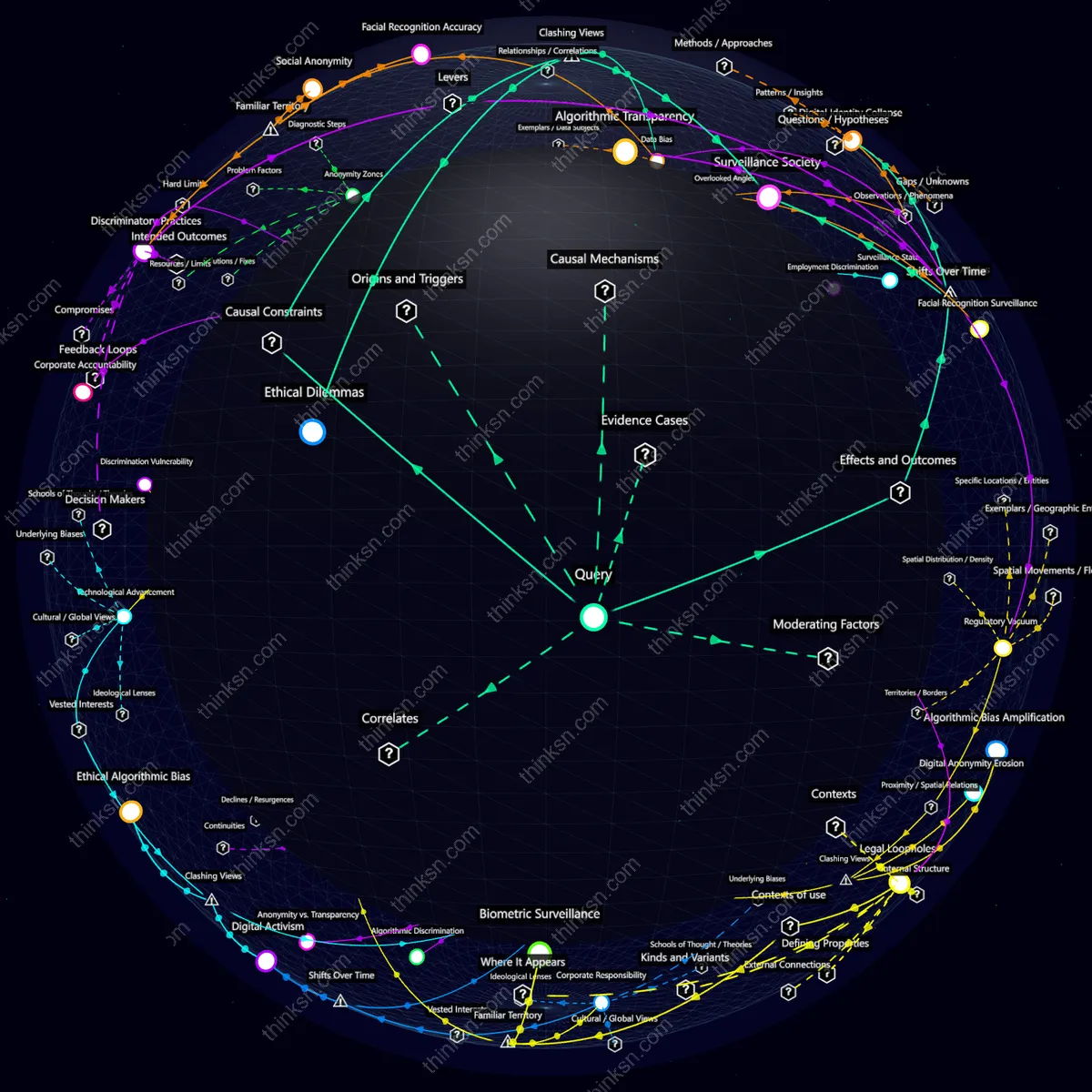
Algorithmic Bias
Predictive algorithms built on biometric databases may inherit biases present in historical data, leading to flawed predictions that disproportionately target certain demographics. This can result in wrongful surveillance or intervention by law enforcement, undermining citizens' trust and rights protection efforts while perpetuating systemic injustices.
Explore further:
- What strategies can be formulated to ensure compliance with the Data Privacy Act when using advanced AI in government for predicting and preempting civil unrest, while safeguarding citizens' rights?
- What is the spatial distribution and relationship between public surveillance cameras and advanced AI systems used for predicting civil unrest in urban areas?
What strategies can be formulated to ensure compliance with the Data Privacy Act when using advanced AI in government for predicting and preempting civil unrest, while safeguarding citizens' rights?
Data Anonymization Techniques
Advanced AI systems in government need robust data anonymization to comply with the Data Privacy Act. However, as datasets grow and become more complex, ensuring true anonymity becomes increasingly challenging. This raises concerns about residual identification risks and potential privacy breaches.
Ethical Review Boards
Government agencies implementing AI for civil unrest prediction must establish ethical review boards to oversee compliance with the Data Privacy Act. These boards ensure that AI applications respect individual rights but also face practical hurdles in balancing innovation speed against stringent regulatory scrutiny, potentially slowing down critical operations.
Public-Private Partnership Models
Collaborations between government and tech companies can help develop AI solutions compliant with the Data Privacy Act. However, such partnerships risk creating dependencies on private sector technology that may not fully align with public interest or regulatory standards, leading to tensions over control and accountability.
Surveillance Technology
The deployment of advanced AI for predicting civil unrest under the Data Privacy Act intensifies surveillance technology use. While it aims to preemptively address societal issues, this strategy risks eroding public trust and privacy rights due to invasive data collection methods.
Government Transparency Initiatives
In response to stringent compliance requirements of the Data Privacy Act, government transparency initiatives become crucial. These efforts, aimed at enhancing accountability in AI use, paradoxically highlight surveillance capabilities, potentially leading to public skepticism and resistance against AI-driven governance.
Citizen Oversight Committees
Establishing citizen oversight committees is a reactive measure to ensure compliance with the Data Privacy Act while deploying advanced AI. These groups aim to balance technological advancement and privacy rights but may face challenges in effectively monitoring complex AI systems, leading to potential misuse or overreach.
Explore further:
- What role do Ethical Review Boards play in assessing the ethical implications of using advanced AI for predicting and preempting civil unrest in government?
- How has the evolution of public-private partnership models in leveraging advanced AI for predicting civil unrest influenced citizens' rights over time?
What role do Ethical Review Boards play in assessing the ethical implications of using advanced AI for predicting and preempting civil unrest in government?
Digital Rights Activism
Ethical Review Boards frequently face pressure from digital rights activists who argue that the boards often prioritize state security over individual privacy and civil liberties, creating a skewed ethical framework when assessing AI technologies meant to preempt civil unrest.
Surveillance State Paradigm
The reliance on Ethical Review Boards in governments using advanced AI for predicting unrest can perpetuate the surveillance state paradigm, undermining democratic values and exacerbating societal distrust, as these boards may lack sufficient oversight from independent bodies or public scrutiny.
Algorithmic Bias Oversight
Ethical Review Boards struggle with algorithmic bias oversight in AI systems designed to predict civil unrest, often failing to address deep-rooted biases that can disproportionately target marginalized communities and exacerbate social inequalities.
How has the evolution of public-private partnership models in leveraging advanced AI for predicting civil unrest influenced citizens' rights over time?
Surveillance Capitalism
Public-private partnerships in leveraging AI for civil unrest prediction have blurred the lines between public safety initiatives and corporate surveillance efforts. This partnership often prioritizes data collection over privacy protections, leading to an expansion of surveillance capitalism where citizens' rights are compromised under the guise of security.
Algorithmic Bias
The use of AI in predictive models within public-private partnerships has highlighted and exacerbated existing social biases. As these algorithms become more integrated into governance, they risk entrenching systemic inequalities and undermining legal protections for marginalized groups, despite intentions to enhance civil stability.
Transparency and Accountability
The opaque nature of AI systems used in public-private partnerships poses significant challenges for transparency and accountability. This lack of clarity can lead to situations where citizens are unaware of the extent to which their data is being used, potentially leading to a loss of trust in both government and private entities.
Explore further:
- What are the implications of surveillance capitalism when advanced AI is used by governments to predict and preempt civil unrest, and how might this impact citizens' rights in ways that are currently unrecognized or under-discussed?
- What strategies can be formulated to ensure transparency and accountability in the use of advanced AI by governments for predicting civil unrest, thereby protecting citizens' rights?
What are the implications of surveillance capitalism when advanced AI is used by governments to predict and preempt civil unrest, and how might this impact citizens' rights in ways that are currently unrecognized or under-discussed?
Preemptive Policing
Advanced AI-driven surveillance capitalism enables governments to predict and preempt civil unrest through preemptive policing. This shifts law enforcement's focus from responding to crimes to preventing potential threats, often based on algorithmic predictions that may disproportionately target marginalized communities, exacerbating social tensions and eroding trust in public institutions.
Digital Panopticon
The integration of surveillance capitalism with AI creates a digital panopticon where citizens feel constantly monitored. This pervasive surveillance can lead to self-censorship and behavioral changes that restrict freedom of expression, hindering the development of robust civil societies and impeding democratic processes by silencing dissenting voices before they gain momentum.
Privacy Erosion
As governments leverage advanced AI for surveillance, traditional notions of privacy are severely compromised. The erosion of personal data protections can lead to a normalization of invasive monitoring practices that extend beyond law enforcement into everyday life, potentially undermining citizens' rights and freedoms without clear legal safeguards or public oversight mechanisms.
What strategies can be formulated to ensure transparency and accountability in the use of advanced AI by governments for predicting civil unrest, thereby protecting citizens' rights?
Data Anonymization Techniques
Implementing robust data anonymization techniques can protect the privacy of individuals while ensuring that governments have enough data to predict civil unrest. However, overzealous anonymization could strip datasets of crucial contextual information, leading to less accurate predictions and potentially overlooking emergent patterns indicative of impending unrest.
Algorithmic Audits
Regular algorithmic audits by independent third parties can ensure that AI systems used for civil unrest prediction are transparent and unbiased. Yet, such audits also demand significant resources and may not always identify all forms of bias or opacity embedded in the algorithms, leaving room for undetected systemic issues.
Public Reporting Mechanisms
Establishing public reporting mechanisms allows citizens to track how their governments are using AI technologies. This can foster trust but also poses risks if such transparency leads to misuse of sensitive information by malicious actors or misinformation campaigns that exploit the data for nefarious purposes.
Explore further:
- What are the potential failures and trade-offs when governments employ data anonymization techniques to protect citizens' rights while using advanced AI for predicting civil unrest?
- What are the emerging insights and diverse perspectives on the need for algorithmic audits in government AI systems used to predict civil unrest, and how might these audits protect citizens' rights?
What are the potential failures and trade-offs when governments employ data anonymization techniques to protect citizens' rights while using advanced AI for predicting civil unrest?
Privacy Erosion
When governments employ data anonymization techniques to predict civil unrest, the very act of collecting large datasets can lead to privacy erosion among citizens. The perception that their data is constantly being monitored can undermine trust in government and erode individual freedoms.
Data Re-Identification Risks
Despite anonymization efforts, advanced AI algorithms have shown the ability to re-identify individuals from supposedly anonymous datasets. This risk not only threatens personal privacy but also exposes governments to legal challenges and public backlash if such breaches occur.
Algorithmic Bias
The use of data anonymization techniques in advanced AI systems predicting civil unrest can inadvertently perpetuate or even exacerbate existing social biases. If the training data reflects historical prejudices, the AI could become a tool for reinforcing rather than mitigating societal inequalities.
What are the emerging insights and diverse perspectives on the need for algorithmic audits in government AI systems used to predict civil unrest, and how might these audits protect citizens' rights?
Algorithmic Bias
As government AI systems predict civil unrest using algorithmic audits, the risk of reinforcing existing social biases becomes acute. For instance, algorithms trained on historical data may incorrectly flag certain ethnic or socioeconomic groups as more likely to engage in unrest, perpetuating systemic discrimination and undermining public trust.
Data Privacy Concerns
The reliance on granular personal data for AI predictions raises significant privacy issues. Without robust safeguards, the use of sensitive information such as social media activity or location data can lead to unwarranted surveillance and invasion of citizens' rights, potentially stifling free speech and assembly.
Transparency Trade-offs
While algorithmic audits aim to enhance transparency in AI systems, there is a delicate balance between revealing necessary information and protecting proprietary algorithms. This tension can lead to incomplete or misleading audit reports if companies or governments prioritize secrecy over full disclosure.