The Dangers of Tech Giants Controlling Personal Data: Privacy Loss and Third-Party Risks
Analysis reveals 5 key thematic connections.
Key Findings
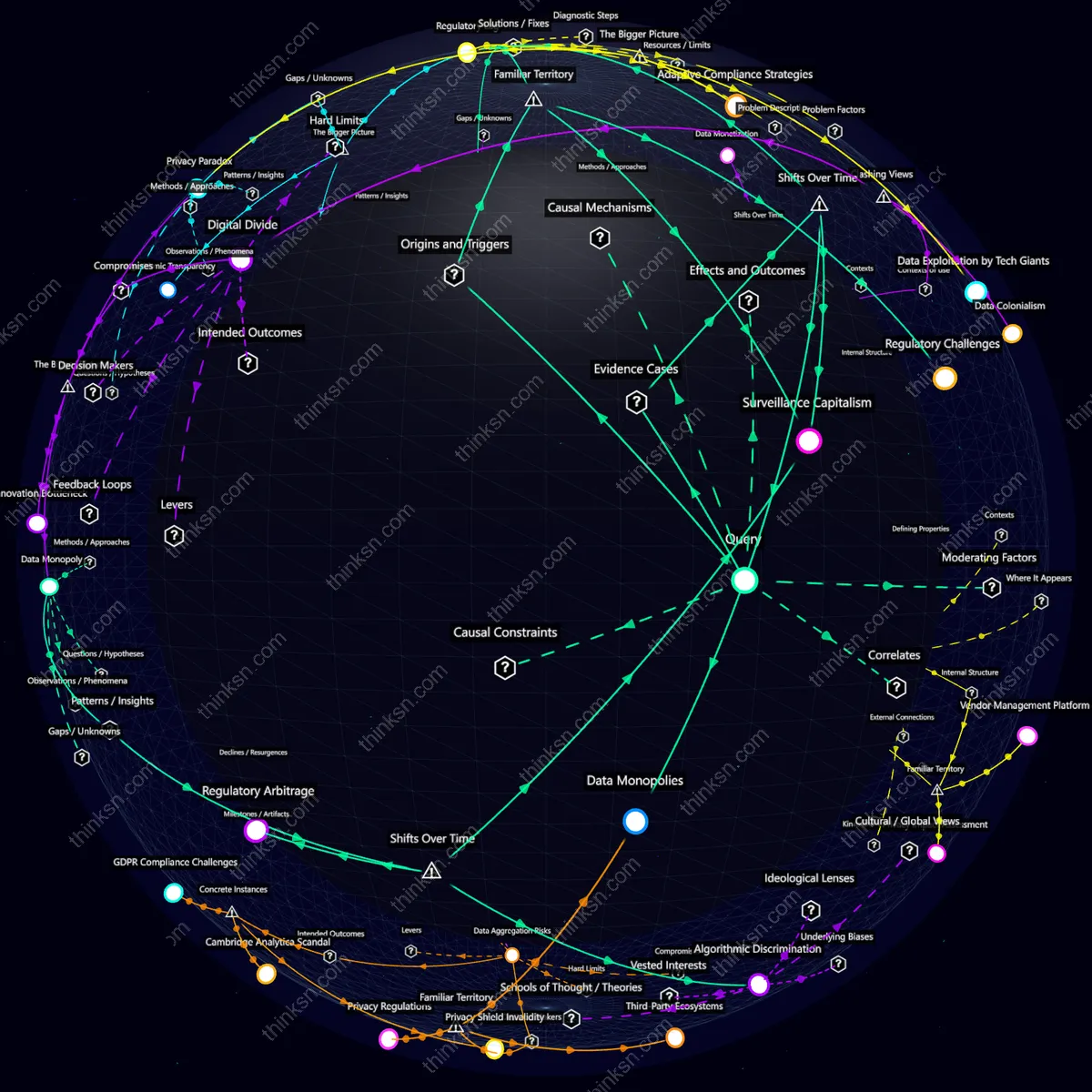
Data Ownership
The shift towards increased control over personal data by tech firms paradoxically undermines the concept of data ownership. As users cede more control to these entities, they lose visibility into how their data is used and shared, leading to a deeper entrenchment of corporate power over individual privacy rights.
Surveillance Capitalism
Large tech firms' enhanced grip on personal data fuels the rise of surveillance capitalism, where user data becomes a new form of currency. This intensifies economic incentives for aggressive data collection and monetization, often at the expense of user privacy and security, creating an ecosystem ripe for misuse by third parties.
Regulatory Challenges
Efforts to regulate tech firms' control over personal data face significant hurdles due to the rapid pace of technological change and global interconnectivity. This regulatory lag creates a fertile ground for privacy breaches and unauthorized access, as laws struggle to keep up with evolving threats.
Data Monopolies
As large tech firms gain tighter control over personal data through monopolistic practices, users face heightened privacy risks due to reduced competitive pressure on these companies. This concentration of power often leads to weaker privacy protections and increased susceptibility to third-party misuse, exemplified by Facebook's Cambridge Analytica scandal.
Regulatory Lag
The rapid evolution of digital technologies outpaces regulatory frameworks, leaving consumers vulnerable to emerging privacy threats. For instance, the EU’s General Data Protection Regulation (GDPR) was a significant step but struggles to keep up with innovative data collection methods employed by tech giants like Amazon.
Deeper Analysis
What are the emerging insights and hidden assumptions regarding data ownership when large tech firms increase control over personal data, and how might this affect privacy and misuse risks by third parties?
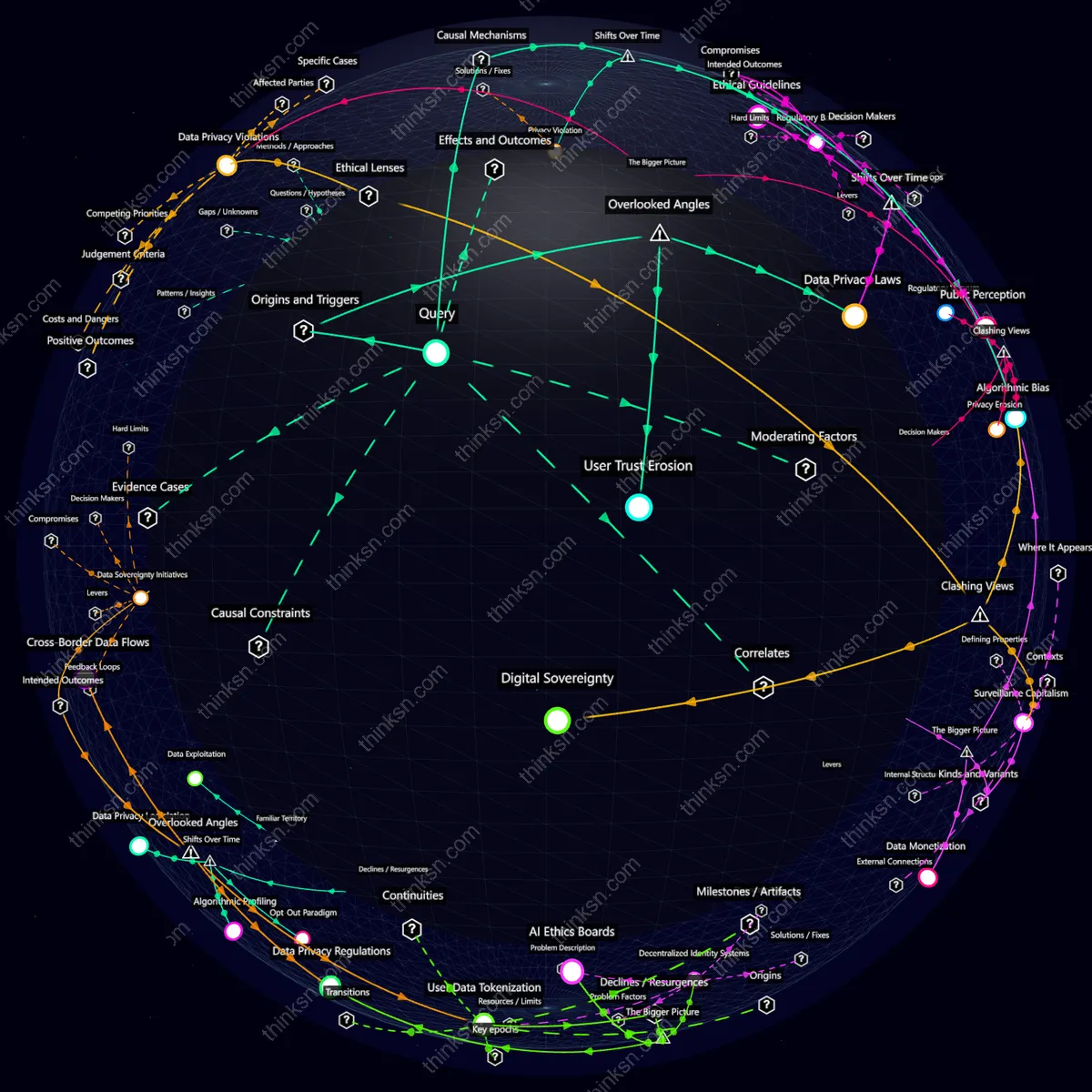
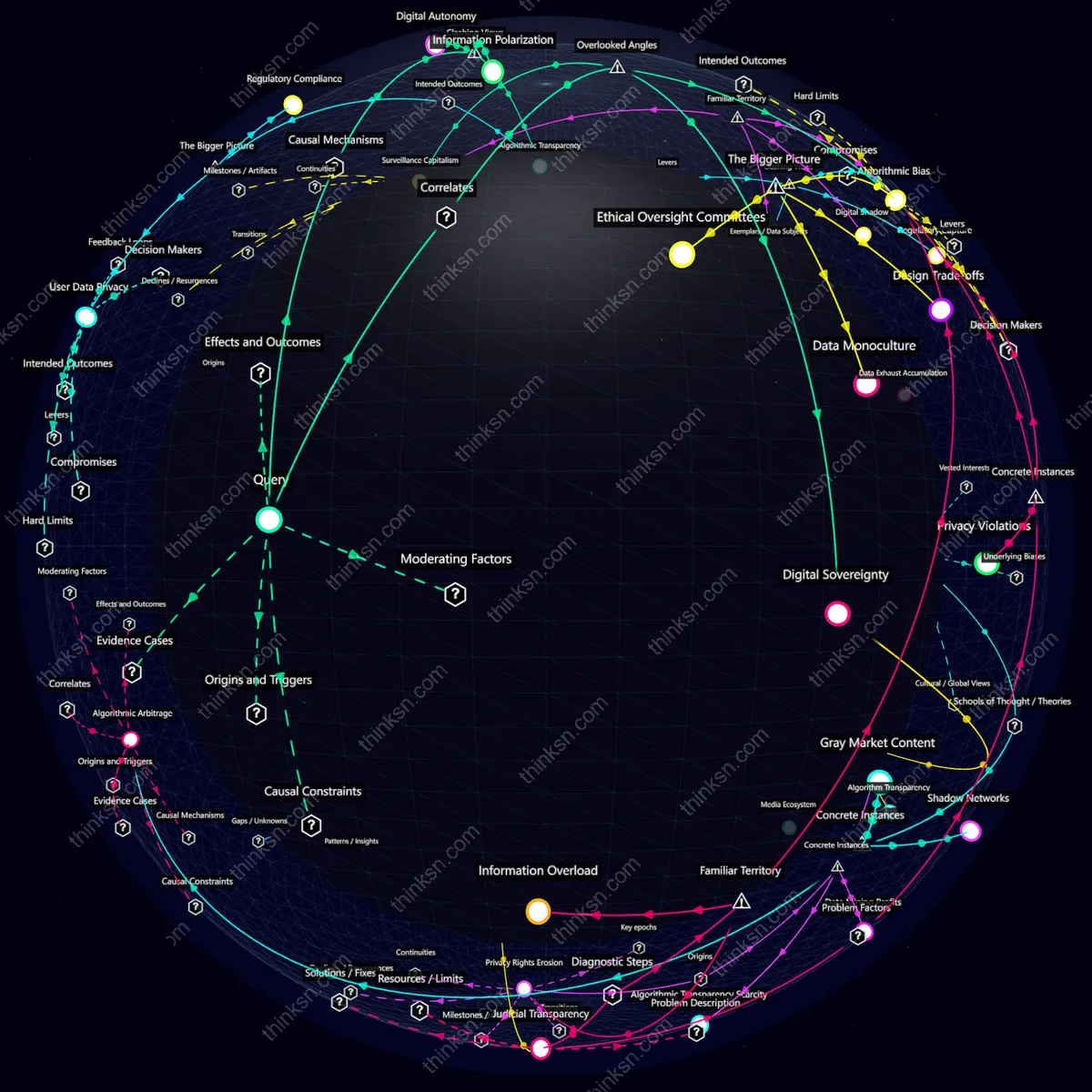
Digital Sovereignty
As large tech firms centralize control over personal data, the concept of digital sovereignty emerges as a critical counterbalance. This framework seeks to empower individuals and nations by asserting rights over their own digital footprints, but it risks creating fragmented internet ecosystems that could hinder global collaboration and innovation.
Algorithmic Bias
The concentration of personal data ownership by major tech companies not only raises privacy concerns but also exacerbates algorithmic bias. As these firms refine their algorithms with increasingly homogeneous datasets, they perpetuate existing social inequalities, inadvertently influencing everything from job recruitment to criminal justice.
Data Monetization
With the rise of data ownership by large corporations, the practice of data monetization has intensified. This leads to a paradox where users' personal information becomes both their currency and their prison, as companies exploit this data for profit while exposing individuals to unprecedented risks of misuse or exploitation.
What are the consequences of regulatory lag on the effectiveness of measures aimed at protecting personal data from misuse by third parties in the context of increasing control over such data by large tech firms?
Data Exploitation by Tech Giants
Regulatory lag enables large tech firms to exploit data protection gaps, undermining user trust and eroding the effectiveness of existing privacy measures. As technology advances faster than regulations can adapt, these companies increasingly control personal information with minimal oversight, amplifying risks such as unauthorized surveillance and targeted manipulation.
Privacy Paradox
Regulatory lag exacerbates the privacy paradox, where users express concern about data misuse but continue to engage in behaviors that expose their private information. This disconnect leads to a false sense of security among individuals, who may not fully understand the extent of regulatory inadequacies or the risks associated with sharing personal data on digital platforms.
Adaptive Compliance Strategies
Tech firms develop sophisticated adaptive compliance strategies in response to lagging regulations, often exploiting legal ambiguities and loopholes. These strategies can include relocating operations to jurisdictions with less stringent data protection laws or implementing superficial changes that appear compliant but do not genuinely enhance user privacy.
What is the relationship between digital sovereignty and increasing control over personal data by large tech firms in terms of privacy risks and third-party misuse?
Data Colonialism
As nations pursue digital sovereignty to protect personal data from large tech firms, the risk of data colonialism emerges. This occurs when countries impose stringent regulations that inadvertently create a new form of dominance by favoring local companies and creating barriers for international competition, potentially stifling innovation and perpetuating control over user data.
Digital Divide
Efforts to achieve digital sovereignty may inadvertently widen the digital divide by prioritizing national interests over global accessibility. This can lead to fragmented internet architectures where access to critical services is hindered for less developed regions, creating a new form of inequality that undermines the broader goal of universal digital rights and privacy protections.
What are the emerging insights and hidden assumptions regarding the Privacy Paradox in the context of large tech firms' control over personal data and its impact on privacy risks from third parties?
User Trust Deficit
The Privacy Paradox exacerbates user trust deficits as large tech firms leverage personal data for targeted advertising. This creates a cycle where users are both dependent on these services and wary of their data misuse, leading to reduced transparency and increased privacy risks from third parties.
Algorithmic Transparency
Lack of algorithmic transparency in tech firm operations distorts user perceptions about privacy. While companies may claim robust security measures, opaque algorithms obscure the extent of data exploitation, reinforcing a false sense of security and undermining genuine privacy protection efforts.
Regulatory Lag
The rapid evolution of digital technologies outpaces regulatory frameworks, creating blind spots where third-party risks flourish. This lag not only fails to protect user data effectively but also incentivizes tech firms to exploit legal ambiguities, further entrenching the Privacy Paradox.
What strategies can be formulated to mitigate the digital divide when large tech firms increase control over personal data, considering the privacy risks and potential misuse by third parties?
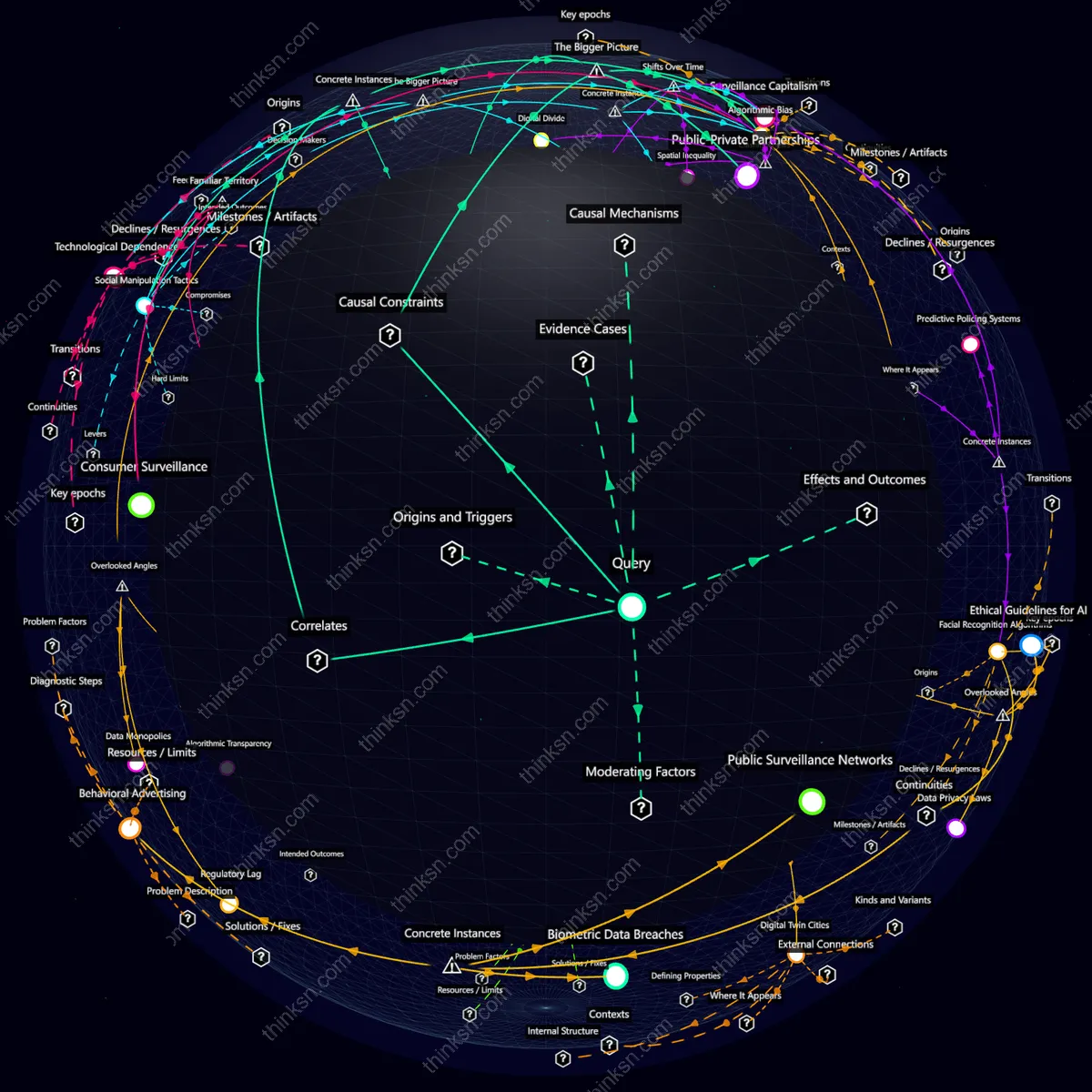
Data Monopoly
As large tech firms increase their control over personal data, a data monopoly emerges, exacerbating the digital divide by creating unequal access to information and services for marginalized communities. This monopolistic power can drive up costs and restrict innovative entry by smaller players who cannot afford or compete with the dominant firm's resources.
Privacy Paradox
The privacy paradox, where individuals continue using technology despite concerns about data security, intensifies as tech firms exploit user data without clear benefits to users. This behavior leads to a trust deficit that hampers efforts to bridge the digital divide by discouraging those who feel their privacy is at risk from engaging with new technologies.
Innovation Bottleneck
An innovation bottleneck occurs when large tech firms control critical infrastructure and data, stifling smaller innovators' ability to develop solutions tailored for underserved communities. This systemic issue prevents the emergence of diverse and inclusive digital products that could otherwise help mitigate the digital divide.
What is the static mapping of components and categories that contribute to a user trust deficit in large tech firms as they increase control over personal data, and how do these factors relate to privacy risks and third-party misuse?
Data Aggregation Practices
Rapid data aggregation by large tech firms exacerbates user trust deficits as individuals perceive their personal information being pieced together from various sources to form detailed profiles, often without clear consent or understanding of the implications.
Algorithmic Transparency Gap
The lack of transparency in algorithmic decision-making processes fuels a trust deficit by making it hard for users to challenge or understand decisions affecting them, leading to feelings of vulnerability and powerlessness in interactions with tech firms.
Third-Party Access Policies
Loose third-party access policies enable misuse and data breaches, heightening user mistrust as individuals witness their personal information being shared without adequate safeguards or oversight, often resulting in privacy violations that harm trust long-term.
What are the emerging insights and diverse viewpoints on how data monopolies held by large tech firms affect individual privacy and the risk of third-party misuse?
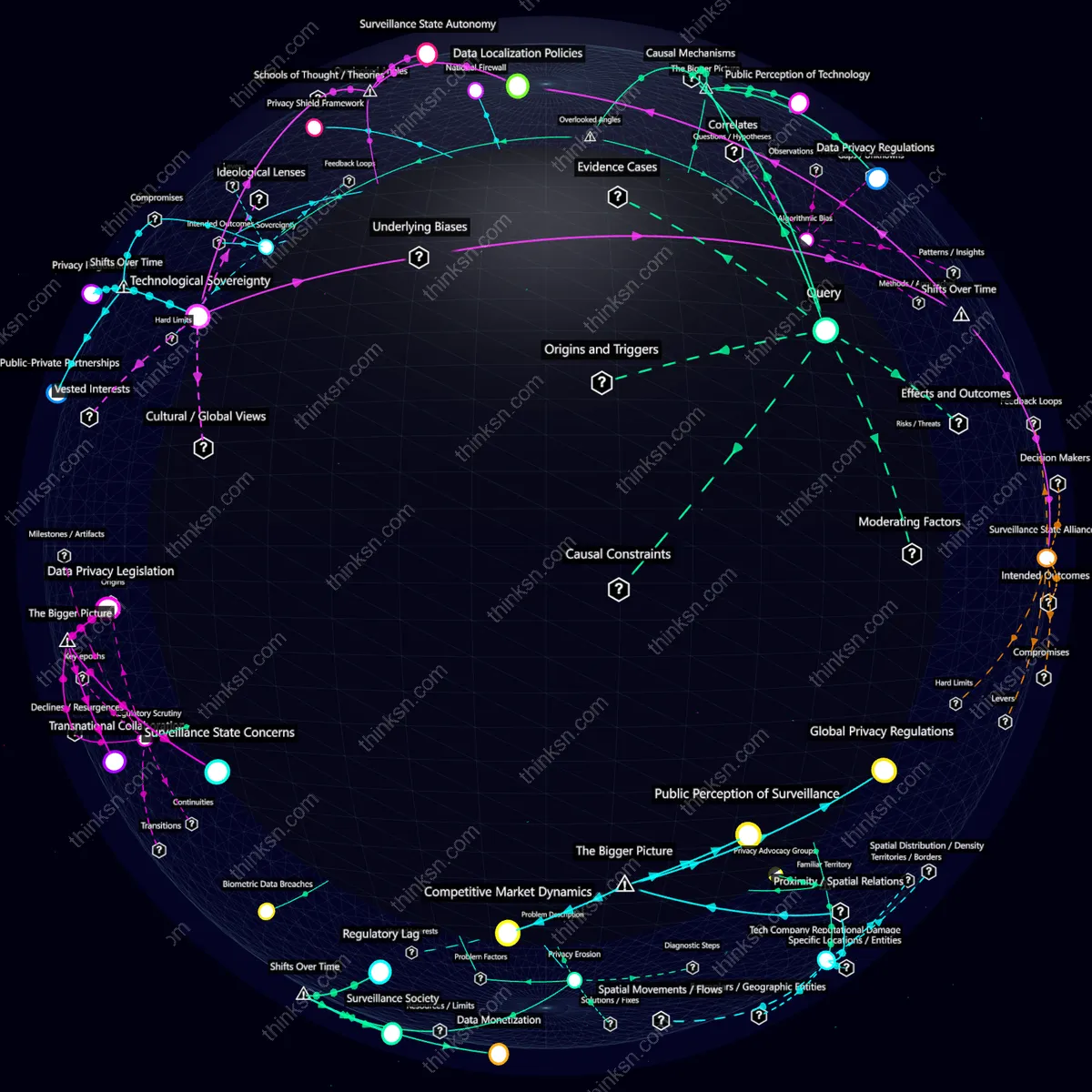
Surveillance Capitalism
As data monopolies consolidate power, tech giants leverage surveillance capitalism to monetize personal data on an unprecedented scale. This practice not only invades individual privacy but also creates a feedback loop where user behavior is increasingly manipulated for commercial gain.
Algorithmic Discrimination
Data monopolies can exacerbate social inequalities through algorithmic discrimination, as biased datasets lead to discriminatory outcomes in areas like hiring, lending, and policing. This systemic risk highlights the fragile dependency on ethical data governance within tech companies.
Regulatory Arbitrage
Tech firms with global reach often exploit regulatory arbitrage by operating under less stringent privacy laws, effectively undermining the effectiveness of national data protection efforts. This dynamic poses a significant risk to individual privacy and highlights the urgent need for international cooperation in regulating data monopolies.
What are the Third-Party Access Policies implemented by large tech firms and how do they affect privacy and risk management in relation to personal data misuse?
Data Breach Incident
Weak third-party access policies can lead to data breaches when vendors with insufficient security practices gain unauthorized access to sensitive information. This not only exposes the firm's reputation and legal compliance but also jeopardizes customer trust, potentially resulting in financial losses due to regulatory fines and lawsuits.
Privacy Impact Assessment
Implementing stringent third-party access policies necessitates thorough privacy impact assessments for each vendor interaction. While this process ensures better protection of personal data, it also introduces operational delays and additional costs that can stifle innovation or competitiveness in fast-paced technology sectors.
Vendor Management Platform
The adoption of a centralized vendor management platform to enforce third-party access policies relies on continuous monitoring and updates. Any lapse in oversight can leave critical data exposed, highlighting the dependency on robust technical solutions and vigilant human intervention to maintain security integrity.
What is the probability and potential impact of a data breach incident when large tech firms increase their control over personal data, considering privacy risks and third-party misuse?
Third-Party Vendor Oversight
Increased control by large tech firms over personal data often leads to outsourcing sensitive tasks to third-party vendors. However, this practice can expose companies to significant vulnerabilities due to inadequate oversight and weaker security protocols at these external partners, amplifying the risk of a data breach incident.
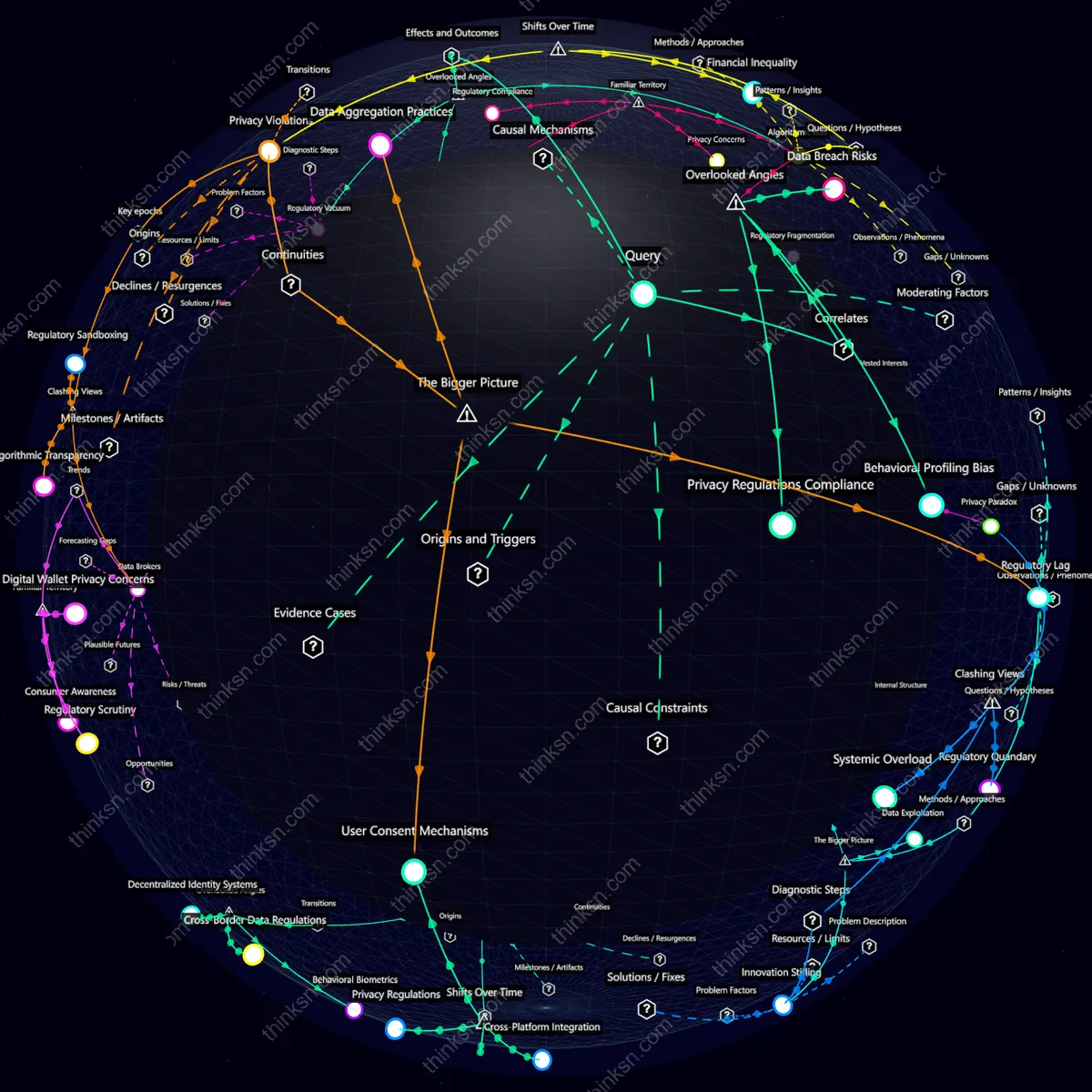
Privacy Regulations Compliance
While stringent privacy regulations are intended to protect personal data, they paradoxically may also serve as a catalyst for more sophisticated data breaches. Tech firms might view compliance efforts as mere checkboxes rather than genuine security enhancements, creating complacency and potential weaknesses in their systems that hackers can exploit.
User Trust Erosion
A significant data breach incident involving large tech companies not only compromises user data but also irreparably damages the trust between users and these firms. This erosion of trust can lead to decreased usage, reputational damage, and long-term economic losses for tech giants, even if immediate financial impacts seem manageable.
Third-Party Vendor Security
The increasing reliance on third-party vendors by large tech firms to manage personal data can lead to a fragmented security landscape. Vendors often lack the robust security measures of their clients, creating vulnerabilities that hackers exploit. A notable example is the 2017 Equifax breach, where a vulnerability in a software library used by a third-party contractor led to exposure of sensitive information for over 143 million people.
Data Aggregation Risks
Large tech firms' control over vast amounts of personal data increases the potential impact of a breach. Data aggregation not only amplifies the scale of damage but also enhances attackers' ability to craft more sophisticated attacks. For instance, when Yahoo experienced massive breaches in 2013 and 2014, affecting over three billion accounts combined, it demonstrated how aggregated user data can be used to impersonate individuals across multiple platforms.
Regulatory Compliance Loopholes
Tech firms often find ways to exploit or navigate around regulatory frameworks designed to protect consumer privacy. These loopholes are exploited by attackers who understand the legal grey areas, leading to underreported breaches that have severe consequences for users. An example is the Cambridge Analytica scandal involving Facebook, where data was harvested through a loophole in API permissions, affecting up to 87 million users.
Explore further:
- How has the evolution of security measures for third-party vendors impacted the privacy risks associated with large tech firms' control over personal data over time?
- What strategies can be formulated to mitigate data aggregation risks when large tech firms increase their control over personal data, considering privacy and third-party misuse concerns?
What strategies can be formulated to mitigate data aggregation risks when large tech firms increase their control over personal data, considering privacy and third-party misuse concerns?
Privacy Regulations
As large tech firms accumulate more personal data, stringent privacy regulations like GDPR aim to mitigate risks. However, these rules can also inadvertently stifle innovation and user experience if not carefully balanced, potentially leading to a regulatory overreach that harms smaller competitors.
Data Monopolies
The rise of data monopolies controlled by major tech firms exacerbates aggregation risks, concentrating power in fewer hands. This can lead to less competitive pricing and services, as well as reduced incentives for these companies to innovate and protect user privacy adequately.
Third-Party Ecosystems
Tech giants' dominance over personal data through third-party ecosystems introduces significant risks of misuse or breaches. While these platforms offer convenience and integration benefits, they also create complex dependency chains that can leave users vulnerable to systemic failures or malicious exploitation.
Privacy Shield Invalidity
The invalidation of Privacy Shield in 2020 highlighted the risks of centralized data aggregation by large tech firms, revealing systemic vulnerabilities that can undermine cross-border data protection and trust.
Cambridge Analytica Scandal
The Cambridge Analytica scandal exposed how third-party misuse of aggregated personal data can manipulate public opinion and election outcomes, underscoring the fragile dependency between social media platforms and user privacy.
GDPR Compliance Challenges
Tech firms face increasing challenges in maintaining GDPR compliance as they aggregate more data, highlighting risks from both regulatory fines and loss of consumer trust due to breaches or misuse.